
Grapes
Exploring the Frontenac Blanc Grape Varietal Characteristics
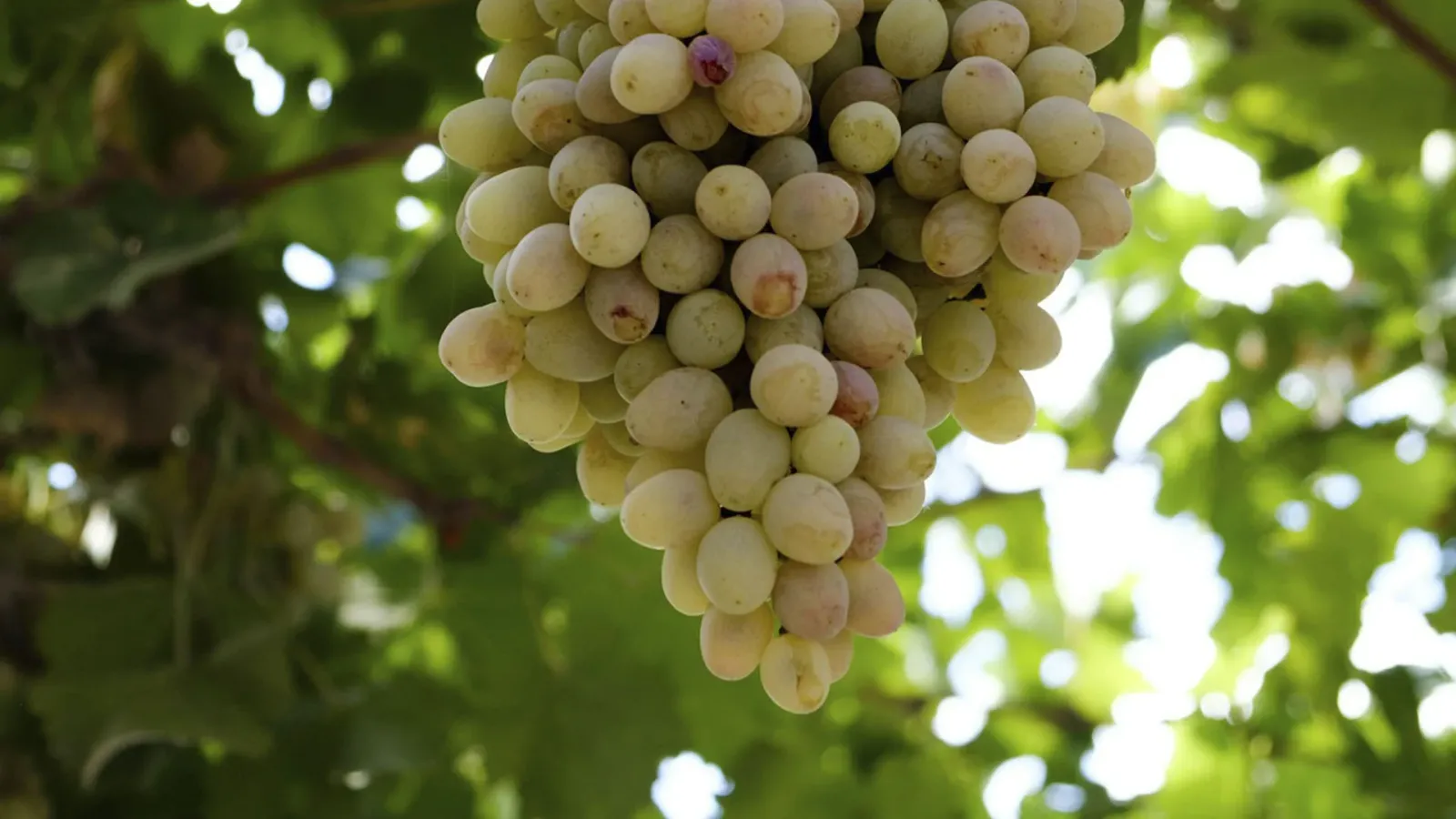
Frontenac Blanc is a white hybrid grape varietal known for its resilience in cold climates, disease resistance, and high-quality wine potential. It is part of the Frontenac family, which includes other cold-hardy varieties like Frontenac Gris. As a variant of the red Frontenac grape, it has quickly gained recognition in regions where extreme winter temperatures limit vinifera cultivation, allowing winemakers to produce expressive wines even in colder environments.
At a Glance
- Countries authorising it
- 2
Authorised in
Variety registrations: OIV Vine Varieties Database
Characteristics and Qualities
Frontenac Grape Characteristics
- Appearance: The berries of Frontenac Blanc are medium-sized with a light green to yellow skin, forming compact clusters that are resistant to rot.
- Aroma and Flavor Profile: Wines made from Frontenac Blanc typically have vibrant aromas of citrus, peach, pineapple and hints of floral notes. The flavour profile can include tropical fruits, green apple, and a minerality that adds complexity.
- Sugar and Acid Levels: Frontenac Blanc is notable for its high acidity and moderate to high sugar content, giving winemakers the flexibility to produce various wine styles, from dry to dessert wines.
Significance and Popularity
Frontenac Blanc is significant in the wine world for advancing cold-climate winemaking, offering regions with harsh winters a viable option for quality white wines. Its popularity is growing as winemakers and consumers alike recognize the varietal’s aromatic profile, versatility, and potential for creating unique, local wines.
Winemaking Potential
- Style Versatility: Frontenac Blanc is versatile in winemaking and is used to produce dry white wines, sparkling wines, and even ice wines. Its high acidity and bright flavours make it an excellent candidate for sparkling wine production.
- Aging Potential: Frontenac Blanc wines are often enjoyed young for their freshness, though some aged expressions can develop enhanced complexity, especially when produced as dessert wines.
- Food Pairing Recommendations: Frontenac Blanc pairs well with seafood, grilled chicken, and salads, as well as light cheeses and dishes with citrus-based sauces. Its high acidity also makes it an ideal match for rich and creamy dishes, balancing the flavours and refreshing the palate.
Historical Context and Origin at the University of Minnesota
The University of Minnesota developed Frontenac Blanc as part of its cold-hardy hybrid grape breeding program. It is a colour mutation of Frontenac, first appearing as a white-skinned grape that retained the durability and adaptability of its red counterpart. The University of Minnesota is evaluating and characterizing various Frontenac Blanc lines to understand further and enhance this grape variety. The University of Minnesota created it to support winemaking in northern climates, and its success has proven it to be one of the most promising hybrid grapes for cold-climate viticulture.
Viticultural Aspects
- Climate and Soil Preferences: Frontenac Blanc thrives in cool to cold climates, especially those with well-drained soils, including sandy and loamy types. Its cold hardiness allows it to survive extreme winter temperatures, which is crucial for cold-climate vineyards.
- Yield Potential and Vine Vigor: Frontenac Blanc has high vigour and produces consistent yields. It requires careful vineyard management, particularly with pruning and canopy control, to balance its natural vigour and enhance grape quality.
- Susceptibility to Diseases and Pests: It has strong resistance to common grapevine diseases, such as powdery mildew and downy mildew, making it an ideal option for vineyards that prioritize sustainable and organic practices.
Geographic Distribution and Cultivation
Frontenac Blanc is widely cultivated in North America, especially in the US regions of Minnesota and Wisconsin and the Canadian Ontario. Its popularity is expanding in other cold-climate regions due to its adaptability and the quality of wine it can produce.
Regional Expressions
Frontenac Blanc in North America
- Historical Importance and Prominence: Frontenac Blanc represents a breakthrough in cold-climate viticulture in North America, particularly in the Upper Midwest and northern states. Developed by the University of Minnesota, it has allowed regions with severe winters to cultivate a high-quality white grape varietal.
- Key Wine-Producing Regions:
- Minnesota: As the birthplace of Frontenac Blanc, Minnesota produces some of the most representative expressions, known for their vibrant acidity and intense fruit character.
- Wisconsin: In Wisconsin, Frontenac Blanc showcases similar crisp acidity, with winemakers often exploring both dry and off-dry styles.
- Ontario: Ontario’s cool climate highlights Frontenac Blanc’s mineral undertones and creates wines with a balanced fruit profile, suitable for sparkling and dry styles.
- Stylistic Variations and Quality Levels: In North America, Frontenac Blanc wines range from crisp, dry whites with citrus and mineral notes to slightly sweeter styles with tropical fruit characteristics. Sparkling wines made from Frontenac Blanc are also gaining recognition for their lively acidity and refreshing quality.
Frontenac Blanc in Other Regions
- Global Distribution and Cultivation: While Frontenac Blanc is predominantly grown in North America, interest in cold-hardy hybrids is expanding to other cool-climate regions, including parts of northern Europe. Among the grapes grown in these regions, Frontenac Blanc stands out for its adaptability and unique flavour profiles.
- Notable Examples and Regional Interpretations: Frontenac Blanc’s adaptability allows it to express unique regional characteristics, though its citrus and tropical fruit profile remain constant. In cooler European regions, it can present more restrained fruit flavours and pronounced minerality.
- Impact on Local Wine Cultures: Frontenac Blanc has strengthened the identity of cool-climate regions, helping winemakers offer distinctive white wines that reflect their local terroir and climate resilience.
Future Prospects and Trends
Emerging Trends and Developments
- Climate Change and Adaptation Strategies: As climate change drives more interest in resilient grape varieties, Frontenac Blanc is well-positioned for expansion. Its ability to withstand cold and adapt to variable conditions supports the sustainability goals of many vineyards.
- New Winemaking Techniques and Technologies: Winemakers are experimenting with various styles for Frontenac Blanc, including skin contact for enhanced complexity, lees aging, and the use of neutral oak barrels to add texture. Some winemakers are also experimenting with small amounts of residual sugar to balance the high acidity of Frontenac Blanc and enhance its flavour profile. These techniques showcase the grape’s versatility and potential for nuanced expressions.
- Consumer Preferences and Market Trends: With a growing interest in cool-climate wines and unique hybrid varietals, Frontenac Blanc’s popularity is on the rise. Its bright, refreshing profile appeals to consumers looking for alternative, regionally distinctive white wines.
Potential for Growth and Expansion
- Exploring New Regions: Given its success in North America, Frontenac Blanc may expand to other cool-climate regions, such as northern Europe and Japan, where cold-hardy, disease-resistant varieties are in demand.
- Reputation Enhancement: As more high-quality Frontenac Blanc wines gain recognition, the varietal’s reputation as a premium hybrid grape will likely grow, supported by increasing consumer interest in sustainable and distinctive wine options.
Notable Wines and Producers
Iconic Frontenac Blanc Ice Wines
- High-Quality Examples: High-quality Frontenac Blanc wines often exhibit fresh citrus and stone fruit flavours balanced by crisp acidity. Sparkling expressions are particularly notable for their brightness and refreshing character.
- Tasting Notes: Iconic Frontenac Blanc wines feature aromas of citrus, peach, and melon. On the palate, they are crisp and lively, with flavours of green apple, pineapple, star fruit, and a subtle minerality that enhances the wine’s structure and finish.
Renowned Producers
- Winery Profiles: Leading producers of Frontenac Blanc include Saint Croix Vineyards in Minnesota and Cold Climate Vineyards in Wisconsin, which are known for their dedication to cold-hardy varietals and innovative winemaking approaches.
- Philosophy and Winemaking Practices: Producers often prioritize minimal intervention techniques to allow the grape’s natural acidity and fruit character to shine. Stainless steel fermentation is common to preserve freshness, and some producers explore sparkling and dessert styles for diversity. Some producers use vertical shoot positioning (VSP) as a vineyard training system to manage vine growth and optimize grape quality.
- Awards and Recognition: Frontenac Blanc wines have received accolades in regional wine competitions, especially for hybrid and cold-climate categories, showcasing the varietal’s potential in quality winemaking.
Conclusion
Frontenac Blanc is a versatile and resilient grape that has made significant contributions to the development of cool-climate winemaking. Known for its fresh, citrusy flavours, high acidity, and adaptability, Frontenac Blanc offers a promising future for regions with harsh winters. With its expanding presence in North America and potential for growth in other regions, Frontenac Blanc stands as a testament to the possibilities of hybrid grapes in creating high-quality wines that reflect local terroir.
Discover more grape profiles
Exploring the Characteristics of the Lucie Kuhlmann Grape
Discover the unique characteristics and versatile uses of the Lucie Kuhlmann grape varietal. Enhance your wine knowledge with our article!
Exploring the Seyval Blanc Grape Varietal: Characteristics and Flavors
Discover the unique characteristics and flavors of Seyval Blanc grapes. Learn how this varietal can enhance your wine experience. Read more!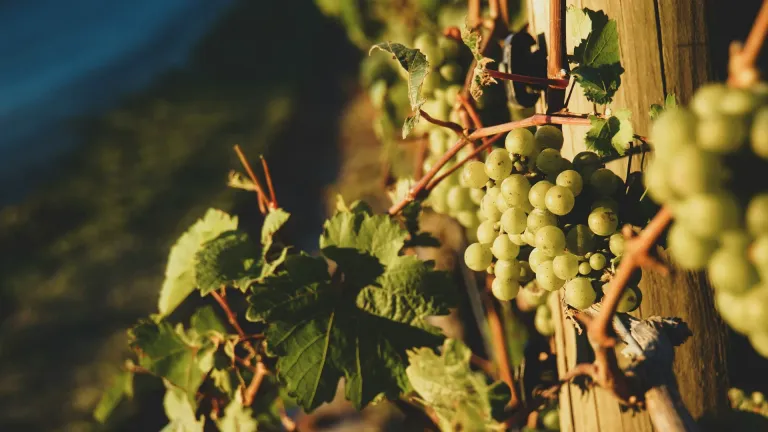
Guide to the Vidal Grape Varietal: Characteristics and Uses
Discover the Vidal grape's unique characteristics and versatile uses in winemaking. Enhance your knowledge and elevate your tasting experience!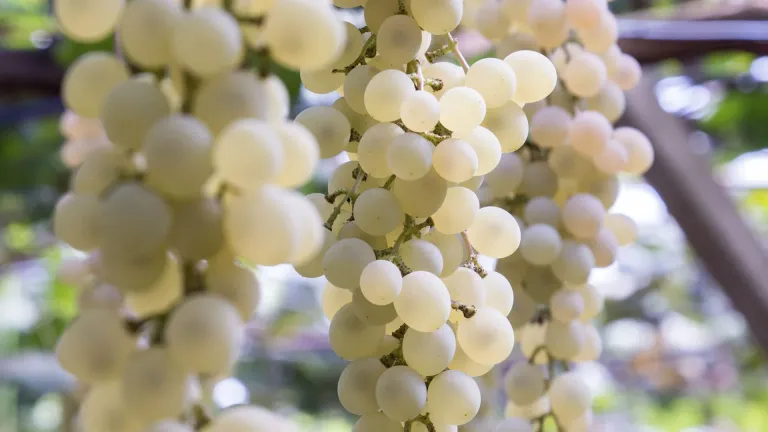
Discovering the Unique Qualities of the L'Acadie Blanc Grape Varietal
Explore the distinctive traits of the L'Acadie Blanc grape, its flavor profile, and wine-making potential with our comprehensive article!

Are you interested in collaborating with us?
Get started