
Four Mile Creek
- Latitude
- 43° 15' 0" N
- Longitude
- 79° 6' 59" W
The Four Mile Creek appellation, nestled in Ontario’s Niagara Peninsula, is an exceptional wine region, benefiting from its unique environment. Positioned slightly inland from Lake Ontario and below the Niagara Escarpment, it experiences warm days and cool nights. This microclimate, crucial for grape growing, supports the development of complex flavors in the grapes.
The appellation's soil, formed on the Queenston Formation bedrock, consists predominantly of red shale with high silt and clay content. This soil is overlaid by glacial sediments, which vary in texture, adding to the region's diverse terroir. The predominant soil type, Halton Till, is a rich clay loam, retaining moisture well into late spring, providing vines with a consistent water supply during drier months.
Four Mile Creek is known for its cultivation of main grape varieties like Pinot Noir, Cabernet Sauvignon, Merlot, Cabernet Franc, Chardonnay, and Riesling. These varieties benefit from the region's fertile soil and climatic conditions. The gentle slopes and flat topography of the region allow for ample sunlight exposure, contributing to the successful growth of these grape varieties.
This combination of soil and climate makes Four Mile Creek a dynamic region for viticulture, producing wines that are reflective of its unique environmental attributes.
- Vineyard hectares
- 31
- Wineries
- 15
- growing degree days
- 1582 GDD
Discover Terroir
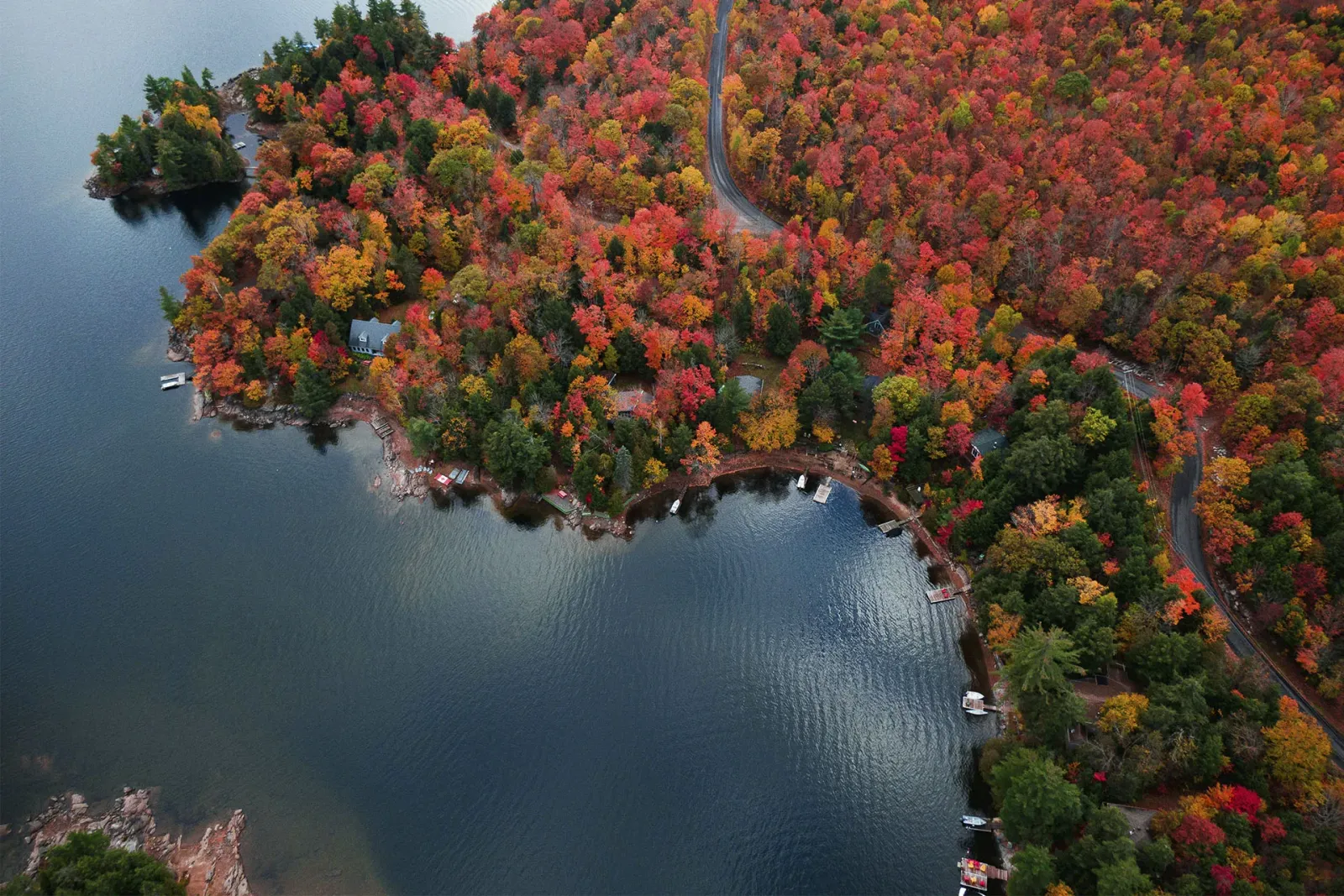
The Four Mile Creek wine appellation in Ontario, Canada, is characterized by gently rolling landscapes featuring fertile vineyards nestled within the picturesque countryside. Surrounded by lush greenery and the gentle contours of the terrain, this region offers a harmonious blend of natural beauty and agricultural charm. The vineyards are often framed by scenic vistas, creating an idyllic setting for grape cultivation and winemaking in this part of Canada.
The climate of the Four Mile Creek appellation in Ontario, Canada, is characterized by several unique features that make it ideal for viticulture. Located slightly inland from Lake Ontario and beneath the Niagara Escarpment, the region experiences warm days and cool nights during the growing season. This temperature dynamic is crucial for grape growing, as it allows for the development of complex flavors in the grapes.
The topography of Four Mile Creek consists of gentle, almost flat slopes facing in various directions. This relatively flat landscape leads to abundant exposure to sunlight, providing warm days that are beneficial for grape growth. The area's soil has developed on bedrock belonging to the Queenston Formation, which is a red shale with high silt and clay content. This composition, along with glacial sediments covering the bedrock, results in Halton Till - a rich clay loam that retains a high water content, ensuring that the vines have a constant supply of moisture, especially during the drier months of July and August.
A notable aspect of the climate is the high differential between day and night temperatures, achieved through generous exposure to sunlight and strong radiation cooling at night. This temperature variation is essential for developing deep colors and flavors in the grapes. In spring, the southern half of the sub-appellation warms earlier than the northern half, which encourages earlier bud break. Additionally, the risk of spring and fall frosts is mitigated by fans that circulate air among the vines.
Overall, Four Mile Creek's climate and soil conditions, including its unique meso climates and fertile plains, provide ideal conditions for producing high-quality wine grapes, making it one of the most productive sub-appellations in the Niagara Peninsula.
The soils in the Four Mile Creek wine appellation, developed on the Queenston Formation bedrock, are characterized by red shale with a high content of silt and clay.
1. Glacial Sediments: Covering the bedrock are glacial sediments that vary in composition and texture, contributing to the unique soil profile of the Niagara region.
2. Halton Till: A predominant soil type in Four Mile Creek, Halton Till, is a rich clay loam. It retains high water content into late spring, providing consistent moisture to the vines during dry months like July and August.
3. Silt, Loamy Clay, Gravel, Limestone, and Sand Mixture: Some areas within the appellation feature a diverse soil composition including silt, loamy clay, gravel, limestone, and sand. This mixture contributes to the distinctive terroir of the wines produced in the region.
4. Sandy and Loamy Sediments over Lacustrine Clay: In the Bai Xu Vineyard, the soil consists of sandy and loamy sediments over lacustrine clay, with hints of silt and limestone. This complex geological history influences vine growth and development, adding to the region's unique character.
- Rain
 546 mm
- Altitude
 89-105 m
Discover
The Four Mile Creek appellation in Ontario stands out for its cultivation of specific grape varieties, each finely adapted to the region's unique climate and soil conditions. With warm days, cool nights, and a mix of clay, silt, and loamy soils, this area offers fertile ground for these grape varieties.
- Gamay Noir: In Four Mile Creek, Gamay Noir thrives in well-drained soils, particularly those rich in clay. Warm days aid ripening, while cool nights preserve natural acidity, requiring a careful balance of sunlight and moderate temperatures.
- Cabernet Franc: Well-suited to slightly warmer microclimates, Cabernet Franc benefits from well-drained soils that allow for deep root growth. The region's ample sunlight and warmth support full development while preserving its distinct character.
- Chardonnay: Chardonnay excels in Four Mile Creek's diverse soil types, especially those with limestone and clay. The temperate climate, striking a balance between warmth for ripening and cool temperatures for acidity retention, complements this grape. Soil water retention ensures adequate moisture during dry periods.
- Riesling: Thriving in cooler areas of Four Mile Creek, Riesling benefits from unique microclimates. It prefers mineral-rich soils at higher elevations. The diurnal temperature variation, featuring cool nights and warm days, suits Riesling, allowing its signature traits to develop alongside a robust acid structure.
These grape varieties, each with specific agricultural and climatic requirements, contribute to the diverse range of wines produced in the Four Mile Creek appellation.
Within the Four Mile Creek appellation, celebrated for its diverse terroir and favorable climate, are produced four signature wines:
- Gamay Noir: This wine boasts vibrant red fruit aromas and flavors, featuring cherry, raspberry, and subtle spice notes.
- Cabernet Franc: Offering a captivating blend of red and black fruit aromatics, often accompanied by herbal and bell pepper nuances, this wine presents a medium body and velvety tannins.
- Chardonnay: With its velvety texture and opulent tropical fruit scents, Chardonnay highlights flavors of apple, pear, and a delicate touch of oak.
- Riesling: Riesling is distinguished by its invigorating acidity and enticing aromas of citrus, green apple, and floral undertones, culminating in a crisp and revitalizing profile.


Are you interested in collaborating with us?
Get started