
Grapes
Exploring the Kangun Grape Varietal: A Taste of Armenian Heritage
Kangun grape variety is a white grape varietal native to Armenia, known for producing fresh, aromatic wines with balanced acidity and mild fruit flavours. The grape variety is highly valued in Armenia and surrounding regions for its adaptability to various climates, high yield, and versatility across different winemaking styles, including sparkling and dessert wines.
Characteristics and Qualities: Resistance to Frost
Grape Characteristics
- Appearance: The grapes are medium-sized with a pale greenish-yellow colour and relatively thin skins, often forming compact clusters.
- Aroma and Flavor Profile: Kangun wines are typically aromatic, offering notes of green apple, citrus, white flowers, and subtle mineral undertones. The flavour profile is fresh and light, with a hint of herbaceousness that adds complexity. Additionally, some Kangun wines exhibit rich aromas and tastes that include notes of exotic fruits, adding to their appeal. These wines also possess a rich bouquet, highlighting an intricate blend of fruity, floral, and spicy notes that create a memorable tasting experience.
- Sugar and Acid Levels: Kangun has moderate to high sugar levels and balanced acidity, which contribute to its suitability for both dry and sweet styles.
Winemaking Potential
- Style Versatility: Kangun is a versatile grape and is used to produce a range of styles, including dry white wines, sparkling wines, and dessert wines. Its fresh aromatics and balanced acidity make it suitable for sparkling wines, while its sugar levels allow it to shine in late-harvest or dessert styles.
- Aging Potential: Most Kangun wines are intended to be consumed young to highlight their fresh, fruity character, but certain high-quality examples, particularly those made with extended lees aging or oak treatment, can develop more complexity with short to medium-term aging. The use of oak barrels in aging enhances the flavour profile, adding notes of vanilla, caramel, and spices.
- Food Pairing Recommendations: Kangun pairs well with a variety of foods, from seafood and salads to light poultry dishes and soft cheeses. Its crisp acidity makes it a good match for lightly spiced dishes and fried foods, while sweeter styles can complement fruit-based desserts and creamy pastries.
Historical Context and Origin
Kangun was developed in Armenia in the 20th century through crossbreeding aimed at creating a high-quality white grape suitable for the region’s conditions. The grape has since become an important varietal within Armenia, contributing significantly to both traditional and modern Armenian winemaking.
Viticultural Aspects
- Climate and Soil Preferences: Kangun prefers continental climates with warm days and cool nights, conditions typical of the Armenian highlands. It thrives in well-drained volcanic soils rich in minerals, which help enhance the grape’s aromatic and mineral qualities.
- Yield Potential and Vine Vigor: Kangun is a high-yielding varietal with vigorous growth, making it a reliable grape for large-scale production. Careful canopy management and controlled yields are essential for ensuring fruit quality.
- Susceptibility to Diseases and Pests: Kangun has moderate resistance to diseases, though it can be susceptible to mildew in particularly wet years. Proper vineyard management, including pruning and airflow control, helps to mitigate these risks.
Geographic Distribution and Cultivation
Kangun is primarily grown in Armenia, where it thrives in the country’s volcanic soils and continental climate. Kangun is known for its resistance to frost, making it well-suited for the harsh growing conditions in the region. The grape is predominantly cultivated in the Ararat Valley and other regions within Armenia. Kangun also rarely suffers from fungal diseases due to its hardiness. Although Kangun has not spread widely outside of Armenia, it has started to gain attention in nearby regions that are interested in experimenting with new grape varieties.
Significance and Popularity
Kangun is a cornerstone of Armenian white wine production, appreciated for its refreshing characteristics and versatility. It is increasingly recognized for its role in modern Armenian winemaking, especially as local producers work to elevate Armenia’s profile in the global wine industry.
Regional Expressions
Kangun in Armenia
- Historical Importance and Prominence: Kangun has been integral to Armenian viticulture since its creation, reflecting the country’s commitment to developing native varietals suited to local conditions. It has been essential in producing both traditional Armenian wines and modern expressions aimed at international markets.
- Key Wine-Producing Regions: The Ararat Valley is the heart of Kangun cultivation in Armenia, with its warm climate and volcanic soils providing ideal conditions for the grape. Other wine-producing areas within Armenia, such as Vayots Dzor, have also started to explore its potential.
- Stylistic Variations and Quality Levels: Armenian Kangun wines range from fresh, light whites to richer styles that undergo lees aging or oak treatment. Sparkling wines made from Kangun are popular, especially among local consumers who appreciate their crisp, refreshing character. Kangun wine is known for its mild and grassy taste, appealing bouquet of fruits and flowers, and versatility as both a table and dessert wine.
Kangun in Other Regions
- Global Distribution and Cultivation: Outside Armenia, Kangun has not yet gained significant traction, though it has attracted some interest in neighbouring countries, including Georgia and Turkey. These regions are beginning to experiment with the grape as they look to diversify their varietal offerings.
- Notable Examples and Regional Interpretations: While most Kangun wines are produced in Armenia, some winemakers in neighbouring regions have begun to explore its potential, particularly for producing aromatic whites with a mineral edge.
- Impact on Local Wine Cultures: In Armenia, Kangun has become a symbol of the country’s evolving wine industry and its ability to produce unique, high-quality white wines that reflect Armenian terroir.
Notable Wines and Producers
Iconic Kangun Wines
High-Quality Examples: Notable examples of high-quality Kangun wines come from producers focused on low yields and meticulous vineyard management, often employing techniques such as extended lees contact or oak aging to add complexity to the wines.
Tasting Notes: Typical tasting notes for Kangun wines include fresh green apple, citrus zest, honey and delicate floral aromas with subtle hints of minerality and a crisp, clean finish. These wines are best served chilled to enhance their refreshing qualities.
Renowned Producers
- Winery Profiles: Renowned producers of Kangun in Armenia include Karas Wines and Zorah Wines, both of which are committed to showcasing the potential of Armenian grapes through sustainable and innovative winemaking practices.
- Philosophy and Winemaking Practices: Many Kangun producers focus on minimal intervention to allow the grape’s natural flavours to shine. Some producers also experiment with traditional Armenian clay amphorae (karas) to bring out unique textural and mineral characteristics in the wine.
- Awards and Recognition: Kangun wines have begun to gain recognition in international competitions, especially in the categories of aromatic white wines and sparkling wines, helping to increase the visibility of the varietal on the global stage.
Future Prospects and Trends
Emerging Trends and Developments
- Climate Change and Adaptation Strategies: Kangun’s adaptability to warm climates and its ability to retain acidity make it a promising grape for regions experiencing climate change. Its resilience and high yields provide flexibility for producers managing variable weather conditions.
- New Winemaking Techniques and Technologies: Winemakers are exploring different fermentation techniques, such as using wild yeast and experimenting with skin contact, to enhance the complexity of Kangun wines. Additionally, interest in organic and biodynamic practices is growing, with producers aiming to express the grape’s unique characteristics more naturally.
- Consumer Preferences and Market Trends: As consumers increasingly seek fresh, aromatic white wines with moderate alcohol levels, Kangun is well-positioned to capture this market. Its versatility across different styles makes it appealing to a diverse audience, from those looking for light, easy-drinking whites to those seeking more complex, age-worthy wines. Additionally, Kangun's ability to produce excellent table and dessert wines further enhances its appeal, offering options for various serving occasions and food pairings.
Potential for Growth and Expansion
- Exploring New Regions: Kangun’s success in Armenia suggests potential for expansion into other regions, particularly those with similar climates and soils. Wine-producing countries in Central Asia, as well as certain parts of Eastern Europe, may find Kangun a valuable addition to their varietal offerings.
- Reputation Enhancement: As Armenian wines gain greater visibility in international markets, Kangun’s reputation is likely to grow, particularly as consumers become more aware of its distinctive flavour profile and versatility. Continued innovation by Armenian producers will play a key role in establishing Kangun as a recognized and respected varietal worldwide.
Conclusion
Kangun is a unique and versatile white grape varietal that plays a central role in Armenian winemaking. With its fresh aromatics, balanced acidity, and adaptability across various wine styles, Kangun has proven to be a valuable asset in both traditional and modern Armenian wines. As Armenian winemakers continue to push the boundaries of quality and expression, Kangun’s significance on the global wine stage is likely to grow, bringing greater attention to Armenia’s rich viticultural heritage.
Discover more grape profiles
Discover the Areni Noir Grape Varietal: A Guide to Armenia’s Most Historic Wine Treasure
Meet Areni Noir, the Armenian red grape by excellence! Learn about the unique wines it produces, and why its so cheriyed within Armenia!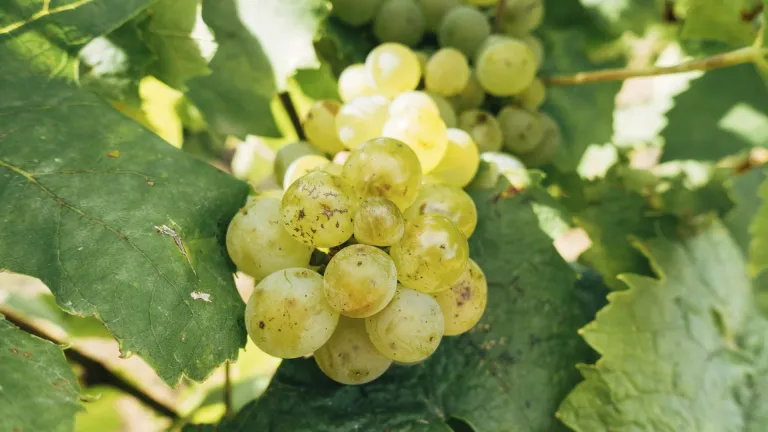
Discover Incrocio Bruni 54: An In-Depth Grape Varietal Profile
Did you know that the Incrocio Bruni 54 grape is a cross between Sauvignon Blanc and Verdicchio? Learn more about this gem!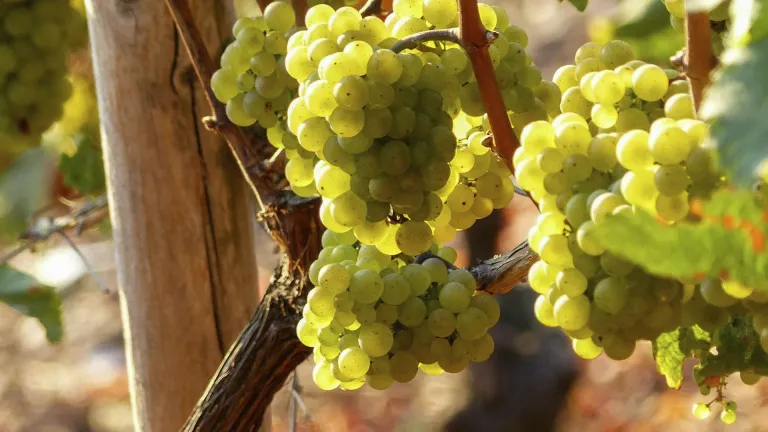
Discovering the Traminette Grape Varietal: Flavor and Profile Insights
Explore the unique flavor profile of the Traminette grape. Learn its characteristics and culinary pairings. Dive into the world of Traminette today!
Discovering the Unique Qualities of the Geisenheim 318 Grape
Explore the distinctive traits of the Geisenheim 318 grape varietal and learn how it stands out in the world of wine!


Are you interested in collaborating with us?
Get started