
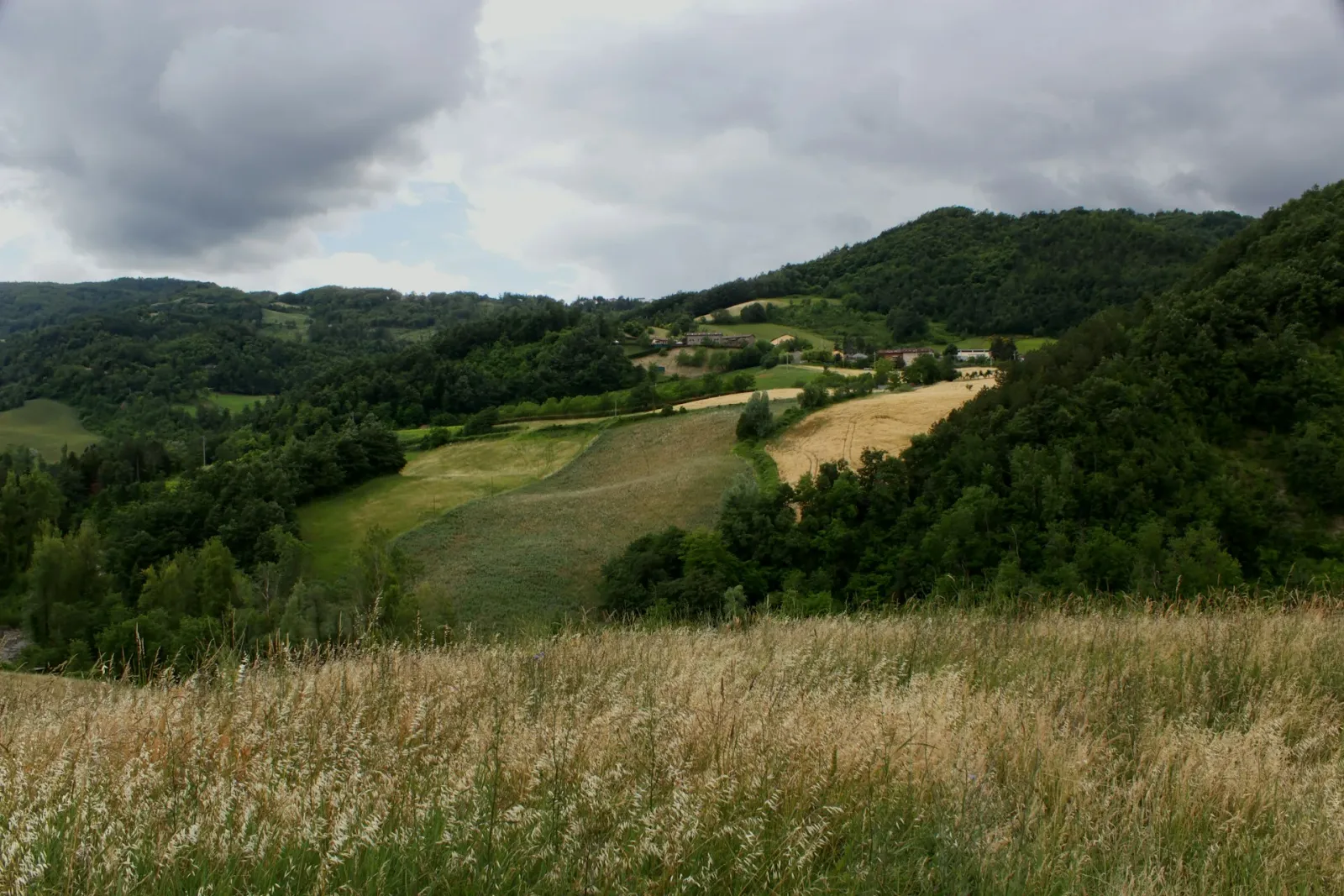
Montilla Moriles DO
- Latitude
- 37°35′08″ N
- Longitude
- 4°38′22″W
- Appellations
- 0
Montilla-Moriles is the hidden gem of the wine world. A region so extraordinary yet so under-the-radar that it feels like discovering liquid gold in Córdoba’s sun-drenched south, near Córdoba city in southern Spain. Montilla-Moriles is a wine region in southern Spain where the unique land, characterized by its chalky, albariza soils and rolling terrain, plays a crucial role in shaping viticulture.
Here, Pedro Ximénez grapes reach such intense levels of natural sugar that they effortlessly achieve 15–16% alcohol without any fortification. This remarkable feat is thanks to the region’s blazing hot, dry climate, which allows these grapes to develop a depth and richness unlike anywhere else. Beyond the vineyards, Montilla-Moriles boasts a rich cultural tapestry and a storied past, with historic landmarks and attractions such as the Great Mosque of Córdoba serving as testaments to its enduring legacy.
But don’t mistake Montilla-Moriles for just another sherry producer. It’s the bold, untamed counterpart to Jerez: drier, more extreme, and fiercely unique. Imagine the difference between a classically trained pianist and a fiery flamenco guitarist; both masters of their craft, yet worlds apart in soul and style. Although Montilla-Moriles wines are similar to those from Jerez, they cannot be called sherry due to legal protections. Only wines from Jerez can use the name “sherry” under European law, making Montilla-Moriles wines all the more intriguing and exclusive.
This guide covers Montilla-Moriles DO in detail, including its history, terroir, grape varieties, wine styles, and the unique characteristics that set it apart from other Spanish wine regions. You’ll also find insights into the region’s cultural and culinary experiences, wine-tourism opportunities, and key wineries to visit.
Overview of the Region
Montilla-Moriles lies in the southern third of Córdoba province in Spain, within the Andalucía wine region. It's bordered by the Genil River to the east, Guadajoz to the west, the Guadalquivir to the north, and the Subbetic Mountains to the south. The region lies near the city of Córdoba, serving as a key reference point for its location in Andalusia. This Denominación de Origen Protegida (DOP) covers 13 full municipalities and parts of 11 others, creating a unique viticultural enclave amid Spain’s olive oil heartland.
The landscape is covered with vines and olive trees, emphasizing the region's agricultural setting. The land features distinctive soil composition, particularly the albariza chalky soils, which play a crucial role in shaping the region's viticulture and the character of its wines. Vineyards here sit between 125 and 650 meters above sea level, basking in around 2,900 hours of annual sunshine.
Spanning 5,025 hectares, the region’s vineyards are dominated by Pedro Ximénez and other grape varieties, including other approved white grape varieties, all of which contribute to the distinctive wines of Montilla-Moriles.
Montilla-Moriles, by the Numbers
Now, let's talk about the key quantitative facts that define Montilla-Moriles, from its vineyard scale and altitude range to its extreme climate conditions, offering a clear snapshot of what makes the region so distinctive.
- Vineyard Area: 5,025 ha
- Imperial Equivalent: 12,417 acres
- Number of Wineries: 50+
- Imperial Equivalent: -
- Altitude Range: 125–650 m
- Imperial Equivalent: 410–2,133 feet
- Annual Rainfall: 500–1,000 mm
- Imperial Equivalent: 19.7–39.4 inches
- Annual Sunshine Hours: 2,800–3,000 hours
- Imperial Equivalent: -
- Max Summer Temperature: 48°C
- Imperial Equivalent: 118°F
History of Montilla-Moriles
- Early Beginnings – The 8th Century and Beyond: Montilla-Moriles stands as one of Andalusia’s oldest wine regions, with viticulture roots tracing back to the 8th century. The region’s rich past is evident not only in its winemaking traditions but also in its historical sites and cultural heritage, which include ancient landmarks and centuries-old buildings that tell the story of its evolution. This long history lays the foundation for a region that has shaped wine traditions for centuries.
- The 19th Century – The Rise of a Style Arbiter: By the 19th century, Montilla-Moriles had established itself as a trendsetter in the wine world. Its wines were so highly prized that they were often sold as “sherry-style” wines, commanding premium prices and influencing winemaking beyond its borders.
- The Early 20th Century – Legal Recognition and Institutional Formation: The region’s name first appeared officially in the 1891 Arreglo de Madrid, marking its growing recognition. The pivotal moment came in 1932 when Montilla-Moriles was granted Denominación de Origen Protegida (DOP) status, formalizing its place among Spain’s esteemed wine regions. Shortly after, in 1944, the Consejo Regulador was established to oversee and promote the quality and reputation of Montilla-Moriles wines.
- Tradition of Vintage Wines: Unlike many other regions, Montilla-Moriles has a proud tradition of producing vintage (añada) wines, especially very old sweet Pedro Ximénez (PX) wines. This practice remains a distinctive feature, setting the region apart from places like Jerez, where vintage wines are less common.
- Cultural Legacy – The Meaning Behind “Amontillado”: The term “Amontillado” literally translates to “Montilla-style”, underscoring the region’s deep influence on wine culture. This name immortalizes Montilla-Moriles in the global wine lexicon, reflecting its enduring legacy and unique identity.
Environment and Sustainability: The Accidental Eco-Region
Montilla-Moriles embraces sustainability out of necessity. The region’s harsh climate and poor albariza soils make chemical inputs impractical, so most wineries rely on dry farming. The importance of the land, its unique terrain, soil composition, and geographical features, supports sustainable viticulture and shapes the character of Montilla-Moriles wines. Eco-friendly practices are on the rise, enhancing this commitment.
Traditional green practices include:
- Manual harvesting in small crates to protect grapes and reduce emissions
- The solera system, reusing barrels for decades to minimize waste
- Albariza soil’s natural water retention cuts irrigation needs by 40%, highlighting the land’s vital role in sustainability
Modern initiatives feature:
- Growing organic certification among bodegas
- Solar panels harnessing abundant sunshine
- Natural carbon capture by limestone-rich soils
The biggest challenge is climate change. With summer temperatures nearing 48°C and rising further by 2050, even heat-loving Pedro Ximénez may struggle. Planting at higher altitudes in the Sierra de Montilla subzone offers a potential climate refuge.
- Vineyard hectares
- 5,025
- Wineries
- 50
- growing degree days
- 2900-3300 GDD
Discover Terroir
Montilla-Moriles sits at the geographic bullseye of Andalusia’s historical triangle: Granada, Seville, and Córdoba, and lies just south of Córdoba city in southern Spain.
The climate is semi-continental Mediterranean, with pronounced extremes: summer temperatures regularly exceed 45°C (113°F), while winters are brief but can drop to near-freezing. This thermal violence creates diurnal temperature swings of 20°C+, forcing grapes to develop thick skins and concentrated flavours. The 280–300 frost-free days per year mean harvest typically begins in early August, some of Spain’s earliest. The landscape is dominated by vines, which thrive alongside olive trees and grain, shaping the region’s agricultural identity.
The region’s magic lies in albariza soil, a white limestone that contains 60–80% calcium carbonate and acts like a water battery during droughts. Manifesting as pure Albarizas, sandy-clay Ruedos, or free-draining Arenas, this limestone dominance imparts razor-sharp acidity that perfectly balances the wines’ nuclear sweetness, creating an endlessly fascinating yin-yang dynamic. The soil's unique composition, soft loams characterized by low organic matter and a mineral structure rich in limestone and silica, retains moisture effectively, which is especially beneficial for grape cultivation in the region’s dry climate, further shaping the unique terroir of Montilla-Moriles.
- Rain
 500–1,000 mm
- Altitude
 125–650 m
Discover
Grape Varieties of Montilla-Moriles
Montilla-Moriles operates as a Pedro Ximénez dictatorship with occasional democratic participation from other varieties like Moscatel, Baladí Verdejo, Airén, Lairén, and Torrontés.
- Pedro Ximénez
- Color: White
- Origin: Andalusian native (likely from Canary Islands)
- Role in Montilla-Moriles: King. Comprises 95%+ of plantings. Naturally reaches 15–16% ABV without fortification.
- Moscatel de Alejandría
- Color: White
- Origin: Ancient Mediterranean variety
- Role in Montilla-Moriles: Court jester. Used for aromatic sweet wines (85% minimum).
- Moscatel de Grano Menudo
- Color: White
- Origin: Mediterranean
- Role in Montilla-Moriles: Minor noble. Smaller plantings, more delicate aromatics.
- Baladí Verdejo
- Color: White
- Origin: Andalusian indigenous
- Role in Montilla-Moriles: The forgotten. Often blended, adds structure.
- Airén
- Color: White
- Origin: Castilian-La Mancha
- Role in Montilla-Moriles: The interloper. Drought-resistant, high yields.
- Lairén
- Color: White
- Origin: Andalusian indigenous
- Role in Montilla-Moriles: The ghost. Rare, nearly extinct, historical curiosity.
- Torrontés
- Color: White
- Origin: Iberian
- Role in Montilla-Moriles: The pretender. Minimal plantings, experimental.
The DO also permits experimental Chardonnay and Sauvignon Blanc for non-traditional styles.
Wine Styles of Montilla-Moriles
The Montilla-Moriles region produces a diverse range of wines, from dry to fruity, showcasing the region’s winemaking versatility. While Pedro Ximénez is the signature grape, other authorized grape varieties also contribute to the region's diversity of wine styles.
Montilla-Moriles classifies wines using the same solera system as Jerez, but with crucial differences: most wines aren’t fortified because PX grapes achieve natural alcohol levels that would make other varieties blush. Instead, the Montilla-Moriles region is especially celebrated for its rich dessert wines, particularly those made from Pedro Ximénez grapes, which are a hallmark of its winemaking tradition. Fino and Amontillado from Montilla-Moriles mature under a layer of flor that is less vigorous than in Jerez, resulting in a fruitier, sweeter profile.
While Montilla-Moriles shares many similarities with the sherry region, such as the use of the solera system and comparable grape varieties, there are important legal distinctions that set their wines apart. Although Montilla-Moriles produces wines similar to those called sherry, only wines from the official sherry region can be labelled as such due to legal restrictions.
The region produces both dry wines (such as Fino and Oloroso) and fruity wines, each with its own distinctive qualities. The characteristics of Montilla-Moriles wines, such as their body, sweetness, aging potential, and flavour profiles, are shaped by the unique combination of grape variety, terroir, and traditional winemaking techniques.
- Fino
- Production Method: Biological aging under flor
- Alcohol: 15–17%
- Sugar: < 5 g/L
- Character Profile: Bone-dry, saline, almond notes, pale gold
- Amontillado
- Production Method: Flor then oxidative aging
- Alcohol: 16–18%
- Sugar: Varies (often sweet)
- Character Profile: Caramel, hazelnuts, amber/brown, “Montilla-style.”
- Oloroso
- Production Method: Fully oxidative aging
- Alcohol: 18–20%
- Sugar: < 5 g/L
- Character Profile: Dark mahogany, walnuts, powerful structure
- Palo Cortado
- Production Method: Hybrid (flor then oxidative)
- Alcohol: 18–20%
- Sugar: < 5 g/L
- Character Profile: Complex, rare, bridge between styles
- Pedro Ximénez
- Production Method: Sun-dried grapes, oxidative
- Alcohol: 15–17%
- Sugar: 200–400 g/L
- Character Profile: Liquid raisins, molasses, espresso, black treacle
- Moscatel
- Production Method: Sun-dried Muscat grapes
- Alcohol: 15–17%
- Sugar: 150–300 g/L
- Character Profile: Orange blossom, honey, floral intensity
- Generoso de Licor
- Production Method: Blended sweetened wines
- Alcohol: 17–18%
- Sugar: 100–150 g/L
- Character Profile: Cream style, approachable, dessert wine
This table highlights that Montilla-Moriles produces both dry wines (like Fino and Oloroso) and fruity wines, each offering unique characteristics and versatility for different palates and pairings.
Wine Production and the Solera System
In the heart of the Montilla-Moriles wine region, tradition and innovation swirl together in the barrel. Quite literally. Thanks to the legendary solera system. This time-honoured method, a hallmark of the region’s winemaking, is more than just a technique; it’s the secret behind the complex aromas and layered flavours that define Montilla-Moriles wines. Picture rows of ancient barrels stacked in cool bodegas, where each year’s young wine is gently blended with older vintages, creating a living tapestry of taste that evolves with every passing season.
The solera system is the backbone of production in Montilla-Moriles, allowing winemakers to craft everything from vibrant young wines and light wines bursting with fruit to deeply aged, fortified wines with remarkable depth. Unlike many other regions, here the main grape, Pedro Ximénez, thrives in the region’s hot summers and soft loams, reaching impressive ripeness and natural sweetness. This grape is the star of the show, lending its signature richness to both dry wines and the luscious, sweet styles that have put Montilla-Moriles on the map.
But the magic doesn’t stop with Pedro Ximénez. The region’s winemakers are masters of the blend, skillfully incorporating other white grape varieties like Palomino and Moscatel to create a spectrum of styles, from crisp, fruity wines to opulent, fortified treasures. The unique terroir, marked by vineyards planted between 100 and 500 meters above sea level, imparts a distinct character, with each bottle reflecting the sun-drenched southern part of Córdoba province.
Wine tastings in Montilla-Moriles are a true journey for the senses. Along the famed wine route, visitors can sample young, fresh wines straight from the barrel, savour light and fruity wines that capture the essence of the region, and discover the complexity of aged, fortified wines that rival the best sherry wines from Jerez. Each stop along the route, from the small towns of Montilla and Moriles to the historic bodegas dotting the landscape, offers a chance to learn about the region’s production methods and the artistry behind every bottle.
Whether history draws you, the innovative winemaking, or the promise of discovering Spain’s most underrated white wines, the Montilla-Moriles region delivers an experience as rich and varied as the wines it produces. From the first sip of a young, floral wine to the lingering finish of a deeply aged Pedro Ximénez, every glass tells the story of a region where tradition, terroir, and passion come together in perfect harmony.
Best Food Pairings
Montilla-Moriles wines don’t do subtlety, so neither should your food pairings: Montilla-Moriles is famous for its tapas culture, which allows you to sample a variety of local dishes that pair beautifully with the region’s wines. Local restaurants in Montilla-Moriles offer traditional Andalusian dishes paired with these exceptional wines, creating a culinary experience that perfectly complements the region’s bold flavours. Visitors can sample a range of Montilla-Moriles wines alongside these dishes, enhancing the overall culinary experience. Montilla-Moriles is also known for its rich cuisine, which enhances the enjoyment of its wines, making the region a paradise for food and wine lovers.
- Fino: The ultimate tapas weapon. Jamón ibérico, fried anchovies, Marcona almonds. The wine’s salinity and flor character create an umami explosion that makes both the wine and the food taste better.
- Amontillado: Think aged Manchego, wild mushrooms, game birds. The oxidative notes complement earthy flavours while cutting through richness.
- Oloroso: Oxtail stew, lamb tagine, aged beef. This is a winter wine that needs protein and fat to balance its intensity.
- Pedro Ximénez: Forget everything you know about dessert wine. Pour it over vanilla ice cream (trust me), pair it with blue cheese (the salt-sweet contrast is obscene), or reduce it to a glaze for foie gras. At $30-50 for a half-bottle of 30-year-old PX, it’s cheaper than therapy and more effective.
- Moscatel: Apricot tart, crème brûlée, almond cake. The floral aromatics need fruit and cream to sing.
Wine Tourism
Montilla-Moriles offers authentic wine tourism without the high prices of places like Napa Valley. The official Ruta del Vino links family-owned bodegas where generations-old cellarmasters still keep your tab on the bar like it’s 1840. Renowned producers offer immersive tours and tastings, while annual wine events provide unique experiences. The land here is covered with vines and olive groves, creating a classic Andalusian landscape.
Highlights include:
- Museo del Vino in Montilla showcases the region’s 1,300-year history and rich past through historical exhibits
- Sierra de Montilla subzone, known for its prized albariza soils and striking white hills
- Lagares tradicionales, ancient stone presses still used to sun-dry Pedro Ximénez grapes
- Numerous historical sites and attractions reflect the area's storied past
Conveniently, the region is easily accessible from Córdoba, with Córdoba Airport just 6 km from the city center, serving as the main gateway. The region’s tourism remains refreshingly low-key. Expect intimate tastings in family-run bodegas with soleras older than most visitors. While accommodations in Montilla-Moriles are limited, nearby Córdoba offers a variety of options.
Discover the Wine Route
This wine route is a journey into the heart of Andalusia’s winemaking heritage. Passing through historic towns like Montilla, Moriles, and Aguilar de la Frontera, travellers are immersed in the region's storied past and cultural heritage, where ancient sites and centuries-old traditions shape local identity. Here, the solera system is a cherished family legacy. Tastings are passionate lessons in terroir, from crisp young wines to complex Amontillados and Olorosos that rival Jerez.
Beyond wine, visitors experience Andalusian culture firsthand: cycling through whitewashed villages, savouring Fino with local tapas, and soaking in the region’s warm hospitality. Montilla-Moriles invites you to uncover why its wines remain Spain’s best-kept secret.
Top Wineries to Visit
Four standout producers define Montilla-Moriles’ legacy:
- Bodegas Alvear (est. 1729): Andalusia’s oldest active winery, family-run for eight generations. Their PX Solera 1927 is a legendary oxidative masterpiece, and their Alvear Fino rivals Jerez sherries without fortification.
- Bodegas Toro Albalá (est. 1922): The region’s rock star, boasting vintage wines dating back to the 1940s. Their Don P.X. Selección 1946 earned a perfect 100 points from Robert Parker.
- Bodegas Pérez Barquero: Known for exceptional value Amontillados and Olorosos, with offerings that taste far above their price point.
- Lagar de la Salud: The innovator experimenting boldly with Cabernet Sauvignon in Montilla-Moriles terroir, defying conventions with impressive results.


Are you interested in collaborating with us?
Get started