
Lanzarote DO
- Latitude
- 29° 02′ 06″ N
- Longitude
- 13° 37′ 59″ W
- Appellations
- 0
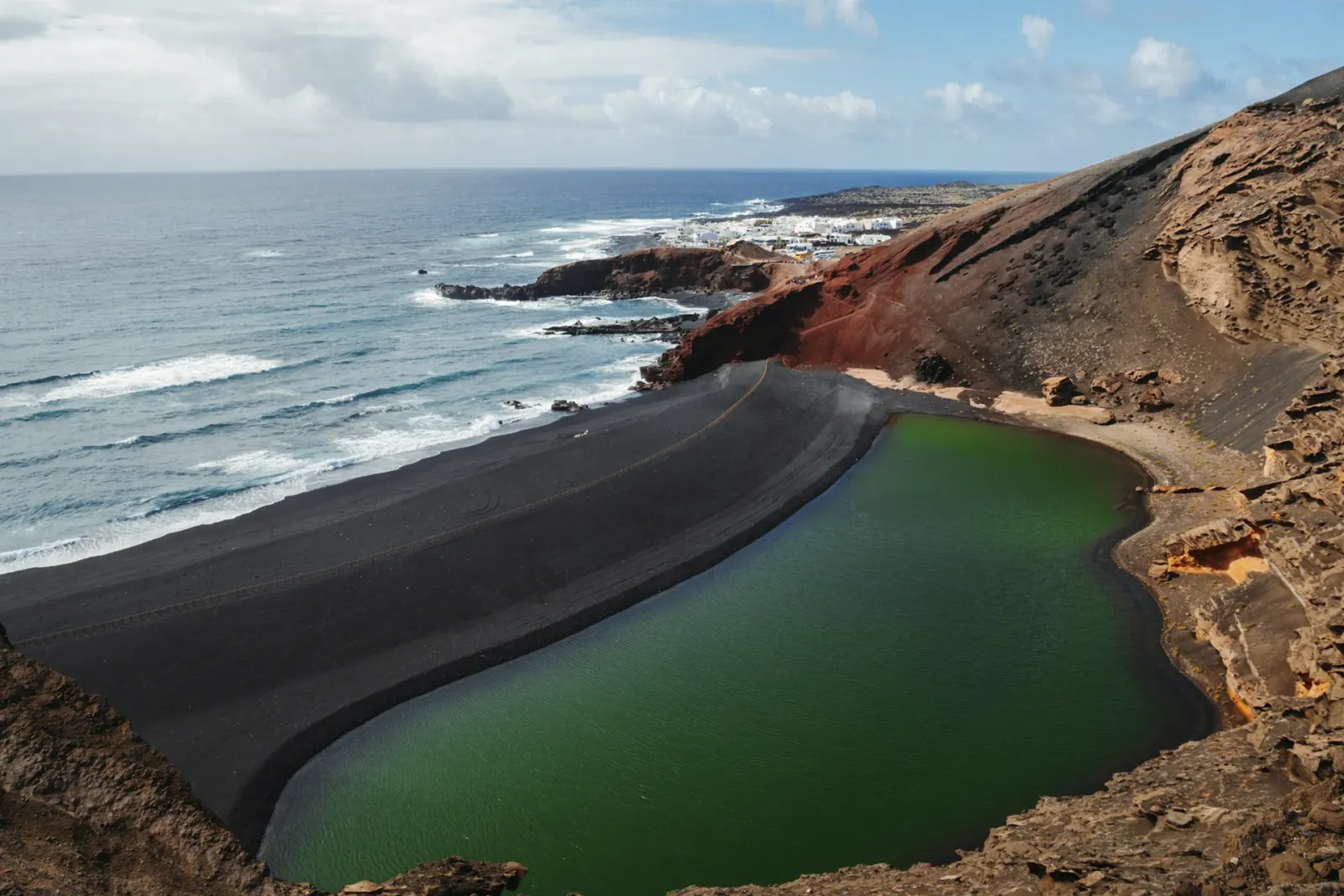
If Elon Musk ever tries growing wine on Mars, he might begin by exploring Lanzarote. It's more than just winemaking; it's a wonderful showcase of human creativity and resilience. Located just 125 kilometers off Africa’s coast, Lanzarote's wine scene goes beyond the usual limits: vines grow deep inside volcanic craters, braving strong winds and surviving with very little rainfall.
Lanzarote wine proudly belongs to the Canarian wine family, known for its rich history and the distinct volcanic terroir that defines the Canary Islands. Among these islands, Lanzarote and Tenerife are especially notable for producing wines with truly unique character and high quality, thanks to their distinctive styles and eco-friendly winemaking methods.
The Lanzarote DO (Denominación de Origen) isn't just another Spanish wine label; it’s a symbol of perseverance and overcoming challenges. Once the favorite drink of European royal courts, Canarian wine, including that of Lanzarote, was highly esteemed. However, it later fell out of popularity due to shifting trade routes and changes in political power. This guide explains how a moon-like island produces some of the world’s most exciting, saline, and rare white wines, making the Canary Islands one of the most remarkable wine regions on the planet.
Overview of the Region
Lanzarote is the easternmost of the Canary Islands and boasts a truly unique landscape that presents a challenge to plant life. Despite this, it nurtures a vibrant wine industry that has sprouted from a remarkable geological event. The region is especially renowned for the Malvasía Volcánica grape, a special variety unique to this island, perfectly adapted to its distinctive soil and climate. This volcanic grape is the most beloved in Lanzarote wines, thriving in the tough environment and imparting a truly distinctive, memorable character to the wines.
Vineyard farming here is deeply rooted in its volcanic terrain. Local growers thoughtfully dig individual pits, or hoyos, into the dark ash to protect each vine from strong winds and help it retain essential moisture.
Statistics of the Lanzarote Wine Industry
The numbers in Lanzarote tell a story of extreme efficiency in a desert.
Vineyard Area
- Approximately 1,800–1,900 hectares
- Approximately 4,450–4,700 acres
Growing Degree Days
- Approximately 2,600 GDD (Estimated)
- Equivalent to Region III / IV
Number of Wineries
- Around 28 registered bodegas
- N/A
Altitude Range
- 200–500 meters
- 650–1,640 feet
Annual Precipitation
- Less than 150 mm
- Less than 6 inches
History of Lanzarote DO
- Before 1730, Lanzarote was primarily an agricultural island, with cereal crops as the main focus. However, wine production took off in the mid-15th century when early settlers brought vines to the island. Over time, Canarian wines, including those from Lanzarote, earned great respect and were often served at European courts and royal banquets. One notable winery, Bodega El Grifo, founded in 1775, holds the distinction of being the oldest in the Canary Islands and among the oldest in Spain.
- Between 1730 and 1736, the mighty Timanfaya volcano erupted, dramatically reshaping the landscape by covering fertile valleys with lava and ash. This posed a severe challenge for farmers, who had to find new ways to work the land or leave it behind.
- But from this upheaval came innovation. Farmers discovered that volcanic ash, known as lapilli or picón, acted like a sponge, retaining moisture from the Atlantic winds and protecting the soil beneath. This natural mulch helped the vines flourish even in harsh conditions. Clever growers began digging deep into the ash to reach the fertile soil beneath, planting their vines in the now-famous crater-like vineyards we see today. This remarkable adaptation not only changed Lanzarote's scenery but also gave birth to its unique wine culture, shaping the island's identity and charm.
Environment and Sustainability
Sustainability in Lanzarote is more than a corporate buzzword—it's about survival. Vines here rely entirely on rain and dew, so their water footprint is nearly zero, making them highly eco-friendly.
- Harvesting is done by hand because tractors can't navigate the deep craters, which helps keep the landscape intact but makes the work more labor-intensive.
- The biggest challenge isn't pests or chemicals—it's balancing tourism and farming. Many local wineries are in La Geria, where traditional viticulture continues to flourish.
- Over the past 15 years, Lanzarote's wine has made a remarkable comeback, earning international awards. But as luxury tourism expands, water and labor are being diverted from vineyards.
- Choosing to buy Lanzarote wine (usually €25+ per bottle) helps preserve this unique volcanic scenery. Without your support, these incredible craters might disappear. Prices vary by type and edition, but recent investments are helping Lanzarote produce more award-winning wines that are gaining worldwide recognition.
- Vineyard hectares
- 1,900
- Wineries
- 28
- growing degree days
- 2600
Discover Terroir
Lanzarote, the easternmost Canary Island, was shaped by volcanic eruptions from 1730 to 1736. Its warm, semi-arid climate features infrequent rainfall and the refreshing, drying Alisios winds. A layer of volcanic ash, known as picón or lapilli, covers the land, helping to keep the soil warm and retain moisture, while the sea air and breezes create a special microclimate along the coast in places like La Geria, Masdache, and Ye-Lajares.
Vine growers plant their vines deep in conical pits called hoyos—up to 3 meters deep—to reach the rich clay and limestone beneath the volcanic ash. To protect vines from strong winds, semi-circular stone walls called zocos are built, giving the landscape a charming, crater-like appearance. In areas where ash is thinner, trenches called zanjas are used instead. This meticulous farming method helps conserve moisture and shield the roots in Lanzarote’s dry environment.
The volcanic ash and lava create a porous layer over the fertile soil, giving the wines a distinctive mineral and smoky flavor that reflects the island’s volcanic origins. These unique soils balance the wines' lively acidity, making them truly special.
- Rain
 Less than 100 mm
- Altitude
 200-500 m
Discover
The Grape Varieties of Lanzarote DO
Lanzarote is a special place for ungrafted vines, or pie franco, because the volcanic ash makes it impossible for the phylloxera louse to survive. This natural protection means many of these vines are over 100 years old, a testament to the island's unique history. Fortunately, Lanzarote was spared the devastating phylloxera plague that swept through European vineyards in the 19th century, so the local vines stayed ungrafted. You can find many charming wineries in the La Geria region, which is protected and renowned for its distinctive viticultural methods that help keep the island's winemaking traditions alive and thriving.
Malvasía Volcánica
- Color: White
- Origin / Status: Indigenous (Star of the region)
- Profile Note: A genetic cross of Malvasía Aromática x Marmajuelo. Aromatic, saline, high acid. The volcanic aspect is often noticeable on the nose, giving a distinct mineral and smoky aroma.
Listán Blanco
- Color: White
- Origin / Status: Traditional (Andalucian roots)
- Profile Note: Also known as Palomino Fino. Neutral, mineral-driven.
Vijariego Blanco
- Color: White
- Origin / Status: Traditional (Diego)
- Profile Note: High acidity, late ripening. The "acid backbone" of the island.
Moscatel de Alejandría
- Color: White
- Origin / Status: Traditional
- Profile Note: Used for sweet wines. Intensely floral.
Listán Negro
- Color: Red
- Origin / Status: Traditional Canary
- Profile Note: Light, pepper, red fruits. Think "Volcanic Pinot Noir."
Baboso Negro
- Color: Red
- Origin / Status: Minority
- Profile Note: Notoriously difficult to grow, but produces complex, structured reds.
Syrah
- Color: Red
- Origin / Status: International
- Profile Note: Adopted for its heat tolerance, adds body to blends.
The volcanic soils of Lanzarote give the wines a special character, with the volcanic influence often present in the aroma, making their sensory profile truly unique and memorable.
The Wine Styles of Lanzarote DO
Lanzarote offers unique styles influenced by the warmth and the rhythm of the harvest season.
Seco (Dry White)
- Description: Made primarily from 100% Malvasía Volcánica. Exhibits a pale yellow colour with greenish hues, featuring notes of fennel, citrus, and a distinctive volcanic rock finish.
- Typical Market Fit: The flagship style is ideal for modern palates that appreciate bright acidity and mineral complexity.
Semidulce (Semi-sweet)
- Description: Fermentation is halted early by chilling to retain residual sugar. While sometimes misunderstood, it remains a popular choice among locals and visitors alike.
- Typical Market Fit: Often considered an approachable "entry-level" wine, it is favoured by tourists seeking a balanced sweetness.
Rosado (Rosé)
- Description: Typically produced from Listán Negro grapes. Shows an onion-skin colour with savoury, salty, and refreshing characteristics.
- Typical Market Fit: In high demand yet limited in supply, it appeals to those who enjoy crisp, light rosé wines.
Tinto (Red)
- Description: Made from Listán Negro grapes, often using carbonic maceration or barrel aging. These wines are lighter in body with pronounced mineral notes.
- Typical Market Fit: Suited to adventurous drinkers seeking an alternative to heavier red wines like Cabernet Sauvignon.
Espumoso (Sparkling)
- Description: Crafted using the traditional Method Champenoise with Malvasía grapes.
- Typical Market Fit: A niche and premium category that is rapidly gaining popularity among sparkling wine enthusiasts.
Lanzarote Wines Production Methods
Wine production on Lanzarote is more than a process—it's a remarkable example of human resilience and creativity. It's an ongoing adventure of bringing life to a land that, at first glance, seems eager to resist it. As the easternmost island of the Canary Islands, Lanzarote turns challenges into beautiful art, using volcanic eruptions to craft some of the most captivating vineyards in the world.
It all starts with the land itself. In the 18th century, eruptions at Timanfaya National Park didn't just change the landscape—they buried Lanzarote's fertile soil under thick layers of volcanic ash and lava, known locally as picon. Instead of giving up, local farmers saw this upheaval as an opportunity. The volcanic ash acts like a natural blanket, holding onto precious moisture from the Atlantic winds and rare rains, helping vines thrive in a place where almost nothing else could survive. This layer of picon is the secret ingredient in Lanzarote's wine, protecting roots from the scorching sun and conserving every drop of water in a land where irrigation is almost a fantasy.
Here, vines aren’t just planted—they’re carefully designed to endure. Each grapevine is nestled into a hand-dug hollow or trench, sometimes several meters deep, often surrounded by a protective semi-circular stone wall. These structures shield the delicate plants from the strong winds sweeping across the island, while the volcanic soils below add a unique mineral richness. The scenery is a breathtaking mosaic of craters and trenches—more lunar than earthly.
This work is both physically demanding and incredibly creative. Every grape is harvested by hand, essential given the rugged terrain and deep planting holes. This hands-on method isn't just about tradition; it’s a heartfelt commitment to sustainability.
Best Food Pairings
Skip the generic "fish" recommendation. Lanzarote wines, with their high salinity and acidity, pair amazingly with rich fats and salty flavors.
- Lapas with Mojo Verde: Juicy grilled limpets (shellfish) topped with vibrant green coriander sauce. The wine's refreshing citric acidity effortlessly cuts through the chewy texture and the bold garlic sauce, making each bite even more enjoyable.
- Papas Arrugadas: Tiny potatoes boiled in ocean water until their skins wrinkle and develop a salty crust. The starchy potatoes absorb the wine's mineral notes, enhancing the overall flavor.
- Sancocho Canario: A comforting salted fish stew (typically wreckfish) served with sweet potato and toasted flour called gofio. The crisp, refreshing Malvasía Volcánica cleanses the palate beautifully between bites of salty goodness.
- Majorero Cheese: Although it hails from nearby Fuerteventura, this semi-hard goat cheese is a beloved local favorite. The semi-sweet Malvasía wine creates a delightful "salt and sugar" harmony.
Wines from Lanzarote are a perfect match for seafood and local dishes, elevating your entire dining experience.
Wine Tourism
Lanzarote's wine tourism is truly Instagram-worthy, with lush green vines set against striking black volcanic soils. However, it’s also facing the "Venice problem"—growing in popularity with limited infrastructure to accommodate guests. Because La Geria is a protected landscape, no hotels can be built among the vineyards, which helps preserve its charm.
Visitors are drawn not only to the breathtaking scenery but also to the chance to explore unique wines and delicious local cuisine. The most memorable experiences go beyond simple tastings; they involve discovering the hard work behind the traditional stone walls (zocos) that protect the vines. Popular wineries such as La Geria and Vulcano welcome guests with tasting rooms and guided tours, offering an engaging glimpse into Lanzarote's rich wine culture and distinctive traditions.
Please note that, due to a small 2025 harvest caused by drought, bottles are quite limited this year. Visiting wineries directly is still the best way to enjoy and secure some of the finest vintages.
Top Wineries in Lanzarote DO
Lanzarote's wine scene beautifully blends tradition and innovation, with a charming mix of historic and modern wineries.
- Bodega El Grifo, established in 1775, is the oldest winery in the Canary Islands and among the oldest in Spain. It boasts a rich vintage library and an engaging museum that educates visitors.
- Bodega Los Bermejos is celebrated for its innovative bottle designs and meticulous winemaking, sourcing grapes from local families and crafting award-winning wines from native varieties such as Malvasía and Listán Negro.
- Near Timanfaya, Bodega Stratvs features stunning architecture and offers a luxurious tasting experience across more than 50 hectares of vineyards.
- In the heart of the protected zone, with breathtaking volcano views, Bodega La Geria is the most visited winery, renowned for its sustainability efforts and delicious traditional Canarian dishes served in its restaurant.
- Finca Testeina (Vega de Yuco), a charming boutique winery deeply connected to volcanic history, offers intimate tastings that leave a memorable impression through storytelling. Its wines come in beautiful blue bottles and have earned numerous awards.


Are you interested in collaborating with us?
Get started