
Abona DO
- Latitude
- 28°06′00″ N
- Longitude
- 16°35′00″ W
- Appellations
- 0
Forget what you think you know about the Spanish island of Tenerife. If your mental model of this island is cheap package holidays and sunburned tourists in Playa de las Américas, you are missing one of the most fascinating market inefficiencies in the wine world. Just a few kilometres uphill from the chaos of the coast lies the Abona Denominación de Origen (DO). A region that defies agricultural logic.
This is not a story about "quaint" winemaking. This is a story about heroic viticulture in a lunar landscape. We are talking about vineyards that climb higher than almost anywhere else in Europe, surviving in a desert by acting like a sponge.
In this profile, we will delve deep into the volcanic terroir, the wines that it produces and the best exponents of high-quality winemaking in this DO.
Overview of this Canary Islands DO
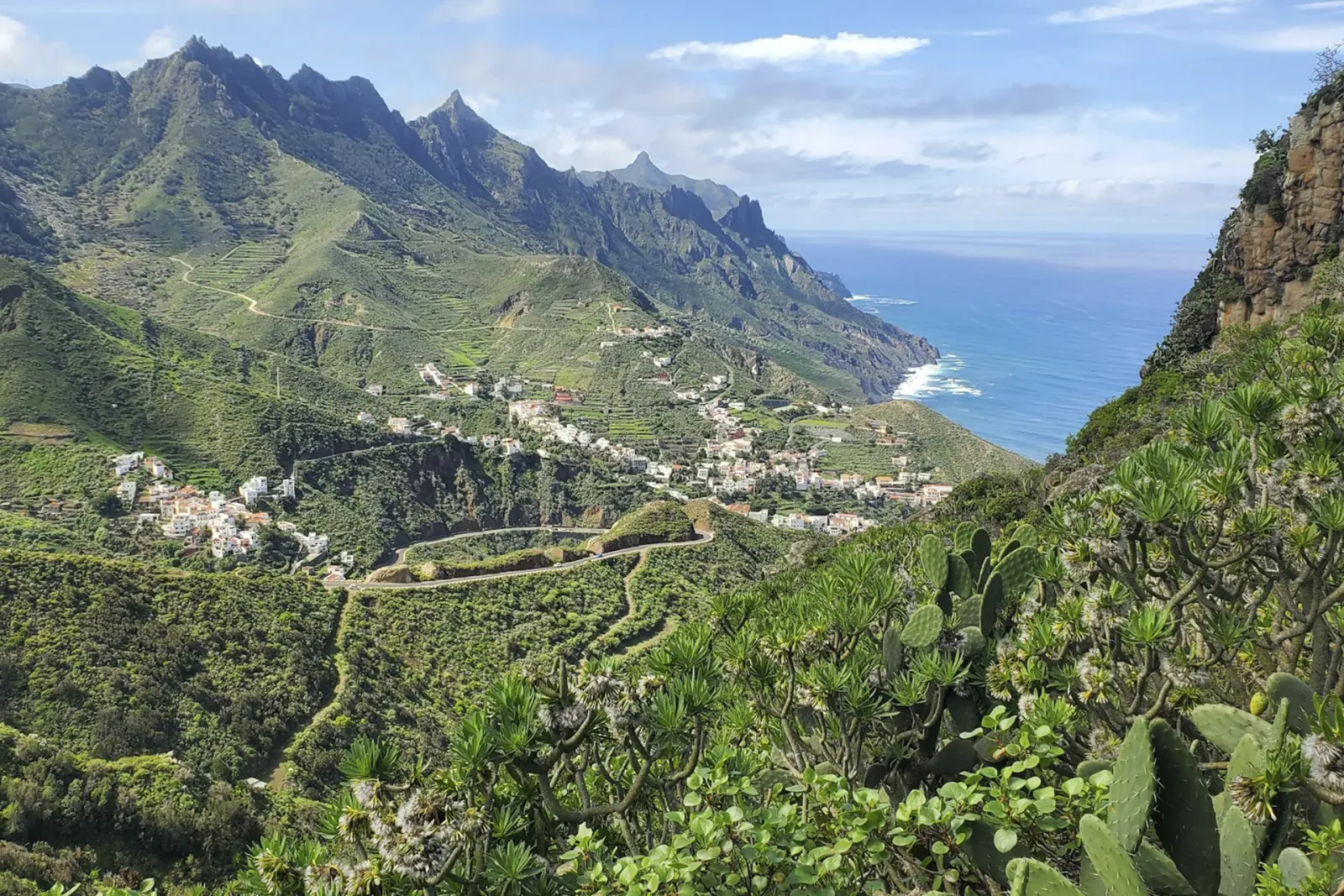
Abona stretches along the southern slopes of Tenerife, rising from the coastal plains up to the pine forests near the Teide volcano. This captivating region encompasses seven municipalities: Adeje, Arona, Vilaflor, San Miguel de Abona, Granadilla de Abona, Arico, and Fasnia, covering approximately 1,200 hectares. Unlike the lush, green north of Tenerife, Abona is defined by its arid, sun-drenched, and intense environment.
The region enjoys a warm, dry Mediterranean climate, tempered by the refreshing Atlantic trade winds, which create a variety of unique microclimates. Its volcanic soils are highly porous, effectively absorbing moisture from the humid atmosphere, allowing vines to flourish despite the dryness. With scarce rainfall and abundant sunshine, Abona represents a remarkable blend of ancient tradition and extreme viticulture, producing white wines that not only delight the palate but also offer exceptional value compared to mainland Europe.
Often dubbed the "Silicon Valley" of Canary wine, Abona is a young, ambitious DO that thrives on innovation born from its challenging environment.
Statistics of the Abona Designation
The numbers here tell a story of extreme variance. You have vines baking at sea level and vines shivering near the snowline.
- Vineyard Surface
- ~900 – 1,200 hectares
- Represents approx. 15–20% of Tenerife’s total vineyard area
- Altitude (Metric)
- 300 m – 1,750 m
- The highest vineyards in Europe are found here (Vilaflor)
- Altitude (Imperial)
- 985 ft – 5,740 ft
- From the beach to the clouds
- Precipitation
- 300 – 350 mm/year
- Desert-like conditions. For context, Bordeaux gets ~950 mm
- Wineries
- ~19
- A tight-knit community of producers
- Growing Degree Days
- Varies by altitude
- Region V (Hot) at the coast → Region I (Cool) at 1,500 m. This massive thermal amplitude allows both tropical fruit profiles and razor-sharp acidity in the same DO
History of the Subregion
While vines have been cultivated in Abona for over 500 years, the region’s formal recognition as a Denominación de Origen (DO) is relatively recent, marking a significant evolution in its winemaking journey.
- Early history (16th Century - 19th Century): The origins of viticulture in Abona date to the 16th century, fueled by the historic "Canary Sack" trade, which helped finance American independence. Remarkably, the region escaped the devastating phylloxera plague of the 19th century, allowing its vines to remain ungrafted and preserving a direct connection to the original roots planted centuries ago.
- 20th Century – Pre-DO Era: Before gaining official status, Abona was often regarded as the "Wild West" of bulk wine production, lacking formal structure and recognition. This period was marked by fluctuating fortunes and a focus on quantity over quality.
- Modern Era (1995 - Present): The turning point came in 1995 when the Spanish government legally approved the DO Abona, with official designation granted in 1996. This milestone transformed Abona from a loosely organized wine region into a dynamic and quality-focused appellation. Today, the DO encompasses 19 wineries dedicated to elevating the region’s winemaking standards and showcasing its unique terroir.
Abona’s history is a compelling narrative of resilience, tradition, and innovation—a region that honors its deep-rooted past while embracing a promising future in the world of fine wine.
Environment and Sustainability
Sustainability in Abona is not just a marketing buzzword—it’s an essential way of life.
- Water Management: The region’s signature Jable soil, a layer of volcanic ash, acts like a natural moisture reservoir. By covering the ground, it dramatically reduces water evaporation, enabling vines to flourish with virtually no irrigation—an ingenious adaptation to the dry climate.
- Pest Control: Thanks to Abona’s arid conditions and high altitude, common vineyard pests and fungal diseases like mildew struggle to survive. This natural defence means many producers embrace organic farming effortlessly, making sustainability a built-in advantage rather than a costly certification to pursue.
- Heroic Viticulture: Steep slopes and terraced vineyards make mechanization impossible. Every grape is hand-harvested with care. This is true “slow wine”—high labour, low environmental impact, and a deep, tangible connection between the grower and the land.
- Vineyard hectares
- 1,100
- Wineries
- 19
- growing degree days
- 1600–2600 GDD
Discover Terroir
The southern face of the island. It receives more sun hours than the north, making it an energy-rich environment for the vines.
It’s a vertical climate. At the coast, it is hot and dry. As you climb, the temperature drops drastically. The trade winds (Alisios) generally hit the north, leaving the south dry, but the high altitude captures the “sea of clouds” moisture at night. The region of Abona has a mild Mediterranean climate with long hours of sunshine and a cooling influence from trade winds. The climate in the Abona region is Mediterranean, characterized by long hours of sunshine and low rainfall, which benefits grape growing.
The soil here is the region’s secret weapon. It is dominated by Jable: a white volcanic ash (pumice). This is the region’s competitive moat. Jable is porous; it absorbs the scant rainfall like a sponge and retains it for the roots, preventing evaporation in the hot sun. It also reflects sunlight, ensuring even ripening. Additionally, the soils in the Abona region are mostly sandy and clayey, combined with some volcanic ash. This is nature’s own irrigation system.
- Rain
 300-350 mm per year
- Altitude
 300 m–1750 m
Discover
The Grape Varieties of Abona
Abona is a white wine country. The harsh sun and volcanic soil produce whites with structure, salinity, and power. For this reason, grapes like Listán Blanco (the most widely planted grape), Malvasía Aromática, Gual, Marmajuelo, and Verdello dominate here. The DO Abona wines convey notes of almond flower, mango, and banana, creating a subtle fruity bouquet. The main focus of wine production in Abona is on producing young wines intended for early consumption. The region also produces a variety of reds and rosés, from Listán Negro, Negramoll, and Moscatel Negro, offering a diverse range of wine styles to suit different palates.
Main White Grapes
- Listán Blanco
- Color: White
- Origin: International (Palomino)
- Key characteristic: The workhorse (80% of production). Here it transforms from the neutral grape of Jerez into a mineral, volcanic powerhouse.
- Malvasía Aromática
- Color: White
- Origin: Native
- Key characteristic: The historic queen. Intense, floral, apricot notes. High sugar potential.
- Gual
- Color: White
- Origin: Native
- Key characteristic: Rare, high acidity, complex. The choice for serious age-worthy whites.
- Marmajuelo
- Color: White
- Origin: Native
- Key characteristic: Tropical fruit notes (passion fruit/pineapple) with high acidity.
- Verdello
- Color: White
- Origin: Native
- Key characteristic: Adds freshness and lime zest notes to blends.
Main Red Grapes
- Listán Negro
- Color: Red
- Origin: Native
- Key characteristic: The red staple. Pepper, red fruits, light tannins. Drink it young.
- Negramoll
- Color: Red
- Origin: Native
- Key characteristic: The "Pinot Noir" of the Canaries. Soft, silky, elegant.
- Moscatel Negro
- Color: Red
- Origin: Native
- Key characteristic: Aromatic, sweet spices, often used for dessert or unique rosé wines.
Supportive & Authorized Grapes
Beyond the headline grape varieties, Abona boasts an impressive array of both native treasures and international experiments. The regulatory board authorizes a fascinating mix of local curiosities and global classics, reflecting the region’s dynamic spirit.
Red Varieties:
- Bastardo Negro
- Listán Prieto (also known as the Mission grape)
- Malvasía Rosada
- Tintilla
- Vijariego Negro
- Castellana Negra
- International varieties: Cabernet Sauvignon, Merlot, Pinot Noir, Ruby Cabernet, Syrah, Tempranillo
White Varieties:
- Bermejuela (originally from Lanzarote)
- Moscatel
Experimentation is alive and well with international varieties, which producers use to enhance body and depth in their blends. Rarer white varieties add intriguing nuances to the region’s white wines.
Overview of the Wine Styles of Abona
The region’s output is diversified, but the smart money is on the dry whites and the emerging sparkling category. In addition to them, the DO also produces barrel-fermented whites, dry, fruit-forward rosés, earthy reds, and sweet Malvasía wines. Rosé wines from Abona are characterized by fresh, vibrant flavours, often featuring notes of strawberry and tropical fruit.
- Dry White (Joven)
- Description: Mostly Listán Blanco. Stainless steel fermentation. Saline, mineral, citrus, fennel.
- The “Vibe”: The “Chablis” of the volcano. Sharp, direct, refreshing.
- White (Barrel Fermented)
- Description: Gual or old-vine Listán. Aged in oak. Creamy, toasted almonds, dried apricot.
- The “Vibe”: The serious dinner companion. Competing with white Burgundy.
- Rosé
- Description: Listán Negro/Prieto blends. Pale, dry, fruit-forward.
- The “Vibe”: Not your sweet poolside rosé. Gastronomic and savoury.
- Red (Traditional)
- Description: Listán Negro. Light extraction, volcanic earthiness, red berries.
- The “Vibe”: Drink chilled. The ultimate “glou-glou” wine for warm weather.
- Sparkling
- Description: High-altitude whites/rosés made via the traditional method.
- The “Vibe”: The disruptor. Crisp acidity from 1,200 m+ creates world-class bubbles.
- Sweet (Malvasía)
- Description: Sun-dried grapes. Honey, nuts, and balancing acidity.
- The “Vibe”: Liquid gold. A nod to the historical “Canary Sack”.
Best Food Pairings
The rule is simple: High Acid + High Fat/Salt. The salinity of Abona wines cuts through the richness of Canarian cuisine like a laser. These are some of the best food pairings for Abona wines:
- Papas Arrugadas con Mojo: The salt-crusted potatoes with coriander (green) or pepper (red) mojo are non-negotiable. A dry Listán Blanco is the perfect counterbalance.
- Conejo en Salmorejo: Rabbit marinated in wine, vinegar, and paprika. Pair with a Listán Negro or a sturdy Rosé. The wine’s acidity matches the marinade.
- Goat Cheese (Queso de Cabra): Tenerife produces exceptional fresh and cured goat cheeses. The cured, paprika-rubbed wheels need a Barrel Fermented Gual.
- Cherne (Wreckfish): The local white fish, grilled. Needs the salinity of a Malvasía Seca.
Wine Tourism in Abona
Tourism in Abona is anti-corporate. You won’t find Disneyland-style tasting rooms here. You will find windy roads, farmers driving 1980s trucks, and wineries built into the rock. It is raw and authentic. The experience is about seeing the struggle of the vine against the elements. Visitors can enjoy guided tours and tastings at wineries in the Abona region to learn about the winemaking process.
The Abona region features a variety of wine routes, including those that focus on local gastronomy and traditional Canarian dishes. Abona wines are primarily consumed locally with limited exports, appealing mostly to local tourists. If you want a polished experience, go to Napa. If you want to touch volcanic ash and taste history, come here.
Best Wineries for Wine Tastings
- Bodega Cumbres de Abona: The "Amazon" of the region. A cooperative founded in 1988 that saved the sector from collapse. They produce volume but maintain high quality under the Flor de Chasna label. They are the backbone of the DO, proving that scale and quality can coexist. Bodega Cumbres de Abona is located in the municipality of Arona.
- Bodega Reverón: The "Soul" of Abona. Located in Vilaflor (the highest village in Spain), this family-run winery exudes tradition. Their visits are legendary for the "picoteo" (tapas) and the rustic charm. It feels like visiting your Canarian grandfather who happens to make award-winning wine.
- Bodega Frontos: The "Apple Store" of wineries. This project disrupts the aesthetic. The winery is a bioclimatic architectural marvel built into a quarry. They focus on organic practices and sustainability, using the architecture itself to cool the wine. A must-visit for design lovers.
- Altos de Trevejos: The "Alpinist." They operate some of the highest vineyards in Europe (up to 1,600 m). Their focus on sparkling wines using Listán Prieto is revolutionary. They are proving that Tenerife can produce bubbles that rival Champagne in complexity, driven by that high-altitude acidity.
- Bodega Comarcal Vilaflor: Located in Vilaflor, the highest village in Spain, this winery is another gem of the region, contributing to its rich winemaking tradition.

Are you interested in collaborating with us?
Get started