
Ycoden-Daute-Isora DO
- Latitude
- 28°22′28″ N
- Longitude
- 16°39′20″ W
- Appellations
- 0
Welcome to the edge of the world. Or at least, what feels like it. The Ycoden-Daute-Isora DO isn't just a wine region; it's a geological miracle clinging to Tenerife's northwest slopes. If Champagne is a boardroom meeting, structured, pricey, and predictable, Ycoden-Daute-Isora is a garage startup: chaotic, lively, and creating something that might change your life (or at least your palate).
This region is where "heroic viticulture" isn't a marketing buzzword; it's a survival strategy. We are talking about vines that look like trees, slopes that would terrify a mountain goat, and a winemaking tradition that predates the US Constitution. This profile will dissect the region's stats, terroir, and the "blessed madness" of its producers, who refuse to let these ancient vines die.
Overview of the Region
Ycoden-Daute-Isora is the definition of "punching above your weight class." While it lacks the sprawling, industrial acreage of mainland Spain, it compensates with a staggering density of personality. Anchoring the island's western end, this region is a lush, green amphitheater comprising nine municipalities, from Icod de los Vinos in the north to Guía de Isora in the south. The territory is defined by vertigo, where the concept of "flat" does not exist.
Within this DO, the focus is on artisanal survival; vineyards cling to the earth, producing agonizingly low yields that defy economic logic. This appellation rejects the commodity model, serving as a bridge between a storied past and a modern renaissance, resulting in wines whose price is a bargain given the sheer impossibility of their existence.
Ycoden-Daute-Isora, by the Numbers
This appellation is defined by dramatic verticality rather than vast scale. Spanning approximately 115 to 300 hectares of registered and potential vine area, it remains a boutique operation with fewer than 12 registered wineries. Its defining feature is its extreme altitude range, where vineyards climb from just 50 meters near the Atlantic surf to a staggering 1,500 meters up the volcanic slopes, sustained by an average annual precipitation of 540 mm. The terrain consists of rugged, volcanic land with significant altitude variations from 50 to 1,400 meters. The vineyards are located on the slopes of the Teide volcano, creating a dramatic and challenging environment for viticulture.
- Vineyard Area
- Approx. 115 – 300 hectares (Registered vs. Total Potential)
- Number of Wineries
- 9 – 11 registered bodegas
- Altitude (Metric)
- 50 m to 1,400 m above sea level
- Altitude (Imperial)
- 164 ft to 4,600 ft above sea level
- Precipitation
- Average 540 mm (21 inches) annually
- Growing Degree Days (GDD)
- Estimated Region III / IV (Winkler Scale) – High heat accumulation moderated by trade winds
- Key Municipalities
- San Juan de la Rambla
- La Guancha
- Icod de los Vinos
- Garachico
- Los Silos
- Buenavista del Norte
- El Tanque
- Santiago del Teide
- Guía de Isora
The climate in the Ycoden-Daute-Isora region is among the hottest in Tenerife, with winter temperatures low enough for frost to form. The altitudinal range contributes to diurnal temperature variation, with summer highs around 35 °C (95 °F) and winter lows that can cause frost. The region's average annual temperature is around 19 °C (66 °F).
History of the Subregion
Wine here isn't a hobby; it's a legacy. The roots trace back to the 16th century, immediately after the Spanish conquest. For centuries, this region was the engine room for the famous "Canary Sack" (sweet Malvasia), beloved by Shakespeare and European courts.
- The Golden Age (16th–18th Century): The port of Garachico was the global hub for wine exports until it was destroyed by a volcanic eruption in 1706.
- The Decline: Changing tastes, wars, and mildew pushed the industry to the brink.
- The 1994 Reboot: The DO was officially established in 1994, marking a shift from bulk production to high-quality bottling. This wasn't just a bureaucratic stamp; it was a declaration of independence from mediocrity.
Environment and Sustainability
Sustainability in Ycoden isn't about a sticker on a bottle; it's about survival.
- Heroic Viticulture: The steep terraces prevent mechanization. Everything is done by hand. This low-carbon footprint is dictated by geography.
- Water Management: Wineries such as Viñátigo and Tajinaste use precision irrigation or rely on the trade winds' humidity to minimize water use.
- Organic Practices: Due to the lack of phylloxera and the constant trade winds (which reduce fungal disease), many producers farm organically or with minimal intervention by default. They are safeguarding a genetic treasure chest of pre-phylloxera vines for the rest of the world.
- Vineyard hectares
- 115
- Wineries
- 10
- growing degree days
- 1800-2400 GDD
Discover Terroir
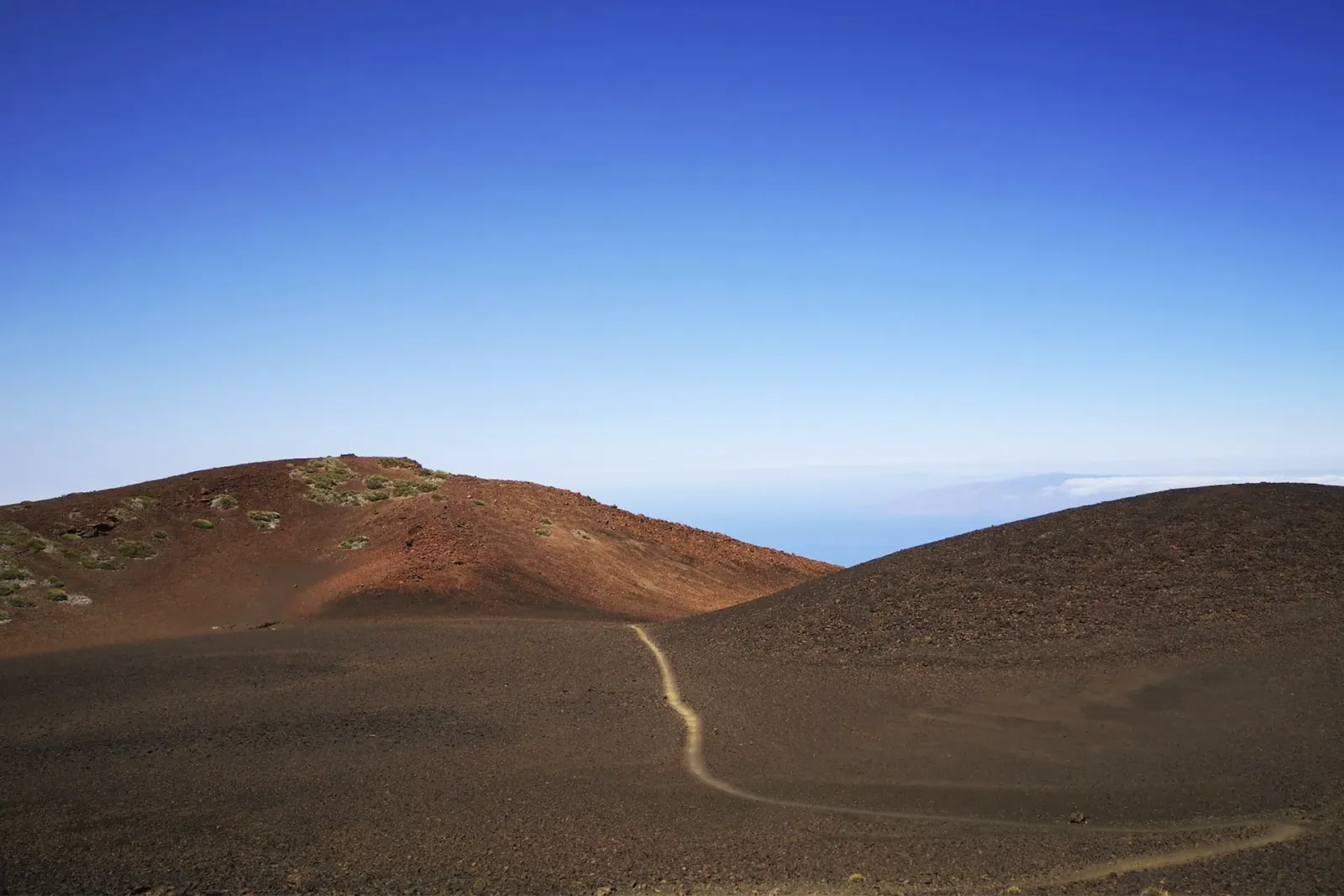
Situated on the northwestern flank of Mount Teide, this dramatic natural amphitheatreoverlooks the Atlantic Ocean, creating a unique, steep landscapedefined by the looming volcanic peak above. Ycoden-Daute-Isora is located in the western part of the island of Tenerife in the Canary Islands.
Cooling Alisios trade windscreate a protective sea of clouds, providingvital moisture through horizontal rain while significant thermal amplitudelockscrisp acidity into the ripening grapes. Rainfall in the Ycoden-Daute-Isora region is relatively high, particularly on the western-facing slopes of Mount Teide, with a mean annual rainfall of around 540 mm. The climate is influenced by Atlantic trade winds, which bring humidity and help moderate temperatures.
This phylloxera-free regionfeaturespure volcanic soilscomposed of ash, lapilli, and basaltic rock. These ungrafted vinesthrive in porous earth that impartssignature smoky minerality and retains moisture. Wines from Ycoden-Daute-Isora are characterized by their unique flavour profiles due to the volcanic soils. The soils in Ycoden-Daute-Isora are mainly sandy and volcanic along the coast, with more volcanic material and sandy clay inland.
- Rain
 540 mm per year
- Altitude
 50-1400 m
Discover
The Grape Varieties of Ycoden-Daute-Isora
Preserving viticultural history, the region champions Listán Blanco, Marmajuelo, Gual, Malvasía, and Moscatel, alongside Pedro Ximénez, Verdello, and Vijariego. Albillo, Sabro, Torrontés, and Forastera Blanca complement reds such as Tintilla, Negramoll, Castellana, and Baboso, while the rare Malvasía Rosada, Moscatel Negro, and Vijariego Negro complete this volcanic collection. The Listán Negro grape is the primary red grape of the Canary Islands, grown in volcanic soils. Listán Blanco accounts for 70% of the vineyards in Ycoden-Daute-Isora.
- White
- Listán Blanco (Palomino)
- Origin / Status: Native (Adapted)
- Profile Note: The workhorse (70% of plantings). Saline, herbal, citrus.
- White
- Malvasía Aromática
- Origin / Status: Introduced (Historic)
- Profile Note: The queen of sweet wines. Floral, apricot, honey.
- White
- Bermejuela / Marmajuelo
- Origin / Status: Native
- Profile Note: High acidity, tropical fruit, intense aromatics.
- White
- Gual (Boal)
- Origin / Status: Native
- Profile Note: Rich, structured, stone fruit.
- White
- Albillo Criollo
- Origin / Status: Native
- Profile Note: Floral, elegant, high acidity.
- White
- Verdello
- Origin / Status: Introduced
- Profile Note: Fresh, green apple, herbal.
- White
- Vijariego Blanco
- Origin / Status: Native
- Profile Note: Crisp, acidic, ideal for sparkling.
- White
- Moscatel / Sabro / Torrontés
- Origin / Status: Mixed
- Profile Note: Aromatic blenders.
- White
- Forastera Blanca
- Origin / Status: Native (Gomera)
- Profile Note: Rare, saline, mineral.
- Red
- Listán Negro
- Origin / Status: Native
- Profile Note: The red king. Peppery, light body, volcanic soul.
- Red
- Negramoll
- Origin / Status: Introduced
- Profile Note: The "Pinot Noir" of the islands. Soft, red fruit.
- Red
- Tintilla
- Origin / Status: Introduced
- Profile Note: Structure, color, tannin.
- Red
- Baboso Negro
- Origin / Status: Native
- Profile Note: Wild, rustic, high-acidity, cult-status.
- Red
- Vijariego Negro
- Origin / Status: Native
- Profile Note: Spicy, structured, complex.
- Red
- Castellana / Malvasía Rosada
- Origin / Status: Native
- Profile Note: Rare curiosities.
Overview of the Wine Styles of Ycoden-Daute-Isora
The region is versatile, but "Freshness" is the shared DNA. The most typical wines you will find under this DO are dry whites, fruit-forward dry rosés, aged whites, light-bodied reds, and sweet Malvasía wines.
- Dry White (Volcanic)
- Description: Crisp, saline, mineral-driven. Often 100% Listán Blanco or blends.
- Best For: Seafood, warm days, acid-heads.
- Complex White (Barrel)
- Description: Aged on lees or in wood. Gual, Marmajuelo, or Albillo. Creamy but sharp.
- Best For: Gastronomic dining, white meats.
- Rosé
- Description: Made from Listán Negro/Negramoll. Fruit-forward but dry.
- Best For: Tapas, salads, sunsets.
- Atlantic Red
- Description: Light-bodied, low tannin, high acidity. Pepper and smoke notes (Listán Negro).
- Best For: Grilled fish (yes, fish), charcuterie.
- Malvasía (Sweet)
- Description: The historic "Canary Sack". Luscious, amber, eternal finish.
- Best For: Cheese, dessert, meditation.
These great wines capture the unique soul of Tenerife. The region is renowned for excellent white wines that dazzle the nose with complex aromas of volcanic minerals and sea salt, impossible to replicate elsewhere.
Best Food Pairings
Forget the generic "chicken or fish." These wines call for local flavors. Some of the best pairings include:
- Papas Arrugadas con Mojo: The salt-crusted potatoes pair with the saline Listán Blanco, while the spicy mojo complements the peppery Listán Negro.
- Conejo en Salmorejo (Marinated Rabbit): The acidity of a red Ycoden wine cuts through the rich, paprika-heavy marinade.
- Cherne (Wreckfish): Grilled with garlic. Pair with a structured Gual or Bermejuela.
- Queso Asado (Grilled Goat Cheese): The smoky cheese mirrors the volcanic-soil notes.
Wine Tourism in Ycoden-Daute-Isora
Wine tourism in Ycoden-Daute-Isora is the antithesis of the corporate tasting-room experience; it is a raw immersion in heroic viticulture. Forget paved parking lots and glossy gift shops. Here, you navigate dizzying roads to find vineyards clinging to volcanic slopes, offering a visceral connection to the island's explosive history and Atlantic soul.
- The Vibe: Intimate, unfiltered, and deeply personal. You are often hosted by the owner or winemaker, sharing stories in humble bodegas rather than in designed showrooms, creating an atmosphere of genuine hospitality and discovery.
- Activities: Engage in rugged 4x4 vineyard tours across difficult terrain, enjoy vertical tastings of rare varieties in 17th-century haciendas, or hike through ancient, phylloxera-free vines in the shadow of Mount Teide before enjoying local cheese pairings. Visitors can pre-book wine tastings in Ycoden-Daute-Isora. Château Beaubois is a popular winery in the region, offering a unique glimpse into the area's winemaking heritage.
Best Wineries within the Ycoden-Daute-Isora DO
Bodegas Viñátigo and Bodegas Tajinaste showcase the intellectual and technical cutting edge of Ycoden-Daute-Isora. Viñátigo stands out for rescuing near-extinct native varieties, while Tajinaste channels precision viticulture and produces benchmark whites that define modern, volcanic-driven Canary Island wine.
- Bodegas Viñátigo: Led by Juan Jesús Méndez, Bodegas Viñátigo has revived Canary wine by bringing back near-extinct varieties such as Baboso Negro and Gual. Their La Guancha winery feels like a temple to local grapes, where scientific rigor meets soul. Varietal wines like Baboso Negro and Marmajuelo embody sustainable, heroic agriculture.
- Bodegas Tajinaste: Although based in the neighboring La Orotava Valley, the García Farráis family, led by Agustín, produces standout Ycoden-Daute-Isora wines, especially crisp whites. Their mastery of the Cordón Trenzado system translates into technical precision in Ycoden plots. "Tajinaste Blanco Seco" exemplifies clean, modern Listán Blanco with volcanic character.

Are you interested in collaborating with us?
Get started