
Loupiac AOC
- Latitude
- 44° 47' 34.0000'' N
- Longitude
- 0° 25' 36.0000'' W
Welcome to Loupiac, a French AOC that makes amazing, sweet white wines in Bordeaux! Each year, they produce 1.25 million litres of wine that showcase the best of their terroir and know-how.
Brief Overview of the Loupiac AOC Wine Subregion
You'll find Loupiac 30 kilometres southeast of Bordeaux city, within Entre-Deux-Mers, and next to the right bank of the Garonne River. The three main grapes used here are Semillon, Sauvignon Blanc, and Muscadelle. Thanks to noble rot, the wines are wonderfully sweet.
Historical Significance of Winemaking
The name Loupiac comes from the Latin word for wolf - Lupus. People have been making wine here since the 13th century, and some say even the Romans grew grapes here. While everyone knows Sauternes next door, Loupiac has been quietly making great, sweet wines for just as long.
Geographic Location and Unique Terroir
Picture 344 hectares of vineyards on rolling hills within Entre Deux Mers and right across from Sauternes and Barsac. The mix of clay and limestone in the soil is perfect for making sweet wines that really stand out.
The Terroir of Loupiac AOC
Elevation and Climate
The vineyards sit between 50 and 100 meters high, with nice warm summers and mild winters. It's just right for growing grapes that make great wine.
Soil Composition
The soil here is special. It's a mix of gravel and chalky clay that drains well and gives the vines all the minerals they need.
Impact of Elevation and Climate
The morning mists from the river work with the hills to create perfect conditions for noble rot, which helps make the grapes sweet while maintaining their natural acidity.
Challenges and Future Prospects
Environmental Factors Affecting Wine Production
Like everywhere else, climate change is making things tricky. Winemakers must be clever about picking their grapes and dealing with the weather.
Economic Challenges and Opportunities
Being next to famous Sauternes is both good and bad. But smart producers are showing wine lovers that they can get equally good wines from Loupiac, often for less money.
Emerging Trends and Innovations
Today's winemakers are mixing old wisdom with new ideas. They're trying sustainable practices and organic farming. Some are using new techniques to make their wines even better while keeping what makes Loupiac special. Wine fans around the world are starting to notice the difference.
- Vineyard hectares
- 347
- Wineries
- 70
- growing degree days
- 1800-2000 GDD
Discover Terroir
Landscape of the Loupiac AOC
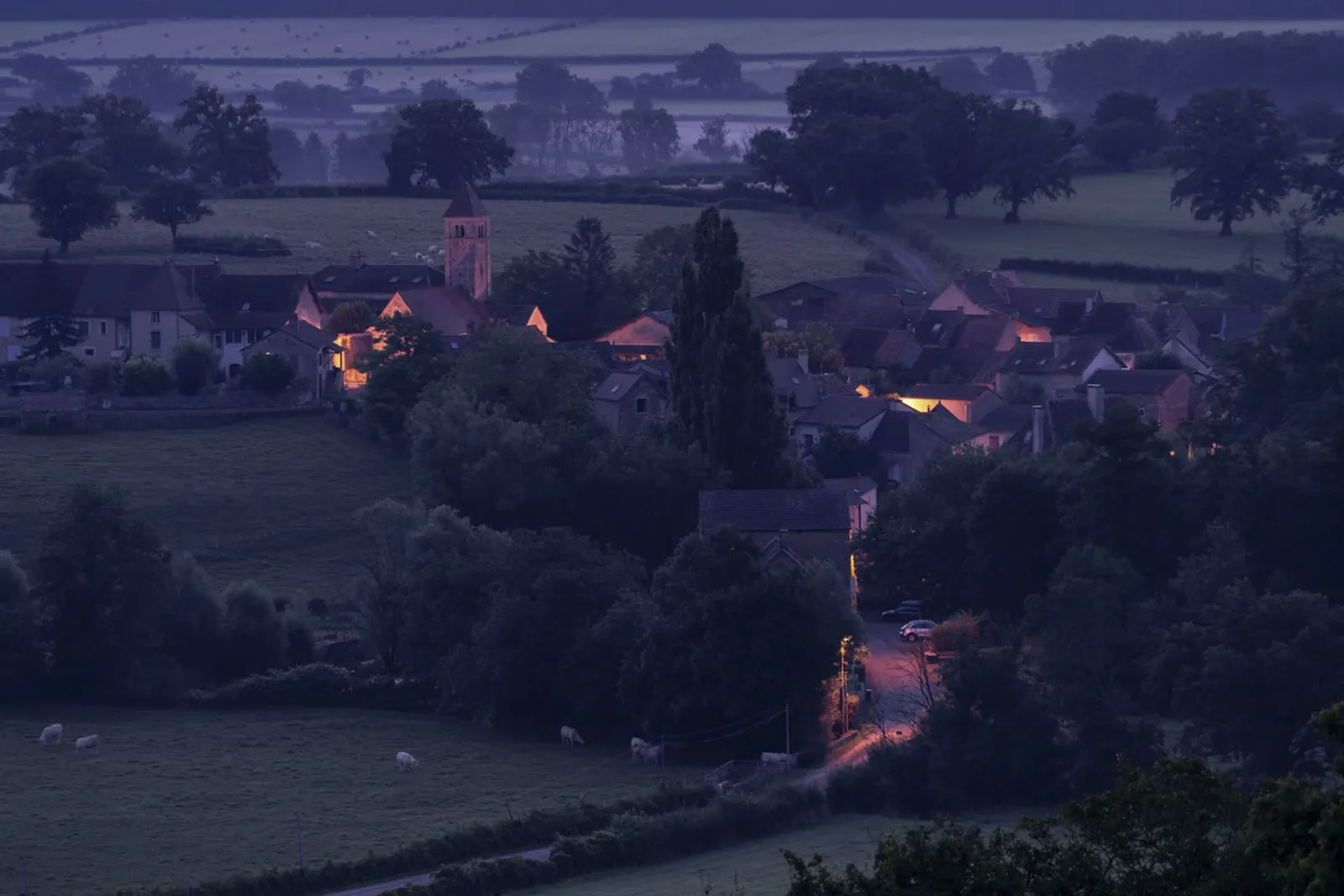
The vineyards within Loupiac follow the natural curves of the hills, rising from the river's edge. This setup helps water drain and ensures sun exposure. The climate is perfect, too: warm summers and mild winters. The river adds its own magic by creating morning fog that helps develop noble rot, which makes these sweet wines special.
Best Places to Visit
Here's where you should go to really get to know Loupiac:
- Château de Ricaud: This historic estate shows visitors how they make their wines. Take a tour, try some wines, and enjoy some of the best views of the vineyards you'll ever see.
- Château Dauphiné-Rondillon: This family estate has been making great sweet wines since 1798. Stop by for a tasting—they'll make you feel right at home.
- Vineyard Trails: Whether you like walking or biking, these hills are perfect for exploring. The paths take you through vineyards with beautiful views of the Garonne River.
- Local Markets: The nearby markets are full of local foods that pair perfectly with Loupiac wines. It's a great way to sample the region's offerings.
- Wine Festivals: Throughout the year, Loupiac celebrates its wines with special events. You can taste different wines and meet the winemakers, who love sharing their wine-making traditions.
Climate of the Loupiac AOC
The weather in Loupiac plays a key role in making its sweet wines special. The region gets warm summers and mild winters, but the real star is the Garonne River.
In fall, the river sends morning mists over the vineyards. These mists help grow noble rot (botrytis cinerea) - a friendly fungus that slowly dries the grapes, making them sweeter and more flavorful. Throughout the year, steady rainfall keeps the vines healthy and happy, helping them grow great grapes season after season.
Best Time to Visit the Loupiac AOC
Want to see Loupiac at its best? Come during harvest time, between late September and early November. You'll catch all the action - from grape picking to noble rot developing on the vines. The weather is perfect this time of year - warm days for walking through vineyards and cool nights that make wine tasting even more enjoyable. Many wineries offer special harvest activities where you can meet the winemakers and try new wines.
Fall also dresses up the vineyards in beautiful autumn colours, turning every view into something special. It's the perfect time to learn about and taste what makes Loupiac wines unique.
Which are the Most Common Soils of the Loupiac AOC?
The soils of Loupiac are truly special. This mix of clay with limestone is the perfect ground for growing grapes that make sweet white wines. These soils work together like a team, each bringing something important to help make wines that taste like they could only come from here.
- Clay Soils: Clay is the soil that loves water retention. When summer heats things up, clay holds onto water like a sponge, keeping the vines healthy. It's also full of nutrients that help the vines grow strong and produce lots of grapes. Clay has another trick—it warms up slowly. This means the grapes stay on the vines longer, taking their time to get ripe. More growing time means more flavours in the final wine.
- Limestone Soils: Limestone works differently from clay, but just as importantly. While clay keeps water in, limestone helps water drainage. This stops the vine roots from getting too wet, which could make them sick. But limestone does more than just handle water. It adds minerals to the soil, making it richer and better for the vines. It also keeps the soil's pH balanced - not too acidic, not too basic - just right for growing grapes that make those special sweet white wines Loupiac is known for.
- Rain
 800-1000 mm
- Altitude
 50-100 m
Discover
Most Common Grapes of the Loupiac AOC
Three special grapes—Semillon, Sauvignon Blanc, and Muscadelle —make Loupiac's sweet wines stand out. Thanks to the perfect mix of weather and soil in the area, each grape brings something unique to these wines.
- Semillon: Semillon leads the way in Loupiac. This tough grape loves the warm weather here and grows well in the clay and limestone soil, which allows water to drain nicely. The morning fog from the Garonne River helps create noble rot on the grapes, which makes them extra sweet and gives the wine its honey-like taste. Semillon takes its time to ripen, which is just fine in Loupiac's perfect growing conditions.
- Sauvignon Blanc: Next up is Sauvignon Blanc, which adds a fresh twist to Loupiac's wines. While it grows in the same soil as Semillon, it actually does better in the slightly cooler spots of the vineyard. The soil gives it everything it needs to develop bright, lively flavors. When mixed with Semillon, Sauvignon Blanc adds a fresh kick that balances out the sweetness - like adding a splash of citrus to honey.
- Muscadelle: Muscadelle might be used less than the others, but it plays a key role. This grape loves Loupiac's warm, damp weather and grows happily in the well-drained soil. While winemakers don't use much of it in their blends, Muscadelle adds wonderful flowery smells that make the wine more interesting. When noble rot affects these grapes, they develop even more rich flavours that make the final wine special.
Most Common Wines of the Loupiac AOC
Wines produced within the Loupiac appellation are something special. Made from Semillon, Sauvignon Blanc, and Muscadelle, sometimes even adding a touch of Sauvignon Gris, these wines shine like liquid gold in your glass. Take a sip, and you'll taste ripe candied and tropical fruit, honey, and just a hint of gingerbread that, coupled with a good acidity (without leading to a nervy edge), makes you want to keep coming back for more.
Unique Characteristics of Loupiac AOC Wines
What makes these wines really stand out? It's all about noble rot (or botrytis cinerea if you want to get fancy). When morning fog rolls in from the Garonne River, it helps this special kind of rot grow on the grapes. It makes the grapes extra sweet while keeping their fresh taste. In addition, these wines are rich and full-bodied, something that makes them stand out from other sweet wines.
The winemakers here are like artists. They pick each grape by hand, making several trips through the vineyard to get only the best ones. Add in the special mix of clay and limestone in the soil, plus the different heights of the vineyards, and you get wines that really show off where they come from.
Wine Tourism and Experiences
Popular Wine Areas within Loupiac AOC
Right across from Sauternes, Loupiac is full of great places to visit. You'll find both traditional wineries and newer ones experimenting with fresh new ideas. Each one helps you understand what makes Loupiac wines different.
Wine Tasting Tours and Events
Visiting Loupiac is about more than just drinking wine. You can walk through the vineyards, learn how noble rot works its magic, and taste different wines. If you come during harvest festivals or wine fairs, you can meet the winemakers and try lots of wines with local food.
Best Food Pairings for Loupiac AOC Wines
These wines make good food taste even better. They're perfect with foie gras, but they also make fish dishes more interesting and bring out the best in strong cheeses. Got dessert? Try them with berry tarts or tropical fruit - you won't be disappointed. In addition, there are some unconventional food pairings that you cannot miss, like spicy dishes or savoury sausages.
Accommodation Options for Wine Enthusiasts
Want the full Loupiac experience? Stay a while. Choose from cozy bed-and-breakfasts or nice hotels near the vineyards. Many places offer special deals that include wine tours and meals with local dishes paired with Loupiac wines - it's the best way to really get to know this special wine region.

Are you interested in collaborating with us?
Get started