
Wines
Semillon: an In-Depth Wine Profile
Nestled among the world’s lush vineyards, especially in the Bordeaux region of France, the Semillon grape flourishes, quietly contributing to some of the finest and most age-worthy white wines. What distinguishes Semillon and remains a lesser-known secret is its remarkable ability to evolve under the influence of noble rot, or Botrytis cinerea, a condition that most grapes fear. When exposed to the right levels of humidity and warmth, this fungal interaction grants Semillon grapes an exceptional concentration of sugars and flavours, enabling the production of indulgently sweet wines like the famous Sauternes. However, the allure of Semillon extends beyond sweetness; it also yields dry, full-bodied wines that mature gracefully, developing intricate flavours over time that enchant and surprise the palates of wine lovers.
In this comprehensive guide to Semillon wines, we'll explore the diversity of this varietal. From the basics of what Semillon wines are to their unique sensory profile, we cover all the key aspects that wine enthusiasts should know.
We'll also guide you through the best food pairings, offer practical tips for serving and storing Semillon wines, and discuss the regions where this varietal thrives and how climate influences its character. Additionally, we'll help you navigate the selection process to choose a quality bottle of Semillon wine. To round out our exploration, we'll compare Semillon with its often-confused counterpart, Chardonnay, unravelling their similarities and differences.
What are Semillon wines?
Semillon wines originated from the Bordeaux region of France, where Semillon is one of the most widely planted grapes, and are renowned for their versatility, ranging from dry to sweet styles. These wines are characterized by their being full-bodied, often exhibiting a waxy texture and rich, complex flavours that evolve with age. Semillon's profile includes a great range of notes, from crisp and fresh, with citrus and grassy notes, to richer, deeper flavours like honey, nuts, and tropical fruits in its sweeter forms, especially in the case of late-harvest wines affected by noble rot.
The adaptability of these wine grapes allows for a wide variety of wine styles, with cooler regions producing more acid-driven and fresher Semillon wines, while warmer areas yield riper and more intensely flavoured wines. In some regions, like Bordeaux, Semillon is also vinified as a dessert wine, thanks to the effect of noble rot.
Semillon is celebrated both as a varietal wine and or blended with Sauvignon Blanc or Chenin Blanc, contributing to the complexity and depth of the final product. This grape's ability to age gracefully adds another layer of appeal, with older bottles showcasing not only richness but also aromatic complexity.
Sensory Profile of Semillon Wines
The sensory world of Semillon wines offers a wide range of distinctive aromatic and flavour notes, each captivating the senses of wine lovers. You can find either sweet white wines or dry wines crafted from this grape. Next, we will delve deeper into the attractive visual aspect and the enchanting aromas and flavours that you may find in a Semillon glass.
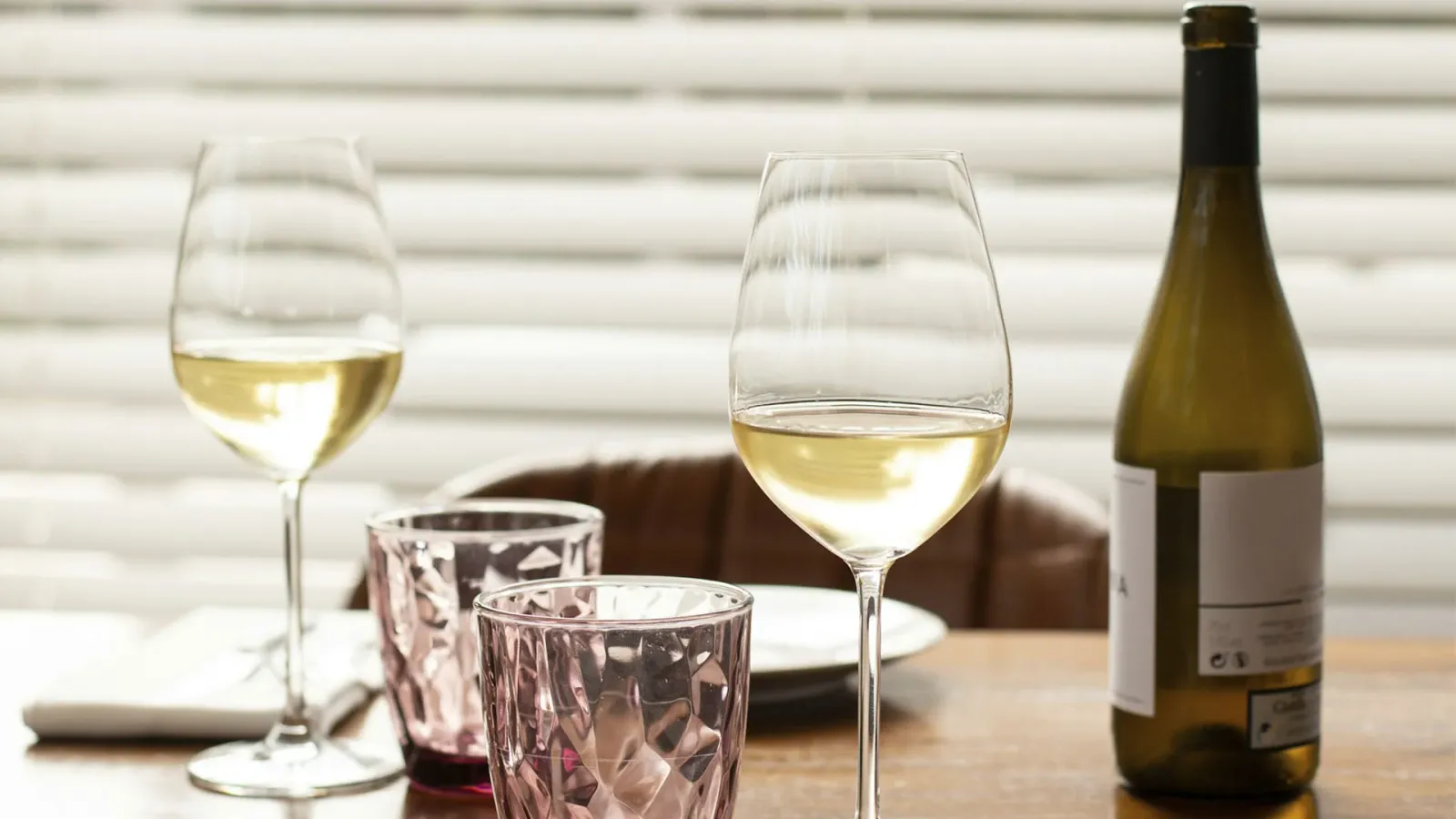
Semillon wines present a visual aspect that can range from pale yellow in younger wines to deeper gold in aged wines. This transformation not only signifies the wine's maturation but also is a sign of its rich and full-bodied nature. Another sign of the distinctive Semillon texture is the viscosity of oiliness that it usually leaves in the glass.
How is the Aroma of Semillon Wines?
The aromatic profile of Semillon is layered and evolves with age:

- Primary Aromas:
- Lemon
- Green apple
- Pear
- Fig
- Secondary Aromas:
- Baking spices
- Toasted nuts
- Lanolin
- Tertiary Aromas:
- Honey
- Dried fruit
- Wax
These aromas are influenced by factors such as terroir, winemaking techniques, and the wine's age.
How does Semillon Taste?
Taste-wise, Semillon grapes produce wines with a great flavour complexity:

How does Semillon Taste?
- Primary Flavors:
- Citrus fruits
- Stone fruits
- Tropical fruits
- Secondary Flavors:
- Vanilla
- Almond
- Toast
- Tertiary Flavors:
- Honeycomb
- Marzipan
- Dried fig
Each sip of Semillon reveals a layered experience, from its vibrant, youthful flavours to the deep, rich notes found in well-aged bottles.
Best Food Pairing for Semillon Wines
Semillon wines, with their versatile profile that can range from dry to sweet, are a perfect match for a diverse array of foods. This section will guide you through a selection of dishes that complement the unique characteristics of Semillon wines.

- Fresh Seafood: Oysters, shrimp, and grilled fish offer a delightful match.
- Richh Dishes: Roast chicken, turkey with herb seasonings and foie gras are great food pairings for Semillon.
- Asian Cuisine: Thai green curry, sushi, and dim sum.
- Vegetarian and Vegan Options: Grilled vegetables, tofu stir-fry, and lentil salads.
- Cheese Pairings: Soft cheeses like Brie and stronger varieties like Roquefort.
- Desserts: Fruit-based desserts such as peach cobbler or lemon tart.
Each dish enhances different aspects of Semillon's profile, from its acidity and fruitiness to the richer, more complex notes found in aged versions.
Main Producers of Semillon Wines
The main regions where Semillon wines are produced are closely tied to the grape's adaptability to various climates, each influencing the wine's characteristics distinctly:

- Bordeaux, France: France is the birthplace of Syrah but also of Semillon. In Bourdeaux, Semillon is known for both dry and great sweet wines, where the cool, maritime climate contributes to the crisp acidity and complexity. In this region, its also common to find dessert wines made from Semillon. Learn more about the spicy aromas of French Syrah in this in-depth profile.
- Hunter Valley, Australia: Famous for its aged Semillon wines with high acidity and lower alcohol content, the warm climate here allows the grapes to develop rich, toasted flavours over time.
- Barossa Valley, Australia: This warmer region produces fuller, richer Semillon wines with tropical fruit notes.
- Napa Valley, USA: This cooler-climate region stands out for its Chenin Blanc with floral notes, but also for its Semillon wines with fresh, citrus, and herbaceous notes.
In addition, this wine is also popular in other regions, like Western Australia. Here, areas like Margaret River are known for their dry wines, produced with a blend of Semillon and Sauvignon Blanc. In this blend, Semillon gives the blend a rich mouthfeel and flavours of honey, fig and melon, while Sauvignon Blanc brings a crisp acidity and zesty citrus flavour notes.
Each region's unique climate plays a crucial role in shaping the sensory profile of its Semillon wines, from the crisp and complex to the rich and full-bodied.
How to Serve and Store Semillon Wines?
Serving and storing Semillon wines properly can enhance your drinking experience, allowing you to appreciate the delicate balance of flavours and aromas this wine offers. Here are some practical tips to get the most out of your Semillon wines:

Serving Temperature
- Chill to the Right Temperature: Serve Semillon wines cool but not too cold, typically between 45-55°F (7-13°C). This temperature range helps to preserve the wine’s delicate flavours and aromas without muting them.
- Avoid Overchilling: Overchilling can suppress the wine's aromatic complexity. If you've stored the wine in the fridge, let it sit out for a few minutes before serving.
Ideal Glass for Semillon Wines
- Use a Tulip-Shaped Glass: A glass with a slightly narrow rim and a bowl that tapers toward the top is ideal for Semillon wines. This shape concentrates the aromatic profile of this white wine.
- Crystal or Glass Material: Choose crystal or glass for clarity and durability, allowing you to appreciate the wine's colour and aroma fully.
- Proper Size: To concentrate the aromas of young, light Semillon wines, opt for a glass with a smaller bowl. For older, more complex Semillons, a slightly larger bowl can help aerate the wine and unlock its depth of flavour.
- Long Stem: A long stem helps avoid warming the wine with your hands, maintaining the ideal serving temperature.
Storage Tips
- Keep it Cool and Dark: Store Semillon wines in a cool, dark place, ideally between 55-60°F (13-15°C) and away from direct sunlight to preserve their freshness and prevent premature aging.
- Horizontal Position: If the wine is corked, store the bottle horizontally to keep the cork moist and prevent it from drying out, which could allow air to seep in and spoil the wine.
- Stability is Key: Ensure the storage area is free from vibrations and any form of disturbance that could disrupt the wine's aging process.
By following these guidelines, you will enjoy Semillon wines at their best, whether you're savouring a young, vibrant bottle or indulging in a mature, intricately layered glass.
Similarities and Differences between Semillon and Chardonnay
Exploring Semillon and Chardonnay wines reveals a captivating tapestry of similarities and contrasts, each bringing its unique allure to the wine world. Here's a glance at their main points of comparison:
Similarities Between Semillon and Chardonnay
- Versatility in Style: Both Semillon and Chardonnay can range from dry to sweet wine styles, adapting remarkably to different winemaking techniques.
- Aging Potential: These varieties age gracefully, developing complex, nuanced flavours over time.
- Oak Influence: Both can benefit from oak aging, which introduces rich, buttery, and vanilla notes to the wines.
Differences Between Semillon and Chardonnay
- Origin and Popularity: Chardonnay hails from Burgundy, France, and enjoys global acclaim, while Semillon, prominent in Bordeaux for sweet Sauternes, often plays a more understated role.
- Flavour Profile: Semillon typically presents waxy, lemony, and sometimes honeyed tones, especially in aged wines. Chardonnay, on the other hand, is known for its broader palette of flavours, from crisp apple and citrus in cooler climates to tropical fruits in warmer regions.
- Texture Contrast: Semillon often has a distinctive waxy texture and lanolin-like quality, especially with age, contrasting with Chardonnay's potential for a creamy, full-bodied mouthfeel due to malolactic fermentation and oak aging.
By appreciating these similarities and differences, enthusiasts can explore the rich experiences Semillon and Chardonnay wines have to offer, each with its unique character and story.
Final Thoughts
Exploring the world of Semillon wines, which is a widely planted grape in France, we've journeyed through its essence, from the foundational aspects that define it to the nuanced sensory experiences it offers. We've seen how Semillon's versatility shines in food pairings and learned essential tips for serving and storing it to preserve its unique character. Our journey has taken us through key regions where Semillon flourishes, revealing how climate intricately shapes its profile. We've offered guidance on choosing a quality bottle, enhancing your exploration of this varietal. Finally, by comparing Semillon with Chardonnay, we've highlighted its distinct place in the wine world.
Through this comprehensive profile, we've uncovered the layered complexity and captivating charm of Semillon wines. Last but not least, we invite you to explore their rich tapestry. Perhaps, who knows? Maybe you will find a new favourite.
Discover more wines
Casavecchia Wine: An In-Depth Profile
Discover the rich flavors and unique characteristics of Casavecchia wine, Italy's lesser-known treasure.
Classic Penedès: an In-Depth Wine Profile
Learn about Classic Penedès, the organic traditional-method sparkling wine from Spain with rich heritage and vibrant bubbles
Corpinnat: an In-Depth Wine Profile
Explore Corpinnat’s break from Cava, strict quality rules, and identity in this in-depth Vinerra wine profile.
Rondo: an In-Depth Wine Profile
Discover Rondo, a vibrant northern European red wine with deep ruby colour, balanced flavour, and cool-climate charm!
Solaris: an In-Depth Wine Profile
Discover Solaris wine: a cool-climate white with vibrant aromas, crisp acidity, and versatile styles for every palate!
Kerner: An In-Depth Wine Profile
Discover Kerner, a wine that will enchant you with its fresh aromas and versatile food pairing combinations!
Hondarrabi Zuri: An In-Depth Wine Profile
Discover Hondarrabi Zuri, Basque Country’s iconic wine, its flavors, heritage, and perfect food pairings!
Discovering Rasheh Wine: A Journey Through Iran’s Unique Vintage
Smuggled grapes, ancient terroir, and bold defiance— Discover Rasheh, a wine made under pressure and against all odds!
Pálava Wine: Characteristics and Best Pairings
Tired of Chardonnay? Step off the beaten path with Pálava—an aromatic Czech gem bursting with flavor and personality!
Frappato: an In-Depth Wine Profile
Explore the charm of Frappato wine—light-bodied, floral, and full of Sicilian character. A red that’s both chillable and bold!
Arneis: An In-Depth Wine Profile
Explore Arneis wine: its origins, flavor notes, and why sommeliers love it. A must-try for adventurous palates!
Alicante Bouschet: An In-Depth Wine Profile
Discover Alicante Bouschet: a deep, spicy red that’s redefining bold wines in a warming world. Try it before it trends!
Concord: An In-Depth Wine Profile
Discover Concord wine: bold, sweet, and nostalgic. Explore its history, flavors, and pairings that make it a true American icon.
Chambourcin: An In-Depth Wine Profile
Uncover the bold flavors and pairings of Chambourcin wines—your guide to tasting, enjoying, and elevating every sip.
Colombard: An In-Depth Wine Profile
Discover Colombard: a crisp, underrated white wine with vibrant flavors, smart pairings, and unbeatable value!Baga: An In-Depth Wine Profile
Baga offers power, elegance, and terroir expression— Learn about Portugal’s best-kept secret for adventurous wine lovers.
Bobal: An In-Depth Wine Profile
Bobal wine is Spain’s hidden treasure. Explore its bold flavors, rich history, and perfect food pairings!
Baco Noir: An In-Depth Wine Profile
Explore Baco Noir’s bold flavors, perfect pairings, and unique charm—your gateway to this standout grape varietal!
Catawba: An In-Depth Wine Profile
Discover Catawba wine’s bold flavors, rich history, and charm—and why this iconic American grape belongs in your collection!
Müller Thurgau: An In-Depth Wine Profile
Discover Müller-Thurgau’s origins, aromas, and flavors—a fresh, floral white that’s versatile, affordable, and full of charm!
Lagrein: An In-Depth Wine Profile
Discover Lagrein, Alto Adige’s bold red. Explore its flavors, pairings, and why this rare Alpine wine is a must-try!
Verdicchio: An In-Depth Wine Profile
Discover Verdicchio’s origins, terroir, flavor profile, and aging potential in Vinerra’s in-depth guide to this iconic Italian white.
Furmint: An In-Depth Wine Profile
Discover the world of Furmint, Hungary's exceptional white wine. Learn about its tasting notes and food pairings!
Carignan: An In-Depth Wine Profile
Discover Carignan’s origins, flavor profile, structure, and global revival in Vinerra’s in-depth wine guide
Bonarda: An In-Depth Wine Profile
Explore Bonarda’s history, bold fruit character, and growing importance in Argentina in this in-depth Vinerra wine profile
Aglianico: An In-Depth Wine Profile
Explore the rich profile of Aglianico wine, its flavor notes, and perfect food pairings in our comprehensive profile!
Dolcetto: An In-Depth Wine Profile
Explore Dolcetto's unique characteristics, ideal pairings, and aging potential. Dive into our detailed wine profile!
Falanghina: An In-Depth Wine Profile
Explore Falanghina’s history, flavor profile, and modern revival in southern Italy in this in-depth Vinerra wine profile
Fiano: An In-Depth Wine Profile
Discover Fiano, Italy’s rising star—learn its traits, best pairings, and why it belongs in your wine collection!
Vermentino (Rolle) Wine: An In-Depth Profile
Explore Vermentino's vibrant flavors, origins, and food pairings—perfect for wine lovers and curious newcomers alike!
Touriga Nacional: An In-Depth Wine Profile
Uncover Touriga Nacional’s bold flavors, rich history, and perfect pairings in this deep dive into Portugal’s iconic red wine!
Petit Verdot: An In-Depth Wine Profile
Explore the rich profile of Petit Verdot, its unique characteristics, and tasting notes, in our in-depth profile!
Côtes du Rhône Blend: An In-Depth Wine Profile
Explore the rich flavors and characteristics of Côtes du Rhône blends. Gain tasting insights and enhance your wine knowledge!
Chianti Blend: An In-Depth Wine Profile
Discover the nuances of Chianti Blend in this comprehensive guide. Learn about its flavors, food pairings, and tasting tips!
Montepulciano: An In-Depth Wine Profile
Explore Montepulciano wine’s rich history and flavors with expert tips—perfect for enthusiasts and collectors alike!
Primitivo: An In-Depth Wine Profile
Discover the rich flavors and history of Primitivo wine in this guide for enthusiasts and aficionados!
Bordeaux White Blend: An In-Depth Wine Profile
Discover the flavors and characteristics of Bordeaux White Blend. Enhance your wine knowledge with this insightful profile!
Bordeaux Red Blend: An In-Depth Wine Profile
Explore the rich flavors and complexities of Bordeaux red blends with our detailed profile and tasting guide!
Valpolicella: An In-Depth Wine Profile
Discover the rich flavors and history of Valpolicella wines. This guide offers insights for both enthusiasts and collectors!
Assyrtiko: The In-Depth Wine Profile
Explore Assyrtiko, Greece's prized grape variety. Learn about its unique characteristics, flavor profiles, and food pairings!
Nero d’Avola: An In-depth Wine Profile
Discover the unique characteristics of Nero d'Avola in this in-depth profile, perfect for both wine enthusiasts and newcomers!
Moscato: A Deep Dive into the World’s Most Misunderstood Grape
Discover the best Moscato wines that delight the palate with sweetness and flavor, with our In-depth profile!
The Gamay Wine Profile: Beaujolais and Beyond
Explore the rich flavors, diverse regions, and perfect pairings of Gamay wine. Discover how to enhance your wine experience!
Discover the Secrets of Airén: The In-depth Wine Profile
Discover the unique qualities and rich history of Airén grapes. Learn how this versatile variety shapes wines today!
Acıkara: An In-Depth Wine Profile of a Unique Turkish Grape Variety
Discover the characteristics of Acıkara, Anatolia's distinctive grape variety, and explore its potential in the world of wine!
Nebbiolo: an In-Depth Wine Profile
Discover the essence of Nebbiolo wine through its unique terroir, rich traditions and best food pairings!
Fetească Neagră: An In-Depth Wine Profile of Romania’s Signature Grape
Discover the rich flavors, history, and best food pairings of Fetească Neagră, Romania's distinctive wine!
Pinot Meunier: An In-Depth Wine Profile
Discover the distinct characteristics of Pinot Meunier, a lesser-known wine from the Champagne region!
Acolon: an In-Depth Wine Profile
Discover Acolon’s German origins, parentage, flavor profile, and structure in Vinerra’s in-depth wine guide
Mavro: An In-Depth Wine Profile
Discover the rich flavors and cultural heritage of Mavro wine. Dive into the unique profile of this Cypriot gem!
Aligoté: an In-Depth Wine Profile
Discover Aligoté, Burgundy's overlooked gem. Learn about its unique characteristics, and why it deserves a place in your glass!
Kanella: an In-Depth Wine Profile
Explore the unique characteristics and flavor profiles of Kanella wine. Learn about its origins and best food pairings!
Xynisteri: an In-Depth Wine Profile
Discover the unique characteristics of Xynisteri, Cyprus' premier white wine, and why it deserves a place in your glass!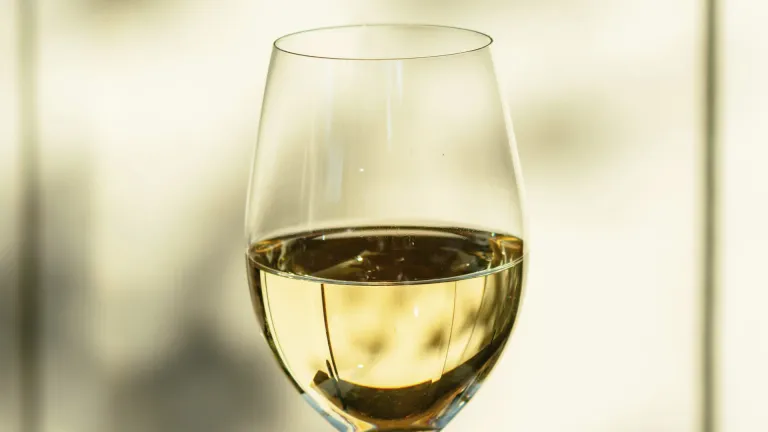
Altesse: An In-Depth Wine Profile
Explore the unique characteristics of Altesse wine, from its characteristic tasting notes to ideal pairings!
Alphonse Lavallée: An In-Depth Wine Profile
Explore Alphonse Lavallée's unique wines, their characteristics, tasting notes, and best food pairings!
Maratheftiko: An In-Depth Wine Profile
Explore the rich flavors and history of Maratheftiko, Cyprus's prized wine. Discover its unique characteristics today!
Morokanella: An In-Depth Wine Profile
Discover the distinct characteristics and flavors of Morokanella, one of the indigenous wines of Cyprus!
Yiannoudi: An In-Depth Wine Profile
Explore Yiannoudi, Cyprus's distinctive grape variety, its unique characteristics, and winemaking potential!
Glera: an In-Depth Wine Profile
Explore Glera’s history, fresh aromatics, and defining role in Prosecco in this in-depth Vinerra wine profile.-768x432.webp)
Incrocio Bruni 54: an In-Depth Wine Profile
Discover the characteristics of Incrocio Bruni 54, a hybrid wine from Marche, like its flavor profile or best pairings!
Pinotage: An In-Depth Wine Profile
Explore the rich flavors and characteristics of Pinotage, South Africa's unique grape. Discover its rich history and best pairings!-768x432.webp)
Lambrusco Salamino: an In-Depth Wine Profile
Discover the characteristics of Lambrusco Salamino, its flavor profile, best food pairings and enhance your wine knowledge!-768x432.webp)
Lambrusco Maestri: an In-Depth Wine Profile
Discover the unique characteristics of Lambrusco Maestri. Dive into this wine profile and elevate your wine knowledge!-768x432.webp)
Ancellotta: an In-Depth Wine Profile
Explore the rich profile of Ancellotta wine, its unique flavors, ideal pairings and best expressions!
Lambrusco di Sorbara: an In-Depth Wine Profile
Explore the refreshing flavors of Lambrusco di Sorbara, a sparkling Italian wine. Learn about its origins and best food pairings!
Lambrusco Grasparossa Wine: an In-Depth Profile
Discover the best Lambrusco Grasparossa wines for your next celebration. Elevate your knowledge with our recommendations!
Greco Bianco: An In-Depth Wine Profile
Discover Greco Bianco, an exquisite Italian white wine. Explore its unique characteristics and best food pairings!
Cortese Bianco: An Italian White Worth Noting
Learn about Cortese Bianco unique flavors and get food pairing recommendations to elevate your wine experience!
A Comprehensive Guide to Pinot Blanc Wine
Discover the elegance of Pinot Blanc wine with our comprehensive guide. Learn about its flavors and best food pairings!
Riesling Renano: The Noble Aristocrat of White Wine
Explore top Riesling Renano wines perfect for your celebrations. Find your ideal choice to elevate any occasion!
Discovering Uva Rara Wine: A Hidden Gem of Italian Red Varietals
Explore the unique flavors of Uva Rara wine, a lesser-known Italian red. Learn about its origins and food pairings
Discovering Croatina: The Unique Grape Behind Bold Italian Wines
Explore the bold flavors of Croatina, a unique grape variety shaping Italian wines. Learn about its unique characteristics
Discover the Rich Flavors of Vespolina Wine: A Comprehensive Guide
Explore the unique flavors of Vespolina wine and learn about its origins, aromatic, tasting notes, and food pairings!
Welschriesling Wine: Discover Its Unique Flavors and Characteristics
Explore the distinct flavors and characteristics of Welschriesling wine. Learn what makes this varietal unique!
Grenache Blanc: An In-Depth Wine Profile
Explore the unique characteristics of Grenache Blanc and the perfect food pairings to enhance your wine experience!
Clairette: an In-Depth Wine Profile
Explore Clairette’s history, terroir, flavor profile, and role in Rhône wines with Vinerra’s comprehensive guide
Mourvèdre: an In-Depth Wine Profile
Explore the rich flavors of Mourvèdre wines in this comprehensive profile, perfect for both enthusiasts and connoisseurs!
Cinsault: an In-Depth Wine Profile
Discover Cinsault’s origins, delicate structure, and role in southern French wines in Vinerra’s in-depth wine guide
Roussanne: an In-Depth Wine Profile
Explore the unique characteristics of Roussanne wine, its perfect food pairings, and why it's a must-try for enthusiasts!
Marsanne: An In-Depth Profile for Wine Lovers
Explore the unique characteristics of Marsanne wine, and discover why it's a must-try for collectors and enthusiasts!
Sagrantino: Discovering the Bold Flavors of Umbria’s Finest Wine
Explore the bold, complex flavors of Sagrantino, the signature Umbrian wine, and learn about its history and best food pairings!
Malvasia Nera: An In-Depth Wine Profile
Learn about the rich flavors of Malvasia Nera, a delightful Italian red wine, and why it deserves a spot in your collection!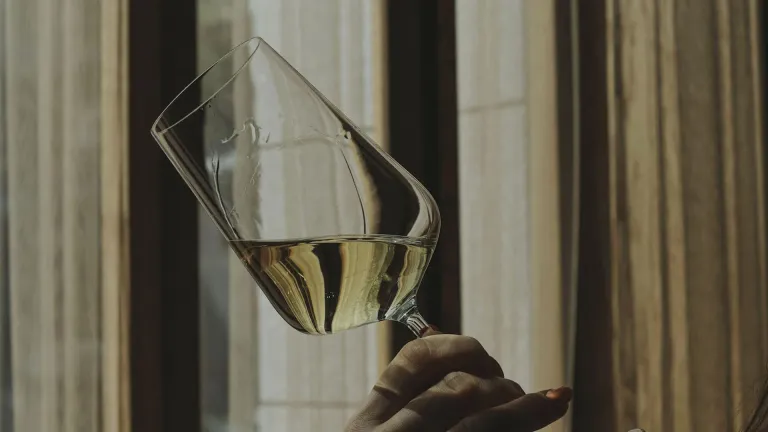
Vin Jaune: An In-Depth Profile of this Wine Treasure
Discover the distinct flavors and heritage of Vin Jaune, the Jura's unique wine. Learn about its tasting notes, and food pairings!
Macabeo Wine: Discover Its Unique Flavors and Characteristics
Explore the distinct flavors and characteristics of Macabeo wine. Learn what makes it special and how to enjoy it!
Carmenere: an In-Depth Wine Profile
Discover the rich profile of Carmenere wine, including tasting notes and ideal food pairings. Elevate your wine experience!
White Zinfandel Wine: the Essential Guide
Explore the world of White Zinfandel in this essential guide, featuring tasting notes, and tips for choosing the perfect bottle!
Petite Sirah: an In-Depth Wine Profile
Dive into the boldness of Petite Syrah, and discover its unique aromas, flavors and pairings, with this in-depth profile!
Cigales: an In-Depth Wine Profile
Discover the unique wines of Cigales, Spain's emerging region. Explore profiles, flavors, and what sets these wines apart!
The Wines of Penedès: A Comprehensive Guide
Explore the Penedès wine region through a detailed profile that highlights its unique varietals and tasting notes.
Rueda: An In-Depth Wine Profile
Explore Rueda, Spain's vibrant white wine region. Discover the unique characteristics of its wines and grape varieties!-768x432.webp)
Albariño: an In-Depth Wine Profile
Discover the refreshing and aromatic Albariño wine, one of the most precious jewels in the coasts of Portugal and Spain!
Txakoli: an In-Depth Wine Profile
Discover all the secrets of Txakoli, the most vibrant, refreshing and best kept secret of the Basque Country!
Amarone della Valpolicella: an In-Depth Wine Profile
Jump straight into the world of Amarone della Valpolicella, a delicious Italian red wine that is stepped in tradition!
Moscatel: an In-Depth Wine Profile
Welcome to the amazing world of Moscatel! Learn more about this wine gem, often overshadowed by its more famous cousin Moscato.
Barbera: an In-Depth Wine Profile
Learn about the aromatic and flavor profile of Barbera, and dive into the rich heritage of this Italian wine gem!
Grüner Veltliner: an In-Depth Wine Profile
Delve into the secrets of Grüner Veltliner, an Austrian wine that is slowly getting more and more recognizement around the world!
Vinho Verde: an In-Depth Wine Profile
Everything about Vinho Verde wine — crisp taste, Alvarinho grapes, top sub-regions of Portugal, and the best food pairings.
Muscadet: an In-Depth Wine Profile
Learn all about Muscadet, a French wine stepped in tradition! Discover the main food pairings, and how to choose the best bottles of this wine!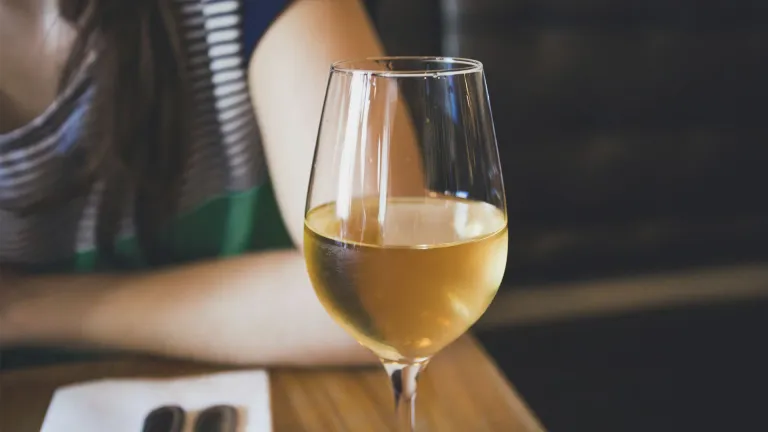
Soave: an In-Depth Wine Profile
Discover the iconic Soave wines! Learn which are the best food pairings for Soave, as well as its most common aromatic and flavor notes!
Valpolicella Ripasso: an In-Depth Wine Profile
Discover the Valpolicella Ripasso wine! Here, you will learn everything about it, from how it is made to the best food pairings for this iconic wine!
Ribera del Duero: an In-Depth Wine Profile
Discover the Ribera del Duero wines! Learn which are their main characteristics, and the differences with Rioja, another iconic Spanish wine.
Rioja: an In-Depth Wine Profile
Discover Rioja, a spanish wine full of history! Learn all about it, from the different types of Rioja wines to the best tips to serve it and store it!
Palomino: an In-Depth Wine Profile
Welcome to the world of Palomino wines! Discover which are the main characteristics of these wines, and with which foods you should pair them!
Mencía: an In-Depth Wine Profile
Discover the Mencía wines, a hidden treasure of the Spanish wine world! Learn about its sensory profile and best food pairings!
Godello: an In-Depth Wine Profile
Explore the unique profile of Godello wine, covering its origin, taste and aroma profile and best food pairings
Sherry: an In-Depth Wine Profile
Explore the unique profile of Sherry wine, covering its origin, taste and aroma profile and best food pairings
Monastrell: An In-depth Wine Profile
Do you know what is Monastrell wine? Learn more about the origin, sensory profile and best food pairings for the bold red!
Torrontés: an In-Depth Wine Profile
Explore the unique profile of Torrontés wine, covering its origin, taste and aroma profile and best food pairings
Lambrusco: an In-Depth Wine Profile
Dive into Lambrusco's vibrant profile, from its bubbly charm and taste notes to ideal pairings, and learn how to get the best value for your money!
Verdejo: an In-Depth Wine Profile
Discover Verdejo, a Spanish white wine that is the star of Rueda and highly coveted for its aromas and its refreshing taste
Tempranillo: an In-Depth Wine Profile
Discover the rich flavors and history of Tempranillo, Spain's noble grape. Explore its characteristics, food pairings, and top wine regions.
Trebbiano: an In-Depth Wine Profile
Welcome to the world of Trebbiano wines, a captivating style known for its versatility and refreshing qualities! Click here to learn more-768x432.webp)
Sangiovese: an In-Depth Wine Profile
Discover Sangiovese, a wine style that is tenowned for their robust character and Versatility. Click here!
Porto Garrafeira: an In-Depth Wine Profile
Explore the unique Porto Garrafeira style, a rare Port style with a distinctive aging process and rich flavors, with this in-depth guide.
Zinfandel: an In-Depth Wine Profile
Learn everything about Zinfandel wines, celebrated for their robust flavors and rich history, in this in-depth profile! Click here
Semillon: an In-Depth Wine Profile
Learn more about Semillon, a wine that is getting more known worldwide, and discover which are the aromatic and taste notes that makes it so unique!
Tannat: an In-Depth Wine Profile
Discover more about Tannat, a flagship wine of Uruguay that has transcended borders and is increasingly popular in other regions of the world-768x432.webp)
Viognier: an In-Depth Wine Profile
Learn more about Viognier, a wine that is renowned for its aromatic complexity, and its different food pairings!
Cabernet Franc: an In-Depth Wine Profile
Join us on a journey through the world of Cabernet Franc, an elegant and vibrant wine that pairs well with many foods!
Vermouth: an In-Depth Wine Profile
Learn everything about Vermouth wines, from their particular sensory profile to the regions where you can find the best Vermouth! Click here
Chenin Blanc: an In-Depth Wine Profile
Discover Chenin Blanc wine. Explore its history, aroma and flavour, styles and food pairings with this in-depth wine profile from Vinerra!
Grenache: an In-Depth Wine Profile
Your complete guide to Grenache wine — bold flavours, top regions in Spain and France, best food pairings, and how it compares to Syrah.
Pinot Gris: In-Depth Wine Profile
Discover Pinot Gris wine. Explore its history, aroma and flavour, styles and food pairings with this in-depth wine profile from Vinerra!
Sauvignon Blanc: In-Depth Wine Profile
Discover Sauvignon Blanc wine. Explore its history, aroma and flavour, styles and food pairings with this in-depth wine profile from Vinerra!
Gewürztraminer: In-Depth Wine Profile
Discover Gewürztraminer wine. Explore its history, aroma and flavour, styles and food pairings with this in-depth wine profile from Vinerra!
Syrah: In-Depth Wine Profile
Everything about Syrah wine — from Rhône Valley origins to its bold, peppery profile, best food pairings, and how it differs from Shiraz.
Riesling: In-Depth Wine Profile
Discover Riesling wine. Explore its history, aroma and flavour, styles and food pairings with this in-depth wine profile from Vinerra!
Malbec: In-Depth Wine Profile
Discover Malbec wine. Explore its history, aroma and flavour, styles and food pairings with this in-depth wine profile!
Merlot: In-Depth Wine Profile
Discover Merlot wine. Explore its history, aroma and flavour, styles and food pairings with this in-depth wine profile from Vinerra!
Barolo: In-Depth Wine Profile
Discover the unique Barolo flavor profile, and delve into the rich history of this Italian gem in our in depth profile!
Pinot Noir: In-Depth Wine Profile
Discover Pinot Noir wine. Explore its history, aroma and flavour, styles and food pairings with this in-depth wine profile from Vinerra!
Marsala: In-Depth Wine Profile
Discover Marsala wine. Explore its history, aroma and flavour, styles and food pairings with this in-depth wine profile from Vinerra!
Chardonnay: In-Depth Wine Profile
Discover Chardonnay wine. Explore its history, aroma and flavour, styles and food pairings with this in-depth wine profile from Vinerra!
Cabernet Sauvignon: In-Depth Wine Profile
Discover Cabernet Sauvignon wine. Explore its history, aroma and flavour, styles and food pairings with this in-depth wine profile from Vinerra!
Are you interested in collaborating with us?
Get started