
Grapes
Discover the Aglianico Grape Varietal: Flavor Profile and Pairing Tips
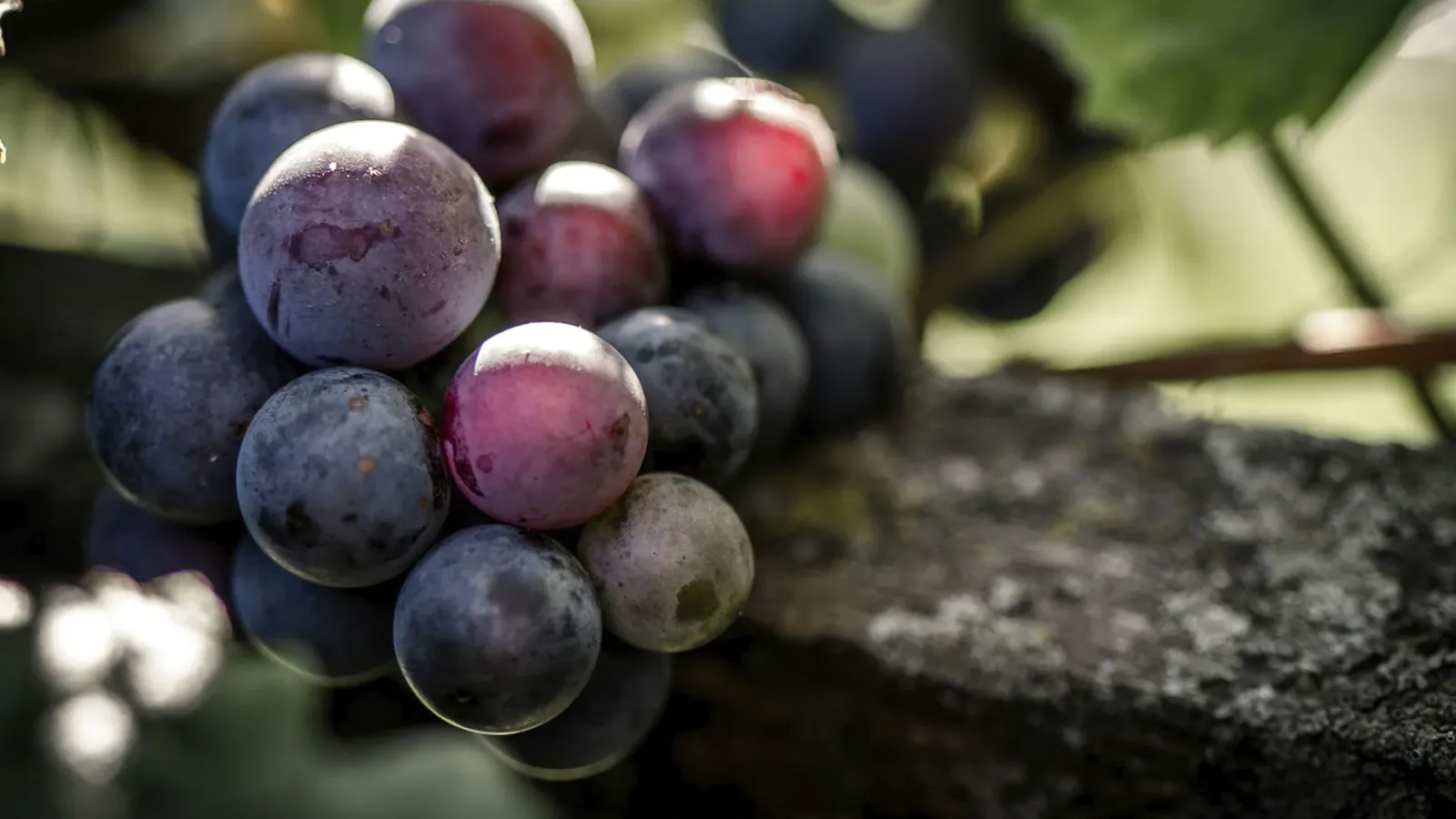
Aglianico is an ancient red grape varietal from southern Italy. It is known as one of the country's premier native wine grapes and is celebrated for its full-bodied structure, intense tannins, and high acidity. Often compared to Nebbiolo for its ability to produce powerful, age-worthy wines, Aglianico is celebrated for its robust flavours and capacity to evolve beautifully in the bottle and taste well over time.
Characteristics and Qualities
Grape Characteristics
- Appearance: Aglianico grapes are small, with thick, dark blue to black skins that contribute to the wine’s deep color and tannic structure.
- Aroma and Flavor Profile: Aglianico wines are known for their rich aromas of dark fruit—black cherry, blackberry, and plum—alongside floral notes of violet, earthy undertones, and hints of leather, smoke, and spice. Young Aglianico wines often exhibit savoury flavours, including black fruits and sour cherries, while aged varieties may develop complex notes of white pepper. With age, these wines can develop complex layers of tar, tobacco, and dried herbs.
- Sugar and Acid Levels: Aglianico typically has high acidity and tannins, which balance its moderate to high sugar levels. This natural acidity provides structure and allows the wine to age gracefully, with flavours and textures evolving over decades.
Significance and Popularity
Known as one of Italy’s “noble” grape varieties, Aglianico has gained global recognition for producing complex, structured wines with excellent aging potential. Wines made from Aglianico are often regarded as some of the finest red wines in Italy, and its popularity continues to grow among wine enthusiasts worldwide.
Winemaking Potential
- Style Versatility: Aglianico is primarily vinified as a full-bodied red wine, but it can also be made into structured rosé wines that showcase the grape’s acidity and fruit-forward character.
- Aging Potential: Known for its exceptional aging potential, high-quality Aglianico wines can improve over 10–20 years or more, developing complex, tertiary flavours and softer tannins. This aging capacity has earned it comparisons to some of Italy’s finest wines, such as Barolo.
- Food Pairing Recommendations: Aglianico’s bold tannins and acidity make it an ideal pairing for rich, hearty dishes such as braised meats, roasted lamb, wild game, and aged cheeses. Its acidity and structure also allow it to complement tomato-based dishes and rich meats, making it a perfect match for Italian cuisine and traditional dishes like beef stew.
Historical Context and Origin
The origins of Aglianico trace back to ancient Greece, likely brought to Italy by Greek settlers around 800 BC. The name "Aglianico" is believed to derive from the Greek term “ellenico,” meaning “Hellenic” or “Greek.” It quickly adapted to the volcanic soils and warm climate of southern Italy, becoming a staple grape in regions like Basilicata and Campania.
Viticultural Aspects and Volcanic Soils
- Climate and Soil Preferences: Aglianico is well-suited to warm Mediterranean climates and thrives in volcanic and limestone-rich soils. The elevation of vineyards plays a significant role, as higher altitudes bring cooler nights that help preserve the grape’s natural acidity.
- Yield Potential and Vine Vigor: Aglianico vines are vigorous and productive, often requiring careful management to control yields and ensure the concentration of flavour. When managed effectively, the grape can produce highly concentrated wines with depth and complexity. Aglianico tends to produce full-bodied wines with firm tannins and high acidity, which grants them excellent aging potential.
- Susceptibility to Diseases and Pests: Aglianico is relatively resistant to common vineyard diseases, though its thick skin makes it somewhat susceptible to mold and rot in excessively humid conditions. In its primary growing areas, the warm climate and well-drained soils help mitigate these risks.
Geographic Distribution and Cultivation
Today, Aglianico is primarily cultivated in the southern Italian regions of Basilicata and Campania, where it thrives in volcanic soils and warm, sunny climates. Outside of Italy, smaller plantings exist in Australia and the United States, especially in warmer regions where the grape’s thick skin and late-ripening qualities are advantageous.
Regional Expressions
Aglianico in Southern Italy
- Historical Importance and Prominence: Aglianico has been an important varietal in southern Italy for centuries, often called the “Barolo of the South” for its quality and aging potential. Its role in producing prestigious DOCG wines, such as Taurasi in Campania and Aglianico del Vulture in Basilicata, has solidified its reputation. Aglianico is a major component in one or more wines from 85 different areas, highlighting its diversity and importance in Italian winemaking.
- Key Wine-Producing Regions:
- Basilicata: The Aglianico del Vulture DOCG is the most renowned appellation in Basilicata, producing structured, mineral-rich wines from volcanic soils surrounding Mount Vulture.
- Campania: Aglianico is the primary grape in Taurasi DOCG, one of Italy’s most prestigious wine designations. Taurasi wines are known for their complexity, firm tannins, and long aging potential.
- Stylistic Variations and Quality Levels: Aglianico wines from Campania often exhibit more fruit-forward profiles with floral and earthy notes, while those from Basilicata are typically more mineral-driven with pronounced acidity. Quality levels vary from easy-drinking, youthful expressions to powerful, age-worthy DOCG wines.
Aglianico in Other Regions
- Global Distribution and Cultivation: Outside Italy, Aglianico has small but growing plantings in the United States (particularly in California and Texas) and Australia. These regions are experimenting with Aglianico to see how it adapts to different climates and winemaking techniques.
- Notable Examples and Regional Interpretations: In the United States, Aglianico is typically made into bold, fruit-forward wines with softened tannins, while Australian expressions are often more fruit-driven, reflecting the warmer climate.
- Impact on Local Wine Cultures: Aglianico’s adoption in regions outside Italy has helped expand its recognition and popularity. In North America and Australia, Aglianico is embraced by winemakers seeking to diversify their offerings and appeal to consumers looking for unique Italian varietals with aging potential.
Future Prospects and Trends
Emerging Trends and Developments
- Climate Change and Adaptation Strategies: As climate change affects wine regions, Aglianico’s adaptability to warm climates and late-ripening nature makes it an attractive varietal for regions experiencing rising temperatures. This resilience has prompted experimentation with Aglianico in warmer regions outside of Italy.
- New Winemaking Techniques and Technologies: Winemakers are exploring various techniques, such as micro-oxygenation, to soften Aglianico’s tannins and make the wines more approachable at a younger age. Rosé styles and less tannic, fruit-driven expressions are also emerging to broaden its appeal.
- Consumer Preferences and Market Trends: As consumers seek more unique, high-quality Italian wines, Aglianico’s popularity is growing. Its reputation as a structured, age-worthy varietal with rich flavours appeals to wine enthusiasts interested in discovering Italy’s regional wines.
Potential for Growth and Expansion
- Exploring New Regions: The adaptability of Aglianico to warm climates suggests potential for expansion in new regions, including southern Europe, the southwestern United States, and parts of South America. Its ability to thrive in volcanic soils further expands the possibilities for cultivation in other geologically similar regions.
- Reputation Enhancement: As more high-quality Aglianico wines enter international markets, the grape’s reputation as a noble Italian varietal is likely to grow. Increased recognition from wine critics and competitions will elevate its standing in the global wine industry. Consumers can conveniently purchase and compare Aglianico wines at retail options like Total Wine, making it easier to explore this noble varietal.
Notable Wines and Producers
Iconic Aglianico Wines
- High-Quality Examples: High-quality Aglianico wines come from producers dedicated to low yields, extended maceration, and careful aging in both oak and bottle. These wines often showcase the grape’s dark fruit, structured tannic flavours complex, earthy flavours.
- Tasting Notes: Notable Aglianico wines feature dark fruit aromas of blackberry, black cherry, and plum, complemented by floral notes of violet and hints of leather, smoke, and spice. With age, these wines develop layers of tar, tobacco, earthy nuances, and even hints of mushroom broth, becoming more complex and nuanced.
Renowned Producers
- Winery Profiles: Leading Aglianico producers include Feudi di San Gregorio and Mastroberardino in Campania, both known for their high-quality Taurasi DOCG wines, as well as Elena Fucci in Basilicata, who produces renowned Aglianico del Vulture wines. Each of these wineries has helped raise awareness of Aglianico’s potential through quality-driven, expressive wines.
- Philosophy and Winemaking Practices: Many top Aglianico producers focus on traditional techniques, including long maceration periods, barrel aging, and bottle aging, to develop the grape’s tannic structure and complexity. Sustainable practices and minimal intervention are also common among quality-focused producers.
- Awards and Recognition: Aglianico wines from Campania and Basilicata have received numerous awards in international competitions, elevating the grape’s reputation on a global scale. These accolades have helped establish Aglianico as one of Italy’s top red grape varietals.
Conclusion
Aglianico is a distinguished red grape varietal that has played a central role in the winemaking heritage of southern Italy. Known for its full-bodied structure, complex aromas, and aging potential, Aglianico has earned a place among Italy’s noble grapes. As climate change drives interest in resilient varietals and consumers seek unique regional wines, Aglianico’s future as a bold and versatile grape varietal appears promising.
Discover more grape profiles
Discover the Fiano Grape: Everything You Need to Know
Discover the Fiano grape's rich history, unique flavors, and perfect food pairings. Dive into the world of this exquisite and unique varietal!
Greco Bianco: an In-Depth Grape Profile
Discover the distinctive qualities of Greco Bianco, Italy's unique grape variety. Learn about its flavor profile and food pairings!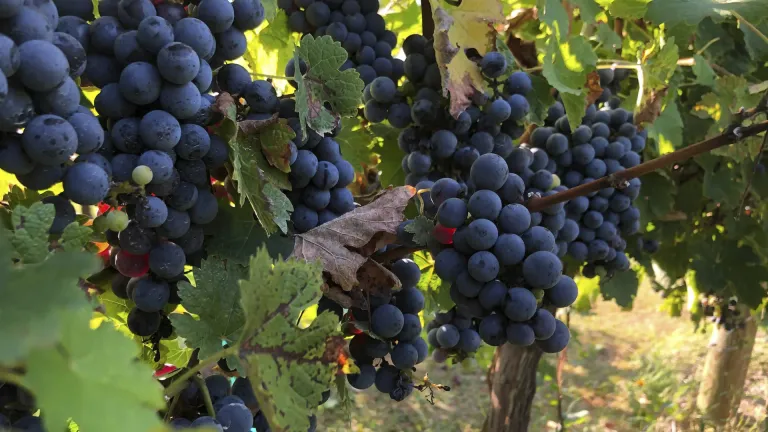
Cabernet Sauvignon: In-Depth Grape Varietal Profile
Discover the Cabernet Sauvignon grape varietal. Explore its history, viticultural and primary growing regions with this in-depth profile from Vinerra!
Discover the Alphonse Lavallée Grape: A Traditional Delight
Discover the Alphonse Lavallée grape varietal, its unique flavor profile, food pairings, and how it enhances traditional winemaking!


Are you interested in collaborating with us?
Get started