
Grapes
Lambrusco di Sorbara: an In-Depth Grape Profile
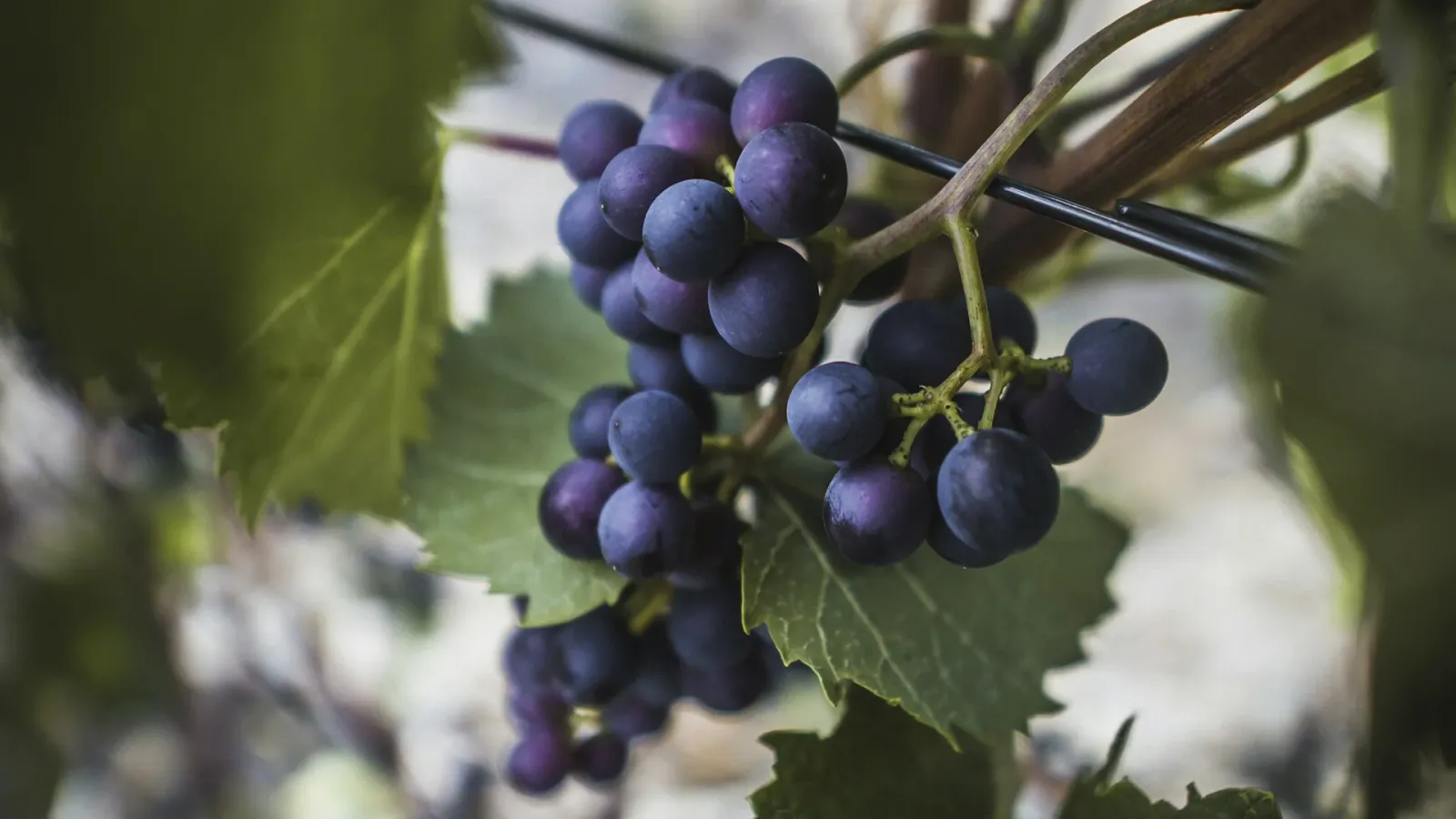
Lambrusco di Sorbara stands out at any gathering, quickly becoming the center of attention. This wine represents real innovation: sustainable, elegant, and quietly changing what people expect from Italian wine. As part of a family of grape varieties native to Italy, it showcases the rich heritage of its homeland. Here's why this overlooked grape from Emilia-Romagna deserves a spot in your fridge and your heart.
What Is Lambrusco di Sorbara?
This grape variety has a unique, appealing quality that's hard to ignore. It produces Italy's lightest, most fragrant sparkling red wines, with a pale pinkish color and flavors that make an instant impression. Among Lambrusco varieties, it stands out for producing the lightest-colored and lowest-tannin wines, adding to its delicate charm.
- Genetic Quirk: Its flowers can't pollinate themselves and need another grape (usually Lambrusco Salamino) to help out, making it naturally dependent on teamwork.
- Signature Qualities: The mix of bright acidity and flowery scents creates a wine that's light yet memorable.
- Why It's Special: It's a sparkling red that even white wine fans often enjoy.
Which Lambrusco Wines are produced with Lambrusco di Sorbara?
Lambrusco di Sorbara can produce wines on a wide range of styles:
- Semi-Sparkling (Frizzante) Wines: Lightly sparkling wines with refreshing effervescence, often semi-dry or semi-sweet (semisecco or dolce). Deep ruby color with purple foam, bright aromas of red fruits like cherry, strawberry, and blackberry, balanced by bracing acidity. These wines are vibrant and approachable, ideal for pairing with rich local foods like Parmigiano Reggiano or cured meats.
- Sweet Sparkling Reds: Sweet (dolce) styles are popular, counterbalancing the grape's natural tannins and acidity. Aromatic and fruity with flavors of ripe cherries, violets, and cola. The sweetness enhances the creamy texture and makes it a great match for casual foods like burgers or desserts.
- Dry Sparkling Reds: Bone-dry (secco) versions showcase the grape’s structure and complexity. These drier wines are medium-bodied, with firm tannins, high acidity, and flavors of tart plum, black cherry, and smoky charcoal. These wines are more robust and pair well with hearty dishes like lasagna or sausages.
- Metodo Classico Sparkling Wines (Frizzante Style): Produced using the traditional method (metodo classico), these wines undergo secondary fermentation in the bottle for added complexity. Elegant and structured with fine bubbles, showcasing red fruit aromas alongside floral hints like violet and rose. These wines are often drier and more refined compared to tank-method counterparts.
- Monovarietal Wines: Single-varietal Lambrusco di Sorbara wines emphasize the grape’s unique qualities without blending. Deeply colored with aromatic intensity, offering a balance of fruitiness (red cherry, blackberry) and tannic grip. These wines are typically heavier-bodied but maintain freshness.
- Blended Wines: Lambrusco di Sorbara is sometimes blended with other Lambrusco varieties (e.g., Lambrusco Salamino) to enhance complexity or adjust sweetness levels. The blends often combine Salamino’s structure and color with Sorbara’s lightness or Ancellotta’s fruit-forward richness.
History: From Roman Feasts to Hipster Hangouts
Lambrusco di Sorbara has a story as rich as Italian cooking. Romans drank it at their parties (with Pliny the Elder mentioning it in his writings), medieval farmers had it regularly, and by the 1800s, it was a staple at Italian celebrations.
Then came the 1970s—a rough patch. Cheap, sweet versions flooded American stores, hurting Lambrusco's image. But like any good comeback story, small, quality-focused winemakers in the 2000s brought back its reputation with dry, traditional styles. Today, it's popular in trendy wine bars, showing that second chances can lead to great success.
Climate and Viticulture: Built for Challenges
This grape doesn't just survive tough conditions—it thrives in them. Wines from Lambrusco di Sorbara typically have high acidity and are designed to be drunk young, ensuring their vibrant and fresh character is fully appreciated.
- Weather: Very hot summers and quite cold winters.
- Soil: Sandy, river-deposited plains that filter well, giving the wine its crisp, mineral taste.
- Vineyard Traits:
- Lower grape yields lead to more concentrated flavors.
- Handles drought well, using water efficiently.
Regions & Terroir: Lambrusco di Sorbara DOC
Lambrusco di Sorbara DOC is the beating heart of Emilia-Romagna’s sparkling wine culture, located north of Modena between the Secchia and Panaro rivers. This appellation is celebrated for producing some of the most elegant and aromatic Lambrusco wines, thanks to its unique terroir and favorable climate.
Terroir Characteristics
- Sandy Alluvial Soils: The sandy soils, formed by ancient river deposits, are key to Lambrusco di Sorbara’s signature style. These soils promote excellent drainage, preventing waterlogging and encouraging healthy vine growth. They also contribute to the wine’s high acidity and light body, resulting in its refreshing and vibrant character.
- Climate: The region experiences a continental climate with hot summers and cold winters. Spring and autumn rains provide essential moisture for vine growth, while dry summers reduce disease risks. Cool nights during the growing season help preserve acidity in the grapes, enhancing the wine’s crispness and floral aromas.
- Microclimates: The proximity to rivers creates subtle microclimates that influence grape ripening. These localized conditions further refine the aromatic profile of Lambrusco di Sorbara wines, adding layers of complexity.
Wine Style
Lambrusco di Sorbara DOC wines are often lighter in color compared to other Lambrusco varieties, ranging from pale pink to light ruby hues. They are typically sparkling (frizzante or spumante) and can be made in dry (secco) or sweet (dolce) styles. The wines are prized for their delicate floral aromas (violet, rose) and vibrant red fruit flavors (strawberry, cherry), balanced by zesty acidity. Additionally, they often feature sweet aromas of orange blossom, mandarin orange, cherries, violets, and watermelon, making them a sensory delight.
Unique Features of the Grape
The Lambrusco di Sorbara grape has a peculiar flowering anomaly—it drops its flowers during pollination, leading to reduced yields but more concentrated flavors in the remaining fruit. To mitigate this issue, the vines are often interplanted with Lambrusco Salamino, which aids fertilization while adding structure to blends.
Cultural Significance
The wines of Lambrusco di Sorbara DOC have been deeply woven into Emilia-Romagna’s culinary traditions. Known for their versatility, they pair effortlessly with local delicacies like Parmigiano Reggiano cheese, balsamic vinegar dishes, and hearty pasta recipes such as lasagna. Beyond food pairings, these wines embody the convivial spirit of Italian dining—lighthearted yet sophisticated. They also complement spicy Thai and Indian cuisine, showcasing their adaptability to global flavors.
Neighboring Appellations
Lambrusco di Sorbara DOC is surrounded by other notable appellations that contribute to Emilia-Romagna’s rich tapestry of sparkling wines:
- Lambrusco Grasparossa di Castelvetro DOC: Produces fuller-bodied wines with deeper color and pronounced tannins.
- Lambrusco Salamino di Santa Croce DOC: Known for its balanced fruitiness and refreshing acidity.
- Lambrusco di Modena DOC: A versatile appellation producing a range of styles from dry to sweet.
Sustainability: The Natural Eco-Friend
Lambrusco di Sorbara is a quiet trailblazer in sustainability, offering environmental benefits that are deeply embedded in its production process. Unlike many wine regions that have had to retrofit green practices, Sorbara’s eco-friendly advantages are built into its DNA, making it one of the easiest Lambrusco varieties to cultivate sustainably.
Why Lambrusco di Sorbara Is Naturally Sustainable
- Low Water Needs: Lambrusco di Sorbara thrives in sandy alluvial soils and has a natural ability to handle dry conditions, reducing the need for irrigation—a critical advantage in the face of climate change.
- Disease Resistance: The grape’s resilience means fewer chemical treatments are required, lowering its environmental footprint and supporting cleaner viticulture.
- Efficient Yields: While Sorbara vines produce lower yields due to their flowering anomaly, this results in concentrated flavors and reduces the strain on resources needed for mass production.
Producers Leading the Charge
Several wineries in the Lambrusco di Sorbara DOC zone have embraced sustainability as part of their ethos, integrating innovative practices into their operations:
- Cantina Paltrinieri: Known for its commitment to near-organic methods, this family-run winery minimizes interventions and prioritizes natural winemaking techniques. Their approach includes hand-harvesting grapes and avoiding herbicides, ensuring that their wines reflect the purity of the terroir.
- Cleto Chiarli: A pioneer in efficient fermentation techniques, Cleto Chiarli has adopted practices that reduce waste and energy consumption during production. Its focus on sustainable packaging further enhances its green credentials.
- Cantina di Soliera: Located in the heart of the Sorbara DOC zone, this cooperative achieved Equalitas Winery certification in 2022, a benchmark for sustainable wine production. A proportion of their vineyards is already undergoing conversion to organic cultivation, with plans for formal certification soon.
Innovative Practices in Sustainability
Producers in Emilia-Romagna are pushing boundaries with new certifications and methods that redefine sustainability:
- VIVA Certification: Some wineries have adopted VIVA standards, which evaluate sustainability across four key indicators: water, air, land, and vineyards. This comprehensive approach tracks every step of production, from vineyard management to packaging design, ensuring minimal environmental impact.
- Solar Energy Integration: Wineries like Monari Federzoni have installed photovoltaic systems capable of generating significant renewable energy annually. By reducing reliance on non-renewable sources and recycling production waste into biogas and fertilizers, they close the loop on resource efficiency.
- Organic Conversion: Many producers are transitioning to organic farming practices, using green manure and avoiding synthetic fertilizers to preserve soil health and biodiversity.
Sustainability Beyond the Vineyard
The commitment to sustainability extends beyond viticulture into broader social and economic initiatives:
- Community Engagement: Local wineries collaborate with nonprofits to support poverty alleviation and sponsor community sports events as part of their social responsibility efforts.
- Educational Partnerships: Producers host educational programs with schools and universities to promote awareness of sustainable agriculture among future generations.
Famous Wines: The Standout Bottles
These wines represent the best of what Lambrusco di Sorbara offers:
- Paltrinieri 'Radice' ($21): Made using traditional methods, with a salmon-pink color and refreshing crispness.
- Cantina della Volta Brutrosso ($32): Offers champagne-like complexity paired with red fruit flavors.
- Cleto Chiarli Vecchia Modena ($25): Dry, floral, and thoroughly enjoyable.
Worth Noting: Brutrosso M. Cl. has won a Tre Bicchieri award—one of Italy's highest wine honors.
Final Thoughts
Lambrusco di Sorbara represents a wine that many people misunderstood at first but has gained well-deserved recognition over time by wine students and lovers. It is now regarded as the highest-quality Lambrusco wine due to its concentrated taste, which sets it apart from other varieties.
- For Wine Drinkers: It offers a welcome alternative to heavy reds and oaky white wines—a lighter, refreshing option.
- For the Environment: Low-maintenance vineyards work well even as the climate changes.
- For the Wine World: Shows how a once-dismissed wine style can become highly respected.
When someone doubts sparkling red wine, offering them a glass of Lambrusco di Sorbara often changes their mind. This underdog truly deserves attention. The best versions of Lambrusco di Sorbara are known for being dry and refreshing, making them a delightful surprise for skeptics.
Discover more grape profiles
Ancellotta: An In-Depth Grape Profile
Discover the unique characteristics of Ancellotta grapes, from their flavor profile to ideal growing conditions!
Discover the Colorino Grape: Italy’s Bold and Inky Variety
Discover the unique flavor profile of the Colorino grape, and learn why it’s a must-try for wine enthusiasts!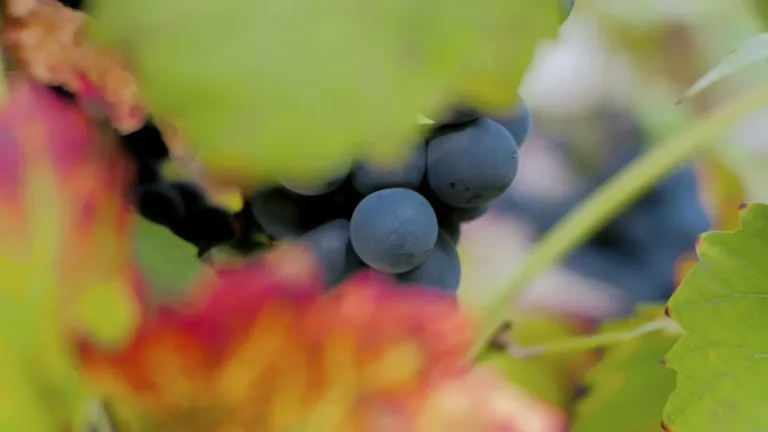
Lambrusco Grasparossa: An In-Depth Grape Profile
Discover the unique characteristics of Lambrusco Grasparossa, from its flavor profile to ideal pairings!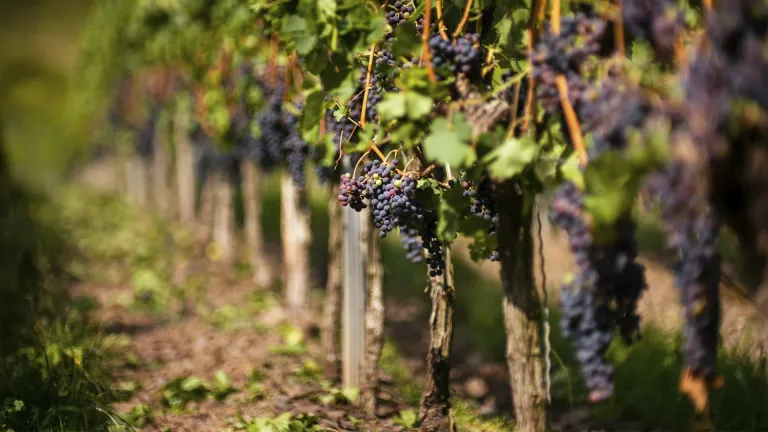
Lambrusco Maestri: An In-Depth Grape Profile
Explore the unique characteristics of Lambrusco Maestri, a delightful grape for wine enthusiasts. Learn about its flavor profile!

Are you interested in collaborating with us?
Get started