
Gran Canaria DO
- Latitude
- 27°58′00″ N
- Longitude
- 15°36′00″ W
- Appellations
- 1
Traditional wine regions are often seen as 'old money,' predictable, well-established, and built on centuries of prestige. In contrast, Gran Canaria is the energetic, high-growth startup of the Atlantic wine scene.
It's lively, rugged, and quite different from the typical continental vineyards. The area is officially recognized as Denominación de Origen Protegida (DOP) Gran Canaria, underscoring its protected status and commitment to quality. Part of the broader Canarian wine tradition, Gran Canaria shines with its unique volcanic terroir, local grape varieties, and the exceptional quality that makes wines from this archipelago special. Having received its Denominación de Origen in the early 2000s, it’s the newest designated wine region in the Canary Islands.
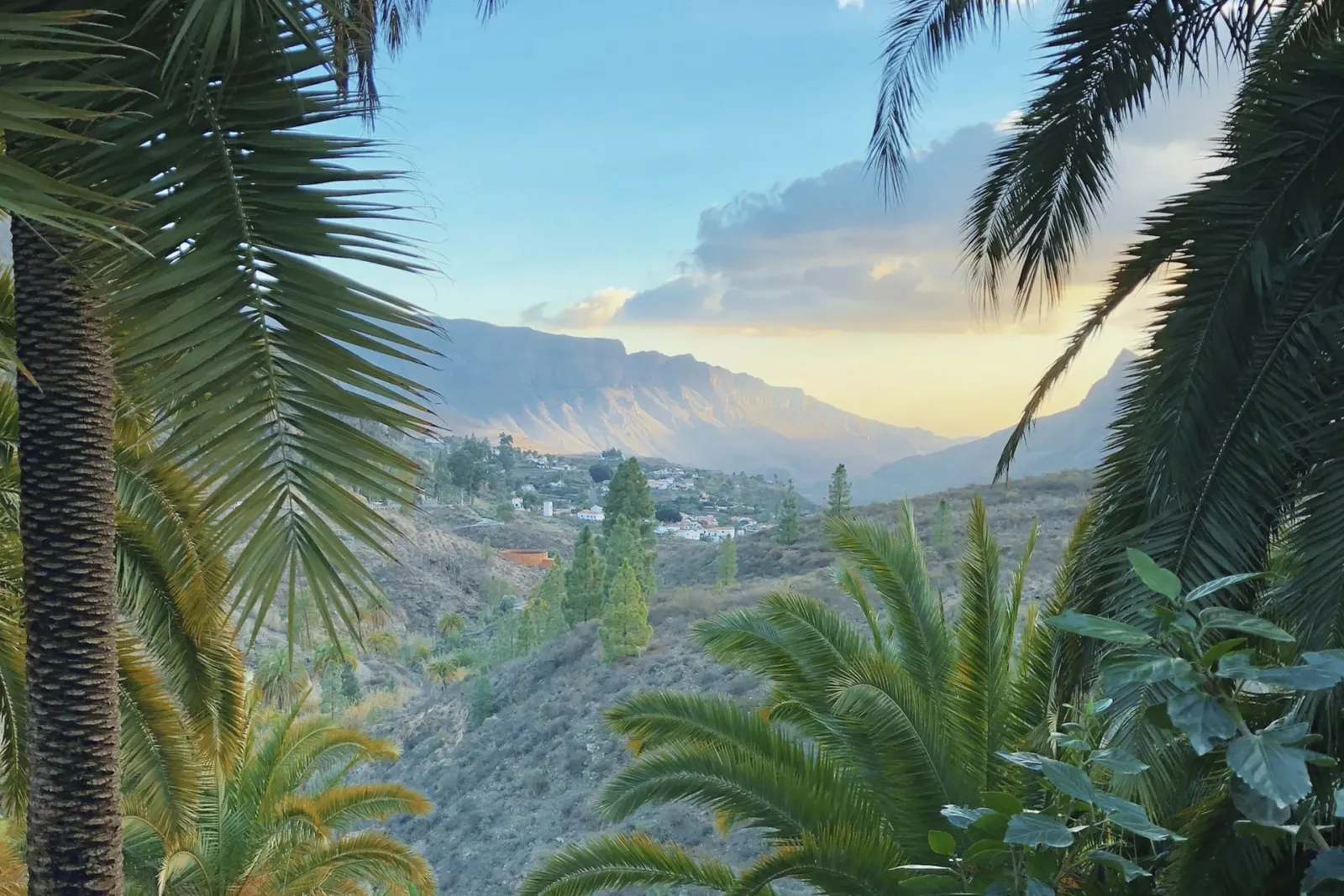
From the sun-drenched dunes of Maspalomas to the cloud-covered peaks inland, Gran Canaria offers a stunning lesson in vertical terroir. It’s more than just about wine; it’s about geology, trade winds, and a resilient spirit—both in the vines and the culture that nurtures them. The region’s volcanic soils and dramatic microclimates create truly unique conditions, giving rise to wines rich in character and complexity.
Over the past twenty years, this region has quietly shifted from bulk wine production to a focus on exceptional quality, thanks in part to a treasure trove of grape varieties that phylloxera has never touched. This overview uncovers the layers of the Gran Canaria DO.
Introduction to Gran Canaria
Gran Canaria, the sparkling jewel of the Canary Islands, is redefining wine for adventurous palates. Located just off Africa's northwest coast, this Spanish island is a living laboratory for wine cultivation, where ancient volcanic soils and diverse microclimates produce some of the world's most distinctive wines.
Here, grape growing is driven by resilience, innovation, and a quest for excellence rather than mere tradition. The island's rugged landscape and mineral-rich volcanic soils yield bold, distinctive wines. Notably, Gran Canaria's white wines made from Listán Blanco grapes are renowned for their lively fruit, crisp acidity, and strong sense of place. These wines reflect centuries of adaptation, with vines thriving in fragmented plots from sun-drenched coasts to misty mountain slopes.
The Gran Canaria Wine Route is a must-visit, the only certified wine route in the Canary Islands and one of the few outside mainland Spain. It features over 50 wineries, restaurants, and wine shops showcasing the island's rich wine heritage. Wine tastings here offer immersive experiences, connecting visitors to the flavours, history, and warmth of Canaria. Whether you're a connoisseur or a curious visitor, Gran Canaria offers an unforgettable wine journey. Wineries host tours that reveal the secrets of their volcanic terroir and traditional techniques. Along the way, discover local dishes perfectly paired with the island's wines, making Gran Canaria a top destination for wine lovers worldwide.
Overview of the Region
- Geography and Location: Gran Canaria sits in the Atlantic Ocean, 150 km off the coast of Africa. It is a volcanic cone rising 1,956 meters out of the sea. Unlike the flat expanses of La Mancha or the rolling hills of Bordeaux, Gran Canaria is vertical. The DO covers the entire island, but the reality is a patchwork of tiny, isolated plots (minifundios) clinging to cliffs and hiding in calderas. Gran Canaria is one of the seven Spanish-owned islands of the Canary Islands, located closer to Africa than to the Spanish mainland. The island is part of the province of Las Palmas, situated near Fuerteventura within the Canary Islands archipelago.
- Key Subregions: Gran Canaria contains several distinct wine subregions, primarily centred in the volcanic Monte area and the southern slopes. Key wine-producing regions are located within specific municipalities such as San Bartolomé de Tirajana, Telde, and Santa Brígida.
The region operates under a paradox: it is technically "subtropical," yet produces high-acidity, fresh wines thanks to the cooling Alisios (Trade Winds) and extreme altitude. It is a place where you can be on a beach at 25°C and, 45 minutes later, shivering in a vineyard at 1,300 meters. Gran Canaria's wines are often characterized by their freshness and acidity, particularly those from the Vinos del Monte region.
Gran Canaria, by the Numbers
Gran Canaria's wine subregion spans about 209 hectares of vineyards, nestled at elevations from sea level up to 1,700 meters. It is home to 47 registered wineries that craft wines of exceptional quality. The microclimates here are wonderfully diverse, thanks to variations in elevation and annual rainfall—from 125 mm on the coast to 525 mm up in the mountains—adding to the region's unique terroir. The 2024 harvest was particularly small, with around 196,690 kilograms gathered, mainly due to drought conditions. All these elements come together to create wines with a rich complexity that both enthusiasts and visitors love to explore.
- Vineyard Surface
- ~209 Hectares (approx. 516 Acres)
- Number of Wineries
- ~47 registered wineries
- Altitude Range
- Sea level to 1,700 meters (5,577 ft)
- Annual Precipitation
- 125 mm (coastal) to 525 mm (mountains)
- Harvest Volume
- ~196,690 kilos (2024 vintage, low yield due to drought)
- Growing Degree Days
- Aproximately between 1800 and 2400 GDD
History of the Subregion
The history of Gran Canaria wine reflects recurring cycles of boom, bust, and resilience. Today, the island’s wine production remains relatively small, with only select bottlings exported to markets such as England and Latin America.
- 15th Century: Viticulture on Gran Canaria began with Spanish settlers and conquistadors, and by the early 1500s the island was already exporting wine.
- 16th–17th Century: Canary wine—especially sweet Malvasía, or “Sack”—became highly fashionable among the global elite. It was widely exported to England, Flanders, and the Americas, praised in literature (including Shakespeare) and enjoyed at royal courts.
- Crash (1663): The British Staple Act and the War of the Spanish Succession disrupted traditional markets. England shifted its preference to Portuguese wines such as Port and Madeira, triggering an almost 300-year decline in the Canarian wine industry.
- Pivot (2000s–Present): Gran Canaria obtained its DO status in the early 2000s, notably with the Monte Lentiscal subzone. The industry has evolved from producing bulk wine for local consumption to crafting high-quality, terroir-driven wines for global audiences. Many of Gran Canaria’s sweet wines are made from Moscatel grapes, prized for their naturally high sugar content.
Environment and Sustainability
Gran Canaria's wine industry is sustainable by necessity, not just marketing.
- Heroic Viticulture: The steep slopes make mechanization difficult, so almost all harvesting is done by hand. While this can be socially challenging, it results in a very low carbon footprint because machinery isn't used.
- Water Management: In a region that receives only 125 mm of rain, water is incredibly valuable. Many wineries practice "dry farming" or use ultra-efficient drip irrigation fed by water collected from deep mountain tunnels, helping conserve this precious resource.
- Genetic Preservation: By nurturing ungrafted (pie franco) ancient grape varieties, the region becomes a living sanctuary for biodiversity, protecting genetic diversity that has often been lost elsewhere due to industrial agriculture.
- Vineyard hectares
- 209
- Wineries
- 47
- growing degree days
- 1800-2400 GDD
Discover Terroir
Gran Canaria is a volcanic island150 kilometres off North Africa's coast in the Atlantic Ocean. It rises 1,956 meters vertically, creating extreme microclimatic variation across its 209-hectare DO. Elevation ranges from sea level to 1,700 meters, fundamentally reshaping temperature and ripening conditions within a minute's drive. Often referred to as 'the continent in miniature,' the island boasts a variety of landscapes and climates that influence its viticulture. The cooler northern parts of Gran Canaria are more suited for fine wine production due to their altitude and microclimates.
Gran Canaria experiences subtropical conditions modulated by the Alisios Trade Winds, creating a "Region I to Region V" Winkler spectrum depending on elevation. Summer highs reach 32°C; winter minimums drop to 12°C. Annual precipitation ranges from 125 millimetres (coastal) to 525 millimetres (mountain), with 2,800 sunshine hours annually driving ripening despite water scarcity. The climate of Gran Canaria is Mediterranean, influenced by trade winds and breezes from the Atlantic Ocean.
The island's volcanic geology defines its wine character. Rich, mineral-dense soils combine basalt, lapilli (volcanic ash/picón), and clay from recent geological activity. Phylloxera-free ungrafted vines thrive here, offering purity and directness. The volcanic matrix imparts signature mineral intensity and saline notes to finished wines, grounding their terroir expression.
- Rain
 125 mm
- Altitude
 0-1700 m
Discover
The Grape Varieties of Gran Canaria
Gran Canaria is a Jurassic Park for grapes. Because phylloxera never made it here, the island preserves ancient varieties that have gone extinct on the mainland. Listán Negro dominates red plantings, a native Canarian variety delivering fresh, low-tannin wines with distinctive white pepper notes. At the same time, Malvasía Volcánica leads whites, producing aromatic, mineral-driven expressions with saline intensity that defines the island's terroir signature.
Red Grape Varieties
- Red
- Grape Variety: Listán Negro
- Origin / Status: Native (Canary Islands)
- Profile Note: The workhorse. Light, pepper, volcanic funk. The Pinot Noir of the Atlantic.
- Red
- Grape Variety: Negramoll
- Origin / Status: Native (Andalusia origin, distinct clone)
- Profile Note: Elegant, soft tannins are often used for complexity.
- Red
- Grape Variety: Tintilla
- Origin / Status: Native
- Profile Note: Deep colour, high acidity, used for structure. Related to Trousseau.
- Red
- Grape Variety: Vijariego Negro
- Origin / Status: Native
- Profile Note: Rustic, wild, high acidity. Known as Sumoll in Catalonia.
White Grape Varieties
- White
- Grape Variety: Malvasía Volcánica
- Origin / Status: Native (Lanzarote/Gran Canaria)
- Profile Note: The Queen. Aromatic, apricot, mineral, saline.
- White
- Grape Variety: Listán Blanco
- Origin / Status: Native (Palomino Fino)
- Profile Note: High yield, neutral, reflects terroir perfectly.
- White
- Grape Variety: Vijariego Blanco
- Origin / Status: Native (Synonym: Diego)
- Profile Note: High acidity, crisp apple, ages beautifully. Vital for high-altitude whites.
- White
- Grape Variety: Marmajuelo
- Origin / Status: Native
- Profile Note: Tropical fruit, high extract, rare and highly prized.
- White
- Grape Variety: Albillo Criollo
- Origin / Status: Native
- Profile Note: Distinct from mainland Albillo. Floral, intense, silky.
- White
- Grape Variety: Moscatel de Alejandría
- Origin / Status: Ancient Introduction
- Profile Note: Used for both dry and sweet wines. Intense floral aromatics.
Overview of Wine Styles
Gran Canaria's Denominación de Origen offers a wide range of wines, showcasing the island's volcanic soil and microclimates. These include the fresh Tinto Joven with low tannins, the mineral-rich Blanco Seco whites, and sweet wines like Dulce and Semidulce. The Vinos de Altura, grown at high elevations, are noted for aging potential and complexity. Each style reflects Gran Canaria's unique character.
- Tinto Joven (Young Red)
- Description: The signature style. Fresh, low tannin, high acidity, with a distinctive note of white pepper and ash. Meant to be drunk slightly chilled.
- Key Varieties: Listán Negro, Negramoll
- Blanco Seco (Dry White)
- Description: Ranging from light and saline (coastal) to dense and structured (high altitude). Often marked by a "volcanic reduction" (smoky/matchstick note).
- Key Varieties: Listán Blanco, Malvasía, Vijariego Blanco
- Dulce / Semidulce
- Description: A nod to the historical "Sack." Luscious, honeyed wines that balance sugar with searing volcanic acidity.
- Key Varieties: Moscatel, Malvasía
- Vinos de Altura (High Altitude)
- Description: Wines from >1,000m. Serious structure, higher acidity, and aging potential. The "Premium" tier.
- Key Varieties: Vijariego Negro, Tintilla, Baboso Negro
Best Food Pairings
Gran Canaria's cuisine is rooted in humble origins but elevated by outstanding ingredients: simple, hearty, and meant to complement high-acid wines.
- Queso de Flor de Guía: A distinctive, creamy sheep's milk cheese made with cardoon (thistle) flowers. This traditional specialty showcases local sheep's milk and unique thistle rennet, pairing excellently with a high-acid Vijariego Blanco.
- Papas Arrugadas con Mojo: The quintessential Canarian dish. It features wrinkled potatoes boiled in seawater and served with red (spicy) or green (cilantro) mojo sauce. The vinegar in the mojo pairs best with a fresh Listán Negro.
- Sancocho Canario: Salted fish (wreckfish or cherne) boiled with sweet potato and gofio. This classic dish from Canarian culture calls for a saline, structured Malvasía Volcánica.
- Cochino Negro: Roasted native black pig. Its high fat content necessitates a tannic, structured red wine like Tintilla.
- Ropa Vieja: A stew of chickpeas and shredded meat. This comforting dish is best paired with a smooth Negramoll.
Wine Tourism in Gran Canaria
The Ruta del Vino de Gran Canaria is synonymous with wine quality. Gran Canaria is home to the only official wine route in the Canary Islands, which includes vineyards, bodegas, bars, and restaurants that produce or serve local wines.
The Gran Canaria Wine Route features over fifty establishments, including wineries, restaurants, and wine shops. The Gran Canaria Wine Route has been certified by the Spanish Association of Wine Cities (Acevin) for its uniqueness. This route is especially popular among tourists, who are drawn to the authentic experiences and local markets along the way. But the authentic culture is found in the Bochinches (or Guachinches in Tenerife, though the term is used here too for rustic spots). These are makeshift eateries in garages or living rooms where wine producers sell their own harvest alongside 3 or 4 homemade dishes. It is the Airbnb of dining—unregulated charm, authentic, and disappearing.
Gran Canaria is not Napa. You won't find marble foyers. You will find steep driveways, farmers who want to talk for three hours, and wines you literally cannot buy on Amazon.
Best Wineries within the Gran Canaria Wine Route
Five key estates shape Gran Canaria's vibrant wine scene, each offering a unique expression of the island's diverse terroirs and a distinct visitor experience:
- Bodegas Bentayga (AGALA): Nestled within Nublo Rural Park at a lofty 1,318 meters, this estate practices heroic viticulture, cultivating vines on steep slopes and aging their wines in natural stone caves. AGALA wines capture the essence of cold mountain air—tense, vibrant, and brilliantly expressive.
- Bodega Las Tirajanas: Located in the sunny south of San Bartolomé de Tirajana, this cooperative brings together grapes from 17 family vineyards spread across varied microclimates. They balance volume and quality, providing an accessible gateway to understanding Gran Canaria's diverse wine zones.
- Bodega San Juan (Finca El Mocanal): Established in 1912 and family-run for five generations, this historic winery in Santa Brígida's Monte Lentiscal area embodies tradition and elegance. Visitors can explore its wine museum and ancient lagares, experiencing wines crafted with organic principles and deep respect for heritage.
- Bodega Los Lirios: Situated near the Bandama Volcano in Monte Lentiscal, this winery blends authenticity with modern appeal, offering yoga sessions, sunset picnics, and vine adoption programs. Their red Llantén wine perfectly illustrates how contemporary wine culture balances liquid craftsmanship with compelling storytelling.
- Bodega Los Berrazales (Finca La Laja): Found in the lush Agaete Valley on the island's northwest coast, this unique estate grows not only wine grapes but also coffee and oranges—Europe's sole commercial coffee producer. Their labels, painted by artist Pepe Dámaso, vividly reflect the tropical richness and dramatic terroir of the cliffside vineyards.
Additional noteworthy wineries include:
- Bodega La Montaña: Known for producing environmentally responsible wines, this estate also hosts a seasonal pop-up vineyard restaurant that opens around the grape harvest, offering an immersive gastronomic experience.
- Finca Escudero: One of the few vineyards on Gran Canaria dedicated primarily to the classic Spanish Tempranillo grape, adding a distinctive dimension to the island's wine portfolio.

Are you interested in collaborating with us?
Get started