
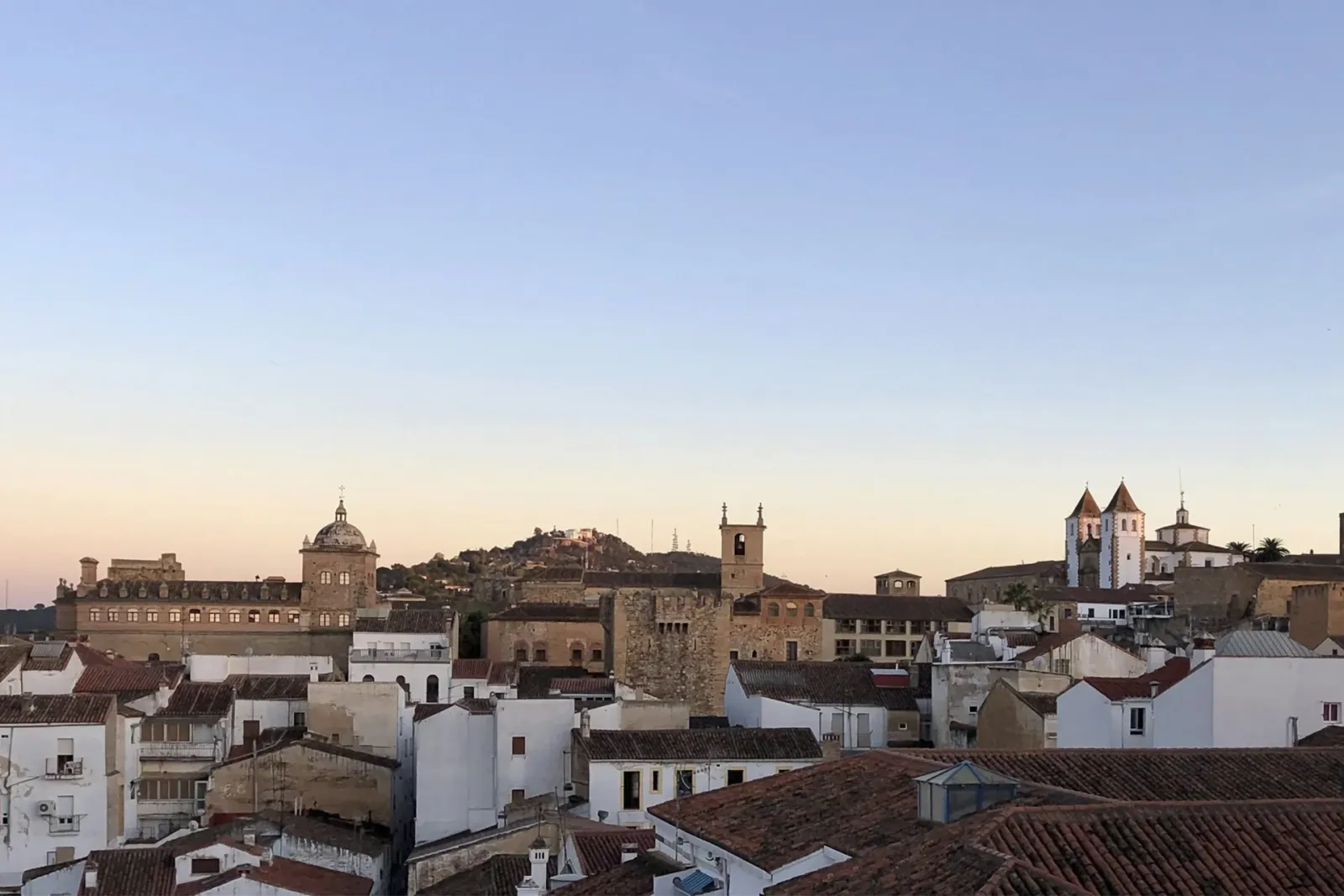
Ribera del Guadiana DO
- Latitude
- 38°40′59″ N
- Longitude
- 6°24′00″ W
- Appellations
- 6
If you haven’t yet discovered Extremadura, you’re overlooking one of Europe’s most captivating wine secrets. The Ribera del Guadiana Denominación de Origen is more than another name on the map. It’s a sprawling 33,000-hectare realm where centuries of rich tradition collide with bold innovation. Picture Spain’s wild west, a land where conquistadors once mastered vine grafting before setting sail for the New World, and where today’s winemakers craft everything from sparkling wines that sparkle with finesse to intense, terroir-driven reds that defy expectations. Here, reds burst with vibrant fruit flavors while whites enchant with aromatic freshness, all thanks to unique local grape varieties.
This guide peels back the layers of Ribera del Guadiana DO, a region that emerged from obscurity in 1999 to stake its claim on the global wine stage. Explore its six distinct subzones, each offering a distinct taste of diversity. Meet the indigenous grapes that tell stories you won’t find anywhere else. Uncover the terroirs that range from rugged slate hills to fertile clay plains. Discover the visionary wineries that honor tradition while pushing the boundaries of what Extremadura wines can be.
Overview
The Ribera del Guadiana DO is nestled in southwestern Spain’s Extremadura region, taking its name from the Guadiana River, which flows through the area from east to west. It’s Spain’s only wine DO in Extremadura, spanning two provinces: Badajoz to the south and Cáceres to the north. An ancient Roman road, the Vía de la Plata, runs through the region, adding a rich historical layer to its wine tradition. The Romans played a key role in developing local wine production by exporting large quantities to Rome.
The DO is divided into six charming subzones, each with its own microclimate and soil composition: Tierra de Barros, Cañamero, Montánchez, Ribera Baja, Ribera Alta, and Matanegra.
- Tierra de Barros, the largest, accounts for 80% of the vineyard area and is centered on Almendralejo in Badajoz.
- Matanegra lies to the south at elevations over 600 meters.
- Ribera Alta is in the east at about 400 meters, with sandy soils.
- Ribera Baja is on the western frontier, next to Portugal, at around 250 meters.
- Montánchez, in Cáceres, features hills and valleys at roughly 625 meters.
- Cañamero, in the Sierra de Guadalupe range, is the highest at over 800 meters.
These diverse elevations—from about 250 meters in Ribera Baja to over 800 meters in Cañamero—shape the climate and influence the grapes’ character, giving this region its unique personality.
Regional Statistics
- Total Vineyard Area
- 33,200 – 42,672 hectares
- 82,000 – 105,400 acres
- Number of Wineries
- 21 – 26 certified wineries
- Vine Growers
- Approximately 3,546
- DO Established
- 1999
- Altitude Range
- 209 – 1,087 meters
- 686 – 3,566 feet
- Temperature Range
- 5°C to 40°C
- 41°F to 104°F
- Annual Sunshine Hours
- Approximately 3,106 hours
- Annual Precipitation
- Approximately 450 mm
- Approximately 17.7 inches
- Maximum Yield
- 8,000 kg/hectare
- 7,137 lbs/acre
The region experiences a continental climate with Mediterranean influence, characterized by scorching summers, cold winters, and relatively low rainfall concentrated outside the critical growing season. The Atlantic influence from the nearby ocean also plays a role, moderating temperatures and contributing to the freshness and fruit-driven character of Ribera del Guadiana wines. Growing degree days and specific climatic data vary significantly across the six subzones due to elevation differences and proximity to Portugal’s Atlantic-influenced Alentejo region.
History of the Region
Ribera del Guadiana’s rich wine history unfolds across several key periods, each shaping the region’s unique viticultural identity.
- Ancient Beginnings (circa 550 BCE – Roman Era): The story begins around 550 BCE, as evidenced by artifacts such as the kylix of Medellín, which suggest early, possibly ritualistic wine consumption in Extremadura. By the 4th century BCE, viticulture was well established, and the Romans industrialized wine production in the region. Augusta Emerita (modern-day Mérida) became a significant Roman capital, with extensive stone presses and fermentation facilities dotting the landscape. Roman influence not only expanded vineyard cultivation but also integrated Ribera del Guadiana wines into broader Mediterranean trade networks.
- Middle Ages and the Reconquista: During the Visigothic and Moorish periods, vineyards persisted, albeit on a smaller scale. The Reconquista brought renewed vigour to viticulture, with monasteries, most notably Guadalupe near Cañamero, becoming centres of viticultural knowledge. These monasteries even produced some of Spain’s earliest treatises on winemaking in the 14th century. Christian stewardship during this era ensured the survival and growth of vineyards, laying the groundwork for future development.
- Modern Era and Quality Consolidation (20th Century – Present): Despite its deep-rooted wine tradition, Extremadura largely produced bulk Vino de la Tierra well into the 20th century, even as it was home to conquistadors like Hernán Cortés, whose legendary vine-grafting expertise influenced New World viticulture. The turning point came in 1999, when Ribera del Guadiana achieved official Denominación de Origen (DO) status, unifying six subzones under a single quality-focused designation. This milestone coincided with the creation of the Ribera del Guadiana wine route, further solidifying the region’s identity. Since then, significant investments in technology, vineyard restructuring, and a premium quality mindset have transformed Ribera del Guadiana from a volume producer into a respected fine-wine contender.
Environment and Sustainability Practices
Extremadura's wine industry has adopted sustainability as a strategic advantage rather than a regulatory obstacle. Leading producers are applying extensive environmental initiatives throughout the entire supply chain, from vineyard to bottle, positioning the region as a climate-conscious alternative to traditional wine powerhouses.
- Organic and Biodynamic Viticulture: Bodegas Habla manages 200 hectares of certified organic vineyards, exemplifying the region's commitment to sustainability. The estate promotes biodiversity with cover crops, avoids herbicide use in riparian zones, and employs mechanical weed control instead of chemical methods.
- Water Management: Drip irrigation systems ensure efficiency in an area receiving less than 450mm of annual rainfall. Conservation practices like mulching and minimal tillage improve soil water retention, lowering irrigation needs by up to 30% compared to conventional flood irrigation.
- Carbon Footprint Reduction: Innovative wineries calculate and disclose detailed carbon footprints and set clear reduction goals. Gravity-flow winemaking at Pago de las Encomiendas and Habla cuts energy use by removing the need for mechanical pumping. Renewable energy sources like solar panels and wind turbines power modern bottling plants.
- Soil Health: Reduced tillage and cover cropping increase soil organic matter by 15–30% over five years and prevent erosion by over 90%. Mycorrhizal inoculation improves nutrient uptake and drought resistance without chemical fertilizers.
- Circular Economy Integration: Pruning waste and harvest residues are returned to the soil, boosting microbial activity and capturing carbon. Advanced wastewater treatment allows 80–90% of water to be reclaimed for irrigation and other uses.
- Environmental Certifications: Bodegas Habla has ISO 14001 certification and is accredited by Sustainable Wineries for Climate Protection (SWfCP), Spain's strictest environmental standard. These achievements position Extremadura among global leaders in sustainability.
- Regional Support: The regional government promotes sustainable viticulture through training and technical support. Native varieties like Pardina and Cayetana, resistant to pests and drought, naturally reduce the need for agrochemical inputs.
- Vineyard hectares
- 82,000
- Wineries
- 26
- growing degree days
- 1,800–2,100 GDD
Discover Terroir
The DO spans 87,000 hectares, with about 33,000 hectares currently in active cultivation. Nestled at the crossroads of continental Spain and Atlantic Portugal, this region’s unique climate creates the ideal environment for distinctive wines.
The climate here is passionately continental with a touch of Mediterranean charm: summers can be blazing hot, reaching up to 40°C, with bright sunshine and low humidity, while winters cool to about 5°C, sometimes with frosts. With annual rainfall around 450 mm, mostly falling outside the growing season, disease pressure remains low. About 3,106 hours of sunshine each year help produce grapes with thick skins, rich flavors, and a natural harmony between alcohol and acidity.
The region's diverse soils are its subtle yet powerful advantage. Tierra de Barros features clay-rich, lime-heavy soils that retain water and are flat enough for mechanized farming. Cañamero’ssteep, slate-based slopes above 800 meters are perfect for aromatic native whites like Alarije. Montánchez offers brown, slightly acidic soils at mid elevations, while Ribera Baja combines clay and alluvium near Portugal. Ribera Alta has sandy, shallow river deposits, and the cooler, higher-altitude Matanegra blends clay and limestone, creating ideal terroir for Tempranillo and other varieties, each finding its perfect niche
- Rain
 450 m
450 m- Altitude
 209-686 m
Discover
Grape Varieties of Ribera del Guadiana
The DO boasts an impressive selection of 30 grape varieties, more than most Spanish DOs. Alongside well-known international and local grapes, it also features some unique lesser-known varieties like Beba de los Santos, Moscatel de Alejandria, Moscatel de Grano Menudo, Pedro Ximénez, Jaén Tinto, and Pinot Noir, adding to its diversity. The white grapes include Cayetana Blanca, Pardina, Macabeo, Chardonnay, Sauvignon Blanc, Alarije, Borba, and Verdejo. On the red side, you'll find Tempranillo, Garnacha Tinta, Cabernet Sauvignon, Merlot, and Syrah, with Tempranillo standing out as the most prominent.
Grape varieties and characteristics (reformatted from table):
- Cayetana Blanca
- Colour: White
- Origin: Indigenous to Extremadura, mainly Badajoz
- Characteristics: High-yielding, drought-tolerant, pale yellow wines with fresh apple, pear, tropical notes, and balanced acidity; emblematic white of the DO.
- Pardina
- Colour: White
- Origin: Indigenous to Extremadura, especially Tierra de Barros
- Characteristics: Very drought-resistant, high-yielding; straw-yellow wines with ripe-fruit aromas, slightly sweet, good body, and persistence; unique to the region.
- Macabeo (Viura)
- Colour: White
- Origin: Traditional Spanish (Rioja/Catalonia)
- Characteristics: Produces fresh whites and base wines for cava with citrus and stone-fruit notes, moderate acidity, and good aging capacity on lees.
- Chardonnay
- Colour: White
- Origin: International (France – Burgundy)
- Characteristics: Adapts well to warm climates; yields structured whites with tropical fruit, citrus, and creamy notes when oak-aged or lees-aged.
- Sauvignon Blanc
- Colour: White
- Origin: International (Loire/Bordeaux)
- Characteristics: Aromatic, high-acid; offers grassy, citrus, and tropical profiles, often used to add freshness to blends.
- Alarije
- Colour: White
- Origin: Indigenous to Extremadura (Cáceres subzones)
- Characteristics: Traditional local variety; produces light, fresh whites with subtle fruit and moderate acidity, well adapted to poor, higher-altitude soils.
- Beba de los Santos
- Colour: White
- Origin: Indigenous to Extremadura
- Characteristics: Native white grape producing young, aromatic, easy-drinking wines unique to the region.
- Moscatel de Alejandria
- Colour: White
- Origin: Ancient Mediterranean
- Characteristics: Highly aromatic, used for both dry and sweet wines, bringing floral and grapey notes.
- Moscatel de Grano Menudo
- Colour: White
- Origin: Spain/France (Muscat Blanc à Petits Grains)
- Characteristics: Aromatic, used in high-quality whites and sparkling wines, offering floral and citrus notes.
- Pedro Ximénez
- Colour: White
- Origin: Native Spanish (Andalusia)
- Characteristics: Used for dry and sweet wines, as well as sparkling, adding richness and raisin-like sweetness.
- Tempranillo (Cencibel)
- Colour: Red
- Origin: Native Spanish (Rioja/La Mancha)
- Characteristics: Most important red; medium- to full-bodied wines with red and black fruit, spice, and good aging potential in oak.
- Garnacha Tinta
- Colour: Red
- Origin: Native Spanish (Aragón)
- Characteristics: Produces generous, fruit-driven reds and rosés with red-berry character, warmth, and moderate tannins.
- Cabernet Sauvignon
- Colour: Red
- Origin: International (France – Bordeaux)
- Characteristics: Adds structure, tannin, and cassis notes; often blended with Tempranillo and Merlot to build complexity and longevity.
- Merlot
- Colour: Red
- Origin: International (France – Bordeaux)
- Characteristics: Brings plum, chocolate, and soft tannins; used to round out blends and enhance mid-palate richness.
- Syrah
- Colour: Red
- Origin: International (Rhône Valley)
- Characteristics: Thrives in heat; gives deeply colored wines with dark fruit, pepper, and spice, often used for modern, expressive reds.
- Jaén Tinto
- Colour: Red
- Origin: Indigenous to Spain (Andalusia/Extremadura)
- Characteristics: Traditional red grape, producing light, fruity wines with soft tannins, part of the region’s heritage.
- Pinot Noir
- Colour: Red
- Origin: International (France – Burgundy)
- Characteristics: Adds elegance and red-fruit character, used in both varietal and blended wines; rare in Extremadura but authorized.
The Wine Styles of Ribera del Guadiana
The DO offers a wide variety of wines, including fresh whites and reds, delightful rosados, aged reds, and even sparkling Cava. Notably, Cava is produced exclusively in Almendralejo, in the Ribera del Guadiana region, highlighting the area’s special role in producing Spanish sparkling wines. Spicy dishes like chili or pulled pork tacos are a perfect match for Ribera del Guadiana wines, thanks to their bold flavors.
- Vino Joven (Young White)
- Characteristics: Pale yellow-gold; fresh, fruity, floral; crisp acidity; fruit-forward
- Aging Requirements: No oak aging; consumed young
- Vino Joven (Young Red)
- Characteristics: Bright ruby; fresh red fruit, floral notes; light-medium body
- Aging Requirements: No or minimal oak (<6 months)
- Rosado (Rosé)
- Characteristics: Pink to orange hues; strawberry, cherry, floral; refreshing acidity
- Aging Requirements: No oak aging
- Blanco Crianza
- Characteristics: Golden; tropical fruit, toasted oak, vanilla; fuller body
- Aging Requirements: 6+ months in oak barrel
- Tinto Crianza
- Characteristics: Deep ruby; ripe fruit, spice, toast; structured tannins
- Aging Requirements: 24 months total (12+ in oak)
- Tinto Reserva
- Characteristics: Garnet with maturation rim; complex fruit, leather, tobacco, balsamic
- Aging Requirements: 36 months total (12+ in oak)
- Tinto Gran Reserva
- Characteristics: Brick-red; evolved aromatics, dried fruit, earth, elegance
- Aging Requirements: 60 months total (18+ in oak)
- Cava
- Characteristics: Fine bubbles; citrus, toast, brioche; traditional method
- Aging Requirements: Minimum 9 months on lees; Almendralejo exclusive
Wine Designation and Classification
Ribera del Guadiana is Extremadura’s flagship wine DO, blending tradition and innovation. Covering diverse landscapes, it ensures all bottles meet high standards for origin, grape, and quality. Wines are classified by grape, quality, and aging, from whites and rosés to complex reds and sparkling wines. To preserve flavor and character, yields are limited. Despite some lower-quality wines, the Ribera del Guadiana label signifies authenticity and excellence. It’s distinguished by its commitment to quality and innovation, with winemakers combining modern techniques and tradition. This results in wines that reflect Extremadura’s unique terroir—crisp whites, bold reds, or sparkling cavas—known for their distinctive flavors and gaining recognition in Spain’s wine scene.
Best Food Pairings
Extremaduran cuisine is proudly rustic, emphasizing pork, lamb, game, bread, smoke, and abundant olive oil, especially in dishes like gazpacho and chanfaina. Ribera del Guadiana wines perfectly complement the region's hearty foods, fitting like a missing puzzle piece. From simple migas to rich caldereta and creamy Torta del Casar, each dish pairs naturally with the DO’s whites, rosés, reds, and cavas. These wines also enhance traditional Extremadura dishes such as roasted meats, stews, and aged cheeses, enriching the culinary experience.
- White wines (Cayetana, Pardina, Macabeo): Light, textured whites go well with migas extremeñas, fried fish, Navarra asparagus, goat cheese, Torta del Casar, and salmorejo topped with Jerte Valley cherries.
- Rosé wines: Versatile rosés complement Ibérico charcuterie, grilled vegetables, light tapas, and summer salads, balancing fat and refreshing the palate.
- Red wines (Tempranillo, blends, Crianzas/Reservas): Full-bodied reds match caldereta extremeña, Ibérico pork with pimentón de la Vera, grilled steaks, frite de cordero, aged Manchego or Torta del Casar, and game meats. Younger reds are ideal with hearty stews like Caldereta de Cordero.
- Cava / Sparkling wines: Traditional-method cava from Almendralejo pairs well with oysters, fried foods, and desserts, serving as an aperitif and a festive choice.
Wine Tourism in Ribera del Guadiana
Wine tourism in Ribera del Guadiana revolves around the certified Ruta del Vino y Cava, part of Spain’s official wine route network since 2013, offering a variety of structured, bookable experiences. Visitors can enjoy wine tastings, attend enogastronomic events, participate in harvest activities, and explore cultural tours that highlight the region’s rich wine heritage. This lively Wine and Cava Route presents a wide range of wine tourism options throughout Badajoz province.
The route includes diverse subzones, such as Tierra de Barros and Matanegra, each with distinct attractions. Tourists can visit wineries, enjoy guided tastings in multiple languages, and stay at wine-focused accommodations such as Hotel Bodega El Moral at Pago de las Encomiendas.
Important towns along the route include Almendralejo, Zafra, Villafranca de los Barros, and Fuente del Maestre, all known for their history and enotourism appeal. Medina de las Torres and Los Santos de Maimona feature interesting archaeological and medieval sites. La Albuera is famed for its wetlands and birdwatching.
The route hosts year-round events like La Primavera Enogastronómica and World Wine Tourism Day, attracting visitors eager to celebrate local wine culture. Activities extend beyond tastings to include food pairings, hot-air balloon rides, and visits connecting wines to Roman Augusta Emerita and Extremadura’s conquistador history.
Festivals such as the Grape Harvest and Chanfaina add cultural vibrancy. Outdoor activities like hiking, birdwatching, and horseback riding are also available. Main hubs include Almendralejo and Mérida—a UNESCO World Heritage site—as well as Trujillo, near Bodegas Habla and Cañamero, the entrance to the Sierra de Guadalupe, and Bodegas Ruiz Torres. The route is easily accessible by car via the A-5 and N-630 highways.
Best Wineries in Ribera del Guadiana DO
The resurgence of Ribera del Guadiana’s wine scene is fueled by dedicated producers who blend tradition and innovation:
- Bodegas Orán (Almendralejo): Over 20 years of experience crafting fresh, fruit-forward wines from indigenous grapes grown at 600 meters on clay soils.
- Bodegas Romale (Almendralejo): Founded in 1989, known for traditional-method cava and oak-aged reds, with extensive underground aging caves.
- Bodegas Leneus (Tierra de Barros): Experts in organic viticulture, producing certified ecological wines with natural fermentation and innovative antioxidant-infused varietals.
- Bodegas Sani Primavera (Almendralejo): Since 1952, blending tradition and technology to offer a diverse range of young wines, crianzas, cavas, and semi-sweet whites.
- Bodegas Periane (Almendralejo): A family-run winery modernizing bulk wine production with state-of-the-art facilities while maintaining traditional techniques.
Major producers such as Bodegas Ruiz Torres and Viña Santa Marina also promote modern winemaking, thereby boosting the region’s quality. Almendralejo, rich in architectural and cultural heritage, serves as a perfect base for exploring the Ribera del Guadiana wine region.


Are you interested in collaborating with us?
Get started