

In the wine world, few grapes are as influential as Cabernet Sauvignon. A highly influential red wine grape, Cabernet Sauvignon is known for its thick skins, high tannins, deep color, and ability to produce full-bodied wines that age well while showing dark fruit, herbal, spice, and oak notes.
Born in the Bordeaux wine region from a natural crossing of Cabernet Franc and Sauvignon Blanc, this famous red wine grape has reshaped vineyard plantings across the globe. Cabernet Sauvignon wines anchor many of the greatest Bordeaux wines from the Left Bank and define the style of benchmark Napa Valley reds, making the variety essential for understanding wine style, terroir, blending, and food pairing.
Whether you are new to wine, building deeper tasting knowledge, or work in the trade, this guide explains what makes the Cabernet Sauvignon grape unique, how it grows, where it thrives, how it is blended, what it tastes like, which foods suit it best, and why it remains central to the wine world, from viticulture and sustainability to its global commercial importance.
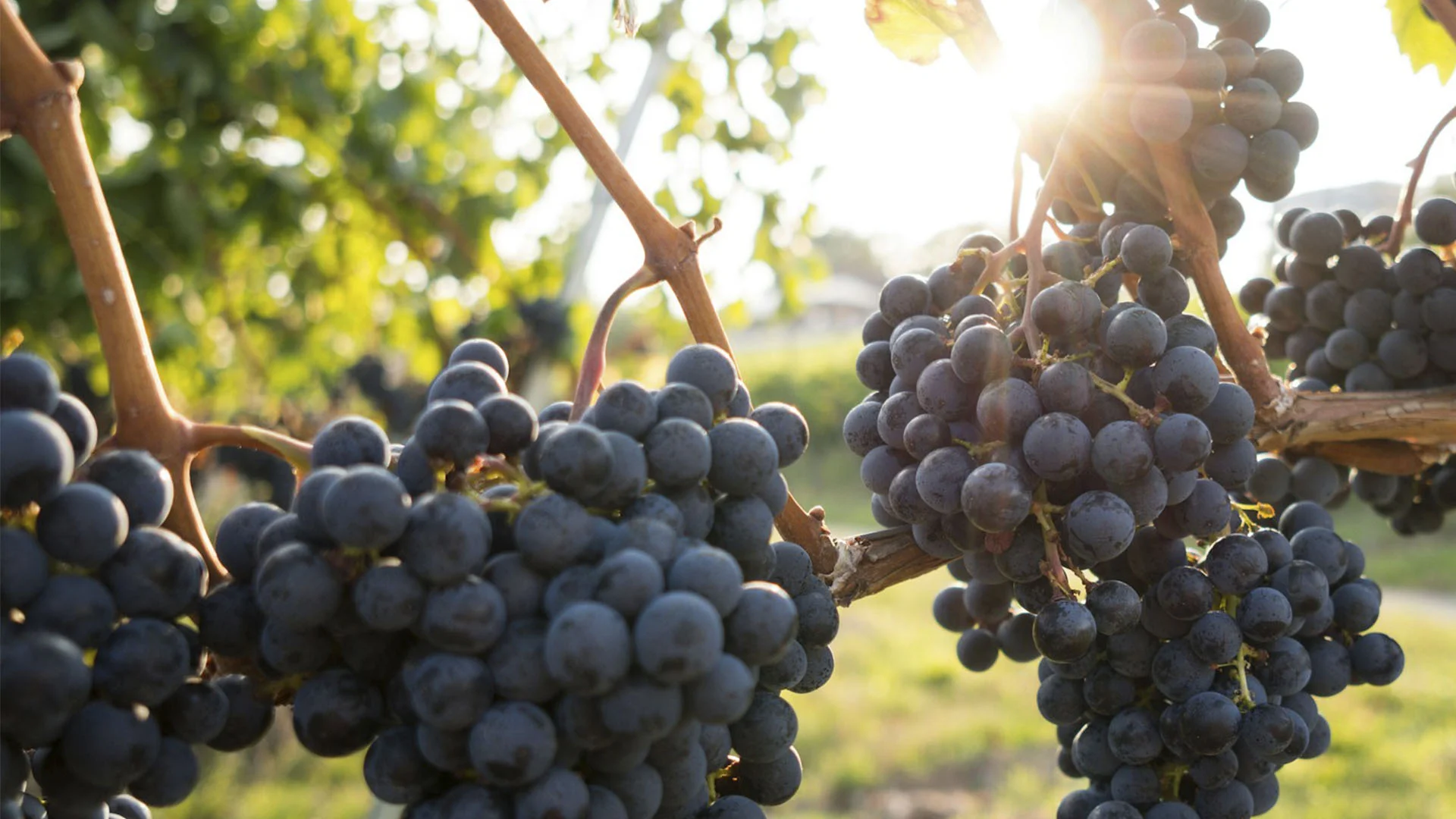
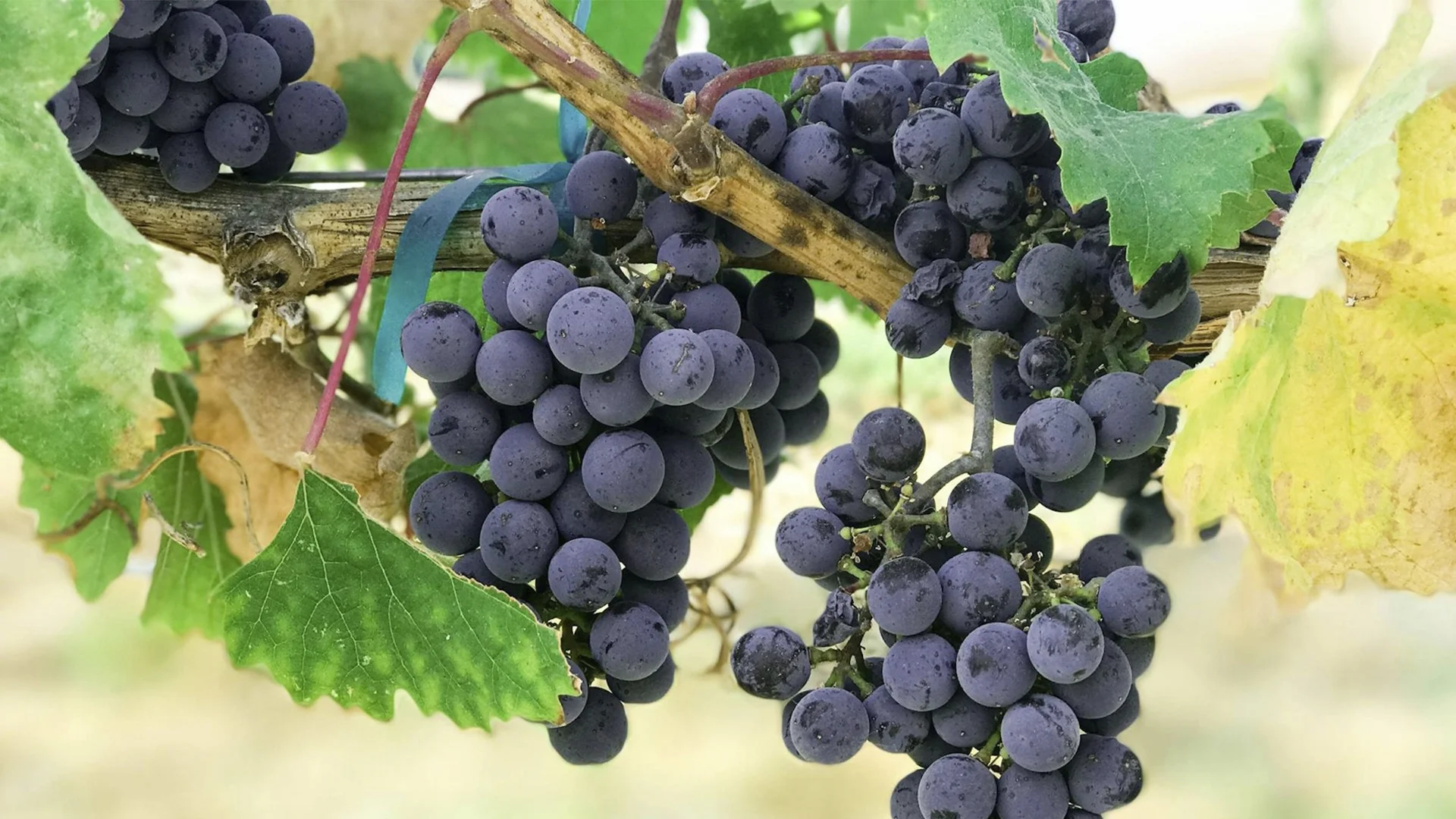
Cabernet Sauvignon is a dark-colored wine grape with small, spherical berries and thick skins. These thick skins are responsible for the grape’s high tannins, deep ruby color, and impressive aging potential.
Cabernet Sauvignon wines tend to be:
Typical primary aromas and flavors include:
These “green” notes come from methoxypyrazines, the same aromatic compound family responsible for bell pepper aromas in related Bordeaux varieties.
In cooler climates, or when grapes are not fully ripe, these bell pepper and herbal tones can be quite pronounced.
Something to keep in mind is that Cabernet Sauvignon wines tend to age very well. With time in the bottle, youthful black currant and black cherry fruit often evolve into notes of dried fruit, tobacco, leather, and cigar boxes, and the high tannins become smoother and more integrated.
Cabernet Sauvignon is a key grape in some of the world’s most important blends. While it shines as a single-varietal wine, many great wine regions prefer to blend it with other grapes to fine-tune structure, aromatics, and texture.
Classic Bordeaux blend (Bordeaux wines)
In the Bordeaux region, especially the Médoc and Margaux appellations, Cabernet Sauvignon provides backbone, tannin, and longevity, while Merlot and Cabernet Franc soften the mid-palate and add red fruit and floral notes. Because weather risk can push growers to harvest it earlier than ideal, many producers blend Cabernet Sauvignon with other grape varieties to balance structure and ripeness.
Meritage blends in the United States
In California, especially Napa Valley and the broader North Coast and Sonoma County, Cabernet Sauvignon is central to Meritage blends. These blends mirror Bordeaux, using Cabernet Franc, Merlot, Petit Verdot, and sometimes Malbec to build layered, age-worthy cabernet wines.
Super Tuscan wines and Italian wines
In Tuscany, Cabernet Sauvignon joins Sangiovese and sometimes Merlot or Syrah to create Super Tuscan wines. These Italian wines fuse local varieties with international grapes, producing rich, structured reds that age gracefully.
Other grapes and regional styles
Across these styles, Cabernet Sauvignon continues to act as the structural spine, with other grapes adjusting freshness, aromatics, and tannin profile.
While each region offers a different expression, many cabernet wines share common tasting notes.
Typical descriptors include:
Serving guidelines for Cabernet Sauvignon wines:
Cabernet Sauvignon’s high tannins and rich flavor make it a natural partner for bold dishes.
Great food pairings include:
For Bordeaux wines or more restrained styles, pair with:
For riper Napa Valley, Australian Cabernet, or powerful blends:
Matching intensity is key: bold Cabernet Sauvignon wines shine with equally intense flavors and textures.
Cabernet Sauvignon’s family story is central to its identity.
This lineage explains why Cabernet Sauvignon shares green, herbal hints with Sauvignon Blanc and why Cabernet Franc and Sauvignon Blanc often appear alongside it in blends. In some regions, you may also encounter older names such as Sauvignon rouge for certain red forms historically related to this family of grape varieties.
Cabernet Sauvignon emerged in 17th-century Bordeaux from an accidental cross between Cabernet Franc and the white grape Sauvignon Blanc.
Growers quickly appreciated its consistent yields, resilience to vine diseases, and ability to produce concentrated, long-lived wines.
By the 18th and 19th centuries, Cabernet Sauvignon had become a pillar of Left Bank Bordeaux wines, especially in Pauillac and the Margaux appellation, where gravel soils suited the variety perfectly. From there, it began to spread to other wine regions in Europe and beyond.
Cabernet Sauvignon is now grown in many wine regions and climates around the world. Its adaptability and clear flavor signature make it a favorite of wine growers and world winemakers alike.
Key regions where Cabernet Sauvignon grown has become iconic include:
One of the key turning points in Cabernet’s global reputation came with the 1976 “Judgment of Paris” blind tasting, where Napa Valley Cabernet Sauvignon wines outscored top Bordeaux wines and proved that great wine could also emerge from New World terroirs.

Understanding how Cabernet Sauvignon grows helps explain its distinctive style.
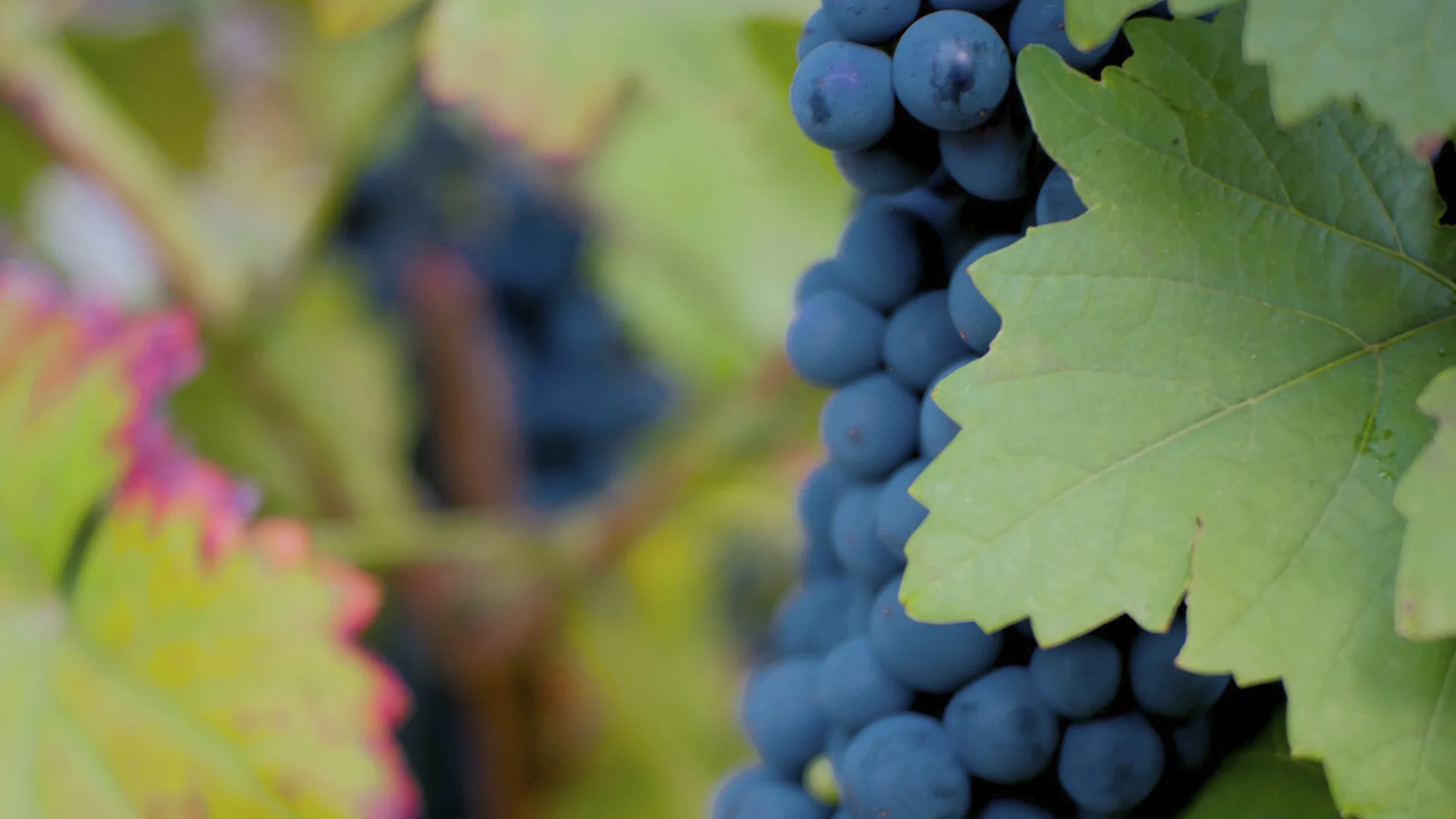
Cabernet Sauvignon is a vigorous, upright-growing vine with dark green, five-lobed leaves. It is a late-budding and late-ripening grape, which reduces frost risk but requires a reasonably long, warm growing season to reach full maturity.
Its grape clusters are:
Cabernet Sauvignon’s thick skins and tight clusters make it relatively resistant to some issues but still vulnerable to others, especially in humid conditions.
Cabernet Sauvignon thrives in warm to moderate climates with good sunlight and long, dry autumns.
Cooler climates can work well too, but the wines tend to show more herbaceous and peppery notes.
Ideal conditions include:
Like all grape varieties, Cabernet Sauvignon faces pressure from vine diseases and pests.
Key challenges include:
Effective canopy management is critical. Growers adjust leaf removal and shoot positioning to improve airflow, reduce mildew risk, and control sun exposure, which also influences the development of methoxypyrazines (and thus bell pepper notes).
Thoughtful vineyard design and integrated pest management help maintain vine health, protect grape clusters, and support the desired style from each site.
Timing the harvest is central to producing great Cabernet Sauvignon.
Because the grape is late-ripening, growers must balance sugar ripeness, tannin development, and the risk of autumn rain or cool weather.
Winemakers assess:
The desired style also plays a role. Earlier harvests highlight freshness and herbal tones; later picking brings riper fruit, higher alcohol, and plusher tannins.
From its ancestral homeland in Bordeaux to emerging vineyards in newer wine regions, the spread of Cabernet Sauvignon is a testament to its universal appeal and adaptability. As we trace its roots and routes, it becomes evident how geography, culture, and history shape the grape's expression in diverse locales.
"Terroir," a French term, refers to the unique combination of soil, climate, topography, and even local traditions that influence the grape's growth and, consequently, the wine's character.

Harvesting is a pivotal phase in the winemaking process. Picking grapes at the right moment ensures that they reflect the desired balance of sugars, acids, and flavors, setting the stage for the final wine's character.
Every grape has its moment of perfection, a fleeting window where sugars, acids, and flavors unite in a harmonious blend, promising a wine of distinction. For Cabernet Sauvignon, renowned for its depth and complexity, this timing is particularly crucial. A culmination of the year's labors, the moment of harvest is both a science and an art, where observations, measurements, and intuition converge.
Modern Cabernet Sauvignon vineyards increasingly focus on sustainability.
Many producers use organic or biodynamic practices to reduce chemical inputs and support long-term soil health.
Common approaches include:
Healthy soils support resilient vines and more consistent grape quality over time.
Grapevines require significant water, and traditional irrigation can stress local resources.
To address this, many vineyards adopt:
At the same time, producers work to reduce their carbon footprint by using renewable energy, improving energy efficiency, and enhancing carbon sequestration in soils and vegetation.
Encouraging biodiversity in and around Cabernet Sauvignon vineyards supports healthier ecosystems.
Cover crops, hedgerows, and natural areas attract beneficial insects, birds, and other animal life that contribute to natural pest control and ecological balance.
Certifications such as organic, biodynamic, and fair-trade labels help consumers identify wines produced with these sustainable practices.
Cabernet Sauvignon has produced some of the world’s most revered and collectible wines, hailing from various renowned wine regions. Below are some iconic examples:
Penfolds Bin 707: As one of Australia’s foremost Cabernet Sauvignon wines, Bin 707 reflects Penfolds' and South Australia’s solid lineage of the varietal. It's a global standard-bearer for Australian Cabernet, known for its structure and concentration.
As we reach the end of our journey exploring the rich tapestry of the Cabernet Sauvignon grape, it's clear why this variety stands as a titan in the wine realm. From its deep-rooted history in Bordeaux to its vibrant expressions in New World vineyards, Cabernet Sauvignon continues to enchant wine enthusiasts across the globe.
Its growth patterns, preferred climates, and vine characteristics make it a challenging yet rewarding grape for vintners. The meticulous timing of harvesting, influenced by both nature's cues and a winemaker's intuition, showcases the depth of expertise and care required in its cultivation. Furthermore, the ongoing dialogues about sustainability, from water conservation to organic farming, reflect the industry's commitment to evolving in harmony with the environment.
Understanding the influence of terroir, the delicate dance between Old World tradition and New World innovation, and the profound impact of viticultural practices offers a newfound appreciation for every bottle of Cabernet Sauvignon. This grape, with its robust character and adaptability, not only mirrors the complexities of nature but also encapsulates the passion and dedication of those who cultivate it.
To sip on a Cabernet Sauvignon is to partake in a legacy — a blend of history, culture, innovation, and nature's bounty. As we raise our glasses to this iconic grape, we're not just celebrating a wine but an intricate saga of land, love, and labor.
Do you want to start your own Cabernet Sauvignon wine brand? Then this article about Wine Branding will be of great help!


.webp)

.webp)


Are you interested in
collaborating with us?
Copyright © 2024 Vinerra Corp.


