
Grapes
Alicante Bouschet: Everything You Need to Know
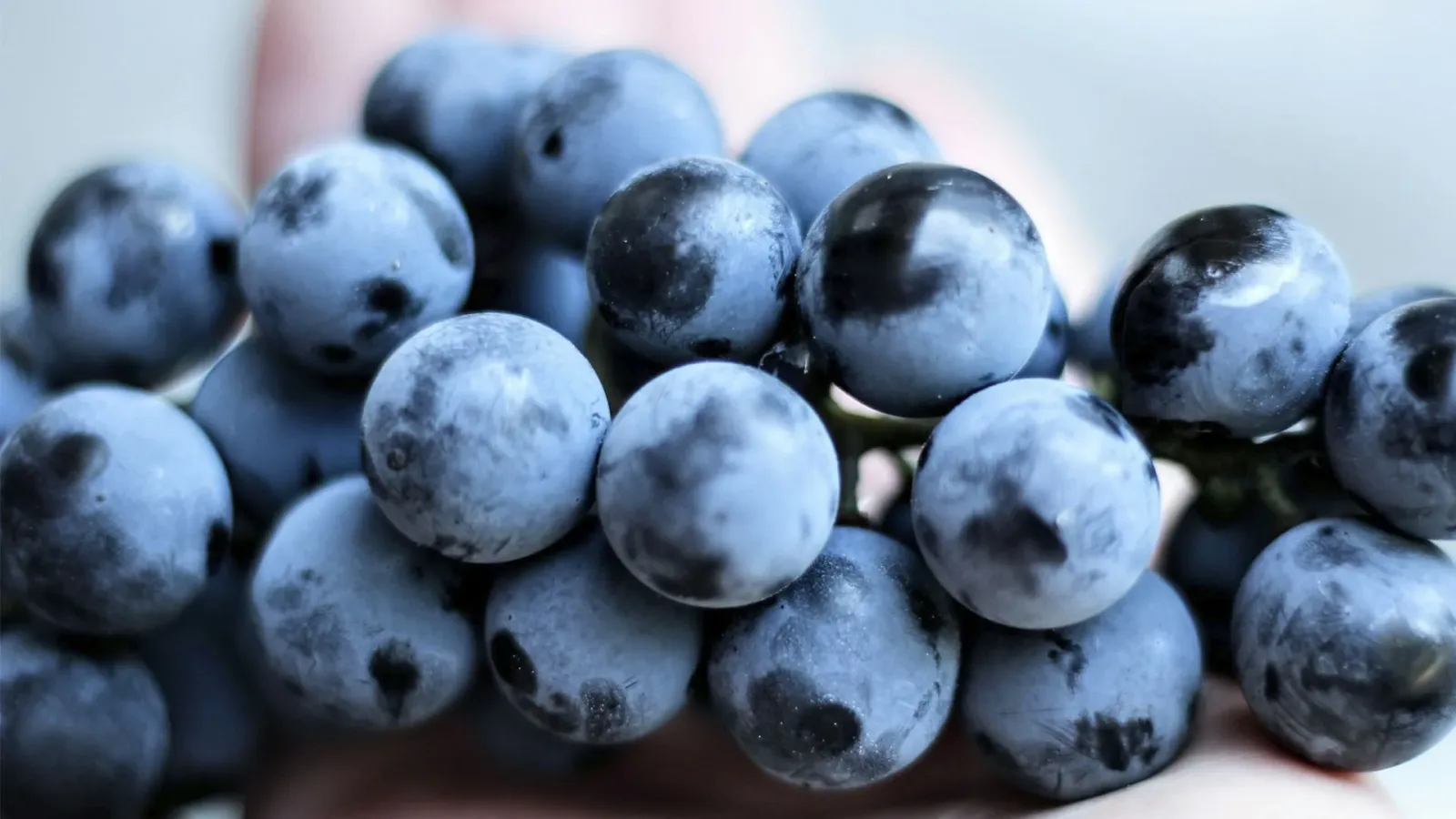
Alicante Bouschet is a unique red grape varietal known for its deep colour and high tannin content, making it a sought-after blending grape and an increasingly popular choice for varietal wines. What sets Alicante Bouschet apart is its status as a teinturier grape, meaning its dark, red flesh and skin are both red, a rarity in the wine world.
At a Glance
- Berry colour
- Black
- Countries authorising it
- 26
Authorised in
Algeria, Argentina, Australia, Bosnia and Herzegovina, Brazil, Bulgaria, Canada, Chile, Croatia, Cyprus, France, Greece, Hungary, Israel, Italy, Morocco, New Zealand, North Macedonia, Portugal, Romania, South Africa, Switzerland, Tunisia, Turkey, United States, Uruguay
Also known as
- Alicante Bouschet (Algeria, Argentina, Australia, +15)
- Alicante (Argentina, Canada, New Zealand, +1)
- Alicante Bouchet (Australia, Morocco, Uruguay)
- Alicante Branco (New Zealand)
- Alicante Henri Bouchet (Portugal)
- Alikan Buše (Croatia)
- Alikant Buse (New Zealand)
- Dalmatinka (Croatia)
- Garnacha Tintorea (Croatia)
- Garnacha tintorera (Argentina)
- Henri Bouschet (South Africa)
- Kambuša (Croatia)
Variety registrations: OIV Vine Varieties Database
Characteristics and Qualities
Grape Characteristics
- Appearance: Medium to large berries with thick, dark purple skins and red pulp, making it one of the few red grapes with red flesh. The clusters are tightly packed and compact.
- Aroma and Flavor Profile: Rich aromas of blackberries, plums, and black cherries, often accompanied by earthy, spicy notes such as pepper, tobacco, and chocolate. In older wines, leather and smoky undertones may develop.
- Sugar and Acid Levels: Alicante Bouschet offers high sugar content balanced by moderate acidity, contributing to full-bodied, structured wines.
Significance and Popularity
Originally regarded as a workhorse blending grape, Alicante Bouschet has gained recognition for its ability to produce powerful, complex varietal wines. Its suitability for red, rosé, and fortified styles further enhances its reputation as a versatile varietal with broad appeal.
Winemaking Potential
- Style Versatility:
- Red Wines: Full-bodied with intense colour and robust tannins, often aged in oak to develop complexity.
- Rosé Wines: Fresh, fruity, and aromatic, showcasing red berry and floral notes.
- Fortified Wines: Used in sweet and fortified styles, particularly in Portugal, to add depth and richness.
- Winemaking Process: The winemaking process is crucial in determining the final wine quality. Specific grape characteristics, such as skin composition and anthocyanin levels, influence the extraction of colour. Modern winemakers often use stainless steel tanks to manage fermentation temperature, with lower temperatures helping to preserve the grape's fruity qualities.
- Aging Potential: High-quality Alicante Bouschet wines can age for 10–15 years, gaining elegance and complexity over time.
- Food Pairing Recommendations: Pairs excellently with roasted lamb, game meats, hearty stews, grilled vegetables, and hard cheeses like aged Manchego or Parmesan.
Historical Context and Origin
Alicante Henri Bouschet was created in the mid-19th century by Henri Bouschet in France through the crossing of Petit Bouschet and Grenache. As a teinturier grape, it was initially intended to enhance colour and structure in blends, quickly becoming popular for its versatility and resilience. It gained prominence in the early 20th century, particularly during Prohibition in the United States, as its thick skin and intense colour made it ideal for transporting long distances.
Viticultural Aspects
- Climate and Soil Preferences: Alicante Bouschet, a variety classified under the Vitis vinifera species, thrives in warm, sunny climates and prefers well-drained soils such as limestone, schist, and clay. It is well-adapted to drought conditions and performs exceptionally well in Mediterranean regions.
- Yield Potential and Vine Vigor: The grape produces high yields with vigorous vine growth, making it an attractive option for winemakers aiming for volume without compromising quality.
- Susceptibility to Diseases and Pests: Alicante Bouschet is resistant to drought and fungal diseases, although it can be prone to certain pests like phylloxera if not grafted.
Geographic Distribution and Cultivation
Alicante Bouschet plantings are widely grown in France, Spain, Portugal, and increasingly in the United States, Italy, and North Africa. They are known for their unique traits and historical significance in various wine regions. In southern Portugal, particularly in the Alentejo region, it thrives and is highly prized for its deep colour and intense flavour, contributing to its esteemed reputation among local winemakers. In Spain, it is cultivated in Valencia and Catalonia. Globally, the grape is found in regions with warm climates where its ability to withstand heat and drought is highly valued.
Regional Expressions
Alicante Bouschet in France
- Historical Importance and Prominence: In Languedoc-Roussillon and the Rhône Valley, Alicante Bouschet has been a blending staple, adding depth and colour to regional wines.
- Key Wine-Producing Regions:
- Languedoc-Roussillon: Produces fruit-forward wines with a balance of earthiness and spice.
- Rhône Valley: Often blended with Syrah and Grenache for structure and colour.
- Stylistic Variations and Quality Levels: French expressions range from simple, robust blends to more refined, single-varietal wines highlighting the grape’s potential.
Alicante Bouschet in Spain
- Cultivation in Regions: Predominantly grown in Valencia and Catalonia, Alicante Bouschet contributes bold fruit flavours and structure to both blends and varietal wines.
- Unique Characteristics and Expressions: Spanish Alicante Bouschet wines tend to be fruit-forward with Mediterranean warmth, often emphasizing ripe black fruit and herbal notes.
- Comparison with French Alicante Bouschet: Spanish versions are typically bolder and more fruit-driven, while French examples focus on balance and elegance.
Alicante Bouschet in Other Regions
- Global Distribution and Cultivation: Widely planted in Portugal, where it is a key component of Alentejo wines, and in the United States, particularly California. As one of the notable teinturier grapes, Alicante Bouschet is distinguished by its red flesh and red skin, which played a significant role during Prohibition in the U.S. It is also grown in Italy, North Africa, and South America.
- Notable Examples and Regional Interpretations: Portuguese expressions are renowned for their richness and depth, often aged in oak. In the U.S., it produces bold, fruit-forward wines with softer tannins.
- Impact on Local Wine Cultures: Alicante Bouschet’s versatility has enabled it to adapt to diverse winemaking traditions, enriching the wine culture of each region where it is grown.
Future Prospects and Trends
Emerging Trends and Developments
- Climate Change and Adaptation Strategies: Alicante Bouschet’s drought resistance and adaptability make it a valuable grape for regions facing climate challenges.
- New Winemaking Techniques and Technologies: Innovations in micro-oxygenation and extended maceration are enhancing the grape’s textural and aromatic qualities.
- Consumer Preferences and Market Trends: Growing interest in bold, distinctive wines is driving demand for Alicante Bouschet, particularly among younger wine consumers. Among various grape varieties, Alicante Bouschet stands out for its colour intensity and unique flavour profile, making it a significant choice in different winemaking regions.
Potential for Growth and Expansion
- Exploring New Regions: With its resilience and versatility, Alicante Bouschet is being planted in emerging wine regions such as South Africa and Australia.
- Reputation Enhancement: As single-varietal expressions gain recognition, Alicante Bouschet is poised to shed its image as a blending grape, establishing itself as a premium varietal. Its blending capabilities with other prominent grape varieties, such as Cabernet Sauvignon, enhance the colour and flavour profile of rich, fruit-forward red wines.
Notable Wines and Producers
Iconic Alicante Bouschet Red Wines
- High-Quality Examples:
- Herdade do Mouchão (Alentejo, Portugal): Known for its iconic single-varietal Alicante Bouschet wines, showcasing depth and complexity.
- Domaine de la Pertuisane (Languedoc-Roussillon): Produces rich, full-bodied wines highlighting the grape’s potential.
- Tasting Notes: Expect concentrated black fruit, velvety tannins, and layers of spice, earth, and chocolate.
Renowned Producers
- Winery Profiles:
- Herdade do Mouchão (Portugal): Specializes in traditional, oak-aged Alicante Bouschet wines.
- Château Minuty (France): Focuses on elegant blends featuring Alicante Bouschet.
- Field Recordings (California): Produces bold, fruit-forward expressions of the grape.
- Philosophy and Winemaking Practices: Focus on low-intervention methods, emphasizing terroir and natural fruit expression.
- Awards and Recognition: Alicante Bouschet wines consistently earn accolades in competitions such as the Decanter World Wine Awards and the International Wine Challenge.
Conclusion
Alicante Bouschet is a grape of remarkable depth and versatility, equally at home in robust blends and standout single-varietal wines. Its adaptability, rich flavour profile, and suitability for diverse winemaking styles make it a valuable asset to winemakers and growers worldwide. With growing recognition and experimentation in both traditional and emerging wine regions, Alicante Bouschet’s future looks exceptionally bright
Discover more grape profiles
The Carignan Grape Varietal: A Guide to Its Best Characteristics
Discover the unique traits of the Carignan grape varietal, from its rich flavors to ideal pairings, and enhance your wine knowledge!
Muscat: In-depth Grape Varietal Profile
Discover the Muscat grape varietal. Explore its history, viticultural and primary growing regions with this in-depth profile from Vinerra!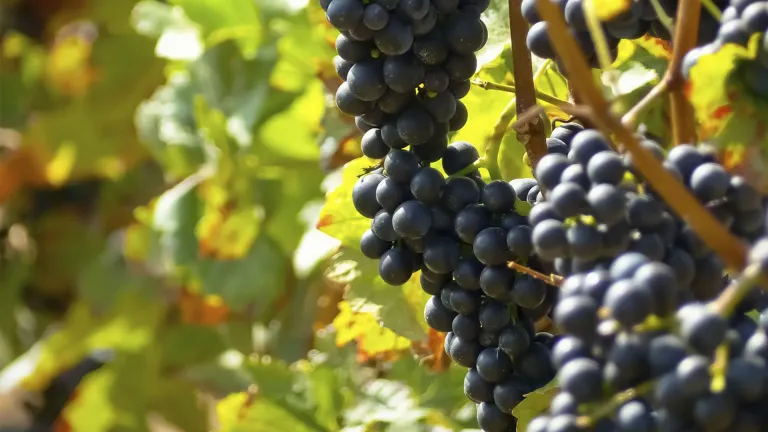
Mourvèdre Grape Varietal: A Comprehensive Guide to Its Rich Flavors
Discover the rich flavors of Mourvèdre, its origins, and food pairings. Dive into this comprehensive guide to enhance your wine experience!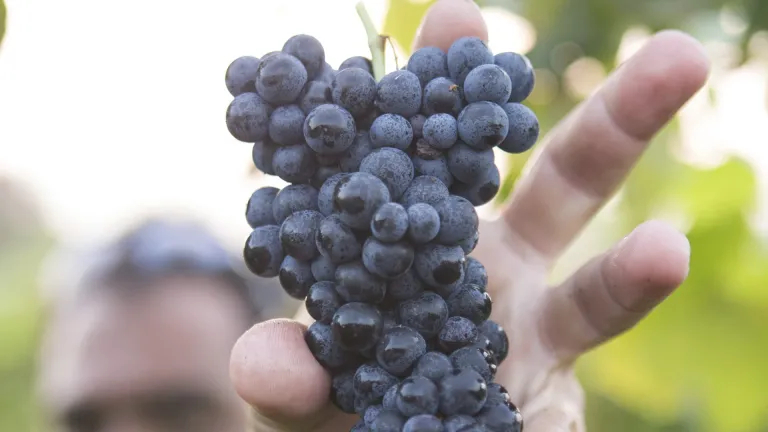
Tempranillo: In-Depth Grape Varietal Profile
Discover the Tempranillo grape varietal. Explore its history, viticultural and primary growing regions with this in-depth profile from Vinerra!


Are you interested in collaborating with us?
Get started