
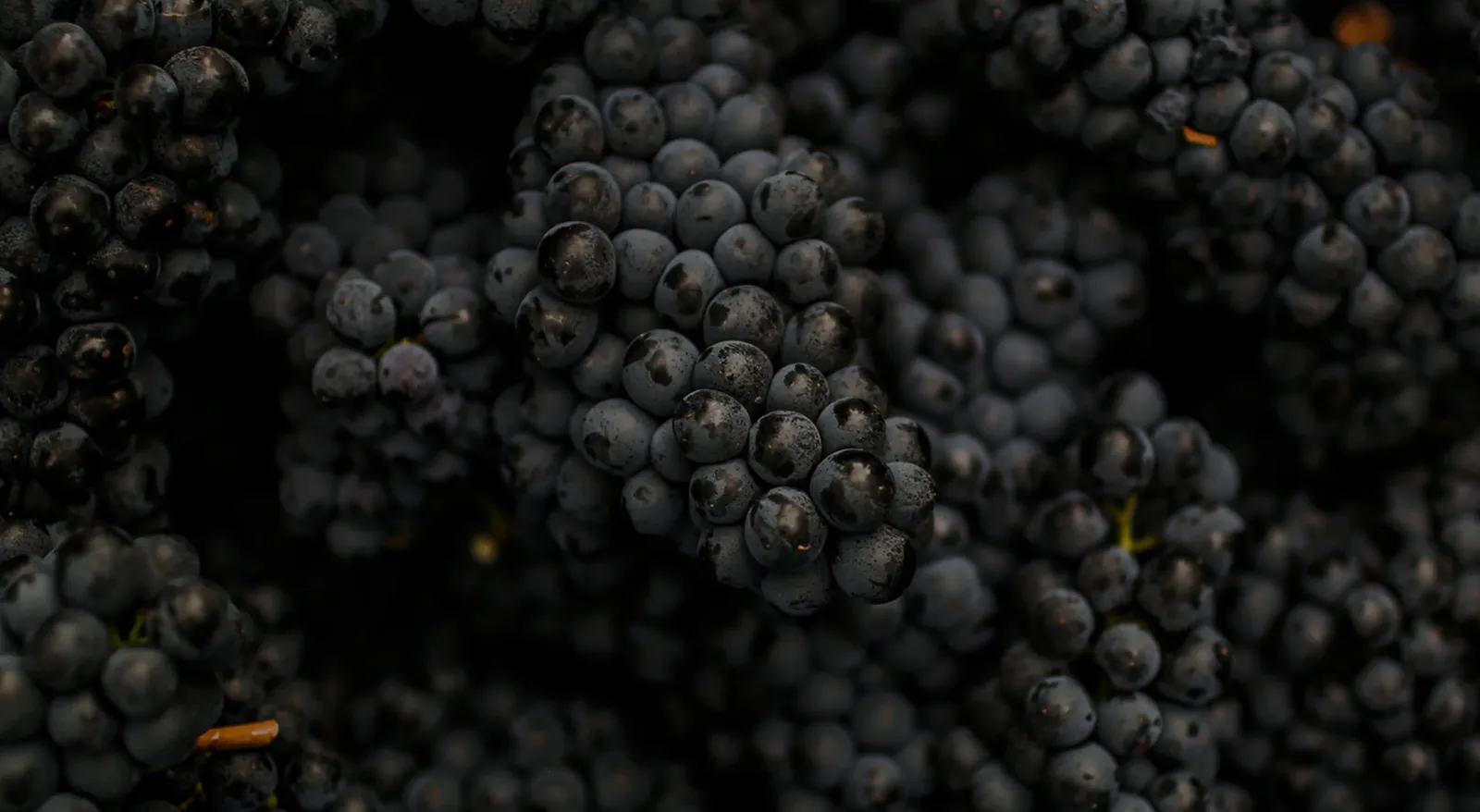
Grapes
Discover Boğazkere: Turkey’s Bold Indigenous Grape Variety
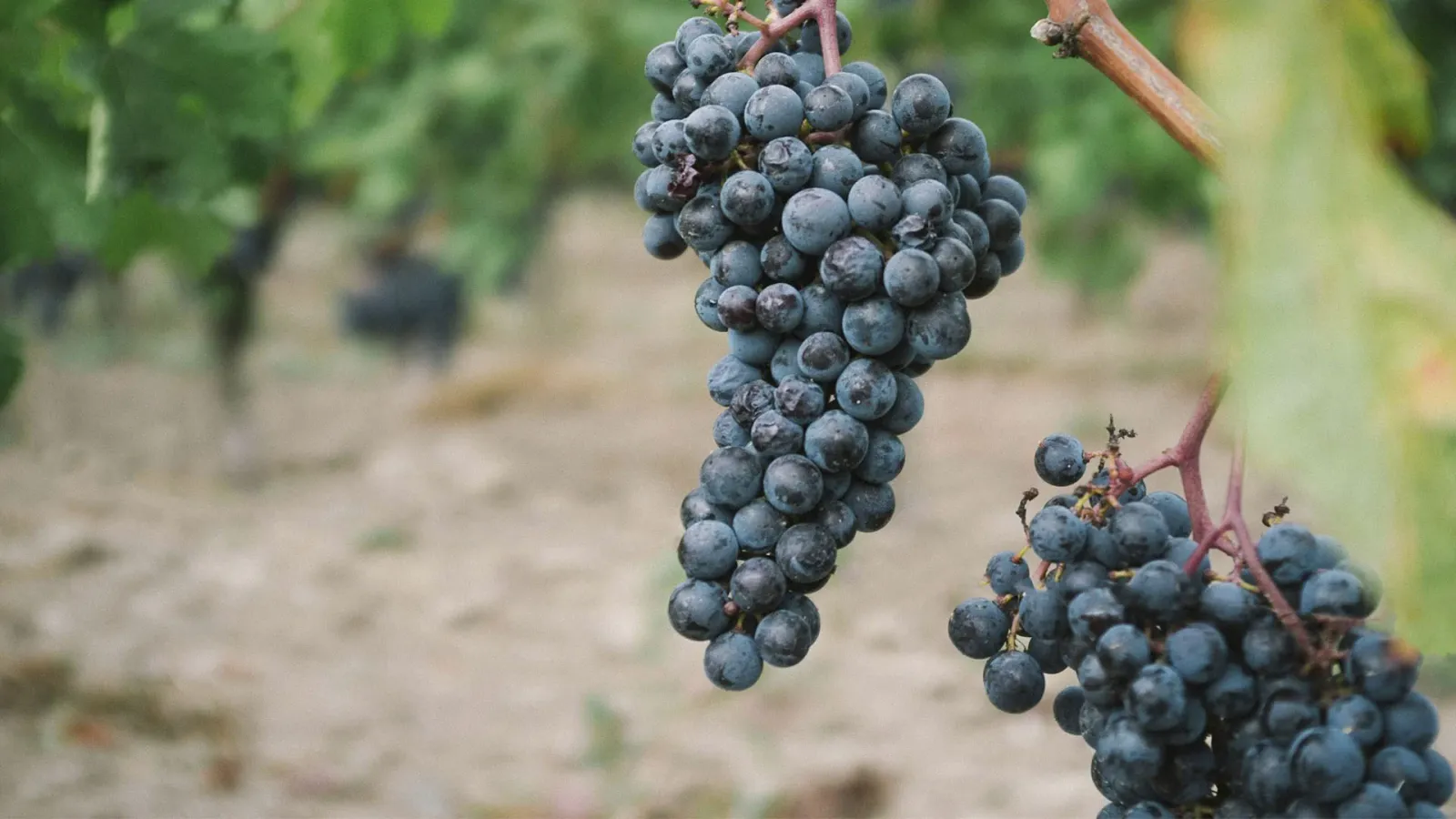
Boğazkere is a powerful red grape varietal native to the Diyarbakır area of Turkey, known for its small, round, and dark blue/black coloured berries with thick skin that grow in large, tight bunches. These resilient berries contribute to the grape's ability to thrive in the hot, dry climate of Diyarbakır, producing deeply coloured, tannic wines with bold flavour profiles. Its name, translating to “throat burner,” reflects its characteristic robust structure and high tannin content. Historically, Boğazkere is believed to have originated in the Diyarbakır region, an ancient center of viticulture, playing a key role in Turkey’s winemaking heritage. It is revered for its significance in producing some of the country’s most distinguished red wines, often compared to other tannic red grapes globally.
Characteristics of the Boğazkere Grape
Grape Characteristics
- Appearance: Boğazkere grapes are medium-sized, round, and dark-skinned, almost black.
- Skin Thickness and Tannins: The grape’s thick skin contributes to its high tannin levels, giving the wine its strong structure.
- Acidity and Sugar Levels: It retains moderate acidity even in warm climates, balancing its tannic nature, while its sugar levels make it suitable for producing wines with moderate to high alcohol content.
- Aroma and Flavor Profile: Boğazkere wines are known for intense aromas of dark fruits like blackberries, plums, black cherry, and dried figs, accompanied by earthy and spicy notes such as tobacco, leather, and black pepper. With age, these wines can develop smoky and chocolate-like nuances.
Key Challenges and Considerations
- High Tannin Levels: Managing Boğazkere’s naturally high tannins is crucial to producing a balanced wine. Winemakers often use extended aging or blending with softer varieties to achieve harmony.
- Balancing Acidity and Sweetness: Finding the right balance between acidity and residual sugar is another challenge, as excessive tannins can overpower the wine’s fruit character if not managed properly.
- Aging Potential: Boğazkere’s robust structure gives it great aging potential, with well-made wines capable of improving over 5 to 10 years or more, developing complex tertiary flavours over time.
Boğazkere Wine Styles
Classic Boğazkere
- Characteristics: Classic Boğazkere wines are known for their deep, dark colour, strong body, and high tannins, delivering intense flavours and strong aromas of black fruits, dried red fruits, spices, and earthy notes.
- Food Pairings: These bold wines pair well with rich, hearty dishes like grilled meats, game, lamb kebabs, and aged cheeses, as their tannic structure cuts through the fat and enhances the flavours.
Rosé Boğazkere
- Characteristics: Rosé wines made from Boğazkere are lighter in colour with fruity aromas of strawberries, cherries, and pomegranate. They are refreshing with a lively acidity, making them perfect for summer sipping.
- Food Pairings: Rosé Boğazkere pairs beautifully with Mediterranean salads, seafood, and light mezze dishes.
Other Styles
- Fortified Wines: Boğazkere’s high tannins and concentrated flavours make it suitable for fortified wine production, creating rich and intense dessert wines.
- Sparkling Wines: While rare, some producers experiment with sparkling Boğazkere, offering a unique take on this tannic grape.
- Blends with Other Varieties: Boğazkere is often blended with other indigenous grapes like Öküzgözü to soften its tannic grip and create balanced, approachable wines.
Boğazkere is one of Turkey's most remarkable native grapes. It's a fascinating variety that's been thriving in the Diyarbakır region, along the historic Tigris River, for generations. The name itself tells quite a story - "Boğazkere" translates to "throat burner" in Turkish, which is quite fitting given its distinctively bold tannins and robust character.
Throughout history, winemakers discovered that Boğazkere really shines when paired with its Turkish counterpart, Öküzgözü. It's a brilliant combination, really - Boğazkere brings power and structure, while Öküzgözü contributes softer, fruit-forward notes. Together, they create something truly special.
The 1980s marked a significant turning point for this variety. As Turkey began showcasing its indigenous grapes to the international wine community, Boğazkere stepped into the spotlight. While its traditional home remains in Diyarbakır, you'll now find it growing in the Aegean region and Central Anatolia as well. Interestingly, these warmer climates bring out a slightly different side of the grape - one that's a bit more approachable while still maintaining its distinctive character.
What's particularly compelling about Boğazkere is how it's gradually gaining recognition in international markets, especially in the UK and US. Wine enthusiasts are discovering what Turkish wine lovers have known for centuries - this grape offers something uniquely compelling.
Viticultural Aspects
- Climate and Soil Preferences: Boğazkere thrives in the warm, semi-arid climate of Eastern Anatolia, preferring well-drained, calcareous soils. It is drought-resistant, making it suitable for regions with limited rainfall.
- Vine Growth Habits: This varietal has vigorous vines with a tendency to grow upright, requiring careful management to control its growth. Boğazkere responds well to spur pruning, which encourages lower yields for concentrated flavours.
- Yield Potential and Pruning Techniques: While capable of producing high yields, quality-focused growers limit production to enhance flavour intensity and tannin concentration. Spur pruning and green harvesting are common techniques used.
Winemaking with Boğazkere
Harvesting
Boğazkere grapes are usually harvested in late September or early October when the tannins have fully developed, but the grapes retain enough acidity to balance the wine. Manual harvesting is often preferred to ensure careful selection of the best-quality grapes.
Winemaking Processes
- Red Wine Production: After harvest, Boğazkere grapes undergo maceration to extract colour and tannins from the skins. Fermentation typically occurs at controlled temperatures to preserve the wine’s rich aromas, followed by aging in oak barrels, which helps soften the tannins and add complexity. The high acidity of Boğazkere wines enhances their flavour profile and aging potential, making them suitable for pairing with robust dishes and aged cheeses.
- Rosé Wine Production: Boğazkere is also used to create vibrant rosé wines by limiting skin contact time during fermentation. The resulting wines are lighter in colour with fruity aromas and refreshing acidity.
- Other Potential Wine Styles: Although primarily used for red and rosé wines, Boğazkere can also be used in fortified wines or as a base for blends with other varieties, particularly to enhance structure and complexity.
Main Regions for Boğazkere Cultivation
Boğazkere flourishes in many Turkish wine regions, each of them influencian this grape's characteristics through a unique combination of climate, soil, and elevation.
- Diyarbakır: This area, that is part of the southeastern Anatolia wine region, represents Boğazkere's traditional homeland, where the grape has truly defined its character. The combination of hot, dry summers and clay-limestone soils creates ideal conditions for developing its signature traits. Here, the wines showcase intense tannins alongside deep earthy and spicy notes. What's particularly interesting is how the region's temperature variations add complexity to the wines, while oak aging helps refine their powerful structure without diminishing their essential character.
- Aegean Region: In the coastal area of the Aegean wine region, Boğazkere reveals a distinctly different profile. The Mediterranean climate moderates the grape's typically intense nature, resulting in more approachable wines. You'll find pronounced red fruit characteristics and subtle spice notes, balanced by a refined minerality from the limestone-rich soils. It's a wonderful demonstration of how terroir can transform this traditionally bold variety.
- Central Anatolia: The high-altitude vineyards around Ankara present yet another interpretation of Boğazkere. The continental climate, characterized by cold winters and warm, dry summers, helps maintain excellent acidity levels while developing complex flavors. These wines typically display rich black fruit characteristics complemented by tobacco and pepper notes, offering excellent aging potential. It's a perfect illustration of how elevation and climate can enhance this grape's natural complexity.
The Future of Boğazkere
Research and Development
Ongoing research focuses on improving vineyard management techniques and winemaking processes to enhance the quality of Boğazkere wines. Specific vineyards in Turkey, such as those in Diyarbakır, play a crucial role in cultivating Boğazkere, contributing to its unique characteristics and quality. Innovations in organic and biodynamic farming practices are also gaining traction, ensuring the sustainable future of this grape.
Sustainability Initiatives
Winemakers are increasingly adopting organic and biodynamic methods to cultivate Boğazkere, aligning with global sustainability trends. These practices not only improve soil health but also enhance the grape’s natural expression of terroir.
Cultural Significance and Tourism
Boğazkere plays a crucial role in Turkish wine heritage, and its prominence is reflected in wine tourism. Regions like Diyarbakır are becoming popular destinations for wine enthusiasts, offering tours and tastings centred around this iconic grape.
Boğazkere in the Global Wine Market
Export Potential
In recent years, Boğazkere has gained attention in international markets as part of the rising interest in Turkish wines. Countries like the United States, the United Kingdom, and Germany are showing growing curiosity for this bold, tannic varietal, offering opportunities for Turkish winemakers to expand their export reach.
Challenges and Opportunities
Despite its unique qualities, Boğazkere faces challenges such as limited awareness of Turkish wines and competition from more established varietals. However, the distinctiveness of its flavour profile and aging potential offer significant opportunities for niche markets and wine enthusiasts.
Comparison to Other Tannic Red Wines
Boğazkere is often compared to other tannic reds like Cabernet Sauvignon, Syrah, and Tempranillo. However, its unique blend of intense fruit, earthy flavours, and robust tannins sets it apart, offering a distinct alternative for lovers of bold red wines. The taste of Boğazkere wines, with flavour notes of sour cherry and spice, provides a rich and strong profile that distinguishes it from other tannic reds.
Boğazkere stands as a bold and tannic symbol of Turkey’s rich viticultural history. Its powerful structure, aging potential, and distinct flavours make it a standout varietal in both domestic and international markets. As Turkish wines gain recognition globally, Boğazkere’s impact on the wine landscape will likely continue to grow, inviting further exploration and appreciation from wine lovers around the world.
Discover more grape profiles
Discover Narince: One of Turkey’s Indigenous White Grape Variety
Did you know that Narince has been cultivated through generations? Learn more about this indigenous Turkish white grape!
Discover Kalecik Karası: A Guide to Turkey’s Indigenous Red Grape Variety
Did you know that Kalecik Karası produces spicy and fruit forward wines? Learn more amazing facts about this Turkish grape variety!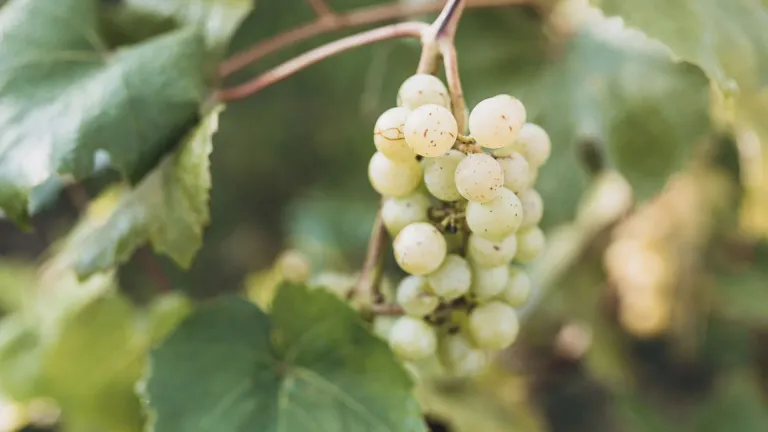
Discover the Bornova Misketi Grape Varietal: A Treasure of Turkish Viticulture
Welcome to the amazing world of Bornova Misketi! Learn about the distintive aromatic profile of the delicious Turkish wines this grape produces.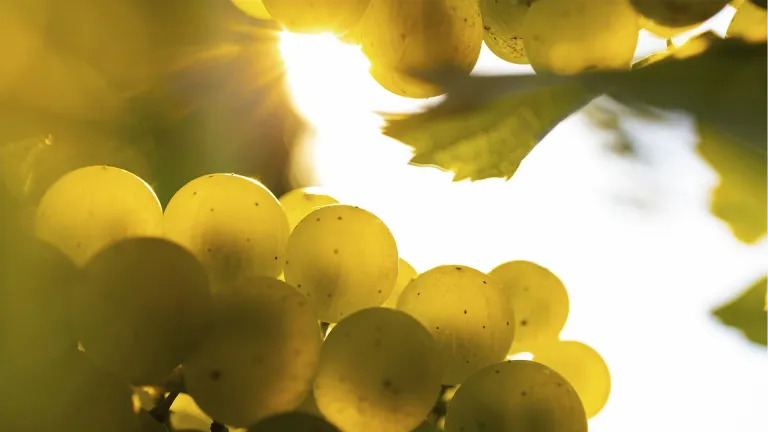
Discover the Sultaniye Grape Varietal: One of Turkey's Most Famous Indigenous Varieties
Discover the amazing Sultaniye grape, a Turkish variety that craft wines with intense red fruit aromas and a refreshing profile on the palate!


Are you interested in collaborating with us?
Get started