
Grapes
Discover the Maratheftiko Grape: A Unique Cypriot Treasure
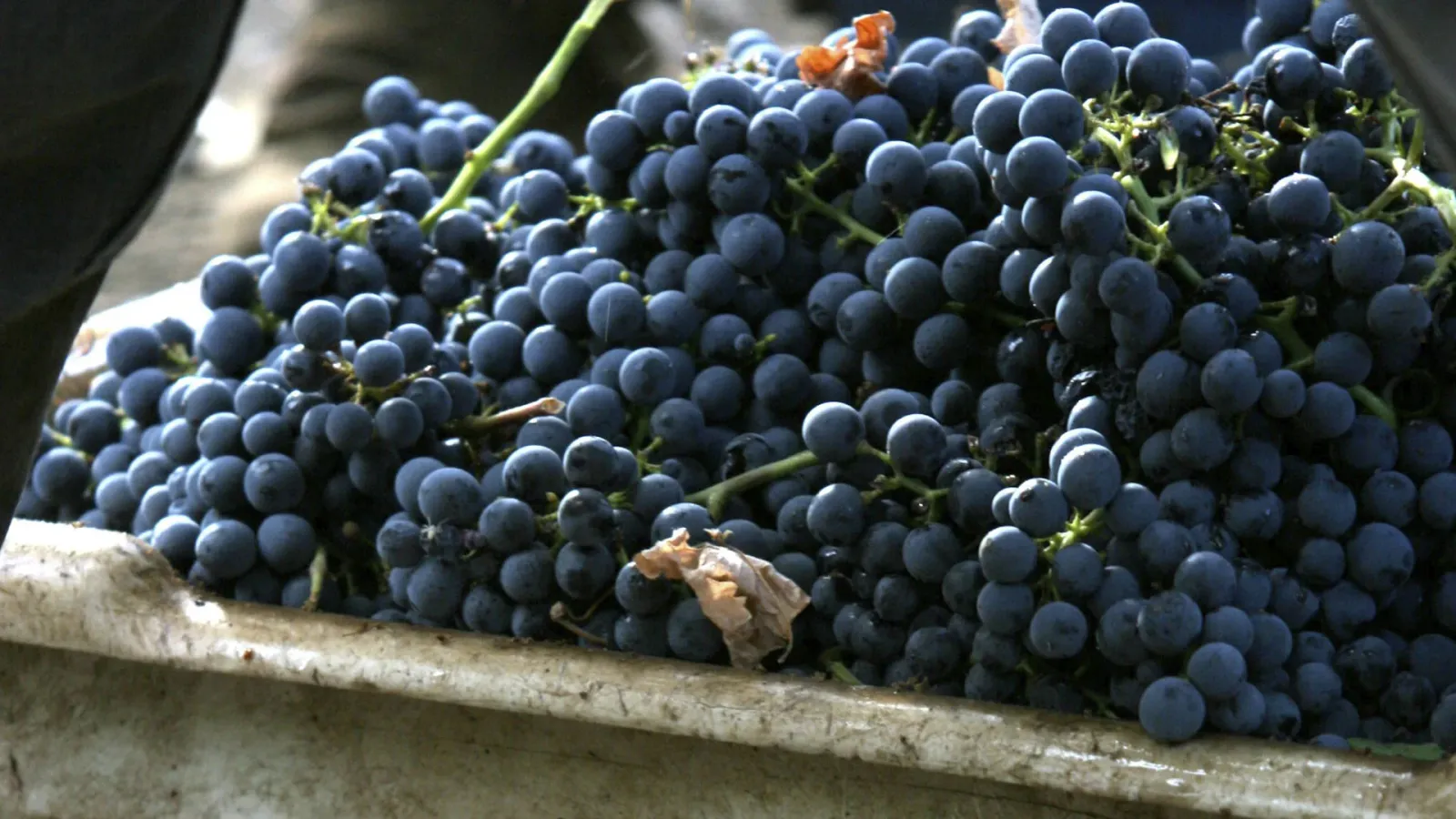
Maratheftiko is a rare, indigenous red grape varietal from Cyprus, prized for its rich, aromatic wines with bold structure and deep colour. Known for its distinctiveness and limited cultivation, it is often referred to as a hidden gem of the Mediterranean wine world.
Characteristics and Qualities
Grape Characteristics
- Appearance: Medium-sized, dark blue to black berries with thick skins, contributing to its deep colour and tannin structure.
- Aroma and Flavor Profile: Complex and aromatic, featuring notes of blackberry, cherry, violets, and herbs, often complemented by hints of spices like clove and licorice. The flavour profile of Maratheftiko wines also includes deep purple fruits, such as black cherries, alongside plum and cinnamon spice, which enhance the wine's overall character and pairing potential.
- Sugar and Acid Levels: Balanced sugar levels and moderate acidity make it suitable for structured, age-worthy wines.
Significance and Popularity
Despite its limited acreage, Maratheftiko is gaining recognition among wine enthusiasts for its unique flavour profile, ability to age well, and reflection of Cypriot terroir. It plays a key role in preserving Cyprus’s winemaking heritage.
Winemaking Potential
- Style Versatility: Primarily vinified as red wines, though some producers experiment with rosés. Maratheftiko’s bold tannins and rich flavours make it ideal for oak aging. The aging process often involves both French and American oak barrels, which add subtle notes of vanilla and spice while softening tannins and enriching the overall flavour.
- Aging Potential: Wines from Maratheftiko exhibit excellent aging potential, with well-made examples developing complexity over 10–15 years.
- Food Pairing Recommendations: Pairs beautifully with lamb, game meats, hearty stews, and dishes featuring Mediterranean herbs like rosemary and thyme.
Historical Context and Origin of Maratheftiko
Maratheftiko’s history traces back to ancient Cyprus, with records suggesting it has been grown for over a thousand years. Its name derives from the village of Marathos, where it was traditionally cultivated. Only about five percent of the cultivated vineyards in Cyprus are dedicated to Maratheftiko vines. Historically used in blends to enhance body and colour, modern winemaking techniques have elevated its potential as a standalone varietal.
Viticultural Aspects
- Climate and Soil Preferences: Thrives in warm Mediterranean climates with calcareous or volcanic soils. Requires careful vineyard management to optimize ripening and avoid variability.
- Yield Potential and Vine Vigor: Naturally low-yielding, which contributes to its concentration of flavours. It requires co-planting with other grape varieties that flower simultaneously for successful fertilization and fruit development, making it labour-intensive to grow.
- Susceptibility to Diseases and Pests: Resilient to drought but prone to uneven ripening, necessitating careful monitoring. Maratheftiko grapes are often affected by Millerandage, a viticultural problem in which berries are differently sized and have different maturity levels.
Geographic Distribution
Maratheftiko is predominantly grown in Cyprus, especially in the Lemesos wine region and the Pafos and Troodos Mountains wine routes. While largely confined to the island, experimental plantings in Mediterranean climates elsewhere are beginning to explore its adaptability.
Regional Expressions
Maratheftiko in Cyprus
- Historical Importance and Prominence: Traditionally overshadowed by the more widely grown Xynisteri, Maratheftiko, an indigenous grape variety, is now celebrated as one of Cyprus’s flagship red grapes.
- Key Wine-Producing Regions:
- Limassol: Produces robust, full-bodied wines with rich fruit and spice notes.
- Pafos: Known for more elegant and aromatic expressions, reflecting the region’s cooler, high-altitude vineyards.
- Stylistic Variations and Quality Levels: Modern winemaking has brought diversity, from approachable, fruit-forward styles to complex, oak-aged versions showcasing layered flavours and texture.
Maratheftiko in Other Regions
- Global Distribution and Cultivation: While rare outside Cyprus, small plantings in Greece, Italy, and even California are exploring their adaptability to other Mediterranean-like climates.
- Notable Examples and Regional Interpretations: Early experiments outside Cyprus suggest a slightly lighter profile, with more pronounced floral and herbal characteristics. In some regions, Maratheftiko is blended with Cabernet Sauvignon to enhance its flavour profile, achieving a balanced and more complex taste.
- Impact on Local Wine Cultures: Maratheftiko’s rise has inspired Cypriot winemakers to focus on indigenous varietals, fostering a renewed interest in the island’s unique viticultural identity.
Future Prospects and Trends
Emerging Trends and Developments
- Climate Change and Adaptation Strategies: Maratheftiko’s resilience to heat and drought positions it as a critical varietal for Mediterranean regions facing climate challenges.
- New Winemaking Techniques and Technologies: The use of amphora and lees aging is enhancing complexity, while gentle extraction methods refine tannin management.
- Consumer Preferences and Market Trends: Growing demand for indigenous and lesser-known varietals in global markets is increasing interest in Maratheftiko wines. Consumers are particularly drawn to its vibrant acidity, which balances the richness of dark fruit flavours and adds a refreshing quality that elevates the tasting experience.
Potential for Growth and Expansion
- Exploring New Regions: Trials in regions with Mediterranean climates, such as California and Australia, show promise for expanding its cultivation.
- Reputation Enhancement: Continued focus on quality and storytelling around Maratheftiko’s heritage can elevate its standing in the international wine market.
Notable Wines and Producers
Iconic Maratheftiko Wines
- High-Quality Examples:
- Vouni Panayia Winery’s Maratheftiko: A benchmark wine showcasing elegant tannins, bright acidity, and rich black fruit flavours.
- Tsiakkas Winery’s Maratheftiko: Known for its depth and structure, aged in French oak for added complexity.
- Zambartas Maratheftiko: A modern, fruit-forward interpretation with vibrant cherry and floral notes.
- Tasting Notes: Expect bold fruit flavours, firm tannins and a persistent, spicy finish with notes of cherry and dark chocolate. The robust flavours of Maratheftiko make it an excellent match for grilled red meats such as ribeye steak, lamb chops, or venison.
Renowned Producers and Small Boutique Wineries
- Winery Profiles:
- Vouni Panayia Winery: Specializes in high-altitude vineyards, producing expressive and terroir-driven Maratheftiko wines.
- Tsiakkas Winery: Combines traditional techniques with innovation to create age-worthy reds.
- Zambartas Wineries: Pioneers in promoting indigenous Cypriot varietals with a focus on sustainable viticulture.
- Ezousa Winery: Known for its unique wines made from the Maratheftiko grape variety, featuring specific vintages, vertical tastings, and aging processes that enhance the distinctive characteristics and quality of their wines.
- Philosophy and Winemaking Practices: Emphasis on small-batch production, organic farming, and minimal intervention to highlight the grape’s natural character.
- Awards and Recognition: Maratheftiko wines frequently earn medals at international competitions, spotlighting Cyprus’s potential as a producer of premium wines.
Conclusion
Maratheftiko is a unique and underappreciated grape varietal that captures the essence of Cypriot winemaking. Its robust structure, aromatic complexity, and adaptability make it an exciting choice for modern winemakers and consumers alike. As awareness of indigenous varietals grows, Maratheftiko wine is well-positioned to become a symbol of Cyprus’s rich, vinous heritage, with bright prospects for global recognition.
Discover more grape profiles
Discover the Unique Characteristics of the Yiannoudi Grape
Discover the distinct characteristics of the Yiannoudi grape varietal, its flavor profile, and its role in winemaking!
Exploring the Unique Characteristics of the Mavro Grape
Discover the unique traits of the Mavro grape varietal, its heritage, and flavor profile. Dive into the article to learn more!
Promara Grape: Reviving the Cypriot Wine Heritage
Discover the Promara grape varietal and its role in revitalizing Cyprus's wine heritage. Learn how this unique variety is making a comeback!
Exploring the Unique Qualities of the Spourtiko Grape
Discover the distinct flavors and characteristics of the Spourtiko grape varietal, and learn how it shapes unique wines!


Are you interested in collaborating with us?
Get started