
Grapes
Exploring the Morokanella Grape: A Unique Cypriot Treasure
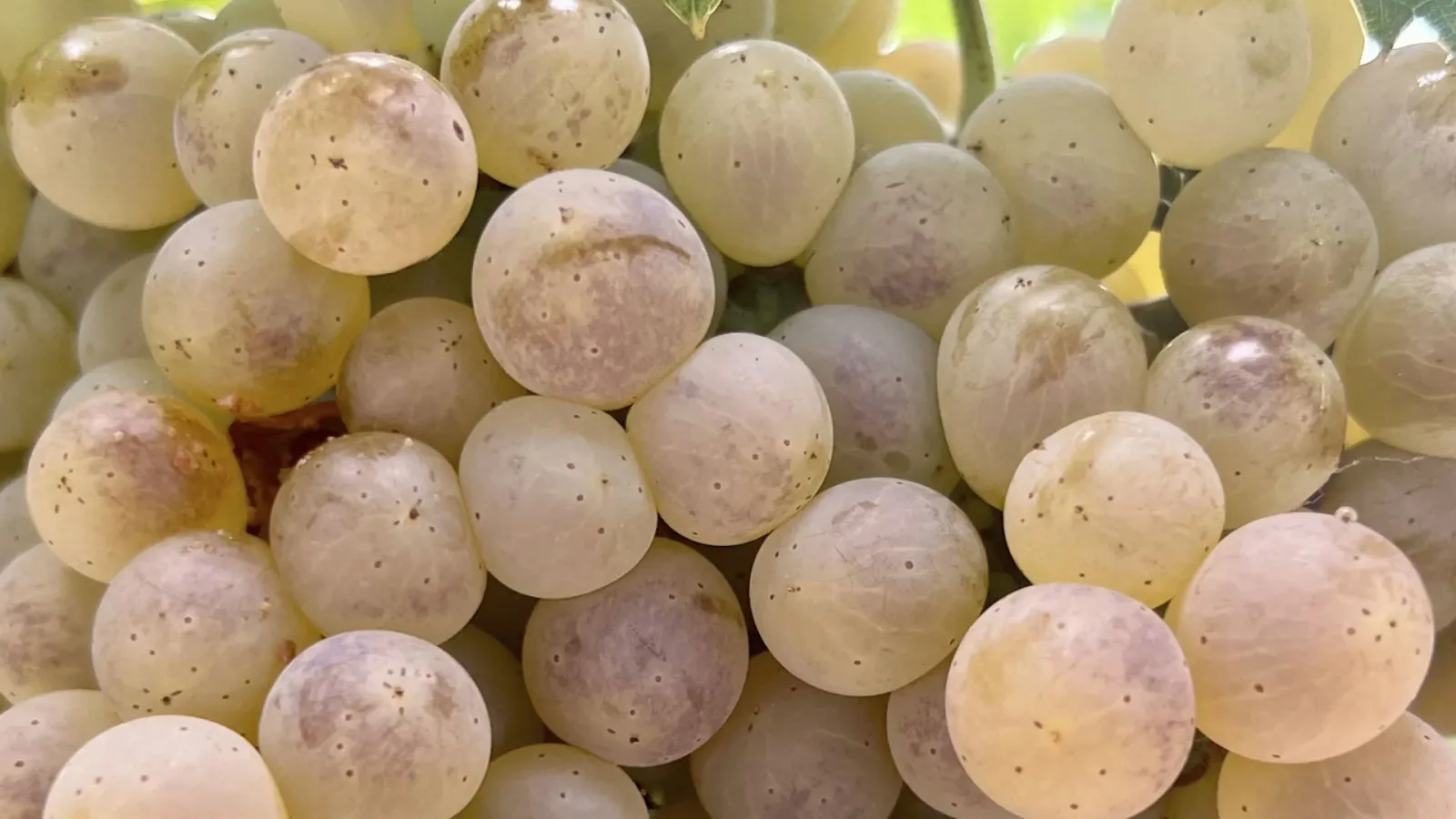
Morokanella is an indigenous grape varietal from Cyprus. Known for producing an aromatic, rich and complex wine with balanced acidity and a pleasant aftertaste, it is a rare and intriguing varietal that reflects the region’s winemaking traditions. The name Morokanella has ambiguous origins for unknown reasons, possibly deriving from multiple Cypriot words related to berries and baskets, as well as the colour of the berries.
Characteristics and Qualities
Grape Characteristics
- Appearance: Medium-sized berries with golden-green skins that develop a slight blush when fully ripe. Clusters are compact but not overly dense.
- Aroma and Flavor Profile: Displays a complex aromatic profile of citrus blossoms, white peach, white flowers, stone fruits like peach and apricot, and subtle herbal undertones. The palate often features crisp citrus fruit flavours, hints of pear, and a mineral finish.
- Sugar and Acid Levels: High natural acidity balanced with moderate sugar levels, creating fresh and vibrant wines.
- Food pairings: Morokanella wines are a perfect match for rich salads, fresh fish and green salads
Winemaking Potential
- Style Versatility:
- White Wines: Crisp and aromatic with a focus on freshness.
- Blends: Commonly blended with other Cretan varietals like Vidiano to enhance structure and complexity.
- Sparkling Wines: High acidity makes it a suitable candidate for sparkling wine production.
- Aging Potential: Best consumed young to enjoy its fresh and vibrant qualities, though some producers experiment with barrel aging to add depth and texture.
- Food Pairing Recommendations: Complements Mediterranean dishes such as grilled seafood, lemon-infused chicken, and fresh salads. Its acidity pairs well with creamy cheeses and light pasta dishes.
Historical Context and Origin
The origins of Morokanella are deeply rooted in Crete’s ancient viticultural history, dating back thousands of years. During the Ottoman occupation, Morokanella vines were cultivated and gained prominence, but heavy taxation imposed by the Ottomans contributed to the decline of certain indigenous grape varieties. While its exact lineage is unclear, Morokanella is thought to be one of Crete’s many native varietals that survived through the dedication of local winemakers. Historically, it was cultivated alongside other indigenous grapes but gained prominence in recent years as producers sought to revive forgotten varietals.
Viticultural Aspects
- Climate and Soil Preferences: Thrives in Mediterranean climates with warm days and cool nights. Prefers rocky, calcareous soils that provide excellent drainage and promote minerality in the wine.
- Yield Potential and Vine Vigor: Moderate yield with steady vine vigour. Requires careful pruning to avoid overproduction, which can dilute its aromatic intensity.
- Susceptibility to Diseases and Pests: Generally resilient to common vine diseases, though susceptible to mildew in overly humid conditions.
Geographic Distribution and Cultivation
Morokanella is almost exclusively grown on the island of Cyprus, particularly in high-altitude vineyards where cooler temperatures preserve its acidity and aromatic complexity. Historically, Morokanella was once widely spread during the Ottoman occupation of Cyprus. Beyond Cyprus, it remains largely unknown, but its potential for growth in other Mediterranean climates is being explored.
Regional Expressions
Morokanella in Cyprus: Citrus Fruit Notes
- Historical Importance and Prominence: A traditional Cypriot varietal that was historically used in blends. Renewed interest in indigenous varietals has brought Morokanella into the spotlight.
- Key Wine-Producing Regions:
- Cypriot: The primary home of Morokanella. High-altitude vineyards are known for producing wines with refined acidity and pronounced aromatics.
- Stylistic Variations and Quality Levels: Ranges from light, citrus-driven wines to fuller-bodied expressions with subtle oak influence.
Morokanella in Other Regions
- Global Distribution and Cultivation: Minimal plantings outside Cyprus, though its adaptability to Mediterranean climates, makes it a candidate for other wine regions.
- Notable Examples and Regional Interpretations: Experimental plantings in southern Italy and coastal Spain have shown promise in producing fresh, aromatic wines.
- Impact on Local Wine Cultures: In Cypriot, Morokanella represents a commitment to preserving the island’s unique viticultural identity and diversifying its wine offerings.
Future Prospects and Trends
Emerging Trends and Developments
- Climate Change and Adaptation Strategies: Morokanella’s resilience to heat and drought positions it as a sustainable option for the Mediterranean and other warm-climate regions.
- New Winemaking Techniques and Technologies: Experimentation with skin contact and lees aging is enhancing the complexity of premium Morokanella wines.
- Consumer Preferences and Market Trends: Growing demand for authentic, terroir-driven wines aligns with Morokanella’s profile as an indigenous, expressive varietal.
Potential for Growth and Expansion
- Exploring New Regions: Mediterranean climates in southern France, California, and Australia offer potential for Morokanella cultivation.
- Reputation Enhancement: Continued investment in quality-focused production and marketing could elevate Morokanella’s status as a premier white varietal.
Notable Wines and Producers
Iconic Morokanella Wines
- High-Quality Examples:
- Domaine Paterianakis Morokanella White: Showcases the varietal’s crisp acidity and floral aromas with a mineral-driven finish.
- Lyrarakis Winery Morokanella Blend: Combines Morokanella with Vidiano for a fuller-bodied, complex wine.
- Boutari Morokanella Reserve: A rare oak-aged expression emphasizing depth and richness.
- Tasting Notes: This wine showcases a balanced mix of citrus, peach, and subtle herbal notes with a refreshing minerality on the finish.
Renowned Producers
- Domaine Paterianakis: Among the pioneers of single-varietal Morokanella wines, emphasizing organic farming practices.
- Lyrarakis Winery: Known for crafting innovative blends that highlight Morokanella’s versatility.
- Boutari: A leader in showcasing the aging potential of Morokanella through barrel-fermented examples.
- Philosophy and Practices: Many producers focus on minimal intervention winemaking to allow the grape’s natural qualities to shine.
- Awards and Recognition: Increasingly recognized in international wine competitions, elevating its reputation on the global stage.
Conclusion
Morokanella is a testament to Cypriot rich viticultural heritage, offering a unique blend of vibrant acidity, rich aromatic complexity, full taste and food-friendly character. As interest in indigenous varietals grows, Morokanella is poised to become a standout grape on the global wine stage, representing the diversity and excellence of Cyprus winemaking.
Discover more grape profiles
Xynisteri Grape: A Mix of Taste and Adaptability
Discover the Xynisteri grape varietal, its unique flavor profile, and how it adapts to different climates!
Exploring the Unique Qualities of the Spourtiko Grape
Discover the distinct flavors and characteristics of the Spourtiko grape varietal, and learn how it shapes unique wines!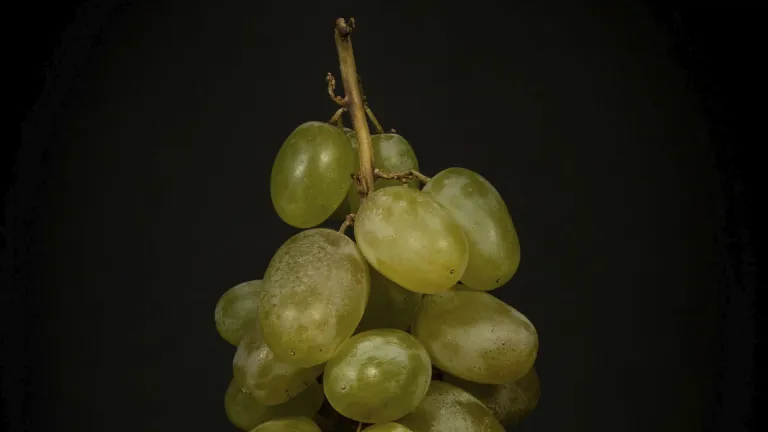
Promara Grape: Reviving the Cypriot Wine Heritage
Discover the Promara grape varietal and its role in revitalizing Cyprus's wine heritage. Learn how this unique variety is making a comeback!
Discover the Maratheftiko Grape: A Unique Cypriot Treasure
Discover the Maratheftiko grape varietal, a unique treasure from Cyprus. Learn about its history, flavor profile, and winemaking potential!


Are you interested in collaborating with us?
Get started