
Wines
Mourvèdre: an In-Depth Wine Profile
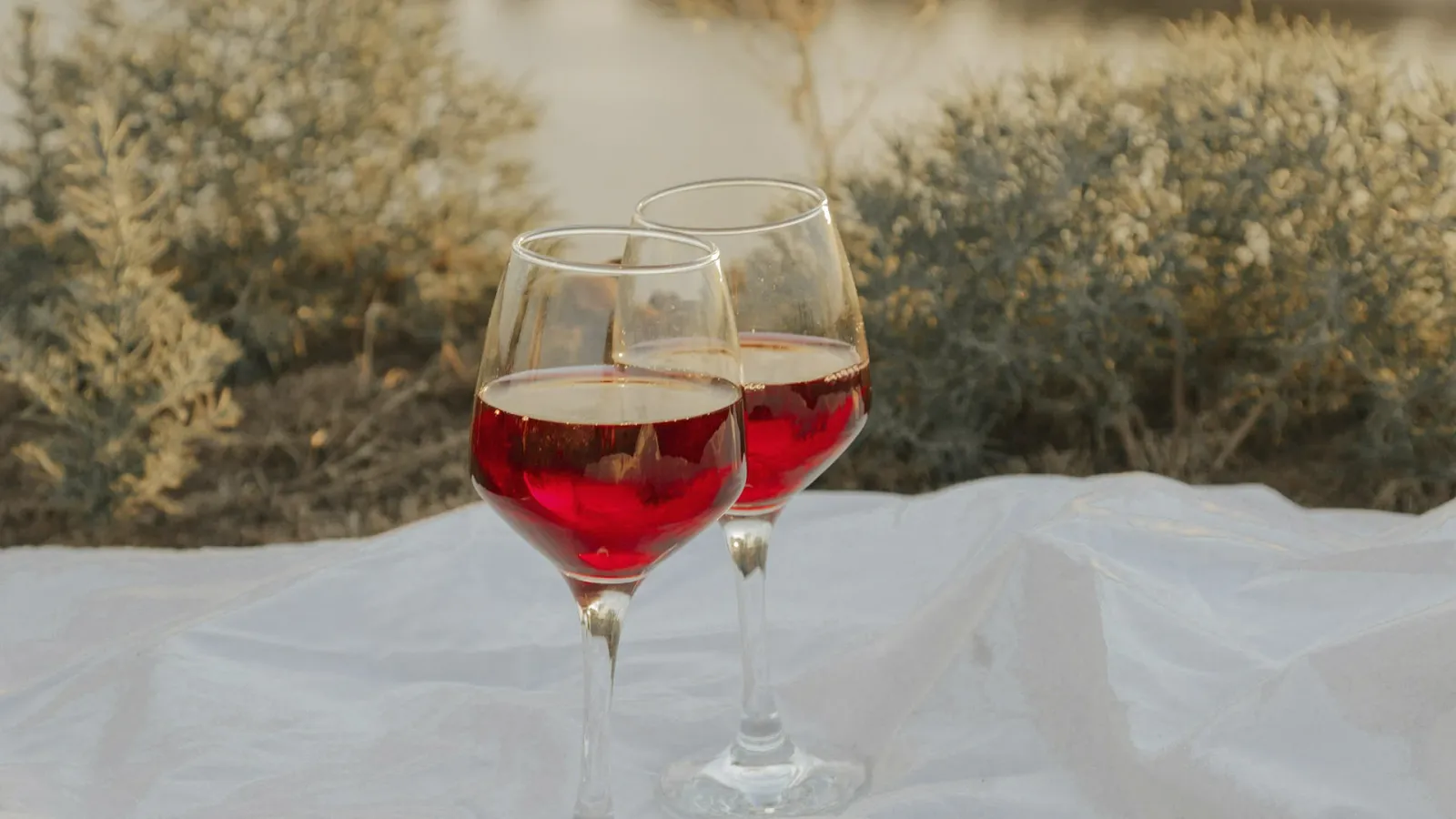
Mourvèdre deserves more attention in the wine world. This tough, adaptable grape creates wines that really leave an impression—rich and full-bodied with plenty of dark fruit flavours, a hint of spice, and an earthy depth that keeps wine lovers coming back for more. If you like Cabernet Sauvignon, then you will probably love Mourvèdre!
You'll find Mourvèdre growing beautifully in Spain (where they call it Monastrell) and throughout France, especially in Bandol in Provence. Wine enthusiasts might recognize it as the "M" in those popular GSM blends alongside Grenache and Syrah—a combination that produces some truly outstanding wines.
Looking at the numbers shows just how important this grape is. Worldwide, there are over 100,000 hectares dedicated to Mourvèdre, with Spain leading at about 65,000 hectares and France following with around 9,500 hectares.
This guide covers everything that makes Mourvèdre special—from how it tastes different depending on where it's grown to its distinctive flavour profile and even what foods pair best with it. There's also some fascinating history and culture behind these wines that add another layer of appreciation when you're enjoying a glass.
Whether you're new to wine or consider yourself a connoisseur, understanding Mourvèdre will deepen your appreciation for what's in your glass.
What are Mourvèdre Wines?
Mourvèdre is a red grape known for producing bold, complex wines. It likely originated in Spain, where it's known as Monastrell. The term "Mourvèdre" is derived from a town named Murviedro in Valencia, while "Mataro" refers to Mataró in Catalonia. This grape made its way to France in the 1500s and became significant in its wine industry, particularly in the Rhône Valley and Provence.
Winemakers utilize Mourvèdre both as a standalone varietal and in blends. You may be familiar with GSM blends (Grenache, Syrah, and Mourvèdre), where Mourvèdre imparts strength and depth. In regions like Bandol, it typically leads the blend, while in other locations, it takes on a supporting role.
Depending on the region, this grape goes by different names:
- Monastrell in Spain
- Mourvèdre in France
- Mataro in Australia and California
Where does the French Name Mourvèdre Come From?
The term "Mourvèdre" is derived from the town of Murviedro (currently known as Sagunt), located near Valencia, Spain. As the grape made its way to France, its name transformed into "Mourvèdre," emphasizing its roots in the Valencia region, where it's also referred to as Monastrell. In addition, the grape is called "Mataro," after the town of Mataró in Catalonia, Spain, though this name is primarily used in Australia and California.
Characteristics of the Mourvèdre Grape
Mourvèdre vines have some unique traits that make them special, but they can be difficult to grow. They require warm, dry weather along with just enough water for optimal ripening. The grape clusters consist of small berries with thick skins, rich in compounds that impart a deep colour and strong tannins to the wine. These tannins can taste bitter if not managed carefully during the winemaking process.
The wine produced from this grape typically has high alcohol and a strong structure, making it good for aging. The thick grape skins boost colour and tannins but also mean winemakers need the skill to balance everything properly. When done right, Mourvèdre adds amazing depth to both blends and single-variety wines, making it truly worth discovering.
Common Winemaking Techniques for Mourvèdre
Producing excellent Mourvèdre wine requires careful attention to detail. Winemakers strive to highlight the grape's strong flavours and structure while balancing its robust tannins and high alcohol content. Each step, from grape harvesting to wine aging, impacts the final product. The appropriate techniques can significantly influence the creation of a wine that tastes exceptional.
Harvesting and Grape Selection
Harvesting Mourvèdre grapes at just the right time is essential. The grapes must be perfectly ripe to achieve a balance between their natural sharpness and tannins. Many quality winemakers opt to pick the grapes by hand, as this method is gentler and allows for the selection of only the best fruit. After the harvest, they carefully sort through the grapes, discarding any that are unripe or damaged. This meticulous care guarantees that only the finest grapes are used in the wine-making process.
Fermentation and Aging
During fermentation and aging, grapes are transformed into wine, and the choice of containers significantly impacts the outcome:
- Stainless Steel: Preserves the wine's freshness and fruity character, ideal for wines intended for immediate consumption.
- Oak Aging:
- New Oak: Infuses flavours such as vanilla, caramel, and spices, adding depth to the wine.
- Neutral Oak: Provides subtle complexity without overpowering the grape's inherent flavours.
Some winemakers opt for extended maceration, soaking grape skins with the juice longer to extract more colour and tannins, resulting in a fuller-bodied wine. Additionally, a process known as micro-oxygenation is used to soften harsh tannins, leading to a smoother texture. Lastly, Mourvèdre wines typically improve with age, allowing robust tannins to soften and flavours to harmonize beautifully.
Blending Practices
Mourvèdre works well with other grapes to create wines that are better together than apart. It's often blended with Grenache, Syrah, and Cinsault, each contributing something unique:
- Balancing Tannins: Other grapes help soften Mourvèdre's strong tannins.
- Enhancing Fruitiness: Grapes like Grenache add juicy, fruit-forward flavours.
- Increasing Complexity: Blending introduces more flavours and textures.
- Improving Ageability: Some blends mature better than wines made from just one grape.
The popular GSM blends (Grenache, Syrah, and Mourvèdre) exemplify this perfectly. Mourvèdre provides structure and depth, while Grenache contributes fruitiness, and Syrah introduces spicy notes. Together, they create a balanced, delicious wine.
Sensory Profile of Mourvèdre Wines
Mourvèdre wines are known for their bold, complex flavours that make a strong impression. The thick-skinned grapes and unique winemaking techniques produce wines rich in dark fruit flavours, spicy notes, and earthy undertones. Whether you enjoy pure Mourvèdre or a blend, you will taste a rich, layered wine that appeals to many wine enthusiasts.
Aroma and Bouquet
The aroma of Mourvèdre wines is distinctly remarkable, presenting a variety of scents that evolve as the wine breathes. These notes can be categorized into three main groups:
- Primary Aromas: Dark fruits such as blackberry and black cherry, along with ripe plum.
- Secondary Aromas: Spices like black pepper and cloves, plus subtle floral and herbal notes.
- Tertiary Aromas: With aging, the wine reveals earthy and mineral scents, complemented by hints of leather and tobacco.
Every time you take in the wine's aroma, you're likely to discover something new and intriguing.
Taste Profile
When tasted, Mourvèdre wines are full-bodied, bold, and packed with flavour. They have strong tannins, moderate acidity, and a rich, smooth texture that makes each sip satisfying. The flavours last a long time after you swallow.
The taste is just as complex as the smell, and it changes beautifully as the wine ages:
- Primary Flavours: Dark fruits like blackberry, black cherry, and plum are most noticeable.
- Secondary Flavours: Spicy notes of black pepper and cloves, plus herbal and floral touches, add depth.
- Tertiary Flavours: With age, earthy and mineral flavours develop, along with leather, tobacco, and even slight meaty qualities.
All these flavours, combined with the wine's strong structure, make Mourvèdre perfect for pairing with hearty foods or aging in your cellar to let those flavours develop even further.
Most Common Food Pairings for Mourvèdre Wines
Mourvèdre wines work perfectly with rich, savoury foods. Their bold character and mix of earthy, spicy, and fruity flavours make them great partners for hearty meals. Whether you're enjoying a GSM blend or pure Mourvèdre, these pairings will make your meal even better.
Here are some fantastic foods to enjoy with Mourvèdre wines:
- Game Meats (Venison, Wild Boar): The earthy, spicy notes in Mourvèdre match beautifully with the strong flavours of game meats.
- Grilled or Braised Meats (Beef, Lamb, Pork): Mourvèdre's rich, full flavours complement grilled or slow-cooked meats wonderfully. Classic dishes like cassoulet or beef stew taste even better with this wine.
- Smoked Meats: The subtle smoky hints in Mourvèdre go well with smoked red meat, and the wine's tannins help cut through the richness.
- Duck Confit: This special dish becomes even more delicious with Mourvèdre's dark fruit flavours and spicy background.
- Tomato-Based Dishes: The moderate acidity in Mourvèdre balances the tanginess of tomato sauces, making it good with pasta dishes or ratatouille.
- Hard Cheeses (Manchego, Pecorino, Gruyère): The tannins in Mourvèdre slice through the richness of aged cheeses, bringing out the best in both.
- Spicy Dishes (Indian Curries, Mexican Mole): Mourvèdre's strong flavours can handle spicy food, offering a nice balance to the heat.
- Grilled Vegetables (Eggplant, Zucchini): The earthy qualities in Mourvèdre complement the smoky, sweet flavours of grilled vegetables.
- Middle Eastern Cuisine (Lamb Tagine, Shawarma): The earthy and spicy character of Mourvèdre works wonderfully with the rich, aromatic dishes of Middle Eastern cooking.
Whether you're grilling outdoors or enjoying a warming stew, Mourvèdre wines help make your meal more memorable.
Best Regions for Mourvèdre Wine
Mourvèdre grows well in some of the world's finest wine regions, each adding its own special touch to this bold grape. Since it loves warm, dry weather, Mourvèdre thrives in places like Spain, France, and Australia. Here's a look at the best places where this grape shines.
Rhône Valley (France)
The Rhône Valley of France makes rich, complex wines, with Mourvèdre playing an important role in many of them:
- Châteauneuf-du-Pape: While Grenache leads in these blends, Mourvèdre adds structure and depth. These wines are full-bodied, age well, and have many layers of flavour.
- Côtes du Rhône AOC: Within the côtes du rhône villages are produced many different styles, with Mourvèdre adding complexity to the blends. These wines are usually easier to drink young and more affordable than Châteauneuf-du-Pape.
- Ventoux: In the southern Rhône, Ventoux makes lighter wines, sometimes using Mourvèdre in blends for freshness.
Spain
In Spain, Mourvèdre is called Monastrell and stars in the southeastern part of the country:
- Jumilla: Known for bold, full-bodied wines, Jumilla is one of the most famous places for Monastrell. These wines are rich, tannic, and often great value.
- Yecla: Similar to Jumilla, Yecla makes intense, fruity wines with strong tannins that age well.
- Alicante: This coastal region creates various wines, including somewhere Monastrell takes the lead. The wines are fruity with balanced acidity.
- Valencia: Another key area for Monastrell, Valencia's wines nicely reflect the local soil and climate.
Australia
In Australia, Mourvèdre (often called Mataro) is important in GSM blends, adding depth and structure:
- Barossa Valley: Famous for rich, full-bodied wines, Barossa Valley excels in GSM blends with Mourvèdre. The warm climate here suits the grape perfectly.
- McLaren Vale: This region also makes excellent GSM blends, with Mourvèdre bringing complexity and spice. McLaren Vale's diverse soils add even more character to the wines.
Other Notable Regions
Mourvèdre shows up in several other places around the world:
- Provence (France): While Bandol gets the most attention, other parts of Provence also grow Mourvèdre, often making rosé.
- Bandol (France): Part of Provence, but special enough for its own mention. Red wines here must have at least 50% Mourvèdre and are known for their structure and aging potential.
- California (USA): Areas like Paso Robles and Contra Costa County grow Mourvèdre, using it in GSM blends or as a single grape wine.
- South Africa: Though not as common, South Africa makes some Mourvèdre, mostly for blending.
Tips for Serving and Storing Mourvèdre Wine
Mourvèdre wines are bold, complex, and full of character. Serving and storing them properly helps bring out their best qualities. Whether you're enjoying a pure Mourvèdre or a GSM blend, these tips will enhance your wine experience.
Serving Temperature
Mourvèdre wines taste best when served at the right temperature—between 16°C and 18°C (61°F to 64°F). If the wine is too cold, you won't notice all the fruit flavours; if it's too warm, the tannins might seem too strong. Finding that perfect temperature balances the wine's structure and fruitiness, letting you enjoy every sip.
Glassware
The glass you choose makes a difference when drinking Mourvèdre. A Bordeaux-style glass works best. Its wide bowl gives the wine room to breathe and develop its complex smells. The narrower top directs these aromas to your nose, making the experience more enjoyable. This glass shape also helps you better appreciate the wine's texture and tannins.
Storage
If you're saving a bottle of Mourvèdre for later, storing it correctly matters. These wines, especially tannic ones, can age well with proper care:
- Temperature: Keep your wine in a cool, dark place with a steady temperature between 10°C to 15°C (50°F to 59°F).
- Humidity: Try to maintain humidity between 50% to 70% to keep the cork in good shape.
- Position: Store bottles on their side to keep the cork moist and prevent air from entering.
With good storage, Mourvèdre wines can develop even more complexity over time. Many are ready to drink after a few years, but some quality bottles can improve for a decade or more.
Similarities and Differences Between Mourvèdre and Monastrell Wines
Mourvèdre and Monastrell wines are not crafted from different grape varieties. Instead, they are made from the same grape with different names depending on where they grow. Mourvèdre is what the French call it, while Monastrell is the Spanish name. Though genetically identical, the wines can taste quite different because of variations in climate and soil, as well as how winemakers in each country work with the grape. Here's how they compare.
Similarities
At their core, Mourvèdre and Monastrell wines share several key traits:
- Robust Structure: Both make full-bodied wines with strong tannins, giving them a bold, firm character.
- Dark Fruit Flavors: Both typically show rich blackberry, plum, and other dark fruit flavours.
- Spicy and Earthy Notes: You'll find hints of black pepper, cloves, and earthiness in both types of wine.
- Aging Potential: Both wines can improve with age, as time helps soften their tannins and develop more complex flavours.
Differences
Despite being the same grape, regional factors create noticeable differences:
- Regional Climate and Soil: Spanish vineyards tend to be hotter and drier, making Monastrell wines fruitier and more intense. French regions are often cooler, creating more refined, structured Mourvèdre wines.
- Winemaking Techniques: French winemakers commonly age Mourvèdre in oak barrels, adding vanilla and spice notes. Spanish producers might use less oak for Monastrell to highlight the grape's natural fruitiness.
- Blending Traditions: In France, Mourvèdre is often mixed with Grenache and Syrah (GSM blends) for balance and complexity. In Spain, Monastrell might be blended with local grapes like Tempranillo for a distinctive regional style.
- Flavour Profile: Monastrell tends to taste more rustic, with bigger fruit flavours upfront and smoother tannins. Mourvèdre usually comes across as more refined and complex, with a balanced mix of fruit, spice, and earthy notes.
Sustainability and Future Trends for Mourvèdre Wines
The wine world is changing, with sustainability becoming more important, especially for those making Mourvèdre wines. This tough, adaptable grape is well-suited to handle climate change challenges and changing consumer tastes. Several factors are shaping where this distinctive grape is headed.
Sustainable Viticulture Practices
Sustainability isn't just a trend but a necessity for winemaking's future. Mourvèdre growers are adopting better approaches like organic and biodynamic farming. These methods focus on keeping soil healthy and using fewer chemicals, which helps both the environment and the wine quality.
- Organic Farming: This means avoiding synthetic chemicals and using natural alternatives to manage pests and diseases in vineyards.
- Dry Farming: Where possible, some growers, like the Enz Vineyard in California, don't use irrigation at all. This encourages vines to develop deeper roots, often resulting in grapes with more concentrated flavours.
Climate Change Impacts
Climate change affects vineyards worldwide. For Mourvèdre, warmer temperatures can mean grapes ripen too quickly and have less acidity, which can affect the wine's balance. Growers are finding ways to adapt:
- Early Harvesting: Picking grapes sooner helps maintain good acidity levels and prevents overripeness.
- Shade Management: Techniques like adjusting the vine's leafy canopy help protect grapes from excessive sun exposure.
- Drought-Tolerant Rootstocks: In warmer areas, planting vines that can handle dry conditions is becoming essential.
- Soil Conservation: Healthier soil holds water better, so growers are using methods that improve soil quality and water retention.
Evolving Consumer Preferences
Wine drinkers' tastes are changing in ways that favour Mourvèdre. Full-bodied, robust red wines are popular now, and Mourvèdre fits this profile perfectly. There's also growing interest in Mediterranean-style wines, where Mourvèdre often plays an important role. These wines offer rich flavours and earthy notes and pair well with many foods.
As more consumers care about environmental issues, they look for sustainably produced wines. Mourvèdre's ability to thrive under eco-friendly farming makes it appealing to environmentally conscious wine drinkers.
Final Thoughts
Mourvèdre wines stand out as truly special—delivering bold, complex flavours that last. Wine lovers seeking depth and character will find much to appreciate in this grape. With its rich dark fruit flavours, hints of spice, and earthy qualities, Mourvèdre creates a memorable tasting experience. It's also extremely versatile with food, pairing wonderfully with everything from grilled meats to rich stews. Whether enjoyed on its own or as part of a GSM blend, Mourvèdre adds structure and personality to every glass.
What makes Mourvèdre particularly interesting is how it changes across different regions and winemaking styles. French versions tend to be refined and elegant, while Spanish Monastrell wines showcase bold, fruit-forward characteristics. As more people look for sustainable, traditionally-made wines, Mourvèdre fits perfectly with these values.
Exploring Mourvèdre wines offers a fascinating journey through different styles and expressions. Watching how these wines develop with age reveals the grape's impressive range. Both experienced wine enthusiasts and newcomers can find something to enjoy in Mourvèdre's bold flavours and lasting appeal. Each bottle provides a chance to discover something new about this delicious wine.
Discover more wines
Casavecchia Wine: An In-Depth Profile
Discover the rich flavors and unique characteristics of Casavecchia wine, Italy's lesser-known treasure.
Classic Penedès: an In-Depth Wine Profile
Learn about Classic Penedès, the organic traditional-method sparkling wine from Spain with rich heritage and vibrant bubbles
Corpinnat: an In-Depth Wine Profile
Explore Corpinnat’s break from Cava, strict quality rules, and identity in this in-depth Vinerra wine profile.
Rondo: an In-Depth Wine Profile
Discover Rondo, a vibrant northern European red wine with deep ruby colour, balanced flavour, and cool-climate charm!
Solaris: an In-Depth Wine Profile
Discover Solaris wine: a cool-climate white with vibrant aromas, crisp acidity, and versatile styles for every palate!
Kerner: An In-Depth Wine Profile
Discover Kerner, a wine that will enchant you with its fresh aromas and versatile food pairing combinations!
Hondarrabi Zuri: An In-Depth Wine Profile
Discover Hondarrabi Zuri, Basque Country’s iconic wine, its flavors, heritage, and perfect food pairings!
Discovering Rasheh Wine: A Journey Through Iran’s Unique Vintage
Smuggled grapes, ancient terroir, and bold defiance— Discover Rasheh, a wine made under pressure and against all odds!
Pálava Wine: Characteristics and Best Pairings
Tired of Chardonnay? Step off the beaten path with Pálava—an aromatic Czech gem bursting with flavor and personality!
Frappato: an In-Depth Wine Profile
Explore the charm of Frappato wine—light-bodied, floral, and full of Sicilian character. A red that’s both chillable and bold!
Arneis: An In-Depth Wine Profile
Explore Arneis wine: its origins, flavor notes, and why sommeliers love it. A must-try for adventurous palates!
Alicante Bouschet: An In-Depth Wine Profile
Discover Alicante Bouschet: a deep, spicy red that’s redefining bold wines in a warming world. Try it before it trends!
Concord: An In-Depth Wine Profile
Discover Concord wine: bold, sweet, and nostalgic. Explore its history, flavors, and pairings that make it a true American icon.
Chambourcin: An In-Depth Wine Profile
Uncover the bold flavors and pairings of Chambourcin wines—your guide to tasting, enjoying, and elevating every sip.
Colombard: An In-Depth Wine Profile
Discover Colombard: a crisp, underrated white wine with vibrant flavors, smart pairings, and unbeatable value!Baga: An In-Depth Wine Profile
Baga offers power, elegance, and terroir expression— Learn about Portugal’s best-kept secret for adventurous wine lovers.
Bobal: An In-Depth Wine Profile
Bobal wine is Spain’s hidden treasure. Explore its bold flavors, rich history, and perfect food pairings!
Baco Noir: An In-Depth Wine Profile
Explore Baco Noir’s bold flavors, perfect pairings, and unique charm—your gateway to this standout grape varietal!
Catawba: An In-Depth Wine Profile
Discover Catawba wine’s bold flavors, rich history, and charm—and why this iconic American grape belongs in your collection!
Müller Thurgau: An In-Depth Wine Profile
Discover Müller-Thurgau’s origins, aromas, and flavors—a fresh, floral white that’s versatile, affordable, and full of charm!
Lagrein: An In-Depth Wine Profile
Discover Lagrein, Alto Adige’s bold red. Explore its flavors, pairings, and why this rare Alpine wine is a must-try!
Verdicchio: An In-Depth Wine Profile
Discover Verdicchio’s origins, terroir, flavor profile, and aging potential in Vinerra’s in-depth guide to this iconic Italian white.
Furmint: An In-Depth Wine Profile
Discover the world of Furmint, Hungary's exceptional white wine. Learn about its tasting notes and food pairings!
Carignan: An In-Depth Wine Profile
Discover Carignan’s origins, flavor profile, structure, and global revival in Vinerra’s in-depth wine guide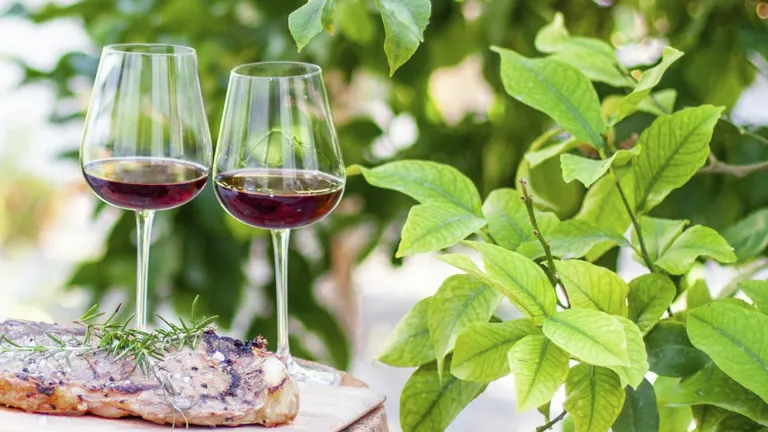
Bonarda: An In-Depth Wine Profile
Explore Bonarda’s history, bold fruit character, and growing importance in Argentina in this in-depth Vinerra wine profile
Aglianico: An In-Depth Wine Profile
Explore the rich profile of Aglianico wine, its flavor notes, and perfect food pairings in our comprehensive profile!
Dolcetto: An In-Depth Wine Profile
Explore Dolcetto's unique characteristics, ideal pairings, and aging potential. Dive into our detailed wine profile!
Falanghina: An In-Depth Wine Profile
Explore Falanghina’s history, flavor profile, and modern revival in southern Italy in this in-depth Vinerra wine profile
Fiano: An In-Depth Wine Profile
Discover Fiano, Italy’s rising star—learn its traits, best pairings, and why it belongs in your wine collection!
Vermentino (Rolle) Wine: An In-Depth Profile
Explore Vermentino's vibrant flavors, origins, and food pairings—perfect for wine lovers and curious newcomers alike!
Touriga Nacional: An In-Depth Wine Profile
Uncover Touriga Nacional’s bold flavors, rich history, and perfect pairings in this deep dive into Portugal’s iconic red wine!
Petit Verdot: An In-Depth Wine Profile
Explore the rich profile of Petit Verdot, its unique characteristics, and tasting notes, in our in-depth profile!
Côtes du Rhône Blend: An In-Depth Wine Profile
Explore the rich flavors and characteristics of Côtes du Rhône blends. Gain tasting insights and enhance your wine knowledge!
Chianti Blend: An In-Depth Wine Profile
Discover the nuances of Chianti Blend in this comprehensive guide. Learn about its flavors, food pairings, and tasting tips!
Montepulciano: An In-Depth Wine Profile
Explore Montepulciano wine’s rich history and flavors with expert tips—perfect for enthusiasts and collectors alike!
Primitivo: An In-Depth Wine Profile
Discover the rich flavors and history of Primitivo wine in this guide for enthusiasts and aficionados!
Bordeaux White Blend: An In-Depth Wine Profile
Discover the flavors and characteristics of Bordeaux White Blend. Enhance your wine knowledge with this insightful profile!
Bordeaux Red Blend: An In-Depth Wine Profile
Explore the rich flavors and complexities of Bordeaux red blends with our detailed profile and tasting guide!
Valpolicella: An In-Depth Wine Profile
Discover the rich flavors and history of Valpolicella wines. This guide offers insights for both enthusiasts and collectors!
Assyrtiko: The In-Depth Wine Profile
Explore Assyrtiko, Greece's prized grape variety. Learn about its unique characteristics, flavor profiles, and food pairings!
Nero d’Avola: An In-depth Wine Profile
Discover the unique characteristics of Nero d'Avola in this in-depth profile, perfect for both wine enthusiasts and newcomers!
Moscato: A Deep Dive into the World’s Most Misunderstood Grape
Discover the best Moscato wines that delight the palate with sweetness and flavor, with our In-depth profile!
The Gamay Wine Profile: Beaujolais and Beyond
Explore the rich flavors, diverse regions, and perfect pairings of Gamay wine. Discover how to enhance your wine experience!
Discover the Secrets of Airén: The In-depth Wine Profile
Discover the unique qualities and rich history of Airén grapes. Learn how this versatile variety shapes wines today!
Acıkara: An In-Depth Wine Profile of a Unique Turkish Grape Variety
Discover the characteristics of Acıkara, Anatolia's distinctive grape variety, and explore its potential in the world of wine!
Nebbiolo: an In-Depth Wine Profile
Discover the essence of Nebbiolo wine through its unique terroir, rich traditions and best food pairings!
Fetească Neagră: An In-Depth Wine Profile of Romania’s Signature Grape
Discover the rich flavors, history, and best food pairings of Fetească Neagră, Romania's distinctive wine!
Pinot Meunier: An In-Depth Wine Profile
Discover the distinct characteristics of Pinot Meunier, a lesser-known wine from the Champagne region!
Acolon: an In-Depth Wine Profile
Discover Acolon’s German origins, parentage, flavor profile, and structure in Vinerra’s in-depth wine guide
Mavro: An In-Depth Wine Profile
Discover the rich flavors and cultural heritage of Mavro wine. Dive into the unique profile of this Cypriot gem!
Aligoté: an In-Depth Wine Profile
Discover Aligoté, Burgundy's overlooked gem. Learn about its unique characteristics, and why it deserves a place in your glass!
Kanella: an In-Depth Wine Profile
Explore the unique characteristics and flavor profiles of Kanella wine. Learn about its origins and best food pairings!
Xynisteri: an In-Depth Wine Profile
Discover the unique characteristics of Xynisteri, Cyprus' premier white wine, and why it deserves a place in your glass!
Altesse: An In-Depth Wine Profile
Explore the unique characteristics of Altesse wine, from its characteristic tasting notes to ideal pairings!
Alphonse Lavallée: An In-Depth Wine Profile
Explore Alphonse Lavallée's unique wines, their characteristics, tasting notes, and best food pairings!
Maratheftiko: An In-Depth Wine Profile
Explore the rich flavors and history of Maratheftiko, Cyprus's prized wine. Discover its unique characteristics today!
Morokanella: An In-Depth Wine Profile
Discover the distinct characteristics and flavors of Morokanella, one of the indigenous wines of Cyprus!
Yiannoudi: An In-Depth Wine Profile
Explore Yiannoudi, Cyprus's distinctive grape variety, its unique characteristics, and winemaking potential!
Glera: an In-Depth Wine Profile
Explore Glera’s history, fresh aromatics, and defining role in Prosecco in this in-depth Vinerra wine profile.
Incrocio Bruni 54: an In-Depth Wine Profile
Discover the characteristics of Incrocio Bruni 54, a hybrid wine from Marche, like its flavor profile or best pairings!
Pinotage: An In-Depth Wine Profile
Explore the rich flavors and characteristics of Pinotage, South Africa's unique grape. Discover its rich history and best pairings!
Lambrusco Salamino: an In-Depth Wine Profile
Discover the characteristics of Lambrusco Salamino, its flavor profile, best food pairings and enhance your wine knowledge!
Lambrusco Maestri: an In-Depth Wine Profile
Discover the unique characteristics of Lambrusco Maestri. Dive into this wine profile and elevate your wine knowledge!
Ancellotta: an In-Depth Wine Profile
Explore the rich profile of Ancellotta wine, its unique flavors, ideal pairings and best expressions!
Lambrusco di Sorbara: an In-Depth Wine Profile
Explore the refreshing flavors of Lambrusco di Sorbara, a sparkling Italian wine. Learn about its origins and best food pairings!
Lambrusco Grasparossa Wine: an In-Depth Profile
Discover the best Lambrusco Grasparossa wines for your next celebration. Elevate your knowledge with our recommendations!
Greco Bianco: An In-Depth Wine Profile
Discover Greco Bianco, an exquisite Italian white wine. Explore its unique characteristics and best food pairings!
Cortese Bianco: An Italian White Worth Noting
Learn about Cortese Bianco unique flavors and get food pairing recommendations to elevate your wine experience!
A Comprehensive Guide to Pinot Blanc Wine
Discover the elegance of Pinot Blanc wine with our comprehensive guide. Learn about its flavors and best food pairings!
Riesling Renano: The Noble Aristocrat of White Wine
Explore top Riesling Renano wines perfect for your celebrations. Find your ideal choice to elevate any occasion!
Discovering Uva Rara Wine: A Hidden Gem of Italian Red Varietals
Explore the unique flavors of Uva Rara wine, a lesser-known Italian red. Learn about its origins and food pairings
Discovering Croatina: The Unique Grape Behind Bold Italian Wines
Explore the bold flavors of Croatina, a unique grape variety shaping Italian wines. Learn about its unique characteristics
Discover the Rich Flavors of Vespolina Wine: A Comprehensive Guide
Explore the unique flavors of Vespolina wine and learn about its origins, aromatic, tasting notes, and food pairings!
Welschriesling Wine: Discover Its Unique Flavors and Characteristics
Explore the distinct flavors and characteristics of Welschriesling wine. Learn what makes this varietal unique!
Grenache Blanc: An In-Depth Wine Profile
Explore the unique characteristics of Grenache Blanc and the perfect food pairings to enhance your wine experience!
Clairette: an In-Depth Wine Profile
Explore Clairette’s history, terroir, flavor profile, and role in Rhône wines with Vinerra’s comprehensive guide
Mourvèdre: an In-Depth Wine Profile
Explore the rich flavors of Mourvèdre wines in this comprehensive profile, perfect for both enthusiasts and connoisseurs!
Cinsault: an In-Depth Wine Profile
Discover Cinsault’s origins, delicate structure, and role in southern French wines in Vinerra’s in-depth wine guide
Roussanne: an In-Depth Wine Profile
Explore the unique characteristics of Roussanne wine, its perfect food pairings, and why it's a must-try for enthusiasts!
Marsanne: An In-Depth Profile for Wine Lovers
Explore the unique characteristics of Marsanne wine, and discover why it's a must-try for collectors and enthusiasts!
Sagrantino: Discovering the Bold Flavors of Umbria’s Finest Wine
Explore the bold, complex flavors of Sagrantino, the signature Umbrian wine, and learn about its history and best food pairings!
Malvasia Nera: An In-Depth Wine Profile
Learn about the rich flavors of Malvasia Nera, a delightful Italian red wine, and why it deserves a spot in your collection!
Vin Jaune: An In-Depth Profile of this Wine Treasure
Discover the distinct flavors and heritage of Vin Jaune, the Jura's unique wine. Learn about its tasting notes, and food pairings!
Macabeo Wine: Discover Its Unique Flavors and Characteristics
Explore the distinct flavors and characteristics of Macabeo wine. Learn what makes it special and how to enjoy it!
Carmenere: an In-Depth Wine Profile
Discover the rich profile of Carmenere wine, including tasting notes and ideal food pairings. Elevate your wine experience!
White Zinfandel Wine: the Essential Guide
Explore the world of White Zinfandel in this essential guide, featuring tasting notes, and tips for choosing the perfect bottle!
Petite Sirah: an In-Depth Wine Profile
Dive into the boldness of Petite Syrah, and discover its unique aromas, flavors and pairings, with this in-depth profile!
Cigales: an In-Depth Wine Profile
Discover the unique wines of Cigales, Spain's emerging region. Explore profiles, flavors, and what sets these wines apart!
The Wines of Penedès: A Comprehensive Guide
Explore the Penedès wine region through a detailed profile that highlights its unique varietals and tasting notes.
Rueda: An In-Depth Wine Profile
Explore Rueda, Spain's vibrant white wine region. Discover the unique characteristics of its wines and grape varieties!
Albariño: an In-Depth Wine Profile
Discover the refreshing and aromatic Albariño wine, one of the most precious jewels in the coasts of Portugal and Spain!
Txakoli: an In-Depth Wine Profile
Discover all the secrets of Txakoli, the most vibrant, refreshing and best kept secret of the Basque Country!
Amarone della Valpolicella: an In-Depth Wine Profile
Jump straight into the world of Amarone della Valpolicella, a delicious Italian red wine that is stepped in tradition!
Moscatel: an In-Depth Wine Profile
Welcome to the amazing world of Moscatel! Learn more about this wine gem, often overshadowed by its more famous cousin Moscato.
Barbera: an In-Depth Wine Profile
Learn about the aromatic and flavor profile of Barbera, and dive into the rich heritage of this Italian wine gem!
Grüner Veltliner: an In-Depth Wine Profile
Delve into the secrets of Grüner Veltliner, an Austrian wine that is slowly getting more and more recognizement around the world!
Vinho Verde: an In-Depth Wine Profile
Everything about Vinho Verde wine — crisp taste, Alvarinho grapes, top sub-regions of Portugal, and the best food pairings.
Muscadet: an In-Depth Wine Profile
Learn all about Muscadet, a French wine stepped in tradition! Discover the main food pairings, and how to choose the best bottles of this wine!
Soave: an In-Depth Wine Profile
Discover the iconic Soave wines! Learn which are the best food pairings for Soave, as well as its most common aromatic and flavor notes!
Valpolicella Ripasso: an In-Depth Wine Profile
Discover the Valpolicella Ripasso wine! Here, you will learn everything about it, from how it is made to the best food pairings for this iconic wine!
Ribera del Duero: an In-Depth Wine Profile
Discover the Ribera del Duero wines! Learn which are their main characteristics, and the differences with Rioja, another iconic Spanish wine.
Rioja: an In-Depth Wine Profile
Discover Rioja, a spanish wine full of history! Learn all about it, from the different types of Rioja wines to the best tips to serve it and store it!
Palomino: an In-Depth Wine Profile
Welcome to the world of Palomino wines! Discover which are the main characteristics of these wines, and with which foods you should pair them!
Mencía: an In-Depth Wine Profile
Discover the Mencía wines, a hidden treasure of the Spanish wine world! Learn about its sensory profile and best food pairings!
Godello: an In-Depth Wine Profile
Explore the unique profile of Godello wine, covering its origin, taste and aroma profile and best food pairings
Sherry: an In-Depth Wine Profile
Explore the unique profile of Sherry wine, covering its origin, taste and aroma profile and best food pairings
Monastrell: An In-depth Wine Profile
Do you know what is Monastrell wine? Learn more about the origin, sensory profile and best food pairings for the bold red!
Torrontés: an In-Depth Wine Profile
Explore the unique profile of Torrontés wine, covering its origin, taste and aroma profile and best food pairings
Lambrusco: an In-Depth Wine Profile
Dive into Lambrusco's vibrant profile, from its bubbly charm and taste notes to ideal pairings, and learn how to get the best value for your money!
Verdejo: an In-Depth Wine Profile
Discover Verdejo, a Spanish white wine that is the star of Rueda and highly coveted for its aromas and its refreshing taste
Tempranillo: an In-Depth Wine Profile
Discover the rich flavors and history of Tempranillo, Spain's noble grape. Explore its characteristics, food pairings, and top wine regions.
Trebbiano: an In-Depth Wine Profile
Welcome to the world of Trebbiano wines, a captivating style known for its versatility and refreshing qualities! Click here to learn more
Sangiovese: an In-Depth Wine Profile
Discover Sangiovese, a wine style that is tenowned for their robust character and Versatility. Click here!
Porto Garrafeira: an In-Depth Wine Profile
Explore the unique Porto Garrafeira style, a rare Port style with a distinctive aging process and rich flavors, with this in-depth guide.
Zinfandel: an In-Depth Wine Profile
Learn everything about Zinfandel wines, celebrated for their robust flavors and rich history, in this in-depth profile! Click here
Semillon: an In-Depth Wine Profile
Learn more about Semillon, a wine that is getting more known worldwide, and discover which are the aromatic and taste notes that makes it so unique!
Tannat: an In-Depth Wine Profile
Discover more about Tannat, a flagship wine of Uruguay that has transcended borders and is increasingly popular in other regions of the world
Viognier: an In-Depth Wine Profile
Learn more about Viognier, a wine that is renowned for its aromatic complexity, and its different food pairings!
Cabernet Franc: an In-Depth Wine Profile
Join us on a journey through the world of Cabernet Franc, an elegant and vibrant wine that pairs well with many foods!
Vermouth: an In-Depth Wine Profile
Learn everything about Vermouth wines, from their particular sensory profile to the regions where you can find the best Vermouth! Click here
Chenin Blanc: an In-Depth Wine Profile
Discover Chenin Blanc wine. Explore its history, aroma and flavour, styles and food pairings with this in-depth wine profile from Vinerra!
Grenache: an In-Depth Wine Profile
Your complete guide to Grenache wine — bold flavours, top regions in Spain and France, best food pairings, and how it compares to Syrah.
Pinot Gris: In-Depth Wine Profile
Discover Pinot Gris wine. Explore its history, aroma and flavour, styles and food pairings with this in-depth wine profile from Vinerra!
Sauvignon Blanc: In-Depth Wine Profile
Discover Sauvignon Blanc wine. Explore its history, aroma and flavour, styles and food pairings with this in-depth wine profile from Vinerra!
Gewürztraminer: In-Depth Wine Profile
Discover Gewürztraminer wine. Explore its history, aroma and flavour, styles and food pairings with this in-depth wine profile from Vinerra!
Syrah: In-Depth Wine Profile
Everything about Syrah wine — from Rhône Valley origins to its bold, peppery profile, best food pairings, and how it differs from Shiraz.
Riesling: In-Depth Wine Profile
Discover Riesling wine. Explore its history, aroma and flavour, styles and food pairings with this in-depth wine profile from Vinerra!
Malbec: In-Depth Wine Profile
Discover Malbec wine. Explore its history, aroma and flavour, styles and food pairings with this in-depth wine profile!
Merlot: In-Depth Wine Profile
Discover Merlot wine. Explore its history, aroma and flavour, styles and food pairings with this in-depth wine profile from Vinerra!
Barolo: In-Depth Wine Profile
Discover the unique Barolo flavor profile, and delve into the rich history of this Italian gem in our in depth profile!
Pinot Noir: In-Depth Wine Profile
Discover Pinot Noir wine. Explore its history, aroma and flavour, styles and food pairings with this in-depth wine profile from Vinerra!
Marsala: In-Depth Wine Profile
Discover Marsala wine. Explore its history, aroma and flavour, styles and food pairings with this in-depth wine profile from Vinerra!
Chardonnay: In-Depth Wine Profile
Discover Chardonnay wine. Explore its history, aroma and flavour, styles and food pairings with this in-depth wine profile from Vinerra!
Cabernet Sauvignon: In-Depth Wine Profile
Discover Cabernet Sauvignon wine. Explore its history, aroma and flavour, styles and food pairings with this in-depth wine profile from Vinerra!
Are you interested in collaborating with us?
Get started