
Wines
A Comprehensive Guide to Pinot Blanc Wine
Pinot Blanc stands as one of wine's most versatile yet chronically undervalued grape varieties. This chameleon of the wine world delivers everything from crisp, mineral-driven refreshment to complex, age-worthy expressions that can rival the finest Chardonnays. Before dismissing it as merely an "easy-drinking wine for the general public," as some critics have, let's explore why this genetic mutation deserves far more recognition than it currently receives.
What is Pinot Blanc?
Pinot Blanc is a white wine grape variety that emerged as a genetic mutation of Pinot Noir, featuring a yellowish-green skin when ripe. Known as Pinot Bianco in Italy and Weissburgunder in Germany and Austria, this chameleon grape belongs to the illustrious Pinot family that includes Pinot Noir and Pinot Gris/Grigio. It is cultivated in many regions, including Alsace, northern Italy, Austria, Germany, Luxembourg, Hungary, Czech Republic, Slovakia, and parts of the United States and Canada.
Like your reliable friend who never demands the spotlight but consistently delivers when called upon, Pinot Blanc originated in 19th-century France in the Alsace region. The grape shows remarkable adaptability in the vineyard, being fairly hardy and adaptable to various conditions. It ripens early and typically produces light to medium-bodied wines with pronounced acidity. Pinot Blanc can produce high-quality wine even with a higher yield, provided excessive crop levels are avoided. In Germany, the vineyard area of Pinot Blanc has nearly doubled since 2001, reflecting its growing popularity.
What makes Pinot Blanc particularly fascinating is its ability to shape-shift based on terroir and winemaking techniques. Similar to Chardonnay, this wine can present an array of flavors depending on how it’s handled in the cellar. It’s the wine world’s equivalent of a versatile character actor – never the star of the show but capable of delivering award-worthy performances in the right hands. Pinot Blanc is often vinified in stainless steel or barrique to enhance its characteristics, and it can also be vinified in barrels, allowing for oxidation and the development of a full-bodied wine with aromas of wood smoke and nuts. Cool fermentation in stainless steel tanks at low temperatures helps preserve the fruit and freshness of the wine.
Winemaking Process
The winemaking approach to Pinot Blanc varies significantly by region, creating distinctly different expressions of this versatile grape.
Traditional Approaches
In Alsace, where Pinot Blanc has been a cornerstone of winemaking for centuries, two primary approaches dominate:
- Young, Fruit-Forward Style: Whole bunches are quickly pressed and cold-settled before fermentation to preserve fruitiness. The grape is almost certainly vinified in stainless steel at low temperatures and may be blended with Auxerrois. Aging on the fine lees might take a few months to enhance texture and mouthfeel.
- Complex, Age-Worthy Style: Some producers, like Domaine Ponsot in Burgundy, demonstrate that Pinot Blanc can rival the finest Chardonnay Grand Crus. Their approach involves hand-harvested grapes, traditional vertical basket pressing, indigenous yeast fermentation in used wood (typically five years old), and extended maturation in wood for up to 30 months before bottling – with filtration seldom performed. Late-harvest techniques are sometimes employed to achieve higher sugar concentration, resulting in richer, more complex flavors. Historically, Pinot Blanc has also been used in sparkling wines from Champagne and Alsace.
Regional Variations
The winemaking philosophy varies substantially by region:
- Italy: Producers in Alto Adige have become experts at crafting superlative dry white wines from Pinot Blanc (Pinot Bianco), focusing on lighter, crisper styles with pronounced floral characteristics.
- Canada: In the Okanagan Valley, Pinot Blanc is often used to produce ice wine, showcasing its adaptability to specialty wine production.
- Sparkling Production: Pinot Blanc plays a crucial role in sparkling wine production, particularly in Crémant d’Alsace, where it has been the most popular element for over a century. Secondary fermentation in the bottle enhances the complexity and quality of these sparkling wines.
What makes Pinot Blanc particularly interesting is how it responds to different winemaking techniques. While many producers opt for unoaked versions to preserve the grape’s subtle fruit character, others employ oak aging to add complexity and structure – demonstrating Pinot Blanc’s remarkable versatility in the cellar.
Sensory Profile
Pinot Blanc delivers a sensory experience that varies dramatically based on origin and production methods yet maintains certain core characteristics that define its identity.
Appearance
Typically pale straw to light gold in color, with brilliant clarity and moderate viscosity.
Aroma Profile
The nose of Pinot Blanc is often understated but delightfully complex, offering:
- Primary fruit notes of green apple, pear, peach, citrus fruit, and occasionally tropical fruits. Subtle floral characteristics, including orchard blossoms
- Secondary stone fruit notes, including peach, nectarine, and apricot, with mineral undertones that reflect terroir, particularly in cooler climate expressions
- Tertiary almond, hazelnut, and sometimes vanilla notes in more complex examples
Palate Characteristics
On the palate, Pinot Blanc typically presents:
- Medium body with moderate to pronounced acidity. Pinot Blanc is often crafted into still white wines that prioritize fruit expression and complexity.
- Smooth, well-rounded mouthfeel that can range from crisp and refreshing to rich and complex
- Flavors that mirror the aroma profile but often with added complexity
- Occasional tertiary notes of wet stone minerality, especially in cooler climate examples
- Moderate alcohol levels, typically between 12-13.5%
- Younger Pinot Blanc wines are said to have a blossomy expression and piquant acidity, while mature versions tend to develop flavors of bread and nuts.
Finish
The finish varies by style but generally offers:
- Medium to long length in quality examples
- Refreshing acidity that leaves the palate clean
- Subtle fruit persistence that evolves gracefully
What makes Pinot Blanc particularly interesting is its chameleon-like ability to express different characteristics based on terroir and winemaking choices. High Hook's Pinot Blanc from Oregon, for instance, delivers a surprisingly full-bodied expression with floral and flinty notes alongside apples and hazelnuts. In contrast, Italian expressions from Alto Adige tend toward a lighter, crisper profile with more pronounced floral components.
Food Pairings
Pinot Blanc's moderate body, bright acidity, and versatile flavor profile make it an exceptional companion at the table – perhaps more flexible than its more famous white wine counterparts.
Perfect Matches
- Seafood Simplicities: The wine shines with good, clean flavors that match its personality – oysters, mild crawfish boils, grilled trout with lemon butter, or deep-fried popcorn shrimp all make exceptional companions
- Asian Cuisines: The bright acidity and subtle fruit notes pair beautifully with Asian dishes, particularly those with delicate flavors
- Poultry: Grilled chicken dishes highlight Pinot Blanc's fruit-forward character
For Richer Expressions
Moderately rich Pinot Blanc pairs wonderfully with:
- Simple white pâtés (chicken or chicken/pork blend)
- Savory mousses made with fish or scallops
- Basic crab cakes with aioli
Cooking Method Flexibility
One of Pinot Blanc's greatest strengths is its adaptability to various cooking methods:
- Lighter, brighter examples: Perfect with sashimi or steamed fish with ginger
- Richer versions: Complement sautéed dishes (like filet of sole amandine), deep-fried preparations (tempura), grilled foods (chicken or prawn brochettes), and even smoked items (salmon, trout)
- Pinot Blanc also works well with veal and poultry dishes, making it a versatile choice for a variety of meals.
Unexpected Delights
For a truly remarkable experience, try Pinot Blanc with:
- Sophisticated takes on homey dishes – a BLT with added seafood (shrimp or lobster)
- Fish tacos made with quality fish
- Even macaroni and cheese finds an excellent companion in Pinot Blanc
As one food writer eloquently put it: "Keep It Simple, Stupid" when pairing with Pinot Blanc. This wine loves good, clean flavors that match its own personality and shines when highlighting the simple.
Climate and Regions
Pinot Blanc has found hospitable homes across multiple continents, adapting to various terroirs while maintaining its distinctive character. In terms of quality, Pinot Bianco is now recognized in Italy after a period of underestimation, reflecting its growing reputation among wine enthusiasts.
European Heartlands
- Alsace, France: The spiritual home of Pinot Blanc, where it has been cultivated for centuries. Here, it produces full-bodied dry whites and forms the backbone of Crémant d'Alsace sparkling wines. As of 2018, France had 1,232 hectares of Pinot Blanc, with most plantations in Alsace.
- Germany: Operating under the alias Weissburgunder, Pinot Blanc has become increasingly popular among German winegrowers. As of 2018, Germany boasted 5,540 hectares, primarily in Baden-Palatinate. German expressions range from dry to sweet, offering remarkable versatility.
- Italy: Known as Pinot Bianco, the grape thrives in northern regions, particularly Alto Adige, where producers craft lighter, crisper, and more floral expressions compared to their Alsatian counterparts. Italian winemakers also use it to add structure and weight to sparkling Franciacorta.
- Austria: Here, Weissburgunder produces distinctive wines that can range from dry to sweet, contributing to Austria's diverse white wine portfolio.
New World Expressions
- Canada: The Okanagan Valley in British Columbia has emerged as a New World stronghold for Pinot Blanc, where it ranks among the top five most-planted varieties. The region's specific terroir, particularly in the Naramata Bench, produces distinctive expressions with intense apple peel, pear, green apple, lime, and fresh basil notes. Canadian producers also frequently use Pinot Blanc to craft exceptional ice wine.
- United States: Found primarily in Oregon, California, and Long Island (New York), American Pinot Blanc often displays distinctive regional characteristics.
- Other Regions: Pinot Blanc has also established footholds in Eastern Europe (Hungary, Czech Republic, Slovakia), Argentina, and more recently in England's Sussex region.
What makes Pinot Blanc particularly interesting from a terroir perspective is its responsiveness to different growing conditions. In cooler climates, it maintains bright acidity and crisp fruit flavors, while warmer regions can produce fuller-bodied expressions with more tropical fruit notes. The grape can achieve high must weights due to its long ripening period, which contributes to its versatility in winemaking.
Serving and Storage
To experience Pinot Blanc at its peak expression, proper serving and storage are essential.
Optimal Serving Temperature
While serving temperatures will vary slightly based on style, Pinot Blanc generally shows best when served:
- Lighter, crisper styles: 8-10°C (46-50°F)
- Fuller-bodied, more complex expressions: 10-12°C (50-54°F)
This temperature range allows the wine's aromatics to unfold while maintaining its refreshing character. Serving it too cold will mask subtle aromas, while serving it too warm can make the wine taste flat and lifeless.
Glassware Recommendations
For optimal enjoyment:
- Use a standard white wine glass with a slightly tapered rim
- A tulip-shaped glass that concentrates aromas while allowing enough space for swirling works perfectly
- Avoid very small glasses that constrain the aromatic development
Proper Storage Conditions
For short-term storage (up to a year):
- Keep at a consistent temperature between 45-50°F (7-10°C)
- Maintain humidity between 50-70% to keep corks moist
- Store away from light, particularly sunlight
- Minimize vibration
For longer-term storage (though most Pinot Blanc is intended for consumption within 1-3 years):
- Store at a slightly warmer 55°F (13°C)
- Maintain proper humidity (50-70%)
- Store bottles on their side to keep corks moist
Differences and Similarities with Other Wines
To fully appreciate Pinot Blanc, it helps to understand how it relates to its white wine cousins.
Pinot Blanc vs Chardonnay
Similarities:
- Both can be medium to full-bodied wines depending on winemaking techniques
- Both take well to oak maturation, which can enhance complexity
- Both can develop a creamy, textured mouthfeel when oak-aged
- Both display bright acidity, especially from cooler climate regions
- Both can exhibit apple and pear flavors in their flavor profiles
- Both are versatile food-pairing wines
Differences:
- Chardonnay is much more widely planted and recognized globally
- Pinot Blanc typically shows more delicate, understated flavors compared to Chardonnay
- Pinot Blanc often displays distinctive almond notes not commonly found in Chardonnay
- Chardonnay typically undergoes malolactic fermentation more frequently, giving it those distinctive buttery notes
- Chardonnay from warm climates can develop tropical fruit notes (banana, mango) not typically found in Pinot Blanc
- Pinot Blanc is often overlooked commercially while Chardonnay dominates the white wine market
Pinot Blanc vs Pinot Gris
Similarities:
- Both are mutations of Pinot Noir, originating from Burgundy, France
- Both are grown extensively in Alsace (France), Italy, Germany, and Austria
- Both can be used to make still, sparkling, and sweet wines
- Both exhibit fruit-forward profiles with notes of apple and pear
- Both varieties are known for their versatility in food pairings
- Both can express terroir distinctively based on where they're grown
Differences:
- Pinot Blanc has yellowish-green skin, while Pinot Gris shows greyish-blue or brownish-pink skin
- Pinot Blanc is generally crisper, lighter, and more acidic compared to Pinot Gris (French style)
- Pinot Gris (especially from Alsace) tends to be fuller-bodied and more opulent with lower acidity
- Pinot Gris often displays more honeyed notes and spice characteristics than Pinot Blanc
- Pinot Blanc responds well to oak aging, while oak maturation is generally avoided with Pinot Gris/Grigio
- Pinot Blanc often shows more floral characteristics than many Pinot Grigios
- Pinot Blanc can be considered the mid-point between Pinot Gris' opulence and Pinot Grigio's ultra-refreshing crispness
Pinot Blanc vs Pinot Grigio
Similarities:
- Both are mutations of Pinot Noir and share a common genetic heritage.
- Both are grown extensively in regions like Alsace (France), northern Italy, Germany, and Austria.
- Both can produce light, refreshing wines with bright acidity.
- Both exhibit fruit-forward profiles with notes of apple and pear.
- Both are versatile food-pairing wines that complement seafood, salads, and light dishes.
- Both can express terroir distinctly, reflecting the climate and soil of their growing regions.
Differences:
- Pinot Blanc has yellowish-green skin, while Pinot Grigio (a style of Pinot Gris) has greyish-blue or brownish-pink skin.
- Pinot Blanc is generally crisper, lighter, and more delicate compared to the often zesty and refreshing style of Pinot Grigio.
- Pinot Grigio typically has a more pronounced citrus character (lemon, lime) than the softer fruit profile of Pinot Blanc.
- Pinot Blanc often displays subtle floral and almond notes that are not typical in Pinot Grigio.
- Pinot Grigio is almost exclusively made in a stainless steel style to preserve its fresh, clean character, while Pinot Blanc can benefit from oak aging for added complexity.
- Pinot Grigio is more widely recognized and commercially popular than Pinot Blanc.
Pinot Blanc vs Sauvignon Blanc
Similarities:
- Both can exhibit crisp acidity that makes them refreshing white wines
- Both can show citrus and apple notes in their flavor profiles, particularly from cooler climates
- Both pair excellently with seafood and light dishes
- Both can express minerality, especially from certain terroirs
- Both are typically enjoyed young and fresh rather than aged
Differences:
- Sauvignon Blanc is significantly more aromatic and expressive on the nose compared to the more subtle Pinot Blanc
- Sauvignon Blanc displays distinctive green/herbaceous notes (grass, gooseberry, bell pepper) not typically found in Pinot Blanc
- Pinot Blanc typically has a softer, rounder mouthfeel compared to the often zesty, sharp Sauvignon Blanc
- Pinot Blanc commonly shows almond notes that are not characteristic of Sauvignon Blanc
- Sauvignon Blanc is rarely oak-aged (typically fermented in stainless steel), while Pinot Blanc often benefits from oak treatment
- Sauvignon Blanc typically has higher, more pronounced acidity than Pinot Blanc
- Pinot Blanc tends toward subtle elegance while Sauvignon Blanc is known for its bold, distinctive character
Sustainability in Pinot Blanc Production
The conversation around sustainability has increasingly influenced how Pinot Blanc is cultivated and produced around the world.
Sustainable Practices
Forward-thinking Pinot Blanc producers are embracing sustainable practices:
- Oastbrook Estate Vineyard in Sussex, UK, practices sustainable winegrowing with minimal intervention and a focus on soil health
- Many producers view sustainability as a "generational notion" – a long-term commitment rather than a marketing tactic
- The UK's Sustainable Vineyard Management scheme (SWGB) now provides certification for sustainable Pinot Blanc production
Climate Change Considerations
Pinot Blanc's relationship with climate change presents both challenges and opportunities:
- As Severine Schlumberger of Domaines Schlumberger notes, "the Pinot family benefits from the global warming"
- The grape's natural acidity helps maintain balance even as temperatures rise
- Its early ripening characteristic may provide advantages in regions with shortening growing seasons
Organic and Biodynamic Production
An increasing number of quality Pinot Blanc producers are pursuing organic and biodynamic certifications:
- These approaches often emphasize minimal intervention in both vineyard and cellar
- Soil health is prioritized, which can lead to more distinctive terroir expression
- Reduced chemical inputs result in wines that more purely express the grape's natural characteristics
Challenges and Opportunities
Pinot Blanc's relatively tight clusters can make it susceptible to fungal diseases in wet conditions, creating challenges for fully sustainable production. However, its adaptability to various growing conditions provides opportunities for cultivation in emerging wine regions with suitable microclimates but fewer pest pressures.
As climate patterns shift, Pinot Blanc's versatility positions it well for the future of sustainable wine production – perhaps explaining its growing popularity in both traditional and emerging wine regions.
Conclusion
Pinot Blanc deserves far more attention than it typically receives in the wine world. This chameleon-like grape offers exceptional versatility, food-friendliness, and value that should earn it a permanent place in any wine lover's rotation.
What makes Pinot Blanc particularly fascinating is its dual nature – capable of producing both easy-drinking everyday wines and complex, age-worthy expressions that can rival more prestigious varieties. It reflects terroir with remarkable transparency while maintaining its distinctive apple-pear-almond signature across regions and winemaking styles.
The critics who dismiss Pinot Blanc as merely "an easy-drinking wine for the general public" miss its tremendous potential. As climate change reshapes wine regions globally, Pinot Blanc's adaptability and natural acidity position it perfectly for the future of winemaking.
Whether you're exploring the mineral-driven expressions of Alto Adige, the fuller-bodied styles of Alsace, or the bright fruit intensity of Okanagan Valley examples, Pinot Blanc offers a refreshing alternative to more mainstream white varieties. In Alto Adige, the grape has often been confused with Chardonnay in vineyards, highlighting its close resemblance to the more famous variety. It's time this underappreciated grape steps into the spotlight it so richly deserves.
For wine lovers seeking both discovery and value, Pinot Blanc represents one of the wine world's best-kept secrets – hiding in plain sight, waiting for the curious palate to recognize its quiet brilliance.
Discover more wines
Casavecchia Wine: An In-Depth Profile
Discover the rich flavors and unique characteristics of Casavecchia wine, Italy's lesser-known treasure.
Classic Penedès: an In-Depth Wine Profile
Learn about Classic Penedès, the organic traditional-method sparkling wine from Spain with rich heritage and vibrant bubbles
Corpinnat: an In-Depth Wine Profile
Explore Corpinnat’s break from Cava, strict quality rules, and identity in this in-depth Vinerra wine profile.
Rondo: an In-Depth Wine Profile
Discover Rondo, a vibrant northern European red wine with deep ruby colour, balanced flavour, and cool-climate charm!
Solaris: an In-Depth Wine Profile
Discover Solaris wine: a cool-climate white with vibrant aromas, crisp acidity, and versatile styles for every palate!
Kerner: An In-Depth Wine Profile
Discover Kerner, a wine that will enchant you with its fresh aromas and versatile food pairing combinations!
Hondarrabi Zuri: An In-Depth Wine Profile
Discover Hondarrabi Zuri, Basque Country’s iconic wine, its flavors, heritage, and perfect food pairings!
Discovering Rasheh Wine: A Journey Through Iran’s Unique Vintage
Smuggled grapes, ancient terroir, and bold defiance— Discover Rasheh, a wine made under pressure and against all odds!
Pálava Wine: Characteristics and Best Pairings
Tired of Chardonnay? Step off the beaten path with Pálava—an aromatic Czech gem bursting with flavor and personality!
Frappato: an In-Depth Wine Profile
Explore the charm of Frappato wine—light-bodied, floral, and full of Sicilian character. A red that’s both chillable and bold!
Arneis: An In-Depth Wine Profile
Explore Arneis wine: its origins, flavor notes, and why sommeliers love it. A must-try for adventurous palates!
Alicante Bouschet: An In-Depth Wine Profile
Discover Alicante Bouschet: a deep, spicy red that’s redefining bold wines in a warming world. Try it before it trends!
Concord: An In-Depth Wine Profile
Discover Concord wine: bold, sweet, and nostalgic. Explore its history, flavors, and pairings that make it a true American icon.
Chambourcin: An In-Depth Wine Profile
Uncover the bold flavors and pairings of Chambourcin wines—your guide to tasting, enjoying, and elevating every sip.
Colombard: An In-Depth Wine Profile
Discover Colombard: a crisp, underrated white wine with vibrant flavors, smart pairings, and unbeatable value!Baga: An In-Depth Wine Profile
Baga offers power, elegance, and terroir expression— Learn about Portugal’s best-kept secret for adventurous wine lovers.
Bobal: An In-Depth Wine Profile
Bobal wine is Spain’s hidden treasure. Explore its bold flavors, rich history, and perfect food pairings!
Baco Noir: An In-Depth Wine Profile
Explore Baco Noir’s bold flavors, perfect pairings, and unique charm—your gateway to this standout grape varietal!
Catawba: An In-Depth Wine Profile
Discover Catawba wine’s bold flavors, rich history, and charm—and why this iconic American grape belongs in your collection!
Müller Thurgau: An In-Depth Wine Profile
Discover Müller-Thurgau’s origins, aromas, and flavors—a fresh, floral white that’s versatile, affordable, and full of charm!
Lagrein: An In-Depth Wine Profile
Discover Lagrein, Alto Adige’s bold red. Explore its flavors, pairings, and why this rare Alpine wine is a must-try!
Verdicchio: An In-Depth Wine Profile
Discover Verdicchio’s origins, terroir, flavor profile, and aging potential in Vinerra’s in-depth guide to this iconic Italian white.
Furmint: An In-Depth Wine Profile
Discover the world of Furmint, Hungary's exceptional white wine. Learn about its tasting notes and food pairings!
Carignan: An In-Depth Wine Profile
Discover Carignan’s origins, flavor profile, structure, and global revival in Vinerra’s in-depth wine guide
Bonarda: An In-Depth Wine Profile
Explore Bonarda’s history, bold fruit character, and growing importance in Argentina in this in-depth Vinerra wine profile
Aglianico: An In-Depth Wine Profile
Explore the rich profile of Aglianico wine, its flavor notes, and perfect food pairings in our comprehensive profile!
Dolcetto: An In-Depth Wine Profile
Explore Dolcetto's unique characteristics, ideal pairings, and aging potential. Dive into our detailed wine profile!
Falanghina: An In-Depth Wine Profile
Explore Falanghina’s history, flavor profile, and modern revival in southern Italy in this in-depth Vinerra wine profile
Fiano: An In-Depth Wine Profile
Discover Fiano, Italy’s rising star—learn its traits, best pairings, and why it belongs in your wine collection!
Vermentino (Rolle) Wine: An In-Depth Profile
Explore Vermentino's vibrant flavors, origins, and food pairings—perfect for wine lovers and curious newcomers alike!
Touriga Nacional: An In-Depth Wine Profile
Uncover Touriga Nacional’s bold flavors, rich history, and perfect pairings in this deep dive into Portugal’s iconic red wine!
Petit Verdot: An In-Depth Wine Profile
Explore the rich profile of Petit Verdot, its unique characteristics, and tasting notes, in our in-depth profile!
Côtes du Rhône Blend: An In-Depth Wine Profile
Explore the rich flavors and characteristics of Côtes du Rhône blends. Gain tasting insights and enhance your wine knowledge!
Chianti Blend: An In-Depth Wine Profile
Discover the nuances of Chianti Blend in this comprehensive guide. Learn about its flavors, food pairings, and tasting tips!
Montepulciano: An In-Depth Wine Profile
Explore Montepulciano wine’s rich history and flavors with expert tips—perfect for enthusiasts and collectors alike!
Primitivo: An In-Depth Wine Profile
Discover the rich flavors and history of Primitivo wine in this guide for enthusiasts and aficionados!
Bordeaux White Blend: An In-Depth Wine Profile
Discover the flavors and characteristics of Bordeaux White Blend. Enhance your wine knowledge with this insightful profile!
Bordeaux Red Blend: An In-Depth Wine Profile
Explore the rich flavors and complexities of Bordeaux red blends with our detailed profile and tasting guide!
Valpolicella: An In-Depth Wine Profile
Discover the rich flavors and history of Valpolicella wines. This guide offers insights for both enthusiasts and collectors!
Assyrtiko: The In-Depth Wine Profile
Explore Assyrtiko, Greece's prized grape variety. Learn about its unique characteristics, flavor profiles, and food pairings!
Nero d’Avola: An In-depth Wine Profile
Discover the unique characteristics of Nero d'Avola in this in-depth profile, perfect for both wine enthusiasts and newcomers!
Moscato: A Deep Dive into the World’s Most Misunderstood Grape
Discover the best Moscato wines that delight the palate with sweetness and flavor, with our In-depth profile!
The Gamay Wine Profile: Beaujolais and Beyond
Explore the rich flavors, diverse regions, and perfect pairings of Gamay wine. Discover how to enhance your wine experience!
Discover the Secrets of Airén: The In-depth Wine Profile
Discover the unique qualities and rich history of Airén grapes. Learn how this versatile variety shapes wines today!
Acıkara: An In-Depth Wine Profile of a Unique Turkish Grape Variety
Discover the characteristics of Acıkara, Anatolia's distinctive grape variety, and explore its potential in the world of wine!
Nebbiolo: an In-Depth Wine Profile
Discover the essence of Nebbiolo wine through its unique terroir, rich traditions and best food pairings!
Fetească Neagră: An In-Depth Wine Profile of Romania’s Signature Grape
Discover the rich flavors, history, and best food pairings of Fetească Neagră, Romania's distinctive wine!
Pinot Meunier: An In-Depth Wine Profile
Discover the distinct characteristics of Pinot Meunier, a lesser-known wine from the Champagne region!
Acolon: an In-Depth Wine Profile
Discover Acolon’s German origins, parentage, flavor profile, and structure in Vinerra’s in-depth wine guide
Mavro: An In-Depth Wine Profile
Discover the rich flavors and cultural heritage of Mavro wine. Dive into the unique profile of this Cypriot gem!
Aligoté: an In-Depth Wine Profile
Discover Aligoté, Burgundy's overlooked gem. Learn about its unique characteristics, and why it deserves a place in your glass!
Kanella: an In-Depth Wine Profile
Explore the unique characteristics and flavor profiles of Kanella wine. Learn about its origins and best food pairings!
Xynisteri: an In-Depth Wine Profile
Discover the unique characteristics of Xynisteri, Cyprus' premier white wine, and why it deserves a place in your glass!
Altesse: An In-Depth Wine Profile
Explore the unique characteristics of Altesse wine, from its characteristic tasting notes to ideal pairings!
Alphonse Lavallée: An In-Depth Wine Profile
Explore Alphonse Lavallée's unique wines, their characteristics, tasting notes, and best food pairings!
Maratheftiko: An In-Depth Wine Profile
Explore the rich flavors and history of Maratheftiko, Cyprus's prized wine. Discover its unique characteristics today!
Morokanella: An In-Depth Wine Profile
Discover the distinct characteristics and flavors of Morokanella, one of the indigenous wines of Cyprus!
Yiannoudi: An In-Depth Wine Profile
Explore Yiannoudi, Cyprus's distinctive grape variety, its unique characteristics, and winemaking potential!
Glera: an In-Depth Wine Profile
Explore Glera’s history, fresh aromatics, and defining role in Prosecco in this in-depth Vinerra wine profile.-768x432.webp)
Incrocio Bruni 54: an In-Depth Wine Profile
Discover the characteristics of Incrocio Bruni 54, a hybrid wine from Marche, like its flavor profile or best pairings!
Pinotage: An In-Depth Wine Profile
Explore the rich flavors and characteristics of Pinotage, South Africa's unique grape. Discover its rich history and best pairings!-768x432.webp)
Lambrusco Salamino: an In-Depth Wine Profile
Discover the characteristics of Lambrusco Salamino, its flavor profile, best food pairings and enhance your wine knowledge!-768x432.webp)
Lambrusco Maestri: an In-Depth Wine Profile
Discover the unique characteristics of Lambrusco Maestri. Dive into this wine profile and elevate your wine knowledge!-768x432.webp)
Ancellotta: an In-Depth Wine Profile
Explore the rich profile of Ancellotta wine, its unique flavors, ideal pairings and best expressions!
Lambrusco di Sorbara: an In-Depth Wine Profile
Explore the refreshing flavors of Lambrusco di Sorbara, a sparkling Italian wine. Learn about its origins and best food pairings!
Lambrusco Grasparossa Wine: an In-Depth Profile
Discover the best Lambrusco Grasparossa wines for your next celebration. Elevate your knowledge with our recommendations!
Greco Bianco: An In-Depth Wine Profile
Discover Greco Bianco, an exquisite Italian white wine. Explore its unique characteristics and best food pairings!
Cortese Bianco: An Italian White Worth Noting
Learn about Cortese Bianco unique flavors and get food pairing recommendations to elevate your wine experience!
A Comprehensive Guide to Pinot Blanc Wine
Discover the elegance of Pinot Blanc wine with our comprehensive guide. Learn about its flavors and best food pairings!
Riesling Renano: The Noble Aristocrat of White Wine
Explore top Riesling Renano wines perfect for your celebrations. Find your ideal choice to elevate any occasion!
Discovering Uva Rara Wine: A Hidden Gem of Italian Red Varietals
Explore the unique flavors of Uva Rara wine, a lesser-known Italian red. Learn about its origins and food pairings
Discovering Croatina: The Unique Grape Behind Bold Italian Wines
Explore the bold flavors of Croatina, a unique grape variety shaping Italian wines. Learn about its unique characteristics
Discover the Rich Flavors of Vespolina Wine: A Comprehensive Guide
Explore the unique flavors of Vespolina wine and learn about its origins, aromatic, tasting notes, and food pairings!
Welschriesling Wine: Discover Its Unique Flavors and Characteristics
Explore the distinct flavors and characteristics of Welschriesling wine. Learn what makes this varietal unique!
Grenache Blanc: An In-Depth Wine Profile
Explore the unique characteristics of Grenache Blanc and the perfect food pairings to enhance your wine experience!
Clairette: an In-Depth Wine Profile
Explore Clairette’s history, terroir, flavor profile, and role in Rhône wines with Vinerra’s comprehensive guide
Mourvèdre: an In-Depth Wine Profile
Explore the rich flavors of Mourvèdre wines in this comprehensive profile, perfect for both enthusiasts and connoisseurs!
Cinsault: an In-Depth Wine Profile
Discover Cinsault’s origins, delicate structure, and role in southern French wines in Vinerra’s in-depth wine guide
Roussanne: an In-Depth Wine Profile
Explore the unique characteristics of Roussanne wine, its perfect food pairings, and why it's a must-try for enthusiasts!
Marsanne: An In-Depth Profile for Wine Lovers
Explore the unique characteristics of Marsanne wine, and discover why it's a must-try for collectors and enthusiasts!
Sagrantino: Discovering the Bold Flavors of Umbria’s Finest Wine
Explore the bold, complex flavors of Sagrantino, the signature Umbrian wine, and learn about its history and best food pairings!
Malvasia Nera: An In-Depth Wine Profile
Learn about the rich flavors of Malvasia Nera, a delightful Italian red wine, and why it deserves a spot in your collection!
Vin Jaune: An In-Depth Profile of this Wine Treasure
Discover the distinct flavors and heritage of Vin Jaune, the Jura's unique wine. Learn about its tasting notes, and food pairings!
Macabeo Wine: Discover Its Unique Flavors and Characteristics
Explore the distinct flavors and characteristics of Macabeo wine. Learn what makes it special and how to enjoy it!
Carmenere: an In-Depth Wine Profile
Discover the rich profile of Carmenere wine, including tasting notes and ideal food pairings. Elevate your wine experience!
White Zinfandel Wine: the Essential Guide
Explore the world of White Zinfandel in this essential guide, featuring tasting notes, and tips for choosing the perfect bottle!
Petite Sirah: an In-Depth Wine Profile
Dive into the boldness of Petite Syrah, and discover its unique aromas, flavors and pairings, with this in-depth profile!
Cigales: an In-Depth Wine Profile
Discover the unique wines of Cigales, Spain's emerging region. Explore profiles, flavors, and what sets these wines apart!
The Wines of Penedès: A Comprehensive Guide
Explore the Penedès wine region through a detailed profile that highlights its unique varietals and tasting notes.
Rueda: An In-Depth Wine Profile
Explore Rueda, Spain's vibrant white wine region. Discover the unique characteristics of its wines and grape varieties!-768x432.webp)
Albariño: an In-Depth Wine Profile
Discover the refreshing and aromatic Albariño wine, one of the most precious jewels in the coasts of Portugal and Spain!
Txakoli: an In-Depth Wine Profile
Discover all the secrets of Txakoli, the most vibrant, refreshing and best kept secret of the Basque Country!
Amarone della Valpolicella: an In-Depth Wine Profile
Jump straight into the world of Amarone della Valpolicella, a delicious Italian red wine that is stepped in tradition!
Moscatel: an In-Depth Wine Profile
Welcome to the amazing world of Moscatel! Learn more about this wine gem, often overshadowed by its more famous cousin Moscato.
Barbera: an In-Depth Wine Profile
Learn about the aromatic and flavor profile of Barbera, and dive into the rich heritage of this Italian wine gem!
Grüner Veltliner: an In-Depth Wine Profile
Delve into the secrets of Grüner Veltliner, an Austrian wine that is slowly getting more and more recognizement around the world!
Vinho Verde: an In-Depth Wine Profile
Everything about Vinho Verde wine — crisp taste, Alvarinho grapes, top sub-regions of Portugal, and the best food pairings.
Muscadet: an In-Depth Wine Profile
Learn all about Muscadet, a French wine stepped in tradition! Discover the main food pairings, and how to choose the best bottles of this wine!
Soave: an In-Depth Wine Profile
Discover the iconic Soave wines! Learn which are the best food pairings for Soave, as well as its most common aromatic and flavor notes!
Valpolicella Ripasso: an In-Depth Wine Profile
Discover the Valpolicella Ripasso wine! Here, you will learn everything about it, from how it is made to the best food pairings for this iconic wine!
Ribera del Duero: an In-Depth Wine Profile
Discover the Ribera del Duero wines! Learn which are their main characteristics, and the differences with Rioja, another iconic Spanish wine.
Rioja: an In-Depth Wine Profile
Discover Rioja, a spanish wine full of history! Learn all about it, from the different types of Rioja wines to the best tips to serve it and store it!
Palomino: an In-Depth Wine Profile
Welcome to the world of Palomino wines! Discover which are the main characteristics of these wines, and with which foods you should pair them!
Mencía: an In-Depth Wine Profile
Discover the Mencía wines, a hidden treasure of the Spanish wine world! Learn about its sensory profile and best food pairings!
Godello: an In-Depth Wine Profile
Explore the unique profile of Godello wine, covering its origin, taste and aroma profile and best food pairings
Sherry: an In-Depth Wine Profile
Explore the unique profile of Sherry wine, covering its origin, taste and aroma profile and best food pairings
Monastrell: An In-depth Wine Profile
Do you know what is Monastrell wine? Learn more about the origin, sensory profile and best food pairings for the bold red!
Torrontés: an In-Depth Wine Profile
Explore the unique profile of Torrontés wine, covering its origin, taste and aroma profile and best food pairings
Lambrusco: an In-Depth Wine Profile
Dive into Lambrusco's vibrant profile, from its bubbly charm and taste notes to ideal pairings, and learn how to get the best value for your money!
Verdejo: an In-Depth Wine Profile
Discover Verdejo, a Spanish white wine that is the star of Rueda and highly coveted for its aromas and its refreshing taste
Tempranillo: an In-Depth Wine Profile
Discover the rich flavors and history of Tempranillo, Spain's noble grape. Explore its characteristics, food pairings, and top wine regions.
Trebbiano: an In-Depth Wine Profile
Welcome to the world of Trebbiano wines, a captivating style known for its versatility and refreshing qualities! Click here to learn more-768x432.webp)
Sangiovese: an In-Depth Wine Profile
Discover Sangiovese, a wine style that is tenowned for their robust character and Versatility. Click here!
Porto Garrafeira: an In-Depth Wine Profile
Explore the unique Porto Garrafeira style, a rare Port style with a distinctive aging process and rich flavors, with this in-depth guide.
Zinfandel: an In-Depth Wine Profile
Learn everything about Zinfandel wines, celebrated for their robust flavors and rich history, in this in-depth profile! Click here
Semillon: an In-Depth Wine Profile
Learn more about Semillon, a wine that is getting more known worldwide, and discover which are the aromatic and taste notes that makes it so unique!
Tannat: an In-Depth Wine Profile
Discover more about Tannat, a flagship wine of Uruguay that has transcended borders and is increasingly popular in other regions of the world-768x432.webp)
Viognier: an In-Depth Wine Profile
Learn more about Viognier, a wine that is renowned for its aromatic complexity, and its different food pairings!
Cabernet Franc: an In-Depth Wine Profile
Join us on a journey through the world of Cabernet Franc, an elegant and vibrant wine that pairs well with many foods!
Vermouth: an In-Depth Wine Profile
Learn everything about Vermouth wines, from their particular sensory profile to the regions where you can find the best Vermouth! Click here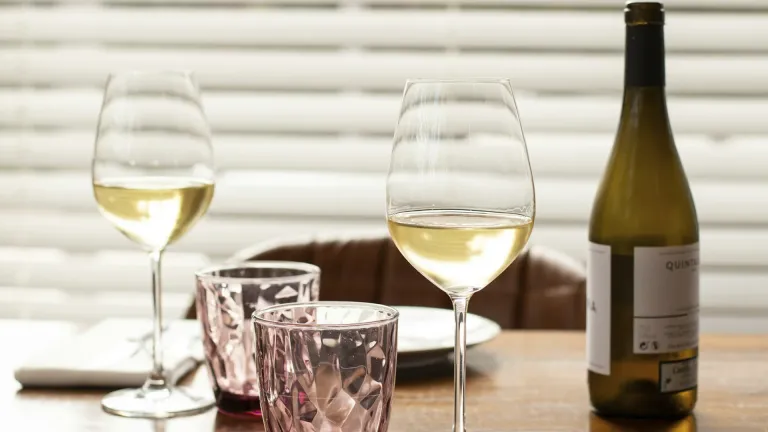
Chenin Blanc: an In-Depth Wine Profile
Discover Chenin Blanc wine. Explore its history, aroma and flavour, styles and food pairings with this in-depth wine profile from Vinerra!
Grenache: an In-Depth Wine Profile
Your complete guide to Grenache wine — bold flavours, top regions in Spain and France, best food pairings, and how it compares to Syrah.
Pinot Gris: In-Depth Wine Profile
Discover Pinot Gris wine. Explore its history, aroma and flavour, styles and food pairings with this in-depth wine profile from Vinerra!
Sauvignon Blanc: In-Depth Wine Profile
Discover Sauvignon Blanc wine. Explore its history, aroma and flavour, styles and food pairings with this in-depth wine profile from Vinerra!
Gewürztraminer: In-Depth Wine Profile
Discover Gewürztraminer wine. Explore its history, aroma and flavour, styles and food pairings with this in-depth wine profile from Vinerra!
Syrah: In-Depth Wine Profile
Everything about Syrah wine — from Rhône Valley origins to its bold, peppery profile, best food pairings, and how it differs from Shiraz.
Riesling: In-Depth Wine Profile
Discover Riesling wine. Explore its history, aroma and flavour, styles and food pairings with this in-depth wine profile from Vinerra!
Malbec: In-Depth Wine Profile
Discover Malbec wine. Explore its history, aroma and flavour, styles and food pairings with this in-depth wine profile!
Merlot: In-Depth Wine Profile
Discover Merlot wine. Explore its history, aroma and flavour, styles and food pairings with this in-depth wine profile from Vinerra!
Barolo: In-Depth Wine Profile
Discover the unique Barolo flavor profile, and delve into the rich history of this Italian gem in our in depth profile!
Pinot Noir: In-Depth Wine Profile
Discover Pinot Noir wine. Explore its history, aroma and flavour, styles and food pairings with this in-depth wine profile from Vinerra!
Marsala: In-Depth Wine Profile
Discover Marsala wine. Explore its history, aroma and flavour, styles and food pairings with this in-depth wine profile from Vinerra!
Chardonnay: In-Depth Wine Profile
Discover Chardonnay wine. Explore its history, aroma and flavour, styles and food pairings with this in-depth wine profile from Vinerra!
Cabernet Sauvignon: In-Depth Wine Profile
Discover Cabernet Sauvignon wine. Explore its history, aroma and flavour, styles and food pairings with this in-depth wine profile from Vinerra!
Are you interested in collaborating with us?
Get started