
Condado de Huelva DO
- Latitude
- 37°23′12″ N
- Longitude
- 6°33′11″ W
- Appellations
- 0
If you choose Rioja for safety or Ribera del Duero to splurge, you’re missing a hidden gem in Spanish wine: Condado de Huelva. More than just a region, it’s a story of resilience, rich heritage, and undervalued potential. Recognized as a protected designation of origin (DOP), Condado de Huelva boasts a unique identity rooted in traditional viticulture.
Nestled in southern Spain between the Atlantic Ocean and sprawling berry fields and bordering Portugal, this “garage band” of Andalusia punches well above its weight. While Sherry (Jerez) steals the spotlight, Condado de Huelva quietly preserves winemaking traditions dating back to the Phoenicians and Romans around 4000–3000 BC. Its Atlantic-influenced terroir and the native Zalema grape define the region’s distinctive wines.
This guide reveals why Condado de Huelva is the next must-know subzone for passionate wine lovers and savvy investors alike. Its wines even accompanied Christopher Columbus on his historic voyage to the Americas, underscoring their global legacy.
Overview of the Region
Condado de Huelva is the coastal flatland of Huelva province. It is not a monolithic vineyard; it is a survivor. The region operates in the shadow of the Sherry Triangle to the east but offers a distinct value proposition: the Zalema grape, the predominant variety in the region, which represents 86% of the total planted, and a unique proximity to the Doñana National Park.
- Zalema is resistant to phylloxera, which has allowed its expansion and consolidation in the region.
- Zalema is characterized by medium to large-sized grapes with a yellow-green colour and a medium-thick skin, making it well-suited to the region’s climate and winemaking traditions.
- The most common planting system for Zalema is low vines with a maximum density of 2,500 vines per hectare.
The vineyards in Condado de Huelva are located in a fertile environment, surrounded by olive trees and other crops. The area's climate and soil quality create ideal conditions for vine cultivation, supporting healthy grapevines and high-quality wine production. This is a region defined by its battle for identity: moving from bulk production to premium, estate-bottled distinctiveness.
Condado de Huelva, by the Numbers
This snapshot highlights the region’s modest vineyard surface, its small but focused number of wineries, and a warm, Atlantic-tempered climate that shapes both viticulture and wine style.
- Vineyard Surface: ~2,050 – 2,400 hectares, fluctuating due to berry crop pressure
- Number of Wineries: ~25 registered in the DO
- Altitude: Lowlands, average 25 meters (82 feet) above sea level
- Annual Precipitation: ~500mm – 700mm (19 – 27 inches)
- Growing Degree Days: High (Winkler Region IV equivalent), tempered by Atlantic winds
- Key Soil Type: Sandy, loose soils with limestone sub-layers (“Suelo Naranja”)
History of Condado de Huelva
- Medieval Beginnings (14th–15th Century): The first documented grape-growing in Condado de Huelva dates back to the 14th Century. By the 15th Century, the region had reached its peak in wine production, exporting prized wines, including Manzanilla, to England and beyond. This era cemented Condado de Huelva’s role in the global wine trade.
- The Age of Discovery (Late 15th–16th Century): In 1492, Christopher Columbus set sail from Palos de la Frontera with ships stocked not with Cabernet but with wines from Huelva. These wines accompanied his voyages, marking the region’s entry into transatlantic history. The first official shipment to the West Indies occurred in January 1502, showcasing the global reach of Condado de Huelva’s wines.
- British Influence and Fortification (17th–18th Century): Like Porto and Jerez, Huelva’s wine trade was shaped by English merchants who favoured wines that could endure long sea voyages. This led to a tradition of fortified wines in the region. However, the late 18th Century saw a decline in trade to the West Indies after the Casa de Contratación moved to Cádiz. Still, the arrival of wine families from La Rioja revitalized the region’s winemaking.
- Modern Era and Revival (19th Century–Present): The phylloxera plague struck at the end of the 19th Century, causing a significant downturn. Condado de Huelva was officially recognized as a Denomination of Origin (DO) in 1962, marking a turning point. In recent decades, the region has shifted focus from bulk production to quality and branding, notably protecting its unique “Vino Naranja” (Orange Wine) as a European geographic indication: a fortified wine macerated with bitter orange peels that defines the region’s distinctive character.
Today, Condado de Huelva stands as a testament to resilience, history, and innovation in Spanish winemaking.
- Vineyard hectares
- 2,200
- Wineries
- 25
- growing degree days
- 1800–2200 GDD
Discover Terroir
- The vineyards are essentially beach adjacent. They sit on the coastal plains near the Guadalquivir River delta.
Mediterranean with a massive Atlantic influence. The winters are mild (it rarely freezes), and the summers are scorchers, easily hitting 40°C (104°F). However, the Poniente wind blows cool, humid air off the ocean, acting as a natural regulator that preserves acidity in grapes that would otherwise turn into raisins. The climate in the Condado de Huelva is ideal for grape growing, with mild winters and springs and long hot summers. The average temperature in the Condado de Huelva is around 18°C, with a relative humidity of between 60% and 80%.
The soils here are known as "Suelos Naranja" (Orange Soils) due to their iron content. They are sandy and loose. Phylloxera hates sand, which helped this region survive the 19th-century plague longer than others. Additionally, the soils contain high lime and alluvial content, making them fertile for viticulture. The soils are generally neutral or slightly alkaline and of average fertility, providing an ideal environment for vine growth. The vineyards of Condado de Huelva are located at an average height of 25 m above sea level. The average annual rainfall in the Condado de Huelva is around 700 mm, which supports vine growth.
- Rain
 500-700 mm per year
- Altitude
 25 m
25 m
Discover
Grape Varieties of Condado de Huelva
Condado de Huelva is a monarchy ruled by Queen Zalema. However, to stay relevant in a global market, the DO has authorized a portfolio of international and native grapes. Some of them are Palomino Fino, Moscatel de Alejandria (part of the Muscat family), Sauvignon Blanc, Chardonnay, Verdejo, Syrah, Tempranillo, Merlot, Cabernet Sauvignon, and Franc.
- Zalema (White): The undisputed king of the region. High-yielding and heat-resistant, it produces crisp, saline, and herbaceous wines with notes of green apple. Zalema-based wines are typically straw yellow in colour, with fresh, fruity aromas and a lively, aromatic complexity. Young wines from Zalema are especially appreciated for their freshness and are well-suited for early drinking, pairing beautifully with seafood.
- Palomino Fino (White): The classic Sherry grape. It is neutral with low acidity, making it the ideal blank canvas for fortification and biological aging.
- Listán de Huelva (White): Distinct from Palomino, this variety adds body and volume to blends, contributing to the “heft” of traditional wines.
- Garrido Fino (White): A rare, rustic local variety often destined for vinegar production or bulk wine due to its coarser profile.
- Moscatel de Alejandría (White): Highly aromatic and floral, it is primarily used to produce sweet wines that capture the intense Andalusian sun.
- Pedro Ximénez (White): The sugar bomb of the region. Used almost exclusively for blending, sweetening, and creating dark, viscous dessert wines.
- Moscatel de Grano Menudo (White): Also known as Muscat Blanc à Petits Grains, it offers refined aromatics and elegance compared to the rusticity of Alexandria.
- Colombard (White): A French import that maintains high acidity even in intense heat, used to add “nervousness” and freshness to blends.
- Sauvignon Blanc (White): Brings international flair, with high acidity and an aromatic punch (citrus, grass), to modernize white blends.
- Chardonnay (White): Used to add weight, texture, and the potential for oak aging to the region’s white wines.
- Verdejo (White): Popular Spanish variety introduced to add aromatic complexity, fennel notes, and stone fruit character.
- Syrah (Red): Thrives in the Huelva heat; produces jammy, spicy wines with deep colour and soft tannins. Also used, along with Tempranillo, Cabernet Sauvignon, Cabernet Franc, and Merlot, in the production of rosé wines that showcase fresh, fruity aromas and vibrant colour.
- Tempranillo (Red): Spain’s noble grape; here it ripens early and produces warm, fruit-forward reds with moderate structure.
- Merlot (Red): Used primarily as a blending partner to soften the edges of more tannic varieties and add plush fruitiness.
- Cabernet Sauvignon (Red): Adds structure, tannins, and aging potential, helping the region produce reds with longevity.
- Cabernet Franc (Red): A rarer find that provides aromatic lift (violet, raspberry) and herbal complexity to red blends.
Wine Styles of Condado de Huelva
The region is schizophrenic in the best way possible.
- It produces fresh, drink-now whites for the seafood shacks on the coast, and oxidatively aged fortified wines that rival top Sherries.
- Additionally, Condado de Huelva produces a wide range of white, red, rosé, sweet, and fortified wines, showcasing its versatility and ability to cater to diverse palates.
- The fortified wines of Condado de Huelva are similar to the famous fino and amontillado wines of Jerez and also share a regional heritage with manzanilla, offering comparable depth and complexity.
- These dry, fortified wines require at least 2 years of aging, adding to their depth and character. The origin shapes the unique characteristics of these wines, where the Atlantic climate and native Zalema grape impart distinctive freshness and aromatic profiles.
- Condado de Huelva (Joven): Fresh, dry young white wines, mostly from Zalema. Harvested early to keep acidity, they are noted for vibrant fruity aromas, saline notes, apple character, and herbal freshness. Key market: the “Pinot Grigio” alternative for smart buyers.
- Condado Pálido: Biologically aged under flor (yeast layer), similar to Fino sherry but often lighter. It shares aromatic qualities with manzanilla from the region. Key market: Traditionalists and tapas bars.
- Condado Viejo: Oxidatively aged (no yeast), with amber colour, nutty aromas, and complex structure, similar to Oloroso. Key market: After-dinner sipping and cigar smokers.
- Vino Naranja (The USP): The Unique Selling Proposition of the region. A white wine aromatized with macerated orange peels in the alcohol, then aged in a solera system for years. It is NOT skin-contact white wine; it is a flavoured fortified wine. Key market: Dessert wine lovers and cocktail mixology.
- Generosos de Licor: Sweet fortified wines (Pale Dry, Medium, Cream, Pedro Ximénez). Key market: the “Sticky” market.
- Vinos Tintos: Still red wines, usually fruit-forward, warm, and approachable, with expressive fruity aromas. Not the region’s main fame, but growing. Key market: Local consumption.
Interestingly, it is the only Andalusian region producing sparkling wine under its Denomination of Origin, further diversifying its offerings and appeal. The Condado de Huelva DO is a historic Spanish wine region in Andalusia known for its unique white wines, fortified styles, sparkling wines, and a range of young wines ideal for early consumption.
Best Food Pairings
If it grows together, it goes together. Some of the best pairings for Condado de Huelva wines are:
- Gambas Blancas de Huelva: These white prawns are the region’s culinary crown jewel. Boiled in seawater and served cold. The salinity matches the Zalema perfectly, and young wines from the Condado de Huelva subzone, with their freshness, are especially ideal for pairing with seafood.
- Jamón de Jabugo: Huelva is home to Jabugo (DO Jamón), arguably the world's best ham. The nutty fat of the ham cuts through the acidity of a Condado Pálido or the sweetness of a Vino Naranja.
- Chocos con Habas: Cuttlefish stewed with broad beans. A peasant dish that demands a rustic, structured white wine.
- Habas con Poleo: Broad beans cooked with pennyroyal mint, garlic, and bacon. A flavour bomb that needs a young red or a heavy white.
- Mojama de Atún: Salt-cured tuna loin. Known as the “ham of the sea.” Needs a fortified wine to stand up to the intense saltiness.
Wine Tourism
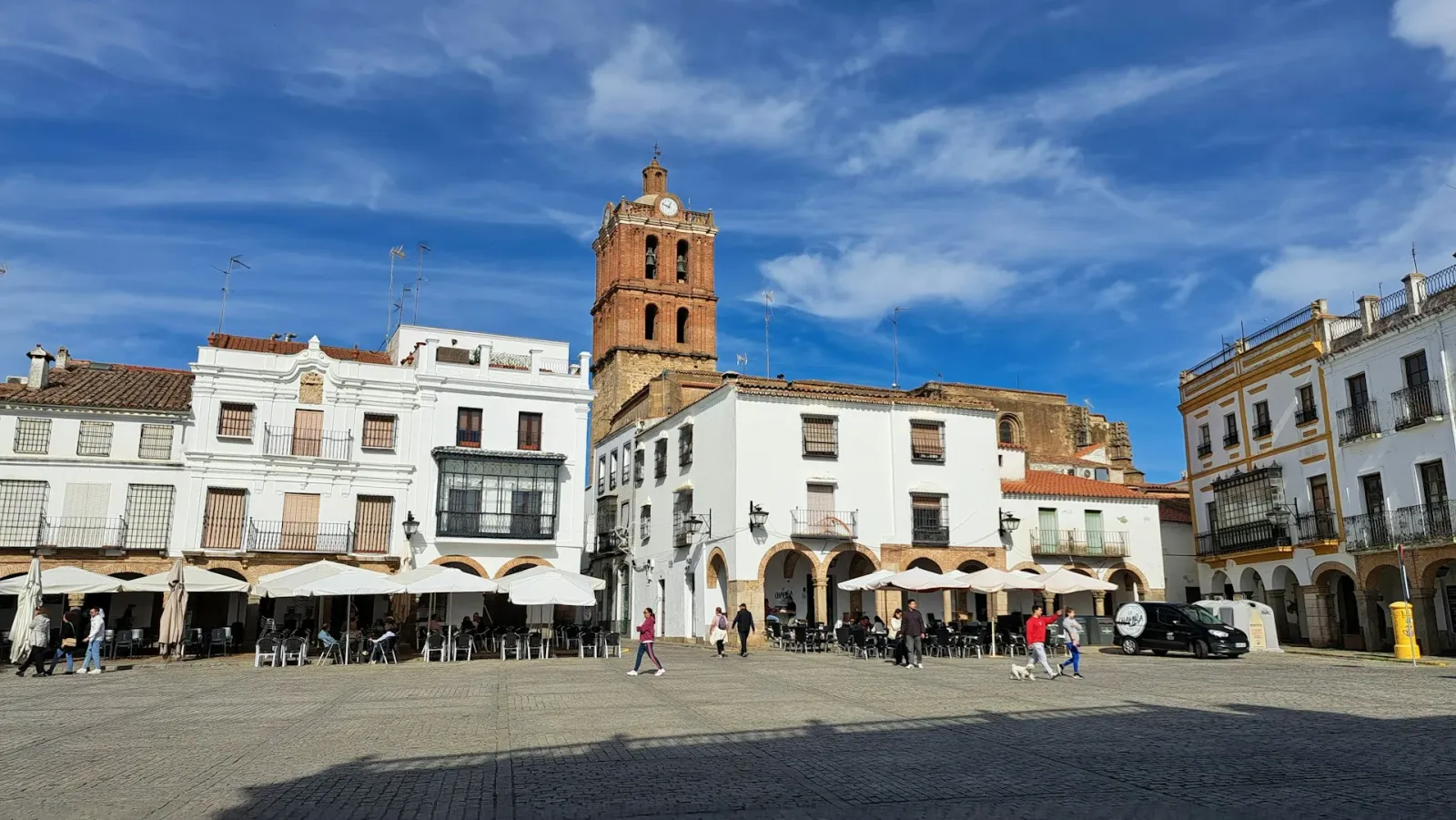
Wine tourism in Condado de Huelva is raw and authentic, offering a true taste of the region's culture. You won’t find the polished, corporate Disneyland experience of Napa Valley. You will find dusty roads, whitewashed buildings, and owners who actually pour the wine. The municipalities of Almonte, Beas, Bollullos Par del Condado, and others offer unique wine tasting experiences, each adding a local flavour to the region’s charm and highlighting the historical significance of Condado de Huelva as a protected designation of origin (DOP).
- The Experience: Most visits involve touring “Cathedral”-style bodegas: high-ceilinged spaces designed to keep temperatures down before electricity existed. The landscape is ideal for vine growing, with the region’s climate and soils providing excellent conditions for cultivating grapevines and producing quality wines.
- Accessibility: The region is easily accessible from Seville (45 mins) or Huelva city.
- The Vibe: It feels like discovering a secret. Reservations are often casual, and the tours' price-to-value ratio is incredibly high.
Best Wineries within the Condado de Huelva Subzone
The Condado de Huelva subzone features five key producers that embody the region’s rich viticultural heritage and evolving spirit: Bodegas Iglesias, Bodegas Andrade, Bodegas Oliveros, Bodegas Privilegio del Condado, and Bodegas Sauci.
- Bodegas Iglesias: Founded in 1935, this winery is known for its rare underground cellars and historic charm. Their iconic Par Vino Naranja and exceptional Olorosos highlight tradition preserved in every bottle.
- Bodegas Andrade: Dating back to the 19th Century, Andrade champions patience and heritage, especially through their Vino Naranja Reserva with soleras decades old: a true liquid marmalade and history in a glass.
- Bodegas Oliveros: Innovators blending tradition with trend, they dominate the Vermouth market with their Reserva Oliveros, macerated with nearly 30 herbs for a complex, bold flavour.
- Bodegas Privilegio del Condado: The region’s powerhouse cooperative, controlling a large grape share and investing in modern winemaking technology. Their flagship Mioro sets the standard for commercial Zalema wines, widely available in supermarkets.
- Bodegas Sauci: Led by sisters Begoña and Montserrat, this female-driven winery disrupts the male-dominated scene with stylish branding and a refined take on traditional Orange Wine, exemplified by their sleek S’ Naranja.
These wineries showcase the unique personality of Condado de Huelva, a protected designation of origin (DOP) that spans 18 municipalities and is divided into the Condado Countryside and Condado Seaside zones.
Map and Guide to Condado de Huelva
Exploring the Condado de Huelva wine subzone is a journey through one of Spain’s most authentic wine regions. Nestled in the south-east of Huelva province, where the Atlantic meets rolling countryside near Doñana National Park, this area boasts a rich blend of biodiversity and winemaking tradition.
The vineyards stretch from sandy coastal plains to gentle inland hills, anchored by historic towns like La Palma del Condado, Bollullos Par del Condado, Rociana del Condado, and San Juan del Puerto. Each town offers a unique glimpse into local wine culture, from lively bodegas to family-run cellars. Nearby Lucena del Puerto, Villalba del Alcor, and the ancient town of Niebla add depth with their viticultural heritage and historic charm.
Accessible from Huelva city or Seville, the best way to explore is by car. Winding through seaside vineyards, olive groves, and strawberry fields, all under the watchful influence of the Doñana National Park, a UNESCO World Heritage site. Whether following the “Ruta del Vino” or wandering on a whim, Condado de Huelva invites you to discover a captivating blend of nature, culture, and exceptional wines.
Environment and Sustainability
This is where the story gets provocative.
Huelva is ground zero for a European environmental conflict. The region produces 90% of Spain's strawberries and red berries (the "Red Gold"). These berries are thirsty. They are often grown in plastic tunnels that scar the landscape and, more critically, suck the aquifer dry. The same aquifer that sustains the Doñana National Park, a UNESCO World Heritage wetland.
The Wine Industry as the "Good Guy":
In this narrative, the vineyards are the environmental heroes.
- Dry Farming: Most traditional vineyards in Condado de Huelva are dry-farmed or use minimal drip irrigation. Their roots go deep. They do not rape the aquifer as the strawberry fields do.
- Biodiversity: Unlike the plastic monocolor of the berry greenhouses, vineyards provide open space, firebreaks, and habitats for migratory birds moving to and from Doñana.
- Sustainability: Buying Condado de Huelva wine is effectively a vote against the plastic-tunnel industrial complex. It supports a crop that is historically adapted to the climate and doesn't require destroying a wetland to exist.


Are you interested in collaborating with us?
Get started