
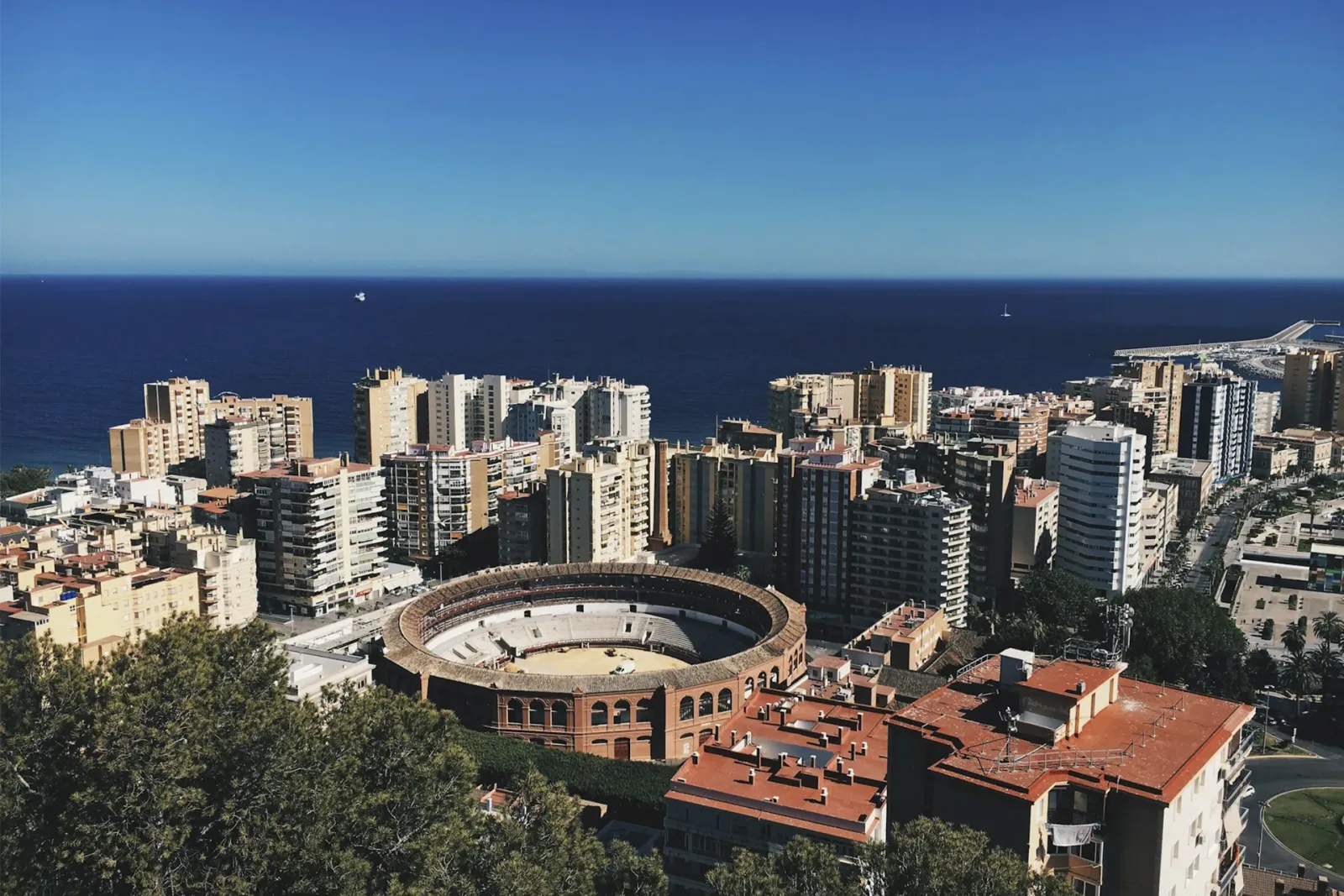
Málaga DO
- Latitude
- 36°43′10″ N
- Longitude
- 4°25′12″ W
- Appellations
- 5
Think of Málaga wine and you might picture some dusty, forgotten bottle in your grandmother’s liquor cabinet. Wrong. Malaga, located in southern Spain, is the largest wine-producing area in Andalucía and boasts a rich historical significance. This region sits on the historic Iberian Peninsula. A crossroads of civilizations where viticulture has flourished for millennia. The peninsula’s diverse climates and rich history, from the Phoenicians and Romans to the Moors and modern vintners, have deeply influenced Málaga’s unique winemaking heritage.
The first documented evidence of wine production in the region dates back to Roman-era records from the 3rd century B.C., underscoring Málaga's long-standing wine tradition. Today, the region is pulling off one of wine’s great comebacks. A phoenix story involving 3,000-year-old grape DNA, vertiginous vineyards that would make a mountain goat nervous, and winemakers crazy enough to use mules instead of tractors.
Here’s what makes the Malaga wine region fascinating: it’s not trying to be the next Rioja. Instead, it’s doubling down on what makes it weird: indigenous grapes you’ve never heard of, sweet wines that pair with chocolate better than any Napa Cab, and a landscape so extreme that UNESCO designated part of it as agricultural heritage. The Malaga wine region is a prominent wine-producing area with a rich heritage, and Málaga is also one of Spain's major tourist destinations, attracting visitors with its wine routes and cultural attractions. Let’s unpack why this matters.
Overview
Málaga wine is divided into two official denominations: DO Málaga, known for its traditional sweet and fortified wines, and DO Sierras de Málaga, which focuses on modern, lighter, and drier still reds, whites, and rosés. These denominación de origen certifications ensure quality, origin, and strict production standards.
Established in 1932, D.O. Málaga regulates sweet wine production, while D.O. Sierras de Málaga covers non-fortified wines with alcohol levels between 10% and 15.5% and sugar content below 12 g/l. Both are governed by a regulatory council that oversees vineyards and enforces appellation rules. Together, they encompass a compact yet diverse landscape from sea level on the Costa del Sol up to nearly 900 meters in the Serranía de Ronda.
Málaga wines follow a distinctive aging classification:
- Málaga Pálido: up to 6 months
- Málaga: 6 to 24 months
- Málaga Noble: 2 to 3 years
- Málaga Añejo: 3 to 5 years
- Málaga Trasañejo: over 5 years
Aging deepens the wines’ flavours and darkens their colour from golden to rich amber.
The region is divided into five key subzones, each with unique terroir shaping Málaga’s wine diversity:
- Axarquía: Eastern steep slopes with two-thirds of vineyards, mainly Moscatel, harvested by hand and mule due to extreme terrain.
- Serranía de Ronda: High-altitude northwest area producing serious still reds and notable Pinot Noir.
- Norte: Calcareous plateau around Antequera, home to the rare Doradilla grape.
- Costa Occidental: Rocky coastal pockets near Manilva.
- Montes de Málaga: Hills surrounding Málaga city with slate soils.
This blend of Mediterranean, subtropical, and continental climates across varied terrains creates Málaga’s remarkable range of wine styles, making the Málaga wine region a standout in southern Spain’s viticultural landscape.
Málaga, by the Numbers
At a glance, Málaga’s wine region is defined by dramatic vineyard losses, extreme viticulture, and a remarkable geographic range. Today’s 3,800 hectares of vineyards, altitudes reaching beyond 900 meters, and some of Spain’s steepest vineyard slopes tell a story of collapse, survival, and revival.
Vineyard Area
- 3,800 hectares (9,390 acres)
- Reduced from 112,000 hectares (276,800 acres) in 1878 due to the phylloxera outbreak
Number of Wineries
- Approximately 56 bodegas
- 16 operate under the DO regulation; 24 are located in Ronda alone
Altitude Range
- From sea level to over 900 meters
- Ronda vineyards reach up to 750 meters; some heroic sites exceed 1,000 meters
Annual Precipitation
- 375–485 mm (14.8–19.1 inches)
- Axarquía region experiences some of the lowest rainfall levels in Spain
Average Temperature
- Around 17°C (62.6°F)
- Coastal areas average 15.6°C, with continental climate extremes inland
Vineyard Slopes (Axarquía)
- 45° to 70° steepness
- Terrain is too steep for mechanization, requiring manual labour, including mule-assisted harvesting
Old wines from early 20th-century Málaga wineries are now considered rare collectibles, valued for their historical significance, provenance, and unique tasting notes that showcase the region's rich vinicultural heritage.
History of the Region
- The Ancient Beginnings: Viticulture in Málaga traces back to around 1000 BC when the Phoenicians introduced Moscatel de Alejandría cuttings from Alexandria, Egypt. This grape, one of the world’s oldest ungrafted varieties still in use, connects us directly to the era of Cleopatra. Málaga’s winemaking heritage spans over 3,000 years, with early evidence from the Roman period confirming a well-established tradition. The Romans formalized wine production, setting the foundation for centuries to come.
- Medieval to Early Modern Era: Despite Islamic prohibitions on alcohol, the Moors maintained vineyards primarily for table grapes and raisins. Following the Christian reconquest, the hermandad de viñeros, a vintners’ fraternity, emerged to regulate and preserve Málaga’s winemaking traditions. By the 18th and 19th centuries, Málaga wines, known as “Mountain Wine” in England, enjoyed international acclaim, rivalling prestigious labels like Château d’Yquem. Málaga’s historical significance in the wine world during this era can be compared to that of La Rioja, another iconic Spanish region renowned for its unique grape varieties, such as Tempranillo Blanco, and its deep-rooted wine heritage. Both regions have played pivotal roles in shaping Spain’s wine identity and cultural legacy. Pedro Ximénez wines, prized for their deep colour and rich dried-fruit flavours, became signature sweet wines celebrated for their complexity, with notes of caramel, coffee, and nuts.
- The Phylloxera Crisis and Decline: The phylloxera plague struck in 1878, devastating vineyards such as La Indiana and spreading rapidly through Málaga’s steep, interconnected terraces. This catastrophe, compounded by the Spanish Civil War, nearly wiped out Málaga’s wine industry by the mid-20th century. During this period, sugar cane cultivation also flourished locally, contributing to the production of spirits and sweet wines under influential families like the Larios.
- The Modern Renaissance: Málaga’s wine revival began in the early 2000s with visionary figures like Jorge Ordóñez, a native who partnered with Austrian winemaker Alois Kracher. Their groundbreaking dry Moscatel, Botani, challenged expectations of Málaga’s style. In 2012, their sweet wine Victoria Nº2 gained international prestige when it was served at the Nobel Prize dinner. The first Spanish wine to receive such an honour. This renaissance embodies Málaga’s spirit: a region reborn through resilience, innovation, and a deep connection to its storied past.
- Vineyard hectares
- 3,800
- Wineries
- 56
- growing degree days
- 1700-2100 GDD
Discover Terroir
Málaga sits at Andalucía’s southern edge, bordered by the Mediterranean Sea to the south, Granada to the east, Córdoba to the north, and Seville to the west. The Málaga wine region is renowned for its diverse terroir, shaped by its varied geography and proximity to both mountains and sea.
The Málaga DO spans a range of climates: from Mediterranean coastlines to the subtropical Axarquía and the continental highlands of the Serrania de Ronda. Summers are hot, winters mild, with low rainfall (375–450mm in Axarquía). The sea and Serranía de Ronda’s rain shadow create unique microclimates. In the serrania de Ronda subregion, cold winters and wide temperature swings help grapes retain acidity and develop complex flavours, shaping the distinct character of Málaga wines.
Málaga’s soils are as diverse as its climate: decomposed slate and quartz in Axarquía and Los Montes; iron-rich calcareous clays in Norte; rocky coastal soils in Costa Occidental; and clay-limestone in high-altitude Ronda. These varied soils influence the intense flavours of Moscatel and rare Romé wines. Traditional techniques like adding arrope, a boiled grape must, darken and sweeten the wines, while sun-drying grapes (asoleo)concentrates their sugars, resulting in the signature rich flavours found in Malaga wines.
- Rain
 375–485 mm
- Altitude
 Up to 900 m
Discover
Grape Varieties
Málaga’s grape portfolio splits between ancient local varieties, such as Lairén and Doradilla, and modern international varieties, such as Moscatel de Alejandría (part of the Muscat family). Málaga wines are predominantly made from white grapes, especially the white varieties Pedro Ximénez and Moscatel, which are often sun-dried to concentrate sugars before pressing. Pedro Ximénez grapes play a crucial role in producing Málaga’s renowned sweet, fortified dessert wines, contributing to their high sugar content and rich, complex flavours. Despite the dark colour of many Málaga wines, they are typically produced from white grapes due to traditional production methods, such as asoleo and the use of arrope. The region also produces red wines using authorized red grape varieties, including Romé, Syrah, Cabernet Sauvignon, Merlot, Tempranillo, and Cabernet Franc.
Moscatel de Alejandría
- Color: White
- Origin: Ancient Egypt / Phoenician
- Key Characteristics: Brought ~1000 BC; high sugar, aromatic, floral; table & wine grape; earliest Spanish harvest (late August)
Pedro Ximénez (PX)
- Color: White
- Origin: Possibly Germany (disputed)
- Key Characteristics: Extremely high sugar when sun-dried; basis of darkest, sweetest Málaga wines; oxidative aging adds coffee, chocolate notes; one of the main white varieties PedrXiménezez used in Málaga
Moscatel Morisco (Moscatel de Grano Menudo)
- Color: White
- Origin: Mediterranean
- Key Characteristics: Small-berried Muscat variant; less common than Alejandría
Doradilla
- Color: White
- Origin: Málaga indigenous
- Key Characteristics: Unique to the Norte subzone; saline, mineral character; very rare; grown on flat calcareous soils
Lairén (Airén)
- Color: White
- Origin: Central Spain
- Key Characteristics: Workhorse variety; neutral; used for volume production and blending; Spain’s most planted grape by area
Romé
- Color: Red
- Origin: Málaga indigenous
- Key Characteristics: Only found in Axarquía (Moclinejo, Sedella) and recently Ronda; grapes show three colours before veraison; 125-year-old vines; survived phylloxera; only 15,000 bottles annually; extraordinary rarity
Syrah, Cabernet Sauvignon, Merlot, Tempranillo, Cabernet Franc
- Color: Red
- Origin: International / Spain
- Key Characteristics: Authorized red grape varieties for Málaga DO red wines; used in blends and varietal red wine production
Something to keep in mind is that the addition of arrope, a boiled grape must, can affect the colour and flavour of Málaga wines, making them darker and sweeter. Also, the sun-drying method, called asoleo, is used to concentrate sugars in grapes, resulting in rich flavours in Málaga wines. The region produces a range of wine styles, including white wine and red wines, using both local and international grape varieties.
Wine Styles of Málaga
Málaga’s stylistic range runs from desert-dry whites to Port-like viscosity. In recent years, there has been a resurgence of dessert wines in Málaga, especially late-harvest and sweet styles such as Moscatel and Pedro Ximénez, which are historically significant to the region. Let’s break it down: Málaga’s rosé wines, though less common, are known for their freshness and fruity flavour profiles. Dry Moscatel varietals like Ariyanas Seco Sobre Lías Finas capture intense floral aromas with a crisp finish.
Naturally Sweet (Vino Naturalmente Dulce)
- ABV: 13%+
- Sugar (g/L): 300+ g/L in must
- Production Method: Overripe grapes; no fortification; all alcohol from the fermentation process
- Aging: Optional
- Colour/Notes: Amber to dark; intense grape concentration
Liqueur Wine (Vino de Licor)
- ABV: 15–22%
- Sugar (g/L): Variable
- Production Method: Fortified with grape spirit; fermentation arrested
- Aging: Mandatory for most
- Colour/Notes: Wide range depending on sugar/arrope addition; includes categories like pale cream, pale dry, rojo dorado, and rot gold
Lágrima
- ABV: Varies
- Sugar (g/L): High
- Production Method: Free-run juice from sun-dried PX; no pressing
- Aging: Variable
- Colour/Notes: Rare, expensive, ultimate expression
Dry (Seco)
- ABV: 15%+
- Sugar (g/L): < 45
- Production Method: Fully fermented before fortification
- Aging: Optional
- Colour/Notes: Pale yellow to gold; oxidative character; includes pale dry style (less than 45 g/L sugar, light and delicate)
Semi-Dry (Semiseco)
- ABV: Varies
- Sugar (g/L): 12–45
- Production Method: Partial sugar retention
- Aging: Optional
- Colour/Notes: Transitional style; less common
Semi-Sweet (Semidulce)
- ABV: Varies
- Sugar (g/L): 45–140
- Production Method: Moderate residual sugar
- Aging: Optional to mandatory
- Colour/Notes: Balanced sweetness; versatile pairing wine
Sweet (Dulce)
- ABV: Varies
- Sugar (g/L): 140+
- Production Method: High residual sugar; often arrope addition
- Aging: Mandatory
- Colour/Notes: Amber to black depending on arrope percentage; includes pale cream (sweet, light-colored) and specific liqueur wine categories like rojo dorado (about 5% arrope, reddish-golden colour) and rot gold (high arrope, golden to reddish hue)
Moscatel wines can be sweet, honeyed, and floral or modern dry styles bursting with citrus and blossoms. Dry white wines from Málaga typically feature vibrant acidity and citrus and tropical fruit profiles. White wines from Málaga can be made from Moscatel,(part of the Muscat family), Chardonnay, or Sauvignon Blanc, resulting in fresh and fruity profiles with vibrant acidity. Red blends from Málaga often include varieties such as Syrah, Tempranillo, and Cabernet Sauvignon, showcasing a full-bodied Mediterranean character.
The fermentation process for naturally sweet wines is crucial, as all alcohol in these wines comes exclusively from fermentation, with no fortification involved. The final wine is a reflection of the combined influence of ingredients, winemaking techniques, and the unique regional characteristics of Málaga, resulting in a product that expresses the diversity and heritage of local wines. D.O. Málaga places a strong emphasis on traditional wines, especially fortified and sweet varieties, which are central to the region’s identity.
Food Pairings
Málaga wines punch above their weight in food versatility. Some of the best pairings to try are sweet wines with dark chocolate desserts, blue cheese, foie gras or traditional banderillas, and dry Moscatel with seafood, soft cheeses, or jamón ibérico. Gazpachuelo, a traditional soup from Málaga, also pairs well with Málaga wine. Málaga wines are often paired with rich desserts, particularly chocolate desserts. Arroz con pollo is a traditional Spanish dish that pairs well with Málaga wine. Andalucian cooking is characterized by the use of olive oil, garlic, onions, tomatoes, and peppers, which can complement Málaga wines.
Sweet wines (Pedro Ximénez, Moscatel Dulce)
- Dish / Food Pairing: Dark chocolate desserts
- Why It Works: The bitterness and high cacao content balance the wines' intense sweetness and coffee-fig notes.
Sweet wines (Pedro Ximénez, Moscatel Dulce)
- Dish / Food Pairing: Blue cheeses (Stilton, Roquefort, Cabrales)
- Why It Works: The saltiness contrasts with the wine’s richness, enhancing both the cheese’s power and the wine’s complexity.
Sweet wines (Pedro Ximénez, Moscatel Dulce)
- Dish / Food Pairing: Foie gras
- Why It Works: The fatty texture is cut and lifted by the acidity and sugar of PedrXiménezez wines.
Dry Moscatel & white Sierras de Málaga wines
- Dish / Food Pairing: Seafood (grilled fish, oysters, shrimp)
- Why It Works: The salinity and acidity mirror the brininess of shellfish, refreshing the palate.
Dry Moscatel & white Sierras de Málaga wines
- Dish / Food Pairing: Soft cheeses (goat cheese, mozzarella, mild Manchego)
- Why It Works: The gentle structure complements delicate, creamy textures.
Traditional Andalusian pairings
- Dish / Food Pairing: Banderillas with sweet Moscatel
- Why It Works: The vinegar and salt provide a sharp contrast to the wine’s sweetness, creating a balanced regional pairing.
Traditional Andalusian pairings
- Dish / Food Pairing: Jamón Ibérico with dry Málaga or Sherry-style wines
- Why It Works: The nutty, savoury flavours of the ham mirror the wines' oxidative and nutty notes.
Don't relegate sweet Málaga wines to dessert. They're aperitif wines with salty snacks, pairing options with spicy Asian cuisine (the sweetness tames chilli heat), and cheese course showstoppers.
Wine Production
Wine production in the Málaga wine region is a blend of ancient tradition and modern ingenuity, shaped by the region’s dramatic landscapes and diverse microclimates. Here, the process is as much about respecting the land as it is about crafting exceptional wines: whether you’re talking about the sun-drenched sweet wines of the coast or the elegant reds from the Sierras de Málaga.
The journey begins in the vineyard, where overripe grapes, primarily Moscatel de Alejandría and Pedro Ximénez, are often hand-harvested on vertiginous slopes. In the Axarquía and Montes de Málaga, mules are still used to transport grape boxes, a testament to the terrain’s steepness and the commitment to traditional methods. Grapes destined for Málaga’s signature sweet wines are typically laid out on esparto grass mats to sun-dry (asoleo), concentrating their sugars and flavours before pressing. This labour-intensive process is crucial for producing the region’s naturally sweet wines and sweet liqueur wines, which are renowned for their high sugar content and complex aromatics.
The fermentation process varies depending on the desired wine style. For naturally sweet wines, fermentation is often stopped early to preserve significant residual sugar, resulting in luscious dessert wines with intense fruit and floral notes. In contrast, dry wines, especially those from the Sierras de Málaga, are fully fermented, showcasing the freshness and minerality of the region’s white grapes, such as Sauvignon Blanc and Chardonnay, as well as red varieties, such as Cabernet Sauvignon and Syrah.
Fortified wines, another Málaga specialty, are crafted by adding grape spirit to arrest fermentation, locking in sweetness and boosting alcohol levels. The use of arrope (boiled grape must) is a traditional technique that deepens colour and adds caramelized flavours, especially in old wines and Málaga Trasañejo styles.
Modern wineries in the Sierras de Málaga are embracing innovative techniques, including temperature-controlled fermentation and careful oak aging, to produce vibrant rosé wines, structured reds, and crisp white wines. The final wine is always a reflection of the region’s unique terroir, the meticulous care of its producers, and a winemaking heritage that balances the old with the new.
Wine Tourism
Málaga is one of Spain’s most accessible serious wine regions. Just a 40-minute drive from the Costa del Sol. Yet it retains a charming rural character, with mules still playing a vital role in vineyard work. While Málaga city has blossomed into a vibrant cultural hub attracting visitors from across Europe, wine tourism here is still catching up to other attractions.
In the Axarquía subregion, Bodegas Bentomiz offers visitors the chance to explore slate-grown old-vine Moscatel vineyards, enjoy guided tours, and dine at a gourmet restaurant boasting stunning Mediterranean views. Nearby, Bodegas Jorge Ordóñez invites guests to experience steep 70-degree vineyard slopes, witness mule-assisted harvests, and taste their acclaimed Botani dry Moscatel alongside traditional sweet wines. The Sun and Wine Route weaves through picturesque whitewashed villages, Algarrobo, Sayalonga, Cómpeta, Torrox, Nerja, and Frigiliana, each home to family-run cellars offering authentic local experiences.
Around Ronda, Cortijo Los Aguilares blends organic, high-altitude vineyards with Pinot Noir tastings and scenic vineyard picnics, while Descalzos Viejos transforms a 16th-century convent perched above the Tajo gorge into a unique destination combining art and wine. In Málaga city, historic spots like Antigua Casa de Guardia (established 1840) and Los Patios de Beatas serve local Málaga wine styles alongside classic tapas, creating an immersive cultural and culinary experience.
For the best wine tourism experience, it’s advisable to book tours in advance, rent a car or hire a driver, and combine tastings with outdoor activities such as hiking the Caminito del Rey or exploring the El Torcal natural park. Beach visits and wandering through charming nearby pueblos add to the rich itinerary. Ronda is particularly recommended as both a starting point and a destination for memorable wine tours in the Málaga region.
Environment & Sustainability
Málaga’s extreme geography makes low-intervention farming a necessity, not just a trend. Vineyards cling to slate slopes nearing 70 degrees, where tractors can’t reach. Pruning, canopy management, and harvest are all done by hand, often while roped in. In Axarquía, mules still carry grape boxes down steep hillsides to prevent erosion and landslides.
Most vineyards rely on dry farming, with deep-rooted vines tapping scarce groundwater. Especially crucial in Axarquía, one of Spain’s driest regions, where climate change intensifies water scarcity. Old Moscatel vines, some 80–125 years old, yield small but balanced crops with thick skins and natural disease resistance, traits rare in younger, high-yield plants.
Certified organic and natural producers here aren’t rebels. They’re formalizing what the land demands. Some farms operate without electricity or added sulphites, while others integrate vineyards within holm oak forests to preserve biodiversity and create natural firebreaks.
UNESCO’s recognition of Axarquía’s traditional raisin system highlights the deeper significance: these vineyards are living cultural landscapes. Their “backwardness” in mechanization is actually their strength because you can’t fake 125-year-old vines on perilous slopes, harvested by mules and human hands rather than machines.
Frequently Asked Questions
Q: What makes Málaga wines unique compared to other Spanish wine regions?
A: Málaga wines stand out for their diversity, ranging from luscious, sweet and fortified wines to crisp whites and robust reds. The region’s extreme terroir, ancient grape varieties like Moscatel de Alejandría and Pedro Ximénez, and traditional sun-drying methods create flavours and styles you won’t find anywhere else in Spain.
Q: Are all Málaga wines sweet?
A: No! While Málaga is famous for its sweet wines and dessert wines, especially those made from overripe or sun-dried grapes, the Sierras de Málaga DO produces excellent dry wines, including white, rosé, and red wines from both local and international grape varieties.
Q: What is the difference between DO Málaga and DO Sierras de Málaga?
A: DO Málaga focuses on traditional sweet and fortified wines, often made from Moscatel and PedrXiménezez grapes. DO Sierras de Málaga covers modern, non-fortified wines. Think dry whites, reds, and rosés crafted from a broader range of grape varieties and reflecting the region’s evolving wine production.
Q: Which grape varieties are most important in the Málaga wine region?
A: The stars are Moscatel de Alejandría and PedrXiménezez for sweet and fortified wines. For dry and red wines, you’ll find Sauvignon Blanc, Chardonnay, Syrah, Cabernet Sauvignon, Tempranillo, Petit Verdot, and even Pinot Noir, especially in the de Ronda subregion.
Q: Can I visit wineries in Málaga and the de Ronda region?
A: Absolutely! Wine tourism is growing, with many wineries offering tours, tastings, and food pairings. The de Ronda region is particularly scenic, with high-altitude vineyards and a mix of traditional and modern wineries. Booking ahead is recommended, especially during peak travel seasons.
Q: What foods pair best with Málaga wines?
A: Sweet Málaga wines are perfect with chocolate desserts, blue cheese, and foie gras, while dry whites and rosés shine with seafood, soft cheeses, and traditional Andalusian dishes. Don’t be afraid to experiment. These local wines are versatile and food-friendly.
Q: How are Málaga’s naturally sweet wines made?
A: Naturally sweet wines are crafted from overripe or sun-dried grapes, with fermentation stopped early to retain a high sugar content. No fortification is used, and the result is a rich, aromatic wine that showcases the pure flavours of the grape and the region’s unique terroir.
Q: Is Málaga wine similar to Sherry or Port?
A: While Málaga shares some production techniques with Sherry and Port, like fortification and oxidative aging, its wines are distinct, often sweeter and more aromatic, with a focus on Moscatel and PedrXiménezez grapes. The use of arrope and sun-drying also sets Málaga apart.
Q: What is the best way to experience Málaga wines?
A: Start with a tasting flight at a local bodega in Málaga city or the de Ronda region, pairing sweet and dry styles with regional cuisine. Explore the Sun and Wine Route, visit historic wine bars, and don’t miss the chance to try old wines or Málaga Trasañejo for a taste of the region’s heritage.


Are you interested in collaborating with us?
Get started