
La Palma DO
- Latitude
- 28°39′18″ N
- Longitude
- 17°51′21″ W
- Appellations
- 0
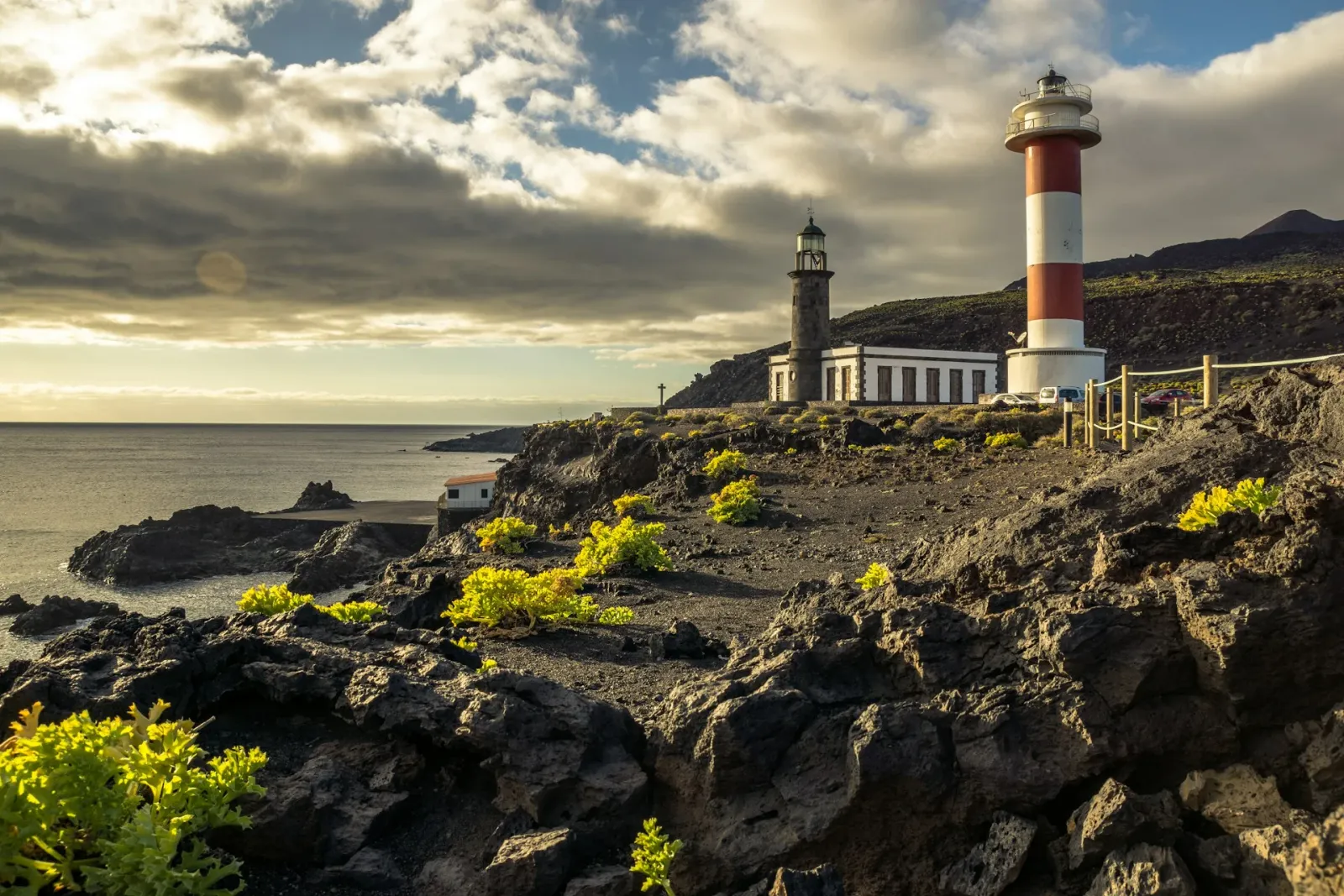
Most wine regions sell romance: rolling hills, golden sunsets, gentle breezes. La Palma offers survival. Here, vines cling to active volcanoes (see: 2021 eruption), rooted in a rugged volcanic battleground. This is the La Palma wine subregion: a Denominación de Origen Protegida (DOP) in the Canary Islands, part of the Spanish archipelago renowned for its historical role as a centre for cultivating and developing unique grape varieties, especially Malvasía and its related types.
The archipelago served as a hub for the spread and evolution of these grapes across the Mediterranean and beyond, and La Palma is a Spanish DOP that covers the entire island. Far from typical Spanish wine clichés, La Palma defies expectations. It's not Rioja or La Mancha. It's an isolated Atlantic outpost, where vineyards scale vertiginous slopes and battle wind, ash, and gravity. The island is the greenest in the Canaries, bursting with vegetation that shapes its unique viticultural identity.
This guide dives deep into La Palma's DOP, revealing a wine region forged by volcanic fire and relentless nature, where heroic viticulture produces some of the world's most compelling white wines. Welcome to La Palma: winemaking at its most legendary.
Overview of the Region
La Palma, a beautiful island in the Canary Islands, is renowned for its vibrant wine culture. It's a special Denominación de Origen Protegida (DOP) wine region that encompasses the entire island, beautifully divided into three unique sub-zones. In the North, you'll find charming towns like Garafía, Puntagorda, and Tijarafe; the south features Fuencaliente, Mazo, and Breña Baja; and the central area includes El Paso, Los Llanos de Aridane, and Tazacorte. This diverse landscape is celebrated for its volcanic soils, steep terraced vineyards, and distinctive grape varieties such as Listán Blanco, Negramoll, and Malvasía Aromática. The result is wines full of lively acidity, minerality, and aromatic richness, truly making La Palma a shining star on the world wine stage.
Nicknamed "La Isla Bonita," La Palma is not only a UNESCO Biosphere Reserve but also a vibrant hub for Heroic Viticulture. The vineyards, often perched on dizzying slopes and volcanic terrain, require diligent manual harvesting because mechanisation isn't possible on these steep terraces carved into deep ravines.
From sea level to over 2,000 meters, La Palma's vertical economy spans subtropical banana plantations to alpine pine forests, with vineyards growing between 200 and 1,500 metres—some of the highest in Europe. The northern sub-zones, including Garafía, Puntagorda, and Tijarafe, feature fertile slopes and a cherished tradition of tea wines, reflecting the island's rich viticultural and cultural heritage. The island's temperate, sub-tropical climate, tempered by trade winds and an average rainfall of 400 mm, contributes to its lush landscape and the unique qualities of its wines. Every part of La Palma tells a story through its exceptional wines, each adding its own character to this remarkable island's wine community.
La Palma, by the Numbers
La Palma offers a charming contrast to industrial-scale wine production: just 600 hectares are shared among 18 wineries and nearly 1,000 local growers. These vineyards cling to beautiful volcanic slopes that rise dramatically from sea level to 1,600 metres. Around 600 hectares of these vineyards are registered with the DOP and are planted in a lovely strip along the coast, with elevations ranging from 200 to 1,500 meters above sea level. Many of these vineyards are nestled at high altitudes, which adds a unique character to the traditional winemaking process. This exceptional setting helps shape the vibrant acidity, balanced sugar levels, and outstanding quality of La Palma's charming tea wines.
Vineyard Area
- Data Point: ~600 Hectares
- Context: Tiny. For context, Bordeaux is ~110,000 ha.
Wineries
- Data Point: ~18 – 20
- Context: A small club of survivors and co-ops.
Growers
- Data Point: 800+
- Context: Highly fragmented. Most own < 0.5 ha.
Altitude
- Data Point: 200m – 1,600m
- Context: (650 ft – 5,250 ft). Among the highest in the Northern Hemisphere.
Precipitation
- Data Point: 330mm – 1000mm+
- Context: Highly variable. North is wet/green; South is desert/volcanic.
Growing Degree Days
- Data Point: Variable
- Context: Ranges from Region IV (Hot) at the coast to Region I (Cool) at the peaks.
At the end of the day, La Palma's unique geography and structure set the stage for a wine culture unlike any other. Next, let's explore how history has shaped this remarkable subregion.
History of the Subregion
La Palma's wine scene shifted from sugarcane to vines after the 16th-century sugar market collapse, with Malvasía originating in the East and spreading in the Mediterranean before reaching Spain and the Canary Islands. La Palma planted its first vines around 1505, soon after its 1493 conquest, beginning a tradition that reached England and Northern Europe by the 17th century, where Malvasía was favoured at royal courts and mentioned in Shakespeare's plays. Its trade route traces back to medieval times via the Mediterranean and Atlantic islands, aided by La Palma's strategic port.
Despite challenges like mildew, vineyards persisted, and Phylloxera never reached it, unlike in Europe. The original vines remain central, and since 1994, the region's DOP recognition has sparked a revival, with winemakers reviving traditional, ungrafted techniques. La Palma's Malvasía wines are known for their natural sweetness, achieved by late harvesting and ageing on the vine, offering a taste of over 500 years of history.
The island's heritage is reflected in its landscape and culture, with Malvasía wines enhancing its legacy.
Environment and Sustainability
La Palma practices sustainability not by choice, but by necessity. The steep geography of La Palma results in small vineyards with naturally low yields. The island's grape growers must cultivate their vineyards on upright staves, standing on artificial terraces cut into the steep slopes.
- Low Intervention by Default: You can't fit a tractor on a 45-degree slope. This means almost all harvesting is done by hand (or by mule).
- Fungicide-Free: In the South, the climate is so dry and the volcanic soil so sterile to pests that chemical treatments are rarely needed.
- Water Management: The picón layer (volcanic ash) is a natural technology. It captures dew from the trade winds and feeds it to the vines, eliminating the need for irrigation in many areas.
- The "Heroic" Badge: This is manual labour that borders on masochism. Preserving these vineyards isn't just about wine; it's about preventing soil erosion and maintaining the island's cultural landscape. Every bottle purchased effectively keeps a farmer on the land.
Sustainability is not just a practice but a way of life in La Palma, ensuring the future of its unique wine culture.
- Vineyard hectares
- 600
- Wineries
- 19
- growing degree days
- 1600–2100 GDD
Discover Terroir
The northwestern-most island of the Canaries. It is essentially a rock sticking out of the deep Atlantic, slammed daily by the Alisios (Trade Winds). Vineyards are located among numerous deep ravines and steep volcanic slopes, which shape vine placement and contribute to the region's dramatic landscape.
The island fractures into two distinct realities: the humid, green North, cooled by trade winds, and the arid, volcanic South, where Malvasía vines thrive in the intense sun. La Palma enjoys a temperate climate, moderated by the Trade Winds, which bring additional cloud cover and moisture, particularly in the North. The climate of La Palma is temperate and sub-tropical, with a tiny annual rainfall of 400 mm.
Volcanic soil defines the terroir, using porous picón ash to sponge up atmospheric moisture while unyielding basalt bedrock beneath forces vines to struggle deep for mineral survival. The volcanic ash in La Palma provides the perfect conditions for preserving humidity in one of the island's warmest areas. The soils in La Palma are rich and fertile, lying over volcanic rock and in some areas covered with a layer of volcanic sand. The richness of the volcanic soils enhances the aromatic intensity and complexity of the wines, especially Malvasía.
- Rain
 330-1000 mm
- Altitude
 200 m–1600 m
Discover
Overview of the Grape Varieties
The diverse grape varieties in La Palma truly shape its delightful wine character. Wide cultivation across the island showcases a rich history and a special sense of place, reflected in the terroir. The DOP rules help identify which grapes make the best wines, with favourites like Listán Blanco, Negramoll, and Albillo Criollo playing key roles. These, along with other interesting and rare varieties, give La Palma its unique flavours and styles. Sabro, for example, is prized for creating naturally sweet white wines.
Main White Grapes
- Listán Blanco: the hardworking star, offering mineral and saline notes that mirror the island's land.
- Malvasía Aromática: Known as the Queen, this elegant grape is used for luscious sweet wines and aromatic dry whites, with roots in the eastern Mediterranean.
- Albillo Criollo: With high acidity and floral notes, this grape adds structure similar to Riesling.
Main Red Grapes
- Negramoll: Sometimes called the Pinot Noir of the Canaries, it's known for its elegance and complex aroma.
- Listán Negro: Offers a peppery, fruity profile with volcanic character; while less prominent than in Tenerife, it remains essential.
- Bastardo Tinto: A rare but powerful grape that brings richness and punch to blends.
Other Notable Varieties
Beyond the main types, La Palma is full of genetic richness, including:-
- Gual
- Sabro
- Verdello
- Bujariego (Vijariego Blanco)
- Tintilla
- Vijariego Negro
- Listán Prieto (the Mission grape)
- Malvasía Rosada
These grapes add complexity, aroma, and structure to a variety of wines, including sparkling and rosés. The lovely Malvasía Rosada, with its pink hue, is a wonderful addition to the Malvasía family.
All these celebrated grapes embody La Palma's unique wine style, which you'll learn more about in the next section.
Overview of Wine Styles La Palma
La Palma's diversity is staggering. The main wine categories produced in the La Palma wine subregion include naturally sweet, dry, and tea wines. The portfolio spans from razor-sharp, saline dry whites and fresh Atlantic reds to the historic, honeyed Malvasía Dulce, a naturally sweet wine produced without added sweetness, showcasing a natural balance of alcohol, sugar, and acidity. Tea wines are a traditional category within the La Palma DOP, made from grapes aged in wooden containers crafted from the heart of the 'Pinus canariensis' (tea tree). DOP regulations also allow for the production of naturally sweet wines, with Malvasía being a prominent variety.
Dry Whites
- The most singular is the polarising Vino de Tea, aged in Canary pine, a style found nowhere else on earth.
- Dry white wines from La Palma are usually aromatic and light, with fresh floral and fruit aromas.
- Many wines are fermented in modern stainless steel tanks to preserve their bright fruit and acidity, while others undergo ageing in traditional oak or tea barrels for added complexity.
- Key Grapes: Listán Blanco, Albillo Criollo
- Description: The modern flagships. Razor-sharp acidity, salinity, volcanic smoke. "Volcanic Chablis."
Sweet Wines
- Key Grapes: Malvasía Aromática
- Description: The historic icon. A naturally sweet wine (sun-dried or late harvest) made without added sugars. Amber gold, with notes of apricot, honey, and oxidisedd peel on the nose.
Vino de Tea
- Key Grapes: Negramoll, Listán Blanco
- Description: Unique to La Palma (North). Aged in Pinus canariensis (Canary Pine) barrels and sometimes oak, highlighting the influence of wood. Resinous, mentholated, herbal. Love it or hate it, it's singular.
Reds (Tinto)
- Key Grapes: Negramoll, Listán Negro
- Description: Fresh, Atlantic reds. Heavy on red fruit and white pepper. Low tannin, high drinkability.
Rosados
- Key Grapes: Negramoll, Malvasía Rosada
- Description: Vibrant, neon-pink, saline, and refreshing expressions of the island's red grapes.
Wine Characteristics
To drink La Palma is to taste the volcano. Every bottle is a testament to survival, shaped by steep slopes, deep ravines, and the famous volcanic ash (picón) that forces roots to dig deep for mineral sustenance. This heroic viticulture, stretching from sea level to over 1,500 meters, creates wines defined by intense acidity, salinity, and aromatic complexity.
The star is undoubtedly Malvasía, producing naturally sweet wines that balance rich notes of honey and tropical fruit with vibrant, cutting acidity. However, the island's portfolio is diverse. Listán Blanco yields razor-sharp, saline dry whites that mirror the Atlantic breeze, while Negramoll produces elegant, light-bodied reds with red berry fruit and subtle spice.
A singular local tradition is the use of tea barrels (Canary pine), which impart unique resinous and herbal notes to specific vintages. Whether fermented in modern stainless steel tanks to preserve fruit or aged in traditional oak and pine, La Palma's wines—from the humid North to the arid South—share a common thread: a distinct volcanic minerality that makes them unmistakable on the global stage.
With a clear understanding of the wine styles, let's see how these wines pair with local cuisine.
Best Food Pairings
Forget generic international pairings. Instead, eat like a local with these unique food pairings for La Palma wines.
- Papas Arrugadas con Mojo Rojo: The salt-crusted potatoes with spicy pepper sauce cut through the density of a Vino de Tea.
- Queso Palmero (Smoked Goat Cheese): The smoke in the cheese locks into the smoke in the volcanic whites. A 1:1 match.
- Almogrote: A hard cheese paté. Needs the acidity of Albillo Criollo to scrub the palate.
- Fresh Wahoo/Tuna: Served raw or seared. Perfecto con Listán Blanco.
Now that you know what to drink and eat, let's explore what it's like to visit La Palma's wine country.
Wine Tourism
The Vibe
If you are expecting a Napa Valley limo tour, go elsewhere. Wine tourism here is active. Here, grab your hiking boots and prepare for 4x4 tours. You aren't just visiting a winery; you are visiting a geological marvel.
The Experience
- Visit the Museo del Vino in Las Manchas.
- Walk the Ruta del Vino in Fuencaliente to see vines growing directly out of black ash dunes. It looks like Mars, but with better alcohol.
Best Wineries within La Palma DO
La Palma's viticultural landscape is defined by distinct producers: the historic cooperative power of Bodegas Teneguía, the high-altitude masters at Vega Norte, the organic pioneers at Bodegas Tagalguén, and the cult-status, emotionally charged winemaking of Victoria Torres at Juan Matías Torres. Fuencaliente is characterised by volcanic ash and is known for white and sweet Malvasía wines.
- Bodegas Teneguía: This historic Fuencaliente cooperative preserved the industry during hard times. They guard a unique library of vintage wines, and their Malvasía Dulce remains the absolute benchmark for liquid amber history.
- Bodegas Noroeste de La Palma (Vega Norte): Masters of extreme altitude in Tijarafe, they aggregate grapes from 1,200 meters up. They are the true guardians of rare pine-aged Vino de Tea and produce exceptional Albillo Criollo.
- Victoria Torres Pecis (Juan Matías Torres): Victoria Torres is the island's current rockstar, crafting raw, unfiltered wines in Fuencaliente. Her emotional, low-intervention approach results in bottles that taste authentically of the volcano itself.
- Bodegas Tamanca: Known for their commitment to preserving indigenous grape varieties and traditional winemaking methods, Bodegas Tamanca produces some of the best wines that showcase La Palma's terroir and history.
The commitment of these wineries is matched by their dedication to sustainability, which is essential in La Palma's challenging environment.

Are you interested in collaborating with us?
Get started