
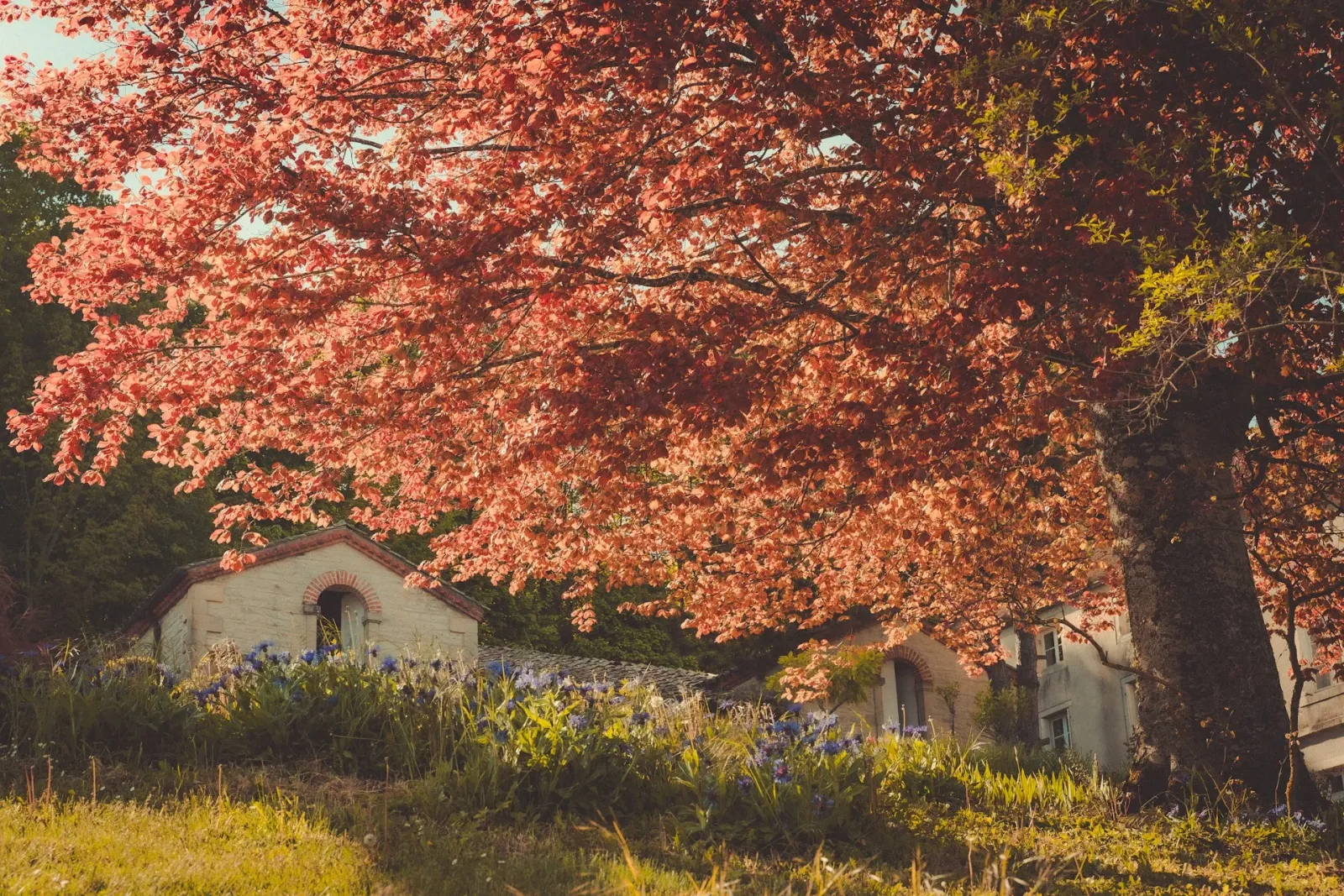
Graves de Vayres AOC
- Latitude
- 44° 50' 10.1436'' N
- Longitude
- 0° 34' 50.9376'' W
Welcome to the French Graves de Vayres appellation, a Bordeaux gem that produces 2 million litres of wine each year! Most of it (80%) is red wine made from Merlot, Cabernet Sauvignon, and Cabernet Franc grapes, with occasional additions of Malbec and Petit Verdot. The rest is white wine, mostly made from Sauvignon Blanc and Sémillon, with occasional additions of Muscadelle, Merlot Blanc, and Sauvignon Gris.
Brief Overview of the Graves de Vayres AOC
Here, 40 winemakers work hard to make great wine. Their wines blend fresh fruit tastes with smooth elegance. The name "Graves" comes from the gravelly ground where the grapes grow, which helps make each wine unique.
Historical Significance of Winemaking
Wine production in this area dates back to the Gallo-Roman Age and has continued to flourish ever since. The earliest documented inventory and trade records for wine in the Graves de Vayres AOC are from the mid-19th century. By 1936, this area was recognized as one of Bordeaux's first official wine regions. Knowledge about winemaking has been handed down through generations, and the historic Château de Vayres serves as a testament to this rich heritage.
Geographic Location and Unique Terroir
You'll find these vineyards next to the left bank of the Dordogne River, northwest of Entre-Deux-Mers and on the opposite bank of Libourne. The mix of gravel, clay, and limestone in the soil creates perfect spots for different types of grapes.
The Terroir of Graves de Vayres AOC
Elevation and Climate
The vines grow up to 50 meters high on slopes. Ocean breezes bring mild winters and warm summers – just right for growing grapes.
Soil Composition
The rocky soil, mixed with sand and clay, allows water to drain well. Red grape vines love growing in this soil.
Impact of Elevation and Climate on Grape Varieties
This special place helps Merlot develop deep flavors, while Sauvignon Blanc stays fresh in cooler spots.
Challenges and Future Prospects
Environmental Factors Affecting Wine Production
Like other wine regions, climate change is a challenge. But winemakers are using earth-friendly methods to protect their vines.
Economic Challenges and Opportunities
The wine world is busy, but Graves de Vayres stands out. By working together and focusing on what makes their wines different, they're getting noticed worldwide.
Emerging Trends and Innovations
These winemakers combine old and new ideas. They use organic farming and modern tools and experiment with new wine blends while keeping their traditions alive.
- Vineyard hectares
- 700
- Wineries
- 40
- growing degree days
- 1500-2000 GDD
Discover Terroir
Landscape of the Graves de Vayres AOC
Graves de Vayres is a unique wine region situated between Bordeaux and Saint-Émilion. Envision it as a stunning 700-hectare garden, embraced by the Garonne and Dordogne rivers like friendly neighbors.
This land is distinctive because the Dordogne River has sculpted it over countless years, creating a variety of soils, including sparkling gravel, orange clay, soft sand, and fine silt. The rivers effectively regulate the temperature, while ocean breezes introduce fresh air, all contributing to the thriving growth of grapes like Merlot and Cabernet Sauvignon. Moreover, this area supports a rich biodiversity, welcoming numerous beneficial insects, birds, and plants as residents.
Best Places to Visit in Graves de Vayres AOC
- Vineyards and Wineries: Discover where wine is crafted! The winemakers enjoy guiding visitors through the process, sharing insights on wine production, and offering tastings of their finest bottles.
- Château de Vayres: The magnificent Château de Vayres is also within this area. This beautiful old castle is one of the most prestigious chateaux you will find in this AOC. Walk through its rooms and gardens to see how people lived long ago.
- Local Markets: The markets in Vayres are full of tasty treats. Fresh food, local cheese, warm bread – everything you need for a perfect wine country picnic.
- Scenic Walks: Put on comfortable shoes and explore! Whether you walk by the rivers or through the grape vines, you'll find beautiful views everywhere you look.
- Cultural Events: Visit during wine festivals or harvest parties to see how locals celebrate their wine traditions. These events show you the fun side of wine country.
Climate of the Graves de Vayres AOC
Nature creates an ideal wine-growing environment in the Graves de Vayres AOC. Milder winters transition into warm summers, establishing perfect conditions for Merlot, Cabernet Sauvignon, and Sémillon grapes to thrive. The Dordogne River serves as a natural temperature buffer, mitigating frost and allowing grapes to ripen in complete harmony.
The landscape contributes its own unique charm to this viticultural haven. Rolling hills and towering ridges form distinct weather pockets throughout the area. Each location enjoys its own microclimate, adding further complexity to the wines produced in these soils.
Best Time to Visit Graves de Vayres AOC for a Wine Trip
Harvest season, which takes place from late September to mid-October, fills the vineyards with vibrant energy, making it the ideal time to visit this AOC. Wine enthusiasts can experience the excitement of grape-picking, exchange stories with winemakers, and observe the process of turning fruit into wine. The pleasant autumn weather enhances the joy of exploring the beautiful grounds.
In spring, from April to June, the vineyards come alive with fresh foliage and gentle blossoms. This season boasts perfect conditions for outdoor tastings, vineyard strolls, and unique winery events. Imagine enjoying exquisite wines amidst the stunning backdrop of nature coming to life - it's truly the most enchanting time in wine country.
Which are the Most Common Soils of the Graves de Vayres AOC?
Various soil types from the Ice Age collaborate like elements in a recipe, each contributing its unique character to the wines. Now, let’s explore what lies beneath these vines.
- Gravel Soils: Imagine a ground covered with numerous small stones and pebbles. This rocky soil allows water to drain swiftly, a feature that grape roots thrive on. They can penetrate deep into the soil without becoming overly saturated, even during heavy rainfall, contributing to wines with exceptional flavour.
- Sandy-Gravel Soils: The combination of sand and gravel creates an ideal soil mixture. This soil efficiently drains excess water while retaining just the right amount of moisture for the vines. Thanks to the balanced conditions—neither too damp nor too dry—various grape varieties flourish here.
- Clay-Gravel Soils: Here, clay collaborates with gravel. Clay retains water like a sponge, which is beneficial for Merlot, while the gravel ensures that water levels do not become excessive. Together, they provide vines with everything necessary to produce quality wine.
- Silty-Gravel Soils: Silty gravel soils, found in various regions of this AOC, are remarkably unique. This combination results in wines that offer a smooth drinking experience, akin to adding a silky layer to the wine's texture.
- Rain
 800 mm
- Altitude
 50 m
50 m
Discover
Most Common Grapes of the Graves de Vayres AOC
Let's explore the special grapes that grow in this corner of Bordeaux. When you walk through these vineyards, you'll meet both red and white grape varieties. For reds, you'll see lots of Merlot leading the way, with its friends Cabernet Sauvignon, Cabernet Franc, Carmenère, Malbec, and Petit Verdot growing nearby. For whites, the vineyards shine with Sauvignon Blanc, Sémillon, Muscadelle, Sauvignon Gris, and Merlot Blanc.
Most Common Red Grapes
- Merlot: Think of this as the friendly neighbour everyone loves. It's the most common grape here because it grows so well in the local clay-limestone and rocky ground. One of its best features is that it ripens early, producing wines that are smooth and full of flavour.
- Cabernet Sauvignon: This grape is like a friend who takes its time but always delivers something special. It loves rocky soil and plenty of sunshine. It also needs lots of space for air circulation around its leaves and grapes, which makes its wines rich and strong.
- Cabernet Franc: Here's the easy-going grape that gets along with everyone. Unlike its pickier cousin, it grows well in cooler spots and different kinds of soil. It ripens earlier, making wines that smell like peppers and berries.
- Carmenère: This grape has quite a story. It started in Bordeaux but became famous in Chile. It needs warm weather and good drainage. Watch out for cold spring mornings - frost can hurt it badly, but it makes wines with deep, rich flavours.
- Malbec: Locally known as Cot, this grape demands attentive cultivation but offers great rewards for those who are patient. This variety thrives in warm climates and flourishes in rocky or clay-heavy soils. Its lengthy ripening process results in deep and robust wines.
- Petit Verdot: The sun lover of the group. It grows best in sandy or rocky soil with good drainage. You need a long, warm summer for these grapes, which add deep colour and spicy flavours to wines.
Most Common White Grapes
- Sauvignon Blanc: This grape likes things just right. It needs cool to mild weather and mineral-rich soil with good drainage. The wines smell fresh like cut grass or citrus fruits.
- Sémillon: This grape is more laid-back than Sauvignon Blanc and thrives in various environments. It flourishes in warm regions, yielding wines that are rich and have honeyed notes.
- Muscadelle: A grape that brings special smells to white wines. It enjoys warm weather and needs good airflow, making wines that smell like flowers and fresh grapes.
- Sauvignon Gris: This grape is considered the more easygoing cousin of Sauvignon Blanc. It tolerates heat more effectively and thrives in well-draining soil, resulting in wines with subtle flavours.
- Merlot Blanc: The reliable performer in the white grape family. It's adaptable to different soils and keeps producing well year after year, making it a dependable choice for winemakers.
Most Common Graves de Vayres Wines
Graves de Vayres is one of the wine gems of Bordeaux! Here, both red and white wines, also known as ses vins, tell a unique story of this special place's soil and sunshine.
Most Common Red Wines
Red Graves de Vayres Blend: This delightful blend of Merlot, Cabernet Sauvignon, and Cabernet Franc creates magic in the glass. Your nose fills with sweet cherries and raspberries while gentle herbs dance in the background. The addition of Malbec, Carmenère or Petit Verdot brings more comlexity to the table. Each sip glides smoothly across your tongue, making it easy to enjoy yet full of hidden surprises.
Most Common White Wines
White Graves de Vayres Blend: Sauvignon Blanc, Sémillon, and Muscadelle work together in perfect harmony. Fresh citrus bursts from the glass while delicate flower scents float above. The wine sparkles with freshness yet carries a rich smoothness that keeps you coming back.
Unique Characteristics of Graves de Vayres AOC Wines
The magic happens when fresh flavours meet rich depths. Rocky soils and perfect weather create wines that taste great now and become more interesting with time.
Wine Tourism and Experiences
Popular Wine Areas within Graves de Vayres AOC
Picture beautiful vineyards where old meets new, surrounded by stunning views at every turn.
Wine Tasting Tours and Events
Local winemakers happily share their craft, welcoming you into historic cellars and modern wineries for tastings that tell the story of each wine.
Best Food Pairings for Graves de Vayres AOC Wines
Red wines shine alongside classic French dishes like wine-braised chicken or tender duck, while white wines dance perfectly with fresh fish or creamy risotto.
Accommodation Options for Wine Enthusiasts
Rest your head in cozy bed-and-breakfasts or charming hotels nestled among the vines, where wine experiences add extra magic to your stay.
Are you interested in collaborating with us?
Get started