
Wines
Carmenere: an In-Depth Wine Profile
Deep in the heart of Chile, an extraordinary tale of revival unfolds. Carménère, a grape variety that nearly vanished from European vineyards during the 19th-century phylloxera plague. Originally, it was one of the six key red varieties used in Bordeaux blends. Its use declined as Bordeaux focused on more popular varieties like Merlot and Cabernet Sauvignon, but it has since emerged as one of the dominant Chilean key grapes. This remarkable transformation from a forgotten grape to a national treasure exemplifies Chile’s rising prominence in the global wine scene.
The numbers tell a compelling story. Carménère ranks 4th in planted hectares in Chile, behind Cabernet Sauvignon, Merlot, and Pais. Carménère's plantings peaked in Chile in 2014 with almost 40,000 acres planted. Chilean vineyards now cultivate an impressive 26,779 acres of Carménère, reflecting a decisive 50.1% expansion since 2006. This strategic growth has elevated Carménère to become Chile’s fifth most-planted grape variety, securing its position alongside international stalwarts like Cabernet Sauvignon and Chardonnay.
The secret to Carménère’s success lies in Chile’s exceptional terroir. The Cachapoal and Maule Valleys provide optimal conditions for this distinctive grape, whose wines captivate enthusiasts with their characteristic black and white pepper notes and bold personality. These regions have proven instrumental in crafting wines that command attention in the international market.
The economic impact proves equally significant. Chile’s wine industry has become a vital economic force, constituting 5.7% of non-copper exports and 16.5% of agricultural exports. While 2022 saw production levels adjust to 1.244 billion litres—a 7.39% decrease from the previous year—export performance remained strong, with 833.5 million litres reaching global consumers.
This article explores the remarkable journey and history of Carménère, from its historical near-extinction to its modern renaissance in Chilean vineyards.
What are Carmenere Wines?
Although Carménère originated in France's prestigious Bordeaux region, this exceptional grape variety has established its definitive home in Chilean terroir. The transformation from an endangered variety to Chile's viticultural cornerstone represents one of wine history's most remarkable narratives.
A Misunderstood Grape
Carménère's journey through time reveals an extraordinary tale of concealed true identity and eventual recognition—a story that has shaped modern viticulture.
Historical Confusion with Merlot
Until 1860, Carmenère was used in the Bordeaux blends in the eponymous region. In the mid-19th century, a handful of Chilean winemakers mistakenly brought Carmenère cuttings from France to South America (thinking that it was Merlot). It began cultivating this varietal in its vineyards, assuming an unexpected disguise within the Merlot vineyards. This botanical case of mistaken identity persisted until 1994, when advanced DNA analysis unveiled its true heritage. The variety, known locally as “Merlot Peumal” after the Peumo Valley in Chile, had maintained its secret identity for over a century. Remarkably, this historical oversight proved advantageous—while the devastating phylloxera epidemic ravaged European vineyards, Carménère flourished undisturbed in Chile’s pristine, phylloxera-free environment.
Rediscovery in the Chilean Wine Industry
The identification of Carménère in Chile marked a pivotal moment in the nation's viticultural history. Following its official recognition by the Chilean Department of Agriculture in the late 1990s, the variety experienced unprecedented growth. Contemporary statistics reveal Chile's dominance in global Carménère cultivation, hosting over 80% of worldwide plantings, with the prestigious Colchagua Valley leading production.
Key Characteristics
Understanding Carménère requires appreciation of its unique viticultural attributes and sensory profile.
Bold Flavors
Carménère presents an intricate and varied flavour composition that balances power with sophistication. This medium-bodied wine exhibits generous red and black fruit characteristics, evoking cherries and plums—sharing certain qualities with Merlot while maintaining its distinctive personality. Optimal ripeness produces concentrated flavours, while earlier harvests can introduce fascinating herbaceous notes reminiscent of bell pepper and paprika.
Dark Color
The wine's visual presence commands attention through its deep crimson appearance. The etymology of "Carménère," derived from the French carmin, pays tribute to both its autumnal foliage and the wine's intense pigmentation.
High Tannins
Carménère achieves remarkable balance in its tannin profile. Less assertive than Cabernet Sauvignon yet sufficiently structured to establish a presence, these refined tannins contribute to exceptional food-pairing versatility. This harmonious structure maintains its integrity whether enjoyed in youth or maturity.
Unique Aroma Profile
The olfactory profile of Carménère offers an engaging sensory journey. Its bouquet artfully combines ripe red fruit flavours, sophisticated spice notes, and subtle herbaceous undertones of green peppercorn. Oak maturation introduces additional complexity through notes of dark chocolate, tobacco, and earthiness—creating a wine that rewards contemplative appreciation.
Common Winemaking Techniques for Carmenere
Creating exceptional Carménère requires precision and artistry at every step, from vineyard cultivation to final bottling. Each stage in this meticulous process contributes to the wine's distinctive character.
Growing and Harvesting Carmenère Vines
Carménère demands specific conditions to achieve its full expression. This late-ripening variety thrives in the warm, sun-drenched environment of Chile's Central Valley region, where conditions align perfectly for premium grape production. The climate plays a crucial role—cooler temperatures or unexpected late rains can lead to under-ripe fruit, resulting in pronounced pyrazine-driven green notes.
For Carmenere, vineyard management is essential to obtain optimal results. Techniques such as green harvesting control yield, while strategic leaf thinning maximizes sun exposure—both critical for achieving full ripeness and minimizing unwanted herbaceous characteristics. Harvest timing represents perhaps the most crucial decision: early picking produces spicy green pepper notes, while later harvesting develops rich, fruit-forward expressions.
Crushing and Destemming
Post-harvest processing begins with mechanical crushing, designed to extract juice efficiently from the grape skins. Unlike other varieties, Carménère typically bypasses cold soaking to avoid excessive extraction of green bell and black pepper characteristics.
Fermentation
The transformation truly begins during fermentation. Following destemming, the carefully prepared grapes enter temperature-controlled tanks, initiating a precisely monitored process. This critical phase allows the intricate interaction between skins, juice, and yeast to extract the bold colours, flavours, and aromas characteristic of fine Carménère.
Select producers incorporate pectic enzymes to enhance extraction, while regular "punch-downs" ensure thorough integration. The process spans from 10 days to over a month, allowing complete sugar-to-alcohol conversion.
Pressing and Maceration
The post-fermentation phase involves gentle pressing to separate wine from grape solids. Extended maceration may follow, depending on fruit quality—some winemakers pursue additional colour and flavour extraction, while others opt for earlier pressing to avoid harsh seed tannins.
Clarification and Aging
The final refinement stages focus on clarity and complexity. Racking transfers wine between barrels, naturally separating it from solids. Some producers employ additional clarification methods, such as filtration or traditional fining agents like clay or egg whites.
Sensory Profile of Carmenere Wines
Carménère stands as a red wine of distinct character and complexity, crafting an unforgettable sensory journey. Its unique attributes have earned this variety a special place in the pantheon of fine wines.
Visual Appearance
Carménère has deep, rich red hues, often coupled with purple undertones. The name itself reveals its chromatic heritage—derived from the French word carmin, meaning crimson, an homage to the autumn foliage's vibrant display. This intense pigmentation, inherent to the variety, serves as a hallmark of skillfully crafted Carménère.
Aromatic Profile
The bouquet of Carménère presents an intricate tapestry of scents, each layer revealing new dimensions of complexity.
Primary Notes
The initial aromatic expression bursts with succulent red and black fruits—raspberry, blackberry, and black cherry lead the ensemble. Carménère contains high levels of aroma compounds called methoxypyrazines (or pyrazines), which impart distinctive herbaceous undertones of green peppercorn and bell pepper, adding a savoury dimension.
Secondary Notes
Oak maturation introduces sophisticated notes of vanilla and subtle smoke, enriching the wine's complexity. Regional terroir plays its part: vineyards in areas like Chile's Maipo Valley may contribute delicate floral nuances of cherry blossom, hibiscus, or rose.
Tertiary Notes
Time bestows additional aromatic sophistication. Mature Carménère develops compelling earthy notes, leather, and occasional hints of eucalyptus or mint. Oak aging gradually introduces refined notes of dark chocolate and tobacco, adding layers of nuance.
Flavor Profile
The palate mirrors and amplifies the aromatic complexity, creating a harmonious tasting experience.
Primary Notes
Ripe fruit flavours take center stage—plum, tart raspberry, and blackberry- creating a sun-warmed richness that speaks of their warm-climate origins.
Secondary Notes
The savoury dimension emerges through green peppercorn, paprika, and subtle hints of jalapeño or bell pepper. Oak influence contributes elegant vanilla and baking spice notes, lending polish to the composition.
Tertiary Notes
Age brings deeper complexity, revealing dark chocolate, tobacco, and earthy elements. The tannin structure provides elegant support without dominance, though more robust in expressions crafted for extended cellaring.
Most Common Food Pairings for Carmenere Wines
The distinctive profile of Carménère—a harmonious blend of ripe fruit, spice notes, and herbaceous undertones—creates exceptional dining possibilities. From traditional Chilean fare to global cuisine, this versatile wine elevates both robust and subtle flavours.
Grilled, Barbecued, Smoked and Roasted Meats
- Grilled Ribeye Steak: A perfectly grilled ribeye steak brings out Carménère's rich tannins, creating an exemplary pairing
- Chilean Beef Skewers: Chilean beef skewers with chimichurri sauce highlight the wine's herbaceous character while complementing the sauce's fresh flavours.
- Roasted Meats: Roasted lamb, particularly when prepared with mint or herb crusts, creates a sublime partnership with the wine's spicy notes.
- Cuban roast pork belly: Cuban roast pork belly (Lechón Asado) finds perfect balance in the wine's moderate tannins and bright acidity
- Smoked meats are a memorable pairing with Carménère.
Traditional Chilean Dishes
- Pastel de Choclo: Pastel de Choclo, a beloved corn-based casserole, harmonizes beautifully with the wine's bold profile.
- Empanadas de Pino: Empanadas de Pino, filled with seasoned beef and onions, are elevated by the wine's spicy and herbal notes.
International Flavors
- Chicken Mole: Mexican chicken mole, with its intricate spice blend of cumin and coriander, finds a worthy companion in Carménère
- Indian Curries: Indian curries benefit from the wine's moderate tannins and acidity, creating exciting flavour combinations
- Veggie Tikka Masala: Vegetable tikka masala offers an engaging interplay between creamy, spicy sauce and the wine's herbaceous character
Vegetarian and Lighter Options
- Grilled eggplant: Grilled eggplant with garlic and herbs draws out the wine's herbal nuances in a sophisticated dance of flavours
- Pinto bean chilli, white bean and kale soup: Hearty dishes like pinto bean chilli, white bean, and kale soup help to appreciate the wine's structure and complexity
- Tomato-topped bruschetta with stuffed peppers: Fresh appetizers such as tomato-topped bruschetta and stuffed peppers create delightful preludes to more substantial pairings
Cheese and Snacks
- Fresh cheese: Fresh cheeses like goat's cheese, mozzarella, and cotija complement the wine's fruit and herbal flavours.
- Strong, sharp cheese: Carménère pairs well with strong, hard cheeses.
- Mediterranean appetizers: Mediterranean appetizers, including olives, capers, and garlic-infused dishes, find balance in Carménère's natural acidity.
These thoughtfully selected pairings illuminate Carménère's exceptional food-friendly nature, creating memorable dining experiences that celebrate both wine and cuisine.
Best Regions for Carmenere Wine
While Bordeaux stands as Carménère's ancestral home, the majority of the modern narrative of this distinctive grape unfolds primarily in Chile. Yet, several other wine regions across the globe have begun writing their chapters in the Carménère story.
Chile
The heart of Carmenère vines beats strongest in Chile, where several distinctive regions showcase the grape's remarkable potential:
- Colchagua Valley: The largest sub-region for Carménère plantings in Chile is the Colchagua Valley, known for its Mediterranean climate. Standing as the epicentre of Carménère excellence, this area of the Central Valley region crafts wines distinguished by rich raspberry aromas and characteristic herbal green peppercorn notes. As part of the broader Rapel Valley, it consistently delivers benchmark expressions of the variety.
- Apalta: This privileged sub-region of Colchagua Valley produces more structured interpretations. The wines reveal firm, graceful tannins, sweet raspberry flavours, and thoughtful oak integration that enhances their natural complexity.
- Maipo Valley: The northern reaches of the Central Valley yield a more refined, elegant style. These wines dance with floral notes of cherry, hibiscus, and rose, underpinned by subtle mineral nuances.
- Cachapoal Valley: Here, balance reigns supreme. The wines display an artful interplay of sweet and sour cherry fruit alongside classic herbal green peppercorn character, with refreshing acidity that promises excellent aging potential.
- Peumo: This distinguished sub-zone of Cachapoal Valley produces bold, full-bodied expressions. The wines captivate with sweet red berry aromas, generous alcohol levels, and impressive aging capacity of up to 15 years.
Other Regions where Carmenere Thrives
- France: Though Bordeaux witnessed Carménère's birth, where it was used as part of the Bourdeaux blend with grapes such as Pinot Noir, currently, Carmenere is not as widely planted in this country. Here, Carmenere is mainly planted in the Médoc region.
- Médoc Region: Select prestigious estates, including Château Mouton Rothschild in Pauillac and Château Clerc Milon, maintain precious few hectares—merely 4 in total—of this historic variety.
- Italy: Italian Carménère may play a supporting role, yet it adds compelling diversity to the country's rich viticultural tapestry.
- Veneto and Friuli-Venezia Giulia: These regions harbour most of Italy's Carménère plantings. Though modest compared to Chile's expansive vineyards, they produce distinctive wines with unmistakable Italian character.
- China: An unexpected but increasingly significant player in Carménère cultivation has emerged in China, especially within Ningxia. This award-winning region features substantial Carménère plantings. The resulting wines, often blended with Cabernet varieties, showcase pronounced green bell pepper and peppercorn characteristics.
- Other Countries: countries like New Zealand, the USA, Australia, South Africa, and Argentina are experimenting with Carmenere. While their plantings remain modest compared to Chile's dominance, these nations contribute fascinating interpretations to the global Carménère narrative.
Tips for Serving and Storing Carmenere Wine
The bold character and nuanced complexity of Carménère deserve thoughtful presentation and careful preservation. These practical guidelines help unlock the wine's full potential.
How to Serve Carmenere Wines?
Serving Temperature
The perfect temperature brings forth Carménère's distinctive personality. Serving between 18°C (64°F) and 20°C (68°F)—slightly below room temperature—allows the wine's bold flavours to shine while maintaining an elegant balance with its alcohol content.
Glassware
The choice of glass plays a crucial role in the Carménère experience. A traditional red wine glass with a generous bowl provides the ideal vessel. The expansive bowl encourages proper aeration, while the tapered rim concentrates the wine's aromatic expression, creating an enhanced tasting experience.
Decanting and Breathing
Carménère benefits significantly from exposure to air. A minimum of 30 minutes in a decanter awakens the wine's full aromatic potential and harmonizes its flavour profile, resulting in a more complete taste and refined expression.
How to Store Carmenere Wines?
Proper storage conditions ensure Carménère maintains its quality, whether destined for immediate enjoyment or extended aging.
Long-Term Storage
- Cool and Consistent: A dark environment with steady temperatures between 10°C to 15°C (50°F to 59°F) provides optimal aging conditions.
- Sideways is Best: Horizontal storage keeps corks properly moistened, ensuring an effective seal.
- Avoid the Light: Protection from direct light preserves the wine's colour integrity and flavour profile.
- Mind the Humidity: Maintaining 70% humidity protects cork integrity and optimal wine development.
Short-Term Storage
For partially consumed bottles, these preservation methods help maintain freshness:
- Re-seal Tightly: Proper closure with the original cork or quality wine stopper minimizes oxidation
- Cool Spot: Storage in a wine refrigerator or standard refrigerator helps preserve freshness
- Drink Up: The wine shows best when enjoyed within three days of opening, ensuring optimal flavour expression
Similarities and Differences Between Carmenere and Merlot Wines
Carmenere and Merlot tell distinct stories through their character despite sharing common ancestry. While certain traits unite them, their individual personalities shine through in flavour, cultivation requirements, and overall expression.
Similarities
- Body and Texture: Both wines present medium to full-bodied profiles, with Carménère occasionally displaying additional weight. Their textural qualities align—Carménère's refined plushness mirrors Merlot's characteristic velvety smoothness.
- Historical Identity: The remarkable story of mistaken identity in Chile, where Carménère masqueraded as "Merlot Peumal" until DNA analysis in the 1990s revealed its true nature, stems from striking visual similarities between the vines and foliage. In Chile, the grape varietal is also known as Grand Vidure and Carmener.
- Blending Affinity: Both varieties demonstrate exceptional companionship in blends. Carménère finds harmony with Cabernet Sauvignon or Merlot, while Merlot creates classic partnerships with fellow Bordeaux varieties like Cabernet Sauvignon and Cabernet Franc.
Differences
- Origin and Growing Conditions:
- Carménère: Though born in Bordeaux, this variety flourishes in Chile's Central Valley, where warm, dry conditions ensure optimal ripening. Rocky, well-drained soils with clay content and extended growing seasons provide ideal conditions.
- Merlot: Another Bordeaux native, Merlot demonstrates remarkable adaptability, thriving across diverse terroirs from Bordeaux to California's North Coast, Australia, and South America.
- Colour and Aroma:
- Carménère: Displays deep purple-red depths, releasing aromas of raspberry sauce, cherry, and green peppercorn, complemented by granite minerality. Spicy dark fruit notes interweave with distinctive herbaceous undertones.
- Merlot: Presents a lighter ruby red hue, offering pure aromas of cherries, cocoa, and subtle herbs and spices. The fruit-forward character emphasizes blackberries, blueberries, and plums.
- Taste Profile:
- Carménère: Delivers bold complexity through pronounced tannins, medium acidity, and robust structure. Spice, dark fruits, and herbaceous notes culminate in a distinctive cocoa powder finish.
- Merlot: Renowned for seamless smoothness, medium tannins and acidity create signature velvet texture. Soft, ripe fruit dominates, unmarked by bitterness
- Flavor Notes:
- Carménère: A symphony of plum, raspberry, blackberry, peppercorn, green bell pepper, vanilla, and spice, with characteristic herbal and green peppercorn signatures
- Merlot: Showcases blackberries, blueberries, plums, and pomegranate, touched by subtle herbal notes. Approachability defines its softer, less herbaceous nature
- Food Pairings:
- Carménère: Bold spiciness complements hearty fare—grilled meats, beef skewers, roast lamb, and selected curries shine alongside this wine
- Merlot: Softer, fruit-forward character creates versatile partnerships with chicken, red-sauced pasta, and medium cheeses, excelling with lighter to medium-weight cuisine
Sustainability and Future Trends for Carmenere Wines
The evolving world of wine continues to shape Carménère's trajectory, with sustainability and innovation driving its development. Current practices and emerging trends paint an inspiring picture of this distinctive variety's future.
Sustainability in Carménère Production
Chilean wine producers lead sustainable practices, implementing eco-conscious methods that ensure vineyard longevity while crafting exceptional wines:
- Organic and Biodynamic Viticulture: The shift toward organic and biodynamic farming emphasizes natural resources and minimal chemical intervention. Emiliana stands as a prime example, producing outstanding organic Carménère while demonstrating exemplary sustainable vineyard management.
- Water Management: Chile's arid conditions necessitate creative approaches to water conservation. Progressive wineries implement efficient irrigation systems and innovative strategies to minimize water usage.
- Soil Health: Sustainable viticulture flourishes from healthy soils. Modern techniques, including composting, cover cropping, and minimal tillage, maintain long-term soil vitality and structure.
- Biodiversity: Vineyard ecosystems thrive through native species cultivation, ecological corridor preservation, and habitat creation for beneficial insects and wildlife
Future Trends in Carménère Winemaking
Evolution in tastes, techniques, and climate realities shapes new directions for Carménère:
- Shifting Winemaking Styles: Contemporary winemaking embraces balance and nuance. Traditional heavy oak and pronounced green pepper characteristics yield to fresher, fruit-forward expressions that showcase the grape's natural elegance.
- Climate Change Adaptation: Rising global temperatures highlight Carménère's natural heat and drought tolerance. Chilean vintners respond through careful yield management, precise harvest timing, and enhanced sun exposure to develop fruit character while minimizing herbaceous notes.
- Experimentation with Blends: While varietal Carménère maintains prominence, innovative blends with grapes like Syrah create new possibilities. These combinations offer enhanced complexity and broader appeal.
- Market Expansion: Carménère transcends niche status, gaining global recognition. Its distinctive profile and sustainable credentials attract international wine enthusiasts, suggesting promising market growth.
Global Plantings and Expansion
While Chile remains the country of Carménère's modern sanctuary, the variety's influence grows worldwide:
- French Resurgence: Changing climate patterns spark renewed interest in Bordeaux, Carménère's ancestral home. Though plantings remain modest, a remarkable 1,700% increase since 2000 signals fresh possibilities.
- International Expansion: New regions embrace Carménère, from the Walla Walla Valley in Washington to California, New Zealand, South Africa, and Australia. These areas recognize its potential as a climate-resilient variety suited to contemporary challenges.
Final Thoughts
Carménère wines stand as a remarkable testament to viticultural evolution, weaving together centuries of history, distinctive flavours, and remarkable adaptability across diverse terroirs. The journey from Bordeaux obscurity to Chilean stardom exemplifies the dynamic spirit of New World winemaking.
Each bottle tells a compelling story through its deep crimson depths, bold dark fruit expression, and characteristic herbal nuances of green peppercorn and bell pepper. The variety's range spans classic full-bodied interpretations to contemporary, balanced styles, offering something to captivate every palate.
The world of Carménère beckons with extraordinary possibilities. Here lies a wine of profound character, from its enchanting aromatic profile to its intricate layers of flavour. Whether approaching as a seasoned connoisseur or curious newcomer, Carménère promises delightful discoveries in every glass. The invitation stands—to unlock a bottle and experience the remarkable charm of this extraordinary wine. ¡Salud!
Discover more wines
Casavecchia Wine: An In-Depth Profile
Discover the rich flavors and unique characteristics of Casavecchia wine, Italy's lesser-known treasure.
Classic Penedès: an In-Depth Wine Profile
Learn about Classic Penedès, the organic traditional-method sparkling wine from Spain with rich heritage and vibrant bubbles
Corpinnat: an In-Depth Wine Profile
Explore Corpinnat’s break from Cava, strict quality rules, and identity in this in-depth Vinerra wine profile.
Rondo: an In-Depth Wine Profile
Discover Rondo, a vibrant northern European red wine with deep ruby colour, balanced flavour, and cool-climate charm!
Solaris: an In-Depth Wine Profile
Discover Solaris wine: a cool-climate white with vibrant aromas, crisp acidity, and versatile styles for every palate!
Kerner: An In-Depth Wine Profile
Discover Kerner, a wine that will enchant you with its fresh aromas and versatile food pairing combinations!
Hondarrabi Zuri: An In-Depth Wine Profile
Discover Hondarrabi Zuri, Basque Country’s iconic wine, its flavors, heritage, and perfect food pairings!
Discovering Rasheh Wine: A Journey Through Iran’s Unique Vintage
Smuggled grapes, ancient terroir, and bold defiance— Discover Rasheh, a wine made under pressure and against all odds!
Pálava Wine: Characteristics and Best Pairings
Tired of Chardonnay? Step off the beaten path with Pálava—an aromatic Czech gem bursting with flavor and personality!
Frappato: an In-Depth Wine Profile
Explore the charm of Frappato wine—light-bodied, floral, and full of Sicilian character. A red that’s both chillable and bold!
Arneis: An In-Depth Wine Profile
Explore Arneis wine: its origins, flavor notes, and why sommeliers love it. A must-try for adventurous palates!
Alicante Bouschet: An In-Depth Wine Profile
Discover Alicante Bouschet: a deep, spicy red that’s redefining bold wines in a warming world. Try it before it trends!
Concord: An In-Depth Wine Profile
Discover Concord wine: bold, sweet, and nostalgic. Explore its history, flavors, and pairings that make it a true American icon.
Chambourcin: An In-Depth Wine Profile
Uncover the bold flavors and pairings of Chambourcin wines—your guide to tasting, enjoying, and elevating every sip.
Colombard: An In-Depth Wine Profile
Discover Colombard: a crisp, underrated white wine with vibrant flavors, smart pairings, and unbeatable value!Baga: An In-Depth Wine Profile
Baga offers power, elegance, and terroir expression— Learn about Portugal’s best-kept secret for adventurous wine lovers.
Bobal: An In-Depth Wine Profile
Bobal wine is Spain’s hidden treasure. Explore its bold flavors, rich history, and perfect food pairings!
Baco Noir: An In-Depth Wine Profile
Explore Baco Noir’s bold flavors, perfect pairings, and unique charm—your gateway to this standout grape varietal!
Catawba: An In-Depth Wine Profile
Discover Catawba wine’s bold flavors, rich history, and charm—and why this iconic American grape belongs in your collection!
Müller Thurgau: An In-Depth Wine Profile
Discover Müller-Thurgau’s origins, aromas, and flavors—a fresh, floral white that’s versatile, affordable, and full of charm!
Lagrein: An In-Depth Wine Profile
Discover Lagrein, Alto Adige’s bold red. Explore its flavors, pairings, and why this rare Alpine wine is a must-try!
Verdicchio: An In-Depth Wine Profile
Discover Verdicchio’s origins, terroir, flavor profile, and aging potential in Vinerra’s in-depth guide to this iconic Italian white.
Furmint: An In-Depth Wine Profile
Discover the world of Furmint, Hungary's exceptional white wine. Learn about its tasting notes and food pairings!
Carignan: An In-Depth Wine Profile
Discover Carignan’s origins, flavor profile, structure, and global revival in Vinerra’s in-depth wine guide
Bonarda: An In-Depth Wine Profile
Explore Bonarda’s history, bold fruit character, and growing importance in Argentina in this in-depth Vinerra wine profile
Aglianico: An In-Depth Wine Profile
Explore the rich profile of Aglianico wine, its flavor notes, and perfect food pairings in our comprehensive profile!
Dolcetto: An In-Depth Wine Profile
Explore Dolcetto's unique characteristics, ideal pairings, and aging potential. Dive into our detailed wine profile!
Falanghina: An In-Depth Wine Profile
Explore Falanghina’s history, flavor profile, and modern revival in southern Italy in this in-depth Vinerra wine profile
Fiano: An In-Depth Wine Profile
Discover Fiano, Italy’s rising star—learn its traits, best pairings, and why it belongs in your wine collection!
Vermentino (Rolle) Wine: An In-Depth Profile
Explore Vermentino's vibrant flavors, origins, and food pairings—perfect for wine lovers and curious newcomers alike!
Touriga Nacional: An In-Depth Wine Profile
Uncover Touriga Nacional’s bold flavors, rich history, and perfect pairings in this deep dive into Portugal’s iconic red wine!
Petit Verdot: An In-Depth Wine Profile
Explore the rich profile of Petit Verdot, its unique characteristics, and tasting notes, in our in-depth profile!
Côtes du Rhône Blend: An In-Depth Wine Profile
Explore the rich flavors and characteristics of Côtes du Rhône blends. Gain tasting insights and enhance your wine knowledge!
Chianti Blend: An In-Depth Wine Profile
Discover the nuances of Chianti Blend in this comprehensive guide. Learn about its flavors, food pairings, and tasting tips!
Montepulciano: An In-Depth Wine Profile
Explore Montepulciano wine’s rich history and flavors with expert tips—perfect for enthusiasts and collectors alike!
Primitivo: An In-Depth Wine Profile
Discover the rich flavors and history of Primitivo wine in this guide for enthusiasts and aficionados!
Bordeaux White Blend: An In-Depth Wine Profile
Discover the flavors and characteristics of Bordeaux White Blend. Enhance your wine knowledge with this insightful profile!
Bordeaux Red Blend: An In-Depth Wine Profile
Explore the rich flavors and complexities of Bordeaux red blends with our detailed profile and tasting guide!
Valpolicella: An In-Depth Wine Profile
Discover the rich flavors and history of Valpolicella wines. This guide offers insights for both enthusiasts and collectors!
Assyrtiko: The In-Depth Wine Profile
Explore Assyrtiko, Greece's prized grape variety. Learn about its unique characteristics, flavor profiles, and food pairings!
Nero d’Avola: An In-depth Wine Profile
Discover the unique characteristics of Nero d'Avola in this in-depth profile, perfect for both wine enthusiasts and newcomers!
Moscato: A Deep Dive into the World’s Most Misunderstood Grape
Discover the best Moscato wines that delight the palate with sweetness and flavor, with our In-depth profile!
The Gamay Wine Profile: Beaujolais and Beyond
Explore the rich flavors, diverse regions, and perfect pairings of Gamay wine. Discover how to enhance your wine experience!
Discover the Secrets of Airén: The In-depth Wine Profile
Discover the unique qualities and rich history of Airén grapes. Learn how this versatile variety shapes wines today!
Acıkara: An In-Depth Wine Profile of a Unique Turkish Grape Variety
Discover the characteristics of Acıkara, Anatolia's distinctive grape variety, and explore its potential in the world of wine!
Nebbiolo: an In-Depth Wine Profile
Discover the essence of Nebbiolo wine through its unique terroir, rich traditions and best food pairings!
Fetească Neagră: An In-Depth Wine Profile of Romania’s Signature Grape
Discover the rich flavors, history, and best food pairings of Fetească Neagră, Romania's distinctive wine!
Pinot Meunier: An In-Depth Wine Profile
Discover the distinct characteristics of Pinot Meunier, a lesser-known wine from the Champagne region!
Acolon: an In-Depth Wine Profile
Discover Acolon’s German origins, parentage, flavor profile, and structure in Vinerra’s in-depth wine guide
Mavro: An In-Depth Wine Profile
Discover the rich flavors and cultural heritage of Mavro wine. Dive into the unique profile of this Cypriot gem!
Aligoté: an In-Depth Wine Profile
Discover Aligoté, Burgundy's overlooked gem. Learn about its unique characteristics, and why it deserves a place in your glass!
Kanella: an In-Depth Wine Profile
Explore the unique characteristics and flavor profiles of Kanella wine. Learn about its origins and best food pairings!
Xynisteri: an In-Depth Wine Profile
Discover the unique characteristics of Xynisteri, Cyprus' premier white wine, and why it deserves a place in your glass!
Altesse: An In-Depth Wine Profile
Explore the unique characteristics of Altesse wine, from its characteristic tasting notes to ideal pairings!
Alphonse Lavallée: An In-Depth Wine Profile
Explore Alphonse Lavallée's unique wines, their characteristics, tasting notes, and best food pairings!
Maratheftiko: An In-Depth Wine Profile
Explore the rich flavors and history of Maratheftiko, Cyprus's prized wine. Discover its unique characteristics today!
Morokanella: An In-Depth Wine Profile
Discover the distinct characteristics and flavors of Morokanella, one of the indigenous wines of Cyprus!
Yiannoudi: An In-Depth Wine Profile
Explore Yiannoudi, Cyprus's distinctive grape variety, its unique characteristics, and winemaking potential!
Glera: an In-Depth Wine Profile
Explore Glera’s history, fresh aromatics, and defining role in Prosecco in this in-depth Vinerra wine profile.-768x432.webp)
Incrocio Bruni 54: an In-Depth Wine Profile
Discover the characteristics of Incrocio Bruni 54, a hybrid wine from Marche, like its flavor profile or best pairings!
Pinotage: An In-Depth Wine Profile
Explore the rich flavors and characteristics of Pinotage, South Africa's unique grape. Discover its rich history and best pairings!-768x432.webp)
Lambrusco Salamino: an In-Depth Wine Profile
Discover the characteristics of Lambrusco Salamino, its flavor profile, best food pairings and enhance your wine knowledge!-768x432.webp)
Lambrusco Maestri: an In-Depth Wine Profile
Discover the unique characteristics of Lambrusco Maestri. Dive into this wine profile and elevate your wine knowledge!-768x432.webp)
Ancellotta: an In-Depth Wine Profile
Explore the rich profile of Ancellotta wine, its unique flavors, ideal pairings and best expressions!
Lambrusco di Sorbara: an In-Depth Wine Profile
Explore the refreshing flavors of Lambrusco di Sorbara, a sparkling Italian wine. Learn about its origins and best food pairings!
Lambrusco Grasparossa Wine: an In-Depth Profile
Discover the best Lambrusco Grasparossa wines for your next celebration. Elevate your knowledge with our recommendations!
Greco Bianco: An In-Depth Wine Profile
Discover Greco Bianco, an exquisite Italian white wine. Explore its unique characteristics and best food pairings!
Cortese Bianco: An Italian White Worth Noting
Learn about Cortese Bianco unique flavors and get food pairing recommendations to elevate your wine experience!
A Comprehensive Guide to Pinot Blanc Wine
Discover the elegance of Pinot Blanc wine with our comprehensive guide. Learn about its flavors and best food pairings!
Riesling Renano: The Noble Aristocrat of White Wine
Explore top Riesling Renano wines perfect for your celebrations. Find your ideal choice to elevate any occasion!
Discovering Uva Rara Wine: A Hidden Gem of Italian Red Varietals
Explore the unique flavors of Uva Rara wine, a lesser-known Italian red. Learn about its origins and food pairings
Discovering Croatina: The Unique Grape Behind Bold Italian Wines
Explore the bold flavors of Croatina, a unique grape variety shaping Italian wines. Learn about its unique characteristics
Discover the Rich Flavors of Vespolina Wine: A Comprehensive Guide
Explore the unique flavors of Vespolina wine and learn about its origins, aromatic, tasting notes, and food pairings!
Welschriesling Wine: Discover Its Unique Flavors and Characteristics
Explore the distinct flavors and characteristics of Welschriesling wine. Learn what makes this varietal unique!
Grenache Blanc: An In-Depth Wine Profile
Explore the unique characteristics of Grenache Blanc and the perfect food pairings to enhance your wine experience!
Clairette: an In-Depth Wine Profile
Explore Clairette’s history, terroir, flavor profile, and role in Rhône wines with Vinerra’s comprehensive guide
Mourvèdre: an In-Depth Wine Profile
Explore the rich flavors of Mourvèdre wines in this comprehensive profile, perfect for both enthusiasts and connoisseurs!
Cinsault: an In-Depth Wine Profile
Discover Cinsault’s origins, delicate structure, and role in southern French wines in Vinerra’s in-depth wine guide
Roussanne: an In-Depth Wine Profile
Explore the unique characteristics of Roussanne wine, its perfect food pairings, and why it's a must-try for enthusiasts!
Marsanne: An In-Depth Profile for Wine Lovers
Explore the unique characteristics of Marsanne wine, and discover why it's a must-try for collectors and enthusiasts!
Sagrantino: Discovering the Bold Flavors of Umbria’s Finest Wine
Explore the bold, complex flavors of Sagrantino, the signature Umbrian wine, and learn about its history and best food pairings!
Malvasia Nera: An In-Depth Wine Profile
Learn about the rich flavors of Malvasia Nera, a delightful Italian red wine, and why it deserves a spot in your collection!
Vin Jaune: An In-Depth Profile of this Wine Treasure
Discover the distinct flavors and heritage of Vin Jaune, the Jura's unique wine. Learn about its tasting notes, and food pairings!
Macabeo Wine: Discover Its Unique Flavors and Characteristics
Explore the distinct flavors and characteristics of Macabeo wine. Learn what makes it special and how to enjoy it!
Carmenere: an In-Depth Wine Profile
Discover the rich profile of Carmenere wine, including tasting notes and ideal food pairings. Elevate your wine experience!
White Zinfandel Wine: the Essential Guide
Explore the world of White Zinfandel in this essential guide, featuring tasting notes, and tips for choosing the perfect bottle!
Petite Sirah: an In-Depth Wine Profile
Dive into the boldness of Petite Syrah, and discover its unique aromas, flavors and pairings, with this in-depth profile!
Cigales: an In-Depth Wine Profile
Discover the unique wines of Cigales, Spain's emerging region. Explore profiles, flavors, and what sets these wines apart!
The Wines of Penedès: A Comprehensive Guide
Explore the Penedès wine region through a detailed profile that highlights its unique varietals and tasting notes.
Rueda: An In-Depth Wine Profile
Explore Rueda, Spain's vibrant white wine region. Discover the unique characteristics of its wines and grape varieties!-768x432.webp)
Albariño: an In-Depth Wine Profile
Discover the refreshing and aromatic Albariño wine, one of the most precious jewels in the coasts of Portugal and Spain!
Txakoli: an In-Depth Wine Profile
Discover all the secrets of Txakoli, the most vibrant, refreshing and best kept secret of the Basque Country!
Amarone della Valpolicella: an In-Depth Wine Profile
Jump straight into the world of Amarone della Valpolicella, a delicious Italian red wine that is stepped in tradition!
Moscatel: an In-Depth Wine Profile
Welcome to the amazing world of Moscatel! Learn more about this wine gem, often overshadowed by its more famous cousin Moscato.
Barbera: an In-Depth Wine Profile
Learn about the aromatic and flavor profile of Barbera, and dive into the rich heritage of this Italian wine gem!
Grüner Veltliner: an In-Depth Wine Profile
Delve into the secrets of Grüner Veltliner, an Austrian wine that is slowly getting more and more recognizement around the world!
Vinho Verde: an In-Depth Wine Profile
Everything about Vinho Verde wine — crisp taste, Alvarinho grapes, top sub-regions of Portugal, and the best food pairings.
Muscadet: an In-Depth Wine Profile
Learn all about Muscadet, a French wine stepped in tradition! Discover the main food pairings, and how to choose the best bottles of this wine!
Soave: an In-Depth Wine Profile
Discover the iconic Soave wines! Learn which are the best food pairings for Soave, as well as its most common aromatic and flavor notes!
Valpolicella Ripasso: an In-Depth Wine Profile
Discover the Valpolicella Ripasso wine! Here, you will learn everything about it, from how it is made to the best food pairings for this iconic wine!
Ribera del Duero: an In-Depth Wine Profile
Discover the Ribera del Duero wines! Learn which are their main characteristics, and the differences with Rioja, another iconic Spanish wine.
Rioja: an In-Depth Wine Profile
Discover Rioja, a spanish wine full of history! Learn all about it, from the different types of Rioja wines to the best tips to serve it and store it!
Palomino: an In-Depth Wine Profile
Welcome to the world of Palomino wines! Discover which are the main characteristics of these wines, and with which foods you should pair them!
Mencía: an In-Depth Wine Profile
Discover the Mencía wines, a hidden treasure of the Spanish wine world! Learn about its sensory profile and best food pairings!
Godello: an In-Depth Wine Profile
Explore the unique profile of Godello wine, covering its origin, taste and aroma profile and best food pairings
Sherry: an In-Depth Wine Profile
Explore the unique profile of Sherry wine, covering its origin, taste and aroma profile and best food pairings
Monastrell: An In-depth Wine Profile
Do you know what is Monastrell wine? Learn more about the origin, sensory profile and best food pairings for the bold red!
Torrontés: an In-Depth Wine Profile
Explore the unique profile of Torrontés wine, covering its origin, taste and aroma profile and best food pairings
Lambrusco: an In-Depth Wine Profile
Dive into Lambrusco's vibrant profile, from its bubbly charm and taste notes to ideal pairings, and learn how to get the best value for your money!
Verdejo: an In-Depth Wine Profile
Discover Verdejo, a Spanish white wine that is the star of Rueda and highly coveted for its aromas and its refreshing taste
Tempranillo: an In-Depth Wine Profile
Discover the rich flavors and history of Tempranillo, Spain's noble grape. Explore its characteristics, food pairings, and top wine regions.
Trebbiano: an In-Depth Wine Profile
Welcome to the world of Trebbiano wines, a captivating style known for its versatility and refreshing qualities! Click here to learn more-768x432.webp)
Sangiovese: an In-Depth Wine Profile
Discover Sangiovese, a wine style that is tenowned for their robust character and Versatility. Click here!
Porto Garrafeira: an In-Depth Wine Profile
Explore the unique Porto Garrafeira style, a rare Port style with a distinctive aging process and rich flavors, with this in-depth guide.
Zinfandel: an In-Depth Wine Profile
Learn everything about Zinfandel wines, celebrated for their robust flavors and rich history, in this in-depth profile! Click here
Semillon: an In-Depth Wine Profile
Learn more about Semillon, a wine that is getting more known worldwide, and discover which are the aromatic and taste notes that makes it so unique!
Tannat: an In-Depth Wine Profile
Discover more about Tannat, a flagship wine of Uruguay that has transcended borders and is increasingly popular in other regions of the world-768x432.webp)
Viognier: an In-Depth Wine Profile
Learn more about Viognier, a wine that is renowned for its aromatic complexity, and its different food pairings!
Cabernet Franc: an In-Depth Wine Profile
Join us on a journey through the world of Cabernet Franc, an elegant and vibrant wine that pairs well with many foods!
Vermouth: an In-Depth Wine Profile
Learn everything about Vermouth wines, from their particular sensory profile to the regions where you can find the best Vermouth! Click here
Chenin Blanc: an In-Depth Wine Profile
Discover Chenin Blanc wine. Explore its history, aroma and flavour, styles and food pairings with this in-depth wine profile from Vinerra!
Grenache: an In-Depth Wine Profile
Your complete guide to Grenache wine — bold flavours, top regions in Spain and France, best food pairings, and how it compares to Syrah.
Pinot Gris: In-Depth Wine Profile
Discover Pinot Gris wine. Explore its history, aroma and flavour, styles and food pairings with this in-depth wine profile from Vinerra!
Sauvignon Blanc: In-Depth Wine Profile
Discover Sauvignon Blanc wine. Explore its history, aroma and flavour, styles and food pairings with this in-depth wine profile from Vinerra!
Gewürztraminer: In-Depth Wine Profile
Discover Gewürztraminer wine. Explore its history, aroma and flavour, styles and food pairings with this in-depth wine profile from Vinerra!
Syrah: In-Depth Wine Profile
Everything about Syrah wine — from Rhône Valley origins to its bold, peppery profile, best food pairings, and how it differs from Shiraz.
Riesling: In-Depth Wine Profile
Discover Riesling wine. Explore its history, aroma and flavour, styles and food pairings with this in-depth wine profile from Vinerra!
Malbec: In-Depth Wine Profile
Discover Malbec wine. Explore its history, aroma and flavour, styles and food pairings with this in-depth wine profile!
Merlot: In-Depth Wine Profile
Discover Merlot wine. Explore its history, aroma and flavour, styles and food pairings with this in-depth wine profile from Vinerra!
Barolo: In-Depth Wine Profile
Discover the unique Barolo flavor profile, and delve into the rich history of this Italian gem in our in depth profile!
Pinot Noir: In-Depth Wine Profile
Discover Pinot Noir wine. Explore its history, aroma and flavour, styles and food pairings with this in-depth wine profile from Vinerra!
Marsala: In-Depth Wine Profile
Discover Marsala wine. Explore its history, aroma and flavour, styles and food pairings with this in-depth wine profile from Vinerra!
Chardonnay: In-Depth Wine Profile
Discover Chardonnay wine. Explore its history, aroma and flavour, styles and food pairings with this in-depth wine profile from Vinerra!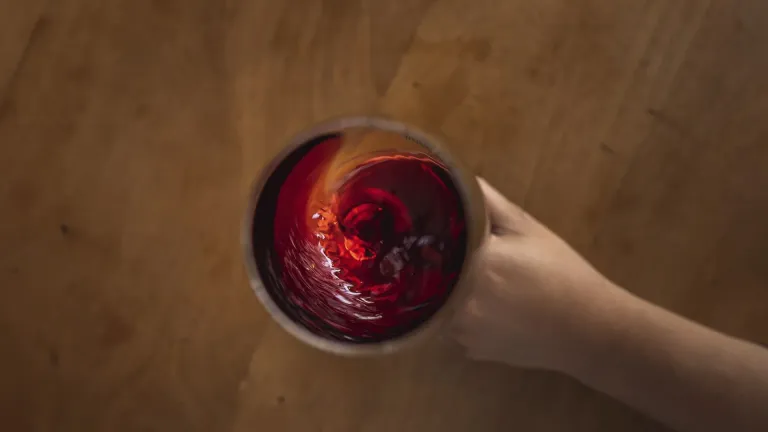
Cabernet Sauvignon: In-Depth Wine Profile
Discover Cabernet Sauvignon wine. Explore its history, aroma and flavour, styles and food pairings with this in-depth wine profile from Vinerra!
Are you interested in collaborating with us?
Get started