
Grapes
Acolon Grape Varietal: Everything You Need to Know

Acolon is a hybrid red grape varietal known as the Acolon grape variety, which produces rich, full-bodied wines with vibrant fruit flavours and smooth tannins. This grape variety, initially developed for cooler climates, has gained recognition for its ability to deliver high-quality wines across a variety of styles, including red and rosé.
At a Glance
- Berry colour
- Black
- Countries authorising it
- 8
Authorised in
Austria, Belgium, Canada, Czech Republic, Germany, Portugal, Switzerland, United Kingdom
Variety registrations: OIV Vine Varieties Database
Characteristics and Qualities
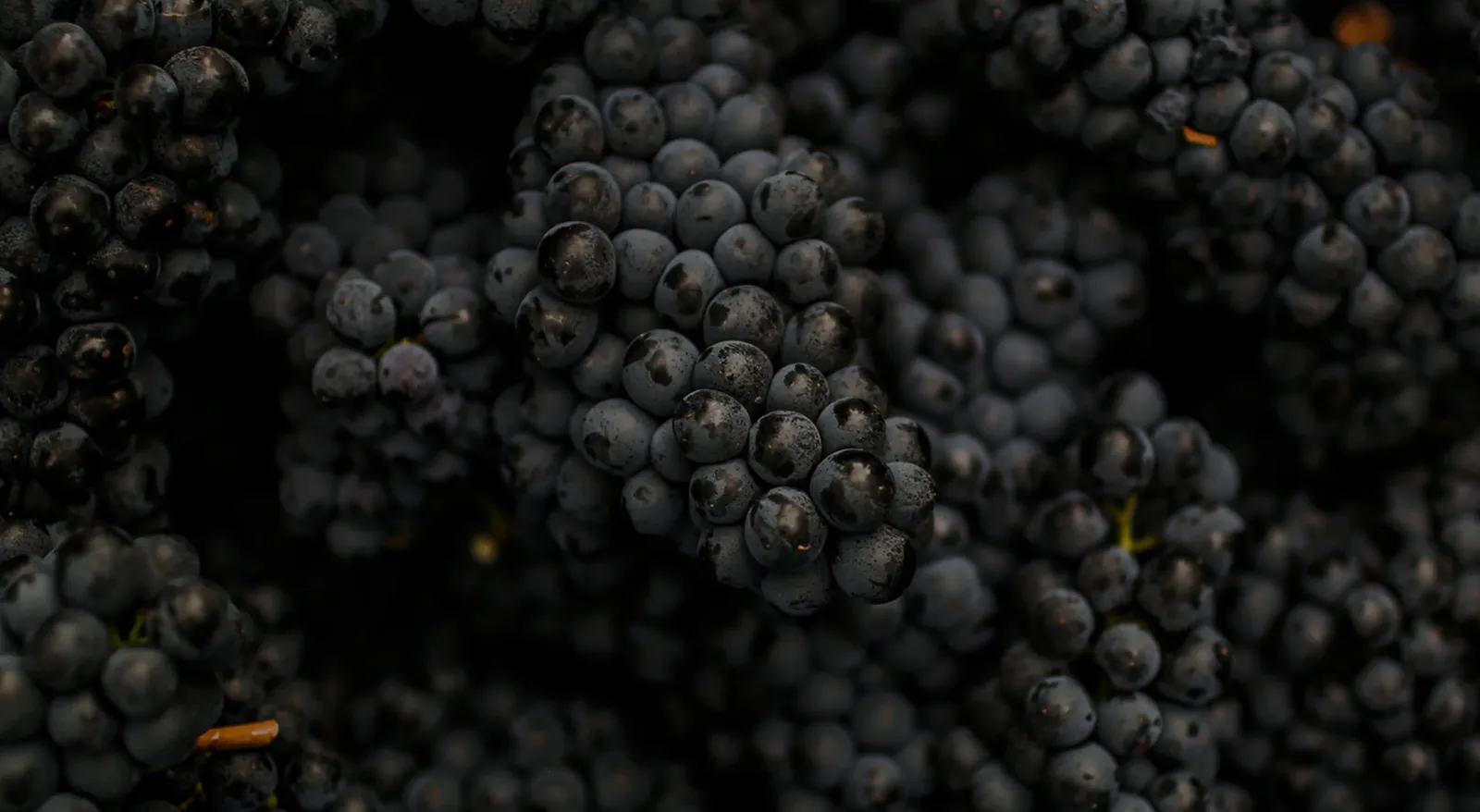
- Appearance: Acolon grapes are medium-sized, with dark blue skins and tightly packed clusters.
- Aroma and Flavor Profile: Wines from Acolon are aromatic, featuring notes of dark berries (blackberry, black cherry), plum, and subtle hints of spice, chocolate, and floral undertones. These wines also exhibit fine fruit flavours and subtle tannins, contributing to a harmonious fullness that pairs well with rich foods such as strong cheeses and meat dishes.
- Sugar and Acid Levels: Acolon balances moderate to high sugar levels with refreshing acidity, allowing for flexibility in winemaking styles.
Significance and Popularity
Acolon is praised for its early ripening and frost resistance, making it an attractive choice for winemakers in cooler climates. Within just a few years of its introduction, Acolon secured a place in the German red wine assortment, highlighting its rapid success. Its approachable profile and flexibility in both traditional and modern winemaking have contributed to its rising popularity.
Winemaking Potential
- Style Versatility:
- Red Wines: Full-bodied with concentrated fruit flavours and a smooth texture.
- Rosé Wines: Bright and aromatic, emphasizing red berry notes and a crisp finish.
- Aging Potential: While most Acolon wines are enjoyed young, high-quality expressions aged in oak can develop complexity over 5–8 years.
- Food Pairing Recommendations: Acolon wine pairs well with roasted meats, hearty stews, grilled vegetables, and semi-hard cheeses. It is also versatile enough to complement both robust meat dishes and lighter fare like grilled fish. Rosé styles complement lighter dishes, such as salads or seafood.
Historical Context and Origin
Acolon was created in 1971 in Germany by crossing Blauer Lemberger (Blaufränkisch) and Dornfelder grape varieties, though its development was not widely publicized until the 1990s. It was developed at the staatliche Lehr- und Versuchsanstalt. This red wine variety bred to combine the elegance and complexity of Lemberger with Dornfelder’s robust colour and structure was officially registered in 2002.
Viticultural Aspects
- Climate and Soil Preferences: Acolon thrives in cooler climates with well-drained soils, including loam, clay, and limestone. It requires moderate sunlight to develop its full flavour profile.
- Yield Potential and Vine Vigor: The varietal is moderately vigorous with reliable yields. Proper canopy management is essential to ensure fruit quality and balance.
- Susceptibility to Diseases and Pests: Acolon is relatively resistant to common fungal diseases like powdery mildew, though it can be susceptible to botrytis under overly humid conditions. Vine breeders successfully developed the Acolon variety from Lemberger and Dornfelder in Weinsberg, Württemberg, as early as 1971, enhancing the diversity and quality of the German red wine assortment.
Geographic Distribution and Cultivation
While originating in Germany, Acolon has found a home in several other countries, particularly in cool and moderate climates. Acolon ripens early, achieving considerable must weights, making it a significant addition to the German red wine scene. It is primarily grown in regions like Baden and Württemberg in Germany, with smaller plantings in Switzerland, Austria, and North America, including the United States and Canada.
Regional Expressions
Acolon in Germany
- Historical Importance and Prominence: Germany remains the heartland of Acolon, particularly in regions like Baden, Württemberg, and Rheinhessen. The significance of the Acolon variety within the German red wine assortment cannot be overstated, as it has rapidly risen in popularity since its breeding in 1971.
- The Acolon grape variety also plays a crucial role in the development of new genetically diverse varieties, highlighting its experimental growth and its role in breeding efforts since 1981.
- Key Wine-Producing Regions:
- Baden: Known for richer, fuller-bodied expressions with robust tannins.
- Württemberg: Produces fruit-driven, approachable wines, often blended to enhance structure.
- Stylistic Variations and Quality Levels: German Acolon ranges from easy-drinking, fruit-forward wines to more structured, oak-aged versions.
Acolon in Other Regions
- Global Distribution and Cultivation: Outside Germany, Acolon has gained traction in Austria and Switzerland, as well as experimental plantings in North America, particularly in the Midwest and Ontario. This grape variety is being explored for its potential to thrive in diverse climates.
- Notable Examples and Regional Interpretations: In North America, Acolon produces lighter, fruit-forward wines with a focus on accessibility. European versions often emphasize structure and depth, showcasing the versatility of different grape varieties.
- Impact on Local Wine Cultures: The adaptability of Acolon has allowed it to contribute to regional diversity, offering winemakers an opportunity to create unique expressions in both new and traditional wine-growing areas. The introduction of new grape varieties like Acolon enriches the local wine culture and expands the range of available wines.
Future Prospects and Trends
Emerging Trends and Developments
- Climate Change and Adaptation Strategies: Acolon’s resilience to frost and adaptability to various soil types position it well for regions experiencing climatic shifts.
- New Winemaking Techniques and Technologies: Producers are experimenting with techniques like cold maceration and extended lees aging to enhance flavour and texture.
- Consumer Preferences and Market Trends: Acolon’s approachable profile and suitability for both traditional and modern styles appeal to younger, adventurous wine consumers.
Potential for Growth and Expansion
- Exploring New Regions: Cooler regions in Canada, England, and the Pacific Northwest show potential for Acolon cultivation.
- Reputation Enhancement: Continued focus on quality winemaking and international exposure will elevate Acolon’s standing as a versatile, premium grape varietal.
Notable Wines and Producers
Iconic Acolon Wines and Acolon Wines
- High-Quality Examples: Acolon wines from Baden and Württemberg often stand out for their balance of fruit and structure, showcasing the grape’s potential for complexity. These regions are known for producing very colour-intensive wine, with a deep red colour that is visually striking and appealing.
- Tasting Notes: Expect ripe black fruit, a velvety mouthfeel, and hints of baking spice, cocoa, or vanilla in oak-aged versions. The Acolon grape variety is celebrated for its colour-intensive wine, which is characterized by mild tannins and a resemblance to Lemberger.
Renowned Producers
- Winery Profiles:
- Weingut Ellwanger (Württemberg): Produces single-varietal Acolon wines with a focus on terroir expression.
- Winzerverein Hagnau (Baden): Known for their innovative approach to Acolon blends and varietal bottlings. The Acolon variety, although bred earlier, was not authorized by the Federal Office for Plant Variety Protection until years later, highlighting the regulatory aspects involved in plant variety protection.
- Philosophy and Winemaking Practices: Many producers emphasize sustainable practices, low intervention, and small-batch production to highlight the grape’s unique qualities.
- Awards and Recognition: Acolon wines have received recognition in domestic competitions, particularly for their value and versatility.
Conclusion
Acolon is a promising grape varietal that blends resilience and versatility with the ability to produce wines of impressive quality. From its origins in Germany to its expanding presence in other regions, Acolon offers winemakers an adaptable varietal capable of meeting evolving consumer preferences. With its rich fruit flavours, smooth tannins, and stylistic flexibility, the Acolon grape varietal is poised for a bright future on the global wine stage.
Discover more grape profiles
Pinot Noir: In-Depth Grape Varietal Profile
Discover the Pinot Noir grape varietal. Explore its history, viticultural and primary growing regions with this in-depth profile from Vinerra!
Kerner Grape Varietal: Everything You Need to Know
Explore the Kerner grape to enhance your wine journey. Find the perfect match for your palate and elevate your next tasting experience!
Discovering the Petite Pearl Grape: A Wine Lover's Guide
Explore the unique flavors of the Petite Pearl grape varietal and enhance your wine knowledge, with our comprehensive guide!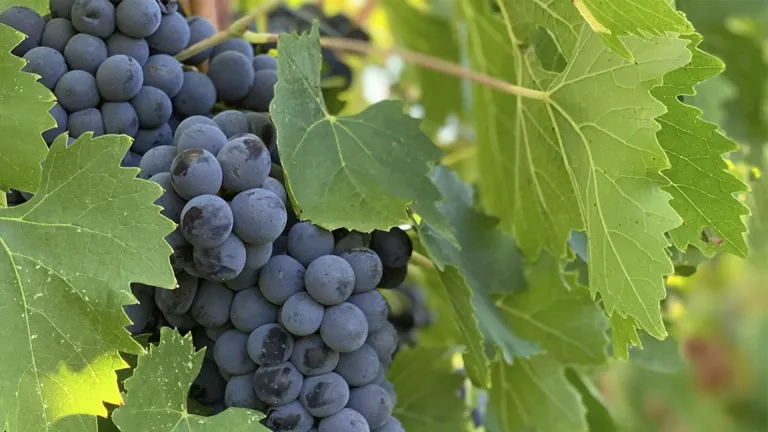
Exploring the De Chaunac Grape Varietal: A Bold Choice for Wine Lovers
Discover the unique characteristics of the De Chaunac grape and why it’s a bold choice for wine enthusiasts. Dive into this distinctive grape!


Are you interested in collaborating with us?
Get started