
Grapes
Discovering the Petite Pearl Grape: A Wine Lover's Guide
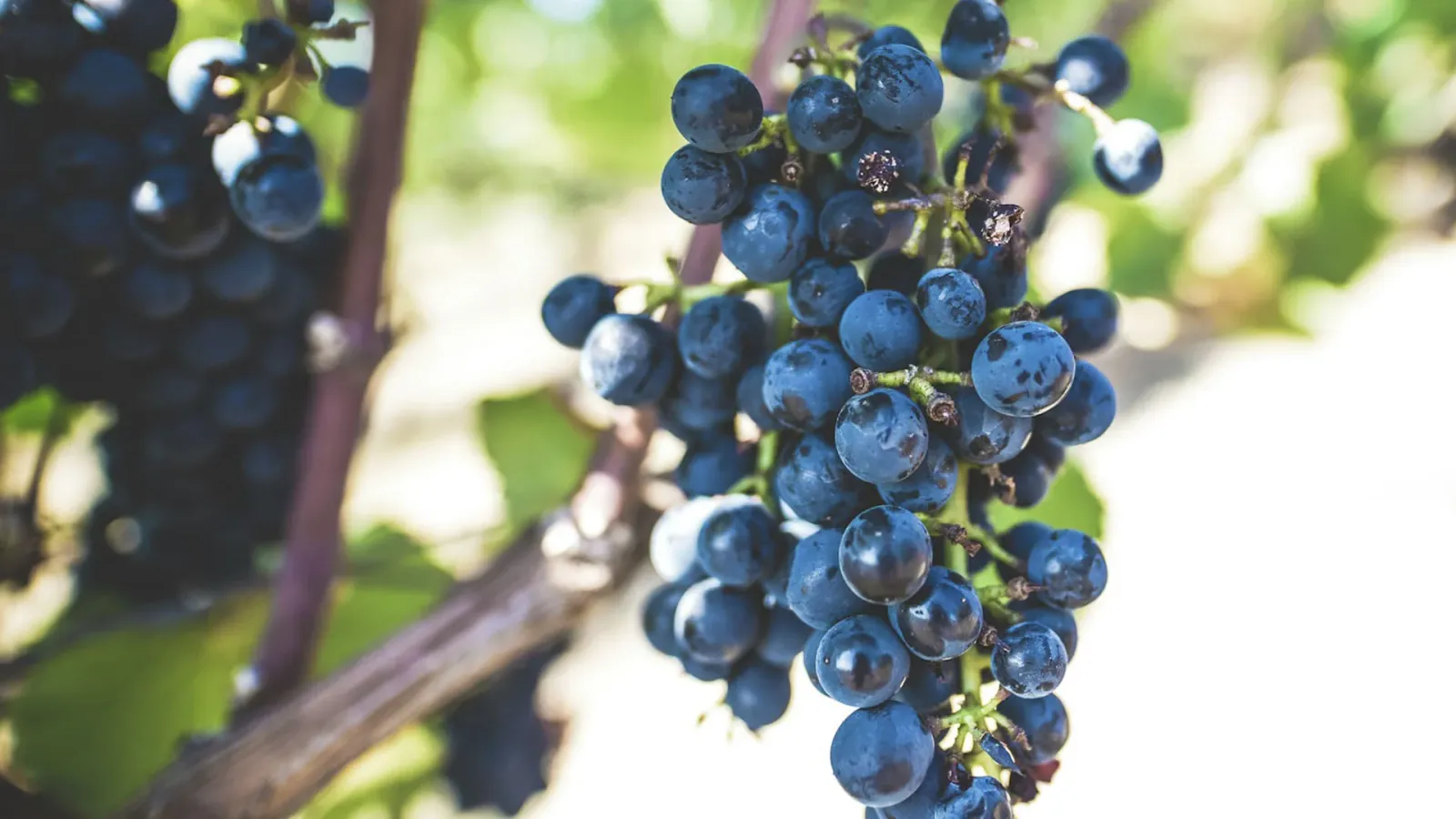
Petite Pearl is a red hybrid grape variety known for its resilience to cold climates and adaptability, making it a popular choice in northern wine-growing regions. It produces wines with dark fruit flavours, balanced acidity, and notable tannin structure, often crafted as robust reds with the potential for aging. It is highly resistant to common vine diseases.
Characteristics and Qualities
Grape Characteristics
- Appearance: The grapes are small to medium in size, with thick, dark purple skins that contribute to the deep colour of the wine.
- Aroma and Flavor Profile: Petite Pearl wines are characterized by rich aromas of dark berries, black cherry, and plum, often accompanied by earthy, peppery, and herbal undertones. It offers complexity with secondary notes of spice, tobacco, and sometimes leather as the wine ages.
- Sugar and Acid Levels: Petite Pearl has moderate sugar levels and good natural acidity, providing a balanced structure and allowing for versatility in winemaking styles.
Winemaking Potential and Attractive Earthy Aromas
- Style Versatility: Petite Pearl is primarily used to make full-bodied red wines but is also crafted into rosés and occasionally sparkling wines. Its structure and colour intensity make it an ideal candidate for blending, though single-varietal expressions are also highly regarded.
- Aging Potential: Wines made from Petite Pearl have moderate to high aging potential. With aging, the tannins soften, and the wine develops additional complexity, with tertiary flavours like leather, chocolate, and dried fruit emerging, which add complexity to the overall profile.
- Food Pairing Recommendations: Petite Pearl pairs well with hearty dishes, such as grilled meats, stews, and roasted vegetables. Its acidity and tannin structure make it a great match for rich, savoury foods, including barbecue and aged cheeses.
Historical Context and Origin
Petite Pearl was developed by Tom Plocher in Minnesota in the early 2000s. It is a complex hybrid that combines elements of Vitis vinifera, Vitis riparia, and Vitis labrusca. Its cold-hardiness and disease resistance were key objectives in its breeding, enabling it to withstand temperatures as low as -30°F (-34°C), making it well-suited for harsh northern climates.
Viticultural Aspects
- Climate and Soil Preferences: Petite Pearl is exceptionally cold-hardy and thrives in cool climates, requiring minimal winter protection. It performs well in a range of soils, although well-drained, moderately fertile soils tend to yield the best results.
- Yield Potential and Vine Vigor: Petite Pearl is a moderate-yielding vine with balanced vigour. It tends to produce consistent harvests with manageable yields that help ensure concentrated flavours.
- Susceptibility to Diseases and Pests: Petite Pearl has a natural resistance to many common grapevine diseases, including mildew and downy mildew, making it relatively low-maintenance compared to vinifera grapes. However, it can be susceptible to some pest pressures, depending on the region.
Growing and Maintenance
- Vineyard Planting: Petite Pearl vines thrive in well-draining soils with a pH between 6.0 and 7.0. When planting, it’s essential to space the vines 6-8 feet apart and maintain 8-10 feet between rows. This spacing ensures adequate air circulation and sunlight penetration, which are crucial for healthy vine growth and fruit production.
- Pruning and Training: Annual pruning is vital for maintaining the health and productivity of Petite Pearl vines. Removing dead or diseased wood helps prevent the spread of infections and promotes vigorous growth. The high cordon system is recommended for training these vines, as it supports optimal fruit exposure and ease of maintenance.
- Pest and Disease Management: One of the standout features of Petite Pearl is its high resistance to powdery and downy mildew, as well as black and bunch rot. However, regular monitoring and integrated pest management practices are still necessary to prevent any potential outbreaks and ensure the vines remain healthy.
- Fertilization: A balanced fertilization program is crucial for the healthy growth of Petite Pearl vines. Annual applications of nitrogen, phosphorus, and potassium help support robust vine development and fruit production. Tailoring the fertilization to the specific needs of the vineyard can lead to better grape quality and yield.
- Irrigation: Consistent moisture levels are essential, especially during the first year after planting. Drip irrigation or sprinkler systems are effective methods for providing the necessary water supply. Ensuring the vines receive adequate water helps them establish strong root systems and supports overall vine health.
- Bud Break and Harvest: Bud break for Petite Pearl typically occurs in late spring, signalling the start of the growing season. Harvest usually takes place in late September or early October when the grapes are ripe and have reached optimal sugar and acid levels. This timing is crucial for producing high-quality wines with balanced flavours and structure.
- Crop Thinning: To promote even ripening and prevent over-cropping, crop thinning may be necessary. This involves selectively removing grape clusters to improve air circulation and sunlight exposure. Thinning helps ensure that the remaining grapes develop fully, resulting in better quality and more concentrated flavours.
- Pest Control: Regular monitoring for pests such as mites, mealybugs, and spider mites is essential to prevent infestations. Employing organic or integrated pest management methods can effectively control pest populations without harming the environment. Keeping the vineyard pest-free is crucial for maintaining healthy vines and high-quality grape production.
Geographic Distribution and Cultivation
Primarily cultivated in North America, Petite Pearl is grown in cold-climate regions such as the Midwest United States, the Canadian Ontario region and the New York wine region of the United States. Its adaptability has also sparked interest in cooler regions of Canada, where winemakers face climatic challenges with more traditional vinifera varietals.
Regional Expressions
Petite Pearl in North America
- Historical Importance and Prominence: As a relatively recent development, Petite Pearl has quickly gained a following in North America, especially in the Midwest and northeastern United States. Its introduction marked a breakthrough for winemakers in cold climates, offering them the opportunity to produce quality red wines.
- Key Wine-Producing Regions:
- Ontario, Canada: Petite Pearl in Ontario is typically fruit-forward with balanced acidity, often showing rich berry and spice notes. The cold winters and moderate growing season bring out the grape’s natural depth.
- New York State: In New York, Petite Pearl wines often exhibit a bit more tannic structure and a slightly earthier profile, influenced by the region’s cooler, variable climate.
- Stylistic Variations and Quality Levels: Petite Pearl wines can vary from medium to full-bodied and are crafted in styles ranging from easy-drinking reds to more complex, age-worthy wines. Quality levels are high, with an emphasis on capturing the grape’s unique flavours and cold-climate adaptability.
Petite Pearl in Other Regions
- Global Distribution and Cultivation: Petite Pearl is starting to gain traction outside North America, with experimental plantings in other cool-climate areas. While still limited, its distribution is expanding as winemakers in emerging wine regions explore cold-hardy hybrids.
- Notable Examples and Regional Interpretations: In areas with slightly milder winters, Petite Pearl can show a riper fruit profile with more prominent plum and cherry flavours. Winemakers often emphasize the grape’s natural acidity and tannin, crafting it into food-friendly wines.
- Impact on Local Wine Cultures: Petite Pearl has invigorated the wine industries in regions where producing full-bodied red wines was previously challenging. It has helped to diversify the styles available to consumers, expanding the options for locally produced, high-quality red wines.
Future Prospects and Trends
Emerging Trends and Developments
- Climate Change and Adaptation Strategies: Petite Pearl’s resilience to cold and its tolerance of challenging growing conditions make it an important grape as winemakers contend with climate change. Its hardiness and adaptability offer new possibilities for northern wine regions.
- New Winemaking Techniques and Technologies: Some winemakers are exploring different aging techniques, such as using neutral oak and experimenting with blending, to bring out Petite Pearl’s best qualities. Its structure makes it a candidate for both traditional red winemaking and innovative new styles.
- Consumer Preferences and Market Trends: As consumers become more aware of and interested in hybrid varietals, Petite Pearl’s reputation continues to grow. Its approachable flavour profile and versatility make it appealing to a broad audience, particularly in regions where hybrid grapes are becoming more mainstream.
Potential for Growth and Expansion
- Exploring New Regions: Petite Pearl’s adaptability to cold climates means it could be planted in even more emerging wine regions, such as parts of northern Europe and Canada. Its ability to produce high-quality reds in cool conditions makes it a valuable addition to any cold-climate vineyard.
- Reputation Enhancement: With continued investment in high-quality winemaking, Petite Pearl has the potential to become a respected name in the world of cold-climate red wines. As it gains visibility through awards and media coverage, it could achieve greater recognition and appreciation.
Notable Wines and Producers
Iconic Petite Pearl Wines
- High-Quality Examples: Petite Pearl wines that receive critical acclaim typically showcase deep fruit character, balanced acidity, and smooth tannins. These wines highlight the grape’s versatility and ability to perform well even in the coldest climates. These wines are often sought after, and securing a bottle can be a testament to their rarity and exclusivity.
- Tasting Notes: Iconic Petite Pearl wines feature rich aromas of blackberry, black cherry, and spices, with earthy undertones and a long, smooth finish. With age, these wines can develop additional complexity, showing notes of leather, dried herbs, and dark chocolate.
Renowned Producers
- Winery Profiles: Key producers of Petite Pearl include Domaine Berrien Cellars in Michigan and Fielding Estate Winery in Ontario. These wineries are noted for their dedication to cold-climate winemaking and for crafting Petite Pearl wines that highlight the grape’s full potential.
- Philosophy and Winemaking Practices: Many Petite Pearl producers prioritize sustainable practices and minimal intervention to allow the grape’s natural character to shine. Some producers are experimenting with oak aging to add structure and depth to the wines.
- Awards and Recognition: Petite Pearl wines have been recognized in several North American wine competitions, highlighting the grape’s potential for quality and complexity. Its ability to compete with more traditional varietals has garnered attention in the cold-climate winemaking community.
Conclusion
Petite Pearl is a groundbreaking hybrid grape that has enabled the production of high-quality red wines in some of the world’s coldest wine-growing regions. With its rich fruit flavours, balanced structure, and adaptability, Petite Pearl is well-positioned to become a staple varietal in cool-climate viticulture. Its versatility and resilience suggest a promising future as winemakers continue to explore their full potential.
Discover more grape profiles
Casavecchia Grape: An In-Depth Profile
Discover the unique varietals and regions of the Casavecchia grape, and learn what makes this intriguing variety stand out.
Grüner Veltliner: An In-Depth Grape Profile
Discover Grüner Veltliner’s origins, flavor profile, and Austrian identity in Vinerra’s in-depth grape guide
Airén: An In-Depth Grape Profile
Discover the unique characteristics of Airén, Spain's underrated grape. Learn about its flavor profile, and food pairings!
Nero d'Avola: An In-Depth Grape Profile
Explore how Nero d’Avola thrives in Sicily’s heat, holding acidity and structure while delivering plush, dark-fruited reds
Montepulciano: an In-Depth Grape Profile
Explore the rich characteristics of Montepulciano grapes and discover their unique aromas, flavors, and history!
Trebbiano Toscano: An In-Depth Grape Profile
Explore Trebbiano Toscano, its distinct flavor profile, versatility in winemaking and its best food pairings!
Lambrusco Grasparossa: An In-Depth Grape Profile
Discover the unique characteristics of Lambrusco Grasparossa, from its flavor profile to ideal pairings!
Lambrusco di Sorbara: an In-Depth Grape Profile
Explore the unique characteristics of Lambrusco di Sorbara grape, and discover the main styles produced with it!
Ancellotta: An In-Depth Grape Profile
Discover the unique characteristics of Ancellotta grapes, from their flavor profile to ideal growing conditions!
Lambrusco Maestri: An In-Depth Grape Profile
Explore the unique characteristics of Lambrusco Maestri, a delightful grape for wine enthusiasts. Learn about its flavor profile!
Lambrusco Salamino: An In-Depth Grape Profile
Discover the unique qualities of Lambrusco Salamino and how this grape can enhance your wine experience!
Discover Incrocio Bruni 54: An In-Depth Grape Varietal Profile
Did you know that the Incrocio Bruni 54 grape is a cross between Sauvignon Blanc and Verdicchio? Learn more about this gem!
Discover the Pinotage Grape: Taste, Pairing, and Variations
Discover the distinct flavors of Pinotage in this comprehensive tasting guide. Dive in to enhance your wine knowledge!
Discover the Colorino Grape: Italy’s Bold and Inky Variety
Discover the unique flavor profile of the Colorino grape, and learn why it’s a must-try for wine enthusiasts!
Discover Grechetto: An In-Depth Grape Varietal Profile
Explore Grechetto, a distinctive Italian grape variety. Learn about its history, flavor profile, and best food pairings!
Discover Clairette: Everything You Need to Know About this Grape Varietal
Discover the flavors and perfect pairings of Clairette. Find out how to enjoy this delightful variety, and enhance your knowledge!
Uva Rara: A Guide to This Unique Italian Grape
Explore Uva Rara, a rare Italian grape variety known for its distinct flavors. Learn about its history and wine pairings!
Vespolina Grape: An Italian Hidden Gem
Explore the Vespolina grape, a unique varietal in Italian wines. Learn about its characteristics and best food pairings!
Understanding the Glera Grape: Characteristics and Uses
Discover Glera’s origins, characteristics, and defining role in Prosecco in Vinerra’s in-depth grape guide
The Kanella Grape Varietal: Everything You Need to Know
Discover the Kanella grape varietal, its characteristics, growing conditions, and best uses. Learn more about this unique grape!
Discover the Unique Characteristics of the Yiannoudi Grape
Discover the distinct characteristics of the Yiannoudi grape varietal, its flavor profile, and its role in winemaking!
Exploring the Morokanella Grape: A Unique Cypriot Treasure
Discover the Morokanella grape, a unique Cypriot varietal with rich heritage and flavor. Dive into its characteristics and winemaking potential!
Exploring the Unique Qualities of the Spourtiko Grape
Discover the distinct flavors and characteristics of the Spourtiko grape varietal, and learn how it shapes unique wines!
Exploring the Unique Characteristics of the Mavro Grape
Discover the unique traits of the Mavro grape varietal, its heritage, and flavor profile. Dive into the article to learn more!
Promara Grape: Reviving the Cypriot Wine Heritage
Discover the Promara grape varietal and its role in revitalizing Cyprus's wine heritage. Learn how this unique variety is making a comeback!
Discover the Maratheftiko Grape: A Unique Cypriot Treasure
Discover the Maratheftiko grape varietal, a unique treasure from Cyprus. Learn about its history, flavor profile, and winemaking potential!
Xynisteri Grape: A Mix of Taste and Adaptability
Discover the Xynisteri grape varietal, its unique flavor profile, and how it adapts to different climates!
Discover the Altesse Grape: Characteristics and Best Pairings
Explore the Altesse grape varietal’s unique characteristics and discover the best food pairings to enhance your tasting experience!
Discover the Alphonse Lavallée Grape: A Traditional Delight
Discover the Alphonse Lavallée grape varietal, its unique flavor profile, food pairings, and how it enhances traditional winemaking!
Aligoté Grape Varietal: Discover Burgundy's Hidden Gem
Discover the Aligoté grape, a delightful alternative to Burgundy's famous varietals. Learn about its unique flavors and why it's worth a taste!
Alicante Bouschet: Everything You Need to Know
Explore the bold and unique flavors of the Alicante Bouschet grape varietal. Learn its characteristics and enhance your wine experience!
Acolon Grape Varietal: Everything You Need to Know
Explore Acolon’s Blaufränkisch × Dornfelder heritage, cool-climate strengths, and dark-fruit profile in Vinerra’s grape guide
Discovering the Characteristics of Pinot Meunier
Explore the unique characteristics and versatile uses of the Pinot Meunier grape. Learn how it can elevate your wine experience!
Discover the Fetească Neagră Grape: A Romanian Treasure
Explore the rich flavors of Fetească Neagră, Romania's prized grape varietal. Learn about its history, tasting notes, and food pairings!
Kerner Grape Varietal: Everything You Need to Know
Explore the Kerner grape to enhance your wine journey. Find the perfect match for your palate and elevate your next tasting experience!
Greco Bianco: an In-Depth Grape Profile
Discover the distinctive qualities of Greco Bianco, Italy's unique grape variety. Learn about its flavor profile and food pairings!
Exploring the Reichensteiner Grape Varietal Characteristics
Discover the unique characteristics and uses of the Reichensteiner grape varietal. Learn how it can enhance your wine experience!
Exploring the Frontenac Blanc Grape Varietal Characteristics
Discover the unique characteristics and uses of the Frontenac Blanc grape varietal. Explore its flavor profile and potential in winemaking!
Exploring the Sainte Croix Grape Varietal: Flavor and Cultivation Tips
Discover the unique flavors of the Sainte Croix grape and the best food pairings for this grape! Read more to get started
Discovering the Unique Qualities of the Geisenheim 318 Grape
Explore the distinctive traits of the Geisenheim 318 grape varietal and learn how it stands out in the world of wine!
Exploring the Characteristics of the Lucie Kuhlmann Grape
Discover the unique characteristics and versatile uses of the Lucie Kuhlmann grape varietal. Enhance your wine knowledge with our article!
Discovering the Unique Qualities of the L'Acadie Blanc Grape Varietal
Explore the distinctive traits of the L'Acadie Blanc grape, its flavor profile, and wine-making potential with our comprehensive article!
Exploring the De Chaunac Grape Varietal: A Bold Choice for Wine Lovers
Discover the unique characteristics of the De Chaunac grape and why it’s a bold choice for wine enthusiasts. Dive into this distinctive grape!
Discovering the Petite Pearl Grape: A Wine Lover's Guide
Explore the unique flavors of the Petite Pearl grape varietal and enhance your wine knowledge, with our comprehensive guide!
Exploring the Ortega Grape: A German Rising Star
Discover the Ortega grape varietal and its potential in British wines. Learn about its unique characteristics and why it’s gaining popularity!
Explore the Madeleine Angevine Grape: A Wine Lover's Guide
Discover the unique flavors and characteristics of the Madeleine Angevine grape. Enhance your wine knowledge and find your next favorite bottle!
Discover the Fiano Grape: Everything You Need to Know
Discover the Fiano grape's rich history, unique flavors, and perfect food pairings. Dive into the world of this exquisite and unique varietal!
Vermentino (Rolle) Grape Varietal: Everything You Need to Know
Discover the versatility of Vermentino, the perfect grape for any occasion. Learn about its flavor profiles and pairing tips in our latest article!
The Carignan Grape Varietal: A Guide to Its Best Characteristics
Discover the unique traits of the Carignan grape varietal, from its rich flavors to ideal pairings, and enhance your wine knowledge!
Mourvèdre Grape Varietal: A Comprehensive Guide to Its Rich Flavors
Discover the rich flavors of Mourvèdre, its origins, and food pairings. Dive into this comprehensive guide to enhance your wine experience!
Discover the Aglianico Grape Varietal: Flavor Profile and Pairing Tips
Explore the Aglianico grape's rich flavor profile and discover perfect and surprising pairing tips to elevate your wine experience!
Exploring the Petite Syrah Grape Varietal: Characteristics and Pairing
Discover the unique characteristics of the Petite Syrah grape and learn the best food pairings to enhance your tasting experience!
Exploring the Dechaunac Grape Varietal: Flavor, Benefits, and Pairings
Discover the Dechaunac grape varietal's unique flavor profile, health benefits, and perfect food pairings!
Understanding the Niagara Grape Varietal: Flavor and Characteristics
Explore the Niagara grape varietal's unique flavors and characteristics. Discover its taste profile and ideal pairings!
The Best Uses and Characteristics of the Marechal Foch Grape Varietal
Discover the unique characteristics and versatile uses of the Marechal Foch grape. Explore its flavor profile and food pairings!
Discovering the Traminette Grape Varietal: Flavor and Profile Insights
Explore the unique flavor profile of the Traminette grape. Learn its characteristics and culinary pairings. Dive into the world of Traminette today!
Exploring the Seyval Blanc Grape Varietal: Characteristics and Flavors
Discover the unique characteristics and flavors of Seyval Blanc grapes. Learn how this varietal can enhance your wine experience. Read more!
Exploring the Unique St Pepin Grape Varietal and Its Flavor Profile
Discover the St Pepin grape varietal, its unique flavor profile, and how it stands out in the world of wine. Dive into this article for insights!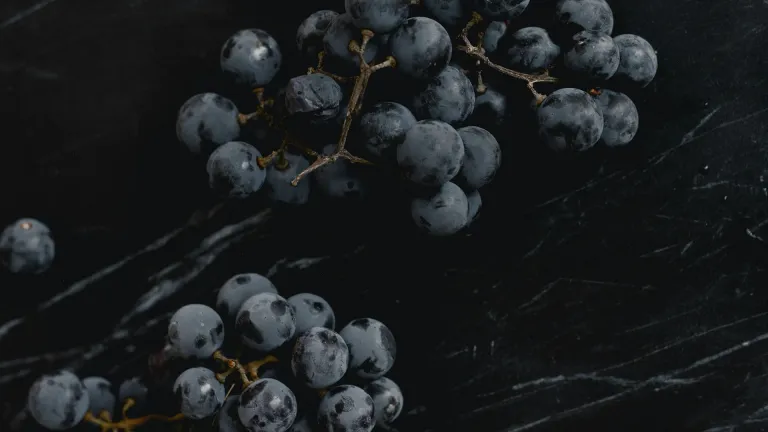
Exploring the Marquette Grape Varietal: Everything You Need to Know
Discover the Marquette grape's unique characteristics and benefits for winemaking. Learn how this varietal can enhance your vineyard's offerings.!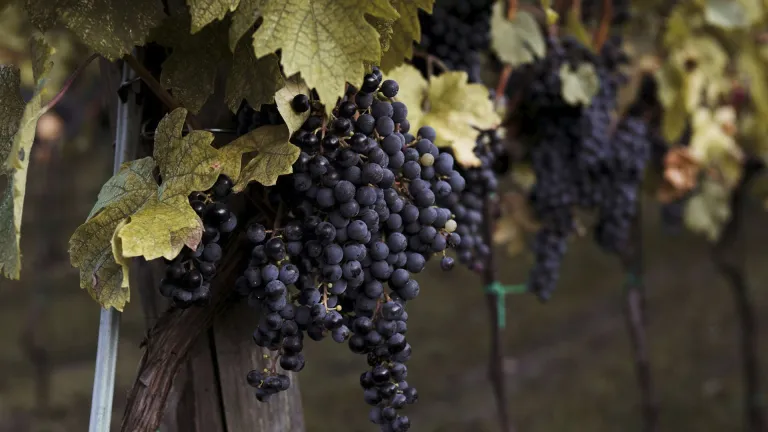
Exploring the Frontenac Grape Varietal: A Midwest Gem for Wine Lovers
Discover the Frontenac grape, a unique Midwest varietal that delights wine lovers. Learn about its traits, flavors, and perfect pairings
Exploring the Petit Verdot Grape Varietal: Main Characteristics and Styles
Discover the unique characteristics and diverse styles of the Petit Verdot grape. Learn how this varietal can elevate your wine experience!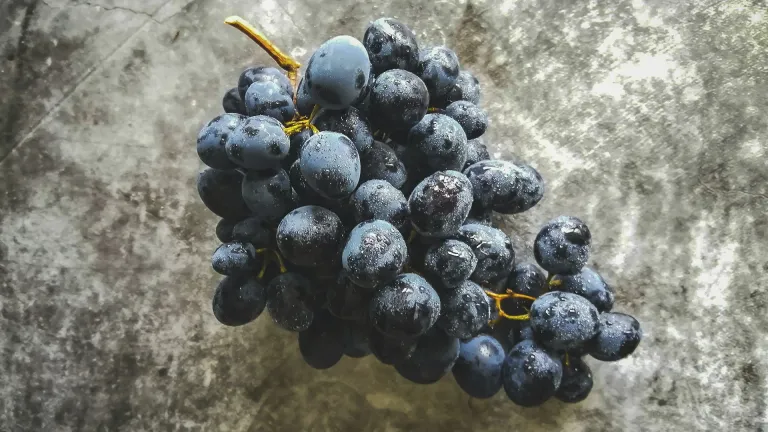
Exploring the Unique Characteristics of the Baco Noir Grape Varietal
Discover the distinct traits of the Baco Noir grape, from its flavor profile to ideal growing conditions. Dive into this unique varietal today!
Exploring the Torrontés Grape Varietal: A Guide to Its Unique Flavors
Discover the distinct flavors of the Torrontés grape varietal and learn how to appreciate its unique characteristics. Read the article for insights!
Discover the Albariño Grape Varietal: Everything You Need to Know
Explore the Albariño grape varietal to elevate your wine experience, and find the perfect choice for your next tasting adventure. Read more!
Exploring the Carménère Grape Varietal: Flavor, History, and Pairings
Discover the rich flavors, history, and perfect pairings of the Carménère grape. Dive into our article for a comprehensive guide on this unique grape!
Sangiovese Grape: Characteristics, Varieties, and Food Pairings
Discover the Sangiovese grape's unique characteristics, diverse varieties, and perfect food pairings. Explore this iconic Italian varietal!
The Essential Guide to the Gamay Grape Varietal
Discover the world of Gamay grapes, from flavor profiles to food pairings. Dive into our essential guide and enhance your wine knowledge today!
Guide to the Vidal Grape Varietal: Characteristics and Uses
Discover the Vidal grape's unique characteristics and versatile uses in winemaking. Enhance your knowledge and elevate your tasting experience!
Exploring the Voskehat Grape Varietal: A Taste of Armenia's Heritage
Discover the Voskehat grape, a key player in Armenia's wine heritage. Learn about its unique flavors and cultural significance!
Exploring the Kangun Grape Varietal: A Taste of Armenian Heritage
Discover the unique flavors and rich history of the Kangun grape varietal, a gem of Armenian heritage. Dive into this distinctive grape variety!
Exploring the Alibernet Grape Varietal: A New Favorite in Winemaking
Discover the Alibernet grape varietal, its unique characteristics, and why it's gaining popularity in winemaking! Read more here
Exploring the Devin Grape Varietal: Characteristics and Wine Profiles
Discover the Devin unique characteristics and wine profiles. Learn how its flavors can enhance your next wine experience. Read more!
Exploring the Dunaj Grape Varietal: Characteristics and Flavor Profile
Discover the unique characteristics and flavor profile of the Dunaj grape varietal. Dive into its potential to craft expressive and unique wines!
Exploring the Welschriesling Grape Varietal: Characteristics and Uses
Discover the versatile characteristics and uses of the Welschriesling grape. Dive into its profile and find the perfect pairing for your next meal!
Exploring the Saint Laurent Grape Varietal: A Hidden Gem in Winemaking
Discover the unique characteristics of the Saint Laurent grape varietal and its potential in winemaking. Learn more about this hidden gem today!
Discover the Best Characteristics of the Blauer Portugieser Grape Varietal
Discover the unique qualities of the Blauer Portugieser grape varietal, from its flavor profile to ideal pairings. Enhance your wine knowledge!
Discover the Zweigelt Grape Varietal: Austria's Rising Star Red Wine
Explore the Zweigelt grape, Austria's promising red grape. Discover its unique flavors and food pairings. Read on to enhance your wine knowledge
Discover the Pinot Blanc Grape Varietal: Everything You Need to Know
Meet Pinot Blanc, one of the most underrated grapes within the Pinot Family, and learn about what unique characteristics brings to the table!
Müller-Thurgau Grape Varietal: Everything You Need to Know
Meet Müller-Thurgau, the grape that combines the intense aromas of Riesling with the early-ripening abilities of the Madeleine Royale grape!
Discover the Areni Noir Grape Varietal: A Guide to Armenia’s Most Historic Wine Treasure
Meet Areni Noir, the Armenian red grape by excellence! Learn about the unique wines it produces, and why its so cheriyed within Armenia!
Discover the Bornova Misketi Grape Varietal: A Treasure of Turkish Viticulture
Welcome to the amazing world of Bornova Misketi! Learn about the distintive aromatic profile of the delicious Turkish wines this grape produces.
Discover the Sultaniye Grape Varietal: One of Turkey's Most Famous Indigenous Varieties
Discover the amazing Sultaniye grape, a Turkish variety that craft wines with intense red fruit aromas and a refreshing profile on the palate!
Discover Boğazkere: Turkey’s Bold Indigenous Grape Variety
Discover the powerful Boğazkere grape, a Turkish grape that crafts wines with great structure and delicious red fruit aromas!
Discover Kalecik Karası: A Guide to Turkey’s Indigenous Red Grape Variety
Did you know that Kalecik Karası produces spicy and fruit forward wines? Learn more amazing facts about this Turkish grape variety!
Discover Hasandede: A Guide to Turkey’s Famous Indigenous Grape Variety
Hasandede is a grape that although its not renowned worldwide crafts amazing Turkish wines. Learn about its rich history and the wines it produces!
Discover Narince: One of Turkey’s Indigenous White Grape Variety
Did you know that Narince has been cultivated through generations? Learn more about this indigenous Turkish white grape!
Discover Fersun: A Guide to Understanding Turkey’s Indigenous Grape Variety
Did you know that, despite its not widely know worldwide, Fersun is very popular withing Turkey? Learn more amazing facts about this grape!
Discover the Rich Flavors of Öküzgözü: A Guide to Turkey’s Indigenous Red Grape
Did you know that Öküzgözü produce wines characterized for their intense fruity flavors? Learn more amazing facts about this Turkish grape!
Acıkara: The Rising Star of Turkish Wine
Discover the Acikara grape, and learn about its relevance for the thriving Turkish wine industry and in which conditions it thrives!
Merwah Grape: Lebanon’s Ancient and Resilient Variety
Did you know that Merwah cultivation started thousand of centuries ago, in Lebanon? Discover more amazing facts about this Lebanese grape!
The Obaideh Grape: A Guide to Lebanon’s Native Wine Variety
Did you know that Obaideh is one of the primary grapes of Lebanon? Learn about the conditions where this unique lebanese grape thrives!
Albillo: an In-Depth Grape Profile
Discover Albillo, a Spanish grape that’s been flying under the radar but is starting to turn heads in the wine world!
Verdejo: an In-Depth Grape Profile
Welcome to the world of Verdejo! Discover which are the main characteristics of this white grapes, and the regions where Verdejo shines!
Macabeo: an In-Depth Grape Profile
Unveil all the secrets of Macabeo, a white grape that has roots in the Spanish wine industry but that is also having an impact in France!-768x432.webp)
Zinfandel: an In-Depth Grape Varietal Profile
Discover Zinfandel, a grape with a lot of history that shares a genetic connection with the Croatian Tribidrag grape. Click here!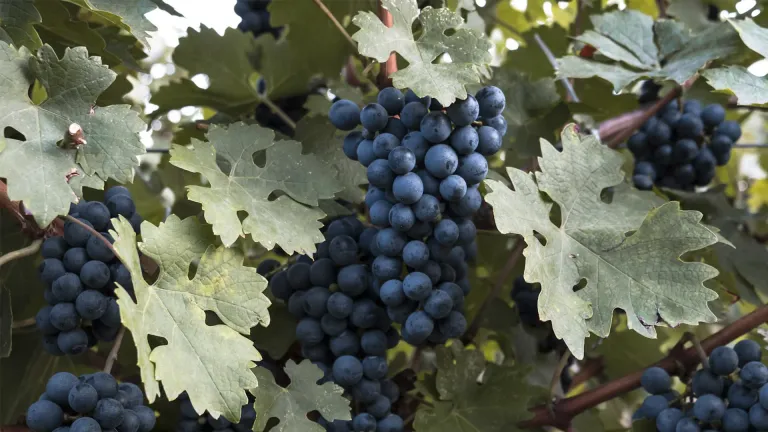
Barbera: an In-Depth Grape Varietal Profile
Discover Barbera, an Italian grape variery that is cherished for its robust flavour and adaptability to different climates. Click here!-768x432.webp)
Tannat: an In-Depth Grape Varietal Profile
Discover the robust profile of Tannat, a grape known for its bold flavors and rich tannins, ideal for age-worthy reds.
Assyrtiko: an In-Depth Grape Varietal Profile
Discover Assyrtiko, a white grape varietal that has become a symbol of Greek viticulture's distinctiveness and adaptability. Click here!
Viognier: an In-Depth Grape Varietal Profile
Learn all about the Viognier grape, from its origins to the regions that offer the ideal canvas for this grape to develop its potential!
Semillon: In-depth Grape Varietal Profile
Jump straight into the world of Semillon, a grape that gives birth to fine wines, and learn about some of the most iconic Semillon wines!
Marselan: In-depth Grape Varietal Profile
Embark on a journey through the world of the Marselan grape, a hibrid variety with an unique identity and qualities!
Syrah: In-depth Grape Varietal Profile
Join us on a journey throug the world of Syrah, and discover its rich history, unique characteristics and the main regions where it thrives!
Malbec: In-Depth Grape Varietal Profile
Discover the Malbec grape varietal. Explore its history, viticultural and primary growing regions with this in-depth profile from Vinerra!
Grenache: In-Depth Grape Varietal Profile
Discover the Grenache grape varietal. Explore its history, viticultural and primary growing regions with this in-depth profile from Vinerra!
Pinot Gris: In-Depth Grape Varietal Profile
Learn about the history and most recognizable characteristics of the Pinot Gris grape with this in-depth profile!
Chenin Blanc: In-Depth Grape Varietal Profile
Discover the Chenin Blanc grape varietal. Explore its history, viticultural and primary growing regions with this in-depth profile from Vinerra!
Muscat: In-depth Grape Varietal Profile
Discover the Muscat grape varietal. Explore its history, viticultural and primary growing regions with this in-depth profile from Vinerra!
Gewürztraminer: In-Depth Grape Varietal Profile
Discover the Gewürztraminer grape varietal. Explore its history, viticultural and primary growing regions with this in-depth profile from Vinerra!
Tempranillo: In-Depth Grape Varietal Profile
Discover the Tempranillo grape varietal. Explore its history, viticultural and primary growing regions with this in-depth profile from Vinerra!
Cabernet Franc: In-Depth Grape Varietal Profile
Discover the Cabernet Franc grape varietal. Explore its history, viticultural and primary growing regions with this in-depth profile from Vinerra!
Riesling: In-Depth Grape Varietal Profile
Discover the Riesling grape varietal. Explore its history, viticultural and primary growing regions with this in-depth profile from Vinerra!
Sauvignon Blanc: In-Depth Grape Varietal Profile
Discover the Sauvignon Blanc grape varietal. Explore its history, viticultural and primary growing regions with this in-depth profile from Vinerra!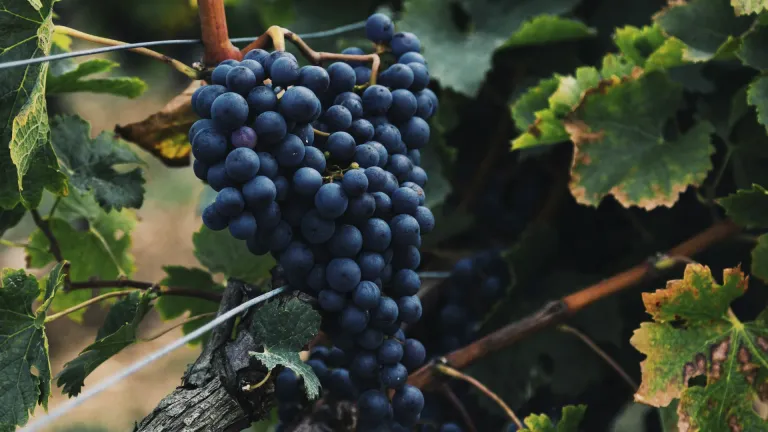
Merlot: In-Depth Grape Varietal Profile
Discover the Merlot grape varietal. Explore its history, viticultural and primary growing regions with this in-depth profile from Vinerra!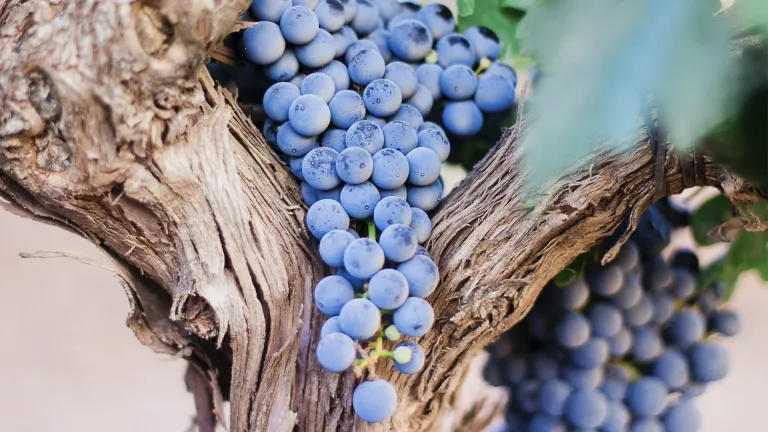
Nebbiolo: In-Depth Grape Varietal Profile
Discover the Nebbiolo grape varietal. Explore its history, viticultural and primary growing regions with this in-depth profile from Vinerra!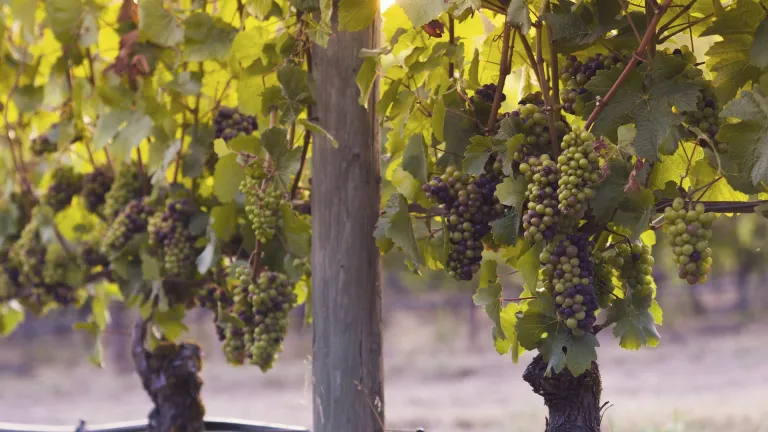
Pinot Noir: In-Depth Grape Varietal Profile
Discover the Pinot Noir grape varietal. Explore its history, viticultural and primary growing regions with this in-depth profile from Vinerra!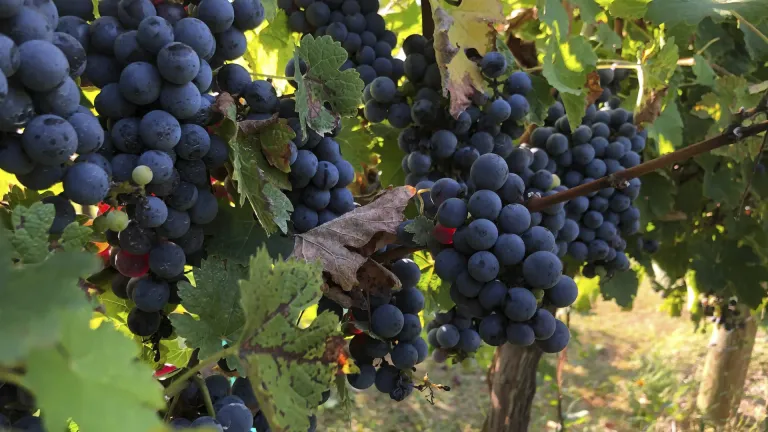
Cabernet Sauvignon: In-Depth Grape Varietal Profile
Discover the Cabernet Sauvignon grape varietal. Explore its history, viticultural and primary growing regions with this in-depth profile from Vinerra!
Chardonnay: In-Depth Grape Varietal Profile
Discover the Chardonnay grape varietal. Explore its history, viticultural and primary growing regions with this in-depth profile from Vinerra!


Are you interested in collaborating with us?
Get started