
Grapes
Discover the Fiano Grape: Everything You Need to Know
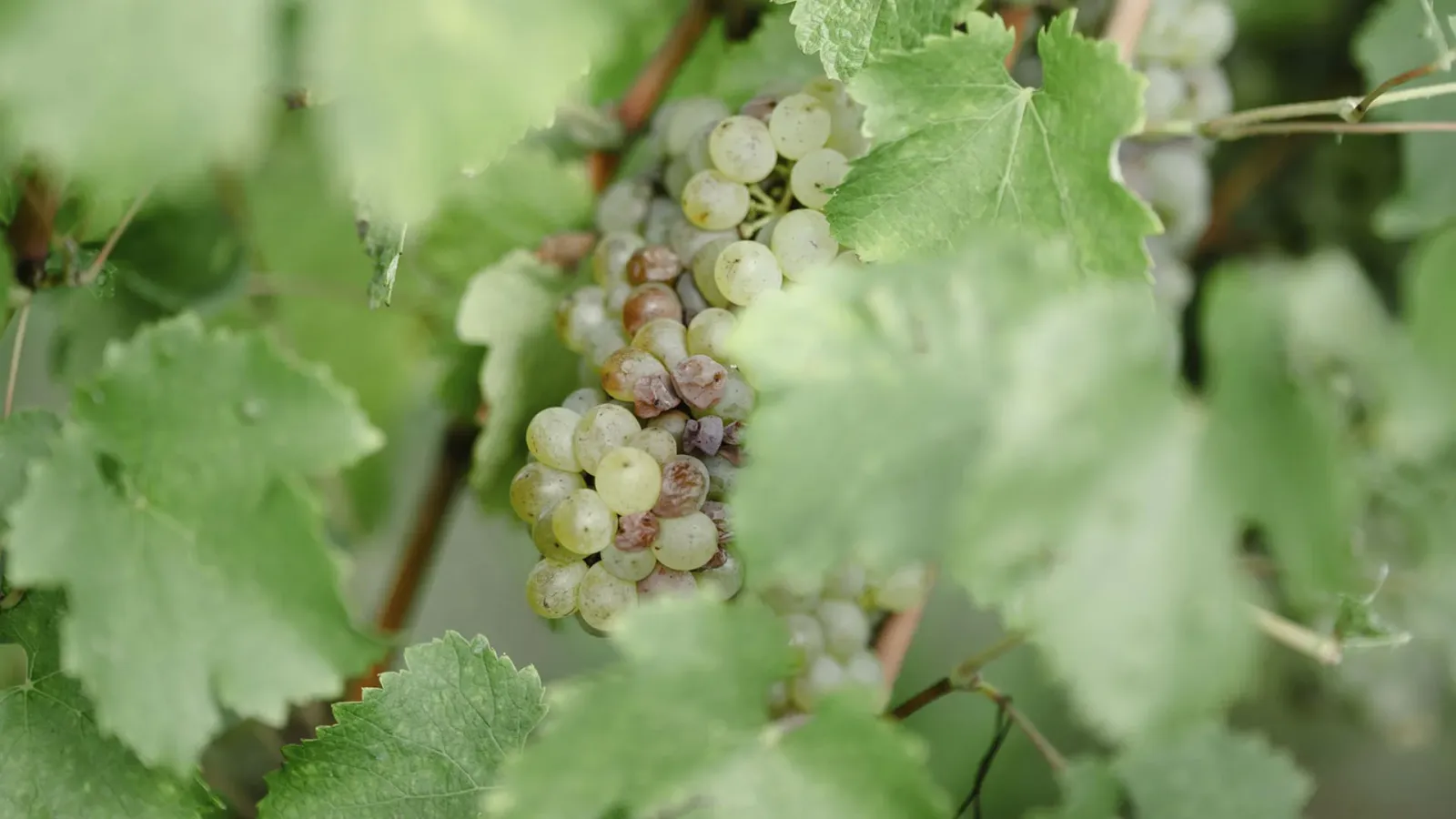
Fiano is a white grape variety from southern Italy, cultivated and celebrated for its aromatic complexity, rich texture, and age-worthiness. Known for producing wines with floral notes, honeyed, and nutty notes, Fiano wines have a distinctive character that balances freshness with depth, making it a unique and versatile grape in both still and sparkling expressions.
At a Glance
- Berry colour
- White
- Countries authorising it
- 9
Authorised in
Argentina, Australia, Bulgaria, France, Italy, Malta, New Zealand, North Macedonia, United States
Also known as
- Fiano D'Avellino (Australia)
Variety registrations: OIV Vine Varieties Database
Characteristics and Qualities
- Appearance: Fiano grapes are small and round, with golden-green skins that develop a deeper yellow hue as they ripen.
- Aroma and Flavor Profile: Fiano wines are known for their aromas of white flowers, pear, and stone fruit, often accompanied by honeyed, nutty, and waxy notes. Minerality and herbal undertones like sage and thyme are common. With age, the wines develop layers of hazelnut, toasted almond, and spice.
- Sugar and Acid Levels: Fiano has moderate to high natural acidity balanced by medium to high sugar levels. This combination allows it to produce wines with a pleasing richness and freshness, which also contributes to its aging potential.
Significance and Popularity
Fiano has gained acclaim among wine enthusiasts for its unique balance of richness and freshness, with a layered flavour profile that can evolve with age. Its reputation as a high-quality, food-friendly varietal has made it increasingly popular, especially as consumers seek distinctive alternatives to more common white grapes.
Winemaking Potential
- Style Versatility: Fiano is typically made as a dry white wine but can also be used in sparkling wine production. Some producers experiment with oak aging or extended lees contact to add richness and texture, while stainless steel fermentation emphasizes its fresh, floral qualities.
- Aging Potential: High-quality Fiano wines can age for 5–10 years or more, with bottle age contributing to the development of complex tertiary notes such as honey, nuts, and spice. Its natural acidity and structure make it well-suited to aging, especially those from old vines in Campania.
- Food Pairing Recommendations: Fiano’s balanced acidity and richness make it a versatile pairing wine, ideal for seafood, poultry, risotto, and vegetable-based dishes. It pairs particularly well with shellfish, grilled fish, and Mediterranean flavours, such as olive oil, herbs, and roasted vegetables.
Historical Context and Origin
Fiano’s roots date back to ancient Rome, where it was highly prized and possibly referenced as “Vitis Apiana,” or “vine of the bees,” due to the sweet aroma that attracted bees. The Latin word is widely believed to have derived from this grape, linking it to the production of Apianum, a sweet wine prized by the Romans. Fiano is native to the Campania region, particularly the area around Avellino, where it is still a primary grape. The Roman Empire played a significant role in the cultivation of the Fiano grape, with its cultural and agricultural influences shaping the viticulture of the region before its decline. Its resurgence in recent decades has established it as one of Italy’s most distinguished white varieties.
Viticultural Aspects
- Climate and Soil Preferences: Fiano thrives in warm, Mediterranean climates with good sun exposure, though it benefits from cooler nights to maintain acidity. It prefers well-drained, volcanic soils and calcareous soils, which contribute to its mineral backbone and depth of flavour.
- Yield Potential and Vine Vigor: Fiano is a low-yielding grape with moderate vigour, producing small berries with concentrated flavours. Careful vineyard management can enhance its complexity, but its naturally low yields often lead to highly aromatic and flavorful wines.
- Susceptibility to Diseases and Pests: Fiano is relatively resistant to common diseases and pests, although it is somewhat prone to mildew in overly humid conditions. Its thick skins provide some protection from rot, making it suitable for extended ripening periods in warm climates.
Geographic Distribution and Cultivation
Today, Fiano is grown primarily in Italy, with significant plantings in Campania and smaller quantities in Basilicata and Puglia. Outside Italy, Fiano is gaining popularity in Australia, particularly in regions like Adelaide Hills and Margaret River, where many growers and winemakers appreciate its aromatic profile and structure. Smaller plantings are also found in the United States and South America.
Regional Expressions
Fiano in Italy
- Historical Importance and Prominence: Fiano has been a central grape in Campania’s wine culture for centuries and is now recognized as one of Italy’s most distinctive white varietals. Its DOCG status in Fiano di Avellino highlights its quality and heritage.
- Key Wine-Producing Regions:
- Campania: Fiano di Avellino DOCG is renowned for producing Fiano wines with vibrant acidity, minerality, and layered aromas of white flowers, citrus, and hazelnut. Wines from this region have excellent aging potential.
- Basilicata and Puglia: In these southern regions, Fiano tends to produce slightly riper, fruit-forward wines with softer acidity, often used in blends but gaining popularity as a single-varietal wine.
- Stylistic Variations and Quality Levels: Italian Fiano ranges from the mineral-driven, age-worthy styles of Fiano di Avellino to softer, more accessible expressions in Basilicata and Puglia. Quality levels are generally high, with a focus on purity of fruit and expression of terroir.
Fiano in Australia
- Cultivation in Regions like Adelaide Hills and Margaret River: Australia has embraced Fiano in regions with Mediterranean climates, where it retains its acidity and aromatic complexity. Adelaide Hills and Margaret River are particularly successful with Fiano, producing wines with expressive fruit flavours and vibrant acidity.
- Unique Characteristics and Expressions: Australian Fiano often emphasizes fruit-forward notes of citrus and tropical fruits, with a slightly richer, fuller texture than Italian versions. This style is typically fresh and lively, with a focus on drinkability.
- Comparison with Italian Fiano: Compared to Italian Fiano, Australian expressions are generally more fruit-forward and less mineral-driven, though they retain the grape’s natural acidity. Some Australian producers experiment with skin contact and oak aging to add texture and complexity.
Fiano in Other Regions
- Global Distribution and Cultivation: Fiano is also grown in small quantities in the United States, especially in California, and has begun to appear in parts of South America and New Zealand. It’s often used in warmer climates where acidity retention is essential.
- Notable Examples and Regional Interpretations: In California, Fiano wines often display bright fruit flavours with a soft, rounded palate, reflecting the region’s sunny climate. These wines are typically fresh and approachable, designed for early drinking.
- Impact on Local Wine Cultures: Fiano’s popularity in new-world regions has introduced it to consumers seeking unique, Mediterranean-style whites. Its versatility and freshness make it appealing for both winemakers and wine drinkers looking for distinctive, food-friendly wines.
Future Prospects and Trends
Emerging Trends and Developments
- Climate Change and Adaptation Strategies: Fiano’s adaptability to warm climates and its ability to retain acidity make it a valuable grape in the face of climate change. It is increasingly planted in regions where warmer temperatures are challenging traditional white varietals.
- New Winemaking Techniques and Technologies: Winemakers are exploring techniques like skin contact, amphora aging, and lees stirring to bring out different aspects of Fiano’s aromatic and textural complexity. These innovations add diversity to Fiano’s expressions and enhance its appeal.
- Consumer Preferences and Market Trends: As consumers look for aromatic, structured, and food-friendly white wines, Fiano’s popularity is likely to grow. Its Mediterranean heritage and ability to pair well with a variety of dishes align with current consumer interests.
Potential for Growth and Expansion
- Exploring New Regions: Fiano’s resilience and acidity retention make it an attractive choice for winemakers in regions facing warmer climates. It has the potential to expand further in Australia, the United States, and South America.
- Reputation Enhancement: With its growing reputation for quality and versatility, Fiano is increasingly seen as a premium alternative to more common white varietals. Its distinct profile and aging potential could further elevate its status among white wines.
Notable Wines and Producers
Iconic Fiano Wines
- High-Quality Examples: High-quality Fiano wines come from Campania’s Fiano di Avellino DOCG, where producers focus on low yields and old vines to produce intense, structured wines. These wines are known for their complex aromatics, vibrant acidity, and long finish.
- Tasting Notes: Notable Fiano wines feature aromas of white flowers, pear, and citrus, with nutty undertones and a mineral, almost saline character. Aging adds complexity, with notes of honey, toasted almond, and spices emerging over time.
Renowned Producers
- Winery Profiles: Leading Fiano producers include Mastroberardino and Feudi di San Gregorio in Campania, both known for producing age-worthy Fiano di Avellino wines that highlight the grape’s potential for complexity and longevity. In Australia, Coriole Vineyards in McLaren Vale is renowned for its vibrant, fruit-forward Fiano wines.
- Philosophy and Winemaking Practices: Many top Fiano producers focus on minimal intervention, aiming to capture the purity of fruit and the minerality of the terroir. Extended lees contact and neutral oak are sometimes used to enhance texture without overpowering the wine’s natural freshness.
- Awards and Recognition: Fiano wines from Campania have received numerous awards for their quality and character. Australian Fiano has also gained recognition for its innovative style and suitability to local climates.
Conclusion
Fiano is a distinctive and complex white grape variety that has found its true expression in the Mediterranean regions of southern Italy. Known for its aromatic profile, richness, body, and potential to age, Fiano has become a valued varietal in both traditional and modern winemaking. As climate change drives interest in resilient grapes and consumers seek unique wines, Fiano’s future as a versatile and expressive grape varietal appears promising.
Discover more grape profiles
Greco Bianco: an In-Depth Grape Profile
Discover the distinctive qualities of Greco Bianco, Italy's unique grape variety. Learn about its flavor profile and food pairings!
Discover the Aglianico Grape Varietal: Flavor Profile and Pairing Tips
Explore the Aglianico grape's rich flavor profile and discover perfect and surprising pairing tips to elevate your wine experience!
Merlot: In-Depth Grape Varietal Profile
Discover the Merlot grape varietal. Explore its history, viticultural and primary growing regions with this in-depth profile from Vinerra!
Zinfandel: an In-Depth Grape Varietal Profile
Discover Zinfandel, a grape with a lot of history that shares a genetic connection with the Croatian Tribidrag grape. Click here!


Are you interested in collaborating with us?
Get started