
Grapes
Exploring the Alibernet Grape Varietal: A New Favorite in Winemaking
Alibernet is a red grape variety known for its deep colour, robust tannins, and complex flavours of dark fruit, spice, herbs and earthy undertones. It is a hybrid grape created through the crossbreeding of Alicante Bouschet and Cabernet Sauvignon, inheriting the deep colour and structure of Alicante Bouschet with the aromatic complexity and elegance of Cabernet Sauvignon. Alibernet is primarily cultivated in Central and Eastern Europe, where it has gained recognition for producing full-bodied, age-worthy wines.
At a Glance
- Berry colour
- Black
- Countries authorising it
- 3
Authorised in
Variety registrations: OIV Vine Varieties Database
Characteristics and Qualities
Red Grape Variety Characteristics
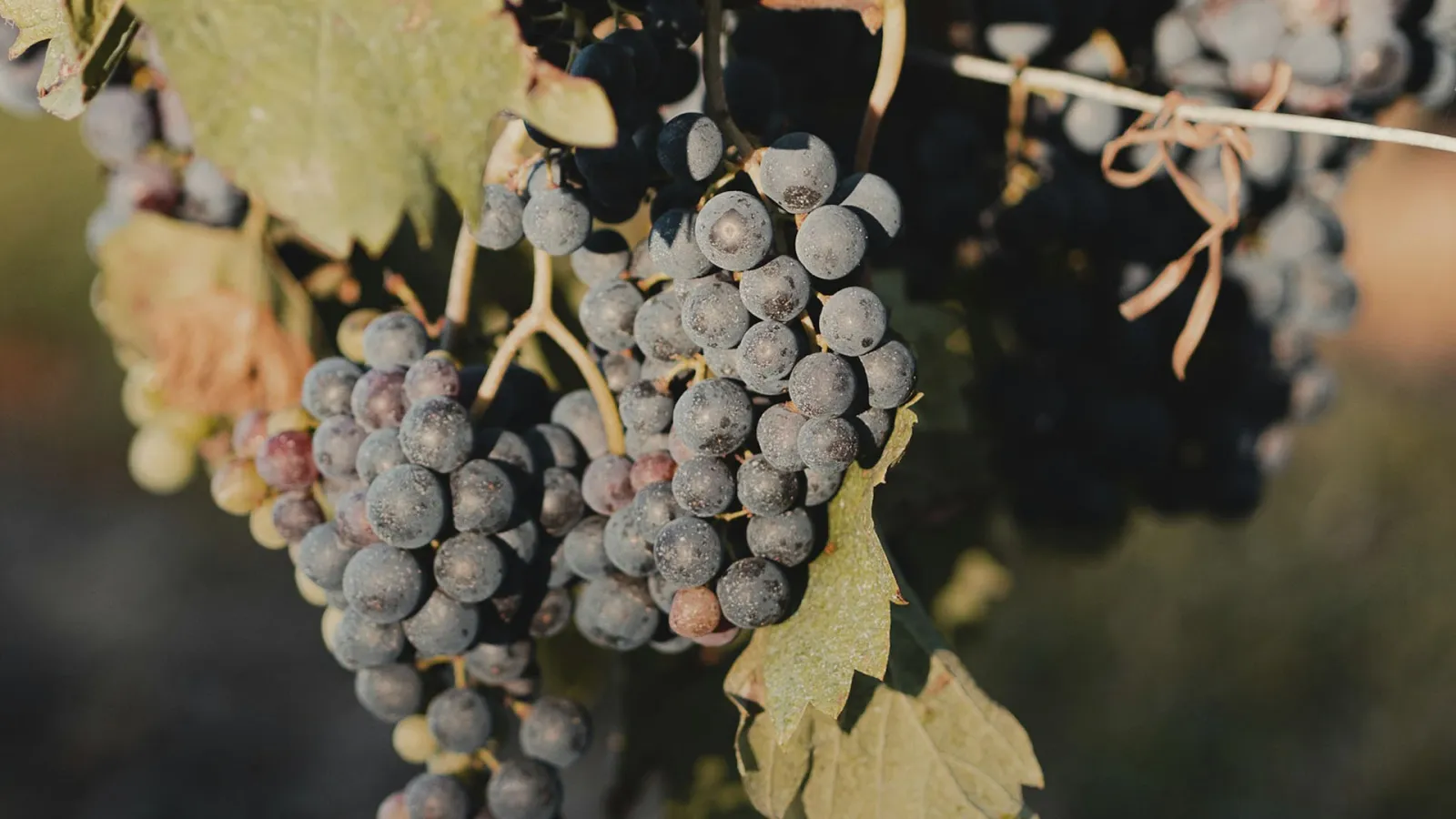
- Appearance: The grapes are small to medium-sized, with dark blue-black skins. Alibernet’s teinturier heritage from Alicante Bouschet gives the grape’s flesh a deep red hue, contributing to the intense colour of its wines.
- Aroma and Flavor Profile: Alibernet wines typically exhibit aromas of blackcurrant, blackberry, and plum, with secondary notes of spice, tobacco, leather, herbs, and earthy undertones. These wines are known for their full-bodied structure, with bold tannins and a long, complex finish.
- Sugar and Acid Levels: Alibernet generally achieves high sugar levels, which results in wines with moderate to high alcohol content. Its acidity is balanced, helping to provide freshness and structure alongside its rich fruit flavours.
Winemaking Potential
- Style Versatility: Alibernet is primarily used to produce still red wines, though some producers are experimenting with rosé and sparkling versions. It is also known for its ability to produce varietal wines. Its rich colour and structure make it particularly well-suited for blending, especially with lighter red varietals to add depth and colour. The grape is also used to produce robust varietal wines.
- Aging Potential: Alibernet’s high tannin levels and concentration of fruit give it excellent aging potential. With proper cellaring, the wines can develop more complex tertiary flavours such as leather, tobacco, and earthy notes over a period of 5-15 years.
- Food Pairing Recommendations: Alibernet pairs well with rich, hearty dishes such as grilled red meats, game, and aged cheeses. Its bold tannins also make it a great match for barbecued or smoked meats, and its fruit-forward character complements stews and mushroom-based dishes.
Historical Context and Origin
Alibernet was developed in the mid-20th century in Ukraine by crossing the teinturier grape Alicante Bouschet with Cabernet Sauvignon. It is a late-ripening grape variety that requires optimal vineyard conditions for maturity. The goal was to create a grape that combined the best attributes of both parent varietals—deep colour and structure from Alicante Bouschet and the aromatic complexity and elegance of Cabernet Sauvignon—while also being adaptable to cooler climates. Alibernet quickly spread to neighbouring countries, including Slovakia, the Czech Republic, and Russia, where it has since become a notable grape.
Viticultural Aspects
- Climate and Soil Preferences: Alibernet thrives in cooler climates with long growing seasons. It prefers well-drained soils such as clay, loam, and gravel, which help enhance its concentration and structure. It is relatively adaptable, growing well in both continental and maritime climates.
- Yield Potential and Vine Vigor: Alibernet is a vigorous vine with moderate to high yields. Its high productivity needs to be managed carefully to avoid overcropping, which can dilute the concentration of flavours in the wine.
- Susceptibility to Diseases and Pests: Alibernet is moderately resistant to common vine diseases such as mildew. It also shows strong resistance to fungal diseases like powdery mildew and downy mildew, making it resilient in diverse climates. However, it can be susceptible to rot in overly humid conditions due to its dense grape clusters.
Geographic Distribution and Cultivation
Alibernet is primarily grown in Central and Eastern Europe, with significant plantings in Slovakia, Ukraine, the Czech Republic, and Moldova. It thrives in the best positions in vineyards, which are crucial for its growth and quality. It has also made its way to select vineyards in Hungary and Russia. Despite its origins, it has not gained widespread cultivation in France, where its parent, Cabernet Sauvignon, is more dominant. Alibernet is well-suited to cooler climates and is often grown in regions where other red grapes struggle to ripen fully.
Significance and Popularity
Though Alibernet is not as widely known as its parent varieties, it has gained popularity in Central and Eastern Europe for its ability to produce deeply coloured, structured wines that are suitable for aging. Its bold tannins and concentrated fruit make it a favourite for blending as well as for single-varietal wines in these regions.
Regional Expressions
Alibernet in Slovakia
- Historical Importance and Prominence: Alibernet has become an important varietal in Slovakia, where it is often used to produce deeply coloured, full-bodied wines. It is grown primarily in the South Slovak and Nitra regions, where the warm summers and mineral-rich soils allow the grape to develop its full potential. Under optimal conditions, Alibernet wines in Slovakia can attain excellent quality.
- Key Wine-Producing Regions: The South Slovak region is particularly known for producing high-quality Alibernet wines, often blended with other local varieties such as Frankovka Modrá (Blaufränkisch) to create balanced and complex wines.
- Stylistic Variations and Quality Levels: Slovak Alibernet wines are typically bold and fruit-forward, with an emphasis on ripe black fruit flavours and firm tannins. Some producers are experimenting with oak aging to add complexity and soften the tannins, resulting in wines that are more elegant and refined.
Alibernet in Ukraine and Moldova
- Historical Importance and Prominence: Alibernet’s origins in Ukraine have made it a significant varietal in the region, where it is used to produce robust red wines. Moldova has also embraced the grape, using it in both single-varietal wines and blends.
- Notable Examples and Regional Interpretations: In Ukraine, Alibernet wines tend to be bold and structured, often with higher alcohol content due to the warm climate. In Moldova, the grape is often blended with local varietals to create rich, complex wines that reflect the country’s diverse terroir.
- Impact on Local Wine Cultures: Alibernet has contributed to the revival of wine culture in both Ukraine and Moldova, where it is seen as a symbol of the region’s ability to produce high-quality red wines that can compete on the international stage.
Future Prospects and Trends
Emerging Trends and Developments
- Climate Change and Adaptation Strategies: As climate change affects traditional wine regions, Alibernet’s adaptability to cooler climates may make it a valuable varietal for regions experiencing temperature fluctuations. Its thick skins also provide some protection against extreme weather conditions, making it a resilient choice for future plantings.
- New Winemaking Techniques and Technologies: Winemakers are experimenting with new techniques, such as carbonic maceration, to create fresher, more fruit-forward expressions of Alibernet. Others are exploring organic and biodynamic viticulture to enhance the grape’s natural flavours and terroir-driven characteristics. Additionally, winemakers are exploring techniques to achieve 'neutral smoothness' in Alibernet wines.
- Consumer Preferences and Market Trends: As consumers increasingly seek out bold, structured red wines with aging potential, Alibernet is well-positioned to meet this demand. Its rich fruit flavours and deep colour make it appealing to wine drinkers who enjoy Cabernet Sauvignon or Syrah but are looking for something new and distinctive.
Potential for Growth and Expansion
- Exploring New Regions: While Alibernet is currently concentrated in Central and Eastern Europe, there is potential for the grape to expand into other wine-growing regions, particularly in cooler climates like Canada, Northern Italy, and parts of the United States. Its resilience and ability to produce high-quality wines in diverse conditions make it a promising candidate for exploration. Lower yields are crucial for producing high-quality Alibernet wines, resulting in richer flavours and better overall wine quality.
- Reputation Enhancement: As Alibernet continues to gain recognition for its quality and aging potential, its reputation as a premium red grape varietal will likely grow. Continued innovation by winemakers and recognition in international competitions will help to elevate the varietal’s status and increase its presence in global wine markets.
Notable Wines and Producers
Iconic Alibernet Wines
- High-Quality Examples: High-quality examples of Alibernet wines, known for their excellent quality, come from producers in Slovakia, Ukraine, and Moldova. These wines are known for their deep colour, concentrated fruit flavours, and aging potential. Some of the best examples exhibit a balance of ripe black fruit, spice, and earthy complexity, with smooth tannins that develop over time.
- Tasting Notes: Alibernet wines typically offer rich aromas of blackcurrant, blackberry, and plum, with notes of tobacco, leather, and spice. On the palate, the wines are full-bodied, with firm tannins, balanced acidity, and a long, lingering finish.
Renowned Producers
- Winery Profiles: Notable producers of Alibernet in Slovakia include Elesko and Château Topoľčianky, both of which focus on crafting high-quality varietal wines from Alibernet. In Ukraine, Kolonist Winery is a key player in elevating Alibernet’s profile, producing both single-varietal wines and blends that showcase the grape’s potential.
- Philosophy and Winemaking Practices: Many producers of Alibernet emphasize low-intervention winemaking techniques, allowing the grape’s natural character to shine. Oak aging is common among top producers, as it helps to soften the grape’s tannins and adds layers of complexity to the wine.
- Awards and Recognition: Alibernet wines have started to gain recognition in international wine competitions, particularly in Eastern Europe, where they are lauded for their bold flavours and aging potential. These accolades are helping to raise awareness of the grape’s quality and potential beyond its traditional growing regions.
Conclusion
Alibernet is a bold and versatile red grape varietal with a promising future. Known for its deep colour, rich fruit flavours, and robust tannins, Alibernet is well-suited to producing high-quality, age-worthy wines. Though it remains largely concentrated in Central and Eastern Europe, Alibernet’s adaptability and potential for growth in new regions make it a varietal to watch. As winemakers continue to experiment with new techniques and consumers seek out distinctive, full-bodied red wines, Alibernet’s significance in the world of wine is likely to rise.
Discover more grape profiles
Exploring the Dunaj Grape Varietal: Characteristics and Flavor Profile
Discover the unique characteristics and flavor profile of the Dunaj grape varietal. Dive into its potential to craft expressive and unique wines!
Exploring the Devin Grape Varietal: Characteristics and Wine Profiles
Discover the Devin unique characteristics and wine profiles. Learn how its flavors can enhance your next wine experience. Read more!
Aligoté Grape Varietal: Discover Burgundy's Hidden Gem
Discover the Aligoté grape, a delightful alternative to Burgundy's famous varietals. Learn about its unique flavors and why it's worth a taste!
Exploring the Saint Laurent Grape Varietal: A Hidden Gem in Winemaking
Discover the unique characteristics of the Saint Laurent grape varietal and its potential in winemaking. Learn more about this hidden gem today!


Are you interested in collaborating with us?
Get started