
Grapes
Aligoté Grape Varietal: Discover Burgundy's Hidden Gem
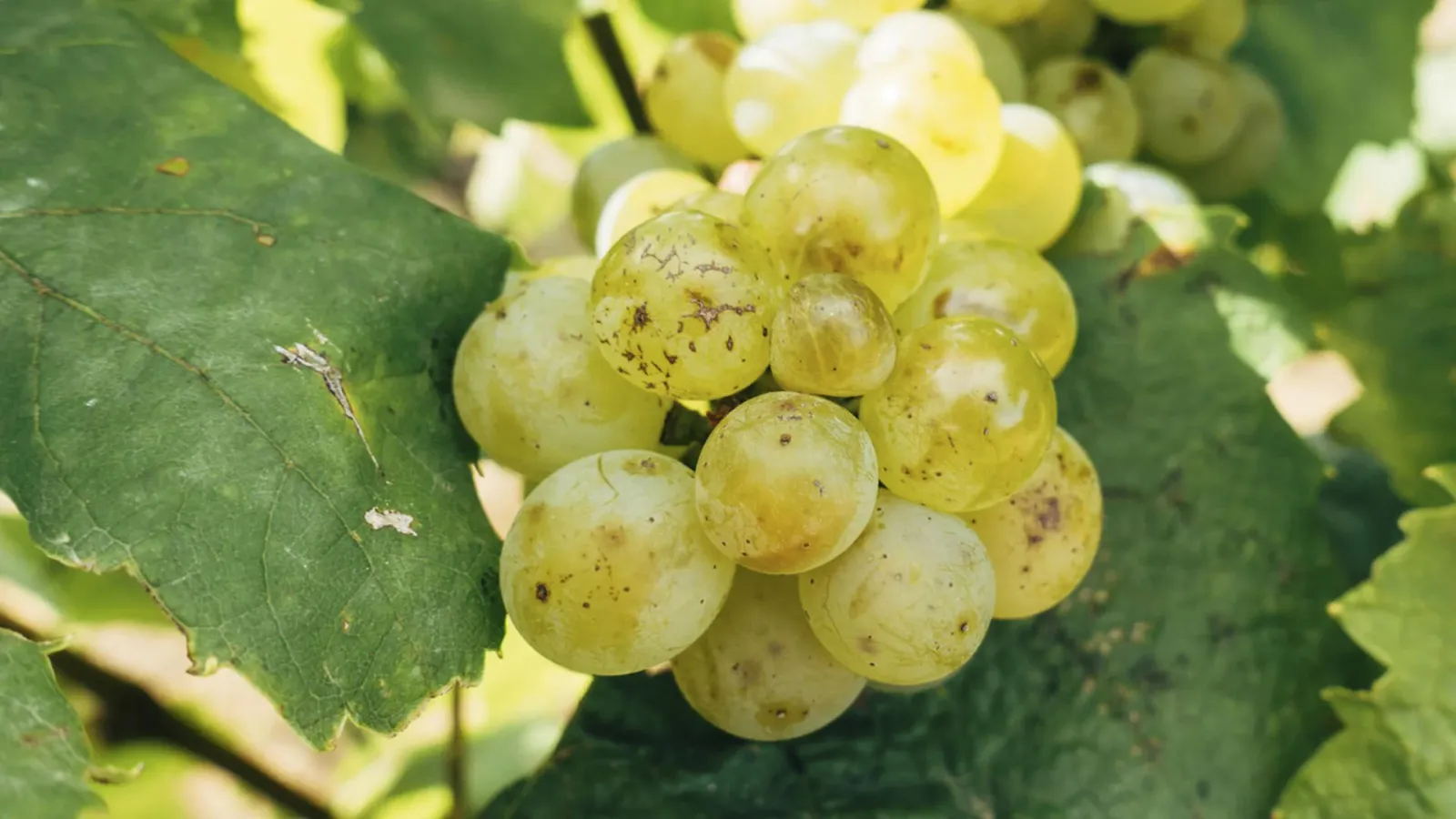
The Aligoté grape variety is a versatile white grape varietal known for producing fresh, zesty wines with vibrant acidity and a subtle fruit-forward character. Often overshadowed by Chardonnay wines in Burgundy, it has gained recognition as a key component in classic Kir cocktails and as a varietal wine showcasing its unique charm.
At a Glance
- Berry colour
- White
- Countries authorising it
- 18
Authorised in
Australia, Belgium, Bosnia and Herzegovina, Brazil, Bulgaria, Canada, Croatia, Cyprus, France, Germany, Hungary, Moldova, Morocco, New Zealand, Romania, Russia, Switzerland, United States
Also known as
- Plant Gris (Morocco, Romania)
- Plant de Troie (Morocco)
- Plant de trois (Romania)
- Troyen blanc (Romania)
- Vert blanc (Romania)
Variety registrations: OIV Vine Varieties Database
Characteristics and Qualities
- Appearance: Small to medium-sized berries with thin, yellow-green skins that produce a wine of pale gold hue.
- Aroma and Flavor Profile: Aromas of green apple, citrus (lemon and lime), white flowers, and hints of almond. On the palate, it exhibits crisp acidity, subtle minerality, and flavours of pear, peach, and occasionally herbal or saline notes.
- Sugar and Acid Levels: Moderate sugar levels are balanced by high acidity, making it ideal for both still and sparkling wine production.
Significance and Popularity
Traditionally considered a workhorse grape, Aligoté is undergoing a renaissance as producers focus on single-varietal expressions that highlight its minerality and freshness. Its role in sparkling wines and blends further underscores its versatility.
Winemaking Potential
- Style Versatility:
- White Wines: Light-bodied and refreshing with a focus on purity and minerality.
- Rosé Wines: Rare but can contribute bright acidity and a clean finish in blends.
- Sparkling Wines: Frequently used in Crémant de Bourgogne, valued for its acidity and effervescence.
- Aging Potential: Most Aligoté wines are best enjoyed young, though premium expressions, especially those aged in oak barrels, can age gracefully for 5–10 years.
- Food Pairing Recommendations: Pairs well with seafood (oysters, shrimp), salads, goat cheese, and dishes featuring light citrus or herbal flavours. It also complements creamy sauces and savoury tarts.
Historical Context and Origin
Aligoté is believed to have originated in the Burgundy region of France, first documented in the 17th century. It is also called Blanc de Troyes. A crossing of Gouais Blanc and Pinot Noir, Aligoté has historically been valued by growers for its resilience and ability to thrive in less favourable vineyard locations.
Viticultural Aspects
- Climate and Soil Preferences: Aligoté thrives in cooler climates with chalky, limestone-rich soils, which enhance its acidity and minerality. It also performs well in sandy or loamy soils, contributing to its adaptability. Historically, Aligoté was grown alongside Chardonnay in Burgundy, particularly in renowned vineyard sites such as Corton-Charlemagne and Montrachet.
- Yield Potential and Vine Vigor: Known for its vigorous growth, Aligoté can produce high yields, though careful vineyard management is essential to maintain quality.
- Susceptibility to Diseases and Pests: While relatively hardy, Aligoté is susceptible to mildew and frost, making site selection and canopy management important.
Geographic Distribution and Cultivation
While Burgundy remains the heartland of Aligoté production, the grape is also widely planted in the Loire Valley, Eastern Europe (notably Romania, Bulgaria, and Moldova), Russia, and parts of North America (Oregon and Canada) and Australia. Its adaptability to cooler climates has spurred interest in emerging wine regions.
Regional Expressions
Bourgogne Aligoté in France
- Historical Importance and Prominence: Often planted in lesser vineyard sites, Aligoté has a long-standing role in Burgundy’s wine culture, particularly in the appellation of Bouzeron, which is dedicated exclusively to Aligoté. Notably, Bourgogne Aligoté has been recognized as an appellation since 1937, highlighting its historical significance and prominence within the broader context of Bourgogne wines.
- Key Wine-Producing Regions:
- Burgundy: Produces elegant, mineral-driven wines with crisp acidity, particularly in Bouzeron.
- Loire Valley: Offers fresher, fruitier expressions with pronounced citrus notes.
- Stylistic Variations and Quality Levels: French Aligoté ranges from simple, unoaked wines to more complex, barrel-aged expressions showcasing depth and structure.
Aligoté in Other Regions
- Global Distribution and Cultivation:
- Eastern Europe: In Moldova and Bulgaria, Aligoté grapes are used for both still and sparkling wines, often blending acidity with ripe fruitiness.
- North America: Experimental plantings in cooler regions like Oregon and Canada are producing promising results.
- Notable Examples and Regional Interpretations: Eastern European Aligoté tends to emphasize riper fruit profiles, while cooler-climate examples showcase pronounced minerality and acidity.
- Impact on Local Wine Cultures: Aligoté grapes contribute diversity and adaptability to regions seeking alternatives to more dominant varietals like Chardonnay or Sauvignon Blanc.
Future Prospects and Trends
Emerging Trends and Developments
- Climate Change and Adaptation Strategies: Aligoté’s tolerance for cooler climates makes it an attractive option for regions grappling with shifting weather patterns.
- New Winemaking Techniques and Technologies: Techniques like lees aging and barrel fermentation are being explored to add complexity to Aligoté wines.
- Consumer Preferences and Market Trends: Growing interest in lesser-known varietals has increased Aligoté’s appeal, particularly among younger, adventurous wine consumers.
Potential for Growth and Expansion
- Exploring New Regions: Aligoté is being planted in emerging cool-climate wine regions such as England and Scandinavia.
- Reputation Enhancement: As more premium single-varietal Aligoté wines gain acclaim, the grape’s status is rising beyond its historical role as a blending grape or a secondary varietal.
Notable Wines and Producers
Iconic Aligoté Sparkling Wines
- High-Quality Examples:
- Domaine A. & P. de Villaine (Bouzeron): Produces some of the most acclaimed Aligoté wines, emphasizing elegance and minerality.
- Domaine Goisot (Côtes d’Auxerre): Known for organic and biodynamic practices, crafting expressive, terroir-driven Aligoté wines.
- Burgundy Aligoté: This AOC white wine, made from the Aligoté grape in Burgundy, is celebrated for its light, acidic profile and traditional serving methods. Recent revitalization by a new generation of winemakers has highlighted its potential for producing exceptional and age-worthy bottles.
- Tasting Notes: Crisp acidity, green apple, citrus zest, and a chalky minerality are common hallmarks of premium Aligoté.
Renowned Producers
- Winery Profiles:
- Domaine Leroy (Burgundy): Focuses on elevating Aligoté to a status rivalling Chardonnay. The Aligoté grape, also known as Vert Blanc, is celebrated for its unique characteristics and origins in the Burgundy region.
- Crémant de Bourgogne Producers: Include Aligoté in sparkling blends for its acidity and freshness.
- Philosophy and Winemaking Practices: Many producers adopt sustainable or biodynamic practices to emphasize the grape’s natural characteristics.
- Awards and Recognition: Aligoté wines have gained increasing recognition in international competitions for their quality and value.
Conclusion
Aligoté is a versatile and resilient grape varietal that offers fresh, mineral-driven wines with a distinctive profile. Long overshadowed by Chardonnay, it is now carving a niche for itself in the global wine market, thanks to innovative winemakers and changing consumer tastes. With its adaptability and potential for both still and sparkling styles, Aligoté is poised for continued growth and recognition as a key player in the world of wine.
Discover more grape profiles
Cabernet Franc: In-Depth Grape Varietal Profile
Discover the Cabernet Franc grape varietal. Explore its history, viticultural and primary growing regions with this in-depth profile from Vinerra!
Pinot Noir: In-Depth Grape Varietal Profile
Discover the Pinot Noir grape varietal. Explore its history, viticultural and primary growing regions with this in-depth profile from Vinerra!
The Essential Guide to the Gamay Grape Varietal
Discover the world of Gamay grapes, from flavor profiles to food pairings. Dive into our essential guide and enhance your wine knowledge today!
Discover the Pinot Blanc Grape Varietal: Everything You Need to Know
Meet Pinot Blanc, one of the most underrated grapes within the Pinot Family, and learn about what unique characteristics brings to the table!


Are you interested in collaborating with us?
Get started