
Grapes
Exploring the Dechaunac Grape Varietal: Flavor, Benefits, and Pairings
DeChaunac is a cold-hardy French-American hybrid red grape variety, prized in North America for its adaptability, disease resistance, and ability to produce versatile wines ranging from light-bodied to robust styles. Named after the French oenologist Adhemar de Chaunac, this varietal has earned a following among winemakers in colder regions where traditional Vitis vinifera grapes struggle to thrive.
At a Glance
- Berry colour
- Black
- Countries authorising it
- 4
Authorised in
Also known as
- DeChaunac (Canada)
- S-9549 (Canada)
Variety registrations: OIV Vine Varieties Database
Characteristics and Qualities
Grape Characteristics of this French American Hybrid
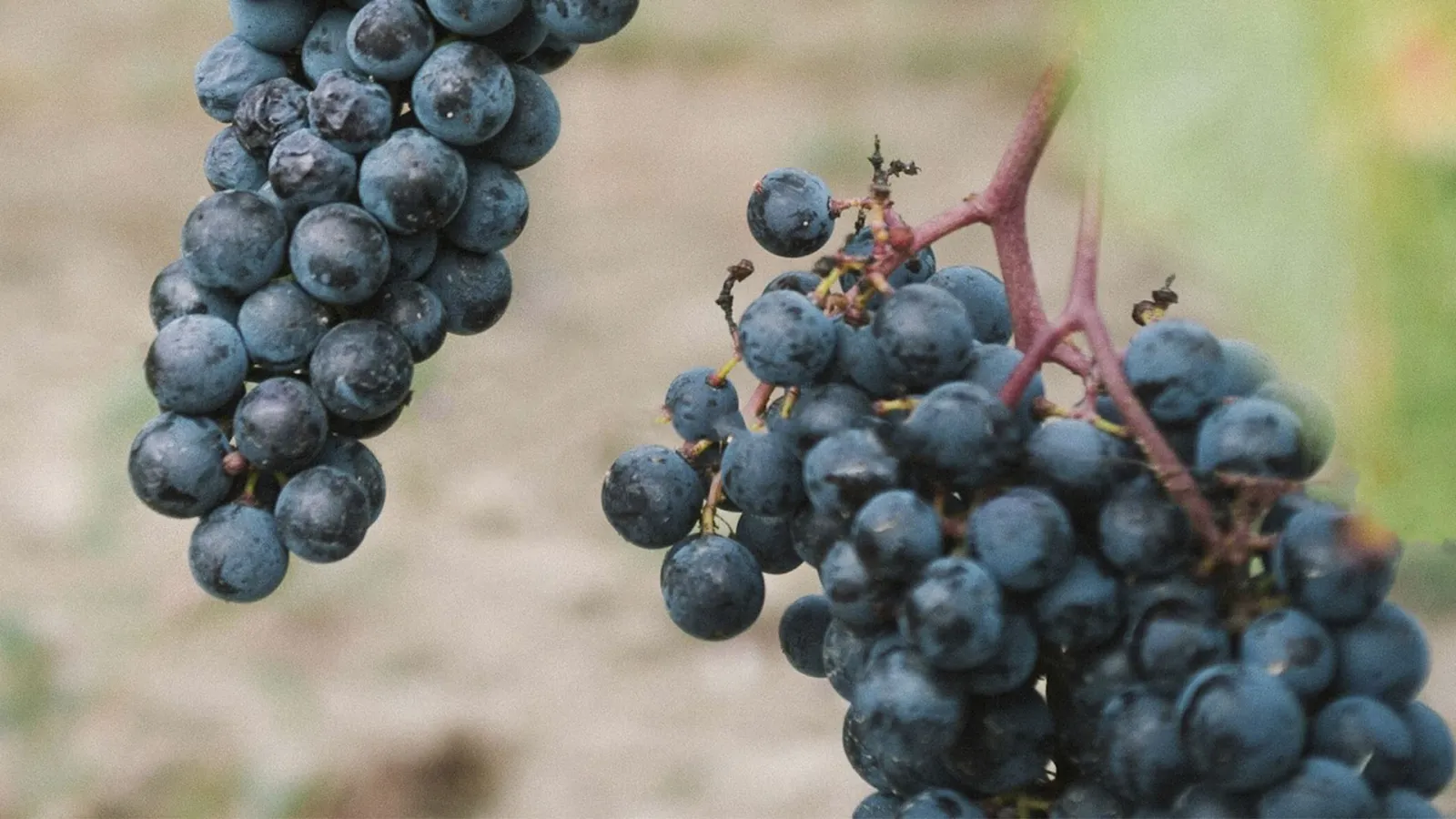
- Appearance: DeChaunac grapes are medium-sized, with dark blue or purple skins and a thick pulp, which contributes to the grape’s colour intensity and tannic structure.
- Aroma and Flavor Profile: DeChaunac wines are typically fruit-forward, with a fruity bouquet of dark berries, plum, and cherry, often accompanied by earthy, herbaceous notes and hints of smoke or spice. The wines tend to be soft on the palate, with a pleasant acidity that balances the fruity flavour.
- Sugar and Acid Levels: DeChaunac generally has moderate sugar levels and good acidity, providing balanced wines with a fresh, clean finish. Its natural acidity makes it well-suited to a range of wine styles, from dry reds to sweeter ice wines.
Significance and Popularity
DeChaunac’s unique profile and resilience make it popular among winemakers in other winegrowing regions with limited growing seasons. It has carved out a niche for itself in North American winemaking, with dedicated followers who appreciate its versatility and ability to produce flavorful, approachable wines.
Winemaking Potential
- Style Versatility: DeChaunac is versatile and can be vinified as a red, rosé, or even ice wine, depending on harvest timing and winemaking techniques. It is also suitable for blending, where its structure can enhance other varietals. Additionally, DeChaunac wines are known for their uniquely tart finish, which provides a balanced acidity that enhances the overall experience.
- Aging Potential: While most DeChaunac wines are consumed young, some oak-aged examples can develop complexity and depth over 3–5 years, gaining earthier, spicier notes.
- Food Pairing Recommendations: DeChaunac pairs well with grilled meats, stews, and dishes featuring root vegetables. Its acidity and fruitiness also complement poultry, soft cheeses, and charcuterie.
Historical Context and Origin
Developed in France, DeChaunac is a hybrid of Seibel 9549 and Joannes Seyve 23-416, which gives it notable cold tolerance and resistance to disease. Created to combat issues of phylloxera in Europe, DeChaunac was later adopted in North America for its hardiness and ability to thrive in cooler climates.
Viticultural Aspects
- Climate and Soil Preferences: DeChaunac is well-suited to cooler climates, where it can withstand low winter temperatures. It prefers well-drained soils such as sandy or loamy types, which help prevent waterlogging and promote healthy root development.
- Yield Potential and Vine Vigor: DeChaunac is a vigorous vine with high-yield potential and a very vigorous growth habit, making it ideal for large-scale production. However, controlled yields are often encouraged to maintain flavour concentration and complexity.
- Susceptibility to Diseases and Pests: DeChaunac shows good resistance to common grapevine diseases, including powdery mildew and downy mildew, which makes it a favourable choice for sustainable and organic viticulture.
Geographic Distribution and Cultivation
Today, DeChaunac is primarily grown in United States and Canada, particularly in Ontario and New York, with some plantings in Quebec, Michigan, and the Northeastern United States. The northeastern side of North America, including states like New York and Pennsylvania, is notable for its cultivation. It has also gained traction in parts of the Midwest, where cold winters are a challenge for more delicate grape varieties. Nova Scotia is another region where DeChaunac grapes are commercially grown, contributing to its successful cultivation across various locations in North America.
Regional Expressions
DeChaunac in North America and the Ontario Wine Industry
- Historical Importance and Prominence: DeChaunac has played an important role in establishing cold-hardy hybrids in North American viticulture, particularly in the Ontario wine industry and New York, where it became a staple for local wineries in the 20th century.
- Key Wine-Producing Regions: Various winegrowing regions in northeastern North America, such as Ontario and New York, are the primary areas for DeChaunac, with notable plantings in Quebec, Michigan, and other northeastern states. Each region brings unique characteristics to the wine, with Ontario often producing structured, earthy styles and New York focusing on fruity, approachable wines.
- Stylistic Variations and Quality Levels: DeChaunac wines vary widely, from light-bodied reds to more full-bodied, tannic versions. Quality depends on yield management, terroir, and winemaking techniques, but well-crafted examples showcase a balance of fruit, structure, and acidity.
DeChaunac in Other Regions
- Global Distribution and Cultivation: While DeChaunac is primarily found in North America, small plantings can also be found in other cool-climate regions around the world, though it remains limited outside of North America.
- Notable Examples and Regional Interpretations: Outside of its primary growing areas, DeChaunac is typically made into easy-drinking, fruit-forward wines that highlight the grape’s unique fruit and herbaceous characteristics.
- Impact on Local Wine Cultures: In North America, DeChaunac has become a symbol of resilience and adaptability, inspiring further experimentation with hybrid grapes and contributing to a culture of innovation in cold-climate winemaking.
Future Prospects and Trends
Emerging Trends and Developments
- Climate Change and Adaptation Strategies: As climate change impacts traditional wine regions, interest in hybrid grapes like DeChaunac is increasing. Its adaptability to cooler climates and its role in wine production in northeastern North America make it an appealing option in regions facing environmental shifts and temperature extremes.
- New Winemaking Techniques and Technologies: Winemakers are experimenting with techniques such as carbonic maceration, wild fermentation, and extended aging to add unique dimensions to DeChaunac wines. Additionally, skin contact and oak treatment are used to create a range of styles, enhancing its versatility.
- Consumer Preferences and Market Trends: As consumers become more interested in unique, regional wines, DeChaunac’s fruit-forward, approachable profile appeals to those seeking a distinct North American varietal with local character. The grape’s versatility in both dry and sweet styles also aligns with evolving consumer tastes.
Potential for Growth and Expansion
- Exploring New Regions: DeChaunac’s cold-hardiness and disease resistance suggest potential for expansion into other regions with challenging climates, such as northern Europe and high-altitude areas in the Americas. Its ability to produce balanced wines in cold regions makes it a valuable addition to emerging cool-climate vineyards.
- Reputation Enhancement: As more high-quality DeChaunac wines are produced, the grape’s reputation is likely to grow. Increased consumer recognition and regional awards will further elevate its standing in the wine world, particularly within the community of hybrid varietals.
Notable Wines and Producers
Iconic DeChaunac Wines
- High-Quality Examples: High-quality DeChaunac red wines often come from wineries that manage vineyard yields carefully and use techniques to bring out the grape’s natural fruit flavours. These wines can showcase a range of styles, from soft and fruity to complex and earthy.
- Tasting Notes: Notable DeChaunac wines display aromas of blackberry, black cherry, and plum, with flavours of earth, herb, and spice. Some oak-aged versions offer notes of vanilla and smoke, contributing to a smooth, rounded finish.
Renowned Producers
- Winery Profiles: Leading DeChaunac producers include Domaine des Côtes d’Ardoise in Quebec, Pelee Island Winery in Ontario, and Hunt Country Vineyards in New York’s Finger Lakes. Each of these wineries has contributed to the grape’s reputation by producing well-crafted wines that highlight its unique qualities.
- Philosophy and Winemaking Practices: Many top DeChaunac producers emphasize sustainable and organic practices, with a focus on highlighting the grape’s natural flavours and acidity. Stainless steel fermentation is common to retain freshness, although some producers use oak aging to add complexity and depth.
- Awards and Recognition: DeChaunac wines have received regional awards in North America, particularly for their robust and balanced expressions. These accolades have helped raise awareness of the grape’s potential and build its reputation within the cold-climate wine community.
Conclusion
DeChaunac is a resilient hybrid grape that has carved a unique niche in the world of North American wine. Known for its adaptability, disease resistance, and fruit-forward profile, it has become a valuable asset to cold-climate winemakers. As climate change drives adaptation in viticulture and consumers seek out regionally specific wines, DeChaunac’s future as a versatile and distinctive grape varietal appears promising.
Discover more grape profiles
Exploring the De Chaunac Grape Varietal: A Bold Choice for Wine Lovers
Discover the unique characteristics of the De Chaunac grape and why it’s a bold choice for wine enthusiasts. Dive into this distinctive grape!
Exploring the Frontenac Grape Varietal: A Midwest Gem for Wine Lovers
Discover the Frontenac grape, a unique Midwest varietal that delights wine lovers. Learn about its traits, flavors, and perfect pairings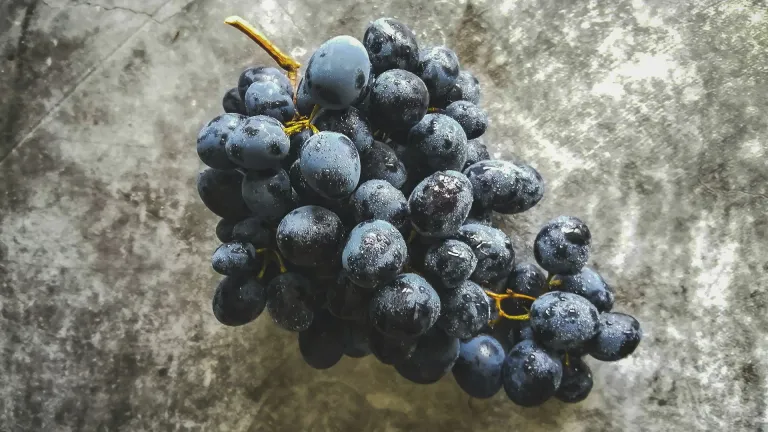
Exploring the Unique Characteristics of the Baco Noir Grape Varietal
Discover the distinct traits of the Baco Noir grape, from its flavor profile to ideal growing conditions. Dive into this unique varietal today!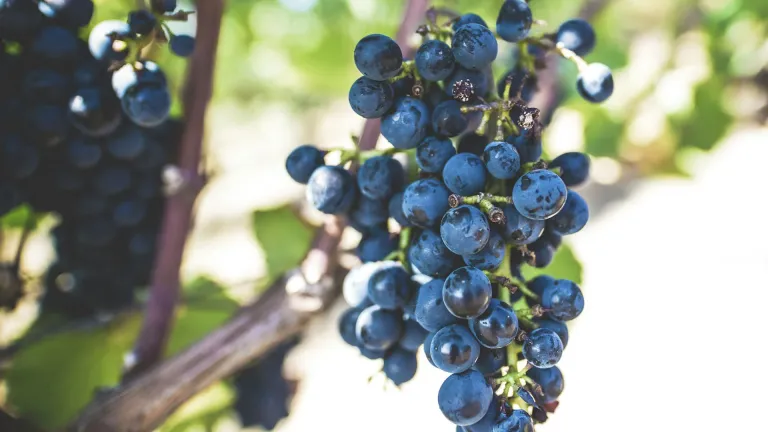
Discovering the Petite Pearl Grape: A Wine Lover's Guide
Explore the unique flavors of the Petite Pearl grape varietal and enhance your wine knowledge, with our comprehensive guide!

Are you interested in collaborating with us?
Get started