
Grapes
Understanding the Glera Grape: Characteristics and Uses
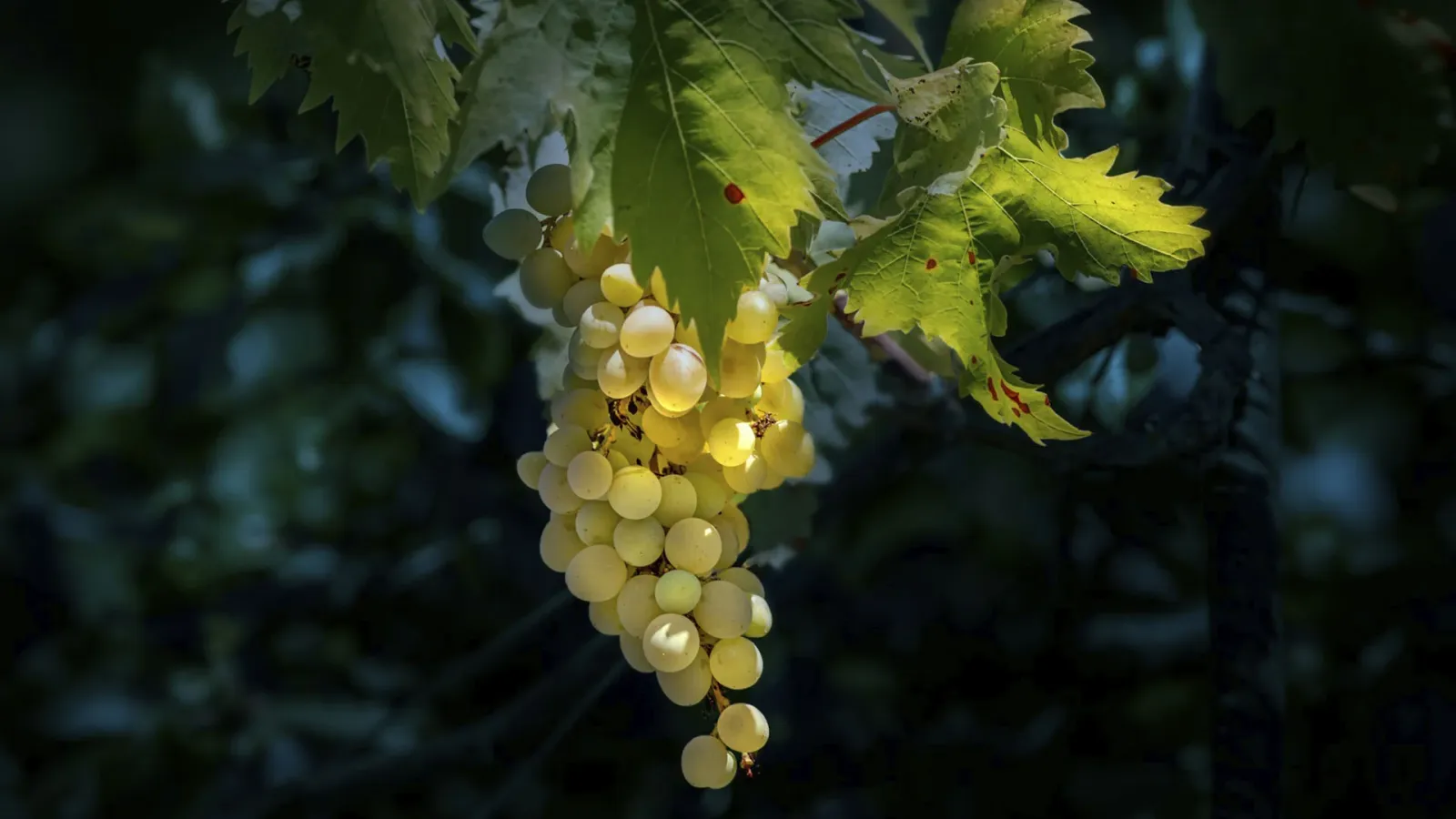
The Glera grape variety, best known for its role in crafting Prosecco, is a white grape varietal originating from Italy. With its delicate flavours and versatility, Glera or prosecco has become synonymous with sparkling wines that embody the elegance and vibrancy of Italian viticulture.
At a Glance
- Berry colour
- White
- Countries authorising it
- 10
Authorised in
Argentina, Brazil, Canada, Croatia, France, Germany, Italy, North Macedonia, Russia, Slovenia
Also known as
- Prosecco (Argentina, Slovenia)
- Prosecco tondo (Croatia)
- Proseco (Argentina)
- Serprino (Italy)
- Teran bijeli (Croatia)
- Verdic (Croatia)
Variety registrations: OIV Vine Varieties Database
Characteristics and Qualities
Glera Grape Characteristics
- Appearance and Distribution: Glera grapes are thin-skinned and have a greenish colour. These grapes are cultivated primarily in the Veneto and Friuli regions of Northern Italy.
- Aroma and Flavor Profile: Delicate aromas of green apple, pear, white flowers, floral notes, and citrus dominate, with subtle herbal undertones.
- Sugar and Acid Levels: Naturally high acidity and moderate sugar content make it well-suited for sparkling wine production.
Winemaking Potential
Glera grapes, used primarily in Prosecco wines, are primarily vinified using the Martinotti method, also known as the Charmat method. Prosecco can be crafted in thee styles: spumante, frizzante, and tranquillo.
- Style Versatility:
- Sparkling Wines: The Glera grape is most used for sparkling wines, ranging from Prosecco DOC to premium Conegliano Valdobbiadene DOCG.
- Glera Still Wines: Less common but occasionally produced, showcasing crisp and fruity flavours.
- Frizzante Wines: Semi-sparkling wines with lower effervescence.
- Aging Potential: Generally intended for early consumption, though premium Proseccos can develop complexity over a few years.
- Food Pairing Recommendations: Pairs beautifully with antipasti, seafood, light salads, creamy pasta dishes, and fruit-based desserts.
- Permissible Grape Varieties: Prosecco DOC regulations allow the inclusion of up to 15 percent of various grape varieties, including Pinot Bianco, Pinot Grigio, and Pinot Noir, alongside the primary Glera grape.
- Prosecco Rosé: Prosecco DOC Rosé is crafted using grapes like Pinot Noir and undergoes secondary fermentation. This secondary fermentation must last for a minimum of 60 days and gives Prosecco Rosé a unique flavour profile enriched with hints of raspberry. Its visual appeal and refined mouthfeel distinguish it from other Prosecco styles.
Historical Context and Origin
Glera grapes have been cultivated for centuries in northeastern Italy, particularly in the Veneto region. Historical records suggest its cultivation dates back to the time of the Roman Empire when it was known as both the grape and the wine produced from it. Formerly referred to as “Prosecco,” the name was officially changed to Glera in 2009 to protect the identity of Prosecco wines under the DOC and DOCG denominations. This regulatory change ensured that only wines from the designated region could be called Prosecco.
Viticultural Aspects
Glera is a late-ripening white grape, that is celebrated for its ability to maintain its signature acidity, even in the latest months of the season.
- Climate and Soil Preferences: Thrives in mild, temperate climates with well-drained soils, including clay, limestone, and marl.
- Yield Potential and Vine Vigor: Glera can deliver high yields unless its natural vigour is controlled. For this reason, to maintain its freshness and acidity, winemakers must implement different techniques, such as pruning, green harvesting and irrigation management. For example, Glera vines on vertically trained trellises can still produce generous, long bunches without compromising fruit quality.
- Susceptibility to Diseases and Pests: Moderately resistant to diseases, though prone to powdery mildew and rot in overly humid conditions.
Geographic Distribution and Cultivation
Glera is primarily grown in the north east of Italy, with the Veneto and Friuli-Venezia Giulia regions serving as its heartland. The grape has seen limited cultivation in other regions, such as Australia, Brazil, and Argentina, but its identity remains firmly tied to Italian terroir.
Regional Expressions
Glera in Prosecco DOC Region
- Historical Importance and Prominence: Glera has been a vital part of Veneto’s winemaking heritage for centuries, with Prosecco emerging as its flagship expression.
- Key Wine-Producing Regions:
- Veneto: Home to the majority of Prosecco production.
- Prosecco DOC: The Prosecco region, which includes nine provinces in Italy, is renowned for its unique climatic and soil conditions, especially within the Prosecco Hills that contribute to the quality of its wines. Besides Glera, the Prosecco DOC, which consists of about 28100 hectares, also allows the production of other wines, like Pinot Grigio or Pinot Noir. Here, the maximum yield allowed is 180,000 kilograms of fruit per hectare.
- Conegliano Valdobbiadene DOCG: Known for premium Prosecco, often produced from steep, terraced vineyards. This area also referred to as 'Prosecco di Conegliano e Valdobbiadene,' was upgraded to DOCG status, highlighting its importance for quality and authenticity.
- Asolo DOCG: Produces elegant and structured sparkling wines.
- Stylistic Variations and Quality Levels: Prosecco ranges from Brut (dry) to Demi-Sec (sweet), with a focus on crisp acidity and fruit-forward flavours. Premium bottlings often show more complexity and minerality.
Glera in Other Regions
- Global Distribution and Cultivation: Small-scale plantings in Australia, Brazil, and Argentina are often used for sparkling wines.
- Notable Examples and Regional Interpretations: Glera outside Italy tends to reflect its local terroir, offering fruitier or riper profiles.
- Impact on Local Wine Cultures: While it has yet to achieve the same acclaim as Italian-grown Glera, international expressions demonstrate the grape's adaptability.
Future Prospects and Trends
Emerging Trends and Developments
- Climate Change and Adaptation Strategies: Producers are exploring higher-altitude vineyards and experimenting with canopy management to counteract rising temperatures.
- New Winemaking Techniques and Technologies: Innovations in fermentation and bottling are enhancing Prosecco’s quality and consistency. The use of secondary fermentation in large steel tanks, known as the Charmat method, helps maintain the fresh, fruity characteristics of Prosecco, distinguishing it from traditional bottle fermentation methods.
- Consumer Preferences and Market Trends: Rising demand for low-alcohol and sparkling wines continues to bolster Prosecco’s popularity.
Potential for Growth and Expansion
- Exploring New Regions: Interest in cultivating Glera is growing in regions with Mediterranean-like climates. The wine produced in these new regions must adhere to strict regulations, ensuring high quality and authenticity.
- Reputation Enhancement: Efforts to market premium DOCG Proseccos are strengthening Glera’s association with high-quality sparkling wine.
Prosecco Sales Trends
Finally, there are some interesting trends regarding the sales of Prosecco that reflect the increasing relevance of Glera globally:
- The Prosecco DOC experienced an increase of 25.4 in total production by volume during 2021. The same year, 71.5 million bottles of Prosecco DOC Rosé were produced, and the average price of the exported Prosecco bottle increased by four percent.
- During the first months of 2021, the exports of Prosecco DOC to the U.S. saw an increase of 16.2 percent. In addition, Prosecco DOC sales in the U.S. have tripled over the past decade, making it one of the most important international markets for Prosecco.
- The National Prosecco Week was launched in 2018, in order to promote Prosecco in the United States.
Notable Wines and Producers
Iconic Glera Sparkling Wines
- High-Quality Examples:
- Valdo Oro Puro Prosecco Superiore DOCG
- Nino Franco Rustico Prosecco
- Adami Bosco di Gica Brut
- These wines are made from the Prosecco grape, also known as 'Glera' in Italy, which is the primary white grape used in Prosecco wine production.
- Tasting Notes: Expect bright acidity, flavours of green apple and white peach, and a persistent mousse with a clean, crisp finish.
Renowned Producers
- Perlage Organic Wines: Perlage is a renowned winery in Veneto, Italy, which has been celebrated for its commitment to organic and biodynamic viticulture since 1985. Situated in the heart of the Conegliano Valdobbiadene Prosecco Superiore DOCG region, a UNESCO World Heritage Site, Perlage produces a diverse range of wines, including Prosecco DOCG, DOC wines, and cuvées. Their offerings are distinguished by the use of organic, biodynamic, and vegan practices, reflecting a deep respect for the environment and dedication to sustainability.
- Nino Franco: A historic producer known for its elegant, high-quality Prosecco Superiore.
- Valdo Spumanti: A leader in producing both classic and innovative Proseccos.
- Bisol: Renowned for its single-vineyard Prosecco and commitment to sustainability.
- Philosophy and Practices: Many producers emphasize low-intervention winemaking and sustainable practices to highlight Glera's natural character.
- Awards and Recognition: Prosecco wines have consistently won accolades at global wine competitions, further elevating Glera's reputation.
Conclusion
Glera is a cornerstone of Italian viticulture, celebrated for its role in producing Prosecco, one of the world’s most beloved sparkling wines. Its adaptability, high yields, and bright, fresh, fruit-forward profile have made it a global success.
As the foundation of Prosecco’s identity and style, Glera holds a unique place in the wine world. Its potential for both affordable and premium style expressions ensures its enduring appeal.
With continued innovation and a growing emphasis on sustainability, Glera is poised to maintain its position as a symbol of accessible luxury while expanding its presence in new markets. Its bright future is a testament to its timeless charm and versatility.
Discover more grape profiles
Exploring the Welschriesling Grape Varietal: Characteristics and Uses
Discover the versatile characteristics and uses of the Welschriesling grape. Dive into its profile and find the perfect pairing for your next meal!
Ancellotta: An In-Depth Grape Profile
Discover the unique characteristics of Ancellotta grapes, from their flavor profile to ideal growing conditions!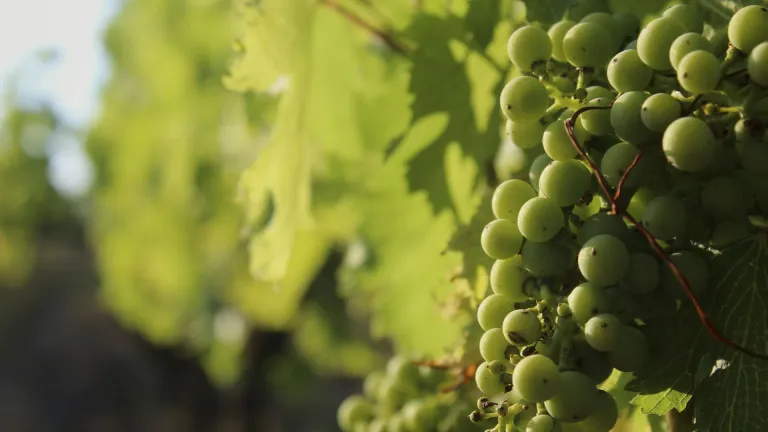
Discover the Pinot Blanc Grape Varietal: Everything You Need to Know
Meet Pinot Blanc, one of the most underrated grapes within the Pinot Family, and learn about what unique characteristics brings to the table!
Gewürztraminer: In-Depth Grape Varietal Profile
Discover the Gewürztraminer grape varietal. Explore its history, viticultural and primary growing regions with this in-depth profile from Vinerra!


Are you interested in collaborating with us?
Get started