
Wines
Primitivo: An In-Depth Wine Profile
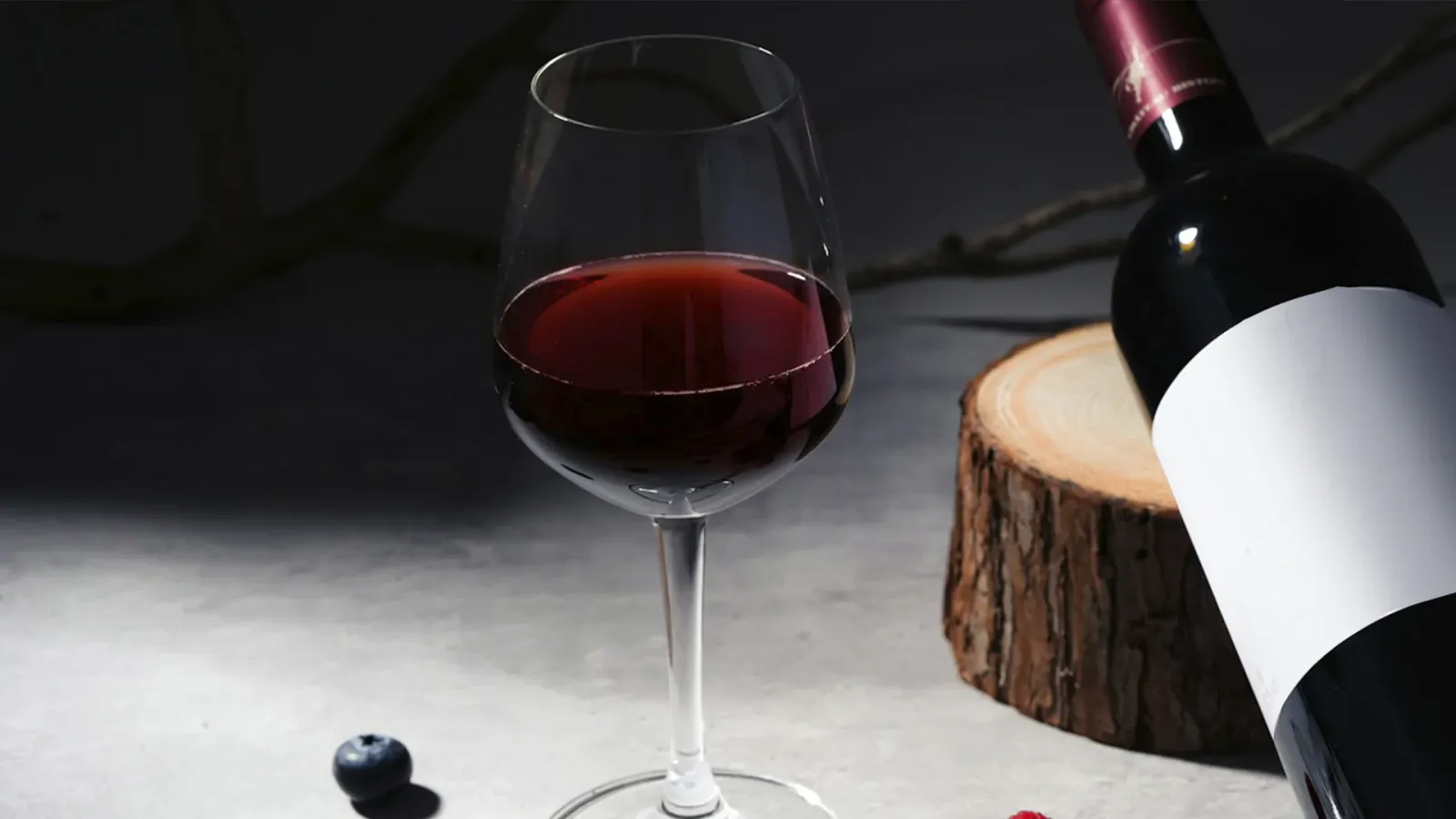
Primitivo isn’t just another red wine. It’s the bold, sun-drenched showstopper of southern Italy. With its rich fruit, spicy kick, and rustic charm, Primitivo has become a favourite for wine lovers who crave big flavour and personality.
This guide explores what makes Primitivo special, from its roots and winemaking to food pairings, serving tips, sustainability, and how it compares to other bold red wines.
What is Primitivo Wine?
Primitivo is a full-bodied red wine from Puglia, the sun-drenched heel of Italy’s boot (the southern region often called the heel of Italy's boot). Known for its ripe black fruit, spicy character, and high alcohol (14–16%), it offers bold flavours and rustic charm.
The Italian name, “Primitivo,” doesn’t refer to anything crude or undeveloped. It actually comes from the Latin “primo”, meaning “first,” in reference to how Primitivo grapes ripen early in the growing season. This early-ripening trait plays a big role in the wine’s boldness and intensity.
What makes Primitivo especially intriguing is its dual identity, spanning both the Atlantic and the Mediterranean. Thanks to modern DNA analysis, scientists have discovered that Primitivo and Zinfandel are, in fact, the same grape — a single grape variety known by different names in different regions. DNA testing and research at UC Davis confirmed that Primitivo and Zinfandel are genetically identical grape varieties. This genetic link was confirmed in 1994, solidifying the connection between the two. Both trace their lineage back to an ancient Croatian grape known as Tribidrag, which originated on the Dalmatian Coast, where it is also referred to as Crljenak Kaštelanski.
Primitivo has even earned the nickname "America's grape" due to its prominence and reputation in American viticulture. While Zinfandel found fame in California as California Zinfandel and became a popular blending grape, Primitivo flourished in southern Italy. Both are important red grape varieties. Despite being the same variety, stylistic differences emerge based on terroir, climate, and winemaking philosophy. There are ongoing debates regarding the naming and classification of this grape variety, as well as its place among other global grape varieties.
So while Zinfandel and Primitivo are genetically the same grape, the wines they produce can be quite distinct — making Primitivo an exciting expression of Italy’s southern terroir and winemaking traditions. Primitivo was brought to America and rebranded as Zinfandel in the 19th century. The European Union officially recognized Zinfandel as a synonym for Primitivo in January 1999, allowing Italian Primitivo to be labelled as Zinfandel in international markets.
Origins and History of Italian Primitivo
The story of Italian Primitivo is as rich and layered as the wines themselves. This remarkable grape variety traces its roots back to the Balkans, with origins in Croatia and Montenegro, before spreading to southern Italy in the 18th century. The name Primitivo, derived from the Latin “primativus”, perfectly captures the grape’s defining trait: early ripening. This characteristic allowed Primitivo to thrive in the sun-soaked vineyards of the Puglia region, where hot days and cool nights help the grapes reach full maturity ahead of many other varieties.
Once introduced to Puglia, Primitivo quickly became a staple of the region’s winemaking tradition. Its ability to fully ripen in the Mediterranean climate made it a favourite among growers, and it soon became widely grown in the area’s most celebrated appellations, including Manduria and Gioia del Colle. Over time, the grape’s reputation for producing robust, flavorful wines with distinctive aromas and bold flavours cemented its place in the heart of southern Italy’s wine culture.
Today, Italian Primitivo is synonymous with the Puglia region, where it remains a cornerstone of local viticulture. The grape’s early ripening nature, combined with the unique terroir of Puglia, results in wines that are both expressive and deeply rooted in their place of origin. Whether enjoyed as a single varietal or as part of a blend, Primitivo remains a testament to the enduring legacy of Italy’s southern vineyards.
Winemaking Process
Crafting Primitivo is about harnessing intensity and balancing power with precision. The grape’s tendency to ripen unevenly means that hand-harvesting — sometimes in multiple vineyard passes — is common for quality wines. During the harvest, only the best berries are selected, and grapes are harvested at optimal ripeness to ensure premium wine quality and achieve the desired flavour profile. This meticulous selection ensures consistent ripeness and avoids overripe, raisin-like flavours.
In many vineyards, vines are trained in the traditional alberello (bush vine) method, a system dating back to ancient times. Without trellises, each vine grows low to the ground like a shrub, naturally shading the grapes and preserving acidity. The low-yielding nature of this system, combined with Puglia’s heat, concentrates flavour and contributes to the depth and intensity of the resulting wine.
In the winery, fermentation of the fully ripened grapes takes place in temperature-controlled stainless steel tanks to protect against excessive heat from the high-sugar must. The juice extracted from the grapes is carefully managed throughout the winemaking process. Winemakers carefully manage yeast activity to ensure a steady fermentation that preserves aromatics. While the wine is usually fermented dry, the impression on the palate is often plush and slightly sweet, thanks to the ripeness of the grapes.
To shape the wine’s structure, many producers use oak aging, often in American oak barrels, which contribute notes of vanilla, tobacco, and sweet spice. Aging time can vary — entry-level bottles might see just a few months of oak contact, while Riserva bottlings can rest for over a year, allowing tannins to soften and complexity to build. High-quality Primitivo wines can be aged for three to five years to develop pleasant flavours from aging, including preserves, dried fruit, and sweet pipe tobacco. After aging, high-quality Primitivo can also display flavours of old leather and cinnamon spice due to the influence of American oak barrel aging.
The expertise of the winemaker is crucial in managing grape selection, fermentation, and aging to produce high-quality Primitivo wines.
Other expressions include:
- Rosato (rosé): Made with minimal skin contact, yielding a crisp, dry wine with flavours of strawberry and melon.
- Primitivo di Manduria Dolce Naturale DOCG: A rare dessert wine, produced from partially dried grapes in a passito style.
- Blending grape: Primitivo has also been used as a blending grape in some regions to add body and complexity to other wines.
Sensory Profile
The Primitivo varietal greets you with ripe aromas of blackberry, plum, raspberry, and blueberry, layered with notes of black pepper, licorice, and dried herbs. On the palate, it’s full-bodied and velvety, with medium-high tannins, moderate acidity, and a warming alcohol glow. Primitivo tastes rich and complex, offering notes of mulberry, dark chocolate, and vanillin that appeal to wine connoisseurs.
Oak-aged versions offer notes of chocolate, cinnamon, vanilla, and sweet tobacco. Older bottles or old vines may reveal flavours of dried fig, leather, and earth.
Compared to California's Zinfandel wine style:
- Primitivo: More tannic, earthy, and savoury
- Californian Zinfandel: More jammy, polished, and overtly fruity, all characteristics praised by Zinfandel advocates
In short, Primitivo is bold but soulful — like a spiced berry pie with an Italian twist.
Food Pairing
Primitivo pairs beautifully with rich, savoury, and smoky dishes:
- Grilled and Barbecued Meats: Ribs, steak, burgers, lamb chops — smoky char enhances Primitivo’s fruit and spice.
- Italian Comfort Food: Orecchiette with sausage and greens, eggplant parm, or spicy pizza.
- Hearty Stews & Braises: Beef stew, osso buco, chilli, or coq au vin benefit from its structure and fruit depth.
- Cheese and Charcuterie: Aged Pecorino, Parmesan, prosciutto, or spicy salami complement its richness.
- Spicy and Global Fare: Korean BBQ, Mexican mole, hoisin pork, or mild Indian curry work well with its low acidity and lush fruit.
Pro Tip: On hot days, chill the bottle for 15–20 minutes before serving. A slightly cooler glass makes the wine feel refreshing while preserving its bold character.
Climate and Regions
Primitivo thrives in Puglia’s Mediterranean climate, where hot, dry days and sea-cooled nights create ideal ripening conditions. Sun exposure ensures high sugar levels, while night-time breezes from the Adriatic and Ionian seas moderate temperature swings and help retain freshness in the grapes. Primitivo has been extensively planted throughout the region, contributing to its prominence in local viticulture. Yields for Primitivo di Manduria DOC are capped at a maximum of 9 tonnes per hectare, ensuring quality and concentration in the wines.
The limestone soils of the Puglia region, often covered in terra rossa, provide excellent drainage and promote deep rooting. This soil structure is ideal for old vines, some of which are 50–100 years old and continue to produce small, concentrated yields. These older vines offer more than just history — they contribute depth, balance, and longevity to the wine. Puglia’s soil types, including terra rossa with its high iron and aluminum content, play a significant role in shaping the quality of the grapes.
Primitivo is now widely grown across southern Italy and in other wine-producing areas, reflecting its adaptability and popularity. The region’s two most celebrated appellations are Primitivo di Manduria and Gioia del Colle. Primitivo di Manduria DOC, situated in southern Puglia, is a notable production area renowned for its rich and intense wines. Primitivo di Manduria produces significantly more bottles compared to the other DOCs in the region.
Primitivo di Manduria DOC
- These wines come from the Taranto province
- Known for richness, intensity, and often 15–16% ABV
- Style is plush and powerful, with ripe fruit and spice dominating
- Expresses the unique terroir of the region
Gioia del Colle DOC
- Grown at higher elevations in cooler areas
- Wines exhibit a fresher profile
- Characterized by more red fruit, acidity, and a lifted finish
- Cooler nights help preserve aromas and structure
Other Regions
- Beyond these, Salento IGT wines span a wide area
- Allow greater flexibility in production
- Some of the most exciting natural wine producers and experimental winemakers are embracing this designation
- Used to create single-vineyard or minimal-intervention expressions of Primitivo
Distribution and Availability on the East Coast
Primitivo wine’s journey from the vineyards of Italy to the tables of the East Coast has been nothing short of impressive. Thanks to its growing global popularity, Primitivo wines are now widely available in wine shops and through online retailers across the East Coast of the United States. Cities like New York, Boston, and Washington, D.C. have become hotspots for Italian Primitivo, offering a diverse selection of wines that highlight the grape’s origins and unique taste.
In addition to imported bottles from Italy, several East Coast wineries are embracing the Primitivo grape variety, either by importing grapes directly from Italy or cultivating their own vines in local vineyards. This has led to an exciting array of Primitivo wines produced locally, giving wine lovers even more opportunities to explore the flavours and aromas that make this grape so special.
Whether you’re seeking a classic Italian Primitivo or a locally crafted expression, the East Coast offers plenty of options to satisfy your curiosity. With its rich history, bold flavours, and increasing availability, Primitivo wine is quickly becoming a favourite among American wine enthusiasts eager to experience a taste of Italy’s southern heritage.
How to Serve and Store?
- Serving Temperature: Serve at 60–65°F (16–18°C) to balance acidity and alcohol.
- Glassware: Use a large, round red wine glass (such as a Bordeaux or Burgundy glass) for optimal aromatic expression.
- Decanting: Let young bottles breathe for 30–60 minutes. Older bottles may only need light sediment removal.
- Storage (Unopened): Store bottles horizontally in a cool, dark, and vibration-free space. Drink within 3–5 years, though Riservas can age 8–10 years.
- Storage (Opened): Re-cork and refrigerate. Best enjoyed within 3–5 days. Let it return to serving temp before drinking.
Comparison with Another Wine Style
How does Primitivo compare to Malbec — another beloved bold red?
- Climate & Origin:
- Body & Tannins:
- Primitivo: Full-bodied, firm tannins, high alcohol
- Malbec: Full-bodied, smooth tannins, moderate alcohol
- Flavor Profile:
- Primitivo: Blackberry, plum, pepper, spice
- Malbec: Black cherry, cocoa, violet
- Food Pairing:
- Primitivo: BBQ, pasta, stews, aged cheeses
- Malbec: Steak, burgers, earthy dishes
- Personality:
- Primitivo: Rustic, spicy, and intense
- Malbec: Plush, smooth, and approachable
Both wines offer big flavour and great value. If Malbec is your go-to, Primitivo provides a spicier, more Italian twist on bold red drinking.
In addition to Malbec, Primitivo is also compared with Zinfandel, although Zinfandel vines tend to produce more fruity expressions.
In California, other major grape varieties, such as Cabernet Sauvignon and Chardonnay, are also highly prominent, each contributing to the region's reputation for diverse wine styles. Additionally, White Zinfandel—a popular rosé style made from Zinfandel grapes—is known for its sweetness and fruity character, and remains a distinct category in the wine industry.
Sustainability for Italian Primitivo
Puglia’s producers are increasingly embracing sustainable practices, blending tradition with modern, eco-conscious methods, which is contributing to the global popularity of Primitivo.
- Organic Farming: The dry climate supports organic and biodynamic viticulture. Look for “Bio” labels or Equalitas certification.
- Old Vines & Alberello Training: These low-yield, bush-trained vines reduce inputs and promote biodiversity.
- Climate Adaptation: Winemakers utilize cover crops, drip irrigation, and higher-elevation sites to mitigate heat stress.
- Green Cellars: Utilizing solar panels, lightweight bottles, and recycling systems helps reduce the carbon footprint.
- Market Balance: The Primitivo di Manduria consortium paused new plantings to ensure quality and economic sustainability.
- Natural Wine Movement: Younger winemakers are exploring native yeasts, low-intervention practices, and zero-sulphur wines — expressing a rawer side of Primitivo.
Final Thoughts
Primitivo is one of Italy’s most exciting red wines — a flavour-packed, no-nonsense bottle brimming with sun, spice, and soul. It’s accessible yet distinctive, bold yet balanced, and loaded with character.
Whether you're grilling, braising, or sipping under the stars, Primitivo brings authenticity, warmth, and a story in every glass.
So next time you’re in search of a wine that’s intense, affordable, and undeniably Mediterranean, pour a glass of Primitivo — and taste what makes it one of Italy’s best-kept secrets.
Salute!
Discover more wines

Macabeo Wine: Discover Its Unique Flavors and Characteristics
Explore the distinct flavors and characteristics of Macabeo wine. Learn what makes it special and how to enjoy it!
A Comprehensive Guide to Pinot Blanc Wine
Discover the elegance of Pinot Blanc wine with our comprehensive guide. Learn about its flavors and best food pairings!
Acıkara: An In-Depth Wine Profile of a Unique Turkish Grape Variety
Discover the characteristics of Acıkara, Anatolia's distinctive grape variety, and explore its potential in the world of wine!
Acolon: an In-Depth Wine Profile
Discover Acolon’s German origins, parentage, flavor profile, and structure in Vinerra’s in-depth wine guide

Are you interested in collaborating with us?
Get started