
Wines
White Zinfandel Wine: the Essential Guide
White Zinfandel represents one of the wine world’s most serendipitous accidents. Back in the 1970s, Sutter Home’s winemaker Bob Trinchero encountered what should have been a catastrophe – a stuck fermentation. Instead, this “mistake” birthed what would become America’s beloved pink wine, transforming a bold red Zinfandel into something unexpectedly delightful.
The story takes an interesting turn when considering Trinchero’s original intent. He’d set out to craft an elegant dry rosé, complete with a sophisticated French name: “Oeil de Perdrix” (Eye of the Partridge). What emerged instead was a wine that would democratize the industry. White Zinfandel offers a distinctive flavour profile that’s immediately appealing – think fresh strawberries mingling with ripe melon, complemented by subtle notes of pear and pineapple, all contributing to its fruity flavours. It’s precisely this accessibility that has drawn both newcomers and experienced wine enthusiasts to the varietal.
But here’s what makes White Zinfandel truly remarkable: its versatility. While some might dismiss it as merely a sweet sipper, this wine is perfect to pair with many dishes, from delicate seafood dishes to spicy Asian cuisine. This adaptability, combined with its approachable price point, helps explain its popularity in the US since the 1980s.
The following sections will explore White Zinfandel’s remarkable journey from a cellar mishap to a cultural phenomenon. Readers will discover its production process, understand its unique characteristics, and learn why this accidental innovation continues to resonate with wine enthusiasts worldwide. There’s more to this pink wine than meets the eye.
What are White Zinfandel Wines?
Let's clear up a common misconception right away: White Zinfandel isn't actually white zin. Rather, it's a rosé style wine that showcases the versatility of the Zinfandel grape in an unexpected way. While these grapes typically produce bold red wines, a specific production method transforms them into something altogether different – a delicate pink wine with broad appeal. The magic lies in the grapes themselves: dark-skinned beauties with pale centers that, when properly handled, create that distinctive ballet-pink hue and approachable flavour profile that's become so recognizable.
Historical Context
The creation of White Zinfandel stands as one of winemaking’s most fortunate accidents. During the 1970s at Sutter Home Winery, winemaker Bob Trinchero was working to intensify their Amador County Zinfandel when he decided to experiment with the free-run juice of Zinfandel – the liquid that naturally flows from grapes before pressing. His initial creation bore a sophisticated French name, “Oeil de Perdrix” (Eye of the Partridge), but United States labelling regulations necessitated the simpler “White Zinfandel” designation. Historically, the Zinfandel grape was also cultivated as a table grape variety in the Northeastern United States during the 1830s to 1840s, where it was widely grown in heated greenhouses to produce table grapes.
The true transformation occurred in 1975 with an unexpected fermentation halt. This technical glitch resulted in residual sugar remaining in the wine, creating a sweeter, more accessible profile. What could have been dismissed as a production error instead launched a wine phenomenon? White Zinfandel’s popularity soared, and by the mid-1980s, it had claimed the title of America’s leading premium wine. Beyond its commercial success, this wine played a crucial role in California’s wine heritage – its popularity preserved numerous old-vine Zinfandel vineyards that might otherwise have been lost to more fashionable varieties.
Relationship to Red Zinfandel
Despite being produced from the same grape, White and Red Zinfandel are totally different.
One of the main aspects that distinguish them from each other is their production methods:
- Red Zinfandel develops its characteristic bold personality through extended skin contact during fermentation, extracting deep colour and robust flavours.
- White Zinfandel, on the other hand, takes a gentler approach – the juice parts ways with the grape skins after minimal contact through the "saignée" method. This brief interaction results in the wine's signature pink hue and softer flavour profile.
These wines represent two distinct expressions of the same grape variety, each appealing to different palates and occasions.
Common Winemaking Techniques for White Zinfandel
The creation of White Zinfandel follows a distinctive path that sets it apart from both traditional red wines and conventional rosés. Understanding this process reveals why this wine has earned its unique position in the wine world.
Harvesting and Crushing
The process begins with strategic timing. Zinfandel grapes destined for White Zinfandel are harvested earlier than those for red wines, specifically when sugar levels are moderate rather than peak. This crucial timing ensures optimal acidity and controlled alcohol content – key elements of the wine's refreshing character.
After harvest, the grapes undergo a careful crushing and destemming process. This mechanical separation creates what vintners call "must" – a precise mixture of juice, skins, seeds, and pulp that serves as the foundation for the wine's development.
Skin Contact and Bleeding
This stage marks a defining moment in White Zinfandel's creation. Unlike red California Zinfandel, which spends extensive time with grape skins, White Zinfandel receives just a brief skin contact period of 12 to 24 hours. This controlled exposure is what creates that characteristic soft pink hue without extracting too many tannins.
The "saignée" method follows – precise bleeding off of juice from the grape skins. This technical yet elegant process is essential for achieving White Zinfandel's approachable personality and delicate flavour profile.
Fermentation
The fermentation stage involves careful temperature control, with tanks maintained between 57°F and 62°F (14°C to 17°C). This cooler environment serves a specific purpose: preserving the wine's fresh fruit characteristics and maintaining its crisp profile. Think of it as precision temperature management rather than simply letting nature take its course.
Arresting Fermentation and Cold Stabilization
The signature sweetness of White Zinfandel comes from a deliberate intervention in the fermentation process. Through rapid chilling, winemakers halt fermentation at precisely the right moment, preserving optimal sugar levels. This cold stabilization, often accompanied by careful additions of sulphur dioxide and bentonite, ensures both stability and clarity in the final product.
Aging and Blending
The final stages focus on refinement. After filtration, the wine undergoes a brief aging period – typically several months – allowing flavours to integrate naturally. Some producers then engage in careful blending of different batches to achieve consistency and balance in the final product.
Zinfandel Wine Rose Description
Rosé Zinfandel is a truly unique wine style, with distinctive characteristics that make it shine among the rest. Let´s delve into the White Zinfandel description, so you can know exactly what to expect in each stage of the wine tasting:
Visual Aspect and Body
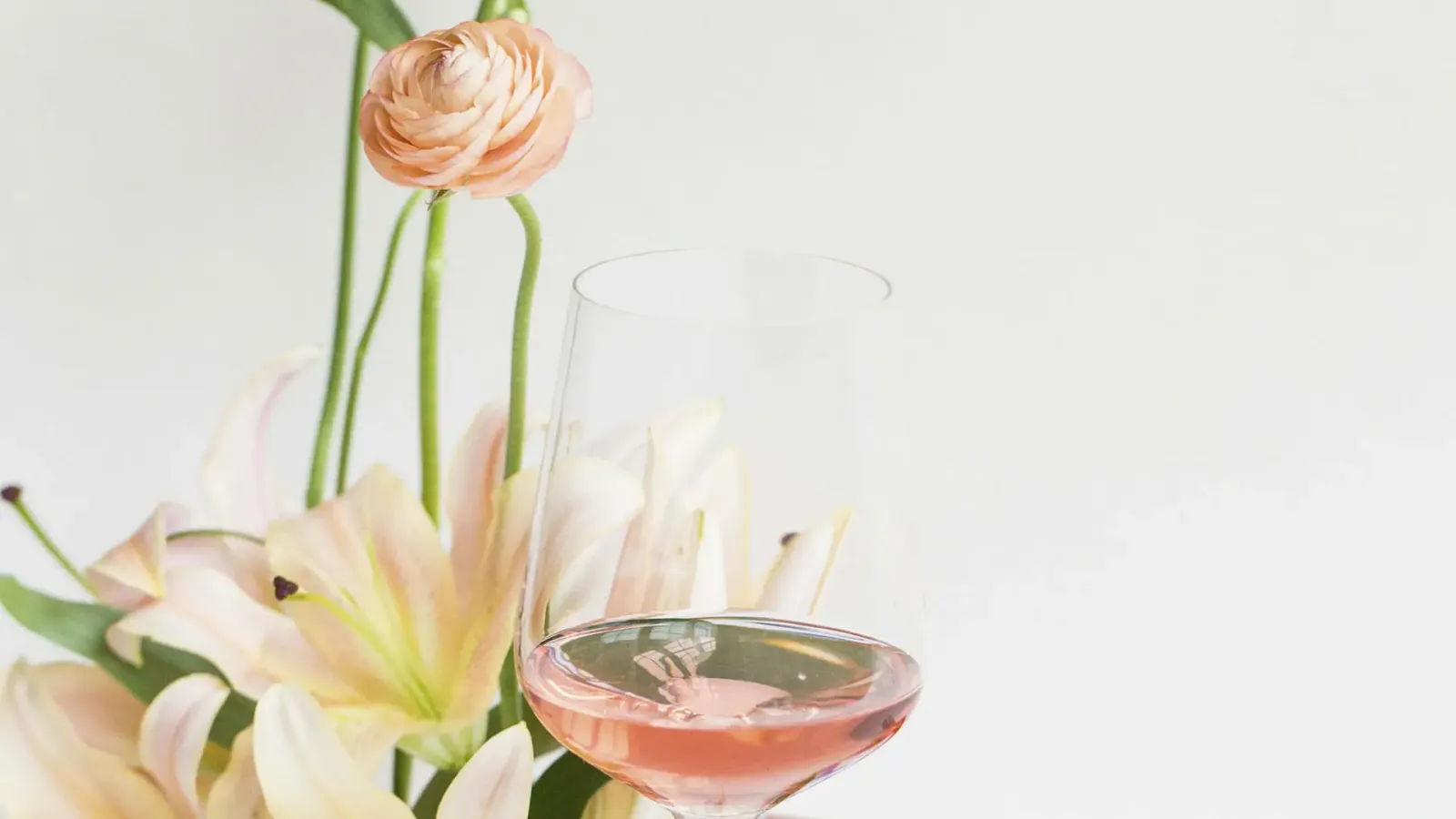
White Zinfandel rose is characterized by its unique visual appeal. On the glass, these light bodied wines have a bright pinkish colour, that may vary in intensity depending on the maceration period, as well as a great clarity.
- Colour: White Zinfandel can showcase a wide range of pink hues, from a barely-there blush to a vibrant raspberry colour. This variation in colour is due to the short maceration period where the grapes are in contact with the wine.
- Clarity: Zinfandel rose wines tend to have a clear and transparent colour.
- Body: White Zinfandels are typically light-bodied wines with gentle but crisp acidity, meaning they have a light texture and are not heavy or full-bodied.
Aromatic Profile
White Zinfandel presents a delightful symphony of fresh fruit aromas and flavours, balanced by subtle floral notes and gentle spice undertones. This versatile rosé wine offers a refreshing and approachable drinking experience with its characteristic pink hue and multi-layered complexity.
Primary Aromas
The wine opens with vibrant fresh fruit aromatics:
- Dominant strawberry notes leap from the glass, offering bright, fresh character
- Wild raspberry provides a sweet-tart aromatic balance
- Fresh cranberry adds a crisp, tart dimension
- Citrus elements of lemon and orange contribute refreshing brightness
- Stone fruit notes of ripe peach merge with sweet cantaloupe, adding tropical complexity
Secondary Aromas
The mid-palate reveals subtle complexity:
- Delicate yeasty notes from fermentation add depth and complexity
- Fresh rose petals contribute elegant floral character
- Sweet honeysuckle blossoms provide aromatic lift and brightness
Tertiary Aromas
With development, the wine reveals:
- Concentrated dried fruit character
- Rich, jammy notes that intensify the fruit profile
- Warm baking spices of nutmeg
- Subtle clove undertones add aromatic complexity
Taste Profile
On the palate, White Zinfandel is a light bodied wine that can range from semy-dry to sweet, with a fruity sweetness that leads to a pleasant acidity. These charachteristics makes this style very easy to drink.
Primary Flavors
The palate entry showcases:
- Bright red fruit flavours mirror the aromatic profile with fresh strawberry, raspberry, and cranberry
- Citrus notes of lemon and orange can provide a refreshing acidity
- Juicy melon adds roundness and body
Secondary Flavors
The mid-palate develops with:
- Delicate honeysuckle nectar adds sweetness and depth
- Rose petal notes contribute to the ethereal floral character of the wine
- These elements create a harmonious bridge between fruit and tertiary flavours.
Tertiary Flavors
The finish reveals:
- Mature fruit notes of blackberry and cherry.
- Subtle white pepper adds complexity.
- Delicate anise notes provide a complex spicy element
- These components create a sophisticated finish that lingers pleasantly
Overall Impression
White Zinfandel offers a sophisticated yet approachable drinking experience. The wine presents a harmonious progression from fresh, vibrant fruit through delicate floral notes to a complex, spice-tinged finish. The integration of primary, secondary, and tertiary characteristics creates a well-balanced wine that maintains freshness and fruity flavors while offering impressive depth and complexity.
Most Common Food Pairings for White Zinfandel Wines
White Zinfandel demonstrates remarkable versatility when it comes to food pairings. Its balanced profile – combining sweetness, acidity, and subtle fruit notes – creates opportunities for both conventional and unexpected pairings.
Sweet White Zinfandel Pairings
The sweeter style of White Zinfandel creates intriguing contrasts with savoury dishes:
- Smoked Meats: The wine's sweetness provides an excellent counterpoint to prosciutto or salami, enhancing their rich, salty characteristics
- Soft Cheeses: Creamy brie or tangy feta find balance with the wine's fruit-forward profile
- Pasta Dishes: Rich cream sauces become more nuanced when paired with the wine's gentle sweetness
- Finger Foods: Antipasto platters and light appetizers benefit from the wine's refreshing qualities
- Desserts: Select mild desserts that complement rather than compete – think fresh fruit tarts or light custards
Dry White Zinfandel Pairings
Dry versions of White Zinfandel excel with lighter, fresher flavours:
- Fresh or Roasted Vegetables: The wine's crisp acidity elevates both raw and roasted vegetable dishes
- Fish: Delicate seafood preparations shine alongside the wine's subtle character
- Salads: Vinaigrette-dressed greens find harmony with the wine's balanced acidity
- Crab Cakes: The subtle sweetness of shellfish becomes more pronounced
- Acidic Foods: Tomato-based dishes and citrus elements create compelling flavour interactions
General Pairing Tips
- Light Meats: Both sweet and dry styles complement chicken and pork preparations
- Spicy Foods: The wine's sweetness provides welcome relief from heat in dishes ranging from Cajun to Asian cuisines
- Barbecue: Smoky, spicy, or tangy barbecue elements find balance in the wine's character
Special Occasion Pairings
- Thanksgiving Dinner: The wine's versatility makes it perfect to pair with holiday dishes, from turkey to side dishes
- Celebrations: Its appealing colour and accessible flavour profile make it suitable for various social gatherings
Best Regions for White Zinfandel Wine
The geography and craftsmanship behind White Zinfandel reveal how this wine has evolved from a happy accident into a refined offering. The primary production regions for this wine are located within California, a US state that is also home to red wine grapes like Cabernet Sauvignon and Pinot Noir. Northern California, in particular, has played a crucial role in the success and survival of Zinfandel, with vineyardists in the region becoming synonymous with quality Zinfandel production.
Primary Production Regions for White Zinfandel
- California, USA: California stands as the undisputed heart of White Zinfandel production. The state's premier growing regions – Amador County, Napa Valley, and Suisun Valley – offer ideal conditions for Zinfandel vines. Their combination of abundant sunshine, well-draining soils, and extended growing seasons creates perfect conditions for developing the optimal sugar levels and flavour profiles essential to quality White Zinfandel.
Regional Overview: California's Terroir Expression
White Zinfandel has found its definitive home in California's diverse wine regions, where varying microclimates and soil compositions create a spectrum of expressions. The wine's character is intimately linked to California's unique viticultural landscape, sharing territory with prestigious varieties like Pinot Noir and Cabernet Sauvignon.
Key Growing Regions
Napa Valley: The prestigious Napa Valley produces White Zinfandel with remarkable depth and structure. The region's Mediterranean climate, characterized by warm days and cool nights, develops grapes with:
- Concentrated fruit flavors
- Balanced acidity
- Rich aromatic profiles
Sonoma County: Sonoma's diverse terroir, influenced by coastal fog and varying elevations, yields White Zinfandel with:
- Bright fruit expression
- Notable freshness
- Complex floral notes
Lodi: Known for its Mediterranean climate and ancient vines, Lodi creates White Zinfandel characterized by:
- Intense fruit concentration
- Rich texture
- Pronounced aromatic complexity
Mountain Appellations
Howell Mountain: The elevated vineyards of Howell Mountain produce distinctive White Zinfandel marked by:
- Enhanced structure
- Pronounced minerality
- Greater aging potential
- Intensified aromatic complexity
El Dorado County: The Sierra Foothills region of El Dorado County offers unique growing conditions that create White Zinfandel with:
- Bold character
- Structured complexity
- Distinctive mineral notes
- Enhanced acidity from elevation
Which are the best Sweet White Zinfandel Wines?
Each of these producers brings unique characteristics to White Zinfandel:
- Sutter Home Winery: As the original innovator of White Zinfandel, Sutter Home maintains its position as the category leader. Since Bob Trinchero's groundbreaking discovery in 1975, they've refined their production to an impressive scale while maintaining consistent quality. Their annual production numbers in the millions of cases, setting industry standards.
- Turley Wine Cellars: Turley approaches White Zinfandel with particular sophistication. Their dry style emphasizes bright acidity and restraint, featuring delicate aromatics of rose petals complemented by wild strawberry notes. This interpretation demonstrates the wine's potential for elegance.
- Monte Rio Cellars: Operating from Suisun Valley, Monte Rio Cellars produces a distinctive dry White Zinfandel characterized by unique rhubarb notes and earthy red fruit characteristics. Their interpretation offers an intriguing alternative to traditional styles.
- Beringer Vineyards: Widely recognized as "America's favourite White Zinfandel," Beringer's version balances accessibility with refinement. Their expression combines citrus and honeydew aromatics with a measured sweet finish, earning consistent consumer loyalty.
- Woodbridge by Robert Mondavi: Woodbridge presents an approachable interpretation focused on fresh fruit expressions. Their profile integrates sweet apple and red fruit notes with subtle grapefruit acidity, creating a harmonious and welcoming style.
Tips for Serving and Storing White Zinfandel Wine
To maximize the enjoyment of your White Zinfandel, you should pay attention to the following serving and storage tips:
How to Serve White Zinfandel
The following guidelines ensure the optimal presentation of White Zinfandel's distinctive characteristics:
- Temperature: Proper serving temperature proves crucial for flavour expression:
- Sweet styles benefit from thorough chilling to 45°F (7°C). This temperature point maintains refreshing crispness while balancing the wine's inherent sweetness.
- Drier styles should be served slightly warmer at 55°F (13°C), allowing their more subtle complexities to emerge.
- Glassware: The choice of vessel notably impacts the tasting experience. A white wine glass featuring a U-shaped bowl provides the ideal architecture for collecting and concentrating the wine's delicate bouquet while directing it properly to the palate.
- Decanting: White Zinfandel generally requires minimal intervention. A gentle swirl in the glass typically suffices to release its aromatic properties, particularly with younger vintages.
How to Store White Zinfandel
- Cool and Dark Place: Environmental control proves essential. Maintain a consistent temperature between 50°F (10°C) and 60°F (15°C), away from direct light exposure. This creates ideal preservation conditions.
- Horizontal Position: For cork-sealed bottles, horizontal storage maintains cork moisture, ensuring an effective seal. This simple practice prevents premature oxidation and preserves wine quality.
- Avoid Vibrations: Stability matters significantly. Choose a location free from mechanical vibrations or frequent movement, as these disturbances can adversely affect the wine's development.
- Short-Term Storage: White Zinfandel expresses itself best in its youth, typically within one to two years of release. While proper storage conditions can extend this window, the wine's primary appeal lies in its fresh, vibrant characteristics.
Similarities and Differences Between White Zinfandel and White Malbec Wines
While White Zinfandel and White Malbec share some similarities, each of them also brings unique characteristics to the table:
Similarities Between White Zinfandel and White Malbec
- Colour and Appearance: Both wines present varying shades within the rosé spectrum. White Zinfandel typically exhibits a delicate pink hue, while White Malbec ranges from subtle blush to deeper rose tones, reflecting different production approaches.
- Fruity Flavor Profile: These wines share fruit-forward characteristics, though expressed differently. White Zinfandel emphasizes strawberry, melon, and peach notes, while White Malbec showcases strawberry, raspberry, and occasional tropical fruit elements.
- Versatility in Pairing: Both demonstrate remarkable adaptability with cuisine, complementing everything from light proteins to spicy dishes, making them particularly versatile dining companions.
Differences Between White Zinfandel and White Malbec
Grape Variety and Origin
- White Zinfandel: Crafted from Zinfandel grapes, originally Croatian but now quintessentially Californian. The production employs the saignée method with minimal skin contact.
- White Malbec: Utilizes Malbec grapes, which are French in origin but are now strongly associated with Argentina. The production focuses on controlled skin contact for optimal colour extraction.
Production Method
- White Zinfandel: Notable for its characteristic stuck fermentation process, which creates its signature sweetness profile. The brief skin contact precedes fermentation, establishing its distinctive character.
- White Malbec: Follows traditional rosé production methods, carefully managing skin contact to achieve desired colour and flavour intensity while maintaining elegance.
Sweetness and Acidity
- White Zinfandel: Presents a semi-dry to sweet profile with moderate acidity and minimal tannins, resulting from its unique fermentation process.
- White Malbec: Offers a drier style with pronounced acidity, creating a more structured and refreshing expression.
Body and Alcohol Content
- White Zinfandel: Light-bodied with modest alcohol levels (9-10% ABV), emphasizing approachability.
- White Malbec: Maintains a light body but carries slightly higher alcohol content (11-12% ABV), lending additional structure.
Regional Association
- White Zinfandel: Represents California innovation, originating at Sutter Home Winery.
- White Malbec: Embodies Argentina's interpretation of rosé wine, though production extends to other Malbec-growing regions.
Final Thoughts
As we conclude our exploration of White Zinfandel, it's worth reflecting on what makes this wine such a remarkable addition to the modern wine landscape. From its serendipitous creation in the 1970s to its current renaissance, White Zinfandel has established itself as a versatile and engaging wine that bridges the gap between casual enjoyment and refined appreciation.
The beauty of White Zinfandel lies in its adaptability. Whether one gravitates toward its sweeter expressions or prefers its drier interpretations, this wine offers remarkable versatility. Its balanced composition – light body, gentle tannins, and refreshing acidity – creates an approachable profile that enhances a broad spectrum of dining experiences. From complementing bold, spicy cuisines to accompanying light summer fare, White Zinfandel demonstrates impressive food-pairing capabilities.
Consider adding a bottle of White Zinfandel to your next wine selection. Its unique character and broad appeal make it an excellent choice for both personal enjoyment and social occasions. This wine continues to prove that accessibility and quality can coexist beautifully in the same bottle, offering a delightful experience worthy of any wine enthusiast's attention.
Discover more wines
Casavecchia Wine: An In-Depth Profile
Discover the rich flavors and unique characteristics of Casavecchia wine, Italy's lesser-known treasure.
Classic Penedès: an In-Depth Wine Profile
Learn about Classic Penedès, the organic traditional-method sparkling wine from Spain with rich heritage and vibrant bubbles
Corpinnat: an In-Depth Wine Profile
Explore Corpinnat’s break from Cava, strict quality rules, and identity in this in-depth Vinerra wine profile.
Rondo: an In-Depth Wine Profile
Discover Rondo, a vibrant northern European red wine with deep ruby colour, balanced flavour, and cool-climate charm!
Solaris: an In-Depth Wine Profile
Discover Solaris wine: a cool-climate white with vibrant aromas, crisp acidity, and versatile styles for every palate!
Kerner: An In-Depth Wine Profile
Discover Kerner, a wine that will enchant you with its fresh aromas and versatile food pairing combinations!
Hondarrabi Zuri: An In-Depth Wine Profile
Discover Hondarrabi Zuri, Basque Country’s iconic wine, its flavors, heritage, and perfect food pairings!
Discovering Rasheh Wine: A Journey Through Iran’s Unique Vintage
Smuggled grapes, ancient terroir, and bold defiance— Discover Rasheh, a wine made under pressure and against all odds!
Pálava Wine: Characteristics and Best Pairings
Tired of Chardonnay? Step off the beaten path with Pálava—an aromatic Czech gem bursting with flavor and personality!
Frappato: an In-Depth Wine Profile
Explore the charm of Frappato wine—light-bodied, floral, and full of Sicilian character. A red that’s both chillable and bold!
Arneis: An In-Depth Wine Profile
Explore Arneis wine: its origins, flavor notes, and why sommeliers love it. A must-try for adventurous palates!
Alicante Bouschet: An In-Depth Wine Profile
Discover Alicante Bouschet: a deep, spicy red that’s redefining bold wines in a warming world. Try it before it trends!
Concord: An In-Depth Wine Profile
Discover Concord wine: bold, sweet, and nostalgic. Explore its history, flavors, and pairings that make it a true American icon.
Chambourcin: An In-Depth Wine Profile
Uncover the bold flavors and pairings of Chambourcin wines—your guide to tasting, enjoying, and elevating every sip.
Colombard: An In-Depth Wine Profile
Discover Colombard: a crisp, underrated white wine with vibrant flavors, smart pairings, and unbeatable value!Baga: An In-Depth Wine Profile
Baga offers power, elegance, and terroir expression— Learn about Portugal’s best-kept secret for adventurous wine lovers.
Bobal: An In-Depth Wine Profile
Bobal wine is Spain’s hidden treasure. Explore its bold flavors, rich history, and perfect food pairings!
Baco Noir: An In-Depth Wine Profile
Explore Baco Noir’s bold flavors, perfect pairings, and unique charm—your gateway to this standout grape varietal!
Catawba: An In-Depth Wine Profile
Discover Catawba wine’s bold flavors, rich history, and charm—and why this iconic American grape belongs in your collection!
Müller Thurgau: An In-Depth Wine Profile
Discover Müller-Thurgau’s origins, aromas, and flavors—a fresh, floral white that’s versatile, affordable, and full of charm!
Lagrein: An In-Depth Wine Profile
Discover Lagrein, Alto Adige’s bold red. Explore its flavors, pairings, and why this rare Alpine wine is a must-try!
Verdicchio: An In-Depth Wine Profile
Discover Verdicchio’s origins, terroir, flavor profile, and aging potential in Vinerra’s in-depth guide to this iconic Italian white.
Furmint: An In-Depth Wine Profile
Discover the world of Furmint, Hungary's exceptional white wine. Learn about its tasting notes and food pairings!
Carignan: An In-Depth Wine Profile
Discover Carignan’s origins, flavor profile, structure, and global revival in Vinerra’s in-depth wine guide
Bonarda: An In-Depth Wine Profile
Explore Bonarda’s history, bold fruit character, and growing importance in Argentina in this in-depth Vinerra wine profile
Aglianico: An In-Depth Wine Profile
Explore the rich profile of Aglianico wine, its flavor notes, and perfect food pairings in our comprehensive profile!
Dolcetto: An In-Depth Wine Profile
Explore Dolcetto's unique characteristics, ideal pairings, and aging potential. Dive into our detailed wine profile!
Falanghina: An In-Depth Wine Profile
Explore Falanghina’s history, flavor profile, and modern revival in southern Italy in this in-depth Vinerra wine profile
Fiano: An In-Depth Wine Profile
Discover Fiano, Italy’s rising star—learn its traits, best pairings, and why it belongs in your wine collection!
Vermentino (Rolle) Wine: An In-Depth Profile
Explore Vermentino's vibrant flavors, origins, and food pairings—perfect for wine lovers and curious newcomers alike!
Touriga Nacional: An In-Depth Wine Profile
Uncover Touriga Nacional’s bold flavors, rich history, and perfect pairings in this deep dive into Portugal’s iconic red wine!
Petit Verdot: An In-Depth Wine Profile
Explore the rich profile of Petit Verdot, its unique characteristics, and tasting notes, in our in-depth profile!
Côtes du Rhône Blend: An In-Depth Wine Profile
Explore the rich flavors and characteristics of Côtes du Rhône blends. Gain tasting insights and enhance your wine knowledge!
Chianti Blend: An In-Depth Wine Profile
Discover the nuances of Chianti Blend in this comprehensive guide. Learn about its flavors, food pairings, and tasting tips!
Montepulciano: An In-Depth Wine Profile
Explore Montepulciano wine’s rich history and flavors with expert tips—perfect for enthusiasts and collectors alike!
Primitivo: An In-Depth Wine Profile
Discover the rich flavors and history of Primitivo wine in this guide for enthusiasts and aficionados!
Bordeaux White Blend: An In-Depth Wine Profile
Discover the flavors and characteristics of Bordeaux White Blend. Enhance your wine knowledge with this insightful profile!
Bordeaux Red Blend: An In-Depth Wine Profile
Explore the rich flavors and complexities of Bordeaux red blends with our detailed profile and tasting guide!
Valpolicella: An In-Depth Wine Profile
Discover the rich flavors and history of Valpolicella wines. This guide offers insights for both enthusiasts and collectors!
Assyrtiko: The In-Depth Wine Profile
Explore Assyrtiko, Greece's prized grape variety. Learn about its unique characteristics, flavor profiles, and food pairings!
Nero d’Avola: An In-depth Wine Profile
Discover the unique characteristics of Nero d'Avola in this in-depth profile, perfect for both wine enthusiasts and newcomers!
Moscato: A Deep Dive into the World’s Most Misunderstood Grape
Discover the best Moscato wines that delight the palate with sweetness and flavor, with our In-depth profile!
The Gamay Wine Profile: Beaujolais and Beyond
Explore the rich flavors, diverse regions, and perfect pairings of Gamay wine. Discover how to enhance your wine experience!
Discover the Secrets of Airén: The In-depth Wine Profile
Discover the unique qualities and rich history of Airén grapes. Learn how this versatile variety shapes wines today!
Acıkara: An In-Depth Wine Profile of a Unique Turkish Grape Variety
Discover the characteristics of Acıkara, Anatolia's distinctive grape variety, and explore its potential in the world of wine!
Nebbiolo: an In-Depth Wine Profile
Discover the essence of Nebbiolo wine through its unique terroir, rich traditions and best food pairings!
Fetească Neagră: An In-Depth Wine Profile of Romania’s Signature Grape
Discover the rich flavors, history, and best food pairings of Fetească Neagră, Romania's distinctive wine!
Pinot Meunier: An In-Depth Wine Profile
Discover the distinct characteristics of Pinot Meunier, a lesser-known wine from the Champagne region!
Acolon: an In-Depth Wine Profile
Discover Acolon’s German origins, parentage, flavor profile, and structure in Vinerra’s in-depth wine guide
Mavro: An In-Depth Wine Profile
Discover the rich flavors and cultural heritage of Mavro wine. Dive into the unique profile of this Cypriot gem!
Aligoté: an In-Depth Wine Profile
Discover Aligoté, Burgundy's overlooked gem. Learn about its unique characteristics, and why it deserves a place in your glass!
Kanella: an In-Depth Wine Profile
Explore the unique characteristics and flavor profiles of Kanella wine. Learn about its origins and best food pairings!
Xynisteri: an In-Depth Wine Profile
Discover the unique characteristics of Xynisteri, Cyprus' premier white wine, and why it deserves a place in your glass!
Altesse: An In-Depth Wine Profile
Explore the unique characteristics of Altesse wine, from its characteristic tasting notes to ideal pairings!
Alphonse Lavallée: An In-Depth Wine Profile
Explore Alphonse Lavallée's unique wines, their characteristics, tasting notes, and best food pairings!
Maratheftiko: An In-Depth Wine Profile
Explore the rich flavors and history of Maratheftiko, Cyprus's prized wine. Discover its unique characteristics today!
Morokanella: An In-Depth Wine Profile
Discover the distinct characteristics and flavors of Morokanella, one of the indigenous wines of Cyprus!
Yiannoudi: An In-Depth Wine Profile
Explore Yiannoudi, Cyprus's distinctive grape variety, its unique characteristics, and winemaking potential!
Glera: an In-Depth Wine Profile
Explore Glera’s history, fresh aromatics, and defining role in Prosecco in this in-depth Vinerra wine profile.-768x432.webp)
Incrocio Bruni 54: an In-Depth Wine Profile
Discover the characteristics of Incrocio Bruni 54, a hybrid wine from Marche, like its flavor profile or best pairings!
Pinotage: An In-Depth Wine Profile
Explore the rich flavors and characteristics of Pinotage, South Africa's unique grape. Discover its rich history and best pairings!-768x432.webp)
Lambrusco Salamino: an In-Depth Wine Profile
Discover the characteristics of Lambrusco Salamino, its flavor profile, best food pairings and enhance your wine knowledge!-768x432.webp)
Lambrusco Maestri: an In-Depth Wine Profile
Discover the unique characteristics of Lambrusco Maestri. Dive into this wine profile and elevate your wine knowledge!-768x432.webp)
Ancellotta: an In-Depth Wine Profile
Explore the rich profile of Ancellotta wine, its unique flavors, ideal pairings and best expressions!
Lambrusco di Sorbara: an In-Depth Wine Profile
Explore the refreshing flavors of Lambrusco di Sorbara, a sparkling Italian wine. Learn about its origins and best food pairings!
Lambrusco Grasparossa Wine: an In-Depth Profile
Discover the best Lambrusco Grasparossa wines for your next celebration. Elevate your knowledge with our recommendations!
Greco Bianco: An In-Depth Wine Profile
Discover Greco Bianco, an exquisite Italian white wine. Explore its unique characteristics and best food pairings!
Cortese Bianco: An Italian White Worth Noting
Learn about Cortese Bianco unique flavors and get food pairing recommendations to elevate your wine experience!
A Comprehensive Guide to Pinot Blanc Wine
Discover the elegance of Pinot Blanc wine with our comprehensive guide. Learn about its flavors and best food pairings!
Riesling Renano: The Noble Aristocrat of White Wine
Explore top Riesling Renano wines perfect for your celebrations. Find your ideal choice to elevate any occasion!
Discovering Uva Rara Wine: A Hidden Gem of Italian Red Varietals
Explore the unique flavors of Uva Rara wine, a lesser-known Italian red. Learn about its origins and food pairings
Discovering Croatina: The Unique Grape Behind Bold Italian Wines
Explore the bold flavors of Croatina, a unique grape variety shaping Italian wines. Learn about its unique characteristics
Discover the Rich Flavors of Vespolina Wine: A Comprehensive Guide
Explore the unique flavors of Vespolina wine and learn about its origins, aromatic, tasting notes, and food pairings!
Welschriesling Wine: Discover Its Unique Flavors and Characteristics
Explore the distinct flavors and characteristics of Welschriesling wine. Learn what makes this varietal unique!
Grenache Blanc: An In-Depth Wine Profile
Explore the unique characteristics of Grenache Blanc and the perfect food pairings to enhance your wine experience!
Clairette: an In-Depth Wine Profile
Explore Clairette’s history, terroir, flavor profile, and role in Rhône wines with Vinerra’s comprehensive guide
Mourvèdre: an In-Depth Wine Profile
Explore the rich flavors of Mourvèdre wines in this comprehensive profile, perfect for both enthusiasts and connoisseurs!
Cinsault: an In-Depth Wine Profile
Discover Cinsault’s origins, delicate structure, and role in southern French wines in Vinerra’s in-depth wine guide
Roussanne: an In-Depth Wine Profile
Explore the unique characteristics of Roussanne wine, its perfect food pairings, and why it's a must-try for enthusiasts!
Marsanne: An In-Depth Profile for Wine Lovers
Explore the unique characteristics of Marsanne wine, and discover why it's a must-try for collectors and enthusiasts!
Sagrantino: Discovering the Bold Flavors of Umbria’s Finest Wine
Explore the bold, complex flavors of Sagrantino, the signature Umbrian wine, and learn about its history and best food pairings!
Malvasia Nera: An In-Depth Wine Profile
Learn about the rich flavors of Malvasia Nera, a delightful Italian red wine, and why it deserves a spot in your collection!
Vin Jaune: An In-Depth Profile of this Wine Treasure
Discover the distinct flavors and heritage of Vin Jaune, the Jura's unique wine. Learn about its tasting notes, and food pairings!
Macabeo Wine: Discover Its Unique Flavors and Characteristics
Explore the distinct flavors and characteristics of Macabeo wine. Learn what makes it special and how to enjoy it!
Carmenere: an In-Depth Wine Profile
Discover the rich profile of Carmenere wine, including tasting notes and ideal food pairings. Elevate your wine experience!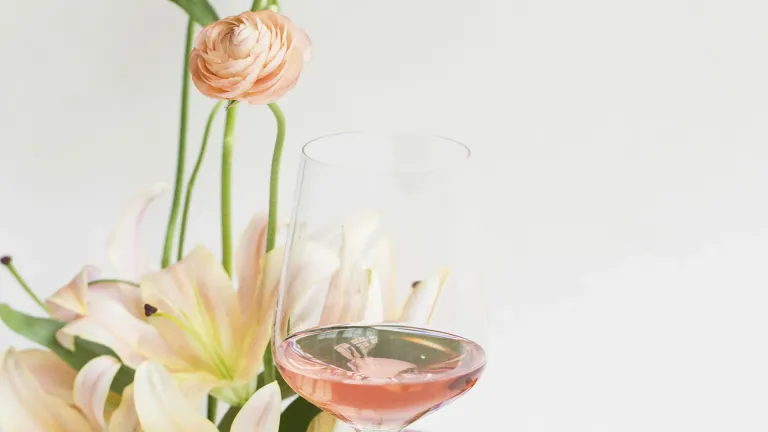
White Zinfandel Wine: the Essential Guide
Explore the world of White Zinfandel in this essential guide, featuring tasting notes, and tips for choosing the perfect bottle!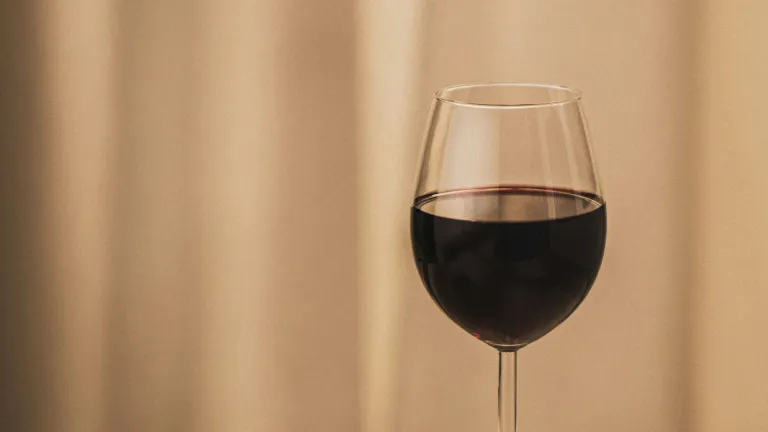
Petite Sirah: an In-Depth Wine Profile
Dive into the boldness of Petite Syrah, and discover its unique aromas, flavors and pairings, with this in-depth profile!
Cigales: an In-Depth Wine Profile
Discover the unique wines of Cigales, Spain's emerging region. Explore profiles, flavors, and what sets these wines apart!
The Wines of Penedès: A Comprehensive Guide
Explore the Penedès wine region through a detailed profile that highlights its unique varietals and tasting notes.
Rueda: An In-Depth Wine Profile
Explore Rueda, Spain's vibrant white wine region. Discover the unique characteristics of its wines and grape varieties!-768x432.webp)
Albariño: an In-Depth Wine Profile
Discover the refreshing and aromatic Albariño wine, one of the most precious jewels in the coasts of Portugal and Spain!
Txakoli: an In-Depth Wine Profile
Discover all the secrets of Txakoli, the most vibrant, refreshing and best kept secret of the Basque Country!
Amarone della Valpolicella: an In-Depth Wine Profile
Jump straight into the world of Amarone della Valpolicella, a delicious Italian red wine that is stepped in tradition!
Moscatel: an In-Depth Wine Profile
Welcome to the amazing world of Moscatel! Learn more about this wine gem, often overshadowed by its more famous cousin Moscato.
Barbera: an In-Depth Wine Profile
Learn about the aromatic and flavor profile of Barbera, and dive into the rich heritage of this Italian wine gem!
Grüner Veltliner: an In-Depth Wine Profile
Delve into the secrets of Grüner Veltliner, an Austrian wine that is slowly getting more and more recognizement around the world!
Vinho Verde: an In-Depth Wine Profile
Everything about Vinho Verde wine — crisp taste, Alvarinho grapes, top sub-regions of Portugal, and the best food pairings.
Muscadet: an In-Depth Wine Profile
Learn all about Muscadet, a French wine stepped in tradition! Discover the main food pairings, and how to choose the best bottles of this wine!
Soave: an In-Depth Wine Profile
Discover the iconic Soave wines! Learn which are the best food pairings for Soave, as well as its most common aromatic and flavor notes!
Valpolicella Ripasso: an In-Depth Wine Profile
Discover the Valpolicella Ripasso wine! Here, you will learn everything about it, from how it is made to the best food pairings for this iconic wine!
Ribera del Duero: an In-Depth Wine Profile
Discover the Ribera del Duero wines! Learn which are their main characteristics, and the differences with Rioja, another iconic Spanish wine.
Rioja: an In-Depth Wine Profile
Discover Rioja, a spanish wine full of history! Learn all about it, from the different types of Rioja wines to the best tips to serve it and store it!
Palomino: an In-Depth Wine Profile
Welcome to the world of Palomino wines! Discover which are the main characteristics of these wines, and with which foods you should pair them!
Mencía: an In-Depth Wine Profile
Discover the Mencía wines, a hidden treasure of the Spanish wine world! Learn about its sensory profile and best food pairings!
Godello: an In-Depth Wine Profile
Explore the unique profile of Godello wine, covering its origin, taste and aroma profile and best food pairings
Sherry: an In-Depth Wine Profile
Explore the unique profile of Sherry wine, covering its origin, taste and aroma profile and best food pairings
Monastrell: An In-depth Wine Profile
Do you know what is Monastrell wine? Learn more about the origin, sensory profile and best food pairings for the bold red!
Torrontés: an In-Depth Wine Profile
Explore the unique profile of Torrontés wine, covering its origin, taste and aroma profile and best food pairings
Lambrusco: an In-Depth Wine Profile
Dive into Lambrusco's vibrant profile, from its bubbly charm and taste notes to ideal pairings, and learn how to get the best value for your money!
Verdejo: an In-Depth Wine Profile
Discover Verdejo, a Spanish white wine that is the star of Rueda and highly coveted for its aromas and its refreshing taste
Tempranillo: an In-Depth Wine Profile
Discover the rich flavors and history of Tempranillo, Spain's noble grape. Explore its characteristics, food pairings, and top wine regions.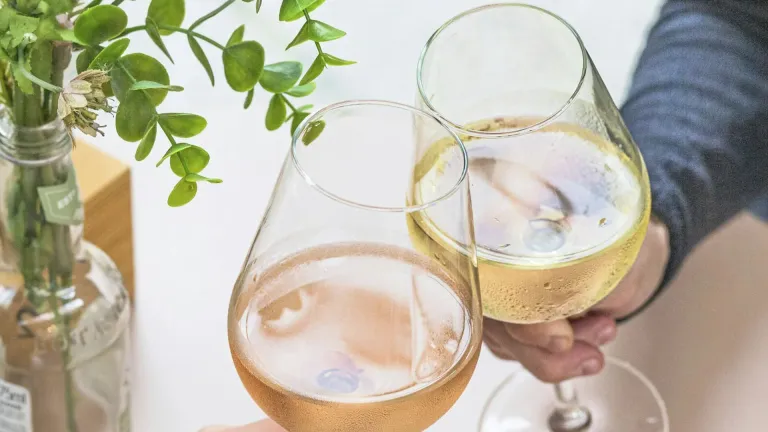
Trebbiano: an In-Depth Wine Profile
Welcome to the world of Trebbiano wines, a captivating style known for its versatility and refreshing qualities! Click here to learn more-768x432.webp)
Sangiovese: an In-Depth Wine Profile
Discover Sangiovese, a wine style that is tenowned for their robust character and Versatility. Click here!
Porto Garrafeira: an In-Depth Wine Profile
Explore the unique Porto Garrafeira style, a rare Port style with a distinctive aging process and rich flavors, with this in-depth guide.
Zinfandel: an In-Depth Wine Profile
Learn everything about Zinfandel wines, celebrated for their robust flavors and rich history, in this in-depth profile! Click here
Semillon: an In-Depth Wine Profile
Learn more about Semillon, a wine that is getting more known worldwide, and discover which are the aromatic and taste notes that makes it so unique!
Tannat: an In-Depth Wine Profile
Discover more about Tannat, a flagship wine of Uruguay that has transcended borders and is increasingly popular in other regions of the world-768x432.webp)
Viognier: an In-Depth Wine Profile
Learn more about Viognier, a wine that is renowned for its aromatic complexity, and its different food pairings!
Cabernet Franc: an In-Depth Wine Profile
Join us on a journey through the world of Cabernet Franc, an elegant and vibrant wine that pairs well with many foods!
Vermouth: an In-Depth Wine Profile
Learn everything about Vermouth wines, from their particular sensory profile to the regions where you can find the best Vermouth! Click here
Chenin Blanc: an In-Depth Wine Profile
Discover Chenin Blanc wine. Explore its history, aroma and flavour, styles and food pairings with this in-depth wine profile from Vinerra!
Grenache: an In-Depth Wine Profile
Your complete guide to Grenache wine — bold flavours, top regions in Spain and France, best food pairings, and how it compares to Syrah.
Pinot Gris: In-Depth Wine Profile
Discover Pinot Gris wine. Explore its history, aroma and flavour, styles and food pairings with this in-depth wine profile from Vinerra!
Sauvignon Blanc: In-Depth Wine Profile
Discover Sauvignon Blanc wine. Explore its history, aroma and flavour, styles and food pairings with this in-depth wine profile from Vinerra!
Gewürztraminer: In-Depth Wine Profile
Discover Gewürztraminer wine. Explore its history, aroma and flavour, styles and food pairings with this in-depth wine profile from Vinerra!
Syrah: In-Depth Wine Profile
Everything about Syrah wine — from Rhône Valley origins to its bold, peppery profile, best food pairings, and how it differs from Shiraz.
Riesling: In-Depth Wine Profile
Discover Riesling wine. Explore its history, aroma and flavour, styles and food pairings with this in-depth wine profile from Vinerra!
Malbec: In-Depth Wine Profile
Discover Malbec wine. Explore its history, aroma and flavour, styles and food pairings with this in-depth wine profile!
Merlot: In-Depth Wine Profile
Discover Merlot wine. Explore its history, aroma and flavour, styles and food pairings with this in-depth wine profile from Vinerra!
Barolo: In-Depth Wine Profile
Discover the unique Barolo flavor profile, and delve into the rich history of this Italian gem in our in depth profile!
Pinot Noir: In-Depth Wine Profile
Discover Pinot Noir wine. Explore its history, aroma and flavour, styles and food pairings with this in-depth wine profile from Vinerra!
Marsala: In-Depth Wine Profile
Discover Marsala wine. Explore its history, aroma and flavour, styles and food pairings with this in-depth wine profile from Vinerra!
Chardonnay: In-Depth Wine Profile
Discover Chardonnay wine. Explore its history, aroma and flavour, styles and food pairings with this in-depth wine profile from Vinerra!
Cabernet Sauvignon: In-Depth Wine Profile
Discover Cabernet Sauvignon wine. Explore its history, aroma and flavour, styles and food pairings with this in-depth wine profile from Vinerra!

Are you interested in collaborating with us?
Get started