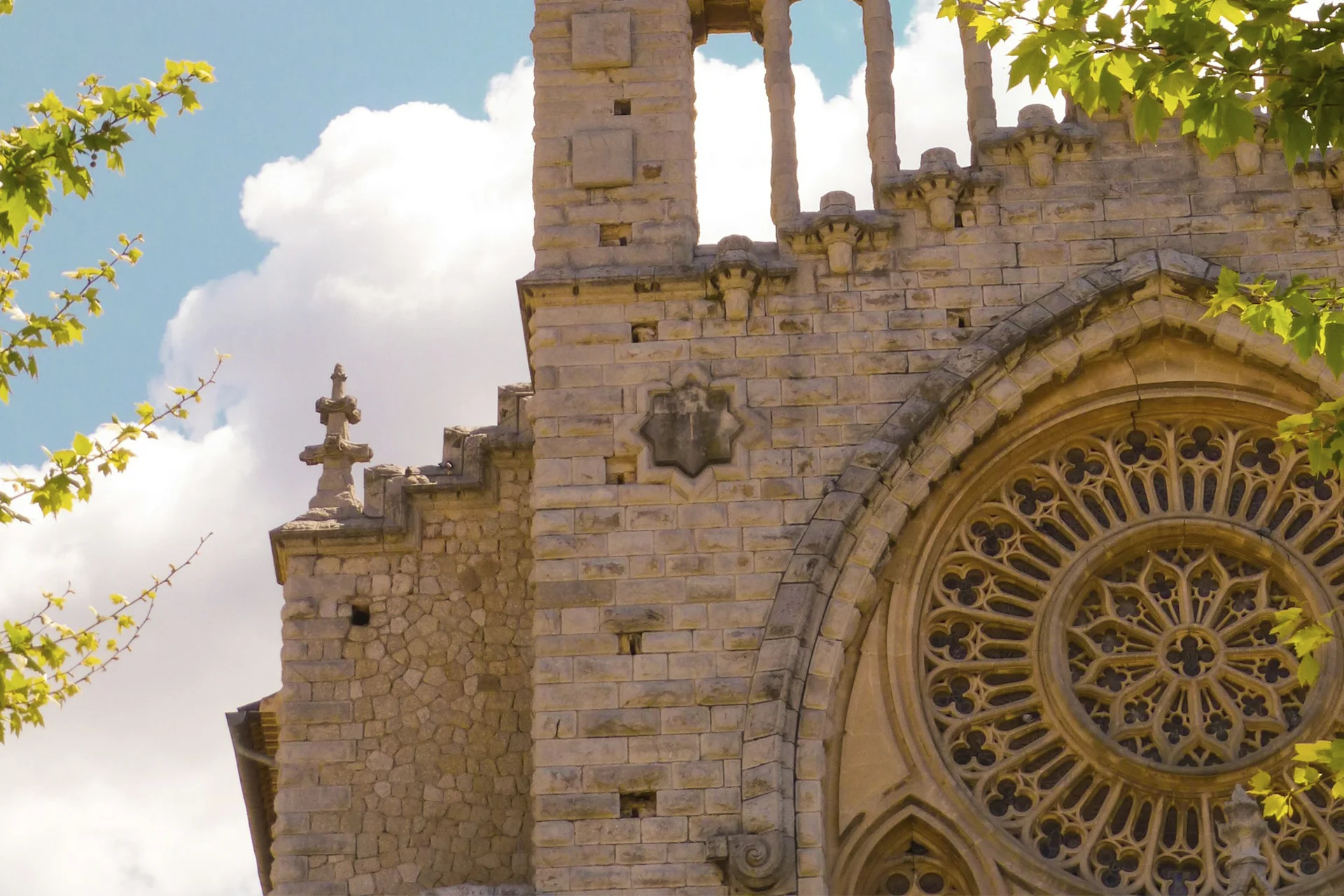
Binissalem DO

Binissalem DO

39°41′04″ N

LATITUDE

2°50′48″ E

LONGITUDE

0

APPELATIONS

about this subregion

Binissalem is Mallorca's original and most renowned wine region, celebrated for its distinctive wines and historic vineyards. Think of it as the David to Rioja's Goliath: smaller but packing a powerful punch. Nestled in the island's heart, the Binissalem Denominación de Origen (DO) offers a rare taste of authentic, terroir-driven winemaking untouched by mass marketing.

Binissalem stands out for its Spanish and Mediterranean wines, known for their genuine character and pioneering status as Mallorca's first DO, established in 1990. Its wines, especially reds from the native Manto Negro grape, are known for their fruity Mediterranean style. Viticulture here dates back to Roman times (circa 123 BC), with a recent revival emphasizing local grape varieties like Manto Negro and Moll (Prensal Blanc), the region's signature white grape.

This guide is tailored for wine professionals, enthusiasts, and travelers eager to explore Binissalem's unique wines and rich culture. We'll explore what defines Binissalem: its unique geology, native grapes with intriguing names, a climate that impresses even Napa vintners, and family-run wineries that craft wine as a sacred tradition rather than a business metric. Whether you're a wine pro expanding your portfolio or an enthusiast who loves terroir tales, Binissalem offers something compelling.

Overview of the Region

Binissalem isn't sprawling across half of Spain like some denominations. It's compactstrategically so. Located in the Raiguer comarca in central Mallorca, about 27 kilometers northeast of Palma, this DO encompasses five villages: Binissalem (the namesake), Santa Maria del Camí, Consell, Santa Eugènia, and Sencelles. The Binissalem wine appellation lies in the heart of the municipality of Binissalem, in the Raiguer district on Majorca, one of the Balearic Islands in Spain. The communes of Alaro, Consell, Biniagual, Inca, and Lloseta surround the Binissalem wine appellation.

The geography reads like a winemaker's wish list: high plateaus that catch enough sun to ripen grapes yet remain high enough to preserve acidity. The Serra de Tramuntana mountain range looms to the north, acting as a natural windbreak against cold, wet maritime winds during winter. The region's landscape is shaped by rolling vineyards, historic villages, and natural beauty, creating a picturesque environment that enhances both the wine experience and local culture. It's the kind of natural architecture that makes you wonder whether the Romans chose this spot by accident or by genius.

Binissalem isn't Napa's 18,000 hectares or Bordeaux's 120,000. Binissalem operates at a different scale entirely, and that's precisely the point. The region's size forces focus, demands quality over quantity, and creates wines that taste distinctly of somewhere rather than anywhere.

Regional Statistics

The relatively modest size of this DO, approximately 605 hectares, compared with Pla i Llevant's 330 or 500 hectares (depending on the source), belies the region's historical importance. Before phylloxera devastated Mallorca in 1891, the island had 27,000 hectares under vine and exported 50 million liters annually, much of it produced in this very region. That's not a typo.

Metric → Stat

  • Vineyard area
    • Approximately 605 hectares under vine, registered with the DO Binissalem
  • Altitude range
    • 125–300 meters (410–984 feet) above sea level
  • Number of wineries
    • 11–13 wineries actively producing under the DO Binissalem designation
  • Registered growers
    • Approximately 110 registered winegrowers contribute to the denomination
  • Annual precipitation
    • 450–500mm (17–20 inches) annually, with most rainfall between October and March; the region can experience violent storms, particularly in autumn
  • Growing Degree Days (GDD)
    • Approx. 1,800–2,200 GDD (April–October) typical for Mediterranean regions at this latitude/altitude; corresponds to Winkler Region II–III, ideal for local reds
  • Climate classification
    • Hot-Summer Mediterranean (Csa, Köppen), with long, hot, dry summers and mild, wetter winters

Red wines account for roughly 75% of the wine produced in the Binissalem DO.

History of the Subregion

Binissalem is Mallorca's original and most famous wine region, celebrated for its fruity Mediterranean-style wines, particularly the reds made from the native Manto Negro grape:

  • Roman Era and Early History: Binissalem's wine heritage traces back to the Roman conquest of Mallorca in 121 BC, when Quintus Caecilius Metellus introduced viticulture to the island. The wines of the Balearic Islands earned praise from Pliny the Elder, who ranked them alongside Italy's finest. Despite the Moorish occupation from 711 to 1229, during which Islamic prohibitions limited wine production, vineyards endured. Following King Jaume I's conquest in 1230, historical records highlight the exceptional quality of local grapes, underscoring wine's deep roots in Mallorcan culture.
  • Medieval Expansion and Prosperity: By 1339, viticulture was flourishing, and the vineyard area expanded steadily, reaching 448 hectares by 1860 and 538 hectares by 1875. At its peak, Binissalem was home to 127 wineries, with the nearby village of Biniali alone boasting 43. The region's wines were in high demand, especially in phylloxera-ravaged France, fueling a robust export market.
  • Phylloxera Crisis and Decline: The late 19th century brought devastation as phylloxera struck Mallorca in 1891, decimating vineyards across the island within a few years. This crisis led to widespread emigration and the near loss of many indigenous grape varieties, some of which survived only in isolated plots. A significant hurdle in reviving these native grapes has been the scarcity of virus-free plant material, complicating efforts to restore the region's unique viticultural heritage.
  • Modern Revival and Recognition: The late 20th century saw a renaissance driven by tourism's growing demand for quality local wines and a new generation of skilled winemakers. After persistent efforts beginning in 1973, Binissalem achieved official recognition as Mallorca's first Denominación de Origen (DO) in 1990. This milestone cemented the region's commitment to native grape varieties and improved vineyard management, producing wines capable of competing on the international stage. Today, the Binissalem Designation of Origin stands as a pioneering force, safeguarding the quality and heritage of Mallorca's most iconic wine subregion.

Environment and Sustainability Practices

Sustainability in Binissalem is a way of life—driven by water scarcity and centuries of generational stewardship. Families who have farmed the land for 300 years focus on preserving it for the next 300.

Organic and Regenerative Viticulture:

  • Leading DO wineries embrace organic and regenerative practices:
    • Bodegas José L. Ferrer (130 hectares, certified organic 2023)
    • Celler Tianna Negre (55 hectares certified organic)
    • Finca Biniagual (Integrated Production protocols)
    • Bodegas Ribas (40 hectares organic)
    • Vins Nadal (regenerative since 2002, boosting soil organic matter from 1% to over 3% while cutting CO2 emissions)

Water and Energy Efficiency:

  • Advanced drip irrigation conserves water without depleting reserves.
  • Limestone soils naturally retain moisture during droughts.
  • Solar power, adopted by Bodegas José L. Ferrer since 2013, lowers carbon footprints across estates.

Biodiversity and Waste Reduction:

  • Integrated Production minimizes synthetic inputs, promotes natural pest control, and fosters diverse ecosystems with olive groves, almond trees, and grazing sheep.
  • Cover crops and livestock enrich soil organic matter, reducing fertilizer needs.
  • Wineries prioritize waste reduction, water recycling, and use lightweight, recyclable packaging.

Genetic Sustainability:

  • The focus on indigenous varietiesManto Negro, Callet, Prensal Blanc, Giró Rospreserves genetic heritage.
  • These native grapes, honed over centuries in Mallorca's unique climate, offer resilience against the challenges of climate change.

Associations

vinerra illustration
605

Vineyard Hectares

12

WINERIES

1800–2200 GDD

GROWING DEGREE DAYS

Discover Terroir

Binissalem lies on high plateaus and undulating hills, at elevations from 125 to 300 meters above sea level. The Serra de Tramuntana to the north shields the area from cold winter winds while allowing maritime influence. Positioned 27 kilometers from the coast, it's ideally distantclose enough for sea breezes, far enough to avoid fungal disease pressure.

A Hot-Summer Mediterranean climate defines the region: summer highs reach 30–33°C (86–91°F), with cool nights that preserve acidity; January lows average around 5°C (41°F). April–October brings minimal rainfall and abundant sunshine. Low year-to-year variation allows consistent house styles, though summer heat remains the primary viticultural challenge.

Binissalem features loose, nutrient-poor soils with hard lime crusts. The soil is generally loose and rich in calcium, which aids water retention. Lime layers retain moisture during dry summers; loose topsoil ensures drainage while forcing deep rooting that concentrates flavors. Limestone contributes distinctive chalky minerality, particularly in whites. These marginal soilsstress vines, and struggling vines make exceptional wine.

Discover

Grape Varieties of the Subregion

Binissalem's grape roster reads like a family reunion, with half the attendees local legends and the other half imported celebrities trying to fit in. The DO regulations are explicit: Manto Negro, Prensal Blanc, and Callet must dominate, while international grapes are permitted as supporting players.

  • Manto Negro
    • Color: Red
    • Origin: Indigenous (Mallorca)
    • % of Vineyard Area: ~38%
    • Key Characteristics: Flagship variety; medium ripening cycle; deeply colored with aromas of ripe fruit, pomegranate, carob, and vegetal notes; produces a medium-bodied wine with fruity notes and balanced acidity; responds excellently to oak aging
  • Prensal Blanc (Moll)
    • Color: White
    • Origin: Indigenous (Mallorca)
    • % of Vineyard Area: ~50% of white varieties
    • Key Characteristics: Primary white variety; medium ripening; aromas of white fruit, apple, quince, and anise; moderate sugar levels with generally low acidity
  • Callet
    • Color: Red
    • Origin: Indigenous (Mallorca)
    • % of Vineyard Area: ~14%
    • Key Characteristics: High-yielding; large, compact bunches; moderate sugar content with low phenolic concentration; adds fruit, floral, and vegetal aromatics to blends

Binissalem wines are smooth and graceful, with at least 6 months of aging in oak barrels. The wines from Binissalem are characterized by a balance of sweetness and acidity, particularly in the white varietals, especially those made from Moll (Prensal Blanc), the predominant white grape variety.

Authorized Complementary Varieties

Beyond the indigenous trio, the DO permits several supportive grapes that add complexity and international appeal:

  • Red Varieties: Tempranillo, Monastrell, Cabernet Sauvignon, Merlot, Syrah, and Gorgollassa. These international varieties—particularly Syrah and Cabernet Sauvignon—have proven remarkably well-adapted to Binissalem's climate, adding structure, tannin, and aging potential to blends.
  • White Varieties: Moscatel de Alejandría, Moscatel de Grano Menudo, Giró Ros (indigenous but minor), Parellada, Macabeo, and Chardonnay. Chardonnay has been particularly successful, accounting for approximately 24% of white plantings and producing wines with tropical fruit notes and good aging potential.

Wine Styles of the Region

Binissalem's portfolio ranges from young, gulpable whites to age-worthy Gran Reservas. This diversity stems from both the permitted varieties and the aging classifications inherited from Spanish wine law. Many of these wines are produced using traditional methods, often in limited quantities, underscoring the subregion's artisanal character and authenticity.

  • Red – Young (Joven)
    • Grape Requirements: Minimum 30% Manto Negro
    • Aging Requirements: Minimal to no oak aging
    • Characteristics: Medium to medium-high colour intensity; aromas of ripe red fruits with vegetal undertones; warm, fleshy mouthfeel with good structure and persistent finish
  • Red – Crianza
    • Grape Requirements: Minimum 30% Manto Negro
    • Aging Requirements: 24 months total (minimum 6 months in oak)
    • Characteristics: Added complexity from oak; spice notes emerge; fuller body; designed for 5–10 year aging potential
  • Red – Reserva
    • Grape Requirements: Minimum 30% Manto Negro
    • Aging Requirements: 36 months total (minimum 12 months in oak)
    • Characteristics: Integrated oak and fruit; tertiary aromas developing; greater structure and longevity
  • Red – Gran Reserva
    • Grape Requirements: Minimum 30% Manto Negro
    • Aging Requirements: 60 months total (minimum 18 months in oak)
    • Characteristics: Reserved for best vintages; complex tertiary aromas; leathery, earthy notes; exceptional aging potential
  • White – Young
    • Grape Requirements: Minimum 50% Moll or Moscatel
    • Aging Requirements: No oak aging required
    • Characteristics: Clear and bright; aromas of white fruit (pear, apple), citrus notes; fresh, lively, intense with good finesse and persistence
  • White – Crianza
    • Grape Requirements: Minimum 50% Moll or Moscatel
    • Aging Requirements: 18 months total (minimum 6 months in oak)
    • Characteristics: Richer texture; nutty, toasted notes from oak; fuller body while maintaining freshness
  • Rosé
    • Grape Requirements: Maximum 30% Gorgollassa
    • Aging Requirements: Typically no oak aging
    • Characteristics: Bright and clear; primary aromas of red fruits; balanced and persistent; refreshing acidity
  • Sparkling – White
    • Grape Requirements: Minimum 50% Moll plus Parellada, Macabeo, Chardonnay, and Giró Ros
    • Aging Requirements: Traditional method aging requirements
    • Characteristics: Bright and clean; fruity and vegetal aromas; fresh, lively, intense with great finesse
  • Sparkling – Rosé
    • Grape Requirements: Any authorized variety (maximum 30% Gorgollassa)
    • Aging Requirements: Traditional method aging requirements
    • Characteristics: Bright and clean; red fruit aromas; fresh with great finesse and persistence
  • Sweet
    • Grape Requirements: Moscatel (white) or Manto Negro (red)
    • Aging Requirements: Varies
    • Characteristics: Concentrated fruit; higher residual sugar; dessert wine category

DO Requirements for Varietal Composition

The Binissalem DO isn't messing around with authenticity. The regulations state:

  • Red wines: Minimum 30% Manto Negro; maximum 30% Gorgollassa
  • White wines: Minimum 50% Moll (Prensal Blanc) or Moscatel varieties
  • Rosé wines: Maximum 30% Gorgollassa
  • Sparkling wines (white): Minimum 50% Moll plus Parellada, Macabeo, Chardonnay, or Giró Ros
  • Sparkling wines (rosé): Any authorized variety, with a maximum of 30% Gorgollassa

Best Food Pairings for Binissalem DO Wines

Binissalem wines are the perfect match for Mallorcan cuisine and the broader Mediterranean diet, sharing a culinary heritage that spans two millennia. This deep-rooted connection makes the pairing feel natural and harmonious rather than forced.

  • Red Wines (Manto Negro-based, Young to Crianza): These fruity, medium-bodied reds pair well with traditional dishes such as tumbet, sobrasada, grilled meats, and aged cheeses. Manto Negro's balanced tannins soften acidity while complementing roasted vegetables and the bold, tangy flavors typical of the island.
  • Red Wines (Reserva to Gran Reserva): With their earthy complexity and refined oak influence, these aged reds elevate herb-seasoned lamb, game, and slow-cooked stews. Extended maturation brings out tertiary aromas and firm tannins that enhance rich, hearty dishes.
  • White Wines (Prensal Blanc/Moll-based): Crisp and citrus-forward, these whites pair beautifully with lobster stew, grilled seafood, and fresh catches. Their lively acidity and bright white-fruit aromas enhance delicate flavors without overpowering the palate.
  • Rosé: Refreshing and well-balanced, Binissalem rosés pair wonderfully with jamón, light vegetable dishes, flatbreads, and tapas. Their food-friendly acidity cuts through salty ham while complementing a variety of small plates, making them ideal for leisurely grazing.

Wine Tourism

Binissalem prioritizes authenticity over commercialization, leveraging its compact geography, family-run operations, and genuine agricultural heritage rather than competing with Napa's glitz or Bordeaux's grandeur. The DO's 11–13 member wineries offer casual tastings, immersive vineyard tours, harvest participation, and food pairings while maintaining a working winery character.

  • Festivals and Events: Binissalem is known in Spain for its annual grape harvest celebration, the 'Festa des Vermas,' held in September and featuring parades, grape-treading, traditional dishes, and activities. Wine Days DO Binissalem (May) includes tastings, performances, barrel tastings, and gastronomy. Festes des Vermar (September/October) celebrates the harvest; the 2024 event marked its 58th year. Binissalem hosts a lively cultural calendar with events often featuring wine. Markets during these occasions showcase regional products, especially Binissalem wines, highlighting the area's culinary and cultural richness.
  • Visiting Experience: Most wineries require reservations. The compact five-municipality region allows visitors to visit multiple estates in a day without marathon drives. Experiences emphasize walking through production vineyards, barrel tastings, and meeting multi-generational families. Many wineries also produce olive oil and almonds, enriching visits.
  • Access and Accommodation: Binissalem town offers accommodation; many visitors base themselves in Palma (27km) or Santa Maria del Camí. The central location makes it an ideal launching point for exploring both DO Binissalem and the nearby DO Pla i Llevant. The contrast with coastal tourist zones is intentional. This is working agricultural Mallorca, where winemaking remains a calling.

Wine Tasting Experiences in Binissalem

Step into the heart of Mallorca and you'll find Binissalem—a region where wine tasting is less a tourist activity and more a rite of passage into the island's soul. Located in the centre of the island, Binissalem's wineries invite you to discover a world where local grape varieties and centuries-old tradition meet the vibrant pulse of modern Mediterranean wine culture.

Tasting Local Varieties

Wine tasting in Binissalem is a sensory journey through vineyards shaped by a Mediterranean climate and soils rich in hard lime crusts. Here, indigenous grapes like Manto Negro, Callet, and Giró Ros flourish, producing red wines with vibrant fruity aromas, medium body, and balanced acidity—each glass a true expression of the island's terroir.

Winery Tours and Pairings

Binissalem's wineries blend tradition with innovation, combining native grapes with international varieties such as Cabernet Sauvignon, Merlot, and Syrah. The result? Complex, elegant wines bursting with aromas—hints of green apple, citrus, and subtle spices layered over exceptional quality.

Tastings often take place in cool oak-lined cellars, featuring crisp whites from Prensal Blanc and Giró Ros, lively rosés, and sparkling wines. These medium-bodied wines pair beautifully with local artisanal cheeses, rustic breads, and cured meats.

Wineries in Santa Maria del Camí and near the Serra de Tramuntana offer immersive tours through vineyards and winemaking facilities, enriched by stories that bring Binissalem's history to life. Tastings frequently include local products, deepening your connection to the land.

Annual Wine Events

Binissalem's vibrant wine calendar features events like Wine Days and the Festa des Vermar, celebrating the grape harvest and Mallorcan winemaking spirit. These festivals offer a chance to meet winemakers, sample limited releases, and experience the region's lively culture.

Whether you're a seasoned connoisseur or curious traveler, visiting Binissalem promises more than a tasting—it's an invitation to savor unique wines, rich history, and warm hospitality. Raise a glass in the island's heart, and let the flavors of Mallorca linger long after your visit.

Best Wineries Within the Binissalem DO

Binissalem's five premier wineriesBodegas José L. Ferrer, Bodegues Macià Batle, Bodegas Ribas, Finca Biniagual, and Celler Tianna Negre—represent multi-generational family businesses that balance tradition with innovation, shaping Mallorca's viticultural identity without corporate compromise.

  • Bodegas José L. Ferrer, established in 1931, was a pioneer in oak-barrel aging and high-quality Manto Negro wines, earning DO status in 1990. The fourth generation manages 130 hectares, now organic since 2023 and solar-powered since 2013. The winery offers tours of the barrel rooms and tastings of Veritas, Pedra de Binissalem, and Ferreret, its flagship labels.
  • Bodegues Macià Batle, founded in 1856 in Biniali by family tradition, opened a modern facility in Santa Maria del Camí in 1997. After expanding post-2003 under Sebastià Rubí, it solidified its reputation for quality. The winery emphasizes native varieties combined with modern techniques, with signature wines like Blanc de Blancs and Manto Negro showcasing the integration of traditional viticulture with contemporary standards.
  • Bodegas Ribas, established in 1711, is Spain's oldest continuously operating winery, now run by the tenth generation, Araceli and Xavier Servera Ribas. It owns 40 hectares of organic vineyards at an altitude of 150 meters, focusing on ancient indigenous varieties such as Mantonegro, Garganega, Callet, Prensal Blanc, and the rare Giró Ros. Visitors can experience tastings in historic rooms that vividly reflect its 300-year family legacy.
  • Finca Biniagual is a traditional Mallorcan estate comprising 14 houses, a chapel, a historic winery, and 34 hectares of vineyards within a 170-hectare property. The estate employs integrated production protocols, hand-harvesting, and organic methods, and maintains a flock of 300 sheep. It produces 100% Manto Negro monovarietal wines, blends, olive oil, and citrus jams within a functioning ecosystem.
  • Celler Tianna Negre, founded in 2004 with its first vintage in 2007, is the newest major winery operated by the Morey-Garau family. It covers 55 hectares of certified organic vineyards across 10 parcels in Binissalem-Consell. Modern architecture seamlessly combines functionality and aesthetics. The winery produces organic extra virgin olive oil under the DO Aceite de Mallorca, emphasizing indigenous terroir expression.
arrow-back-to-top