Pla i Llevant DO

Pla i Llevant DO

39°37′00″ N

LATITUDE

3°06′00″ E

LONGITUDE

0

APPELATIONS

about this subregion

Mallorca, also known as Majorca in English, isn’t just a playground for German tourists and cycling enthusiasts; it is a serious viticultural asset that has spent the last two decades quietly shedding its bulk-wine past for a premium future.
While the Binissalem DO often hogs the limelight like a loud startup CEO, the Pla i Llevant DO is the technical co-founder doing the heavy lifting in the background.
Covering the fertile “plain and east coast” of the island—a name that reflects its Catalan roots—this region is where the algebra of Mediterranean sun, ancient soil, and sea breeze equals wines of startling complexity, making Majorca a notable wine-producing destination.

This isn’t just a wine region; it’s a masterclass in adaptation. The origin of viticulture here dates back to Roman times, when the Romans introduced grape growing and winemaking to the island, laying the foundation for the region’s longstanding wine tradition. From these Roman roots to a phylloxera apocalypse and a modern renaissance, Pla i Llevant is writing a playbook on how to pivot from quantity to quality.

Throughout this guide, we'll explore Pla i Llevant's terroir, native grape varieties, historic wineries and sustainability practices, providing a blueprint for Mediterranean wine excellence today.

Overview of Pla i Llevant

Pla i Llevant translates to “plain and east coast,” a name that perfectly captures the region’s geography. The area is characterized by broad plains, offering a flat and fertile landscape ideal for viticulture. Spanning the southeastern half of Mallorca, it encompasses key municipalities including Manacor, Felanitx, Llucmajor, and Santanyítowns that have traded almond groves for vines over the past two decades.

The region sits at a crucial crossroads: low enough to catch the moderating Embat wind from the Mediterranean, with many vineyards located at or near sea level, benefiting from maritime conditions and coastal breezes, yet elevated enough to avoid frost pockets. What makes Pla i Llevant distinctive is its positioning as Mallorca’s second DO, deliberately carved out to distinguish itself from the older, more conservative Binissalem.

It’s a region that embraced modernization without abandoning its roots, attracting younger winemakers and investors who saw opportunity where older generations saw only agricultural commodity production. Today, it represents the future of Balearic viticulture.

Pla i Llevant, by the Numbers

The numbers don't lie. Pla i Llevant produces around 220,000 bottles of wine annually, across 13 wineries, from a low-altitude plateau where temperatures soar.
Rainfall barely breaks 450 mm per year, driving concentration in the berries. This is a region engineered for intensity.

Key Metrics – Pla i Llevant DO

  • Vineyard Area
    • 497 hectares (approx. 1,228 acres)
    • Significant growth from approximately 250 hectares in 2001
  • Number of Wineries
    • 13 wineries (77 growers)
    • A close-knit community of family-run estates
  • Annual Production
    • Approximately 220,000 bottles
    • Focused on mid-to-high tier premium wines
  • Altitude Range
    • 0–200 meters (0–656 feet)
    • Low-lying vineyards maximizing maritime influence
  • Annual Precipitation
    • Approximately 425 mm (16.7 inches)
    • Semi-arid climate; rainfall mainly occurs in autumn storms
  • Climate Classification
    • Maritime Mediterranean
    • Characterized by long, dry, hot summers and mild winters

History of the Pla i Llevant Region

The history of Pla i Llevant reads like a business case study in resilience.

  • The MVP (121 BC): The Romans landed and immediately identified the island's potential, introducing the vine. Pliny the Elder was writing tasting notes on Mallorcan wine in the 1st century AD.
  • The Hostile Takeover (Moorish Era): despite Islamic prohibitions on alcohol, vine cultivation survived—likely branded as "table grapes" to bypass regulation. When King Jaume I conquered the island in 1230, he was greeted with top-quality wine, proving the supply chain never actually broke.
  • The Market Crash (1891): Phylloxera hit Mallorca late but hard, wiping out 27,000 hectares. After the devastation caused by phylloxera, most vineyards were replaced with almond trees, a diversification strategy that helped save the agricultural economy.
  • The Golden Age: In the 19th century, during the Great French Wine Blight, wine production in France was decimated, forcing imports from Spain and Italy. Pla i Llevant's Fogoneu grape, with its longstanding presence in the Balearic Islands, was the most produced variety in this period, playing a key role in exports and reflecting its deep cultural importance to the region.
  • The IPO (1991–2001): The area was classified as Vinos de la Tierra in 1991 and upgraded to DO status in 2001, signalling to the global market that it was open for serious business.
  • The Renaissance (Late 20th Century): The wine industry experienced a resurgence as tourists' demand for high-quality wine increased, leading to a shift from prioritizing quantity to emphasizing quality.

Environment and Sustainability: Future-Proofing the Vine

Sustainability in Pla i Llevant isn't a marketing buzzword; it's a survival strategy.

  • Water Management: With Mallorca facing chronic water shortages (reserves often fall below 50%), the region is pivoting back to Dry Farming. Native grapes such as Callet and Premsal are genetically drought-resistant, unlike thirsty French varieties.
  • The Organic Shift: Producers such as Toni Gelabert are leading a charge toward organic and biodynamic farming, eliminating chemicals to preserve the fragile island aquifer.
  • Genetic Heritage: The recovery of grapes such as Gorgollassa is a sustainability actdiversifying the gene pool to ensure resilience to climate change.

Associations

vinerra illustration
497

Vineyard Hectares

13

WINERIES

1600-2200 GDD

GROWING DEGREE DAYS

Discover Terroir

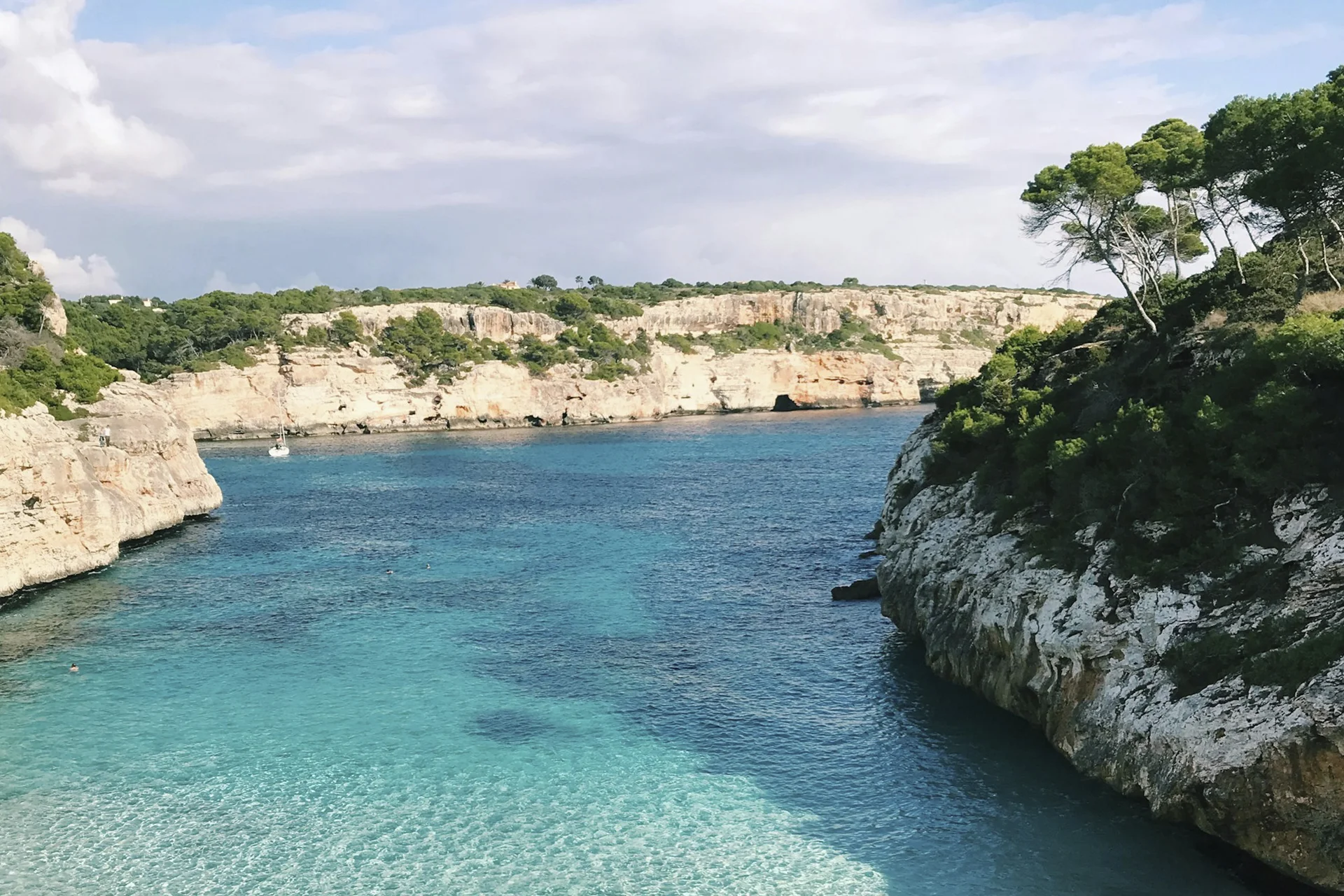
Pla i Llevant DO occupies Mallorca's central-eastern plain and coastal strip, spanning towns like Manacor and Felanitx, and is characterized by low hills, fertile limestone soils, and the moderating influence of the Mediterranean Sea. Vines are planted across these plains and coastal areas, often using trellises or low bush (en vaso) training systems to suit the local climate and optimize grape quality.

This is the region's natural air conditioning. The Embat is a daily thermal breeze that blows from the sea onto the land. In an area where summer temperatures hit 37°C (99°F), this wind is the difference between fresh, complex grapes and cooked fruit jam. It lowers vine temperature, retains acidity, and imparts a distinct saline character on the skins. The average annual rainfall in Pla i Llevant is barely 425 mm, mostly falling during autumn as intense, short-lived storms.

The region is underlain by a mix of calcareous rock and clay. The star is the Call Vermell, a distinct reddish, iron-rich clay soil. It's nutrient-poor (which is suitable for wine) and retains water like a camel, essential for surviving the dry Mallorcan summers without irrigation.

Discover

Grape Varieties of Pla i Llevant

Pla i Llevant doesn't put all its eggs in one basket.
It balances a portfolio of high-risk, high-reward native grapes with stable, blue-chip international varieties, blending traditional indigenous varieties with international ones to create high-quality wines. Among the most common international grapes, the most planted are Chardonnay, Viognier, Riesling, Moscatel, Cabernet Sauvignon, Merlot, Syrah, Pinot Noir, Monastrell, and Tempranillo.

An aspect to keep in mind: Fogoneu was the most produced variety in the last quarter of the 19th century in Pla i Llevant, but now Callet is the most representative native grape variety in Pla i Llevant due to its wide extent of cultivation in the region.

White Varieties

  • Native Varieties (Distinctive to Pla i Llevant)
    • Premsal Blanc (Moll): The most extensively cultivated native white variety, known for its fresh, fruity character and low acidity.
    • Giró Ros: A recently protected and authorized native variety, offering rich texture and excellent aging potential.
  • International Varieties
    • Chardonnay
    • Viognier
    • Riesling
    • Moscatel (Grano Menudo & Alejandría)

Red Varieties

  • Native Varieties (Distinctive to Pla i Llevant)
    • Callet: The region's signature native red grape, widely planted; produces wines with lower alcohol, distinctive flavours, strong personality, and aromatic complexity. Requires vigilant management due to susceptibility to mildew and powdery mildew.
    • Manto Negro: Produces wines with higher alcohol content and vibrant red fruit notes; prone to mildew but less susceptible to powdery mildew.
    • Fogoneu: Historically, the most produced native red in the late 19th century. It contributes deep colour and anthocyanins but presents stability challenges.
    • Gorgollassa: Low alcohol variety with good anthocyanin and tannin concentration, adding structure and finesse.
  • International Varieties
    • Cabernet Sauvignon
    • Merlot
    • Syrah
    • Pinot Noir
    • Monastrell
    • Tempranillo

The region also produces traditional method sparkling wines made from both native and international grapes, adding to the diversity of styles available.

Wine Style of Pla i Llevant

The region produces a wide range of wines, including red, white, rosé, sparkling, fortified, and semi-sparkling, with a clear trend toward “Mediterranean freshness.”

Wine Styles & Profiles

  • Fresh Whites
    • Profile Description: Crisp, saline, driven by Premsal Blanc. Aromas of fennel, pear, and sea spray.
    • Best For: Lunch by the marina; strictly an aperitif.
  • Textured Whites
    • Profile Description: Chardonnay or Giró Ros aged on lees. Waxy, tropical, with pastry notes.
    • Best For: Serious dinner conversations; pairing with lobster stew.
  • Native Reds
    • Profile Description: Callet/Manto Negro blends. Pale ruby colour, aromas of strawberry, Mediterranean herbs, and earth. In the mouth, these wines are balanced and smooth, with a silky texture and an aromatic profile that lingers on the palate.
    • Best For: Pinot Noir lovers looking for something edgier.
  • Power Reds
    • Profile Description: International blends (Cabernet Sauvignon, Merlot, Syrah). Dark, balsamic, spicy, and high alcohol (14.5%+).
    • Best For: Steak dinners; cellaring for 5–10 years.

A significant portion of Pla i Llevant wine is consumed locally on Mallorca, rarely reaching the Spanish mainland or international markets, yet it is available in the island's best shops, bars, and restaurants.

Food Pairings

Forget generic “tapas.”
The wines of Pla i Llevant are crafted to cut through the fat and spice of island cuisine.

  • The Killer App: Sobrassada on toast + Young Manto Negro. The paprika and fat of the cured sausage meet their match in the soft tannins and fruit sweetness of the local red.
  • The Comfort Play: Coca de Trampó (vegetable flatbread) + Premsal Blanc. The wine's acidity cuts through the olive oil and sweet roasted peppers.
  • The High-End: Caldereta de Langosta (Lobster Stew) + Oaked Giró Ros. The wine's texture matches the richness of the lobster.

Wine Tourism: The Experience Economy

Pla i Llevant has recognized wine as a content asset. Tourism here isn't just a cellar tour; it's lifestyle marketing. The region capitalizes on its proximity to the coast, offering experiences that blend beach culture with viticulture. It is less crowded than Binissalem, offering a more intimate, “insider” vibe. You aren't just buying a bottle; you are buying the story of the Embat wind and the iron-red dust on your shoes.

If you're planning a trip to the Pla i Llevant wine subregion, be sure to include a winery visit and tasting in your itinerary for an immersive experience of local winemaking.

Travel Tips: Navigating Pla i Llevant Like a Local

If you're planning a wine-fuelled escape to Mallorca, the Pla i Llevant region—aptly named for its “plain and east coast” setting—should be at the top of your itinerary.
This corner of the Balearic Islands is where ancient history, fertile soils, and a new wave of winemaking energy collide, offering a travel experience as rich and layered as the wines themselves.

  • Start with the Essentials: Pla i Llevant's thirteen wineries are scattered across a landscape shaped by lime-bearing rocks and centuries of grape growing. The region's Mediterranean climate, with its sun-drenched days and cooling sea breezes, creates the perfect environment for cultivating both native varieties and international stars. Whether you're a fan of robust red wines, crisp white wines, or the region's increasingly celebrated rosés, you'll find a glass to suit your taste.
  • Plan Your Wine Tasting Adventure: To truly experience the know-how of Pla i Llevant's winemakers, book your wine tastings in advance—especially during the busy summer months. Many wineries offer guided tours that walk you through the entire wine production process, from the first cluster of berries on the vine to the final bottling. Don't miss the chance to sample local favourites like Manto Negro, Premsal Blanc, and Cabernet Sauvignon, as well as elegant Pinot Noir and spicy Syrah. Each visit is a masterclass in the region's unique approach to grape growing and winemaking.
  • Explore Beyond the Vineyards: While the vineyards are the main draw, the surrounding towns, such as Felanitx and Manacor, offer a window into the island's long history and vibrant culture. Wander through local markets, discover traditional Catalan architecture, and sample regional dishes such as pa amb oli or greixonera de brossat. The connection between food and wine here is inseparable, with each bite and sip reflecting the fertile land and the hands that tend it.
  • Soak Up the Scenery: After a day of exploring, there's nothing better than enjoying a glass of top-quality wine on a terrace overlooking the east coast. The landscape, shaped by centuries of grape cultivation and the recent arrival of new vineyards, is a patchwork of green vines and red earth, set against the backdrop of the Mediterranean Sea. It's a setting that invites you to slow down, savour the moment, and appreciate the region's rich flavours and history.

Best Wineries for Wine Tasting

Five standout producers define Pla i Llevant's modern era, each representing a distinct philosophy: scale, heritage, experimentation, purity, and history.
Together, they showcase the region's diversity and ambition.

  • Bodegas Vi Rei (The Scale-Up)Founded in 2014, this modern powerhouse commands 85+ contiguous hectares in Llucmajor. Grand minimalist architecture and train vineyard tours make it the most accessible entry point. Their single-varietal whites capture the sea breeze with precision and elegance.
  • Blanca Terra (The Heritage Play)Bernat Febrer's vision bridges peasant tradition and premium technology. An on-site museum displays ancient winemaking tools, while state-of-the-art production methods ensure consistency. Their Febrer Selecció embodies the "wines of the land" ethos perfectly.
  • Vins Miquel Gelabert (The Mad Scientist) – With 150+ awards, Miquel Gelabert obsesses over micro-terroirs across Manacor and Felanitx. His fearless experimentation with grapes and aging techniques defines cult winemaking. Sa Vall, his complex white blend, ranks among Spain's finest.
  • Vins Toni Gelabert (The Purist) – A biodynamic pioneer at Ses Tres Ermites, Toni aligns viticulture with cosmic cycles and soil harmony. Tiny production targets purists who value what enters the earth as much as what emerges from it. One of this producer's wines, Torre des Canonge, expresses profound Mediterranean depth.
  • Vinyes i Bodegues Miquel Oliver (The Historian)Founded in 912 and now led by Pilar Oliver, this dynasty pioneered stainless steel and cold fermentation locally. Literally built on the Call Vermell quarry, they're embedded in terroir. Mont Ferrutx remains a Mallorcan table staple.
arrow-back-to-top