
Campo de Calatrava DO
- Latitude
- 39°00′00''N
- Longitude
- 4°00′00''W
- Appellations
- 0
Most wine regions are predictable. Rolling hills, limestone soils, centuries of tradition.
Campo de Calatrava? It's the disruptor that just walked into the industry's boardroom wearing volcanic soil on its boots. Approved by the European Union in February 2024, this is Spain's newest Denominación de Origen, built on a foundation nobody else can replicate: over 300 volcanic landforms that haven't erupted since 3,600 BCE. The Campo de Calatrava Volcanic Field spans more than 5,000 km² and features a variety of volcanic structures, including cones, lava flows, and maars, further emphasizing its geological uniqueness. Wine in Campo de Calatrava has been produced since the Bronze Age, with modern bottling previously classified as Vino de la Tierra-La Mancha.
While Bordeaux plays it safe and Burgundy guards its Pinot Noir like Gollum hoarding the Ring, Campo de Calatrava is throwing a geological curveball at the wine world. Located in Ciudad Real province within Castilla-La Mancha, the world's largest wine-producing region, this 16-municipality appellation is producing wines that taste like the earth decided to get interesting. Castilla-La Mancha produces more than half of Spain's grapes, making it a powerhouse in the country's viticulture.
We'll explore the volcanic terroir that makes these wines taste like liquid minerality, the surprisingly diverse grape varieties thriving on ancient lava beds, and why this region's wine tourism experience is unlike anything you'll find in traditional appellations.
Overview of the Region
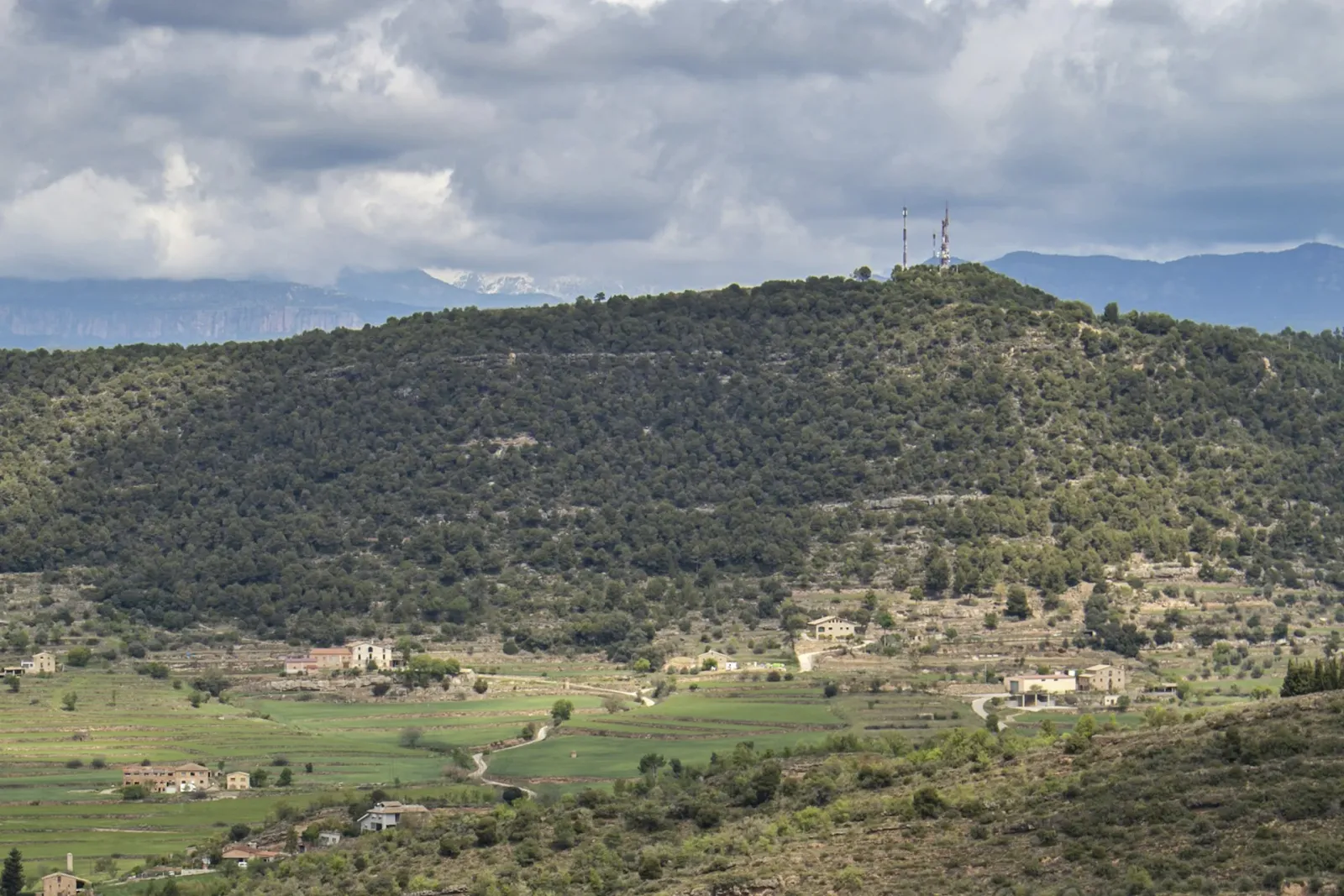
Campo de Calatrava sits approximately 100 kilometres south of Toledo in the Ciudad Real province, home to the Campo de Calatrava Volcanic Field, containing over 300 individual volcanic landforms, including lava domes and pyroclastic cones. The volcanic influence remains the region's signature characteristic, creating the most significant volcanic soils in the entire Iberian Peninsula. The last known volcanic eruption in the Campo de Calatrava occurred approximately 5,500 years ago, and the area shows current volcanic activity through gas emissions and hot springs. The area was a strategic battleground during the Reconquista, with key battles such as the Battle of Alarcos fought nearby. Ciudad Real itself features a mixture of Gothic and Mudejar architecture, showcasing its rich historical past.
The landscape unfolds as gently rolling hills alternating with small plains, creating microclimates and drainage patterns that winemakers exploit to craft distinctly different wine styles. The region encompasses 16 towns across the Campo de Calatrava comarca, each contributing to the appellation's 13,000 hectares of vineyards. The volcanic terrain also gives rise to natural hot springs, including the historic Baths of Fuensanta near Pozuelo de Calatrava. Additionally, the volcanic soils enhance the region's agricultural character, supporting the cultivation of olive groves, vineyards, and even saffron. Historical sites like the Sanctuary of Our Lady of Oreto-Zuqueca and the House of the Friars are notable cultural attractions in the region. The region is also characterized by its significant medieval history linked to the Order of Calatrava, a military-religious order founded in the 12th century.
In addition to its wines, the region is also recognized for producing high-quality olive oil, primarily from the cornicabra olive variety, as well as a range of dry white, rosé, and red wines.
Campo de Calatrava By the Numbers
The Campo de Calatrava DO manages approximately 13,000 hectares of vineyards, with six founding wineries under the new DO classification. Here’s a clear overview of the key vineyard and climate characteristics that define the region:
- Vineyard Area: Approximately 13,500 hectares
- Number of Founding Wineries: 6
- Elevation Range: 633 to 720 meters (2,077 to 2,362 feet)
- Premium Vineyard Elevation: Encomienda de Cervera at 750 to 850 meters (2,460 to 2,788 feet)
- Climate: Continental with hot summers and cold winters
- Annual Precipitation: Less than 500 mm
- Growing Degree Days (Estimated): 1,800–2,200 (warm-climate viticulture zone)
- Soil Type: Volcanic soils rich in basalt with high nickel content
- Soil Characteristics: Dark, stony, excellent drainage, heat retention, which moderates temperature extremes
- Impact on Grapes: Water stress and volcanic soil contribute to concentrated, mineral-driven wines
- Viticultural Significance: The altitude and climate balance complexity and ripeness in grapes
Local authorities emphasize that the DO classification enhances the authenticity and excellence of the region’s wines, reflecting both its unique terroir and viticultural conditions. Additionally, Airén, the most widely planted grape variety in Castilla-La Mancha, plays a significant role in the region’s viticultural identity.
History of Campo de Calatrava DO
The history of Campo de Calatrava is deeply intertwined with both geology and human settlement, making it a unique and culturally rich wine region. The area’s volcanic landscape, shaped by over 300 volcanic landforms, has been dormant since around 3,600 BCE. Yet, it left a lasting imprint on the soil and terrain that continues to influence viticulture today.
Wine production in Campo de Calatrava dates back to the Bronze Age, evidencing a long-standing tradition of cultivating vines in this distinctive volcanic environment. Over centuries, the region evolved through various historical epochs, including significant medieval periods marked by the presence of the Order of Calatrava, a military-religious order founded in the 12th century. This order played a key role during the Reconquista, with pivotal battles such as the Battle of Alarcos fought in the vicinity, thereby endowing the region with rich historical significance.
Throughout the Middle Ages and into modern times, Campo de Calatrava’s agricultural heritage expanded beyond viticulture to include olive groves and saffron cultivation, all of which benefited from the unique volcanic soils. Despite this deep-rooted history, the wines of Campo de Calatrava were traditionally bottled under the broader Vino de la Tierra de La Mancha classification.
It was not until February 2024 that Campo de Calatrava received formal recognition as a Denominación de Origen (DO) by the European Union, marking a significant milestone that acknowledges both the region’s historical legacy and its distinctive volcanic terroir. This designation unites 16 municipalities in Ciudad Real province under a single appellation, promoting the authenticity and excellence of their wines on a national and international stage.
Today, Campo de Calatrava DO stands as a testament to the region’s rich past and promising future, where ancient volcanic origins meet centuries of human endeavour to produce wines that express both history and place.
- Vineyard hectares
- 13,500
- Wineries
- 6
- growing degree days
- 3,000–4,000 GDD
Discover Terroir
Campo de Calatrava occupies a strategic position between La Mancha to the north and Andalusia to the south, approximately 100km south of Toledo. The region's 16 municipalities create a production zone defined more by geology than political boundaries. Toledo, located nearby, is renowned for its architecture, which reflects the city's diverse cultural heritage as a former center for Christians, Arabs, and Jews.
The continental climate is brutal and beautiful. Hot summers regularly exceed 40°C, while winters drop to freezing temperatures. This extreme diurnal temperature variation, sometimes 20°C between day and night, is winemaking gold. Cool nights during ripening season preserve acidity while days develop phenolic maturity, creating wines with both freshness and depth. High solar radiation and an extended growing season allow for optimal phenolic development. Castilla-La Mancha, the broader region encompassing Campo de Calatrava, is home to 23 wine Designations of Origin (DO), highlighting its importance in Spain's wine industry. The region also boasts several national parks and nature reserves, attracting nature lovers and birdwatchers to its diverse landscapes.
The dark, stony volcanic soils are rich in basalt with high nickel content and exceptional drainage characteristics. These soils retain heat during the day and release it at night, moderating temperature extremes. The volcanic origin creates a unique mineralogy: trace elements that appear in the glass as distinctive smoky notes and pronounced minerality. The topsoil aids heat retention and drainage, critical for producing concentrated, age-worthy wines.
- Rain
 Less than 500 mm per year
- Altitude
 633-720 m
Discover
The Grape Varieties of Campo de Calatrava
Campo de Calatrava's approved grape list reads like a greatest-hits compilation of Spanish and international varieties. The most common red grapes of the region are Tempranillo, Garnacha, Bobal, Graciano, Cabernet Sauvignon, Merlot, Syrah, Petit Verdot, Malbec, and Cabernet Franc. On the other hand, the signature white grapes are Airén, Macabeo, Verdejo, Albariño, Moscatel de Alejandría (part of the Muscat family), Chardonnay, Gewürztraminer, Riesling and Viognier.
Red – Spanish
- Tempranillo (Cencibel)
- Garnacha
- Bobal
- Graciano
Red – International
- Cabernet Sauvignon
- Merlot
- Syrah
- Petit Verdot
- Malbec
- Cabernet Franc
White – Spanish
- Airén
- Macabeo (Viura)
- Verdejo
- Albariño
- Moscatel de Alejandría
White – International
- Chardonnay
- Sauvignon Blanc
- Gewürztraminer
- Riesling
- Viognier
This diversity is strategic. The volcanic soils and continental climate create conditions where both indigenous and international varieties express themselves distinctly. Tempranillo develops darker fruit profiles here than in Rioja. Syrah shows smoky, mineral characteristics echoing the volcanic terroir. White varieties like Gewürztraminer and Sauvignon Blanc achieve aromatic intensity while maintaining fresh acidity thanks to cool nights.
The Wine Styles of Campo de Calatrava DO
Campo de Calatrava permits a remarkable range of wine styles:
White Wines
- Dry, semi-dry, semi-sweet, sweet
- Fresh, aromatic, mineral-driven
Rosé Wines
- Dry, semi-dry, semi-sweet, sweet
- Fruity, crisp, versatile
Red Wines
- Dry, semi-dry, semi-sweet, sweet
- Full-bodied, structured, mineral notes
Sparkling Wines
- Quality sparkling (white and rosé)
- Traditional method, fine bubbles
Late Harvest Red
- Made from overripe grapes
- Concentrated, rich, complex
The region produces everything from crisp, mineral whites to powerful, age-worthy reds, with quality sparkling wines completing the portfolio. The volcanic influence is evident across all styles, with distinctive minerality and smoky undertones—the region's signature calling card. The Campo de Calatrava Volcanic Field is one of the most important areas of recent continental volcanism in the Iberian Peninsula.
The Best Food Pairings for Campo de Calatrava DO Wines
Traditional La Mancha cuisine and Campo de Calatrava wines evolved together, creating natural synergies. The cuisine of Castilla-La Mancha is characterized by hearty, traditional dishes made with simple ingredients. Albacete, another area within Castilla-La Mancha, is also recognized for its traditional gastronomy, including various local dishes and wines, further showcasing the region's rich culinary heritage. These are some of the best pairings for Campo de Calatrava wines:
- The region's robust reds pair magnificently with Manchego cheese, where the wine's tannins cut through richness while mineral notes complement the cheese’s nutty character.
- Duelos y quebrantos, an egg-and-chorizo dish, finds its perfect match in young Tempranillo-based reds.
- For game meats like wild boar or venison, reach for Syrah-based wines or aged Tempranillo blends, where smoky volcanic notes echo charred, gamey flavours.
- White wines, particularly Sauvignon Blanc and Verdejo, pair beautifully with seafood paella or grilled fish.
- The region's late harvest reds create unexpected magic with chocolate-based desserts.
- Finally, for roasted lamb with herbs, try aged Campo de Calatrava reds, whose developed aromas complement the meat's complexity.
Wine Tourism
Campo de Calatrava's wine tourism experience leverages its unique geology as much as its wines. Visitors can explore volcanic craters, including maar formations, circular lakes formed by explosive volcanic eruptions, while tasting wines grown on ancient lava fields. The region also boasts Western Europe's only volcanic crater lakes, such as Michos Volcanic Crater Lake, which forms in volcanic craters after heavy rainfall, adding to their natural allure.
Notable Wineries and Experiences in Campo de Calatrava DO
Campo de Calatrava boasts a vibrant wine scene that blends tradition, innovation, and sustainability, offering visitors a rich array of experiences. Among the best estates, we can mention Quinta de Aves, Encomienda de Cervera, Bodegas Reconquista and La Bodega de las Estrellas:
- Quinta de Aves represents the new generation of producers, managing an 81-hectare estate with vineyards over 50 years old planted as traditional bush vines. Achieving organic certification in 2023, they produce exclusively vegan wines, including their acclaimed "Phoenix" blend and Syrah. Their commitment to sustainability extends to solar energy, water conservation, and digital drip irrigation, making them a leader in eco-conscious viticulture. The estate also supports biodiversity, with over 100 bird species inhabiting the property, adding an eco-tourism dimension beyond wine.
- Encomienda de Cervera offers a historical journey through more than three centuries of winemaking at altitudes between 750 and 850 meters. Their estate, granted royal privilege in 1741 by King Felipe V, features restored 18th-century facilities and volcanic caves used for aging wines, creating a sensory connection between geology, history, and viticulture. Certified organic, they produce both wines and extra virgin olive oil, with their Vulcanus and Maar de Cervera 1758 Selección lines earning prestigious scores from critics like James Suckling.
- Bodegas Reconquista began with a unique approach by acquiring winemaking equipment before vineyards, emphasizing technical precision. Located in Miguelturra, they work exclusively with volcanic soils, expressing the region's geological identity through wines like Lagynos, a blend of Tempranillo, Garnacha Tintorera, and Syrah, recognized as one of the best volcanic wines in competition.
- La Bodega de las Estrellas is a family-owned organic winery dedicated to sustainable practices and producing wines without additives or sulphites. Their philosophy highlights the purity of Campo de Calatrava's volcanic terroir, offering a distinct expression of the region’s character.
Beyond wineries, the Calatrava Sabor initiative connects over 30 gastronomic, wine, and olive oil experiences across the region, allowing visitors to create customizable itineraries that showcase the denomination's diversity. Cultural highlights include Almagro, famous for its historic Plaza Mayor and the International Classical Theatre Festival, and the region's literary association with Don Quixote of La Mancha. Nature lovers can explore the nearby National Park of Ruidera Lagoons, known for its unique landscapes, further enriching the visitor experience in Castilla-La Mancha.
Environment and Sustainability Practices
Campo de Calatrava's producers embrace sustainability as a necessity, not marketing. The harsh continental climate and water scarcity demand it. Quinta de Aves leads with organic certification, solar panels for energy self-sufficiency, water conservation through storage tanks, and digitally controlled drip irrigation. Their commitment extends to vegan winemaking, eliminating animal-based fining agents.
Encomienda de Cervera operates as a certified organic estate, producing wines and olive oils without synthetic chemicals. Their integrated quality system meets the requirements for both Pago Vinícola and Oleícola status, ensuring compliance with environmental standards across their entire agricultural operation.
The region's volcanic soils naturally resist certain pests and diseases, reducing the need for chemical intervention. The water-stress environment forces organic matter integration and cover cropping strategies that improve soil health while sequestering carbon. Several producers participate in regenerative viticulture initiatives, viewing vineyards as complete ecosystems. The appellation's youth means sustainability is being built into its DNA. As Castilla La Mancha leads Spain with nearly 63,000 hectares of organic vineyards, Campo de Calatrava positions itself at the forefront of this movement, proving that volcanic terroir and environmental stewardship create wines with both a sense of place and conscience.


Are you interested in collaborating with us?
Get started