
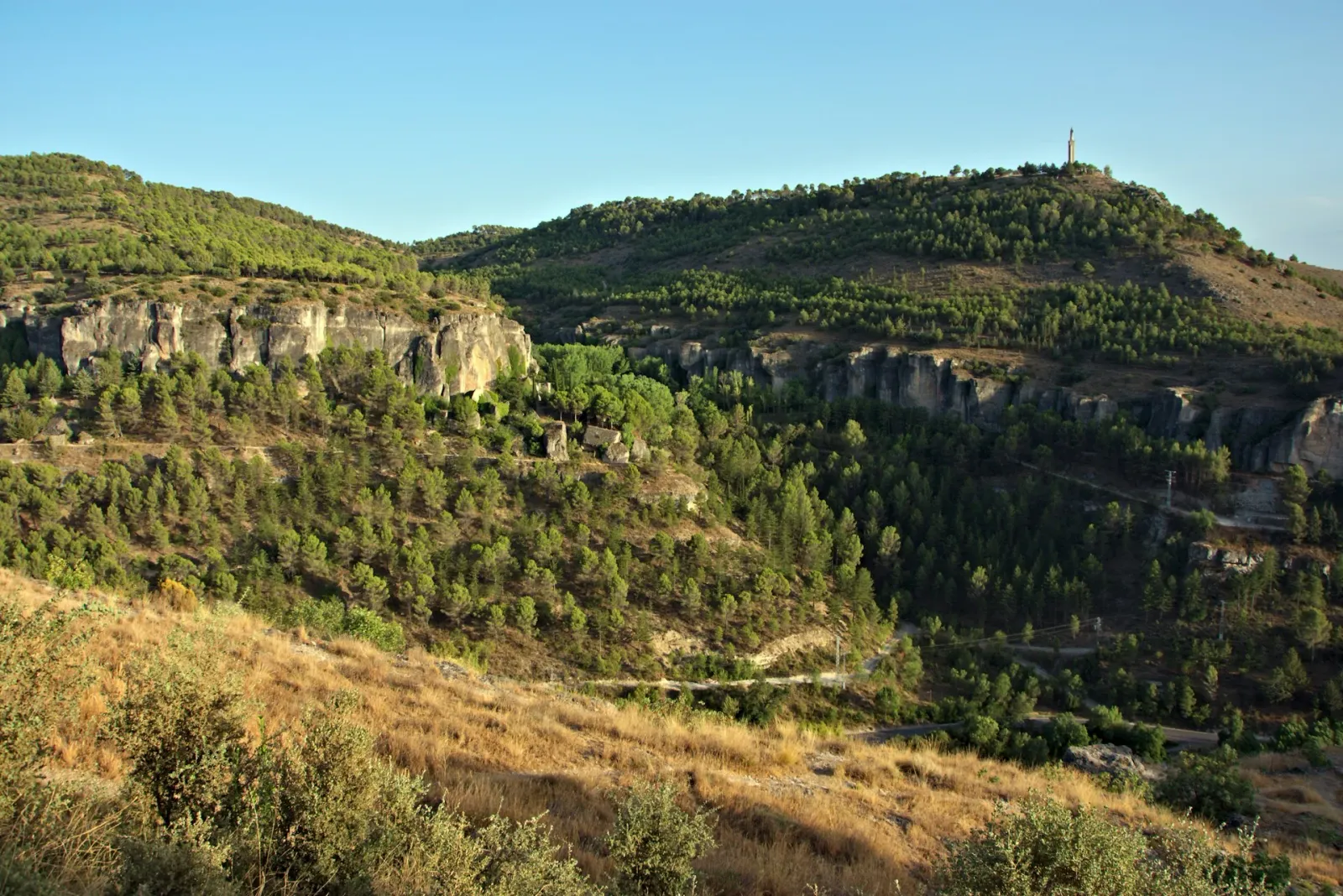
Méntrida DO
- Latitude
- 40°03’00''N
- Longitude
- 4°12’00''W
- Appellations
- 0
Méntrida DO, tucked into northwest Toledo province in Castilla La Mancha, is a Spanish Denominación de Origen Protegida (DOP) for wines that has quietly shifted gears from bulk production to boutique quality. It’s the crossroad where century-old Garnacha vines, extreme continental climate, and new-school winemakers come together to produce wines of pronounced personality and freshness. Wine has been produced in the Méntrida region since at least the 16th century, giving it a rich historical foundation. By the end of the 19th century, Méntrida wines were already participating in international trade fairs, showcasing their quality to a broader audience. During this period, wines from Méntrida were also exported abroad, highlighting the region's early engagement with the global wine market.
Let’s break down what makes this DO, barely an hour from Madrid, a can’t-miss destination for those looking to explore the wines and history of this unique DO.
Overview of the Region
Méntrida is the “Madrid secret” for vino lovers: north-east of the city and close enough for a day trip, yet offering a dramatic landscape different from the capital's. The DO, located in central Spain, covers more than 50 municipalities in northern Toledo, snaking up into the Sierra de Gredos, where vineyard altitudes reach as high as 800 meters (2,625 feet). Here, old bush vines hang tough on granite and sandy soils, protected by mountain buffers, while the southern part dips into warmer, flatter terrain. The region experiences long, hot summers with temperatures reaching 40°C, significantly influencing grape ripening and the overall wine profile.
The majority of vineyards in Méntrida are planted as low bushes (en vaso), although some new vineyards utilize trellises with irrigation. The majority of the vineyards, covering over 26,000 hectares (64,000 acres), are located in the Torrijos area, which accounts for 71% of the total. The region is dominated by Garnacha, which accounts for over 80% of the planted grapes. Garnacha Tinta (Grenache) is the dominant grape variety in Méntrida, accounting for over 80% of the planted area. Historically, the main market for Méntrida wines for many centuries was the city of Madrid. Méntrida primarily produces red wines.
Soils range from decomposed granite and rocky schist in the north to sandy-clay and limestone influences in the south, forming two distinct wine personalities that both express the “work for survival” Méntrida ethos. The sandy-clay soils, while poor in nutrients, retain moisture well, which is crucial for vine survival in the region’s arid climate. Rivers in the region also play an important role in viticulture and irrigation, supporting vineyards in the challenging landscape.
Méntrida was awarded Denominación de Origen (DO) status in 1976, marking a significant milestone in its winemaking history. However, the region experienced a significant drop in wine sales during the 1980s, which challenged its producers to adapt and innovate. Known for its excellent Garnacha, this DO is a true treasure of the wine world worth exploring. Méntrida produces both red and white wines, with reds accounting for the majority.
Key Statistics: The Foundations of Quality
- Vineyard Surface: ~5,645-5,800 hectares (approx. 14,000 acres)
- Number of Wineries: 26 registered producers
- Altitude: 200-800 meters (656-2,625 ft); most vineyards sit 400-600 meters (1,312-1,969 ft) above sea level
- Zone: Méntrida DO is a recognized wine-producing zone, defined by its unique soils, altitude, and climate, which shape the style and quality of its wines.
- Annual Precipitation: 300-450mm (12-18 inches), falling mainly between March and May and September and November.
- Growing Degree Days (GDD): Calculated with a 10°C base; ideal for Garnacha and ensuring grape ripeness
- Sunshine: 2,800-3,000 hours per year
- Main Variety: Garnacha, 80% of plantings
- Coordinates: 40°03’N, 4°12’W
History: From Medieval Roots to Modern Pioneers
Viticulture in Méntrida dates back to the 12th century, during medieval repopulation efforts. At that time, the region was shaped by the historical kingdoms that defined territorial boundaries and influenced local wine traditions. The region’s golden age arrived under the Habsburgs, when its wines were a staple at Madrid’s royal court.
Decline came with the industrial “bulk wine” era; it wasn’t until 2008 that a cadre of ambitious winemakers (think Jiménez-Landi and Comando G) saw potential in those ancient, neglected Garnacha vines. Many of the old Garnacha vines in Méntrida are over 50 years old, producing low yields but offering exceptional concentration and complexity. Their organic and low-intervention work has pushed Méntrida into Spain’s wine vanguard, bringing it official DOC status in 1976 and global respect.
- Vineyard hectares
- 5,800
- Wineries
- 26
- growing degree days
- 1800–2100 GDD
Discover Terroir
Méntrida sits between windswept highlands and stable southern plains, protected by the Sierra de Gredos. Vineyard aspects and proximity to the river create a patchwork of microclimates.
The terroir of Mérida is defined by huge swings: sizzling summers (with temperatures up to 45°C/113°F) and leaf-shattering cold winters (down to -5°C/23°F). The hottest months, July and August, bring extreme temperatures that challenge both vines and winemakers. Diurnal shifts and strong mountain exposure create wines with both ripe fruit and incisive acidity. Rain comes in quick bursts in spring and fall, with most years bone-dry by harvest. These hard conditions demand resilience from winemakers and shape the character of Méntrida wines. The climate in Méntrida is continental, characterized by long hot summers and cold winters with extreme temperature variations.
Decomposed granite and slate schist in the mountainous north lend mineral, elegant notes. Sandy-clay and limestone soils in the south deliver power and depth. These soils are poor and make vines struggle, which is precisely where Garnacha thrives. The soils in Méntrida are sandy-clay with an average loose consistency, poor in nutrients, and retain moisture well.
- Rain
 300-450 mm per year
- Altitude
 200-800 m
Discover
The Grape Varieties of Méntrida DO
Despite Garnacha dominating (as in other regions like Catalonia), Méntrida has a wide range of supporting varieties that can blend with it to create wines with a unique profile. Among reds, there are Tempranillo, Syrah, Cabernet Sauvignon, Merlot, Petit Verdot, Graciano and Cabernet Franc. On the other hand, the signature white grapes are Albillo, also planted in Galicia, Ribera del Duero, and Madrid, Macabeo, Sauvignon Blanc, Chardonnay, Verdejo and Moscatel de Grano Menudo, part of the Muscat family. Producers in Méntrida are increasingly focusing on crafting aromatic and balanced white wines from high-elevation sites.
- Garnacha — Red — Spain — Old-vine, expressive
- Tempranillo (Cencibel) — Red — Spain — Backbone in blends
- Syrah — Red — France — Spicy partner for Garnacha
- Cabernet Sauvignon — Red — France — Structure and age-worthiness
- Merlot — Red — France — Adds softness
- Petit Verdot — Red — France — Colour, tannin in blends
- Graciano — Red — Spain — Acidity, potential for aging
- Cabernet Franc — Red — France — Aromatics, finesse
- Albillo — White — Spain — Fuller body, traditional style
- Macabeo (Viura) — White — Spain — Light, crisp, citrusy
- Sauvignon Blanc — White — France — Crisp, aromatic, herbaceous
The Wine Styles of Méntrida DO
The Méntrida DO has seven main wine types: Joven red (red wines with no aging), aged wines like Crianza and Reserva, Vino de Pueblo (specific from a village) and Single site (from a particular parcel), Rosado and Blanco.
- Joven Red — Little/no oak — Fruity, lively — Garnacha, Tempranillo
- Crianza — Min. 6 months in oak — Structured, spice, vanilla — Garnacha, Syrah
- Reserva — Extended, 12+ months oak — Tertiary aromas, more subtle — Garnacha, blends
- Vino de Pueblo — Village-specific — Whole cluster, micro-terroir — Garnacha
- Single Site — Parcel selection — Mineral, elegant, origin-driven — Garnacha, Albillo
- Rosado — None — Light, refreshing — Garnacha, Syrah, Merlot
- Blanco — Varies — Crisp or creamy, depending on the style — Albillo, Macabeo, Verdejo
Today’s Méntrida style is all about freshness, mineral precision, and purity. Expect pale colours, crunchy fruit, herbal and floral aromatics, and an almost Pinot Noir-like transparency from top Garnacha plots. Méntrida red wines typically showcase deep flavours of dark fruits, spices, and a subtle earthiness, making them both versatile and distinctive.
Food Pairings: Celebrate Castilla-La Mancha
These wines are built for hearty, rustic fare. And of course, nothing beats a good pairing with local cuisine. Here are some of the best options to pair with Méntrida wines:
- Joven reds play well with roast lamb, Manchego cheese, and pisto manchego, the local veggie stew.
- Aging brings richer matches: Crianza and Reserva stand up to cochinillo (roast pork), game dishes, and fried lamb.
- For a true taste of the region, try 'Cabrito al ajillo', kid (young goat) fried with onions and herbs, a traditional specialty of Castilla-La Mancha that pairs beautifully with Méntrida reds.
- Whites (Albillo, Macabeo) are spot-on with salted cod, fried artichokes, and the region’s famous vegetable dishes, thanks to the fresh nature of these wines.
- Finally, rosados? Ideal for tapas spreads, grilled veggies, or a bowl of ramen and Vietnamese pho when you’re feeling international. The cuisine of Castilla-La Mancha, including that of Méntrida, is known for its robust, traditional dishes.
Wine Tourism: Where Madrid Goes to Escape
With Madrid only an hour away, Méntrida is a wine tourist’s playground. Appointments at most wineries are easy to book and include vineyard walks, old cellars, and tastings led by the owner or winemaker. The Wine Route links local restaurants, producers, and the historic city of Toledo: a must-stop for food, culture, and architecture.
Experiences can range from horseback vineyard tours to hands-on harvest workshops, and nearby hiking trails in Gredos make it easy to pair wine adventures with nature. Wine fairs and bodega tastings are regular occurrences in Méntrida, further enhancing its appeal to wine enthusiasts. Méntrida is developing its wine tourism, known as 'enoturismo', to attract wine lovers. The region of Méntrida is beginning to show its potential as local producers invest in modern winemaking equipment and techniques, elevating the quality of its wines.
Five Top Wineries in Méntrida DO
Some of the wineries that keep Méntrida traditions alive are Bodega Jiménez-Landi, Dominio de Valdepusa, Comando G, Bernabeleva, and Bodegas Ziries.
- Bodega Jiménez-Landi — Pioneer for organic viticulture and whole-cluster Garnacha
- Dominio de Valdepusa — Marqués de Griñón’s Pago, a historic family estate, and an innovation leader
- Comando G — Burgundy-level precision Garnacha from high Gredos parcels
- Bernabeleva — Biodynamic, horse-farmed border vineyards, mineral-driven style
- Bodegas Ziries — Natural wines, top single-vineyard bottlings, family-run operation
Each of these producers has helped push Méntrida from a backwater of bulk wine to a hub for avant-garde Spanish reds. Modern technology, including stainless steel equipment, is being adopted by local producers to enhance wine quality.
Sustainability and Environmental Practices
Low rainfall and arid conditions force winemakers in Méntrida to think green.
Organic and biodynamic farming aren’t just philosophical; they’re practical. Jiménez-Landi, Comando G, Bernabeleva, and Canopy all farm either organically or biodynamically. Composting, horse-plowed vineyards, native yeasts, copper/sulphur-only treatments, and dry farming are now the norm. These help promote soil health, biodiversity, and a region where old vines are respected rather than ripped out for short-term yield.


Are you interested in collaborating with us?
Get started