
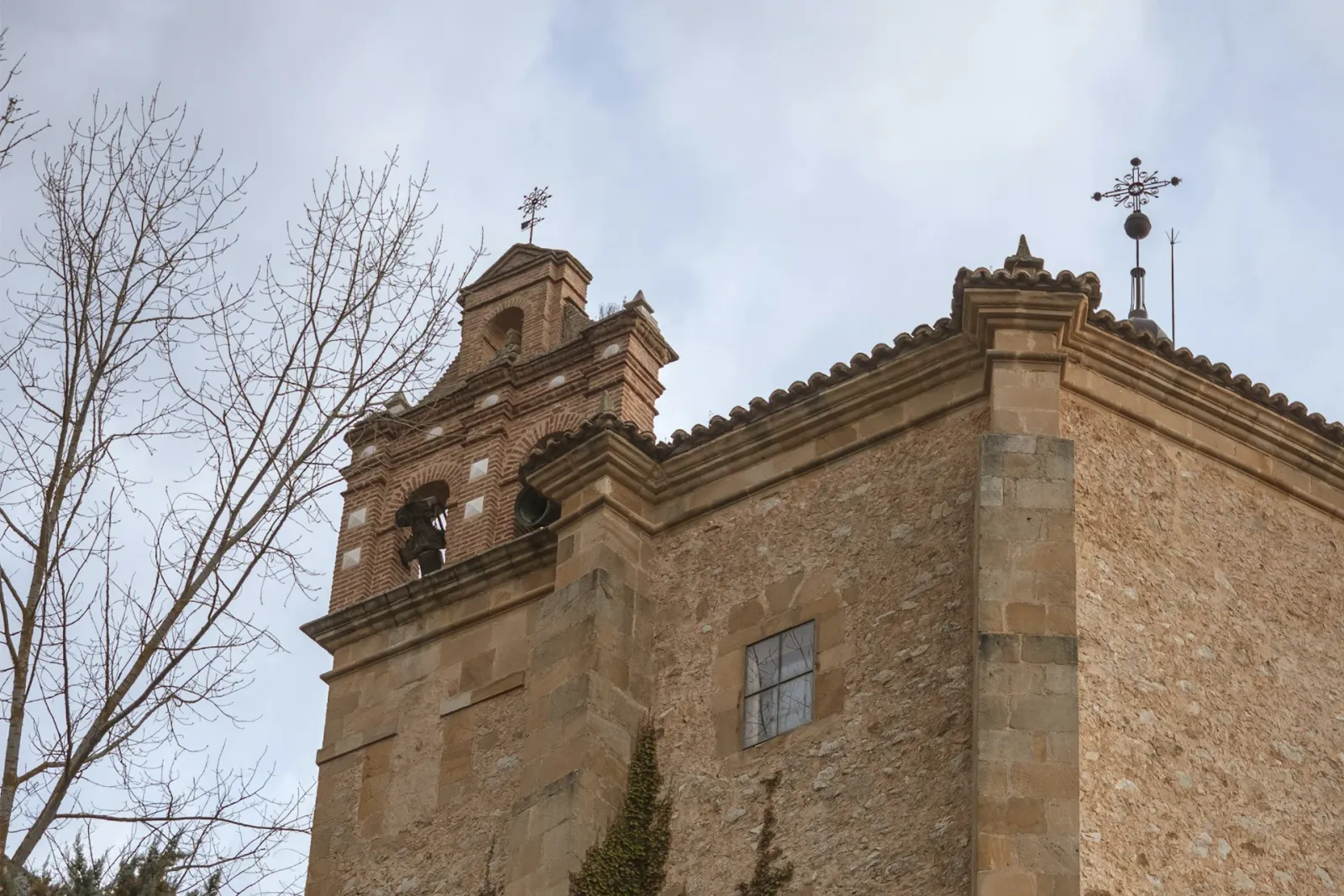
San Martín de Valdeiglesias DO
- Latitude
- 40°21′50″ N
- Longitude
- 4°24′04″ W
- Appellations
- 0
San Martín de Valdeiglesias transforms Madrid’s wine story from a footnote into a headline act. This “indie label” of Spanish wines boasts limited production, a bold identity, and a fearless winemaking spirit.
In this in-depth guide, you'll discover its geography, terroir, key stats, native grape varieties, wine styles, food pairings, top producers, and wine tourism highlights. Whether you're a wine lover, traveller, or industry pro, this guide reveals what makes San Martín de Valdeiglesias a standout subzone in the Vinos de Madrid DO.
Overview of San Martín de Valdeiglesias
San Martín de Valdeiglesias sits in the western foothills of the Sierra de Gredos, on the border of Madrid, Ávila and Toledo, roughly 60 km west of Madrid city. The subzone is situated in the southern part of the Madrid region, which gives it a warmer, sunnier climate compared to the northern subzones.
This southern location influences both grape ripening and the style of the wines produced, contributing to the region’s reputation for expressive, terroir-driven Garnacha. High-altitude vineyards, decomposed granite soils, and old-vine Garnacha define the subzone. Stylistically closer to Gredos ‘mountain Garnacha than to the warm, plateau reds most people associate with central Spain.
Within the Vinos de Madrid DO, San Martín is one of the four sub-zones.The other subzones, Arganda, Navalcarnero, and El Molar, differ from San Martín in their geography, climate, and dominant grape varieties, each contributing unique styles to the region’s wine identity.
The Vinos de Madrid DO was established to provide formal recognition and regulatory oversight for the region’s wines, granting ‘DO status’ that ensures quality and highlights the distinctiveness of its four sub-zones.
San Martín is:
- The granite, higher-rainfall, cooler corner of the appellation.
- A specialist in Garnacha Tinta and Albillo Real, with a growing reputation for terroir-driven, low-intervention wines. Garnacha thrives in this unique climate and soil, making it the region’s main grape variety. Garnacha wines from San Martín are celebrated for their elegance, freshness, and minerality, and are a cornerstone of the subzone’s winemaking identity.
- A hotspot for old bush vines, dry farming, and organic/biodynamic viticulture, particularly at top addresses like Las Moradas de San Martín and Bernabeleva.
If the broader DO is Madrid’s “wine portfolio,” San Martín is the edgy, high-margin SKU that sommeliers push when they want to surprise a Burgundy drinker at half the price.
Key Statistics
Because the DO reports most numbers at the appellation level, exact subzone figures require some triangulation. But still, we have some numbers that showcase the growth of this subzone.
- Vineyard Share
- ~35%
- Percent of total Vinos de Madrid DO surface area
- Number of Wineries
- ~18
- Represents the subzone’s boutique focus
- Vineyard Altitude
- 700–900 m
- Approx. 2,300–3,000 ft; among the highest in the region (measured above sea level)
- Annual Rainfall
- 650–676 mm
- ~26 inches; the wettest subzone in the DO
- Town Elevation
- 681 m
- 2,234 ft (San Martín de Valdeiglesias municipality, above sea level)
San Martín de Valdeiglesias is home to many estates, offering a wide variety and abundance of wineries and vineyards. This makes the subzone a key destination for wine lovers seeking diverse tasting experiences.
History of San Martín de Valdeiglesias
- Medieval Origins and Early Winemaking: San Martín de Valdeiglesias has a long winemaking history, dating back to the 13th century. Its name reflects the many chapels in the area, underscoring its medieval origins. The town’s rich medieval heritage centers around the iconic 15th-century Castle of Coracera. For centuries, this high-altitude region produced rustic table wines mainly for nearby Madrid. Its winemaking legacy was even celebrated by Miguel Cervantes, highlighting its historical importance.
- 20th Century Revival: The official recognition of the Vinos de Madrid DO in 1990 established San Martín as a distinct subzone with unique granite soils and a cooler climate. This sparked a quality-driven transformation led by pioneers like Las Moradas de San Martín, who embraced organic farming and minimal intervention, and focused on native varieties such as old-vine Garnacha and Albillo Real. Family-run wineries preserved traditional winemaking knowledge during this renaissance.
- Modern Excellence: Today, San Martín is renowned for elegant, mineral-rich wines from high-altitude granite vineyards. Transitioning from bulk production to a niche origin, it champions sustainability with ECO-PROWINE certification and protected bird sanctuary status. Its wines, crafted from ancient vines and sustainable practices, have earned global acclaim, making San Martín a shining star in Madrid’s wine scene.
- Vineyard hectares
- 2,100
- Wineries
- 18
- growing degree days
- 1,600–1,800 GDD
Discover Terroir
San Martín de Valdeiglesias is situated in the western Community of Madrid, nestled at the southern edge of the Sierra de Gredos. Its vineyards extend across nine municipalities, with the historic town of San Martín serving as the vibrant heart of the subzone. This foothill setting moderates extreme heat, while the nearby mountains influence rainfall and wind patterns. The town is renowned for its 15th-century Castle of Coracera, built by Don Álvaro de Luna. It offers attractions such as the picturesque Embalse de San Juan reservoir and El Bosque Encantado, a unique botanical garden featuring over 300 living plant sculptures: an ideal destination for families.
San Martín has a pronounced continental climate, with hot summers that can reach 40 °C and cold winters with freezing temperatures. It benefits from the highest annual rainfall among the Vinos de Madrid subzones, approximately 650 mm, which, combined with its fast-draining granite soils, reduces water stress for the vines. Significant temperature swings between day and night preserve the wines' vibrant acidity and aromatic freshness. The proximity to the Sierra de Gredos also brings a cooler, more temperate climate compared to other subzones, enhancing the region’s unique terroir.
The subzone is a textbook example of decomposed granite and gneiss soils. These soils are low in fertility, with sandy-granitic textures, an acid-to-neutral pH, and virtually no carbonates. Their excellent drainage forces vine roots to grow deep, naturally limiting yields and concentrating flavours. The mineral-rich composition, including quartz, feldspar, and mica, imparts distinctive mineral notes, tension, and a low pH to the wines. Additionally, variations in soil composition, with areas of both clay and granite subsoil, influence vine growth and water retention, shaping the character and complexity of the wines produced here.
- Rain
 650–676 mm er year
- Altitude
 700–900 m
Discover
Grape Varieties
The region’s personality is built around Garnacha Tinta and Albillo Real, with other traditional Madrid varieties playing supporting roles. For example, Tinto Fino, a local name for Tempranillo and a key Spanish red grape, also features in the region’s winemaking landscape. On the other hand, the supportive white grapes here are Moscatel and Malvar.
- Garnacha Tinta
- Colour: Red
- Origin/Type: Native Iberian (Aragon/Meseta)
- Role: Flagship red; old bush vines, high-altitude, mineral, low pH reds
- Tempranillo / Tinto Fino
- Colour: Red
- Origin/Type: Native Spanish (Rioja/Meseta)
- Role: Blends and some varietals; more present DO-wide than in top Gredos-style bottlings; Tinto Fino is valued for bold, expressive reds
- Moscatel
- Colour: White (aromatic)
- Origin/Type: Mediterranean / ancient
- Role: Used for aromatic whites and sweet styles in the DO; minor but present in the subzone
- Albillo Real
- Colour: White
- Origin/Type: Historic central Spain
- Role: Key white; textured, often oxidative-leaning, high-alcohol, gastronomic whites
- Malvar
- Colour: White
- Origin/Type: Native Madrid/Castilla
- Role: Traditional DO white; more prominent in Arganda, but still part of the regional palette
Garnacha and Albillo Real are the storytellers here: dry-farmed, often old-vine, and particularly expressive on granite. But, besides these grapes, Cabernet Sauvignon is one of the authorized red varieties in the Vinos de Madrid wine region and is sometimes used in blends alongside Tempranillo, Merlot, and Syrah.
The Wine Styles of San Martín de Valdeiglesias
The subzone produces all the major categories recognized by the DO, but stylistically the most interesting wines cluster into fresh, aromatic Garnacha reds and textured, characterful whites from Albillo Real. San Martín de Valdeiglesias produces wines known for their light colour, silky texture, and vibrant red-cherry and raspberry notes. The best Garnacha reds here are often described as having a texture like a velvet glove: soft, round, and smooth, yet with a refined elegance that leaves a lasting impression.
- Fresh, mineral Garnacha reds
- Typical Grapes: Garnacha Tinta (often old-vine, bush-trained)
- Key Traits: Red fruit (strawberry, cherry), wild herbs, granite minerality, fine tannins, moderate alcohol, high drinkability
- Structured, ageworthy Garnacha
- Typical Grapes: Garnacha Tinta (older plots, longer élevage)
- Key Traits: Deeper fruit, spice, balsamic notes, graphite, serious structure, but still fresh and lifted
- Elegant, textural whites
- Typical Grapes: Albillo Real (sometimes blends)
- Key Traits: High alcohol but balanced by acidity; quince, pear, honey, white flowers, slight bitterness and salinity, sometimes oxidative edge
- Traditional DO whites
- Typical Grapes: Malvar, Airén, blends, some Moscatel
- Key Traits: Simpler, fresh, everyday wines; more DO identity than strict subzone signature
- Rosés from Garnacha
- Typical Grapes: Garnacha Tinta
- Key Traits: Pale to medium colour, red fruit, crisp acidity, ideal for tapas and summer drinking
- Sweet/Moscatel styles
- Typical Grapes: Moscatel and other varieties
- Key Traits: Aromatic, floral, used in niche sweet or semi-sweet bottlings at the DO level
In contrast to the robust reds of Arganda, which are known for their full-bodied intensity and deep flavours, San Martín de Valdeiglesias stands out for its elegant, mineral-driven Garnacha and nuanced whites.
In market terms, the “hook” is clear: “Gredos-style, granite-grown, old-vine Garnacha, but from Madrid.” The more Albillo Real and single-vineyard bottlings the region pushes, the more it can differentiate from generic central Spanish reds.
Best Food Pairings for San Martín Wines
San Martín’s wines behave like Spanish mountain versions of cru Beaujolais and the Rhône: fruit-forward but serious, with enough acidity and minerality to handle fat and salt.
Some of the smartest pairings for San Martín wines are:
- Fresh Garnacha reds (younger, lighter cuvées): Think of these as "Spanish bistro reds" that function like cru Beaujolais. Their vibrant red fruit and herbal lift make them perfect for wood-fired roast chicken, grilled pork secreto, or charcoal-grilled vegetables like escalivada. They have enough acidity to cut through fat without overwhelming lighter, rustic dishes.
- Structured, ageworthy Garnacha: For the serious, single-vineyard bottlings, look toward traditional Castilian roasts. The granite-driven acidity and balsamic notes in these wines slice through the richness of roast lamb, suckling pig, or gelatinous ox-tail stews (rabo de toro), echoing the slow-cooked aromatics of the meat.
- Albillo Real whites: These textured, glycerin-rich whites are a sommelier’s secret weapon for difficult pairings. Their slight bitterness and saline edge handle artichokes and oily textures beautifully, while their body stands up to rich seafood dishes like cod pil-pil, creamy rice, or semi-cured cheeses that would flatten a lighter white.
- Rosés and lighter whites (Malvar-based, blends): The region’s crisp Malvar blends and pale Garnacha rosés are designed for the aperitivo hour. They pair effortlessly with classic tapas like boquerones (fresh anchovies), croquetas, and salty jamón, offering a refreshing counterpoint to fried bites and fresh salads with citrus dressing.
The region's local cuisine emphasizes traditional Castilian dishes, including cocido madrileño and asado.
Wine Tourism in San Martín de Valdeiglesias
San Martín offers an accessible, terroir-driven wine experience just 60 km west of Madrid. Reachable by public transport, such as intercity buses, it is ideal for easy day trips or overnight stays. While public transport provides convenient access to the town itself, some wineries and rural attractions may be less accessible without a car.
Set in the scenic Sierra de Gredos foothills, visitors can explore granite landscapes, forests, and reservoirs. Top activities include:
- Walking vineyards with ancient bush vines on granite terraces.
- Guided winery tours featuring tastings, blending workshops, and terroir flights.
- Multi-winery routes with stops at historic landmarks like Castillo de la Coracera.
- Day trips to nearby historic cities such as Ávila, Segovia, and Toledo.
- Hiking and cycling in the Sierra Oeste mountains.
- Discovering ancient sites like the Toros de Guisando stone sculptures.
Nearby picturesque villages like Colmenar de Oreja and Villarejo de Salvanés invite exploration with their rich winemaking traditions, historic cellars, and vibrant gastronomy.
Highlights of San Martín Wine Tourism
This region is a haven for wine lovers and culture seekers. Family-run wineries like Las Moradas and Bernabeleva welcome visitors with tastings of distinctive wines crafted from old vines on decomposed granite soils. A circular wine route offers visits to multiple estates, immersing guests in the local winemaking culture.
Beyond wine, enjoy traditional dishes at winery restaurants, vineyard tours explaining granite minerality, and immersive activities such as blending workshops and olive oil tastings. Many wineries pair tastings with local delicacies for a full sensory experience.
Don’t miss Cadalso de los Vidrios, a charming nearby town with historic cellars and scenic countryside. Whether savouring wines, exploring ancient sites, or soaking in stunning views, San Martín de Valdeiglesias offers an unforgettable blend of culture, gastronomy, and nature.
Top Wineries for Tours in San Martín de Valdeiglesias
Now, let's talk about some of the best wineries within San Martín de Valdeiglesias: Las Moradas de San Martín, Bernabeleva, Bodegas y Vinñedos ValleYglesias, and Castillo de la Coracera. Each of them has something unique to offer, so make sure to plan your visit in advance and reserve some time to learn more about their unique wines and processes.
- Las Moradas de San Martín: Organic, high-altitude Garnacha vineyards within a protected bird sanctuary. Tastings include local delicacies and showcase biodynamic terroir.
- Bernabeleva: Celebrated for old-vine Garnacha and whites grown on sandy-granitic soils, offering fresh, minimally manipulated wines.
- Bodegas y Viñedos ValleYglesias: Focuses on altitude and native varieties like Albillo Real, offering educational tastings that highlight the granite terroir.
- Castillo de la Coracera: A 15th-century castle hosting tastings amid medieval walls, blending history with vibrant local wines.
Planning Your Visit
San Martín de Valdeiglesias is easily reached by regular buses from Madrid in under two hours. Accommodation options range from cozy guesthouses to boutique vineyard hotels.
Customize your visit with guided tours, vineyard walks, and traditional food paired with local wines. Spring and autumn offer the best weather and vineyard views. Whether drawn by world-class wines, rich history, or peaceful countryside, San Martín welcomes every traveller with memorable experiences.
Environment and Sustainability
San Martín’s sustainability isn’t just a buzzword. It’s rooted in its unique altitude, climate, and farming traditions. Producers increasingly embrace sustainable practices as part of a modern, eco-conscious winemaking ethos.
Key pillars:
- Organic and biodynamic farming: Led by estates like Las Moradas de San Martín, old bush vines and dry farming limit yields naturally, reducing irrigation and synthetic inputs while highlighting the granite terroir’s true character.
- Biodiversity and protected habitats: Vineyards lie within ZEPA 56, a bird sanctuary rich in native plants like juniper and rosemary, which influence the wines’ aromatic profiles. Surrounding mountain flora, including conifers, chestnuts, and oaks, thrives in this cooler foothill climate.
- Water and resource efficiency: Granite soils provide excellent drainage, allowing many vineyards to rely solely on rainfall. Wineries optimize water use by limiting consumption and recycling wastewater to irrigate young vines.
- Minimal intervention in the cellar: Top producers favour native yeasts and low SO₂, leveraging the naturally low pH of granite-grown fruit to craft stable, expressive wines without heavy filtration or fining.


Are you interested in collaborating with us?
Get started