
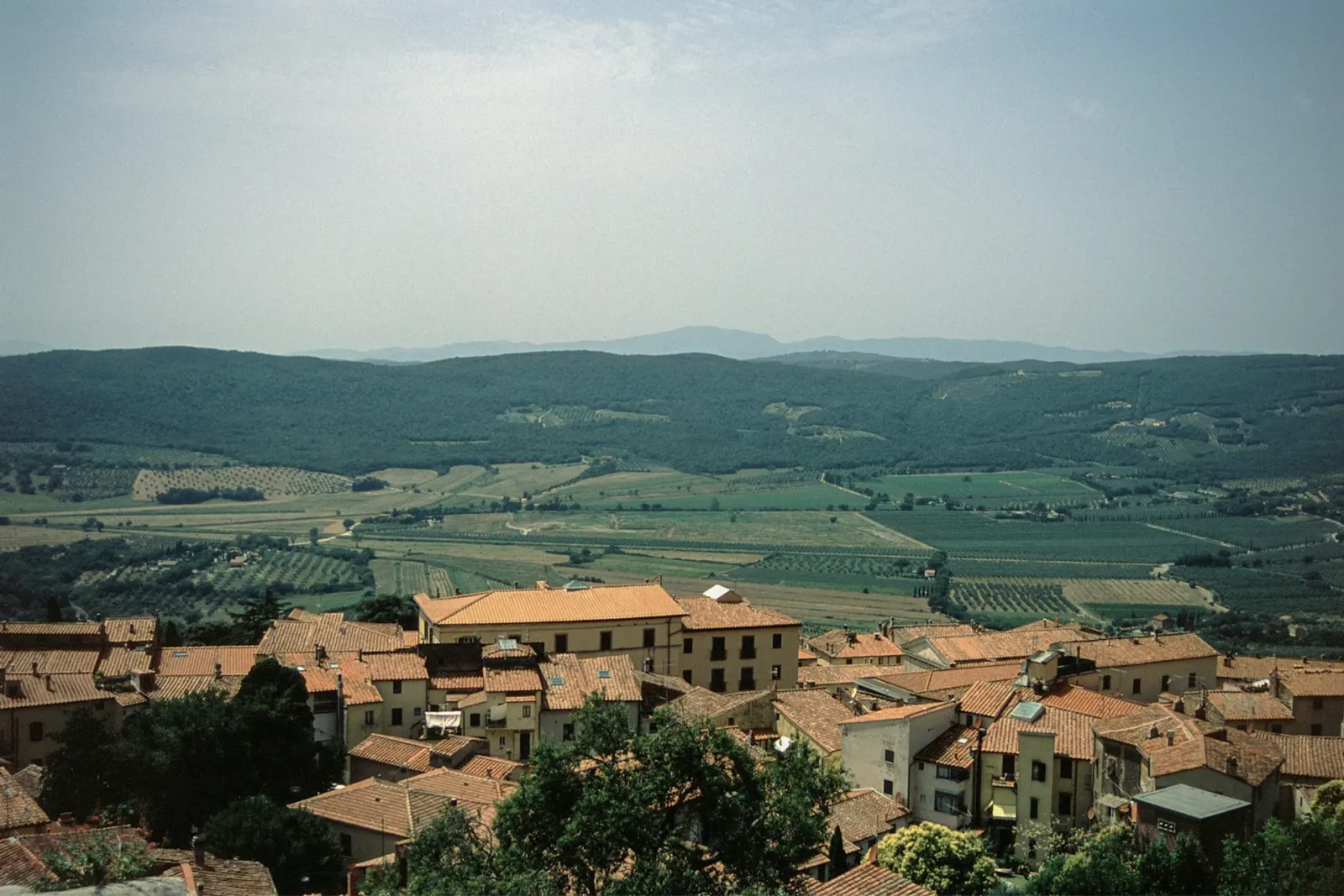
Navalcarnero DO
- Latitude
- 40°17′20″ N
- Longitude
- 4°00′43″ W
- Appellations
- 0
Think Napa is the only place for great wine? Think again. Just 30 kilometres southwest of Madrid’s vibrant Gran Vía lies Navalcarnero, one of the four subzones of the Vinos de Madrid wine region, quietly redefining Spanish winemaking. While tourists flock to Madrid’s art and cuisine, savvy wine lovers are discovering Navalcarnero, where centuries-old traditions meet bold modern ambition to produce wines that truly stand out.
The Vinos de Madrid region is divided into four subzones: Arganda, El Molar, Navalcarnero, and San Martín de Valdeiglesias. Though it covers just 15% of Madrid’s vineyards, Navalcarnero contributes approximately 15% of the DO's annual wine production.
In this guide, we’ll dive into the unique terroir, the grape varieties thriving in its sandy soils, the pioneering wineries, and why Navalcarnero deserves your attention on the wine map.
Overview
Navalcarnero is one of four sub-zones within the Vinos de Madrid Denominación de Origen (DO), an officially recognized wine region in the autonomous community of Madrid.
The Vinos de Madrid DO status was granted in 1990, and the region was originally divided into three sub-zones: Arganda del Rey, Navalcarnero, and San Martín de Valdeiglesias. Today, the region consists of four sub-zones, with El Molar being the most recent addition: an emerging area about 40km north of Madrid, known for its limited vineyards and developing reputation.
The Vinos de Madrid region covers 54 municipalities in the southern part of the Madrid region and has a total vineyard area that is distributed among these sub-zones.
While Arganda del Rey dominates with sixty percent of total vineyards and San Martín de Valdeiglesias claims twenty-five percent, Navalcarnero’s fifteen percent share belies its significance. This subzone encompasses nineteen municipalities processed by five wineries, creating an intimate, artisanal ecosystem that rewards exploration over industrial-scale production. Other subzones, such as El Molar, continue to develop their unique identities within the DO.
The region’s proximity to the Sierra de Gredos mountains creates ideal microclimates: nature’s own air-conditioning for grapes. The mix of river valleys and elevation brings dramatic temperature swings that thrill any viticulturist.
Navalcarnero, by the Numbers
Navalcarnero’s profile is defined by a combination of altitude, climate extremes, limited vineyard area, and a small number of producers, all of which help explain why this compact subzone consistently punches above its weight within the Vinos de Madrid DO.
- Elevation Range
500–800 m (1,640–2,625 ft) above sea level
Higher altitude preserves acidity in grapes - Average Annual Rainfall
Around 500 mm (19.7 inches), slightly more than Arganda
Navalcarnero receives more rainfall than Arganda, influencing vineyard growth and soil conditions - Number of Wineries
5 production facilities
Boutique scale enables quality focus - Vineyard Percentage
15% of DO total
Smallest subzone, outsized impact - Production Share
20–22.5% of DO output
Efficiency ratio signals quality - Temperature Range
-2°C winter to 40°C summer (28–104°F)
Continental extremes stress vines beneficially
The relatively sparse average annual rainfall, around 500 mm per year, slightly more than in Arganda, creates natural yield control. Vines must fight for resources, producing smaller berries with more concentrated flavours. This isn’t accidental. It’s terroir at work, doing what irrigation systems and winemaker interventions can only approximate.
Overview of Vinos de Madrid
Nestled in the southern part of Spain’s autonomous Community of Madrid, the Vinos de Madrid region is a rising star in the world of wine. With a winemaking tradition stretching back centuries, this dynamic wine region has earned its place among Spain’s most exciting destinations for wine lovers and industry professionals alike.
Vinos de Madrid is officially recognized with Denominación de Origen (DO) status, granted in 1990: a testament to its commitment to quality wine production. The region is divided into three main sub-zones: Arganda, Navalcarnero, and San Martín de Valdeiglesias. Each sub-zone brings its own personality, shaped by unique soil types, microclimates, and grape varieties. Arganda, the largest sub-zone, is known for its clay and loam soils and robust red wines, while San Martín boasts granitic soils and expressive Garnacha-based reds. Navalcarnero, with its sandy-loam texture, produces wines with a creamy texture and vibrant fruit character.
The Madrid wine region is defined by its continental climate: hot summers, cold winters, and dramatic temperature swings that help concentrate flavours and preserve acidity in the grapes. This climate, combined with diverse soil composition across the sub-zones, allows for a remarkable range of wine styles. From bold, fruit-driven red wines to crisp, aromatic white wines, the region’s offerings are as varied as its landscapes.
Red wine production is at the heart of Vinos de Madrid, with Garnacha reigning as the main grape variety, accounting for around 42% of local wine production. Tempranillo (also known as Tinto Fino), Cabernet Sauvignon, Merlot, and Petit Verdot are also widely grown, contributing to the region’s reputation for structured, age-worthy reds. For white wines, native varieties like Albillo Real and Malvar shine, producing wines with fresh acidity and subtle, fruity aromas.
With over 50 wineries spread across the region and a total vineyard area that reflects both tradition and innovation, Vinos de Madrid is a hub for wine tourism. Guided tours and wine tastings are a highlight, offering visitors the chance to explore historic cellars, meet passionate winemakers, and sample the best of local wine production. Whether you’re strolling through the vineyards of Arganda, discovering the artisanal charm of Navalcarnero, or tasting Garnacha in San Martín, the region promises an authentic and memorable experience.
The wines of Vinos de Madrid are celebrated for their intense colour, savoury flavours, and smooth, creamy textures. The focus on native grape varieties and traditional winemaking techniques ensures that each bottle tells the story of its origin. From young, fruit-forward reds to complex, barrel-aged whites, the region’s wines are crafted to impress both casual drinkers and seasoned connoisseurs.
Wine tourism in the Vinos de Madrid region goes beyond the glass. Visitors can immerse themselves in the local culture, savouring olive oil-drizzled dishes, hearty stews, and the vibrant cuisine that pairs perfectly with the region’s wines. With its rich history, diverse terroir, and commitment to quality, Vinos de Madrid is a hidden gem waiting to be discovered.
Whether you’re seeking a new favourite red wine, eager to learn about the region’s unique grape varieties, or simply looking for an unforgettable wine tasting adventure, Vinos de Madrid offers something for everyone. Explore the secrets of this remarkable wine region and experience the best of Spanish wine culture, right on Madrid’s doorstep.
History of the Subregion
- Early History and Medieval Period: The first documented evidence of wine production in Madrid dates from the 13th century, with legal records documenting vineyard disputes between monks and feudal lords. This highlights the long history of viticulture in the region, rooted in the broader Iberian Peninsula and shaped by Roman influence and successive cultures. The Vinos de Madrid wine region has a long history, with origins dating back to the Middle Ages and a continuous presence across various historical periods. Nearby San Martín saw Garnacha grapes introduced as early as the 12th century, a legacy that Navalcarnero inherited and refined. During the Middle Ages, Navalcarnero emerged as a vital crossroads and trading hub, cementing its regional importance. Alcohol consumption patterns in this era influenced the styles and popularity of local wines.
- Phylloxera Crisis and 20th Century Changes: The arrival of phylloxera in 1914 devastated vineyards, prompting replanting and modernization efforts. Unlike other regions that abandoned native varieties, Navalcarnero preserved its commitment to Garnacha, thoughtfully integrating complementary grapes. The late 20th century brought a renewed focus on quality, transforming Navalcarnero from a lesser-known area into a hidden gem within Spain’s expansive wine landscape.
- Contemporary Era and Market Revival: The financial crisis led to a dip in wine consumption, prompting the region to pivot toward premium, high-quality wines. This strategic shift helped Navalcarnero regain its reputation and strengthen its market position, positioning it today as a dynamic and authentic player in Spanish winemaking. The Vinos de Madrid DO, officially recognized in 1990, encompasses Navalcarnero as a key subzone with deep-rooted history and evolving excellence.
- Vineyard hectares
- 1,300
- Wineries
- 5
- growing degree days
- 1,600–1,900 GDD
Discover Terroir
Navalcarnero’s vineyards lie on plains and valleys shaped by the Guadarrama River, with sandy loam soils formed from alluvial deposits and weathered granite of the Sistema Central mountains. This well-draining terrain contrasts with Arganda’s predominantly clay and lime soils over a granite subsoil, influenced by the nearby Jarama River. San Martín de Valdeiglesias is notable for its granite soils, which underpin the subzone and contribute to the distinctive minerality and freshness of its wines. These variations add to the Vinos de Madrid region’s diverse terroir.
Navalcarnero experiences a continental Mediterranean climate with hot summers reaching 40°C and cold winters reaching -2°C. Sharp day-night temperature swings enhance sugar ripening while preserving acidity and colour. Annual rainfall of 500–550mm, mostly in spring and autumn, naturally limits yields, concentrating grape flavours. This climate mirrors the broader Vinos de Madrid region, with Navalcarnero receiving slightly more rainfall than Arganda.
The vineyards are planted on sandy-loam soils with an acidic-to-neutral pH, atop siliceous and clay subsoils. The soils in Navalcarnero are low in nutrients and lack carbonates, lying over a clay subsoil. The sandy loam ensures excellent drainage, while the clay retains moisture to support vines during dry spells. Low nutrient levels and granite subsoilsstress the vines just enough to produce fresh, structured Garnacha wines with a mineral edge. In Arganda, soils are predominantly clay and lime over a granite subsoil, while San Martín de Valdeiglesias features rich dark soils and a granite subsoil that contribute to the minerality and freshness of its wines. Across Vinos de Madrid, soil diversity, including sandy loam, clay subsoil, and granite subsoil, shapes the unique profiles of its wines.
- Rain
 500 mm per year
- Altitude
 500–800 m
Discover
Grape Varieties of Navalcarnero
The Navalcarnero subzone recognizes a set of authorized grapes for quality and regional classification. The region is defined by four main varieties: Garnacha (Grenache), Tempranillo, Malvar, and Albillo. Among these, Garnacha is the main grape variety for red wine production, while Malvar and Albillo are the main varieties for white wine production. These main varieties are key to the identity and classification of Madrid wines. In addition to these, other authorized grapes such as Cabernet Sauvignon, Syrah , Petit Verdot, Graciano, Macabeo, Moscatel, and Parellada are permitted in the DO, allowing for a diverse range of wine styles.
Red Varieties
- Garnacha (Grenache)
Origin: Native/Traditional
Characteristics in Navalcarnero: Dominant red grape (~42% of regional production); produces high-alcohol, fruit-forward wines with good acidity. - Tempranillo (Tinto Fino)
Origin: Spanish
Characteristics in Navalcarnero: Provides structure and aging potential; blends well with Garnacha. - Cabernet Sauvignon
Origin: International (France)
Characteristics in Navalcarnero: Adds tannic backbone and aging complexity. - Merlot
Origin: International (France)
Characteristics in Navalcarnero: Contributes softness and plummy fruit notes. - Syrah
Origin: International (France)
Characteristics in Navalcarnero: Brings spice, colour intensity, and peppery aromatics. - Petit Verdot
Origin: International (France)
Characteristics in Navalcarnero: Used for blending; adds colour, tannin, and floral notes. - Graciano
Origin: Spanish
Characteristics in Navalcarnero: Rare but valued for acidity and aging potential.
White Varieties
- Malvar
Origin: Local/Native to Madrid
Characteristics in Navalcarnero: Primary white grape; produces aromatic, complex wines with white fruit notes. - Albillo Real
Origin: Traditional Spanish
Characteristics in Navalcarnero: High glycerol content creates smooth, perfumed wines with neutral flavours and a light aromatic profile. - Macabeo (Viura)
Origin: Spanish
Characteristics in Navalcarnero: Crisp acidity; used in blends. - Moscatel (Muscat)
Origin: Mediterranean
Characteristics in Navalcarnero: Aromatic intensity; used for sweet and aromatic styles. - Parellada
Origin: Spanish (Catalonia)
Characteristics in Navalcarnero: Contributes freshness and floral aromatics to blends.
Garnacha reigns supreme here, representing roughly forty-two percent of Madrid's red wine production. This variety thrives in Navalcarnero's hot, dry conditions, developing concentrated berry flavours with subtle white pepper spice notes. Late-ripening Garnacha benefits from the extended growing season, accumulating sugars that translate into wines routinely exceeding 14% alcohol. Garnacha is also produced in Navalcarnero, although it is more dominant in other sub-zones. Tempranillo is one of the dominant grape varieties in Navalcarnero, complementing Garnacha's presence and contributing to the region's diverse wine profile.
Wine Styles of Navalcarnero
Navalcarnero’s wine styles span a broad spectrum, from fresh, fruit-driven young wines to structured, age-worthy reds, alongside expressive whites, vibrant rosés, and the distinctive Sobremadre style that sets the region apart within the Vinos de Madrid DO. Together, these wines highlight the versatility of Garnacha, the influence of lees aging, and the subzone’s ability to balance ripeness, texture, and acidity.
- Young Red (Joven)
Color Profile: Ruby to deep purple
Flavor Characteristics: Fresh red fruit, strawberry, raspberry; soft tannins
Alcohol Content: 12–14% - Crianza Red
Color Profile: Deep ruby with garnet rim
Flavor Characteristics: Red and black fruit with oak spice and vanilla; moderate tannins
Alcohol Content: 13–14.5% - Reserva Red
Color Profile: Garnet with brick tones
Flavor Characteristics: Dried fruit, leather, tobacco, earth; structured tannins
Alcohol Content: 13.5–15% - Rosé (Rosado)
Color Profile: Strawberry to salmon pink
Flavor Characteristics: Fresh red berry, floral notes; crisp acidity
Alcohol Content: 11.5–13% - Young White (Joven)
Color Profile: Pale yellow with green hints
Flavor Characteristics: White fruit, citrus, herbal notes, fruity flavours; fresh acidity
Alcohol Content: 11–12% - Barrel-Aged White
Color Profile: Golden yellow
Flavor Characteristics: Stone fruit, vanilla, toast; creamy texture with bright acidity and fruity flavours
Alcohol Content: 12–13% - Sobremadre
Color Profile: White or red
Flavor Characteristics: Extended lees aging (180 days); creamy, yeasty, enhanced fruit; slight effervescence
Alcohol Content: 12–14%
Navalcarnero’s signature style emphasizes fruity flavours with creamy textures in reds, balancing Garnacha’s natural ripeness with sufficient acidity to prevent cloying sweetness. The wines are often described as having the approachability and elegance of a velvet glove: soft, refined, and smooth on the palate, yet with underlying structure. The “Sobremadre” style, wines aged on lees without racking and retaining slight carbonation, represents Vinos de Madrid’s most distinctive contribution, offering bakery-like aromas and fresh-fruit intensity.
Food Pairings for Navalcarnero Wines
Madrid's robust culinary traditions call for wines that can match their hearty flavours, and Navalcarnero delivers perfectly. Some of the best pairings for Navalcarnero wines are:
- Garnacha Reds: Pair brilliantly with Cocido Madrileño, Madrid’s iconic chickpea stew with chorizo and meats. The wine’s acidity cuts richness while complementing smoky sausages. Also excellent with roast lamb, grilled Iberian pork, aged Manchego, and wild mushrooms. Local favourites include roast lamb and olla del segador, a chickpea stew akin to Cocido Madrileño.
- Tempranillo Blends: Ideal alongside hearty stews, cured meats like jamón ibérico and chorizo, roasted vegetables, and traditional tapas, matching the wine’s structure and earthiness.
- Rosado: Refreshing with summer salads, grilled seafood, light tapas, gazpacho, and fresh goat cheese. Perfect for Madrid’s hot summers.
- White Wines (Malvar/Albillo Real): Complement white fish, shellfish, creamy rice dishes, soft cheeses, and lighter poultry with their aromatic profiles and smooth textures.
The distinctive Sobremadre style, with lees aging and subtle effervescence, shines alongside fried foods, salty cured meats, and aged cheeses. Its gentle sparkle and yeasty notes refresh the palate between bites.
Wine Tourism in Navalcarnero
Just 30 kilometres from Madrid, Navalcarnero offers a unique wine tourism experience without the crowds of more famous regions. The town boasts over 200 ancient underground caves, historically used for storing food and wine, now serving as atmospheric cellars with naturally cool temperatures. In 1649, King Philip IV granted Navalcarnero the title of 'Royal Town' (Villa Real de Navalcarnero), coinciding with his wedding to Queen Mariana of Austria. This event greatly boosted the town's development.
Surrounded by the scenic Parque Regional del Curso medio del río Guadarrama, Navalcarnero combines wine exploration with outdoor adventure. Visitors can enjoy guided cultural walks through its historic center, featuring porticoed plazas and trompe-l'œil murals, followed by tours of traditional bodegas with tastings of DO wines paired with local cheeses and charcuterie. Plaza de Segovia, the vibrant heart of the town, showcases colourful historic buildings and serves as a lively gathering spot.
The Wine Museum offers an immersive look into the region's winemaking heritage, while the annual Golden Age Royal Market in September celebrates the royal wedding with reenactments and fireworks. Wine tourism here is intimate and authentic, with small-group tours (max 16 people) priced around €20, offering exceptional value compared to pricier destinations like Napa. Navalcarnero’s wine tourism remains rooted in family tradition, delivering genuine experiences far from corporate tourism clichés.
Best Wineries in Navalcarnero
Now, let's talk about two of the wineries that are raising the quality bar in Navalcarnero: Bodegas Muñoz Martin and Bodegas Andrés Díaz
- Bodegas Muñoz Martín: Established around 1940, this family-run winery, now in its fourth generation, is located in central Navalcarnero on Calle de la Iglesia 4. Known for award-winning wines like Viña Jesusa Tinto 2016, which won the Viña de Plata in 2017, their range spans vibrant young wines such as “Esto es Vida” to mature selections like Sedro Crianza and Sedro Cepas Viejas. Visitors can explore atmospheric underground caves and taste wines crafted with traditional methods and a strong commitment to quality.
- Bodegas Andrés Díaz: Situated at Calle Palencia 32, this family-focused winery blends Garnacha, Cabernet Sauvignon, and other authorized varieties to showcase Navalcarnero’s terroir with modern winemaking techniques. Their vast cellar holds nearly two million bottles at a stable 12–14°C, ensuring optimal aging. Signature wines like “Herbarum” tinto reflect their distinctive style. The winery welcomes guests for insightful tours and tastings, offering a contemporary perspective on Madrid winemaking.
Both embody Navalcarnero’s spirit: honouring tradition, expressing terroir, and crafting wines that captivate.
Planning Your Wine Tourism Trip
If you’re a wine lover eager for discovery, a trip to the Vinos de Madrid region promises an authentic Spanish adventure just minutes from the capital. This southern Madrid gem weaves rich history, diverse wines, and stunning landscapes. Best explored with a glass in hand.
Vinos de Madrid is divided into three distinct subzones: Arganda, Navalcarnero, and San Martín (often referred to as the San Martín subzone). Arganda, the largest subzone, leads with robust red wines dominated by Tempranillo and Cabernet Sauvignon. Navalcarnero, in the southwest, offers both red and white wines from native grapes like Albillo Real and Malvar. The San Martín subzone, officially known as San Martín de Valdeiglesias, shines with Garnacha-based reds that showcase the region’s continental climate.
For the best experience, visit in spring or autumn when the weather is mild and vineyards buzz with activity. With modest rainfall, harvest times can vary, so check with local wineries before planning.
Explore top wineries across Arganda, Navalcarnero, and the San Martin subzone through guided tours and tastings. Sample everything from bold Tempranillo to aromatic Albillo Real while learning how unique soil compositions and winemaking traditions shape these exceptional wines.
Beyond wine, the region’s historic villages and vibrant cuisine—olive oil-drizzled dishes, garlic-infused seafood, and hearty stews like Cocido madrileño—offer a full sensory experience. Pair these with local wines to truly savour the spirit of Vinos de Madrid.
Madrid’s proximity makes it an ideal base: days spent touring vineyards, evenings enjoying world-class museums and nightlife.
In short, a wine tourism trip to Vinos de Madrid is more than tasting; it’s immersing yourself in a region where history, terroir, and tradition converge. Whether drawn to Arganda’s red wine power, Navalcarnero’s artisanal charm, or the San Martin subzone’s Garnacha richness, this hidden treasure rewards every curious wine lover. Start planning your journey and discover why Vinos de Madrid is Spain’s best-kept secret.
Environment and Sustainability Practices
Spanish wine regions are increasingly adopting organic and sustainable practices in response to environmental concerns and consumer demand. While specific sustainability certifications for Navalcarnero are limited, the broader Madrid wine region shows a clear shift toward ecological viticulture.
Key sustainable methods include organic farming without synthetic chemicals, cover cropping to boost biodiversity, reduced tillage to improve soil health, efficient water use in drought-prone areas, and renewable energy in winery operations. These practices foster healthier ecosystems, safer work environments, and lower carbon footprints.
Spain leads globally in organic wine production, with regions like Rioja and Priorat pioneering biodynamic and minimal intervention techniques. For quality-focused areas like Navalcarnero, sustainability is both an ethical commitment and a competitive edge, appealing to conscious consumers seeking wines that reflect environmental care.
Navalcarnero’s small, family-run wineries are well-positioned to embrace these practices, adapting swiftly to protect soil vitality, preserve biodiversity, and secure the long-term health of their terroir: the foundation of their exceptional wines.


Are you interested in collaborating with us?
Get started