
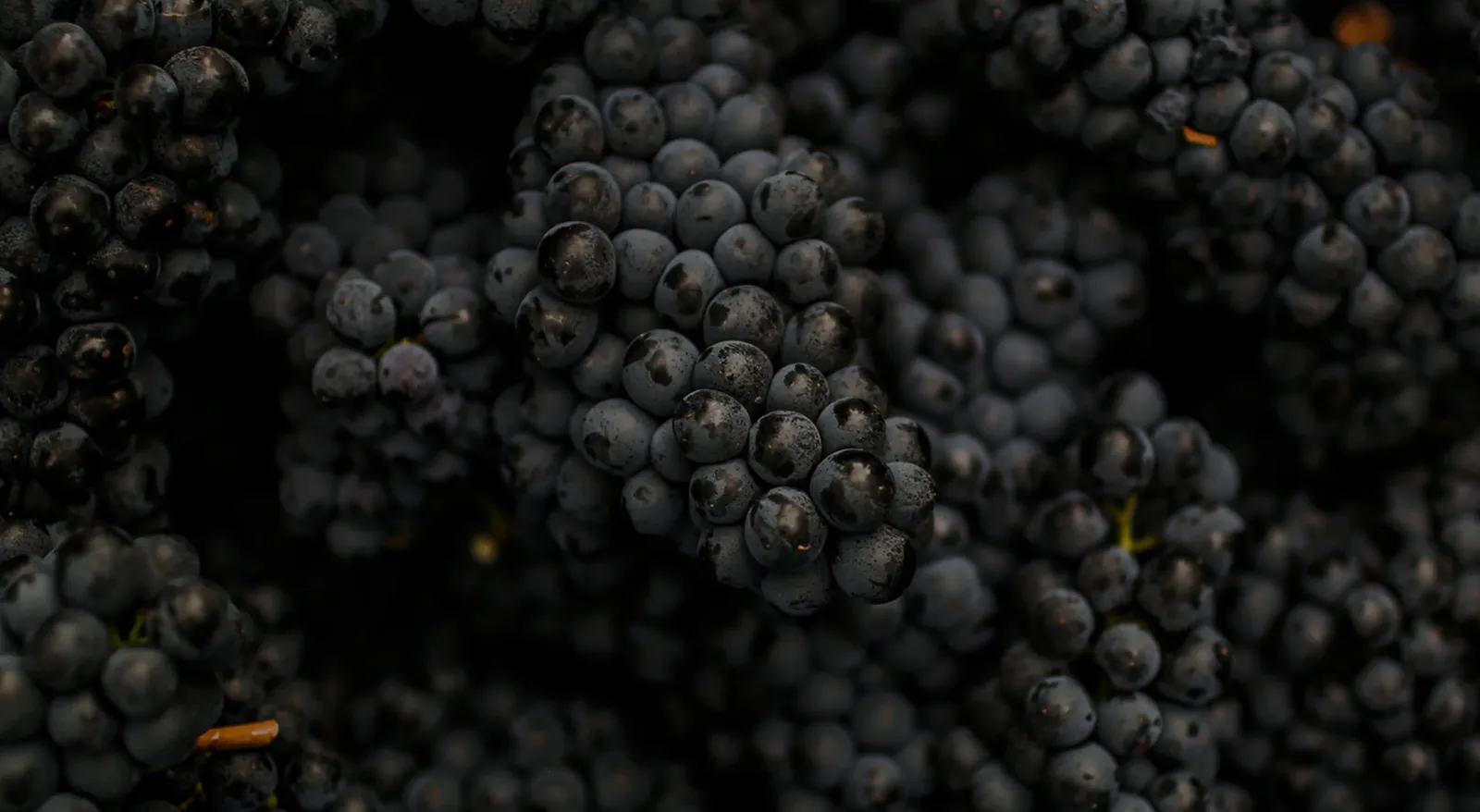
Grapes
Discover the Alphonse Lavallée Grape: A Traditional Delight
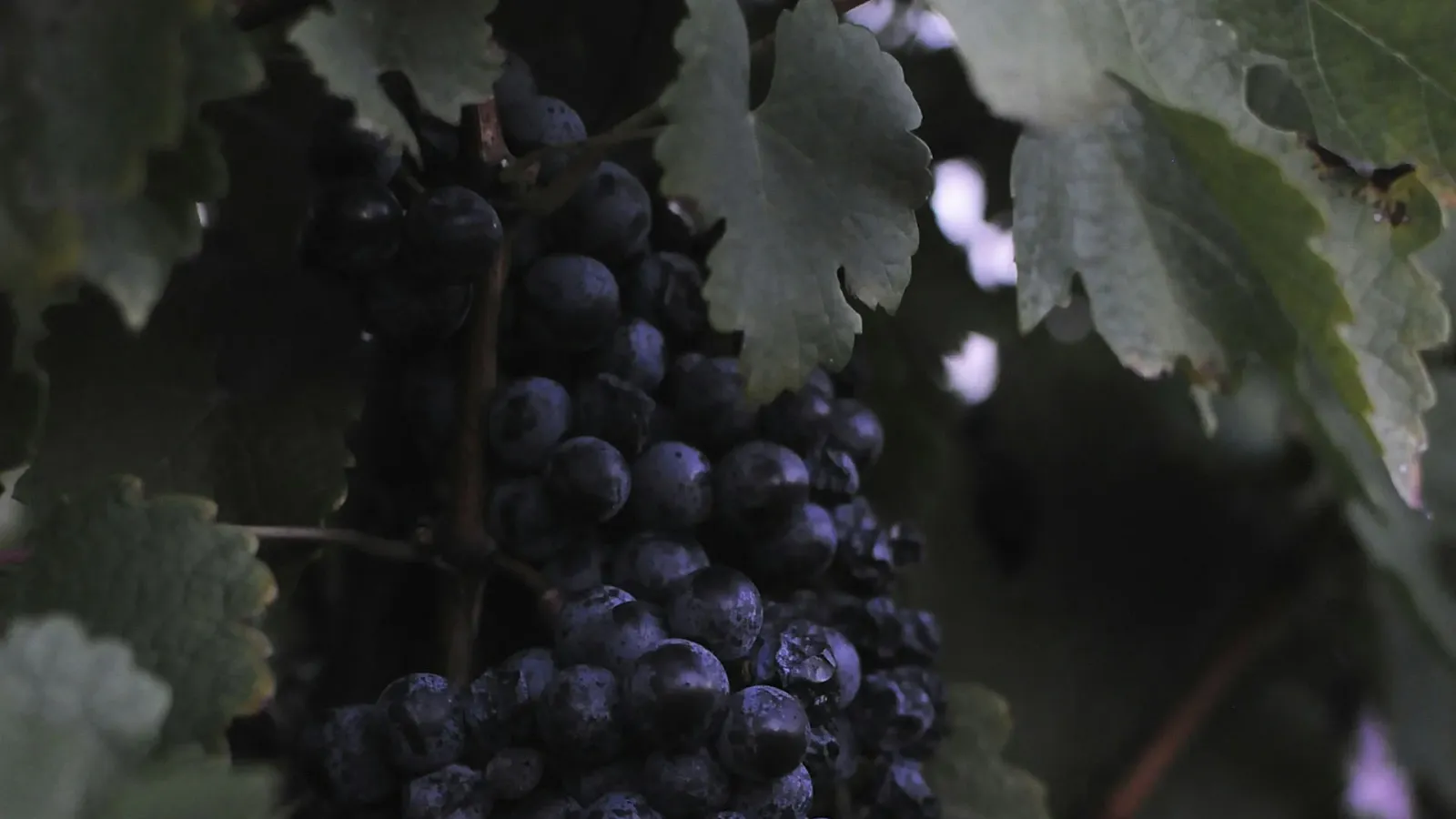
Alphonse Lavallée, often celebrated for its bold coloration and sweet, juicy flesh, is a versatile wine grape varietal used for both table grapes and wine production. Known by names such as Ansley’s Large Oval, Prince Royal Albert, and Raisin du Jerusalem, this black-skinned grape is cherished for its rich flavour and firm pulp, making it suitable for fresh consumption and transport. With historical roots in France, it has gained popularity globally for its adaptability and high productivity.
At a Glance
- Berry colour
- Black
- Countries authorising it
- 13
Authorised in
Algeria, Argentina, Australia, Bosnia and Herzegovina, Brazil, Croatia, France, Greece, Morocco, New Zealand, Romania, Switzerland, Turkey
Also known as
- Gros Noir (Algeria, Bosnia and Herzegovina, Morocco)
- Enfes (Bosnia and Herzegovina, Turkey)
- Ribier (Argentina, Bosnia and Herzegovina)
- Alfonso Lavallée (Argentina)
- Alophonse Lavallée (France)
- Karatopalak (Turkey)
- Royal (Bosnia and Herzegovina)
Variety registrations: OIV Vine Varieties Database
Characteristics and Qualities
- Appearance: Large, oval-shaped berries with deep purple to almost black skins and a noticeable bloom. The young leaves are light green with a soft, velvety texture, distinguishing them from the darker, more rigid adult leaves. The flesh is juicy and seedless in some clones, making it attractive for fresh consumption.
- Aroma and Flavor Profile: Aromas of blackberries, cherries, and plums with subtle floral and spicy notes. On the palate, it exhibits a balance of fruitiness and light tannins.
- Sugar and Acid Levels: Moderate to high sugar levels balanced with medium acidity, making it suitable for both still and semi-sweet wines.
Significance and Popularity
Known for its productivity and visual appeal, Alphonse Lavallée is highly regarded in regions where table and winemaking grapes overlap. Its bold colour and approachable flavour profile make it a favourite for blends and light red or medium rosé wines.
Winemaking Potential of Wine Grape
- Style Versatility:
- Red Wines: Light to medium-bodied with a focus on fruit-forward flavours.
- Rosé Wines: Refreshing, with notes of red berries and a crisp finish.
- Aging Potential: Most Alphonse Lavallée wines are best enjoyed young, though carefully crafted examples can develop secondary flavours over 3–5 years.
- Food Pairing Recommendations: Pairs well with Mediterranean dishes like lamb kebabs, grilled vegetables, and soft cheeses such as Brie or Camembert.
Historical Context and Origin
Originating in France, Alphonse Lavallée is believed to be a hybrid of Muscat Hamburg and another red grape. Named after Alphonse Lavallée, a notable French philanthropist, the varietal was initially bred for fresh consumption but found its way into winemaking. It is included in the Vitis International Variety Catalogue under various synonyms, such as Black Muscadel and Black Marocco. Despite its vigour, the varietal is susceptible to powdery mildew, a factor that growers must carefully manage.
Viticultural Aspects
- Climate and Soil Preferences: Alphonse Lavallée thrives in warm climates with well-drained soils, such as clay-limestone or sandy soils. It prefers long growing seasons and tolerates drought conditions well.
- Yield Potential and Vine Vigor: The grape is highly productive, with vigorous vines that can produce large clusters if managed carefully. It is generally pruned short to manage its vigor and productivity. Excess yields may require thinning to maintain quality.
- Susceptibility to Diseases and Pests: While generally hardy, it can be susceptible to mildew in humid conditions and pests such as grapevine moths.
Geographic Distribution and Cultivation
From France, Alphonse Lavallée spread to regions like Italy, North Africa (e.g., Morocco and Algeria), and Turkey, thriving in diverse climates. Today, it is cultivated worldwide, including parts of North America, Asia, and the Mediterranean. Its productive nature and ability to produce medium to large, winged clusters make it a favourite among growers.
Regional Expressions
Alphonse Lavallée in North America
- Historical Importance and Prominence: Introduced primarily as a table grape, it has found its way into winemaking due to its vibrant fruit and adaptability.
- Key Wine-Producing Regions:
- Ontario and British Columbia (Canada): Produces light, fruity reds and rosés often marketed for local consumption.
- New York (United States): Used in blends to enhance fruit character and body.
- Stylistic Variations and Quality Levels: North American expressions focus on fresh, approachable wines with a shorter aging window.
Alphonse Lavallée in Other Regions
- Global Distribution and Cultivation:
- North Africa (Algeria, Morocco): Often blended into robust reds to add body and colour.
- Turkey and Iran: Cultivated for both table use and winemaking, with a focus on semi-sweet styles.
- Notable Examples and Regional Interpretations: Mediterranean and Middle Eastern examples highlight the grape's natural fruitiness and ability to pair with regional cuisines.
- Impact on Local Wine Cultures: Its dual-purpose nature as a table and winemaking grape contributes to its popularity in regions with smaller wine industries.
Future Prospects and Trends
Emerging Trends and Developments
- Climate Change and Adaptation Strategies: Alphonse Lavallée’s drought tolerance and ability to thrive in diverse climates position it as a valuable option for regions facing water scarcity.
- New Winemaking Techniques and Technologies: Innovations such as carbonic maceration are being explored to enhance the grape’s fresh, fruity qualities.
- Consumer Preferences and Market Trends: Growing interest in light, approachable red and rosé wines has boosted the varietal’s visibility, particularly among younger wine consumers.
Potential for Growth and Expansion
- Exploring New Regions: Trials in emerging wine regions, such as South Africa and parts of South America, show promise for expanding its cultivation.
- Reputation Enhancement: With increased focus on single-varietal expressions, Alphonse Lavallée is shedding its image as a table grape and gaining recognition for its winemaking potential.
Notable Wines and Producers
Iconic Alphonse Lavallée Wines
- High-Quality Examples:
- Moroccan Reds: Often blended to create bold, fruit-forward wines with a hint of spice.
- Turkish Rosés: Fresh, aromatic, and highly drinkable.
- Tasting Notes: Expect vibrant red and black fruit, a juicy texture, and soft tannins with a smooth finish.
Renowned Producers
- Winery Profiles:
- Château Roslane (Morocco): Known for premium blends featuring Alphonse Lavallée.
- Turkish Artisan Wineries: Focus on rosés and semi-sweet expressions.
- Philosophy and Winemaking Practices: Producers emphasize low-intervention techniques to preserve the grape’s natural fruit character.
- Awards and Recognition: Alphonse Lavallée wines have gained recognition in regional competitions for their versatility and crowd-pleasing profiles.
Conclusion
Alphonse Lavallée is a versatile grape varietal with a rich history and a promising future. Its adaptability, vibrant fruit character, and ability to produce a range of styles make it a valuable asset in the global wine industry. As producers continue to explore its potential in both traditional and emerging regions, Alphonse Lavallée is poised to evolve from a blending staple to a celebrated varietal in its own right.
Discover more grape profiles
Exploring the Seyval Blanc Grape Varietal: Characteristics and Flavors
Discover the unique characteristics and flavors of Seyval Blanc grapes. Learn how this varietal can enhance your wine experience. Read more!
The Best Uses and Characteristics of the Marechal Foch Grape Varietal
Discover the unique characteristics and versatile uses of the Marechal Foch grape. Explore its flavor profile and food pairings!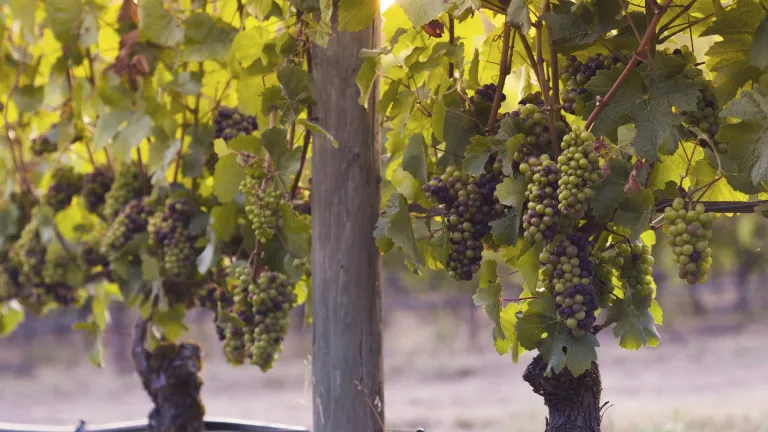
Pinot Noir: In-Depth Grape Varietal Profile
Discover the Pinot Noir grape varietal. Explore its history, viticultural and primary growing regions with this in-depth profile from Vinerra!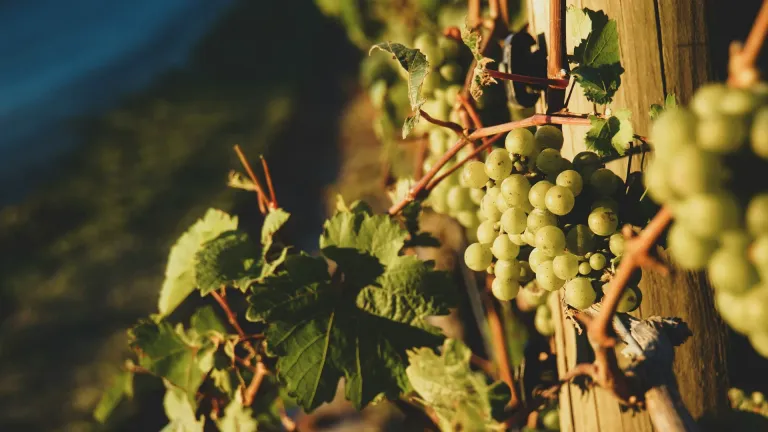
Guide to the Vidal Grape Varietal: Characteristics and Uses
Discover the Vidal grape's unique characteristics and versatile uses in winemaking. Enhance your knowledge and elevate your tasting experience!


Are you interested in collaborating with us?
Get started