
Grapes
Vermentino (Rolle) Grape Varietal: Everything You Need to Know
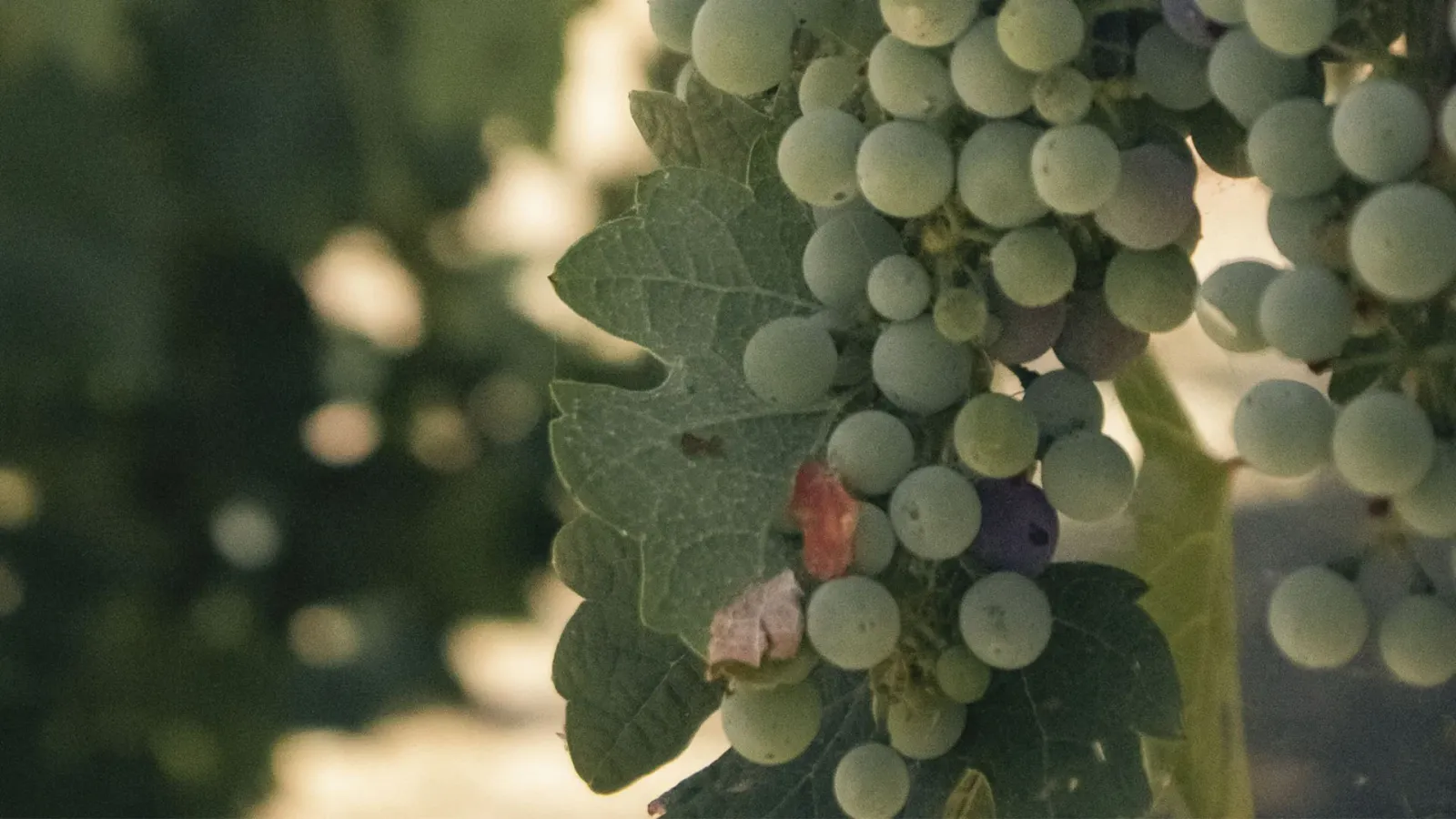
Vermentino is a versatile white grape variety known for producing aromatic wines with crisp acidity, fresh minerality, and distinctive flavours of citrus, green apple, lime and herbal notes. Valued for its bright and lively character, Vermentino is highly appreciated in both still and sparkling wines, particularly in Mediterranean regions. In southern France, especially in Provence and Bellet, Vermentino is known as Rolle, so ‘Rolle wine’ and ‘Vermentino wine’ refer to the same grape.
In this article, we will delve into the main characteristics of the grape, the Vermentino climatic and soil requirements, its rich history, the main regions where Vermentino grows, themain sustainability trends for Vermentino and the best producers that are taking Vermentino wines to a new era of recognizement.
At a Glance
- Berry colour
- White
- Countries authorising it
- 18
Authorised in
Argentina, Australia, Brazil, Bulgaria, Chile, Croatia, France, Germany, Italy, Malta, Morocco, New Zealand, North Macedonia, Portugal, Russia, South Africa, Spain, United States
Also known as
- Rolle (Australia, France, South Africa)
- Favorita (Italy)
- Garbesso (France)
- Malvasia (Chile)
- Pigato (Italy)
- Vermentinu (France)
Variety registrations: OIV Vine Varieties Database
Characteristics and Qualities
- Appearance: Vermentino grapes are medium-sized and round, with green skins that ripen to a golden hue in warm climates.
- Aroma and Flavor Profile: Vermentino wines are known for their aromatic profile, with notes of citrus, green apple, pear, and white peach, often complemented by herbal undertones like sage and rosemary. Mineral and saline notes are common, reflecting its affinity for coastal regions.
- Sugar and Acid Levels: Vermentino has moderate sugar levels balanced by high acidity, which contributes to its fresh, lively character. This balance allows for wines that are both crisp and flavorful, with good aging potential in certain cases
Rolle: The French Name for Vermentino
Rolle is the French name for the Vermentino grape and refers to the same white variety used for crisp, aromatic Mediterranean wines. You will most often see the term “Rolle grape” or “Rolle wine” on labels from southern France, especially Provence, the Bellet AOP near Nice, parts of the southern Rhône, Languedoc and Corsica.
In the glass, Rolle wines show the same core profile as Vermentino: high acidity, notes of lemon, lime and green apple, hints of peach or pear, and a distinct herbal, saline edge that reflects their coastal terroirs. Many French producers choose whether to write “Rolle” or “Vermentino” on the label based on local tradition and marketing, but they are working with the same grape variety, so Rolle wine and Vermentino wine can be understood as stylistic twins from different sides of the Mediterranean.
Significance and Popularity
Vermentino has become a staple grape in Mediterranean winemaking, especially valued for its fresh, food-friendly wines. Its light to medium body, vibrant acidity, and minerality make it an ideal match for seafood and coastal cuisine, and its popularity continues to grow as consumers seek out fresh, aromatic white wines.
Winemaking Potential and Lees Contact
- Style Versatility: Vermentino is vinified primarily as a dry white wine but also sees use in sparkling wines, especially in Italy and Corsica. Techniques like lees contact contribute to the wine's heavier body and intense aromas. It is sometimes aged briefly in oak to add texture and complexity, but most winemakers prefer stainless steel. Using stainless steel tanks helps to preserve the natural characteristics and minerality of the Vermentino grape, contributing to the crispness and bright acidity of the resulting wines.
- Aging Potential: While Vermentino is generally intended for early drinking, high-quality examples from old vines and select regions can age well, developing richer, nuttier flavours over 3–5 years.
- Food Pairing Recommendations: Vermentino’s acidity and minerality make it an excellent match for seafood, grilled fish, shellfish, and light pasta dishes with olive oil and herbs. It also pairs well with Mediterranean dishes, such as vegetable antipasti, light cheeses, and herb-roasted chicken.
Historical Context and Origin
Vermentino’s origins are likely Mediterranean, though its exact origin is still debated. It is believed to have originated in Spain or Italy. Over time, it spread to coastal areas in southern France and Italy, particularly in Sardinia island, Liguria, and Tuscany, where it is still widely cultivated.
Viticultural Aspects
- Climate and Soil Preferences: Vermentino thrives in warm, sunny climates with proximity to the sea. It prefers well-drained, rocky soils such as granite, sandstone, and limestone, which enhance the grape’s natural minerality. Coastal breezes and higher altitudes can help retain acidity, adding freshness to the wines.
- Yield Potential and Vine Vigor: Vermentino is a relatively vigorous vine with moderate to high yield potential. It is typically managed to control yields, as high yields can dilute its distinctive aromas and flavours.
- Susceptibility to Diseases and Pests: Vermentino is relatively resilient but can be susceptible to mildew, particularly in humid conditions. Coastal winds and well-drained soils help reduce disease pressure, making it more suited to Mediterranean climates.
Geographic Distribution and Cultivation
Today, Vermentino is primarily grown in Italy, especially in Sardinia, Liguria, and Tuscany. It is also prominent in southern France (particularly Corsica and Provence), and smaller plantings are found in California and Australia. The French island of Corsica plays a significant role in Vermentino production, where the grape thrives in the high altitude and hot climate, leading to the creation of full-bodied wines with floral aromas. The grape’s adaptability to warm climates and coastal regions has made it popular among winemakers in both the Old and New Worlds.
Regional Expressions
Vermentino di Gallura in Italy
- Historical Importance and Prominence: Vermentino has long been a staple in Italian coastal regions, especially Sardinia, where it holds DOCG status in Vermentino di Gallura. It is equally prominent in Liguria, where it’s known as Pigato, and Tuscany, where it produces wines with different stylistic nuances.
- Key Wine-Producing Regions:
- Sardinia: Vermentino di Gallura DOCG is known for its fresh, mineral-driven wines, often with floral and citrus notes and a characteristic saline finish.
- Liguria: Known locally as Pigato, Vermentino in Liguria produces wines with a more pronounced herbal character, showcasing the region’s maritime influence.
- Tuscany: Vermentino wines from Tuscany tend to be slightly richer, with more body and complex fruit flavours, often reflecting the region’s warmer climate. Tuscan Vermentino benefits from the warmer and sunnier climate, contributing to a richer and more aromatic complexity, often compared to Viognier due to its intense aromas—attributed to specific winemaking techniques like skin contact and barrel aging.
- Stylistic Variations and Quality Levels: Italian Vermentino ranges from light, crisp, and mineral-driven styles in Sardinia and Liguria to more fruit-forward and structured wines in Tuscany. Quality levels vary, with some regions emphasizing fresh, early-drinking styles while others produce more concentrated wines with aging potential.
Vermentino (Rolle grape) in France
- Cultivation in Corsica and Provence: Known as Rolle in France, Vermentino is widely grown in Corsica and Provence, where it thrives in warm, coastal conditions similar to those in Italy.
- Unique Characteristics and Expressions: French Vermentino, especially in Corsica, tends to be slightly rounder and more full-bodied than Italian expressions, often with floral and almond notes alongside citrus and herbal flavours. Additionally, Vermentino wines from Corsica and Provence are noted for their pronounced minerality, which enhances their crisp acidity and makes them excellent for pairing with seafood.
- Comparison with Italian Vermentino: While both French and Italian Vermentino share a citrusy, mineral-driven profile, French Vermentino wines tend to be slightly softer and fuller, with an emphasis on texture. Italian Vermentino is typically lighter, more linear, and focuses on freshness and salinity.
Vermentino in Other Regions
Global Distribution and Cultivation: Vermentino is also grown in small quantities in California, where it produces fruit-forward wines with balanced acidity. Australia has begun experimenting with Vermentino as well, where it is appreciated for its heat tolerance and ability to retain acidity. Historically, Vermentino has strong roots in northern Italy, particularly in Liguria and Sardinia, where it is known for producing crisp and citrusy wines.
Notable Examples and Regional Interpretations: Californian Vermentino wines tend to be aromatic, with ripe fruit flavours and softer acidity. At the same time, Australian Vermentino showcases a palate with vibrant tropical fruit notes balanced by fresh acidity.
Impact on Local Wine Cultures: Vermentino’s adaptability to warm climates has made it a popular choice among New World winemakers seeking unique Mediterranean varietals that perform well in hotter coastal regions. It brings diversity to local wine offerings and appeals to consumers looking for fresh, food-friendly wines.
Future Prospects and Trends
Emerging Trends and Developments
- Climate Change and Adaptation Strategies: Vermentino’s adaptability to warm climates and ability to retain acidity make it a valuable grape as temperatures rise globally. Winemakers in warmer regions are increasingly interested in Vermentino as an alternative to traditional white varietals that may struggle in warmer climates.
- New Winemaking Techniques and Technologies: Experimentation with skin contact, oak aging, and sparkling styles is expanding Vermentino’s range. These techniques help highlight different aspects of the grape, from its aromatic complexity to its potential as a textural, food-friendly white wine.
- Consumer Preferences and Market Trends: As consumers gravitate toward aromatic, fresh, and versatile white wines, Vermentino’s popularity is likely to grow. Its Mediterranean origins and ability to pair well with a wide variety of dishes align with current consumer interest in regional and food-friendly wines. For a casual meal with friends, consider pairing Vermentino with chicken tacos to enhance the dining experience.
Potential for Growth and Expansion
- Exploring New Regions: Vermentino’s drought tolerance and acidity retention make it an attractive choice for warm wine regions, including California, Australia, and South Africa. As awareness of Vermentino grows, its potential in these regions could lead to more experimentation and wider distribution.
- Reputation Enhancement: As more high-quality Vermentino wines enter the market, the grape’s reputation is likely to strengthen. Increased visibility and positive reviews will help Vermentino gain recognition as a versatile, high-quality varietal.
Notable Wines and Producers
- High-Quality Examples: High-quality Vermentino wines typically come from low-yield vineyards in coastal regions, showcasing the grape’s bright acidity, minerality, and fresh fruit character. These wines highlight Vermentino’s complexity when grown with care and attention.
- Tasting Notes: Notable Vermentino wines feature aromas of lemon zest, green apple, and pear, with herbal undertones of rosemary or thyme. The palate is often saline, with refreshing acidity and a crisp finish, sometimes with a subtle almond or nutty note.
Renowned Producers
- Winery Profiles: Leading producers include Capichera in Sardinia, known for its rich, textured Vermentino wines from Vermentino di Gallura, and Punta Crena in Liguria, which produces vibrant, mineral-driven Vermentino with distinctive herbal notes. In France, Domaine du Clos Saint Vincent in Provence produces top-quality Vermentino (Rolle) with notable complexity and finesse.
- Philosophy and Winemaking Practices: Many top Vermentino producers emphasize minimal intervention, with a focus on preserving freshness and minerality. Some experiment with brief skin contact or partial aging in neutral oak to enhance the wine’s texture while retaining its natural vibrancy.
- Awards and Recognition: Vermentino wines from Sardinia, Liguria, and Provence have received numerous accolades, particularly for their freshness, balance, and unique character. These awards have helped raise Vermentino’s profile in the international wine market.
- Food Pairing Recommendations: Vermentino pairs wonderfully with seafood, light herbed dishes, and fresh summer vegetables, enhancing the overall dining experience.
Conclusion
Vermentino is a distinctive white grape varietal that has thrived in Mediterranean regions for centuries, valued for its bright acidity, aromatic complexity, and food-friendly character. As climate change drives interest in drought-tolerant grape varieties, Vermentino’s future as a versatile and adaptable varietal appears promising. With its growing popularity in both traditional and emerging wine regions, Vermentino is well-positioned to become a beloved choice for consumers seeking fresh, vibrant, and terroir-driven wines.
FAQ
Is Rolle the same as Vermentino?
Yes. Rolle is the French name for the Vermentino grape, so wines labeled Rolle and Vermentino are made from the same variety.
What is Rolle wine?
Rolle wine is simply wine made from the Vermentino grape in French regions such as Provence, Bellet and Corsica, where the local name “Rolle” is used.
Where is Rolle grown?
Rolle is mainly grown in southern France, especially in Provence (including Côtes de Provence and Bandol), the tiny Bellet AOP near Nice, parts of the southern Rhône, Languedoc and on Corsica.
What does Vermentino taste like?
Vermentino typically shows bright acidity with flavors of lemon and lime, green apple, pear, sometimes stone fruit, plus herbal and saline notes that make it very refreshing.
Which regions are best known for Vermentino?
The key Vermentino strongholds are Sardinia (especially Vermentino di Gallura), Liguria and coastal Tuscany in Italy, as well as Provence, Corsica and Bellet in France (where it is called Rolle).
What foods pair well with Vermentino?
Vermentino pairs beautifully with seafood (grilled fish, shellfish, ceviche), Mediterranean dishes with herbs and olive oil, fresh cheeses, salads and light pasta, thanks to its acidity and salty, citrus profile.
Discover more grape profiles
Cabernet Sauvignon: In-Depth Grape Varietal Profile
Discover the Cabernet Sauvignon grape varietal. Explore its history, viticultural and primary growing regions with this in-depth profile from Vinerra!
Cabernet Franc: In-Depth Grape Varietal Profile
Discover the Cabernet Franc grape varietal. Explore its history, viticultural and primary growing regions with this in-depth profile from Vinerra!
The Carignan Grape Varietal: A Guide to Its Best Characteristics
Discover the unique traits of the Carignan grape varietal, from its rich flavors to ideal pairings, and enhance your wine knowledge!
Merlot: In-Depth Grape Varietal Profile
Discover the Merlot grape varietal. Explore its history, viticultural and primary growing regions with this in-depth profile from Vinerra!


Are you interested in collaborating with us?
Get started