
Grapes
Discover the Zweigelt Grape Varietal: Austria's Rising Star Red Wine
Zweigelt is Austria’s most widely planted red grape varietal and a noteworthy Austrian variety, known for producing approachable, fruit-forward wines with soft tannins and vibrant acidity. A cross between Blauer Portugieser and St. Laurent, Zweigelt combines the fruitiness of Blauer Portugieser with the structure and elegance of St. Laurent, creating a versatile grape well-suited for various winemaking styles, including red, rosé, and even sparkling wines.
At a Glance
- Berry colour
- Black
- Countries authorising it
- 13
Authorised in
Australia, Austria, Belgium, Bosnia and Herzegovina, Canada, Croatia, Hungary, Luxembourg, New Zealand, Romania, Slovenia, Switzerland, United States
Also known as
- Rotburger (Austria, Canada, Hungary)
- Zweigeltrebe (Australia, Canada, Hungary)
- Zweigeltrebe Blau (Austria, Switzerland)
- Blauer Zweigelt (Austria)
- Blauer Zwelgetrebe (Hungary)
- Blauerzweigelt (Romania)
- Negru de Zweigelt (Romania)
- Zweigelt blau (Romania)
Variety registrations: OIV Vine Varieties Database
Characteristics and Qualities
Grape Characteristics
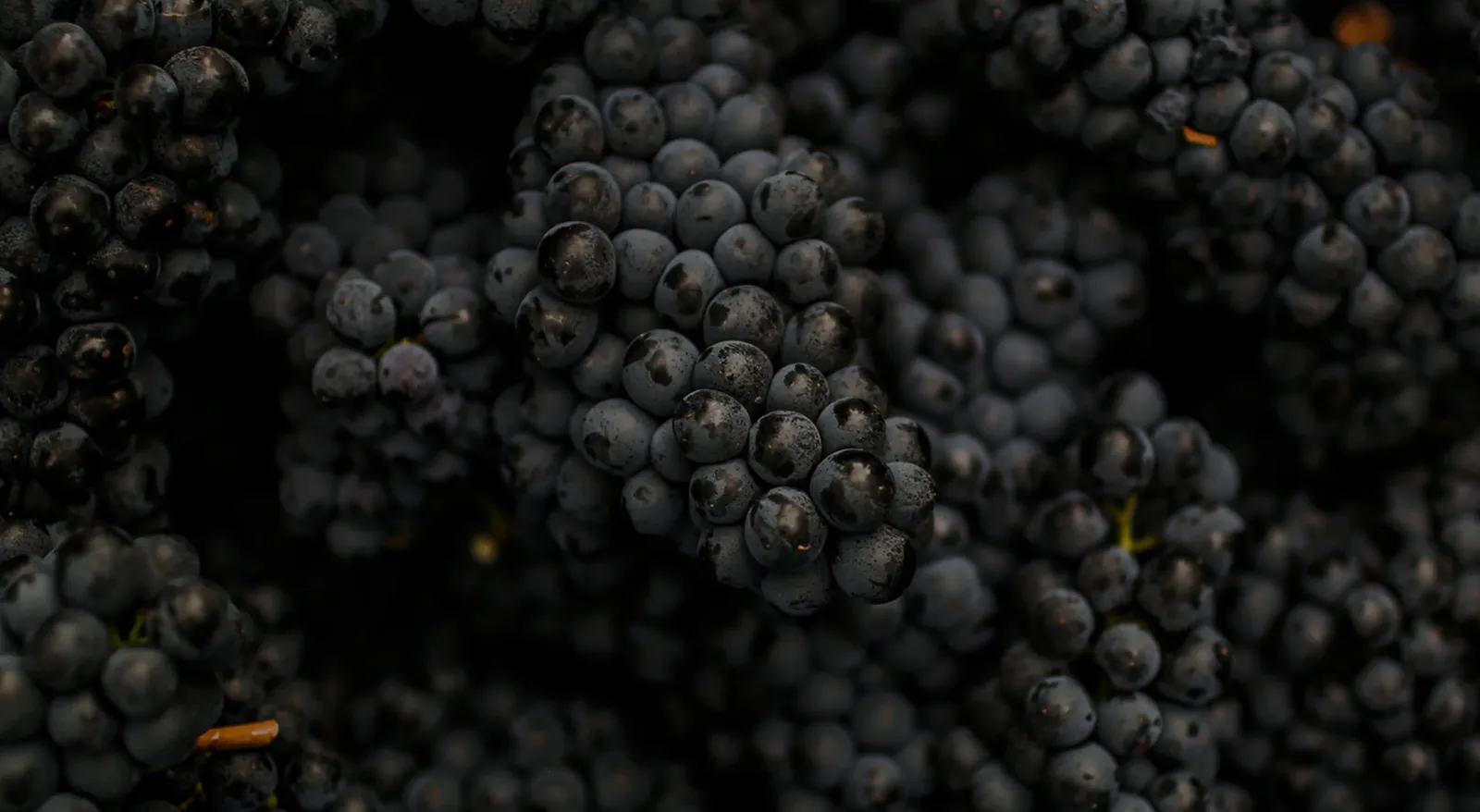
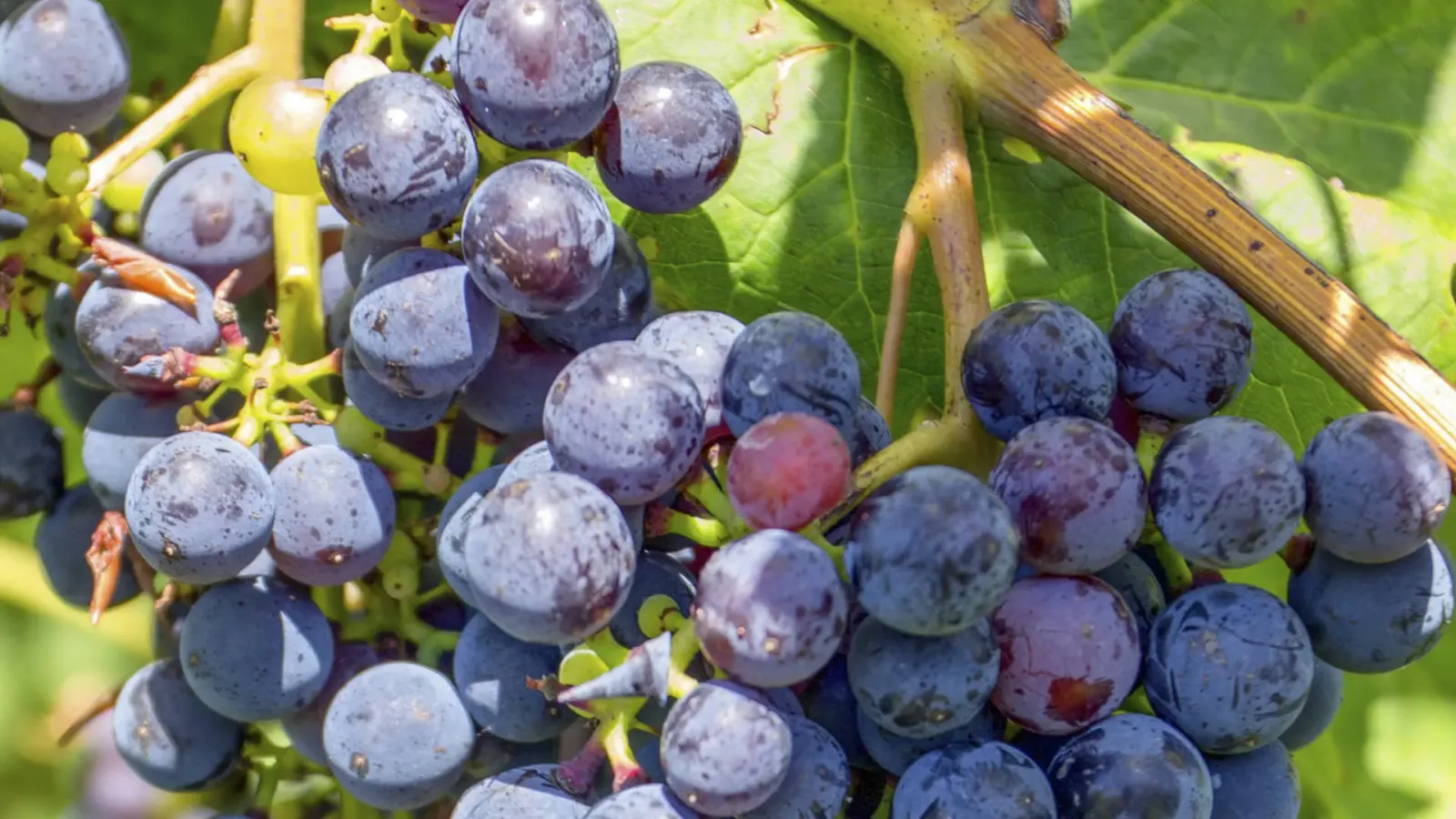
- Appearance: Zweigelt grapes are medium-sized with a dark blue to purple hue, forming compact clusters.
- Aroma and Flavor Profile: Zweigelt typically exhibits aromas of dark cherry, blackberry, and plum, with notes of spice, black pepper, chocolate, and a hint of earthiness. The flavours are often juicy and fruity, with a soft, approachable profile and balanced acidity.
- Sugar and Acid Levels: The grape has moderate sugar levels and retains good acidity, allowing for balanced wines that can range from light to more structured and concentrated styles.
Winemaking Potential
- Style Versatility: Zweigelt’s approachable character makes it suitable for various styles of red wine. It’s used in still red wines, crisp rosés, and even some sparkling wines, each expressing different facets of its fruit-driven profile.
- Aging Potential: While most Zweigelt wines are enjoyed young for their fresh fruitiness, higher-quality examples can age for 5-10 years, developing complex earthy and spicy notes.
- Food Pairing Recommendations: Zweigelt pairs well with a range of dishes, from roasted poultry and pork to grilled vegetables and soft cheeses. Its balance of acidity and fruit complements dishes with savoury or umami flavours.
Historical Context of Its Creation
Friedrich Zweigelt created the grape in 1922, seeking to combine the desirable characteristics of two-parent grapes, Blauer Portugieser and St. Laurent. Blauer Zweigelt is another name for the grape. Originally named Rotburger, the varietal was later renamed Zweigelt in honour of its creator and has since become a staple in Austrian vineyards. Friedrich Zweigelt played a significant role at the Federal Institute, contributing to viticulture and horticulture.
Viticultural Aspects
- Climate and Soil Preferences: Zweigelt is relatively adaptable but performs best in regions with warm days and cool nights, which help retain acidity. It prefers well-drained soils, such as gravel, loess, and sandy soils, which enhance the grape’s natural fruitiness.
- Yield Potential and Vine Vigor: Zweigelt is a productive vine known for its high yield and vigorous growth, making it appealing to winemakers who require reliable harvests.
- Susceptibility to Diseases and Pests: While generally resilient, Zweigelt can be susceptible to mildew and other fungal diseases, requiring careful vineyard management, especially in humid regions.
Geographic Distribution and Cultivation
While Zweigelt is primarily cultivated in Austria, it has gained a foothold in several other countries, including Germany, Canada, and parts of Central and Eastern Europe. It thrives in Austria’s varied climates, from the cooler regions of Niederösterreich to the warmer areas of Burgenland, which allow for different expressions of this grape.
Significance and Popularity
Zweigelt is highly valued for its versatility, reliability, and ability to produce wines that appeal to a broad audience. Its popularity has steadily grown as winemakers have recognized its adaptability, both in the vineyard and the winery, where it’s used to produce wines ranging from light and easy-drinking to full-bodied and age-worthy.
Regional Expressions
Zweigelt in Austria
Historical Importance and Prominence: Zweigelt quickly became popular in Austria due to its adaptability and ability to produce wines suited to various Austrian climates. Created in the 1920s by Professor Fritz Zweigelt, it gained recognition after World War II. Today, it’s a pillar of the Austrian wine industry.
Key Wine-Producing Regions: Niederösterreich and Burgenland are the primary regions for Zweigelt production. Niederösterreich produces lighter, fruitier styles, while Burgenland’s warmer climate yields more structured, complex wines.
Stylistic Variations and Quality Levels: Austrian Zweigelt ranges from fresh, youthful expressions to more robust, oak-aged versions with enhanced depth and complexity.
Zweigelt in Other Regions
- Global Distribution: Zweigelt has gradually expanded to other wine regions, including Germany, Canada (notably in British Columbia and Ontario), and parts of Central Europe, where it offers a unique alternative to other cool-climate red varietals. Unlike Pinot Noir, which is known for its sensitivity to climate and challenging growing conditions, Zweigelt is more adaptable and resilient, making it a favorable choice for winemakers in these regions.
- Notable Examples and Regional Interpretations: Outside Austria, Zweigelt is often produced in lighter, fruit-forward styles. Canadian examples tend to highlight bright fruit and lively acidity, influenced by the country’s cool climate.
- Impact on Local Wine Cultures: In these regions, Zweigelt is celebrated for its unique character and adaptability, adding diversity to local wine offerings and often serving as a bridge between lighter reds and fuller-bodied styles.
Future Prospects and Trends
Emerging Trends and Developments
- Climate Change and Adaptation Strategies: Zweigelt’s adaptability to both warm and cool conditions may make it a more prominent choice as winemakers seek resilient varieties to adapt to climate changes. Its moderate acidity and versatility make it a strong candidate for regions experiencing warming trends.
- New Winemaking Techniques and Technologies: Winemakers are experimenting with new techniques, such as carbonic maceration and minimal intervention practices, to highlight Zweigelt’s fruitiness and terroir-specific characteristics. The rise of organic and biodynamic practices in Austria also points to more expressive, terroir-driven styles. Additionally, the early season aromatic profile of Zweigelt wines, reminiscent of bright, fruity scents, enhances their appeal and quality perception.
- Consumer Preferences and Market Trends: Zweigelt’s approachable profile aligns well with modern consumer preferences for fresh, easy-drinking red wines. As interest grows in lesser-known varietals, Zweigelt is well-positioned to appeal to adventurous wine drinkers seeking alternatives to more conventional reds.
Potential for Growth and Expansion
- Exploring New Regions: Given its adaptability, Zweigelt is likely to expand into new, cool-climate regions, including more parts of North America, New Zealand, and cooler areas of South America.
- Reputation Enhancement: By focusing on quality and distinctive expressions, producers are helping to elevate Zweigelt’s reputation, distinguishing it as a high-quality varietal with a unique Austrian heritage.
Notable Wines and Producers
Iconic Zweigelt Wines
- High-Quality Examples: Notable examples include rich, structured Zweigelts from Burgenland’s Eisenberg and Carnuntum regions, as well as lighter, more vibrant expressions from Niederösterreich.
- Tasting Notes: These wines are known for their dark fruit flavours, with notes of cherry, plum, and blackberry complemented by hints of pepper, cocoa, and sometimes a smoky or earthy undertone. The rich color of these wines is a visual testament to their deep hue, attributed to the ripe vintage and effective extraction methods during production.
Renowned Producers
- Winery Profiles: Notable Austrian producers such as Weingut Umathum and Weingut Heinrich have elevated Zweigelt’s reputation by focusing on terroir-driven approaches, often utilizing organic or biodynamic methods to express the unique characteristics of Austrian soil and climate.
- Philosophy and Winemaking Practices: Leading producers emphasize quality over quantity, often using low yields, selective harvesting, and careful oak aging to produce complex, layered wines.
- Awards and Recognition: Austrian Zweigelt wines have received acclaim in international wine competitions, gaining recognition for their quality, character, and versatility.
Conclusion
Zweigelt is a dynamic and versatile grape varietal that has firmly established itself in the Austrian wine industry and is gaining popularity in other wine regions worldwide. With its approachable fruitiness, balanced acidity, and adaptability to various climates and styles, Zweigelt offers both winemakers and wine enthusiasts a broad spectrum of possibilities. Its future looks bright as it continues to find favour in new markets and evolves to meet the demands of modern winemaking and wine preferences. Through ongoing innovation and a commitment to quality, Zweigelt has the potential to become a celebrated staple in the global wine landscape.
Discover more grape profiles
Pinot Noir: In-Depth Grape Varietal Profile
Discover the Pinot Noir grape varietal. Explore its history, viticultural and primary growing regions with this in-depth profile from Vinerra!
Kerner Grape Varietal: Everything You Need to Know
Explore the Kerner grape to enhance your wine journey. Find the perfect match for your palate and elevate your next tasting experience!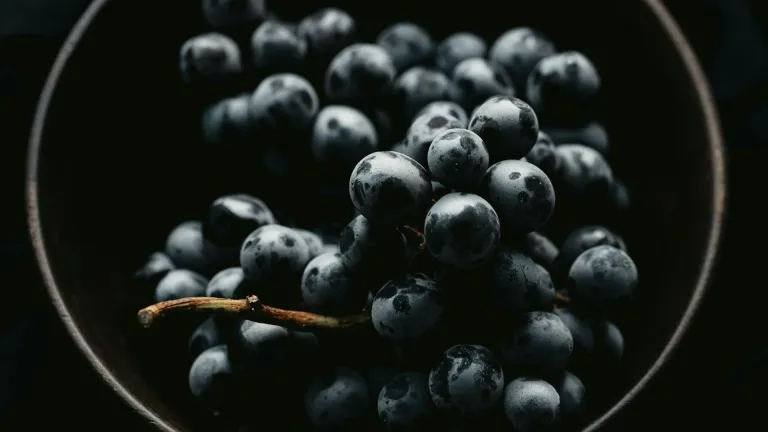
Acolon Grape Varietal: Everything You Need to Know
Explore Acolon’s Blaufränkisch × Dornfelder heritage, cool-climate strengths, and dark-fruit profile in Vinerra’s grape guide
Exploring the Reichensteiner Grape Varietal Characteristics
Discover the unique characteristics and uses of the Reichensteiner grape varietal. Learn how it can enhance your wine experience!


Are you interested in collaborating with us?
Get started