
Manchuela DO
- Latitude
- 39°22′00″ N
- Longitude
- 1°42′00″ W
- Appellations
- 0
Manchuela isn’t just another part of La Mancha. It’s a region that boldly charts its own course. Far from the anonymous bulk wines often associated with Spain’s interior, Manchuela prides itself on quality, tradition, and innovation. With a winemaking history stretching back over 2,400 years, this Denominación de Origen (DO) has carved out a distinct identity, moving from mass production to crafting unique, high-quality wines that tell a story of place and passion. Through its regulations and unique production methods, Manchuela has established its own identity, setting itself apart from neighbouring regions.
Rooted in a rich agricultural heritage shaped by Roman roads, Moorish farming techniques, and ancient Iberian tribes, Manchuela DO is located in the provinces of Albacete and Cuenca in Castile-La Mancha, Spain. The region is bordered by other Denominación de Origen regions, including La Mancha, Utiel-Requena, and Jumilla. Its own DO, established in 1997, was created to regulate, promote, and market the region’s wines, protecting Manchuela’s authenticity, quality, and sustainable practices. Dominated by dryland farming of cereals, grapes, and olives, the Mediterranean trilogy, Manchuela’s economy and culture remain deeply tied to the land.
This audit dives into what makes Manchuela special: its terroir, grape varieties, innovative wineries, and the wines that are gaining international acclaim. Discover the unique qualities and hidden gems that set Manchuela apart. If you’re seeking a Spanish wine region that’s rewriting the rules and delivering authentic value, Manchuela deserves your attention.
Overview
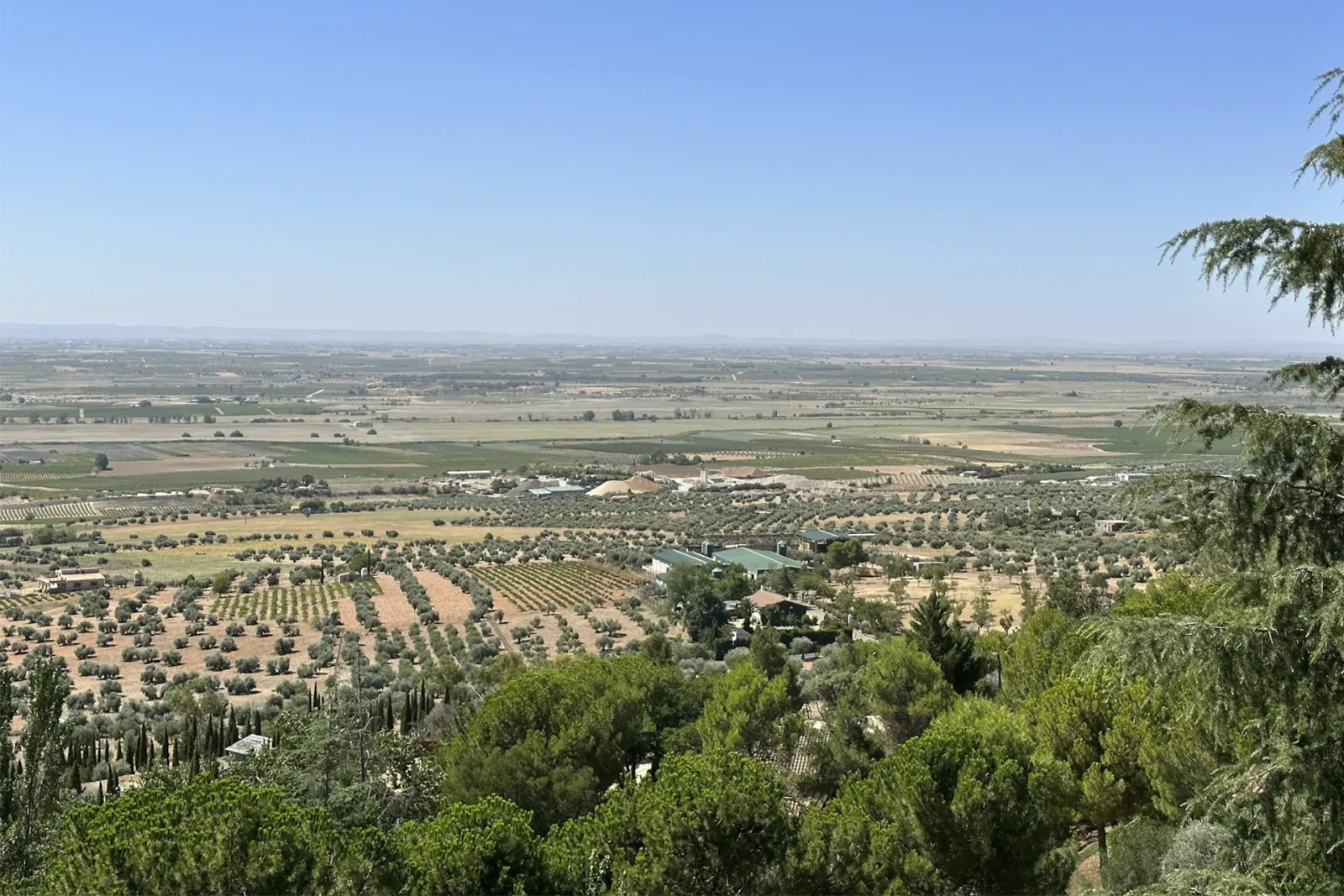
Manchuela lies in the south-eastern part of Castilla-La Mancha, located between the Júcar and Cabriel river valleys and spanning Albacete and Cuenca provinces. Its rugged hills, plateaus, and deep river gorges set it apart from central Spain, making it a hidden gem. Bordering La Mancha, Utiel-Requena, and Jumilla DOs, Manchuela’s history as a frontier between Christian and Muslim lands is visible in its castles and medieval towns like Alcalá. The region’s charming villages boast traditional Castilian architecture, from churches to cliff-side homes, alongside rustic wineries and farmhouses that preserve its rural heritage.
The microclimate here is unique: hot, dry summers balanced by cold winters and constant river breezes. Vineyards planted between 600 and 1,000 meters above sea level benefit from this climate, which promotes slow, even ripening. With a continental climate and strict DO limits capping yields at 11,430 kg/ha, Manchuela prioritizes quality over quantity. Producing around 2.5 million hectoliters annually, it accounts for about 5.1% of Spain’s total wine output—a proof that this “insider’s secret” is making a big impact.
Key Statistics
Manchuela’s key figures reveal a region defined by elevation, climate balance, and low-yield viticulture that drives concentration, freshness, and distinctiveness.
- Vineyard Surface: Approximately 12,478 hectares (30,833 acres).
- Number of Wineries: 40
- Altitude: Ranges from 600 to 1,100 meters (1,969 to 3,609 feet), with premium vineyards at higher elevations.
- Annual Precipitation: Between 300 and 600 mm (12 to 24 inches), supporting dryland viticulture.
- Growing Degree Days (GDD): Winkler Region III–IV, approximately 2,600 to 3,200 GDD, moderated by significant diurnal temperature swings.
These raw numbers aren’t just bragging rights. Altitude drives higher acidity; tough soils and limited water deliver lower yields with more concentration. The river valleys and breeze, along with the cooling effect of the east wind, provide the natural air-conditioning that makes sustainable viticulture genuinely practical. If you’re comparing Spanish wine regions, these stats are Manchuela’s competitive moat.
History
The area now known as Manchuela was first inhabited by Iberian tribes, and later experienced significant growth under the Roman Empire, which established farms and trade routes throughout the region. During Moorish rule, Manchuela achieved notable cultural splendour, with the introduction of advanced farming methods that shaped its agricultural landscape.
Manchuela was long overshadowed by the vast “sea of vines” in La Mancha, with local growers primarily supplying anonymous bulk wine for distillation or blending. However, in the 1980s, vintners began to recognize the region’s unique terroir, characterized by abundant old-vine Bobal, high-altitude vineyards, limestone terraces, and the cooling influence of nearby rivers. These distinctive features made Manchuela’s wines too special to be lost in generic blends. As a result, a group of winemakers and wineries collaborated to establish and promote the region’s own Denominación de Origen (DO) status, focusing on select vineyard areas and grape varieties destined for higher-quality production. This collective effort culminated in 2004 when Manchuela officially became a Denominación de Origen Protegida (DOP), setting its wines apart from those of La Mancha.
In fact, Manchuela had been defined and regulated as a DOP since 1982, following its initial separation from DO La Mancha. The region’s flagship grape is Bobal, the most widely planted grape variety in Manchuela, renowned for producing deeply coloured wines with solid tannins that underscore Manchuela’s distinctive identity. On the white side, Macabeo dominates, accounting for 74% of the white varieties planted. Today, approximately 6,079 hectares of vineyards fall under the Manchuela DO.
The determination of local producers paid off. By 2000, Manchuela secured its own DO status, breaking free from La Mancha’s bulk wine reputation. This milestone sparked a transformation: stricter regulations were adopted, estate bottling became the norm, and organic farming practices gained momentum. Over the past two decades, Manchuela has reinvented itself, earning acclaim for its characterful red wines and steadily growing recognition for its whites and sparkling offerings.
Environmental & Sustainability Practices
Sustainability in Manchuela is more than marketing. The region’s geography and climate offer natural advantages:
- Low humidity and constant breezes: Keep disease pressure low; minimal chemical use is the norm.
- Organic and biodynamic: Many wineries (Ponce, Altolandon) are certified, not out of trend but necessity.
- Dry farming: Most vines survive on scant rainfall, digging deep for water and fostering resilient root systems.
- Polyculture: Vineyards are interspersed with almond, olive, and pine, promoting biodiversity.
These practices increase quality, preserve soil health, and maintain traditions essential for the next generation of winemakers.
- Vineyard hectares
- 12,478
- Wineries
- 40
- growing degree days
- 2600-3200 GDD
Discover Terroir
Between two wild rivers, Manchuela’s terrain is hilly and fractured, without the monotony of neighbouring La Mancha. Vineyards are perched on slopes, plateau edges, and terraces carved by ancient waterways.
Manchuela’s climate is a paradox. Balmy summers drive ripening, but nighttime river breezes drastically lower temperatures, often by 20+ degrees. Winters are cold, limiting vine disease. These contrasts foster slow ripening, retaining acidity and building flavour complexity.
Manchuela’s soils are mostly clay-limestone: ideal for deep-rooted vines battling for water. Limestone captures rainfall, then refines it for gradual release, lending tension and minerality to finished wines. Alluvial soils closer to rivers add diversity; the stoniest, poorest patches suit ancient bush-trained Bobal.
- Rain
 300-600 mm
- Altitude
 600-1100 m
Discover
Grape Varieties
Manchuela’s vineyards are a study in diversity, anchored by Bobal yet enriched by a wide spectrum of grapes. Among the reds, Tempranillo, Monastrell, Grenache, Cabernet Sauvignon, and Syrah shape the region’s expressive styles. Garnacha Tintorera, also known as Alicante-Bouschet, is used as a single varietal in Manchuela and is known for its quality and individuality.
The whites are equally compelling, ranging from Macabeo, Albillo, Verdejo, Sauvignon Blanc, and Chardonnay to the aromatic Moscatel de Grano Menudo, traditional Pardillo, and increasingly planted Viognier. This palette reflects Manchuela’s evolving identity. Wine production is central to Manchuela’s modern cultural identity, with its flagship native grape, Bobal, accounting for a large share of its vineyards. In fact, Bobal constitutes 41% of the total red varieties planted in the region.
- Bobal
- Colour: Red
- Origin: Native
- Notes: Acidic, tannic, flagship grape; often shows raspberry and fresh red fruit notes
- Tempranillo (Cencibel)
- Colour: Red
- Origin: Native
- Notes: Spain’s classic, versatile
- Monastrell
- Colour: Red
- Origin: Native
- Notes: Intense, thrives in drought
- Garnacha / Garnacha Tintorera
- Colour: Red
- Origin: Native
- Notes: Sugar & colour, red-fleshed, raspberry aromas
- Cabernet Sauvignon
- Colour: Red
- Origin: International
- Notes: Structure, blending
- Syrah
- Colour: Red
- Origin: International
- Notes: Altitude loving; spice & dark fruit
- Merlot
- Colour: Red
- Origin: International
- Notes: Softening blends
- Macabeo (Viura)
- Colour: White
- Origin: Native
- Notes: Floral whites, sparkling
- Albillo (de Albacete)
- Colour: White
- Origin: Native
- Notes: Texture, almond, saline whites
- Pardillo
- Colour: White
- Origin: Native
- Notes: Rustic, drought-resistant
- Verdejo
- Colour: White
- Origin: Native transfer
- Notes: Rueda’s standout, growing in interest
- Sauvignon Blanc
- Colour: White
- Origin: International
- Notes: Tropical, aromatic whites
- Chardonnay
- Colour: White
- Origin: International
- Notes: Sparkling and barrel whites
- Moscatel Grano Menudo
- Colour: White
- Origin: Native
- Notes: Aromatic, dry or dessert
- Viognier
- Colour: White
- Origin: International
- Notes: Rare, exotic, aromatic
Native varieties, especially Bobal and Macabeo, form Manchuela’s core, but modern wineries experiment with blends featuring Syrah, Cabernet, and Sauvignon Blanc for added complexity and style diversity. Albillo and Pardillo are local specialties increasingly appreciated for their terroir expression. Finca El Molar stands out as a notable organic vineyard in the region, recognized for its work with indigenous varieties and thoughtful, low-intervention winemaking.
The Wine Styles of Manchuela DO
Manchuela produces a remarkably versatile range of wines that reflect both its heritage and its rising modern edge.
- Red wines are the primary style produced in Manchuela, especially from indigenous grapes like Bobal, which are known for their character and complexity.
- Some of the red wines produced in this DO include Tempranillo, Cabernet Sauvignon, Garnacha, Syrah, Merlot, and Malbec. As an example, Bobal-based barrel-aged reds have received international acclaim for their depth and structure, demonstrating the region’s excellence and unique character.
- In Manchuela you’ll also find structured, barrel-aged bottlings, with some premium examples made using the doble pasta technique to increase concentration and intensity, as well as bone-dry rosados shaped by altitude and acidity.
- The whites range from crisp and refreshing to textured, skin-contact orange wines that showcase the region’s experimental spirit, with extended skin-contact fermentation developing their distinctive colour and aromatic profile.
- Vino Brisado, a type of orange wine, is produced in the Manchuela DO and is characterized by its amber-to-deep-orange colour. This style has been recently approved for production, highlighting the region’s innovative approach.
Wine Styles of Manchuela
- Sparkling and sweet dessert wines are also part of Manchuela's range. For sparkling and some white wines, aging on lees during fermentation or maturation adds complexity and texture.
- Fresh Red (Joven): Youthful, vibrant Bobal and Tempranillo; wild berries, floral nose, lively acidity
- Barrel-Aged Red: Oak-aged Bobal, Syrah, Cabernet blends; complex, savoury, robust tannins, black fruit, herbal backbone; maturation in barrel enhances complexity
- Rosado (Rosé): Bone-dry, pale, racy acidity; ideal food wine, mostly from Bobal
- White: Crisp Macabeo, Albillo, Sauvignon; floral, citrus, saline touch
- Skin Contact / Orange: Textured and aromatic, with depth; Albillo and blends; skin-contact fermentation develops colour and aroma
- Sparkling: Limited but growing; Macabeo- and Chardonnay-based for fresh, mineral fizz; lees aging adds texture
- Sweet / Dessert: Moscatel and occasional late-harvest wines; aromatic, honeyed
The move toward estate bottling has become increasingly important in Manchuela, as the bottle not only preserves wine quality but also enhances the region’s reputation for excellence. The focus on bottled wines marks a shift from bulk production to high-quality, branded products that reinforce Manchuela’s identity and tradition.
A significant portion of Manchuela’s wines are now sold internationally as bottled wines under the region’s designation, reaching markets in China, the United States, and Japan. Efforts to promote Manchuela wines on the international market have led to growing recognition, with the region’s producers participating in global wine fairs and expanding exports.
Manchuela’s flexibility across styles reflects its terroir and grape diversity, from poolside rosé to serious, cellar-worthy reds, and is contributing to its rising status in the world of wine.
Food Pairings for Manchuela Wines
Manchuela’s rustic cuisine is designed for energy and heartiness—a time capsule of Castilian shepherd life. Traditional gastronomy of Manchuela often features recipes linked to the region's limited resources and local ingredients.
The local cuisine in Manchuela includes traditional dishes such as gazpacho manchego, migas, and roast lamb, often paired with local wines. Some significant products of Manchuela are Manchego cheese (PDO) and Manchego lamb (PGI). Some of the best pairings can be described as follows:
- Gazpacho Manchego: Not cold soup! This is a robust rabbit-and-game stew with unleavened bread, requiring tannic Bobal for balance.
- Morteruelo: Rich pâté of liver and game; best with a Syrah or oak-aged Tempranillo.
- Pisto Manchego: Vegetable medley. Match it with crisp Rosado or Macabeo.
- Ajoarriero: Salt cod and potato. Pair it with barrel-fermented Albillo or Macabeo.
- Manchego Cheese: Go for aged varieties and pair with robust reds.
The high acidity, tannins, and aromatic whites cut through the region’s signature dishes, delivering refreshing contrasts.
Wine Tourism within this La Mancha subregion
Tourism in Manchuela is growing: authentic but not flashy. It’s a place to meet winemakers, stroll ancient river valleys, lunch in medieval hill towns, and taste wines among the vines.
- The Manchuela Wine Route organizes visits to family wineries, with options to immerse yourself in the local food, culture, and tradition, often with direct access to the people making the wine.
- Las Hoces del Cabriel is Cuenca's largest nature reserve and is significant to Manchuela's natural environment.
- Manchuela also hosts numerous festivals tied to the Christian calendar or agricultural cycles, including patronal festivals, Carnival, and Holy Week.
- Holy Week (Semana Santa) celebrations in Manchuela are noted for traditions such as armed guards in some towns.
- The Corpus Christi festival in Manchuela includes traditional elements like the "Pecados y Danzantes de Camuñas," which is of national tourist interest.
Additionally, the region features a large network of rural trails developed for walking and cycling, connecting different towns and following scenic routes. Visitors can enjoy unforgettable experiences with high-quality wines and exquisite local cuisine, making it a must-visit destination.
Highlights include:
- Alcalá del Júcar: A spectacular town carved into canyon walls
- Vineyard hikes: Walk the plateau, see bush-trained vines
- Tasting rooms: Many prioritize education over marketing, with a real connection to the winemaking process
Manchuela’s tourism isn’t industrial; it’s personal, relatable, and distinctly flavorful, much like the wine.
Best Wineries in the DO Manchuela
Several standout producers showcase Manchuela's blend of tradition and innovation. Top names include Bodegas Ponce, Finca Sandoval, Altolandon, Vega Tolosa, and Bodega Andrés Iniesta. The region also boasts remarkable archaeological treasures, including the rare mosaic of Diosa Alada Astarté, housed in the Iniesta museum: one of only two worldwide.
- Bodegas Ponce: Led by Juan Antonio Ponce, a master of old-vine Bobal, practicing biodynamic, minimal-intervention winemaking. His “P.F.” label is a benchmark for ungrafted Bobal.
- Finca Sandoval: Founded by wine journalist Victor de la Serna, known for Syrah-driven wines that increasingly incorporate indigenous grapes, combining precision with elegance.
- Altolandon: Rosalia Molina’s high-altitude organic estate, experimenting with orange wines aged in amphorae: a creative response to climate change.
- Vega Tolosa: A century-old family estate focused on premium, export-quality Bobal, emphasizing sustainability and refined style.
- Bodega Andrés Iniesta: The football legend’s ambitious winery, blending innovation with regional promotion.
Each winery offers a unique direction, whether traditional, natural, international, or mainstream, but all prioritize authenticity and value. Manchuela’s stunning landscapes and rich history make it a compelling destination for cultural tourism.


Are you interested in collaborating with us?
Get started