
La Mancha DO
- Latitude
- 39°52′00'' N
- Longitude
- 4°01′00'' W
- Appellations
- 0
La Mancha is the massive, humming engine room that powers a significant chunk of the global industry, often without you even realizing it. For decades, this region was the bulk wine back-office of Europe: high volume, low margin, and about as sexy as a server farm. The local wine industry historically focused on bulk production and gigantic volumes sold by discounters worldwide.
But the script is flipping. La Mancha is no longer just about providing cheap juice for French supermarkets. It is pivoting hard toward premiumization, sustainability, and varietal diversity. Investments in modern viticulture and winemaking techniques have led to a quality revolution in La Mancha’s wine production. Investments in better viticulture and winemaking equipment have improved the quality of La Mancha wines. The region’s wine production has shifted from low-quality bulk wines to higher-quality, premium wines in recent years. Since the early 21st century, La Mancha has undergone a remarkable transformation, with its wines increasingly recognized for their quality on the global stage. La Mancha DO wines are increasingly recognized for their quality and have gained a place among the world’s prestigious wines.
We are going to dissect this beast of a region, looking at the staggering numbers, the harsh terroir that breeds resilience, and the wineries that are essentially the “unicorns” of the Meseta. We’ll cover the data, the dirt, the grapes, and the players you need to know.
Overview of the La Mancha Region
Located on Spain’s southern central plateau, La Mancha is the largest continuous vine-growing area in the world: a vast sea of vineyards stretching across an expansive landscape.
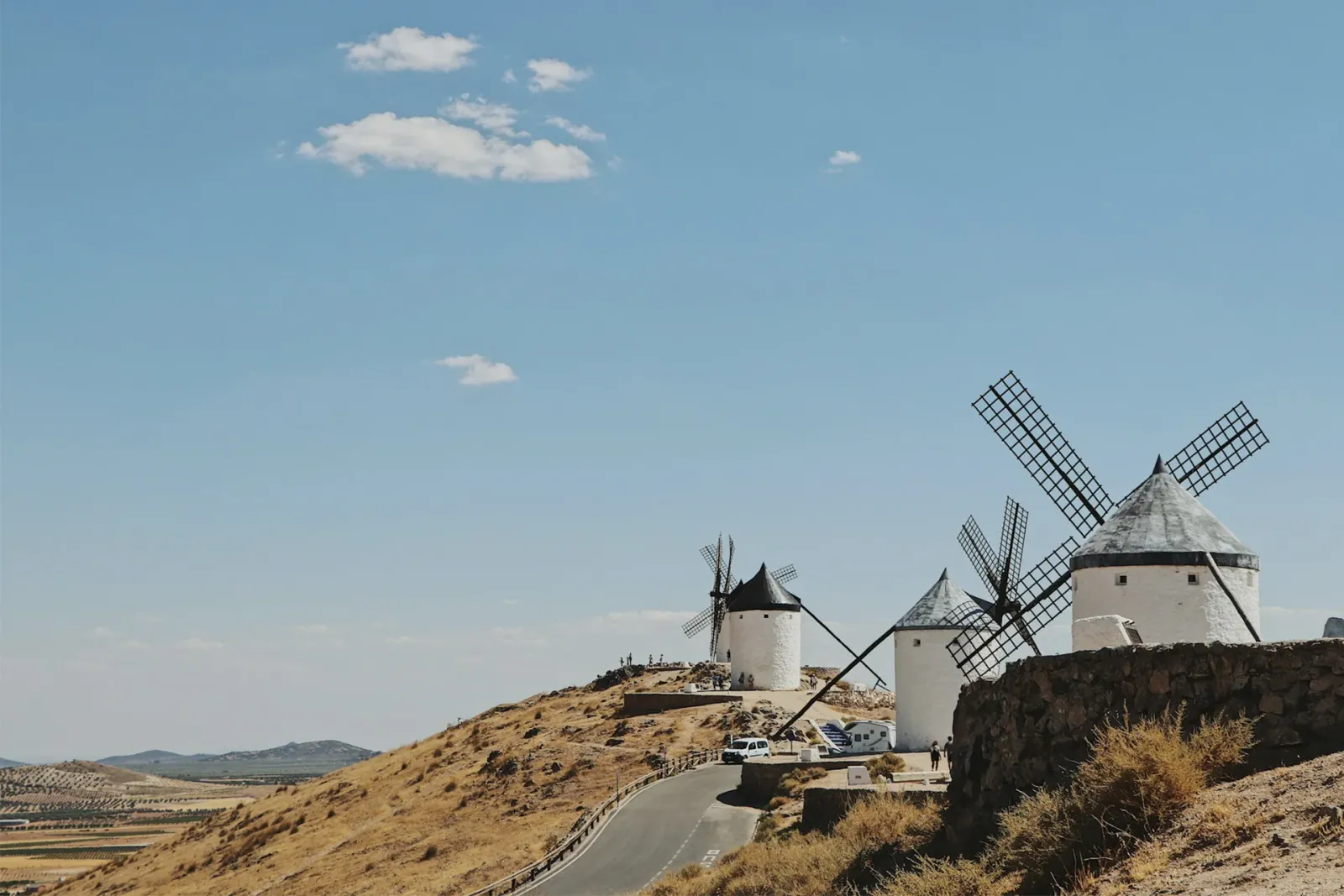
Once the land of Don Quixote, famed for its windmills and parched earth, La Mancha today is a powerhouse of modern wine production. It offers exceptional value, delivering reliable quality wines at prices that make Napa Valley seem extravagant. Covering 30,700 km², it spans parts of the provinces of Ciudad Real, Toledo, Cuenca, and Albacete within the autonomous community of Castile-La Mancha, just about 60 km from Madrid.
Beyond its vineyards, La Mancha boasts rich natural beauty, with numerous nature reserves and national parks such as Tablas de Daimiel and Cabañeros. Its heritage runs deep, with settlements dating back to the Neolithic period and a history shaped by Roman, Moorish, and Christian influences. Toledo, known as the ‘City of Three Cultures,’ and archaeological sites featuring ancient rock art highlight the region’s cultural significance.
Viticulture is the backbone of La Mancha’s economy, with over 22,000 growers and approximately 250 wineries cultivating vineyards across 182 municipalities. The region accounts for nearly half of Spain's vineyards and produces half of the country’s wine, underscoring its vital role in the Spanish wine industry.
Statistics: The "Amazon" of Wine
To understand La Mancha, you have to respect the scale. It is not a boutique operation; it is an industrial powerhouse transitioning into a quality leader. The region is responsible for producing all the wine that makes it the powerhouse of Spain, with a breadth and diversity of output unmatched elsewhere.
- Metric: Vineyard Area
- Value (Metric): ~155,000 ha
- Value (Imperial): ~383,000 acres
- Context: The DO alone is larger than all of Australia’s vineyards combined.
- Metric: Vineyard Elevation
- Value (Metric): 480 m – 700 m
- Value (Imperial): 1,575 ft – 2,296 ft
- Context: High plateau; crucial for cooling nights.
- Metric: Precipitation
- Value (Metric): 300 – 400 mm/yr
- Value (Imperial): 11.8 – 15.7 in/yr
- Context: Extremely dry; essentially desert viticulture.
- Metric: Growing Degree Days (GDD)
- Value (Metric): ~2,100 – 2,400
- Value (Imperial): Region IV/V (Winkler)
- Context: High heat accumulation guarantees ripeness every year.
- Metric: Number of Wineries
- Value (Metric): ~250+
- Value (Imperial): –
- Context: A mix of massive co-ops and boutique estates.
History of the Subregion
La Mancha’s history is a story of survival and scale. The Moors called it Al-Mansha (“The Parched Earth”), a branding that stuck because it’s accurate. Vines have been here since Roman times, but the modern era began after WWII, when cooperatives (co-ops) became the region's economic lifeblood. Wine production in La Mancha took off in the 1940s due to the establishment of cooperatives, which revolutionized the local wine industry. For 50 years, the strategy was simple: maximum yield, bulk sales, zero branding. La Mancha was part of the Roman Empire and later came under Muslim rule as part of Al-Andalus, reflecting its layered and diverse historical influences.
The shift happened in the 1990s and 2000s. A new generation of winemakers realized that “bulk” is a race to the bottom. Some influential winemakers, such as Carlos Falcó, studied at UC Davis in the 1960s and brought back advanced techniques that modernized irrigation and improved wine quality in Spain. They began investing in temperature-controlled fermentation, stainless steel, and oak aging. They moved from “farming for weight” to “farming for flavour.” Although the DO was formally established in 1932, its true renaissance is underway now. The diversity and evolution of wine production in the region are evident, with Mondejar wines standing out as an example of a subregion with a unique historical background and improving quality. It is the classic “legacy turnaround” story.
Environment and Sustainability
La Mancha is ground zero for climate change in Europe. Water scarcity is an existential threat, not a talking point. Drought is common in La Mancha due to its microclimate, which prevents moisture-bearing winds from crossing it, further exacerbating water management challenges. Mean annual rainfall in La Mancha is about 300–400 mm, making efficient water use and innovative farming practices critical to the region's survival.
- Organic Leadership: Castilla-La Mancha has nearly 63,000 hectares of organic vineyards. That is massive. The dry climate means fungal diseases are rare, so going organic is a low-cost, high-value strategic move. They are effectively the world’s largest supplier of organic wine.
- Water Management: With 300 mm of rain, irrigation is a luxury. Most old vines are dry-farmed (secano). They use low-density planting (Marco Real) to ensure each vine has enough soil volume to scavenge for water. Irrigation, however, is essential in many of La Mancha's subzones to help the vines thrive amid the harsh climate. This is "survival of the fittest" farming.
- The Future: Wineries like Verum are planting late-ripening, heat-resistant varieties to hedge against rising temperatures. The region is betting that its high altitude and old vines will allow it to outlast the heat better than lower-lying competitors.
- Vineyard hectares
- 155,000
- Wineries
- 250
- growing degree days
- 2100-2400
Discover Terroir
The southern part of the Meseta Central. It’s flat, vast, and exposed. Within the broader La Mancha area, Ribera del Júcar is a notable Denominación de Origen (DO) located along the Júcar River, recognized for its unique climate, soils, and red grape varieties. Other Ribera del regions, such as Ribera del Duero and Ribera del Guadiana, are also important Spanish wine appellations, each with distinct terroirs and historical significance.
Extreme Continental. This is “nine months of winter and three months of hell” (Spanish proverb). Summer temperatures routinely hit 45°C (113°F), while winters drop to -15°C (5°F). The key to quality here is the diurnal range: the altitude allows temperatures to drop at night, preserving acidity in an otherwise baking-hot region. The extreme continental climate in La Mancha also helps concentrate sugars in grapes, contributing to the intense flavours of its wines. La Mancha’s climate features hot, dry summers and cold winters, which contribute to intense grape flavour.
Reddish-brown sandy clay and limestone, poor in organic material but rich in lime and chalk. The limestone subsoil is the unsung hero; it retains moisture like a sponge in a region where rain is a myth. This chalky crust is what keeps the old bush vines alive. Many traditional vineyards here are planted as low bushes (Vaso or Gobelet) to help vines survive the region’s extreme climate. The region receives about 3,000 hours of sunlight per year, which contributes to the grapes' intense ripening. The land in La Mancha rises constantly from north to south, reaching altitudes of up to 700 m above sea level.
- Rain
 300-400 mm per year
- Altitude
 480–700 m
Discover
Overview of Grape Varieties
La Mancha is synonymous with Airén, the workhorse white grape once the most widely planted variety on Earth. But the smart money is moving elsewhere. Now, it is joined by varieties like Macabeo, Verdejo, Sauvignon Blanc, Chardonnay, Tempranillo, Grenache, Garnacha Tintorera, Bobal, Cabernet Sauvignon, Monastrell, Merlot, Syrah, and Petit Verdot. In recent years, international varieties have become increasingly important in La Mancha, contributing to the production of high-quality, structured wines and enhancing the region's diversity and global appeal.
- Grape Variety: Airén
- Color: White
- Origin: Native
- The “Galloway” Take: The Toyota Corolla of grapes. Reliable, ubiquitous, mostly boring, but it keeps the economy running.
- Grape Variety: Macabeo (Viura)
- Color: White
- Origin: Native
- The “Galloway” Take: The fresh alternative. Adds floral notes and acidity.
- Grape Variety: Verdejo
- Color: White
- Origin: Native
- The “Galloway” Take: The crowd-pleaser. Aromatic, crisp, stealing market share from Sauvignon Blanc.
- Grape Variety: Sauvignon Blanc
- Color: White
- Origin: Intl
- The “Galloway” Take: The expat. Thrives here surprisingly well due to early picking. Crisp, tropical.
- Grape Variety: Chardonnay
- Color: White
- Origin: Intl
- The “Galloway” Take: The CEO’s choice. Can be rich and oaky or lean and fresh depending on the winemaker.
- Grape Variety: Cencibel (Tempranillo)
- Color: Red
- Origin: Native
- The “Galloway” Take: The King. Local clone of Tempranillo adapted to drought. Thicker skin, more intense fruit than Rioja.
- Grape Variety: Garnacha
- Color: Red
- Origin: Native
- The “Galloway” Take: The comeback kid. Juicy, high alcohol, red fruit bomb.
- Grape Variety: Garnacha Tintorera
- Color: Red
- Origin: Native
- The “Galloway” Take: The bodybuilder. Red flesh (teinturier) adds massive colour and tannin.
- Grape Variety: Bobal
- Color: Red
- Origin: Native
- The “Galloway” Take: The rustic neighbour. Structured, earthy, often used for bulk, but has high-end potential.
- Grape Variety: Monastrell
- Color: Red
- Origin: Native
- The “Galloway” Take: The sun worshipper. Meaty, spicy, needs the heat.
- Grape Variety: Cabernet Sauvignon
- Color: Red
- Origin: Intl
- The “Galloway” Take: The global standard. Adds structure and ageability to blends.
- Grape Variety: Merlot
- Color: Red
- Origin: Intl
- The “Galloway” Take: The softener. Adds plushness to the rigid Cencibel.
- Grape Variety: Syrah
- Color: Red
- Origin: Intl
- The “Galloway” Take: The new star. Loves the heat. Produces chocolatey, spicy, massive wines here.
- Grape Variety: Petit Verdot
- Color: Red
- Origin: Intl
- The “Galloway” Take: The secret weapon. It actually ripens here (unlike in Bordeaux). Inky, spicy, violet notes.
The indigenous Tempranillo (Cencibel) and Airén grapes remain iconic to the region, showcasing its unique viticultural heritage. Airén is particularly known for producing light-bodied, crisp wines with fresh and fruity flavours, making it a versatile and enduring choice. Additionally, Manchego cheese, a renowned sheep's milk cheese, is another iconic product of the region, further underscoring its rich agricultural heritage.
The Wine Styles of La Mancha
The region is no longer a one-trick pony. It offers a portfolio approach, that ranges from Joven (young wines), to Roble, Crianza, Reserva, Gran Reserva (each with different levels of aging) and Espumoso (a refreshing sparkling wine). La Mancha has a reputation for producing high-quality Crianza, Reserva, and Gran Reserva wines that age well. Certain aging requirements also apply to naturally sweet white wines produced in the region, which are included among the various white wine styles.
- Style: Joven (Young)
- Description: No oak. Fresh, fruity, meant to be drunk now.
- Market Fit: The everyday table wine. High cash flow, quick turnover.
- Style: Roble / Tradicional
- Description: Short oak aging (< 6 months). Fruit-forward with a kiss of vanilla.
- Market Fit: The “entry-premium” sweet spot. Great value.
- Style: Crianza
- Description: Min 2 years aging (6 mo. in oak). Balanced, structured.
- Market Fit: The reliable dinner party guest. Competes with lower-end Rioja.
- Style: Reserva
- Description: Min 3 years aging (12 mo. in oak). Complex, leather, spice.
- Market Fit: The “affordable luxury” segment.
- Style: Gran Reserva
- Description: Min 5 years aging (18 mo. in oak). Developed oxidative notes.
- Market Fit: For the traditionalist. Rare but incredible value relative to quality.
- Style: Espumoso (Sparkling)
- Description: Made via the Traditional (Charmat) method. Mostly Airén/Macabeo.
- Market Fit: The budget bubbly. Disrupting the Prosecco/Cava lower tiers.
- Style: Naturally Sweet White Wines
- Description: Subject to specific aging requirements. Luscious, aromatic, and balanced sweetness.
- Market Fit: Appeals to dessert wine lovers and collectors.
Wine Production in La Mancha DO
If you want to understand the heart of Spanish wine, look no further than La Mancha DO. Situated in the sun-drenched expanse of Castilla La Mancha, it is the world’s largest continuous wine-producing region: a vast tapestry of vineyards spread across the high plateau of central Spain. Here, wine is more than an industry; it’s a way of life, deeply intertwined with the land and culture.
La Mancha DO showcases remarkable diversity. Winemakers produce everything from crisp whites and vibrant rosé wines to robust reds that age beautifully into gran reserva wines. Whether enjoying a fresh young wine or a complex reserva, you experience centuries of adaptation to the region’s natural conditions. The hot summers and cold winters of the southern meseta, combined with poor soils and a dry climate, create a challenging environment that gives La Mancha wines their distinctive character.
The grape varieties are as varied as the landscape. While Airén and Tempranillo remain local staples, international and French varieties like Cabernet Sauvignon, Sauvignon Blanc, Merlot, Syrah, and Petit Verdot have firmly taken root. Wineries such as Dominio de Valdepusa lead the charge, earning acclaim for their Petit Verdot and Cabernet Sauvignon bottlings among wine enthusiasts worldwide.
Modern winemaking thrives here. Many producers have embraced advanced techniques, from temperature-controlled fermentation to careful oak barrel aging, lifting the quality of their wines to compete globally. The Regulatory Council, based in Alcázar de San Juan, ensures every bottle bearing the La Mancha DO seal meets strict standards of authenticity and excellence.
The region’s wineries range from small family-run bodegas nestled among olive groves to expansive commercial estates exporting to South America and beyond. La Mancha wines are a staple in Madrid and central Spain, often paired with classic dishes like gazpacho and jamón ibérico.
But La Mancha is more than a wine region; it’s a destination. Its rolling vineyards, dotted with ancient windmills and framed by the Mediterranean coast and southern meseta, offer a landscape as rich and varied as its wines. For wine enthusiasts, it’s a place where tradition meets innovation on a grand scale. Whether drawn by high-quality wines, local grape heritage, or the chance to tread the same parched earth as Don Quixote, La Mancha DO promises an unforgettable journey.
Best Food Pairings
Forget the generic "cheese and crackers." La Mancha’s food is peasant food: hearty, caloric, and designed to fuel you through a 12-hour harvest day.
- Queso Manchego: Obviously. But go for the Curado (aged) version with a glass of Crianza. The salt and fat cut the tannin perfectly.
- Gazpacho Manchego: This isn't the cold tomato soup. It’s a game stew (rabbit, hare) served on flatbread. It demands a high-alcohol, rustic Garnacha or Cencibel.
- Pisto Manchego: The Spanish Ratatouille. Peppers, tomatoes, zucchini. Pairs brilliantly with a crisp Sauvignon Blanc or young Verdejo to cut the oil.
- Migas: Fried breadcrumbs with chorizo and bacon. A cholesterol bomb that needs a tannic red (Syrah or Cabernet Sauvignon) to scrub the palate.
- Roast Lamb (Cordero Asado): Simple, fatty, delicious. The ultimate match for an aged Reserva.
Wine Tourism: The Don Quixote Trail
Tourism here is underdeveloped, which is an opportunity. It’s authentic. You aren’t fighting bachelorette parties like in Napa.
The Ruta del Vino de La Mancha is the anchor product. Additionally, La Mancha is home to Spain’s oldest surviving theatre, the Corral de Comedias in Almagro, which adds a cultural dimension to the region’s appeal. Cuenca, famous for its unique ‘Hanging Houses’ built precariously on a cliffside, further enriches the region’s tourism potential with its architectural marvels. Toledo, known as the ‘City of Three Cultures’ and a UNESCO World Heritage site, also adds to the region’s rich cultural and historical allure. La Mancha is a major producer of saffron, a key ingredient in Spanish cuisine.
Nearby, Vinos de Madrid stands out as a prominent wine region known for its diverse vineyards, including indigenous white grapes like Malvar and Albillo, as well as ancient Garnacha vineyards. The region is recognized for producing quality wines and adds further significance to the broader Madrid wine landscape.
- Windmills of Campo de Criptana: These are the actual “giants” Cervantes wrote about. Visit at sunset. It’s Instagram gold.
- Tomelloso: The city of caves. Thousands of underground caves were historically dug to store wine. Visit the Museum of the Cart to see how the supply chain worked before trucks.
- The vibe: It’s dusty, hot, and quiet. You visit here to see the scale of agriculture and to eat incredible cheese at the source. The region also features World Heritage cities and a vibrant arts and crafts scene, making it a cultural treasure trove.
Best Wineries within the La Mancha DO
These are the firms moving the needle. They aren't just making wine; they are building brands.
Bodegas Verum (Tomelloso):
- The Pitch: The "Tesla" of the region.
- Why: They are obsessed with the future. The López Montero family focuses on organic farming and recovering ancestral varieties. Their Ulterior range uses grapes like Tinto Velasco, which are designed to withstand climate change. They are proving that La Mancha can be avant-garde.
Finca Antigua (Los Hinojosos):
- The Pitch: The "Single Estate" disrupted.
- Why: Owned by the Familia Martínez Bujanda (Rioja royalty), this is a 1,000-hectare playground located at high altitude (900m). It’s not a flat monoculture; it’s a biodiversity haven. They make stunning varietal wines (a 100% Syrah and a 100% Petit Verdot) that show what the terroir can actually do when you stop blending everything away.
Bodegas Campos Reales (El Provencio):
- The Pitch: The Cooperative that thinks like a Startup.
- Why: Founded in 1950, they manage 4,000 hectares. Their "Canforrales" brand is ubiquitous, but their top-tier "Pie Franco" wines (from ungrafted old vines) are legitimate heavy hitters. They prove that scale and quality are not mutually exclusive.
Mont Reaga (Monreal del Llano):
- The Pitch: The Boutique Experience.
- Why: This is a family project focused on "sentimiento." It feels more like a Bordeaux chateau than a La Mancha factory. Their focus is on elegance and lengthy aging potential. Excellent Cabernet Sauvignon blends.
Pago de La Jaraba (Villarrobledo):
- The Pitch: The Full Stack Integrator.
- Why: They do it all on one estate: Wine, Cheese, and Olive Oil. It’s a historic site with Roman roots. Their business model is vertical integration of the Manchego diet. The wines (Azagador, Pago de La Jaraba) are powerful and concentrated, offering insane value.


Are you interested in collaborating with us?
Get started