Uclés DO

Uclés DO

39°58′50″ N

LATITUDE

2°51′46″ W

LONGITUDE

0

APPELATIONS

about this subregion

If Rioja is Spain’s blue-chip wine stock, Uclés is the quietly profitable small-cap that hasn’t hit CNBC yet. High-altitude vineyards, old bush vines, a carbon-footprint obsession and a tiny number of wineries all pulling in the same direction make this a very different Castilla-La Mancha from the bulk-wine cliché.

This guide walks through Uclés DO using hard numbers, terroir and grapes, defined wine styles, food pairings and the key producers you actually need to know. Showing how a small, focused DO can behave more like a craft brand than a commodity region.

Overview of the Region

Uclés DO sits in the northwest of the province of Cuenca and the northeast of the province of Toledo, straddling both sides of the Sierra de Altomira in Castilla-La Mancha. It’s a compact enclave of roughly 1,700 hectares of vineyards in a much broader agricultural landscape, with the monasterio-fortress of Uclés dominating the skyline and signalling the link between history and vines.

Unlike the vast La Mancha plains, Uclés is higher, cooler and more broken. Vineyards climb from around 500 metres up to roughly 1,000–1,200 metres, split into western (500–800 m) and eastern (600–1,200 m) sectors by the Sierra de Altomira, with altitude and big day–night swings preserving acidity and slowing ripening.

The DO is tiny in corporate terms: a handful of wineries and several hundred growers farm those 1,700 hectares, with annual production in the low single-digit millions of litres. That tight scale allows the Consejo Regulador and member bodegas to move fast on sustainability, branding and quality controls.

Key Statistics of this Castile La Mancha DO

Uclés is best understood as a warm but elevated region with a pronounced continental climate and meaningful water stress. The core metrics:

  • Metric: Vineyard area
    • Value / Range: ~1,700 ha
    • Notes: Total vineyard surface within the Uclés DO.
  • Metric: Number of wineries
    • Value / Range: ~4–5 bodegas
    • Notes: Includes Fontana, Finca La Estacada, Bodega Soledad, and others.
  • Metric: Altitude – western sector
    • Value / Range: 500–800 m (1,640–2,625 ft)
    • Notes: Slightly milder exposure.
  • Metric: Altitude – eastern sector
    • Value / Range: 600–1,200 m (1,970–3,940 ft)
    • Notes: Cooler nights, more extreme continental feel.
  • Metric: Precipitation
    • Value / Range: 450–500 mm/year (18–20 in), generally < 500 mm
    • Notes: Very low rainfall in August–September.
  • Metric: Growing Degree Days (GDD)
    • Value / Range: ~3,000–3,300 °F (≈1,670–1,830 °C), base 10 °C
    • Notes: Roughly Winkler Region III: warm but moderated by elevation.

On paper, that makes Uclés a warm, dry, high-plateau region with a classic continental climate; in the glass, elevation and soils push it closer to a tension-driven inland Rioja or Ribera than to classic La Mancha bulk wine.

History of the Uclés DO Subregion

The vineyards are old; the appellation is young. Uclés DO broke away from the La Mancha macro-denomination in the early 2000s, when a group of bodegas pushed for recognition of a distinct terroir and higher-quality profile, with EU and Spanish approval following in the mid-2000s. The tradition of viticulture in the area dates back to Roman times, highlighting the region's deep historical roots and long-standing cultural significance in winemaking.

Initially, the DO covered only red wines, banking on mature Cencibel vines and traditional bush-vine viticulture, and later expanded its pliego de condiciones to include whites, rosés, and quality sparkling wines.

The plot twist came from sustainability: Uclés positioned itself early as a testbed for low-impact viticulture and winery operations, becoming the first Spanish DO to measure the carbon footprint of all its bodegas and to drive the adoption of demanding environmental certifications. That decision, to make “green” part of the core brand, now differentiates Uclés more than any single grape.

Environment and Sustainability Practices

Here’s where Uclés punches well above its weight: sustainability is effectively the region’s second brand and shared operating system.

  • Carbon Footprint Pioneers: Uclés was the first DO in Spain to measure the carbon footprint of all its bodegas and keep that verification active.
  • Climate-Protection Seals: several wineries (Fontana, Finca La Estacada, Bodega Soledad) hold certifications that audit carbon, water, waste, and energy.
  • Organic and Regenerative Practices: Fontana farms are fully organic, using cover crops and biodiversity corridors; other estates compost grape residues and local manure to rebuild soils.
  • Water and Soil Focus: DO-level technical conferences tackle water efficiency, soil health and climate adaptation, turning Uclés into a testbed for dryland viticulture under climate stress.
  • Annual Sustainability Conferences: recurring technical days at the Monasterio de Uclés bring in experts in viticulture, energy, and the circular economy to work directly with growers and winemakers.

The strategic bet is clear: Uclés competes less on volume and more on value and verification, turning environmental performance into both a risk management and a brand equity driver.

Associations

vinerra illustration
1700

Vineyard Hectares

5

WINERIES

1670–1830 GDD

GROWING DEGREE DAYS

Discover Terroir

Uclés sits north of La Mancha, east of Vinos de Madrid and south of Mondéjar, on both flanks of the Sierra de Altomira. The region is nestled between the Júcar and Cabriel river valleys, which shape its unique geography and microclimate. This ridge physically and thermally divides the appellation, creating a western sector (500–800 m) with slightly milder exposure and an eastern/higher sector (600–1,200 m) with cooler nights and a more extreme continental feel.

The climate is strongly continental: long, hot, dry summers and cold winters. But the elevation shaves off peak heat and extends the ripening window. Summer days are hot while nights fall sharply, preserving acidity and aromatics, and scarce rainfall, especially late in the season, keeps yields in check and flavours concentrated. Moist Levant winds from the Mediterranean coast also influence the local climate, bringing additional humidity that impacts vine growth and grape development.

Soils are predominantly fine-textured, calcareous loams from clay-loam to sandy-loam, deep and well-drained, but moderated by low rainfall. High potassium supports balanced ripening and structure, and elevated strontium content is often cited as a marker of Uclés and a contributor to its mineral edge. The soils are mostly sandy, deep, and generally not very fertile, with good drainage and adequate oxygen availability for the vines' root systems, which supports the production of high-quality grapes.

Discover

The Grape Varieties of Uclés DO

Red grapes are central to the identity of the Uclés DO, with a focus on both traditional and international varieties that define the region’s red wine styles.

The current rule book authorizes a broad palette of grapes, like Garnacha Tinta, Cabernet Sauvignon, or Merlot, but Tempranillo still sits in the CEO chair. This mix lets growers balance tradition, climate risk and market taste.

  • Grape: Tempranillo (Cencibel)
    • Colour: Red
    • Origin (Broadly): Spain (Ebro / La Mancha)
    • Role in Uclés DO: Backbone of most reds; old bush vines, from juicy jóvenes to structured reservas.
  • Grape: Garnacha Tinta
    • Colour: Red
    • Origin (Broadly): Spain (Aragón)
    • Role in Uclés DO: Adds red fruit and lift; often in blends to soften structure.
  • Grape: Cabernet Sauvignon
    • Colour: Red
    • Origin (Broadly): France (Bordeaux)
    • Role in Uclés DO: Structure, cassis, ageing potential; key in more “international” blends.
  • Grape: Merlot
    • Colour: Red
    • Origin (Broadly): France (Bordeaux)
    • Role in Uclés DO: Mid-palate flesh, soft tannins in blends with Tempranillo/Cabernet.
  • Grape: Syrah
    • Colour: Red
    • Origin (Broadly): France (Rhône)
    • Role in Uclés DO: Dark fruit, spice; performs well in warm, high-altitude parcels.
  • Grape: Cabernet Franc
    • Colour: Red
    • Origin (Broadly): France (Loire/Bordeaux)
    • Role in Uclés DO: Adds floral notes and freshness in blends.
  • Grape: Mazuela (Cariñena)
    • Colour: Red
    • Origin (Broadly): Spain (Aragón)
    • Role in Uclés DO: High acidity and colour; blending component for structure.
  • Grape: Malbec
    • Colour: Red
    • Origin (Broadly): France (Cahors)
    • Role in Uclés DO: Colour and plum fruit in small percentages.
  • Grape: Petit Verdot
    • Colour: Red
    • Origin (Broadly): France (Bordeaux)
    • Role in Uclés DO: Tannin and inky depth in top cuvées.
  • Grape: Tinto Velasco
    • Colour: Red
    • Origin (Broadly): Spain (La Mancha)
    • Role in Uclés DO: Historic local variety; minority role, some revival potential.
  • Grape: Graciano
    • Colour: Red
    • Origin (Broadly): Spain (Rioja/Navarra)
    • Role in Uclés DO: Perfume and acidity in high-quality blends.
  • Grape: Touriga Nacional
    • Colour: Red
    • Origin (Broadly): Portugal (Dão/Douro)
    • Role in Uclés DO: Floral, dense; used sparingly for complexity.
  • Grape: Pinot Noir
    • Colour: Red
    • Origin (Broadly): France (Burgundy)
    • Role in Uclés DO: Authorized as a minor or experimental variety, it brings finesse and red fruit character to blends or varietal wines.
  • Grape: Verdejo
    • Colour: White
    • Origin (Broadly): Spain (Rueda)
    • Role in Uclés DO: Citrus, fennel; crisp, modern whites.
  • Grape: Sauvignon Blanc
    • Colour: White
    • Origin (Broadly): France (Loire/Bordeaux)
    • Role in Uclés DO: Aromatic, high-acid varietals and blends.
  • Grape: Chardonnay
    • Colour: White
    • Origin (Broadly): France (Burgundy)
    • Role in Uclés DO: Barrel-fermented/aged whites; texture and oak integration.
  • Grape: Macabeo (Viura)
    • Colour: White
    • Origin (Broadly): Spain (Ebro)
    • Role in Uclés DO: Versatile base for still and sparkling whites.
  • Grape: Moscatel de Grano Menudo
    • Colour: White
    • Origin (Broadly): Mediterranean
    • Role in Uclés DO: Muscat aromatics for semi-sweet or aromatic dry whites.
  • Grape: Airén
    • Colour: White
    • Origin (Broadly): Spain (La Mancha)
    • Role in Uclés DO: High-yielding local; minor role in blends, sometimes sparkling base.
  • Grape: Viognier
    • Colour: White
    • Origin (Broadly): France (Rhône)
    • Role in Uclés DO: Stone-fruit, textured whites; used by innovative producers.
  • Grape: Albariño
    • Colour: White
    • Origin (Broadly): Spain (Galicia)
    • Role in Uclés DO: High-acid Atlantic variety being trialled in a continental site.

This matrix gives Uclés unusual flexibility: it can play the “modern Iberian” card (Tempranillo–Syrah–Cabernet) or lean into fresher, aromatic whites (Verdejo, Sauvignon Blanc, Albariño) as climate and markets evolve.

Vines in Uclés are traditionally planted as low bushes (en vaso) to cope with the region’s extreme climate, though newer vineyards may use trellises, especially where irrigation is available.

The Wine Styles of Uclés DO

The DO authorizes reds, whites, rosés and quality sparkling wines (white and rosé), with classic Spanish ageing categories and clear definitions for barrel-fermented and aged whites. In practice, red wine is the primary style produced in Uclés DO, with varieties such as Cencibel (Tempranillo), Garnacha Tinta, Cabernet Sauvignon, Merlot, and Syrah showcasing the region's capability to produce a range of red wine styles. Reds still dominate, but the framework leaves room for premium whites and serious sparkling.

  • Style: Tinto Joven
    • Colour(s): Red
    • Key Grapes (Typical): Tempranillo ± Garnacha/Syrah
    • Elevage / Ageing: Short maceration; little/no oak.
    • Typical Profile: Juicy red/black fruit, medium body, fresh acidity; everyday drinkers.
  • Style: Tinto con Crianza / Reserva
    • Colour(s): Red
    • Key Grapes (Typical): Tempranillo–Cabernet–Syrah–Merlot blends
    • Elevage / Ageing: Extended ageing in oak plus bottle.
    • Typical Profile: Dark fruit, spice, firm tannins, structured; built for meat and cellaring.
  • Style: Blanco Joven
    • Colour(s): White
    • Key Grapes (Typical): Verdejo, Sauvignon Blanc, Macabeo
    • Elevage / Ageing: Stainless, cool ferment.
    • Typical Profile: Citrus, herbaceous, crisp, medium-light body.
  • Style: Blanco Fermentado en Barrica / Envejecido
    • Colour(s): White
    • Key Grapes (Typical): Chardonnay, sometimes blends
    • Elevage / Ageing: Fermented and/or aged in oak.
    • Typical Profile: Creamier texture, toast/vanilla, stone fruit, more gastronomic.
  • Style: Rosado
    • Colour(s): Rosé
    • Key Grapes (Typical): Tempranillo, Garnacha, Syrah
    • Elevage / Ageing: Short skin contact; cool ferment.
    • Typical Profile: From pale salmon to deeper pink; red berries, floral, fresh and dry.
  • Style: Espumoso Blanco de Calidad
    • Colour(s): White sparkling
    • Key Grapes (Typical): Macabeo, Verdejo, Chardonnay, others
    • Elevage / Ageing: Traditional or Charmat; higher pressure.
    • Typical Profile: Fine mousse, citrus and orchard fruit, medium acidity, dry to off-dry.
  • Style: Espumoso Rosado de Calidad
    • Colour(s): Rosé sparkling
    • Key Grapes (Typical): Red varieties (Tempranillo, Garnacha, etc.)
    • Elevage / Ageing: Same as above.
    • Typical Profile: Strawberry, raspberry, lively acidity; festive, fruit-forward style.

Unlike the bulk wines from the Meseta Central that are often sold in supermarkets in plastic jugs, Uclés DO wines are positioned for higher quality and are typically sold through specialized retailers and restaurants, reflecting the region's focus on quality improvements and premium positioning in the market.

For a buyer or list-builder, the play is obvious: use jóvenes and rosados as high-value glass pours, then ladder up to reservas and barrel whites as margin-rich, story-driven listings.

Best Food Pairings for Uclés DO Wines

Think of Uclés as “Castilla-La Mancha turned up a notch”: local dishes, but the wines have more lift, so pairings can be pushed harder.

  • Tinto joven (Tempranillo-driven): grilled lamb chops, chorizo and everyday tapas; fresh fruit and moderate tannin keep them versatile.
  • Structured reds (crianza/reserva blends): roasted suckling lamb, game stews, rabo de toro or aged Manchego, with altitude-driven acidity preventing heaviness.
  • Blanco joven (Verdejo/Sauvignon): fried calamari, boquerones, gazpacho manchego and goat cheese salads, where cut and citrus help the dish.
  • Barrel-fermented Chardonnay / complex whites: roast chicken, creamy rice dishes, bacalao al pil-pil or mushroom-heavy plates.
  • Rosado: paella, charcuterie, tomato-driven dishes and summer salads. The “don’t overthink it” wine of the DO.
  • Espumosos: jamón ibérico, croquetas, tempura and salty snacks; bubbles and acidity act as natural fat killers.

The Through-Line: Uclés wines are structurally serious but not overbuilt, fitting the “everyday luxury” slot, real-food wines rather than tasting-room trophies.

Wine Tourism

If Rioja is a long weekend, Uclés is a high-ROI day trip from Madrid: lower friction, fewer buses, more monastery. The offer is compact but rich.

  • Ruta del Vino de Uclés: a developing wine route linking wineries, heritage sites and food stops across more than twenty municipalities, designed as a coherent visitor experience.
  • Monasterio de Uclés: the “Escorial of La Mancha”, with guided visits and events, often paired with tastings and dinners that blend heritage storytelling and DO branding. Visitors must book guided tours in advance to visit the Monastery of Uclés.
  • Mixed cultural–wine itineraries: Segóbriga’s Roman archaeological park, located about 11 km from Uclés, contains well-preserved Roman ruins and can be combined with visits to the monastery and one or more Uclés wineries, plus a Manchego lunch, creating a narrative from Rome to modern sustainable viticulture.
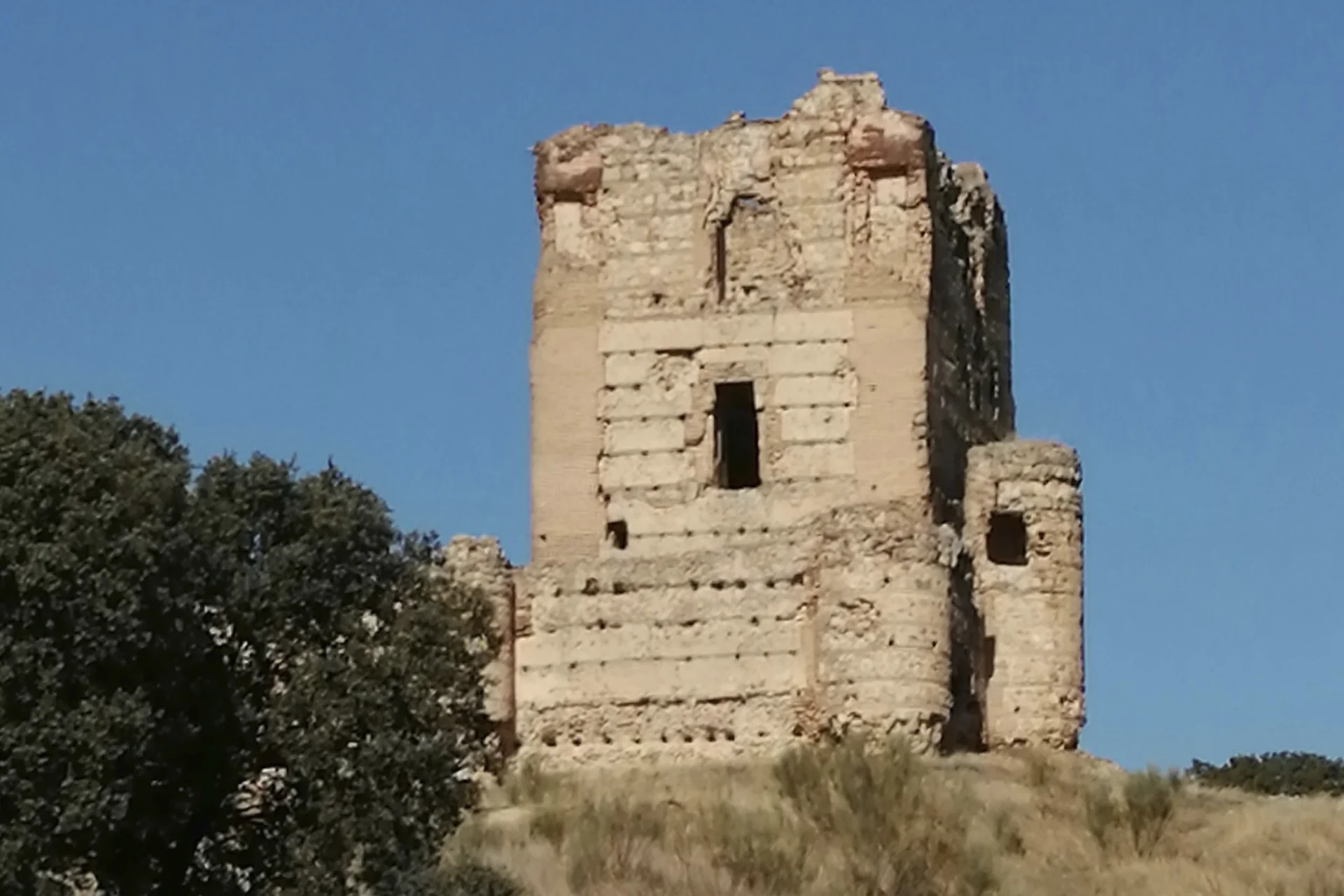
  • The remains of a 12th-century Muslim fortress, including towers like Pontido and Palomar, can be explored in Uclés, adding another layer of historical intrigue to the region.
  • Ease of access: Finca La Estacada sits roughly an hour from central Madrid by car, making Uclés one of the closest high-altitude DOs to the capital for a full enotourism experience. The growth of Madrid has increased tourism in the region. It is also influencing the local wine market, with vineyards around the city benefiting from greater visibility and visitor numbers.

The strategy favours higher-value, story-rich visits over mass flows. A logical fit for a DO that can’t and shouldn’t chase volume. While the local market has traditionally been the main focus for Uclés wines, the rise in tourism, especially from Madrid, has helped expand their reach to new audiences.

In addition, the region is full of history:

  • The Monastery of Uclés showcases Renaissance/Herreran architectural styles with a grand cloister and Churrigueresque doorway, further emphasizing its historical and artistic significance.
    • Construction of the Monastery of Uclés spanned from the 16th to the 18th centuries, reflecting its evolving architectural styles over time.
    • The Monastery of Uclés was built over the site of an old Arab fortress, further emphasizing the region’s deep historical roots.
  • The Battle of Uclés in 1108 resulted in a defeat for Christian forces and the death of Sancho Alfónsez, marking a significant event in the region’s turbulent history.

Nearby Wine Regions

Uclés DO is just one gem in the broader Castilla-La Mancha wine region, which is surrounded by a tapestry of celebrated Spanish wine areas.

  • To the north, the Ribera del Duero region stands out for its robust, high-quality red wines crafted primarily from Tempranillo grapes, offering deep colour, structure, and age-worthiness.
  • Just west of Uclés, the Vinos de Madrid wine region (Madrid DO) is gaining recognition for its dynamic range of red, white, and rosé wines made from grape varieties like Tempranillo, Cabernet Sauvignon, and Merlot.

These wines often showcase the influence of both continental and Mediterranean climates, resulting in well-defined aromas and a satisfyingly dry finish.

Within Castilla-La Mancha itself, the vast La Mancha region is home to a variety of subzones, each with its own character.

  • Notably, the Dominio de Valdepusa, located near the Sierra de Altomira, is renowned for its high-altitude Tempranillo and innovative use of French varieties such as Syrah and Chardonnay.
  • The unique climate and soils shaped by the Sierra de Altomira create ideal conditions for growing both local and international grape varieties, allowing wineries to produce some of the region's best wines.

Exploring these neighbouring regions offers wine lovers the chance to discover a spectrum of styles: from the bold reds of Ribera del Duero to the fresh, aromatic whites and rosés of Vinos de Madrid and La Mancha.

Whether you’re sampling a structured Cabernet Sauvignon, a vibrant Syrah, or a classic Tempranillo, the diversity of grape varieties and winemaking approaches ensures there’s something to satisfy every palate. With a mix of historic estates and innovative wineries, the area surrounding Uclés is a true playground for anyone eager to experience the full breadth of Spanish wine culture.

Best Wineries within Uclés DO

Within Uclés, many wineries are driving the region’s wine quality forward. Among the producers you should know are Bodegas y Viñedos Fontana, Finca La Estancada, and Bodegas Uclés.

Bodegas y Viñedos Fontana

Based in Fuente de Pedro Naharro, Fontana is effectively the anchor tenant of the DO: hundreds of hectares under its control, all farmed organically at altitudes of 700–900 metres. It was instrumental in creating Uclés DO and remains its most visible international player, from unoaked Tempranillo like Mesta to single-vineyard Quinta de Quercus.

Fontana combines modern, clean, terroir-driven reds with a strong sustainability stance, including organic certification and climate-protection seals. An almost textbook case of how to align brand, viticulture and DO positioning. The team at Fontana has also drawn on advanced viticultural research from institutions such as UC Davis to inform their approach to grape growing and winemaking.

Finca La Estacada

La Estacada is a full enotourism complex in Tarancón: winery, 4-star hotel, spa with vinotherapy, restaurant and on-site vineyards, making it one of the DO’s consumer-facing powerhouses. The monastery also houses art by Francisco Rizi and hosts cultural and musical events, further enriching the visitor experience. The southern facade of the Monastery of Uclés was designed by Pedro de Ribera, showcasing the architectural talent of its era. The historic fountain ‘Fuente de los Cinco Caños,’ built in the 16th century and renovated in 1905, adds another layer of cultural heritage to the area.

Its portfolio runs from approachable varietals to barrel-fermented whites and more ambitious reds, and it has been an early adopter of non-traditional whites like Viognier, while using rooms, spa and events to diversify revenue beyond bottle margins.

Bodegas Uclés / Bodega Soledad

Bodega Soledad, a large cooperative in Fuente de Pedro Naharro, is a core DO member and sustainability flag-bearer, with thousands of hectares under its growers and key volume for the appellation. Uclés itself was strategically significant during the Reconquista and became the central headquarters for the Order of Santiago, a historical connection that adds depth to the region's identity. Uclés changed hands multiple times between Muslim and Christian forces during its history, reflecting its strategic importance in the region.

It shows how cooperative models can sit at the centre of serious sustainability programmes, not just private estates, and often stands in broader narratives as the collective “Bodegas Uclés” standard-bearer.

arrow-back-to-top