

Ribera del Duero is one of the most exciting wine regions in northern Spain. It stretches across the high plateau of Castilla y León, following the Duero River through the provinces of Valladolid, Burgos, Soria, and a small part of Segovia. This combination of high altitude, continental climate, and sedimentary soils gives Ribera del Duero wines a unique terroir and a very distinctive profile.
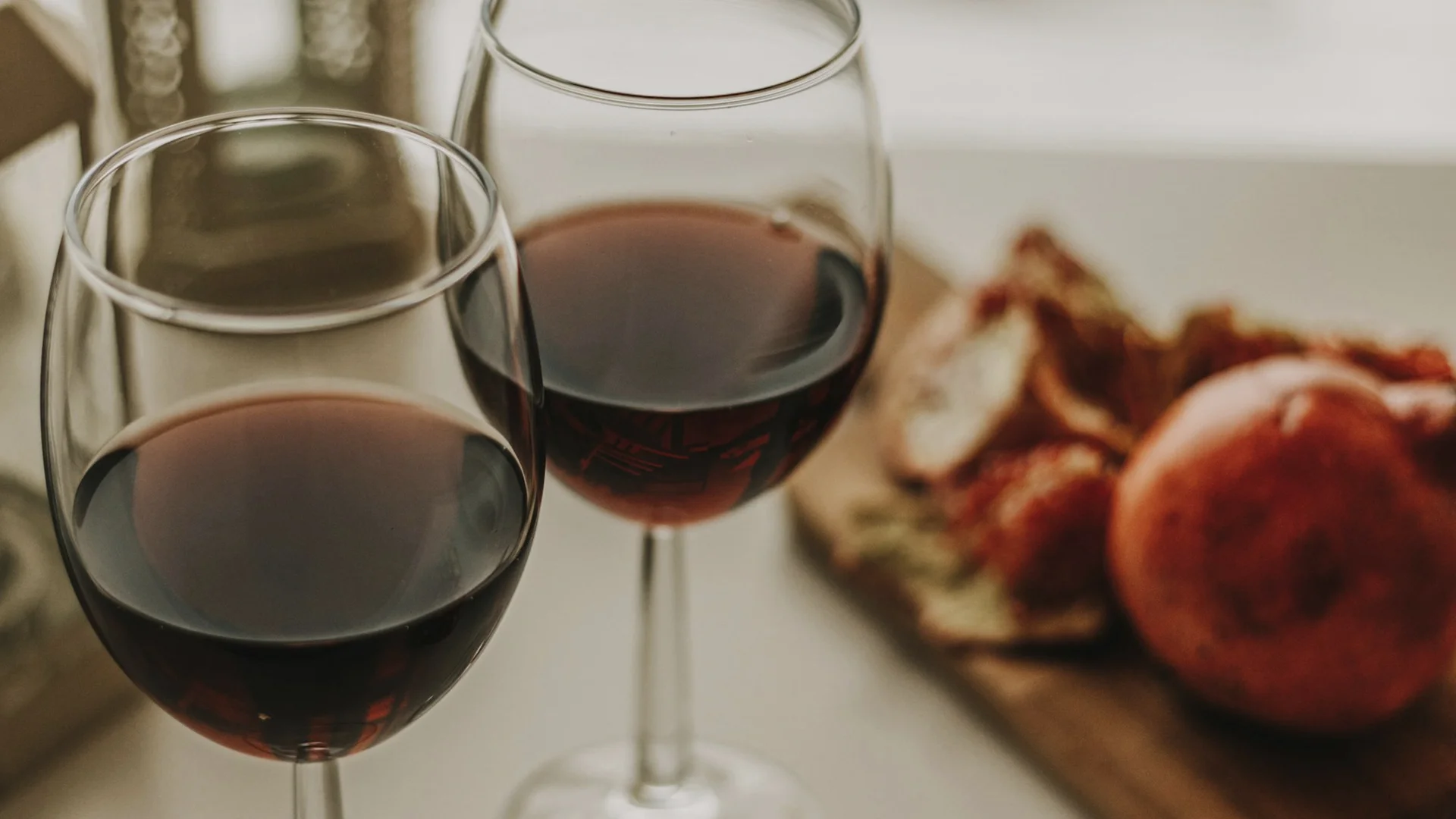
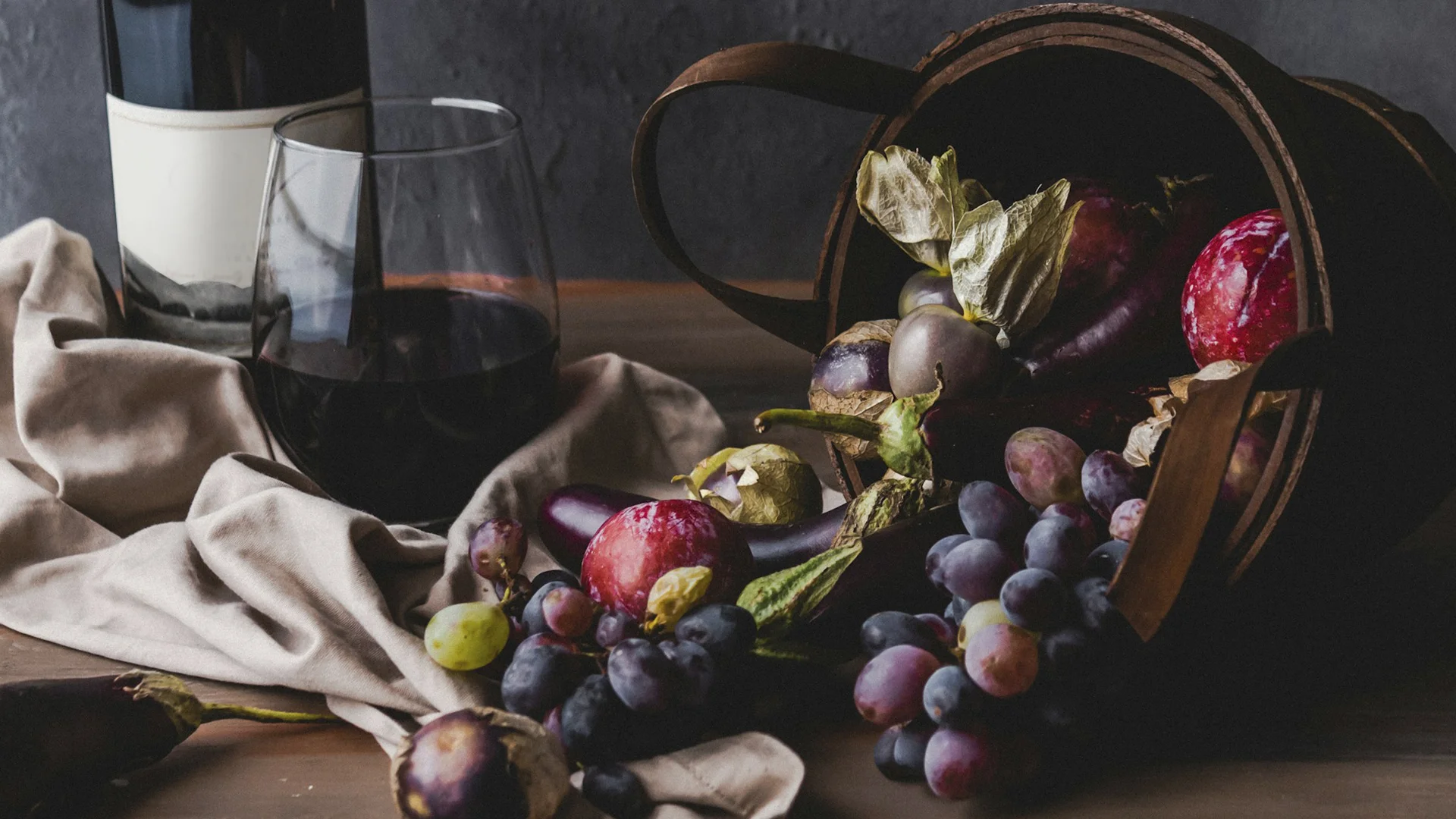
The region is best known for powerful red wines based on the Tempranillo grape, locally called Tinto Fino or Tinta del País. Approximately 95 percent of the vineyards are planted with Tempranillo, which is well-suited to the short growing season here because it buds and ripens early and has thick skins that handle the hot dry summers. These conditions produce deeply colored, full bodied wines with firm tannins and medium to high acidity, often showing black fruit, cassis, plum, red berries, vanilla, spice, leather, and tobacco.
Ribera del Duero is also home to some of Spain’s most legendary producers. Vega Sicilia, founded in 1864, is widely considered Spain’s most iconic winery and is known for long-aged wines like Único and Valbuena 5, which are benchmarks for structure, intensity, and exceptional aging potential. Dominio de Pingus, created by Danish winemaker Peter Sisseck in 1995, produces one of the region’s most expensive and acclaimed wines. Alongside these, Tinto Pesquera, founded by Alejandro Fernández and often called the “King of Tempranillo,” and Bodegas Protos, founded in 1927 in Peñafiel, helped put the region on the international map in the 1980s.
Ribera del Duero wines are primarily made from Tempranillo, known locally as Tinto Fino or Tinta del País. This regional clone of Tempranillo has adapted to the harsh climate, yielding more concentrated and tannic wines than Tempranillo from many other Spanish wine regions. The propagation method of mass selection has traditionally been employed, enriching clonal diversity in old plots and reinforcing the link between vines and their soils.
By regulation, Ribera del Duero wines are classified based on aging requirements, including Crianza, Reserva, and Gran Reserva, which indicate the duration of aging in oak barrels and bottle. Tempranillo must usually constitute at least 75 percent of the blend, and regulations allow for up to 25 percent of Cabernet Sauvignon, Merlot, or Malbec, and no more than 5 percent of Garnacha Tinta or Albillo. In practice, many top wines are 100 percent Tinto Fino, while others use small amounts of international varieties to add structure, depth, or aromatic lift.
Ribera del Duero wines are celebrated for their complexity and depth and often require careful aging to develop their sensory profile fully. Crianza, Reserva, and Gran Reserva wines, in particular, benefit the most from additional time in bottle to integrate tannins, oak, and fruit.
The classification system in Ribera del Duero is similar to that of other Spanish wine regions, but the specifics of aging are strictly defined:
These categories help consumers understand the level of maturity and style of each bottle and are a key tool when navigating Ribera del Duero wines.
Ribera del Duero wines are known for their bold, complex profiles, often showcasing dark fruit flavors and a robust structure with well-integrated tannins. The majority of wines are full bodied, deeply colored red wines with firm tannins and medium to high acidity.
The aromatic profile of Ribera del Duero wines is layered and multifaceted, evolving with age.

Some of the most typical aromas include:
These wines often move through three aromatic layers as they age:
On the palate, Ribera del Duero wines usually show intense fruit, firm but fine tannins, and lively acidity, giving a long, persistent finish. The bold structure and depth make them excellent candidates for aging in the bottle. Some of the primary flavors are black currant, cherry, rosemary of thyme. After them, you might feel more complex notes of chocolate, coffee, nutmeg or anise. Finally, in well aged wines, Ribera del Duero wines can showcase notes of mushroom, nuts and raisins.

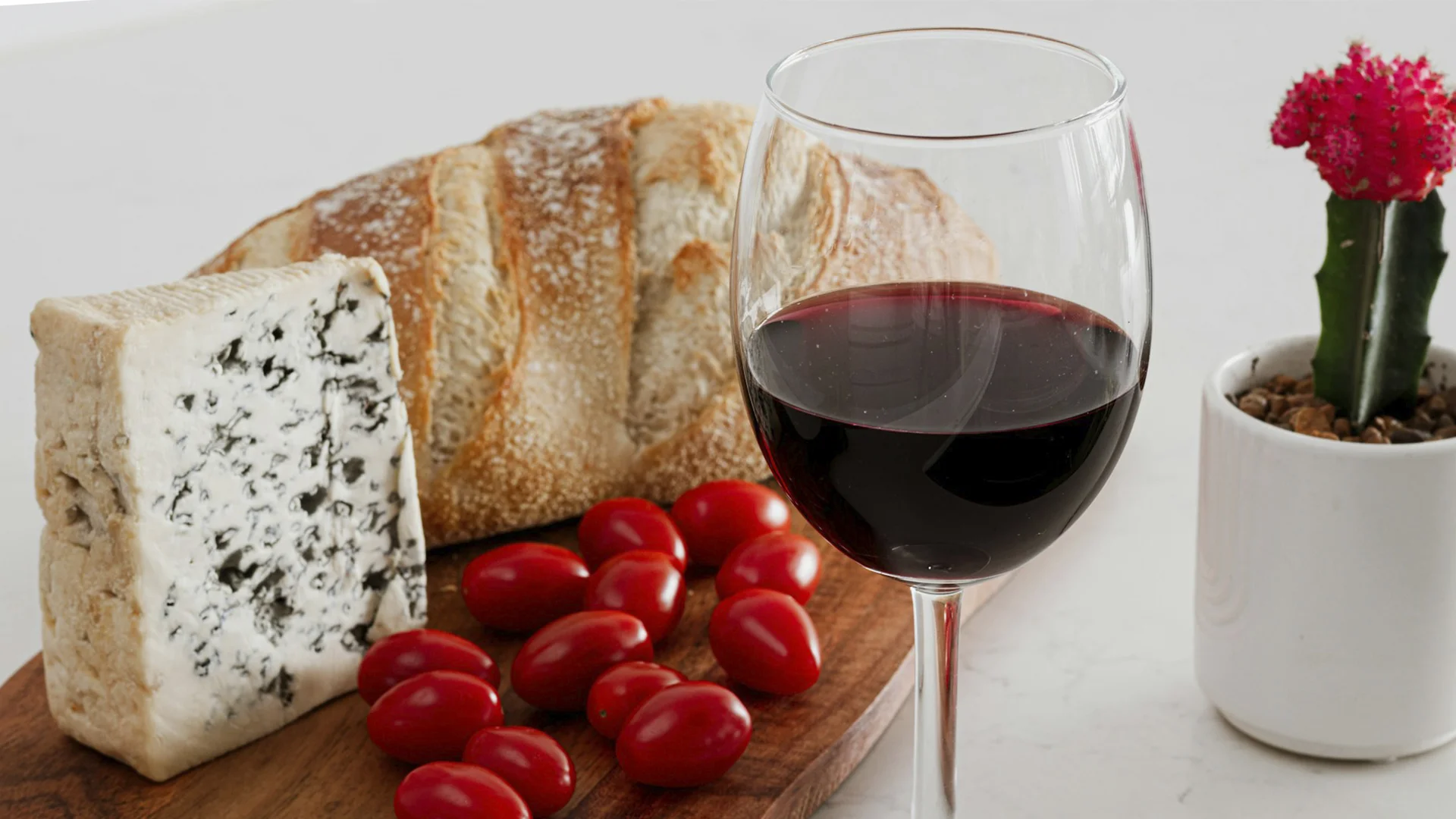
Ribera del Duero wines, known for their bold flavours and rich complexity, pair wonderfully with a variety of dishes. Their high tannin content and robust structure make them ideal companions for hearty and flavorful foods. Here are some recommended pairings:

Ribera del Duero has unique climatic conditions and diverse terroirs that contribute greatly to its wines’ unique characteristics. Below, we explore the main areas where Ribera del Duero wine is produced and how the climate impacts the wine’s profile.

The unique terroir of each sub-region contributes to the distinctive characteristics of the wines produced there.
The meticulous classification system based on age requirements for key grape varieties and the long tradition of winemaking contributes to the increasing popularity of Ribera del Duero wines. The region’s rich history of winemaking highlights its cultural and economic importance, further elevating the status of Ribero del Duero wines.
The Ribera del Duero region’s continental climate significantly shapes its wines’ characteristics. The region experiences hot summers and cold winters, with great temperature differences between day and night. These dramatic variations are beneficial for grape development, promoting a slow, steady ripening process that preserves acidity and concentrates flavours. The low annual rainfall, combined with high altitudes (750 to 850 meters), stresses the vines, leading to deeper root systems that allow the vines to extract more nutrients from the soil. This stress results in grapes with thick skins and intense flavours, contributing to the bold structure and great complexity of the wines.
The combination of these climatic factors ensures that Ribera del Duero wines are robust, well-balanced, and capable of aging gracefully. The unique terroir of Ribera del Duero, combined with the climatic conditions, contributes to the distinctive characteristics of the wines.
Ribera del Duero wines are known for their robust flavours and aging potential. Proper serving and storage are essential to appreciate these wines fully. Here are some tips to ensure you enjoy them at their best.
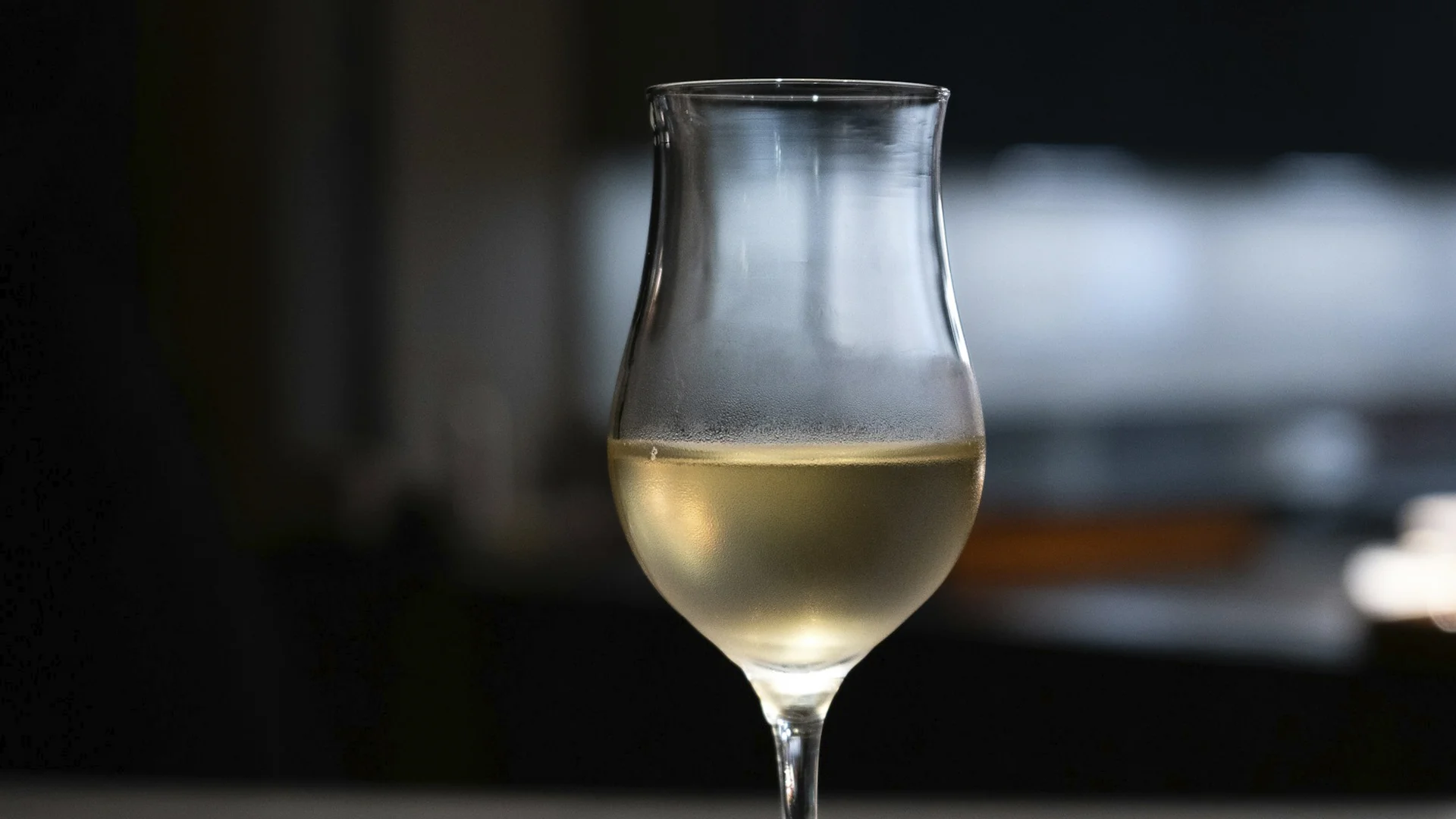
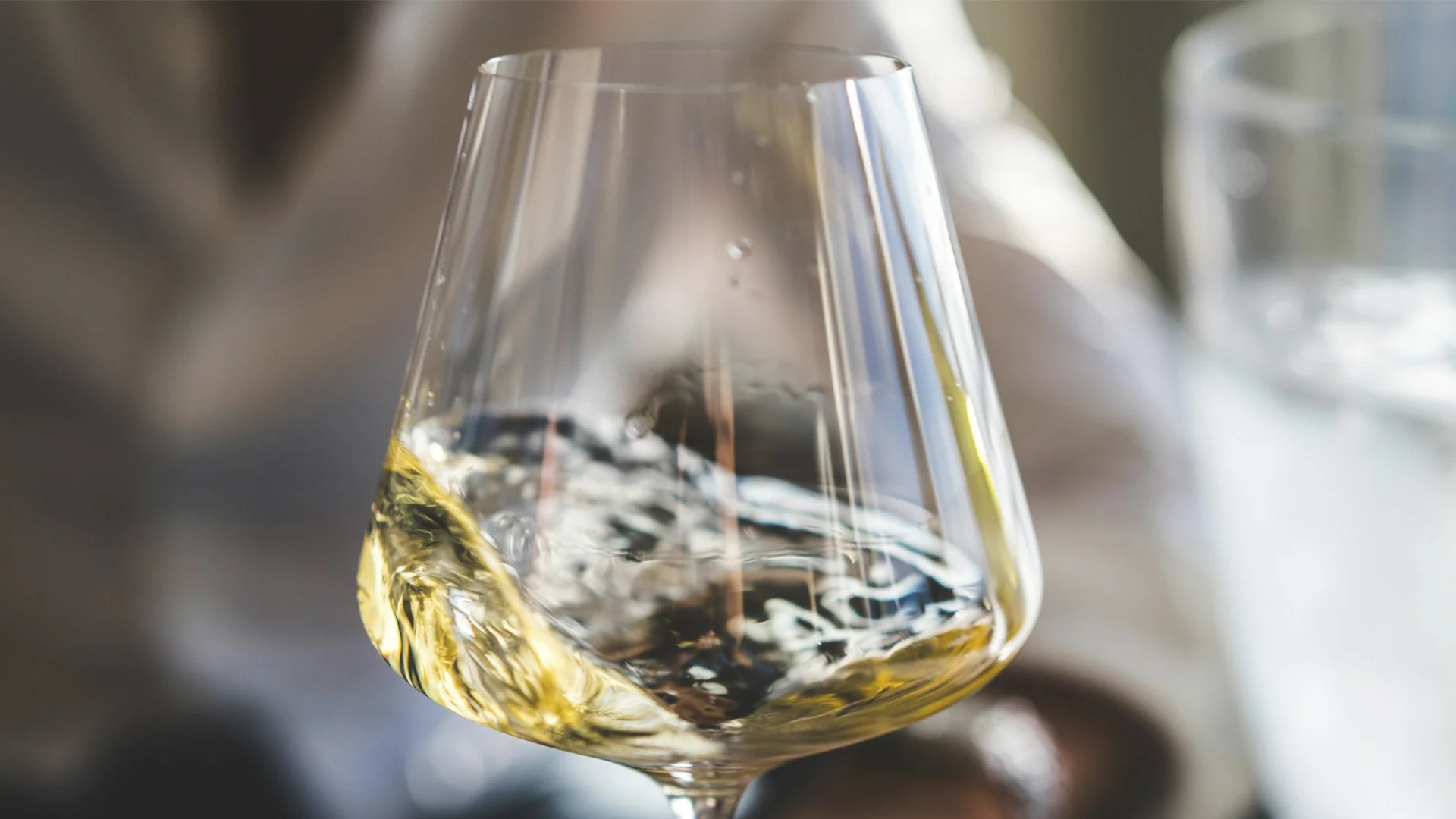
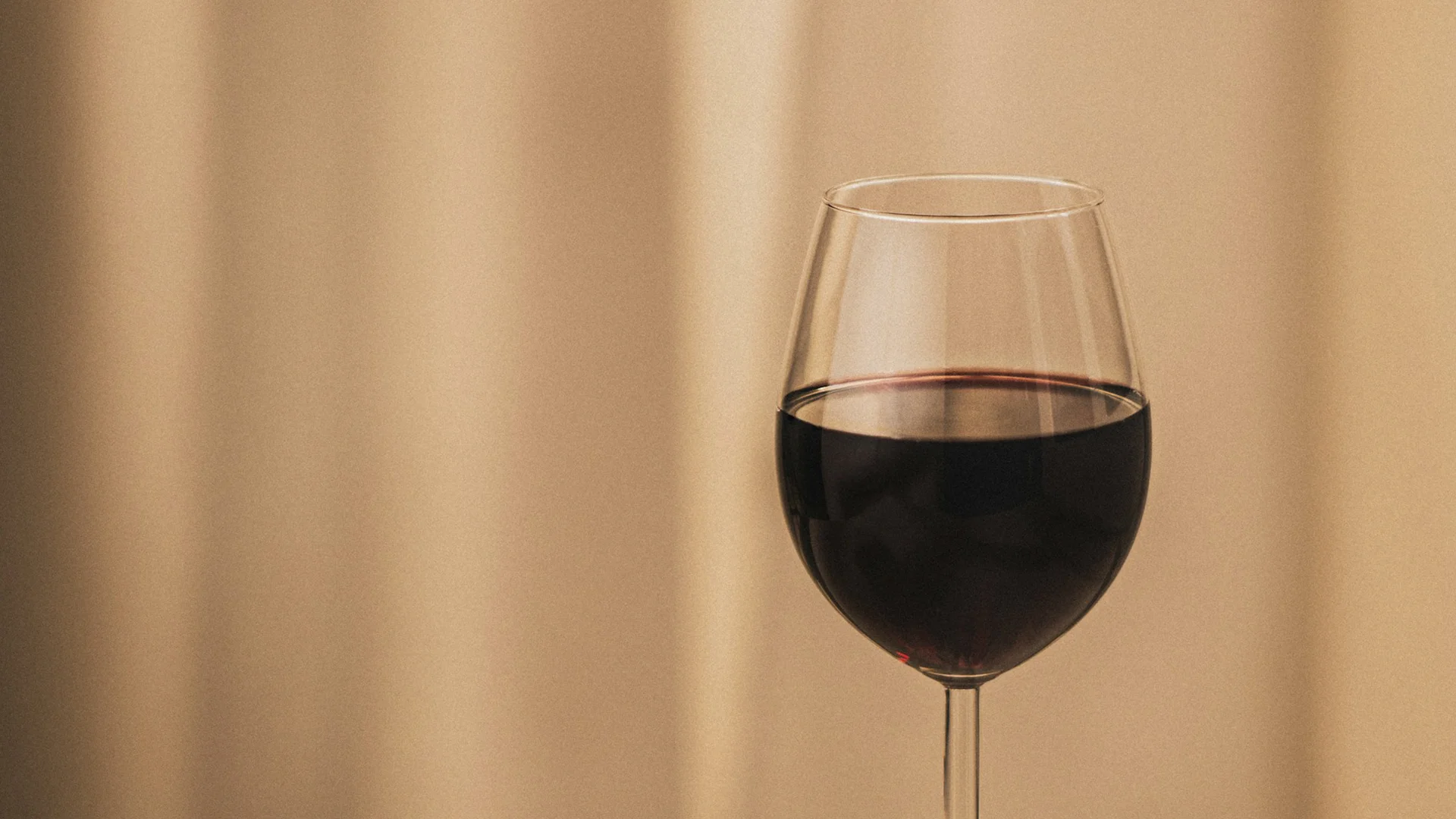
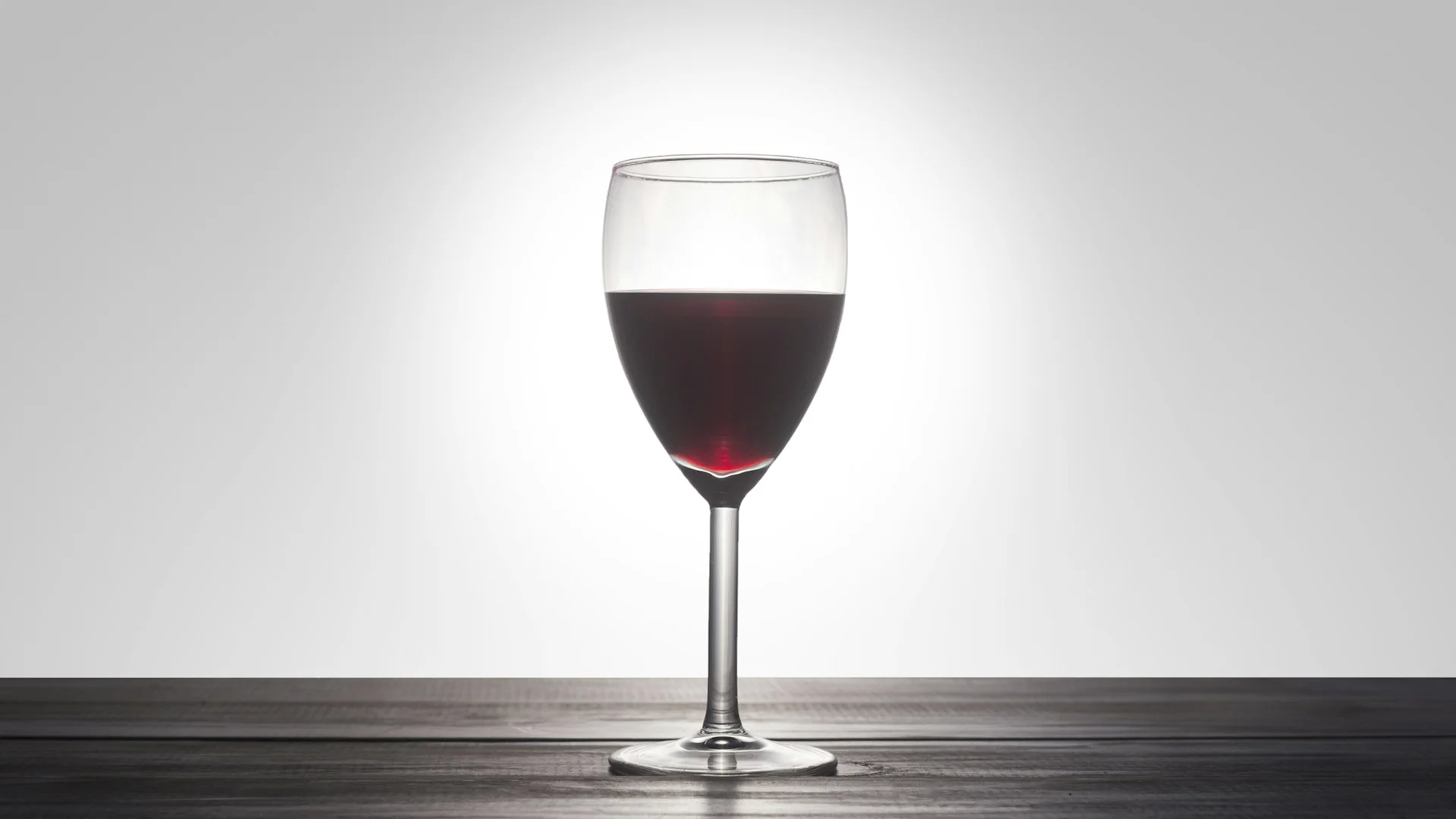
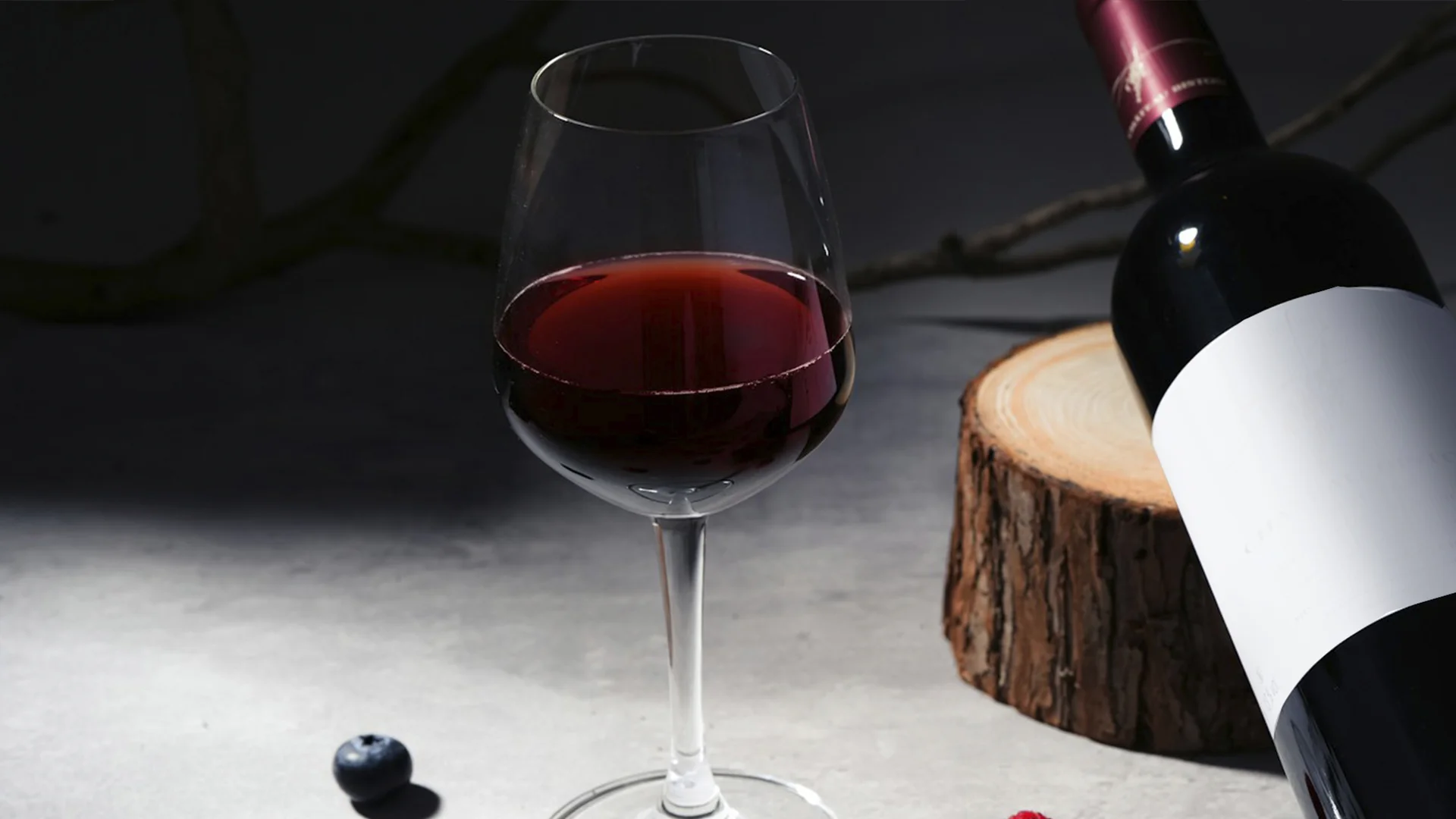
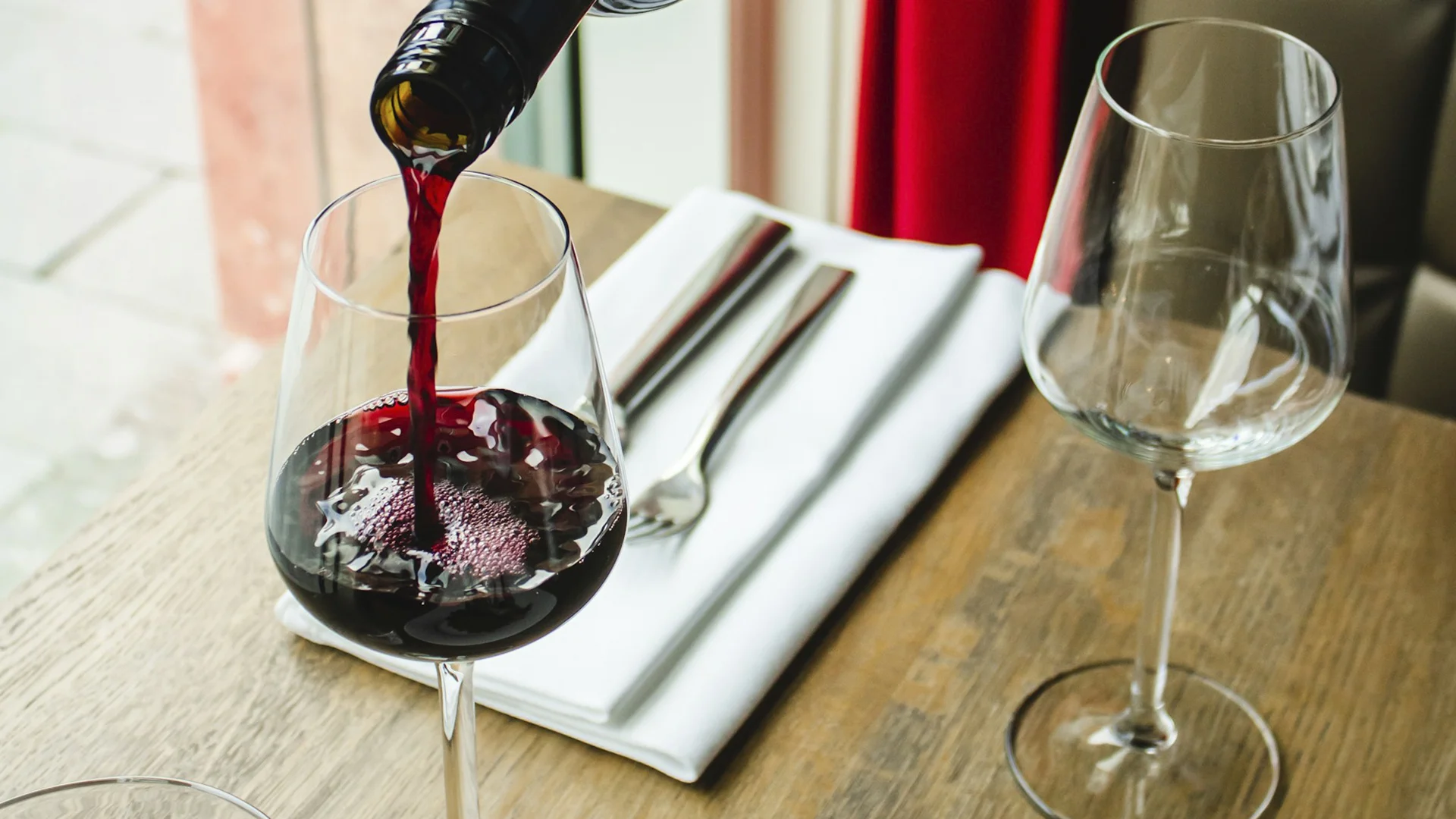
Use a large, wide-bowled glass to allow the wine to aerate and capture its complex aromas. This type of glass is ideal for highlighting the rich bouquet and full-bodied nature of Ribera del Duero wines. The unique terroir of Ribera del Duero enhances the wine's complex aromas when served in the appropriate glassware.

Aging Potential: Reserva and Gran Reserva wines benefit the most from aging. These wines have the potential to develop more complex flavours over time. Monitor the aging process by regularly checking storage conditions and occasionally tasting if you have multiple bottles.
Following these tips will help you get the most out of your Ribera del Duero wines, ensuring that each bottle delivers its full array of flavours and aromas.
Ribera del Duero and Rioja are two of the most renowned wine regions in Spain. Each produces distinctive and celebrated wines. Understanding their similarities and differences can help wine enthusiasts appreciate each region's unique qualities.
By understanding these similarities and differences, wine lovers can better appreciate the unique qualities and expressions of Ribera del Duero and Rioja wines.
Ribera del Duero wine stands out in the world of Spanish wines for its bold character and exceptional quality. The unique combination of the region's extreme continental climate, high-altitude vineyards, and diverse soils creates a perfect environment for producing powerful and complex wines. The dominant use of the Tempranillo grape, locally known as Tinto Fino, results in wines that are rich in dark fruit flavours and have a robust structure with well-integrated tannins.
But what truly sets Ribera del Duero apart is its meticulous approach to winemaking, blending traditional techniques with modern innovations. The region's preference for French oak adds distinctive notes of mocha, smoke, and spice, enhancing the wine's complexity. Ribera del Duero's wines are versatile, offering a range from vibrant, fruit-forward young wines to sophisticated, age-worthy Gran Reservas.
Whether you are a seasoned wine enthusiast or new to Spanish wines, Ribera del Duero offers a unique and rewarding experience. Its wines are a testament to the region's dedication to quality and tradition, making every bottle a true expression of Spain's rich viticultural heritage.











.webp)

.webp)
.webp)
.webp)






.webp)


Are you interested in
collaborating with us?
Copyright © 2024 Vinerra Corp.


