
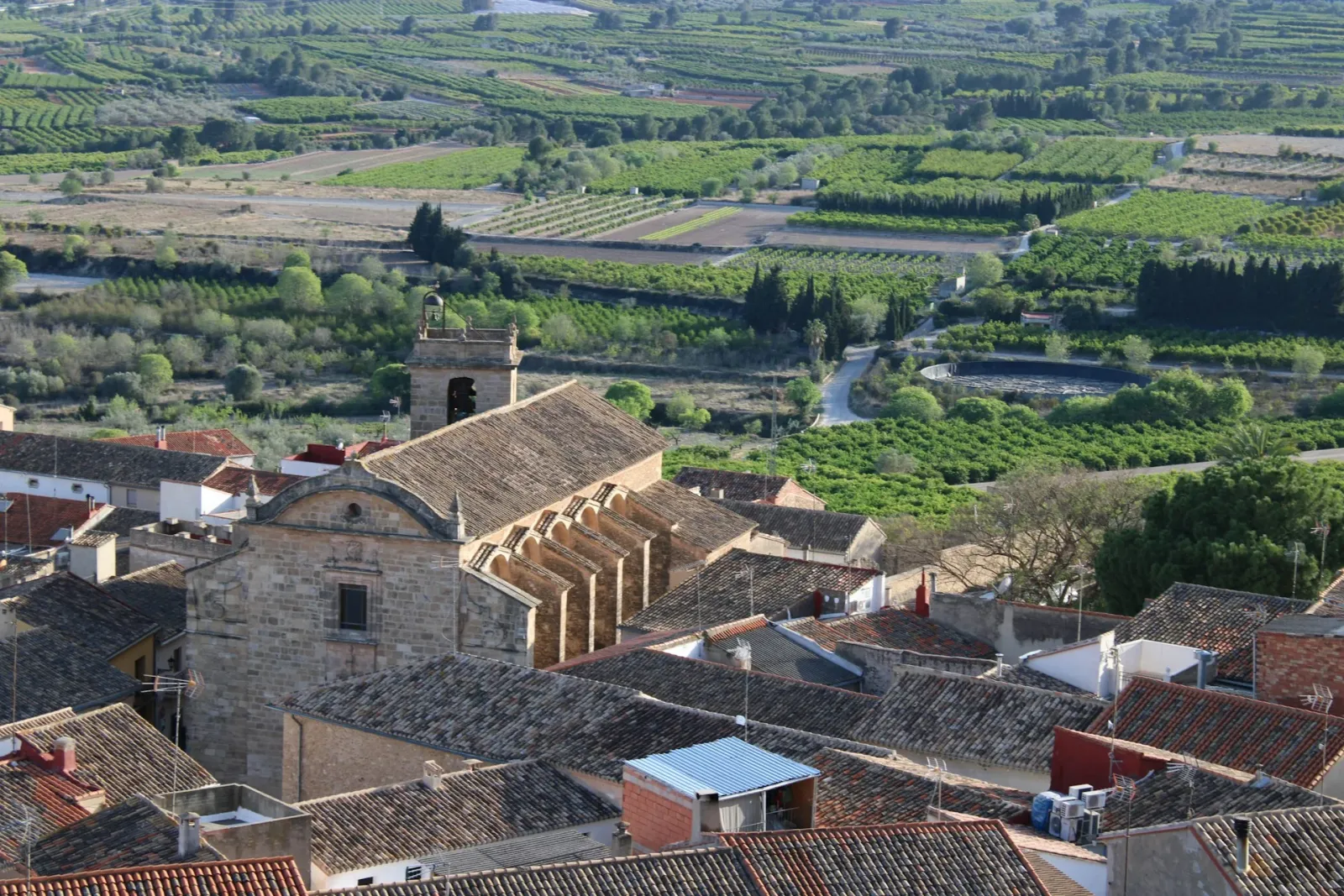
Mondéjar DO
- Latitude
- 40°20′00″ N
- Longitude
- 3°07′00″ W
- Appellations
- 0
Tucked away in the southeast corner of Guadalajara province, Mondéjar DO is the scrappy underdog of Spanish wine regions: small in size, often overlooked, yet quietly exceeding expectations. Mondéjar is a Denominación de Origen Protegida (DOP) nestled within the province of Guadalajara in Castile-La Mancha, part of the world’s largest continuous wine-producing area. While regions like Rioja steal the spotlight and Ribera del Duero commands premium prices, Mondéjar operates like a lean startup: focused, efficient, and delivering exceptional value that will make you rethink where you spend your wine budget.
Currently, Mondéjar exports to ten countries and boasts international gold medals. Traditionally, its wines catered primarily to the local market, but now they’re stepping onto the global stage. Think of Mondéjar as the nimble 10-person startup hitting $10 million in revenue: small scale, but packed with strategic savvy, unique terroir, and a relentless commitment to quality that impresses even the most discerning wine enthusiasts. Get ready to dive into why Mondéjar might be Spain’s most interesting and intriguing hidden gem in the wine world.
This in-depth guide covers everything you need to know about Mondéjar DO, including its unique terroir, climate, grape varieties, wine styles, history, key wineries, and its growing reputation within the Castilla-La Mancha wine region. Whether you're a wine enthusiast or an industry professional, this guide offers valuable insights into why Mondéjar is an emerging star in Spain's wine landscape.
Overview of the Region
Mondéjar sits in a prime spot, bordered by La Mancha DO to the south and Vinos de Madrid DO to the west: caught between two wine giants, it must carve out its own identity. Spanning 19 municipalities along the Tajo and Tajuña river valleys, its key towns are Mondéjar and Sacedón.
This region is a patchwork of 300 independent vine growers tending vineyards aged 20–50 years, creating a decentralized network rather than a single large estate. Mondéjar is one of several DOs within Castilla-La Mancha, alongside La Mancha, Valdepeñas, Almansa, Manchuela, Méntrida, Ribera del Júcar, and Uclés. Each has its own character: Almansa’s harsh climate yields high-quality oak-aged Monastrell wines; Méntrida is known for powerful yet balanced reds from Tempranillo and old Grenache vines; Ribera del Júcar, one of the youngest DOs, offers lighter reds at attractive prices; and Valdepeñas, nestled within La Mancha, is famed for producing superior wines. Castilla-La Mancha’s diverse terroir supports a wide range of both international and indigenous grape varieties, highlighting the region’s rich viticultural potential.
- Vineyard Area – 3,000 hectares – 7,413 acres
- Number of Wineries – 2 – 2
- Altitude – 798–800 meters – 2,618–2,625 feet
- Average Annual Rainfall – 500 mm – 19.7 inches
- Average Annual Temperature – 18°C – 64.4°F
- Vine Growers – 300+ independent
Though located in the heart of the Iberian Peninsula, Mondéjar enjoys a Mediterranean climate thanks to easterly winds and its altitude near 800 meters above sea level. Summers soar to 40°C (104°F), winters dip to -8°C (18°F), and frost can linger into April. This wide temperature swing challenges the vines, fostering complexity and character in the wines. Castilla-La Mancha’s harsh climate, with scorching summers and freezing winters, makes irrigation vital, shaping the region’s distinct viticulture. The most planted grape here is Airén, the world’s most widely grown variety. The broader Castilla-La Mancha region experiences extreme temperatures, from lows of 10°F in winter to highs of 113°F in summer, underscoring the resilience required to thrive in this “parched earth.” La Mancha’s reddish-brown calcareous soils rich in lime and chalk further enhance the terroir’s quality.
The History of Mondéjar DO
The region’s wine story begins with Philip II’s Topographic Relations (1575–1577), which recognized Mondéjar’s vineyards as valuable assets. Far from hobbyist efforts, these vineyards were strategically documented for the Spanish empire’s wealth. For centuries, Mondéjar served as a bulk wine supplier along the vital Madrid–Valencia trade route, with exports reaching the Philippines and South America. Medieval monks first planted vines here, laying the foundation for enduring winemaking traditions shaped by Spain’s complex history.
In 1997, Mondéjar elevated from Vinos de la Tierra to full DO status, marking a major quality milestone. This shift demanded stricter standards across a fragmented grower network, akin to a startup earning crucial industry certifications. Drawing on international expertise, including training at UC Davis, local winemakers embraced modern viticulture to raise their game.
Today, Mondéjar’s wine scene is dominated by two key players: Bodegas Mariscal, a century-old producer turned export leader, and Cooperativa Santa María Magdalena, which unites hundreds of small growers to deliver consistent quality. Despite structural challenges, this duo thrives by carving out unique strengths.
Recent years have seen a quality revolution, with a focus on premium labels and refined practices that have brought Mondéjar wines increasing recognition both at home and abroad.
Environment and Sustainability
Mondéjar’s sustainability is driven by necessity, not trend. With just 500 mm of annual rainfall and nutrient-poor soils, growers rely on dry farming. Manual harvesting minimizes fossil fuel use, while interplanting wheat and olives preserves soil health. This approach supports a quality-driven viticulture revolution. The region also offers hiking trails and picnic spots, enriching its appeal beyond wine. Local festivals like saints' days and harvest celebrations add cultural vibrancy.
Low vine density and hand harvesting reduce soil compaction and erosion. Water scarcity naturally limits vineyard expansion, avoiding the overplanting mistakes seen in La Mancha. Traditional goblet pruning requires minimal infrastructure, further lowering environmental impact.
- Vineyard hectares
- 3,000
- Wineries
- 2
- growing degree days
- 2,500–3,200 GDD
Discover Terroir
Mondéjar DO sits in the south-eastern corner of Guadalajara province, in Castilla-La Mancha, roughly an hour east of Madrid and straddling the valleys of the Tajo and Tajuña rivers. Vineyards spread across low rolling hills around the town of Mondéjar at about 800 meters altitude, giving the zone a classic Castilian plateau feel with long horizons and sparse vegetation. Many vineyards are traditionally planted as low bushes (Vaso or Gobelet) to better withstand the region's dry, extreme climate. Mondéjar is bordered by the Vinos de Madrid DOP to the west and the La Mancha DOP to the south, highlighting its strategic position within Spain’s wine geography.
The region has a temperate-continental Mediterranean climate: hot, dry summers frequently touching 40°C, cold winters that can fall below freezing, and a wide day-night temperature swing in the growing season. Annual rainfall hovers around 500 mm, mostly in spring and autumn, so vines are effectively dry-farmed, forcing roots deep into the subsoil and concentrating ripeness, tannin, and flavour.
Red and rich in potassium, while other areas have dark, sandy soils that are poor in nitrogen and magnesium. This diversity in soil composition contributes to the unique characteristics of the wines produced in the region.
- Rain
 500 mm per year
- Altitude
 798–800 m
Discover
Grape Varieties
Mondéjar DO boasts an extensive roster of approved grape varieties, reflecting both local heritage and international ambition.
- Reds feature Tempranillo (Cencibel), Cabernet Sauvignon, Syrah, Garnacha Tinta, Merlot, Jaén Tinto, and Malbec as permitted red grapes, with Malbec playing a growing role in regional blends and gaining significance in the area.
- For the whites, the white grape varieties include Malvar, Macabeo, Torrontés, Moscatel de Grano Menudo, Sauvignon Blanc, Verdejo, and Chardonnay.
- These white grapes are valued for their unique characteristics and aromatic qualities, with Chardonnay recognized as an authorized variety well-suited for producing quality white wines in the region.
- 50% of the vines in Mondéjar are over 25 years old and produce an average of 5–6 kg per vine, emphasizing quality over quantity.
Key Grapes for Mondéjar Wines
- Tempranillo – Red – Indigenous – The backbone of Mondéjar reds, delivering structure with flavours of cherry and tobacco – Comprises 95% of red varieties
- Malvar – White – Indigenous – The workhorse white grape, known for its floral and citrus notes with a distinctive saline finish – Makes up 80% of white varieties
- Cabernet Sauvignon – Red – International – Adds tannic backbone and rich cassis flavours, enhancing structure – Grown in smaller quantities
- Syrah – Red – International – Brings spice, pepper, dark fruit, and deep colour intensity – Present in limited amounts
- Garnacha Tinta – Red – Indigenous – Primarily used in rosado wines, contributing fruitiness and alcohol content – Cultivated in limited quantities
- Sauvignon Blanc – White – International – Provides aromatic lift and helps wines compete in the market – Grown in limited quantities
- Torrontés – White – Indigenous – Offers aromatic floral, peach, and grapefruit notes – Cultivated in small amounts
- Macabeo – White – Indigenous – Adds acidity and green apple flavours, often used in blends – Grown in limited quantities
This is strategic concentration in action: dominant Tempranillo ensures operational consistency and brand recognition, while minority international varieties enable market experimentation without cannibalizing core product.
Wine Styles
The Mondéjar DO produces tinto, blanco, and rosado wines, but production economics favour reds.
- Mondéjar wines are generally thick and rustic, produced from grape varieties such as Cencibel, Cabernet Sauvignon, Viura, Malvasia, and Torrontés, with notable improvements in quality driven by new investments and changing winemaking practices.
- A typical Crianza retails for €5–11, positioning Mondéjar as the value-tier disruptor, delivering Rioja-equivalent quality at bulk-wine price points. This pricing strategy captures price-sensitive segments while building brand equity.
- The region's white wine, often made from Airén and Torrontés, is known for its aromatic profile and refreshing qualities, making it suitable for a variety of cuisines.
- In recent years, the region has seen significant advancements in winemaking, leading to improved quality and greater recognition.
Main Wine Styles of Mondéjar
- Joven – No aging- Fruit-forward, primary aromas, immediate consumption
- Crianza – 24 months of aging– 12 months in oak – Balanced fruit-wood integration, 5–10 year aging
- Reserva – 36 months of aging– 12 months in oak – Complex tertiary: tobacco, leather, truffle
Best Food Pairings
Mondéjar’s wines are built for the table: generous fruit, firm but food-friendly tannins, and a savoury edge that flatters everything from rustic tapas to serious roasts, making the DO a quiet overachiever for pairings that span local Manchego classics and more global, contemporary dishes.
- Tempranillo Joven with Morcilla de Burgos: the wine's bright acidity cuts through the blood sausage's richness like a well-placed term sheet dissolves founder naivety.
- Crianza with Cordero Asado (roast lamb) creates remarkable synergy: the 12-month oak aging provides tannic structure for the lamb's fat complexity, while cherry notes complement the meat's inherent gaminess.
- Malvar's characteristic saline finish elevates Gazpacho Manchego, the traditional meat-and-bread stew specific to the La Mancha region.
- Torrontés with Queso de La Alcarria generates aromatic elevation: peach and orange blossom notes enhance the fatty components of the goat/sheep cheese without overwhelming.
- After 3+ years aging, Reserva's forest floor and truffle tertiary notes create symbiotic umami resonance with autumn mushrooms (Setas de Otoño).
Wine Tourism in this Castile La Mancha DO
Visiting Mondéjar feels like discovering a hidden gem: exclusive yet rewarding. The region offers guided tours, vineyard walks, and barrel tastings, but visits require advance reservations, adding to its allure.
The Mondéjar Wine Route winds through olive groves, wheat fields, and vineyards over 90 years old, showcasing a harmonious blend of agriculture. Visitors can explore the Cooperativa Santa María Magdalena’s impressive 8,000 m² facility, featuring French oak barrel rooms and a state-of-the-art lab, where traditional craftsmanship meets modern winemaking on an industrial scale.
These are some of the main cultural attractions within Mondéjar:
- Notable attractions in the region include the Parroquia de Santa María Magdalena and El Convento de San Antonio de Mondéjar, which reflect the region’s deep historical and cultural roots.
- The area is also closely linked to Don Quixote, the iconic literary figure whose adventures across Castilla-La Mancha have shaped the region’s identity and draw visitors interested in its literary and cultural heritage.
- Nearby, the excavated ruins of the Visigoth city of Recópolis, dating back to 578 AD, offer a glimpse into the area’s ancient history and are located within a natural park.
- Additionally, nearby Toledo is renowned for its three-culture heritage (Moors, Jews, and Christians), making it a symbol of multicultural history in Spain.
- Residents of Mondéjar create and decorate crosses for the Cruces de Mayo festival, displayed in public squares and patios. This is a strong tradition centred around decorating crosses with fresh flowers and plants, a vibrant display of the community’s creativity and cultural pride.
- The festival includes a traditional children’s offering in the Plaza Mayor.
- The main festival in Mondéjar is held in September in honour of the Santísimo Cristo del Calvario, featuring a solemn procession to the Parish of Santa María Magdalena.
Best Wineries
Now, let’s talk about the 2 producers you cannot miss on a trip to Mondéjar: Bodegas Mariscal, and Cooperativa Santa María Magdalena.
- Bodegas Mariscal (founded 1913) operates as Mondéjar’s export powerhouse with 110 hectares of vines averaging 20–50 years old. They produce 22 distinct products under brands like Vega Tajuña and Señorío de Mariscal. Their Tierra Rubia won Gold at Bacchus 2004, proving the region’s international competitive capacity. Exports reach Denmark, Lithuania, Germany, Andorra, Uruguay, Mexico, Cuba, Angola, Finland, and Norway — a geographic diversification strategy demonstrating sophisticated market access. Bodegas Mariscal also offers tastings of local wines, providing visitors with a direct experience of Mondéjar’s winemaking excellence.
- Cooperativa Santa María Magdalena processes grapes from 300+ small growers using French oak barrels and specialized laboratory analysis. Their 8,000 m² facility handles 2 million kg of grapes annually, creating a consistent market supply from a fragmented producer base.


Are you interested in collaborating with us?
Get started