
LATITUDE
LONGITUDE
APPELATIONS
The Valle de la Orotava wine subregion is a striking example of extreme winemaking, where steep volcanic slopes descend from Mount Teide to the Atlantic Ocean. Here, ancient ungrafted vines cling to terrain steeper than the Mosel, nurtured by cooling trade winds that temper the subtropical heat, creating a unique microclimate. Nestled on Tenerife's northwestern flank, this historic region earned its DO status in 1995 and boasts a winemaking heritage dating back to the 15th century.
With just 329 hectares and 14 boutique wineries producing limited quantities, Valle de la Orotava punches well above its weight. Its wines captivate sommeliers and enthusiasts alike with mineral intensity, Atlantic freshness, and indigenous varieties crafted through traditional methods, including the iconic braided-cord vine training.
This guide invites you to explore the terroir, grape varieties, and pioneering producers, such as Bodega Suertes del Marqués, who are redefining Canarian wine for the modern world.
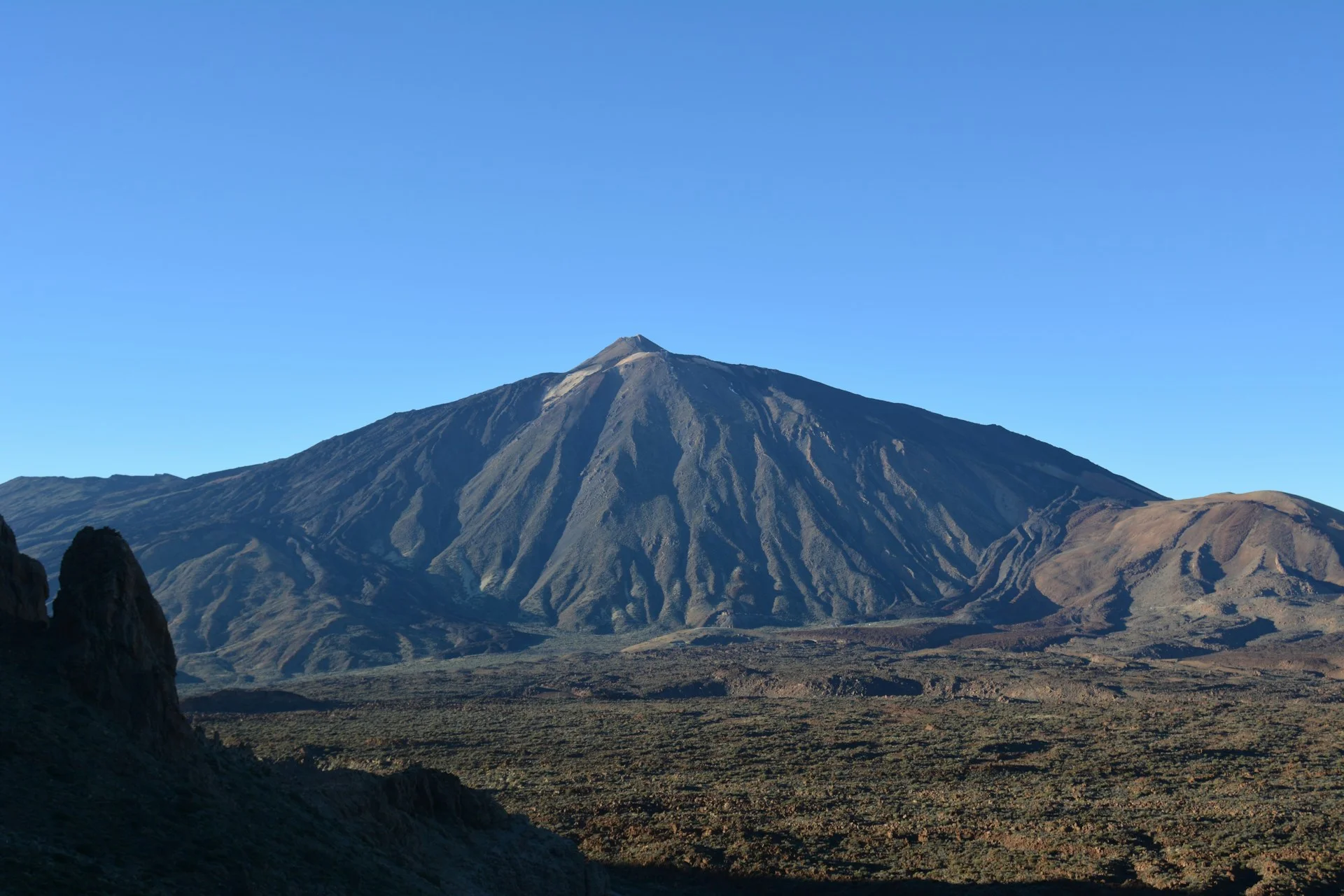
Valle de la Orotava isn't technically a valley; it refers to the lower slopes of Mount Teide, Spain's highest peak and an active volcano that dominates Tenerife's skyline.
This wine region spans three municipalities: Puerto de la Cruz, La Orotava, and Los Realejos. Vineyards cascade from 400 to 800 meters (1,310 to 2,625 feet) above sea level, planted on terraced volcanic rock. The iconic cordón trenzado (braided cord) vine-training system, unique to the area, features vines braided into cords over 8 meters long, reminiscent of a whimsical Dr. Seuss illustration, and is a vital part of the region's viticultural heritage.
A warm, sunny climate, combined with cooling trade winds, creates ideal conditions for grape ripening, shaping the distinctive character of Valle de la Orotava wines. This is heroic viticulture. No mechanization, only backbreaking manual labour on steep slopes where a misstep could send you tumbling into banana plantations below. This challenge has preserved traditional winemaking methods and protected ancient ungrafted vines, as phylloxera has never reached these islands.
Valle de la Orotava is one of Spain’s smallest DOs, with just 329 hectares of vineyards, 14 registered wineries, and annual production of around 2,140 hectolitres, spread across high-altitude volcanic slopes between 400 and 800 metres above sea level.
Valle de la Orotava's wine journey begins with the Spanish conquest of Tenerife in 1496. As the island transitioned from sugar cane to vineyards in the 16th century, viticulture flourished, reaching its golden age in the 17th century. During this era, Malvasía and Canary Sack wines gained cult status across England and Northern Europe, even earning mentions in Shakespeare's works. La Orotava's wines were widely exported to England, Germany, Holland, and Spanish America, cementing the region's international reputation.
This prosperity transformed La Orotava into a wealthy cultural hub, leading to its municipal emancipation in 1648. Throughout the 17th and 18th centuries, it remained the Canary Islands' premier winemaking center.
However, the 20th century brought challenges as banana cultivation gradually replaced vineyards, shrinking the wine industry. Despite this, the region secured Denominación de Origen (DO) status in 1995, protecting its viticultural heritage.
Today, a new generation of winemakers, led by pioneers like Jonatan García, is spearheading a renaissance. They focus on small-batch, terroir-driven wines that showcase Valle de la Orotava's unique volcanic soils and indigenous grape varieties, earning growing international acclaim.
Valle de la Orotava has long embraced sustainable agriculture out of necessity—its steep slopes preclude mechanization, preserving biodiversity and soil health. The iconic cordón trenzado vine training fosters diverse polyculture landscapes, while ancient ungrafted vines root directly in volcanic soils, imparting the wines' signature mineral character.
Leading wineries deepen this commitment. Finca Marañuela, the Canary Islands' first Slow Food Farm, champions regenerative viticulture through cover crops and polyculture. Suertes del Marqués practices minimal-intervention winemaking with indigenous yeasts, inspiring sustainable methods among local growers.
Yet the region faces serious challenges: banana cultivation encroaches on lower vineyards, labour demands deter younger farmers, and the 2025 detection of phylloxera in northern Tenerife threatens the irreplaceable ungrafted vines. These vines are living relics of pre-phylloxera viticulture, unique worldwide, making their preservation vital to global wine heritage.

Vineyard Hectares
WINERIES
GROWING DEGREE DAYS
Valle de la Orotava, on Tenerife's northwestern slopes, stretches from Mount Teide's volcanic heights down to the Atlantic near Puerto de la Cruz. This amphitheatre of vineyards enjoys a unique north-facing exposure that shields vines from harsh southern winds while capturing moisture-rich northeast trade winds. The region's historic braided cord vine training system adds to its distinctive viticultural heritage.
Straddling tropical and temperate zones, Valle de la Orotava benefits from persistent trade winds that create the famous mar de nubes (sea of clouds), providing natural cooling and moisture. With over 3,000 annual sunshine hours and mild temperature swings, the climate fosters phenolic ripeness at moderate alcohol levels.
The vineyards thrive in mineral-rich volcanic soils, 70% volcanic ash, 20% clay, and 10% rock, which are light, well-draining, yet moisture-retentive. This unique soil mix imparts a signature salty, smoky character and fresh acidity, defining the wines' unmistakable profile.
The Valle de la Orotava is home to both red and white wines, with a focus on indigenous grape varieties.
Valle de la Orotava authorizes 28 grape varieties—a remarkable genetic library that includes indigenous Canarian treasures such as Listán Blanco, Albillo Criollo, and Bermejuela; aromatic Malvasías; and elegant reds like Listán Negro and Negramoll, along with international varieties that offer winemakers stylistic flexibility. White grapes play a crucial role in the region, with varieties such as Albillo Criollo, Doradilla, Gual, and Malvasía Aromática contributing to the distinctive character and diversity of the area's white wines. The Listán Negro grape is widely grown in the Canary Islands and produces a diverse range of wines.
Beyond the primary grape varieties, the DO authorizes several additional white varieties, including Bastardo Blanco (Baboso Blanco), Breval, Burrablanca, Listán Blanco de las Canarias, Pedro Ximénez, and Torrontés, offering winemakers blending flexibility. Among these, the aromatic Gual grape stands out in Valle de la Orotava.
On the red side, authorized varieties include Bastardo Negro (Baboso Negro), a challenging yet promising grape from El Hierro, alongside international varieties such as Cabernet Sauvignon, Merlot, Moscatel Negro, Pinot Noir, Ruby Cabernet, Syrah, and Tempranillo. Indigenous grapes such as Listán Prieto and Vijariego Negro (also known as Sumoll in Catalonia) complete the list.
While experimentation with international varieties has occurred, most quality-focused producers prioritize indigenous grapes that best express Valle de la Orotava's unique volcanic terroir.
Valle de la Orotava produces a remarkable diversity of wine styles despite its modest size. The DO regulations set clear minimum alcohol levels and production requirements that ensure quality while allowing stylistic interpretation. Wines protected by the Valle de la Orotava designation of origin will be produced exclusively from specific grape varieties.
Wines from Valle de la Orotava are characterized by their light-to-medium body and intensely aromatic profiles. They are known for their fruity bouquet and a slight touch of bitterness, which adds to their unique character. Compared to the neighbouring DO Ycoden Daute Isora—renowned for its aromatic white wines and distinctive volcanic terroir—Valle de la Orotava wines tend to emphasize forest, earthy, and peppery notes, reflecting the region's unique terroir. The region's volcanic soils and extraordinary Atlantic influence produce wines with high acidity and distinct minerality, contributing to their distinctive character.
Valle de la Orotava wines shine best with fresh, prepared dishes that highlight their Atlantic freshness and volcanic minerality. Here are some of the best food pairings for wines from this DO:
The Canary Islands have a robust wine classification and regulatory system designed to protect and promote the unique qualities of their wines. At the heart of this system is the Denominación de Origen (DO) framework, which sets strict standards for grape varieties, vineyard practices, and winemaking methods to ensure authenticity and quality.
Each of the main Tenerife DOs—Valle de la Orotava, Valle de Guímar, Tacoronte-Acentejo, Ycoden-Daute-Isora, Abona, and La Palma—reflects the distinct terroir and traditions of its region. These appellations are more than geographic boundaries; they are guardians of the islands' viticultural heritage, encouraging the use of local grape varieties such as Listán Negro and Listán Blanco and supporting the preservation of ungrafted vineyards, which are rare in the modern wine world.
The regulations, overseen by the Consejo Regulador, cover permitted grape varieties, maximum yields, and labelling and marketing requirements. This ensures that wines labelled as Valle de la Orotava or any other DO truly represent their place of origin, both in the vineyard and in the bottle. Winemakers are encouraged to highlight the unique characteristics of their volcanic soils, Atlantic-influenced climate, and traditional viticulture, producing quality wines that stand out on the global stage.
For consumers, this classification system offers confidence and clarity, making it easier to discover and enjoy the diverse range of wines produced across the Canary Islands. For producers, it provides a framework to innovate while staying true to the islands' rich winemaking legacy. Ultimately, the DO system is a cornerstone of the Canary Islands' reputation as a source of distinctive, terroir-driven wines that celebrate both tradition and innovation.
Valle de la Orotava offers authentic wine tourism, with around 50 bodegas offering guided tours of steep vineyards and the unique cordón trenzado vine-training system. Visitors can explore century-old ungrafted vines and taste local wines paired with Canarian cheeses, jams, and mojo sauces, with insights from expert sommeliers.
Wine routes connect multiple wineries across diverse microclimates, allowing visitors to experience the region's volcanic terroir in a single day.
Within the Valle de la Orotava, three wineries are raising the quality bar. We are talking about Suertes del Marqués, Finca Marañuela, and Bodega La Haya.


Copyright © 2024 Vinerra Corp.


