
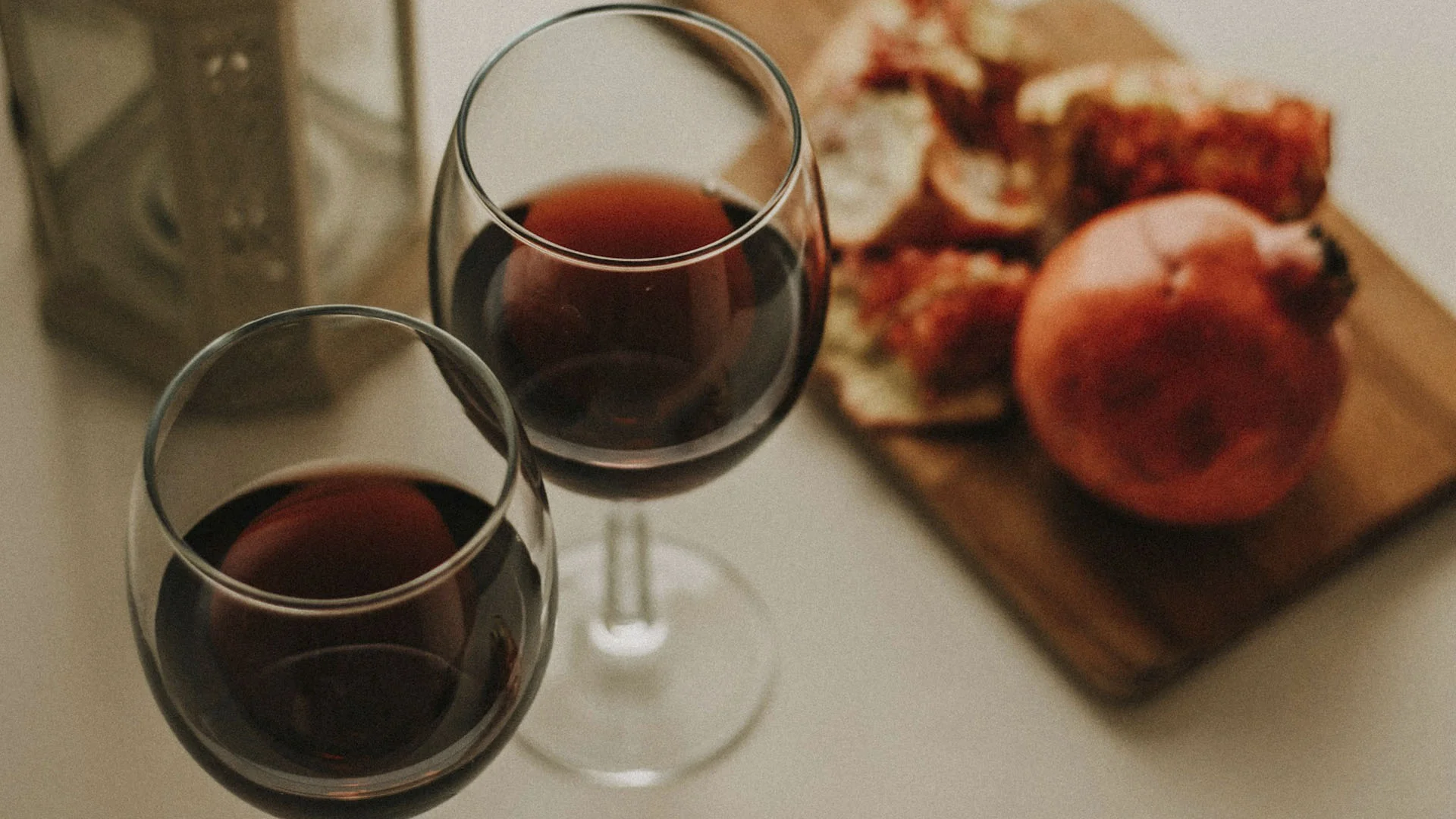
Ink-dark and laced with volcanic spice, Casavecchia whispers secrets of ancient vineyards and forgotten traditions. This rare red grape variety, rooted in the Campania region of southern Italy near Pontelatone, is more than just a wine—it’s a rediscovered relic of history, possibly the very grape behind Pliny the Elder’s legendary “Trebulanum.” Found growing amid the ruins of an old Roman house—hence its name, meaning ‘old house’—Casavecchia has endured centuries of challenges, from devastating epidemics to obscurity, only to emerge today as one of Italy’s most intriguing and age-worthy reds. Despite its profound character and depth, it remains surprisingly underappreciated, offering a unique opportunity for wine lovers and collectors to uncover a hidden gem before it captivates the wider world.
This comprehensive guide invites you on a journey through Casavecchia’s mysterious origins, its distinctive volcanic terroir, and the meticulous winemaking that transforms its thick-skinned berries into wines of remarkable structure and complexity. We’ll explore how this indigenous grape variety balances power and elegance, revealing flavours of wild herbs, earth, and dark plum that echo its ancient roots. From vineyard to glass, from cellar to table, discover why Casavecchia is not just a wine, but a living testament to the passion and heritage of Campania’s winemakers—ready to surprise, delight, and redefine your appreciation of Italian reds.
Casavecchia is a red wine produced almost exclusively in the province of Caserta, Campania, southern Italy, from the indigenous Casavecchia grape.
The Casavecchia di Pontelatone DOC, one of Italy’s smallest appellations, mandates a minimum of 85% Casavecchia grape, allowing up to 15% of other non-aromatic red varieties. Established in 2011, the DOC encompasses the entire municipalities of Liberi and Formicola, plus parts of Pontelatone, Caiazzo, Castel di Sasso, Castel Campagnano, Piana di Monte Verna, and Ruviano.
The DOC defines two styles: Rosso (requiring at least 2 years aging with 1 year in wood, and 12.5% ABV) and Riserva (minimum 3 years aging with 18 months in wood, and 13% ABV). Extended wood aging softens Casavecchia’s robust tannins and adds layers of spice and earth, producing wines with greater depth and a complex, lasting finish. Strict yield limits—9 tons per hectare—and a maximum grape-to-wine conversion of 70% ensure concentrated wines with rich colour and expressive fruit.
Casavecchia is a grape hidden in plain sight, genetically unique and unrelated to known varieties, with no formal ampelographic record before its modern revival.
According to local lore, around 1900, farmer Scirocco Prisco discovered an ancient vine near a crumbling “casa vecchia” (old house) in Pontelatone. The vine’s thick trunk indicated survival through the devastating oidium epidemic of 1851 and the phylloxera crisis. Prisco propagated it via layering, and all modern Casavecchia vines descend from this survivor. Locals call it “l’uva e chella casa vecchia”—the grape from that old house.
The 1990s saw renewed interest in indigenous Italian varieties, prompting several producers to bottle Casavecchia, reflecting a broader shift away from international grapes towards lesser-known, authentic wines. Adding intrigue, the ancient Roman town of Trebula Balliniensis lies within the production zone, fueling the hypothesis that Casavecchia may be the grape behind “Trebulanum,” the wine praised by Pliny the Elder in his Naturalis Historia.
While unproven, this connection adds a captivating layer to Casavecchia’s story.
Casavecchia is a grape that embodies the magic of indigenous varieties—a living connection between the ancient world and modern Campania. Its name, meaning “old house,” honours the centuries-old ruins where this red grape was rediscovered, symbolizing the enduring bond between the land, its people, and their traditions.
Cultivated on the rolling hills of Casavecchia di Pontelatone, the vines root deeply in volcanic soils that impart remarkable depth and minerality. The large, thick-skinned berries helped the variety endure centuries of challenges, contributing to the wine’s signature tannic structure and vibrant acidity. Casavecchia is prized for its high anthocyanin content, producing wines with deep, dark colour, low acidity, and silky, powerful tannins. Aromas are intense and complex, featuring black fruit, spices, leather, undergrowth, and hints of vegetal or balsamic notes. On the palate, it offers a medium to full-bodied profile with a velvety mouthfeel, soft yet firm tannins, and a long, persistent finish.
What distinguishes Casavecchia is its balance of power and elegance. The tannins are firm but polished, the acidity lively, and the flavours layered with dark fruit, earth, and subtle wild herbs. It invites comparison to Italy’s noble reds—combining Nebbiolo’s grip and Barbera’s freshness—yet remains uniquely its own, grounded in rustic charm and savoury depth with a whisper of volcanic spice.
Winemaking here is a dialogue between human hands and the land. Producers fiercely preserve Casavecchia’s essence by aging the wine in large Italian casks, enhancing its natural acidity and complexity without overshadowing its character. The result is a wine that reflects its terroir and the passion of its caretakers.
Dating back to Roman times, Casavecchia di Pontelatone DOC stands as a testament to quality and tradition, ensuring each bottle carries centuries of legacy. As interest in indigenous varieties grows, Casavecchia is finally gaining the recognition it deserves—inviting you to discover the heart of Campania, one glass at a time.
For those seeking an authentic journey into Italian winemaking, Casavecchia offers a rare chance to taste history, passion, and place—all captured in one unforgettable wine. In a region where every vineyard tells a story, Casavecchia is more than a grape—it’s a living testament to Campania’s enduring spirit.
Casavecchia demands patience and respect. The grape’s quality and character are deeply influenced by the specific vineyard site and the unique soil composition—often volcanic, clay, or limestone—of the Casavecchia di Pontelatone region. Here, the grape receives optimal heat and sunlight for proper ripening, which is essential for developing its robust structure and flavour profile. It’s a naturally low-yielding grape—producers like Calatia report 45–50 quintals per hectare in practice—and its thick-skinned berries deliver deep pigmentation and intense tannins that require careful extraction. Harvest typically occurs in the first and second weeks of October and is performed by hand.
Common fermentation practices include maceration, fermentation in oak vessels, malolactic fermentation, and aging:
The choice of oak matters. Italian-format casks (larger vessels, typically 25 hl) are preferred over small barriques to preserve varietal character rather than drowning it in vanilla and toast. This is a grape with enough personality to carry the conversation—it doesn’t need oak as a crutch.
The first swirl of Casavecchia in your glass is like stepping into a twilight forest after rain—violet and wild plum rise with volcanic smoke and a memory of ancient earth.
As the wine opens, a tension between rugged tannin and delicate herbs grips the senses, hinting at both finesse and raw power.
This is not just a tasting, but a return to somewhere elemental.
Cellaring window: A well-made Casavecchia from a strong vintage can comfortably age 15–20+ years.
The best expressions barely begin to open before year 5.
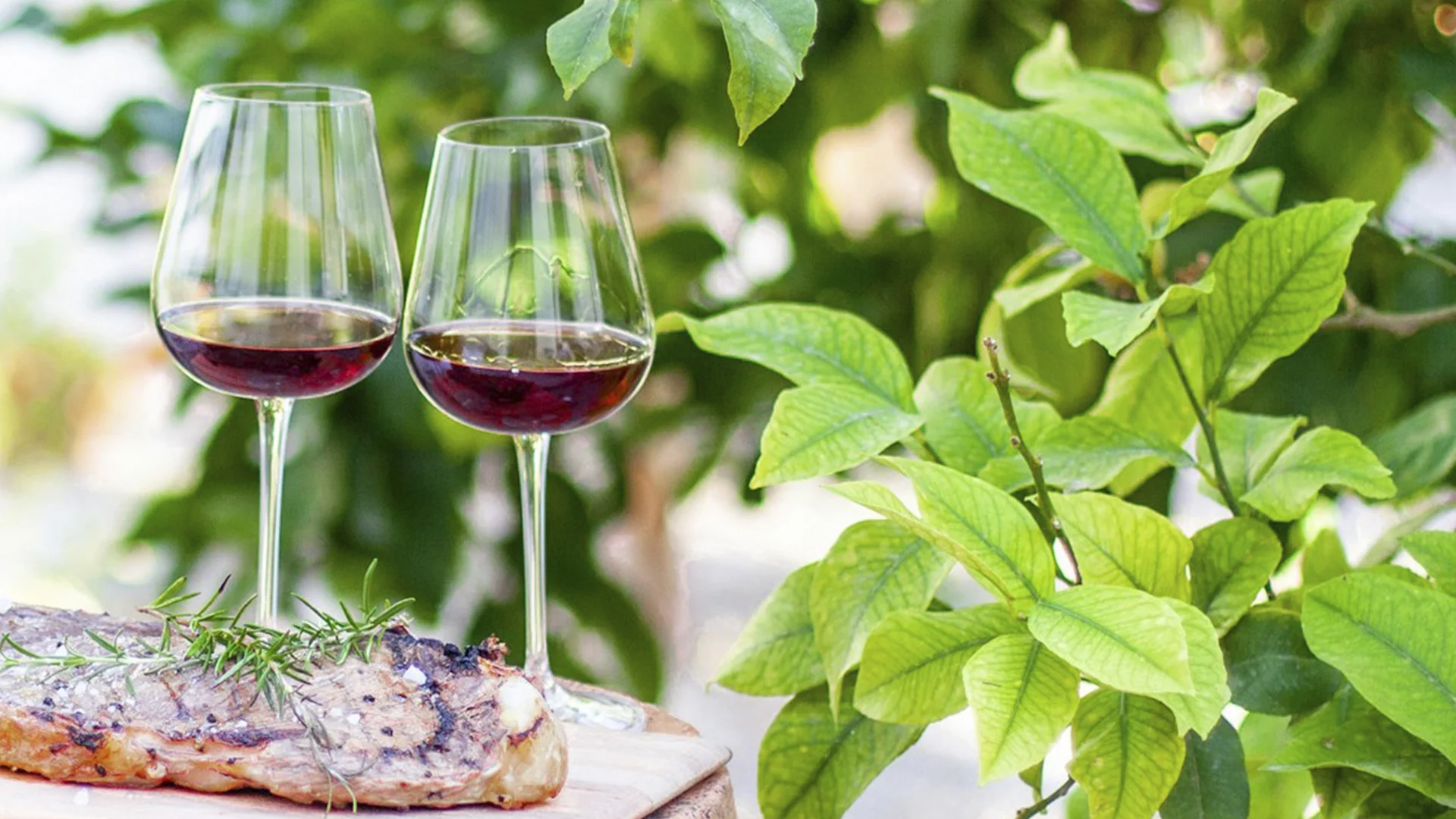
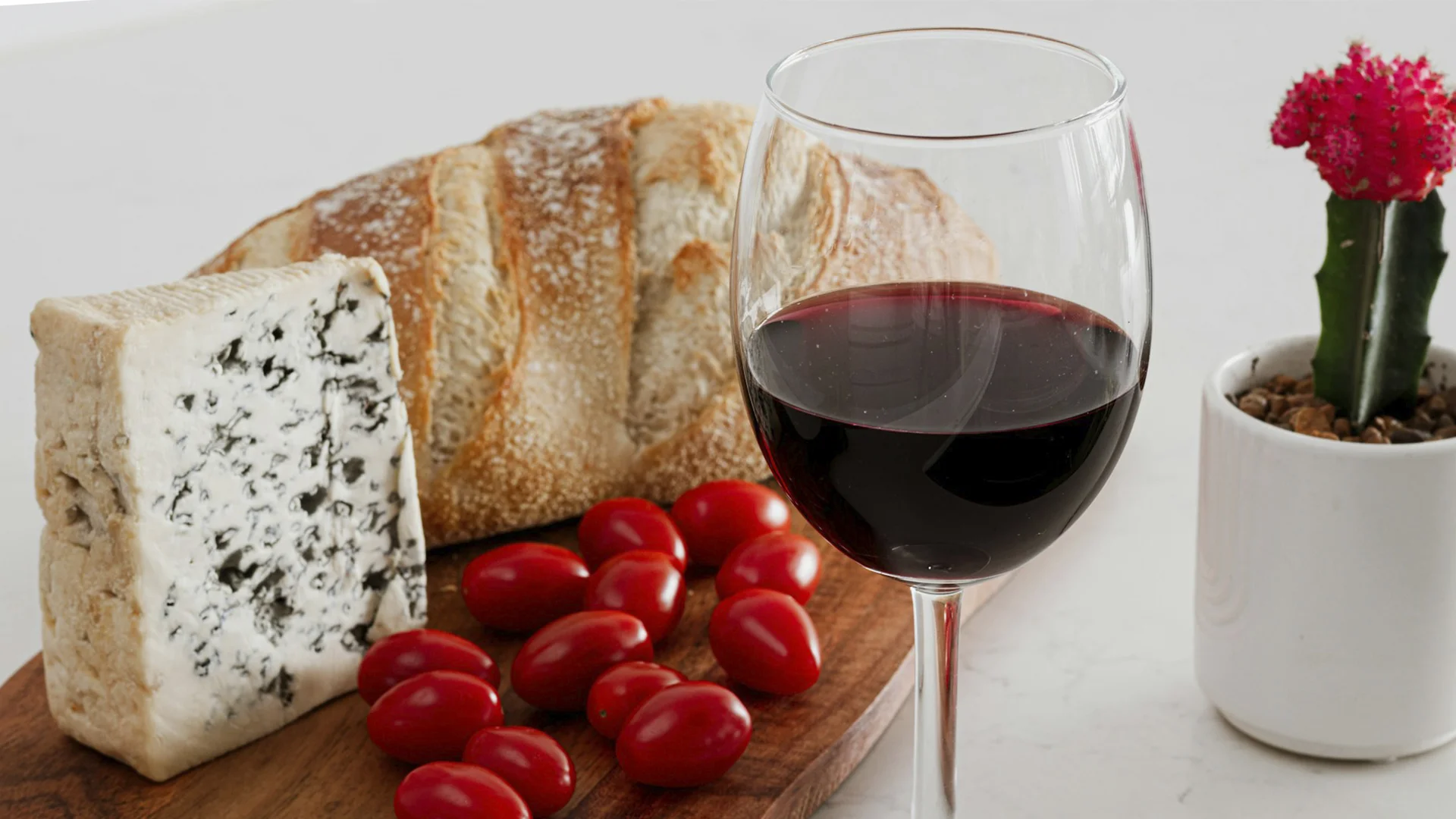
Casavecchia is a structured red wine from Campania, Italy, best paired with rich, savory dishes that can stand up to its firm tannins and dark-fruit flavours. In practical terms, the best food pairings for Casavecchia include aged cheeses, roasted or grilled red meats, hearty pasta al ragù, baked pasta, and creamy risottos with earthy ingredients like mushrooms. Pairing Casavecchia with food is an invitation to experience the culinary spirit of Campania, but its depth and spice also make it a strong match for flavourful international dishes such as Vietnamese duck.
Avoid delicate fish, raw preparations, or light salads, as Casavecchia’s bold character demands dishes with enough substance to match its intensity.
With the right pairing, Casavecchia transforms any meal into a memorable celebration of Campania’s culinary heritage.
Casavecchia is produced almost exclusively in the Casavecchia di Pontelatone DOC, an inland amphitheatre in Campania between Monte Maggiore and the Monti Tifatini. The Mediterranean climate, strong diurnal shifts, and constant ventilation support slow, healthy ripening of this late-harvest grape.
Complex volcanic, alluvial, and clay-rich soils give Casavecchia its hallmark structure, minerality, and depth.
The volcanic soils, legacy of the Campanian Ignimbrite eruption, provide the mineral backbone, while the clay brings water retention and limestone adds more structure, It’s a terroir trifecta that, in any other region, would already command triple the price.
Serve and store Casavecchia as a structured, ageworthy red: pour it slightly below room temperature, give it time in a decanter, use a large-bowled glass, and keep bottles lying down in cool, humid, dark conditions to preserve freshness and complexity.
Casavecchia di Pontelatone, Barolo, and Brunello di Montalcino are three Italian red wines that share serious structure and aging potential but differ sharply in grape, region, style, and price point. The overview and table below compare their key attributes—tannins, acidity, aromas, minimum aging, cellaring potential, and average cost—to show where Casavecchia stands relative to Italy’s most famous appellations.
The structural takeaway: Casavecchia occupies a middle ground—darker and more brooding than Barolo, less overtly tannic than Brunello, and far more affordable than either. If Barolo is Pavarotti and Brunello is Bocelli, Casavecchia is the street musician in Naples who could have filled La Scala.
The talent is there; the marketing machine isn’t.
For consumers: buy a bottle of each and taste them side by side. That’s not advice—it’s a homework assignment.
Casavecchia's survival story is a sustainability narrative. The grape endured oidium, phylloxera, and a century of neglect. Several producers have embraced this ethos:
The universities of Naples and Florence continue to study Casavecchia's agronomic characteristics, with a focus on clonal selection and genetic preservation. Given that the entire DOC's production could fit in a few cargo containers, conservation isn't optional—it's existential. Future research should prioritize formal clonal selection programs and expanded genetic mapping to protect this irreplaceable germplasm.
Wine markets reward familiarity over discovery. Barolo and Brunello sell because everyone knows their names and deserves their reputation. But the best returns in wine, as in venture capital, come from asymmetric bets: high-quality, low-visibility, underpriced assets. Casavecchia is that bet. A grape that may have been praised by Pliny the Elder. A vine that survived two centuries of pestilence. A DOC so small it barely registers on a map. Wines that score 94 points from top critics and sell for the price of a mid-range Chianti. And the closing of Terre del Principe, the estate most responsible for its revival, signals both an ending and an opening, as younger vignerons step into the arena.
The window won't stay open forever. Drink Casavecchia now, and you can tell people you were early. Drink it later, and you'll pay more for the privilege of being late.
So here’s the challenge: go out and find a bottle of Casavecchia—any style or producer. Share it at your next dinner with friends, or take a leap and order a mixed case to explore how the grape expresses itself across different soils and winemaking hands. Better yet, organize a blind tasting alongside Barolo and Brunello, and see which glass sparks the most conversation. The only way to truly understand Casavecchia’s story is to let it unfold in your glass.






















.webp)

.webp)
.webp)
.webp)






.webp)


Are you interested in
collaborating with us?
Copyright © 2024 Vinerra Corp.


